

Artificial intelligence is shaking up how legal teams operate. New AI regulations are emerging fast, and your legal team must adapt to avoid costly mistakes. Imagine a scenario where your company uses AI tools to draft contracts or analyze case law, but suddenly, new rules limit how you can use AI-generated content. This shift can disrupt workflows, increase risk, and demand fresh compliance strategies. Understanding these new AI regulations is critical for legal, operations, and tech leaders who want to keep their teams ahead of the curve.
Related Article: 2026 AI in Contracting Report: Key Insights
TL;DR
Recent AI regulations emphasize copyright, data governance, and transparency, directly impacting legal teams leveraging AI tools.
Additionally, courts have delivered a range of decisions regarding AI training datasets and fair use doctrines, contributing to ongoing legal ambiguity.
The rapid ability of AI to replicate and modify content challenges the adaptability of current copyright legislation.
Under these new frameworks, legal professionals need to reassess their approaches to employing AI in contract drafting, review, and management.
Contract lifecycle management (CLM) software with AI features can help ensure compliance and efficiency.
Choosing the right CLM tool supports risk management and streamlines contract workflows amid evolving AI laws.
Related Article: What the 2026 State of Contracting Report Reveals About AI
What Are the New AI Regulations Affecting Legal Teams?
AI regulations are evolving quickly as governments try to catch up with technology. These rules cover how AI systems can be trained, what data they can use, and how companies must disclose AI involvement in their work. Legal teams face new challenges because they often work directly with AI tools for contract drafting, review, and legal research.
Copyright law represents a critical area of concern. Existing frameworks were established long before the emergence of AI technologies. These frameworks presuppose that copying is a time-consuming process subject to creator control. AI disrupts this premise by enabling instantaneous copying and transformation of content, prompting complex debates around fair use in the context of AI training on copyrighted materials.
Another focus is transparency. Some regulations require companies to disclose when AI is used in decision-making or content creation. This impacts legal teams that rely on AI-generated documents or advice. They must ensure that AI use complies with disclosure rules to avoid legal risks.
Data privacy laws also intersect with AI regulations. Since AI systems frequently handle personal data, ensuring compliance with regulations such as GDPR or CCPA becomes a nuanced task when integrating AI tools. This adds complexity to contract management and legal workflows.
In summary, new AI regulations touch on copyright, transparency, and data privacy. A thorough understanding of these rules is essential for legal teams to effectively mitigate risks and uphold compliance.
Related Articles: How Agentic AI Is Transforming In-House Legal
How Do Recent Court Cases Shape AI Use in Legal Work?
Several recent court rulings have clarified how copyright law applies to AI training and use. Additionally, these cases show mixed outcomes, reflecting ongoing legal uncertainty.
One case involved a legal research company suing an AI firm for copying its database to train AI models. The court ruled that replicating the database to create a rival product failed fair use protections because the AI process lacked sufficient transformation of the source material. This means those working with AI should exercise caution when utilizing proprietary legal databases for training purposes.
In contrast, a case against a social media company accused of using authors’ books for AI training ended with the court rejecting the copyright claims. The judge found no clear evidence that such use negatively impacted the commercial viability of the original works. Moreover, this ruling suggests some AI training may fall under fair use if it does not directly compete with the original content.
Another case settled after the court recognized that providing AI with access to existing materials for instructional purposes can qualify as a transformative act, analogous to the way humans acquire knowledge through reading. However, the court warned against using pirated or unauthorized data for training. This highlights the importance of sourcing AI training data legally.
These decisions illustrate that courts continue to delineate fair use parameters in the context of AI. Professionals should monitor these evolving interpretations carefully and refine AI governance frameworks as necessary.
Related articles: How to maintain ethically use AI in Legal Operations
Why Does Fair Use Matter for AI in Legal Teams?
Fair use is a legal doctrine that allows limited use of copyrighted material without permission. Additionally, it balances the rights of creators with the need to enable new developments. Courts evaluate four factors to determine whether a use qualifies as fair use:
The purpose and character of the use
The nature of the copyrighted work
The amount and substantiality of the portion used
The effect on the market value of the original work
For AI, the fourth factor frequently carries significant weight. If the use of AI reduces the commercial worth of the source material, it may not be deemed fair use. But if the AI sufficiently transforms the content or contributes additional value, it could be permissible.
Legal teams must understand fair use because AI tools often rely on copyrighted data to learn and generate content. For instance, AI drafting platforms often incorporate templates or clauses sourced from protected materials. Moreover, when these actions surpass fair use limits, the organization risks facing infringement claims.
Moreover, fair use influences how legal professionals manage AI-generated content both internally and in client-facing contexts. It is essential to ensure AI-produced materials respect copyright laws and handle sensitive data appropriately. This necessitates robust governance and policy frameworks.
In practice, fair use in AI is complex and context-specific. Legal teams should work with IP experts to evaluate AI tools and their data sources carefully.
Related articles: Agentic AI in Legal: 5 Effective Ways Lawyers Use Agentic AI
What Are the Risks of Using AI Without Considering New Regulations?
Ignoring new AI regulations can expose legal teams to multiple risks:
Copyright infringement: Using AI trained on unauthorized content can lead to lawsuits and costly settlements.
Data privacy violations: AI handling personal information lacking explicit consent may breach privacy laws.
Lack of transparency: Failing to disclose AI use can damage trust and trigger regulatory penalties.
Contractual disputes: AI-generated contracts with errors or non-compliance may cause legal disputes.
Reputational damage: Misuse of AI can harm the company’s brand and client relationships.
For example, a legal team using an AI tool to draft contracts might unknowingly include clauses copied from copyrighted templates without permission. This could result in infringement claims. Or, if AI tools handle sensitive client information absent adequate safeguards, the company risks privacy violations.
Legal teams must perform due diligence on AI tools, verify data sources, and establish compliance controls. Training staff on AI regulations and risks is also essential.
Related articles: Customized AI Powers End-to-End CLM for Legal Teams
How Can Legal Teams Adapt Their AI Use to Comply With New Rules?
Legal teams may adopt a range of strategies to ensure their AI practices comply with emerging regulations:
Audit AI tools: Review how AI systems are trained and what data they use. Additionally, it is also critical to verify that all data is properly licensed or drawn from the public domain.
Update policies: Establish comprehensive guidelines addressing AI usage, with particular emphasis on copyright, privacy, and transparency concerns.
Train staff: Provide targeted education to legal and business personnel about the risks associated with AI and the requisite compliance measures.
Monitor legal developments: Maintain vigilance regarding judicial decisions and regulatory amendments that impact AI applications.
Consult intellectual property specialists: Engage IP attorneys to navigate the legal complexities presented by integrating AI technologies into legal workflows.
Ensure transparency: Disclose AI’s role in contract drafting or the provision of legal advice whenever regulatory frameworks demand such transparency.
By adopting these measures, organizations not only mitigate liability risks but also foster stronger relationships of trust with clients and stakeholders. This framework also permits the utilization of AI efficiencies without compromising legal integrity.
Further reading: AI Contract Review vs. Human Lawyers: Speed, Accuracy & ROI
What Are 5 Challenges in Maintaining Compliance With AI Regulations?
Legal teams face several challenges in adapting to AI regulations:
Rapidly changing rules: AI laws are evolving, making it hard to keep policies current.
Complex copyright issues: Determining fair use parameters and securing appropriate licenses for datasets integral to AI training requires navigating a labyrinth of legal nuances.
Data privacy overlap: AI applications process vast amounts of personal data, necessitating adherence to a complex web of intersecting privacy regulations.
Transparency demands: Revealing the use of AI systems is particularly challenging when the underlying algorithms function as opaque entities or rely on sophisticated technical frameworks.
Resource constraints: Many legal teams struggle with a shortage of both skilled professionals and specialized knowledge essential for comprehensive compliance with AI regulatory standards.
For instance, revising contract templates to integrate AI-related disclosure requirements can present considerable hurdles for legal operations teams.
Or they may encounter significant challenges in authenticating the origins and licensing legitimacy of datasets supplied by external vendors engaged in AI model development.
Addressing these challenges requires a mix of legal expertise, technology solutions, and ongoing training.
Related articles: Effectively use AI in Contract Drafting
How Contract Management Software Helps Legal Teams Navigate AI Regulations
Contract lifecycle management (CLM) software is a critical component in mitigating risks linked to AI deployments. Additionally, modern CLM solutions integrate sophisticated AI functionalities that help legal teams comply with evolving regulations while optimizing operational processes.
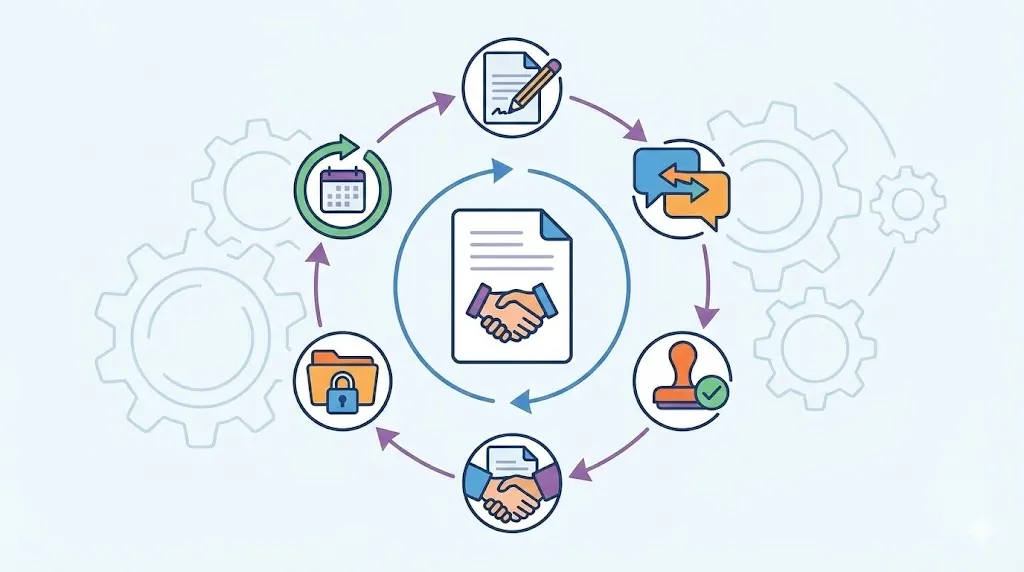
CLM software can: Perform automatic contract analysis to detect clauses that may introduce compliance risks under AI legislation. Capture essential metadata including renewal dates, obligations, and governing law to support compliance oversight. Consolidate contracts within a centralized repository equipped with version control and audit trails to improve transparency. Deploy automated approval workflows that ensure contracts meet legal criteria before execution. Produce AI-generated summaries that allow stakeholders to quickly understand AI-related contractual terms.
These capabilities reduce manual work and improve governance. In addition, they facilitate monitoring AI-related contract provisions and verifying adherence to data privacy standards.
Volody offers a contract management platform with AI contract drafting, review, and risk analysis features. Moreover, it supports template and clause management, approval workflows, and detailed audit trails. These tools help legal teams manage contracts confidently amid evolving AI laws.
See how Volody's CLM Software helps your team move contracts forward with confidence.
FAQ
What are the main legal risks of using AI in contract drafting?
AI may inadvertently replicate copyrighted material or produce clauses that lack legal accuracy. Such issues expose organizations to potential copyright violations and contractual disputes. In addition, legal practitioners must rigorously validate AI-generated outputs and confirm that the underlying data sources are properly licensed.
How do AI regulations influence legal research tools?
AI applications trained on proprietary legal content risk infringing copyright if they reproduce material without significant transformation. Legal teams need to ensure that AI vendors utilize licensed databases and comply with fair use doctrines.
Furthermore, can AI-generated contracts be legally binding?
Yes, but contracts must meet traditional legal requirements. AI can assist drafting, but human review remains essential to ensure enforceability and compliance.
What does transparency mean in AI use for legal teams?
Transparency involves clearly disclosing when AI contributes to document preparation or decision-making processes. This approach builds trust and may be required by recent legislative frameworks.
How can legal teams verify AI training data compliance?
Teams should request documentation from AI vendors about data sources and licensing. Also, they can also conduct audits or require contractual guarantees.
Are there specific privacy laws that impact AI use in legal work?
Yes. Therefore, laws like GDPR and CCPA regulate personal data processing. AI tools handling such data must comply with consent, security, and data minimization rules.
What role do court rulings play in shaping AI regulations?
Judicial interpretations clarify how existing statutes apply to AI technologies. These rulings establish precedents concerning fair use, copyright infringement, and data utilization that influence subsequent regulatory developments and compliance requirements.
How often should legal teams update AI policies?
Regular reviews are necessary, at least annually or when significant legal changes occur. Therefore, ongoing surveillance of AI developments remains essential.
Can contract management platforms replace human legal review?
No. Such software enhances efficiency and risk identification but cannot substitute for human judgment, particularly in complex legal matters.
What are best practices for training legal teams on AI compliance?
Develop comprehensive guidelines, incorporate practical case studies, and provide ongoing training initiatives. Promote interdisciplinary collaboration among legal, IT, and compliance professionals.
About the Company

Volody AI CLM is an Agentic AI-powered Contract Lifecycle Management platform designed to eliminate manual contracting tasks, automate complex workflows, and deliver actionable insights. As a one-stop shop for all contract activities, it covers drafting, collaboration, negotiation, approvals, e-signature, compliance tracking, and renewals. Built with enterprise-grade security and no-code configuration, it meets the needs of the most complex global organizations. Volody AI CLM also includes AI-driven contract review and risk analysis, helping teams detect issues early and optimize terms. Trusted by Fortune 500 companies, high-growth startups, and government entities, it transforms contracts into strategic, data-driven business assets.





" height="216.72211px" id="FYO0bO80Y" transform="translate(3 6.105)" width="206.073px"/><path d="M 108.174 222 C 88.432 222 70.303 217.239 53.785 207.717 C 37.267 198.196 24.173 185.052 14.504 168.285 C 4.835 151.312 0 132.165 0 110.845 C 0 89.731 4.835 70.792 14.504 54.025 C 24.173 37.052 37.267 23.804 53.785 14.282 C 70.303 4.761 88.432 0 108.174 0 C 128.116 0 146.246 4.761 162.562 14.282 C 179.08 23.804 192.073 37.052 201.541 54.025 C 211.21 70.792 216.044 89.731 216.044 110.845 C 216.044 132.165 211.21 151.312 201.541 168.285 C 192.073 185.052 179.08 198.196 162.562 207.717 C 146.044 217.239 127.915 222 108.174 222 Z M 108.174 183.189 C 120.864 183.189 132.044 180.291 141.713 174.495 C 151.382 168.492 158.936 160.006 164.375 149.035 C 169.814 138.064 172.533 125.334 172.533 110.845 C 172.533 96.355 169.814 83.729 164.375 72.965 C 158.936 61.994 151.382 53.611 141.713 47.815 C 132.044 42.02 120.864 39.122 108.174 39.122 C 95.483 39.122 84.202 42.02 74.332 47.815 C 64.663 53.611 57.109 61.994 51.67 72.965 C 46.231 83.729 43.511 96.355 43.511 110.845 C 43.511 125.334 46.231 138.064 51.67 149.035 C 57.109 160.006 64.663 168.492 74.332 174.495 C 84.202 180.291 95.483 183.189 108.174 183.189 Z" fill="rgba(255, 255, 255, 0.12)" height="222px" id="aa1McFcE9" transform="translate(227.183 3)" width="216.04399999999998px"/><path d="M 42.302 182.257 L 111.799 182.257 L 111.799 216.722 L 0 216.722 L 0 0 L 42.302 0 Z" fill="rgba(255, 255, 255, 0.12)" height="216.72211px" id="yRq4AnrsX" transform="translate(477.721 6.105)" width="111.79899999999998px"/><path d="M 108.174 222 C 88.432 222 70.303 217.239 53.785 207.717 C 37.267 198.196 24.173 185.052 14.504 168.285 C 4.835 151.312 0 132.165 0 110.845 C 0 89.731 4.835 70.792 14.504 54.025 C 24.173 37.052 37.267 23.804 53.785 14.282 C 70.303 4.761 88.432 0 108.174 0 C 128.116 0 146.246 4.761 162.562 14.282 C 179.08 23.804 192.073 37.052 201.541 54.025 C 211.21 70.792 216.045 89.731 216.045 110.845 C 216.045 132.165 211.21 151.312 201.541 168.285 C 192.073 185.052 179.08 198.196 162.562 207.717 C 146.044 217.239 127.915 222 108.174 222 Z M 108.174 183.189 C 120.864 183.189 132.044 180.291 141.713 174.495 C 151.382 168.492 158.936 160.006 164.375 149.035 C 169.814 138.064 172.534 125.334 172.534 110.845 C 172.534 96.355 169.814 83.729 164.375 72.965 C 158.936 61.994 151.382 53.611 141.713 47.815 C 132.044 42.02 120.864 39.122 108.174 39.122 C 95.483 39.122 84.202 42.02 74.332 47.815 C 64.663 53.611 57.108 61.994 51.67 72.965 C 46.231 83.729 43.511 96.355 43.511 110.845 C 43.511 125.334 46.231 138.064 51.67 149.035 C 57.108 160.006 64.663 168.492 74.332 174.495 C 84.202 180.291 95.483 183.189 108.174 183.189 Z" fill="rgba(255, 255, 255, 0.12)" height="222px" id="mo8HQspQ0" transform="translate(609.155 3)" width="216.04500000000007px"/><path d="M 73.727 0 C 95.885 0 115.324 4.45 132.044 13.351 C 148.967 22.252 161.957 34.982 171.027 51.541 C 180.287 67.894 184.917 86.937 184.917 108.671 C 184.917 130.405 180.287 149.449 171.027 165.801 C 161.957 181.947 148.967 194.47 132.044 203.371 C 115.324 212.271 95.885 216.722 73.727 216.722 L 0 216.722 L 0 0 Z M 72.216 179.773 C 94.374 179.773 111.497 173.564 123.583 161.144 C 135.669 148.724 141.713 131.233 141.713 108.671 C 141.713 86.109 135.669 68.515 123.583 55.888 C 111.497 43.055 94.374 36.638 72.216 36.638 L 42.302 36.638 L 42.302 179.773 Z" fill="rgba(255, 255, 255, 0.12)" height="216.72211px" id="I3iXX5Hi_" transform="translate(859.693 6.105)" width="184.91699999999992px"/><path d="M 185.22 0 L 113.91 141.273 L 113.91 216.722 L 71.61 216.722 L 71.61 141.273 L 0 0 L 47.74 0 L 93.06 99.046 L 138.08 0 Z" fill="rgba(255, 255, 255, 0.12)" height="216.72211px" id="nzHyWC0_d" transform="translate(1061.78 6.105)" width="185.22000000000003px"/></svg>)