

Artificial intelligence is reshaping how legal teams handle contracts. But AI tools have limits to keep systems stable and fair for all users. Knowing about AI fair usage limits helps legal and operations leaders set realistic expectations and avoid workflow interruptions. Imagine a busy legal team relying on AI to review contracts quickly, only to hit a usage cap mid-project. That pause can slow down negotiations and create bottlenecks. This guide explains what AI fair usage limits are, why they exist, and how to work within them effectively.
TL;DR
AI fair usage limits protect system performance by capping how much AI can be used per user or team.
Additionally, limits differ depending on the AI feature in question, such as contract review, data extraction, or drafting assistance.
These caps mitigate system overload and maintain dependable AI availability across the user base.
A thorough grasp of usage restrictions enables legal teams to strategically allocate AI resources and circumvent unexpected interruptions.
Contract management software that integrates AI optimizes usage control and delivers timely notifications to users.
Selecting an AI-driven contract platform requires balancing enhanced productivity with adherence to fair usage constraints.
What Are AI Fair Usage Limits and Why Do They Matter?
AI usage policies define the maximum extent to which AI functionalities may be accessed within specified intervals. These limits might restrict the number of contract reviews, data extraction tasks, or AI-generated drafts you can perform each day or month. The goal is to keep AI services stable and responsive for everyone.
Think of it like a shared highway during rush hour. Overcapacity leads to congestion and delays. Traffic signals regulate vehicle movement to prevent gridlock. Without such controls, performance can deteriorate markedly, leading to significant slowdowns or crashes when demand peaks.
For legal teams, reliable AI functionality becomes critical when managing contract reviews or negotiations to ensure continuity and accuracy. Furthermore, these restrictions help prevent a minority of users from dominating computational resources, thereby preserving operational efficiency for the entire user community.
Such constraints are especially crucial in cloud-based AI services. These platforms host AI models on servers shared by thousands of users worldwide. Managing resource allocation through limits ensures consistent speed and availability.
Related articles: How AI CLM Ensures Contract Compliance and Audit Readiness
How AI Fair Usage Limits Protect System Performance
AI models require significant computing power. Additionally, running thousands of contract analyses or data extractions concurrently imposes substantial load on servers. Limits help balance demand and supply.
Here are key ways fair usage limits protect system performance:
Prevent Overload: Limits cap the number of AI tasks per user or team to avoid server strain.
Ensure Responsiveness: By managing individual usage, the system maintains low latency and consistent processing speeds.
Avoid Downtime: Limiting requests mitigates risks of server crashes that result from excessive computational burden.
Promote Equal Access: Fair usage policies prevent any single user from dominating shared AI infrastructure.
Support Scaling: Such constraints are critical for maintaining operational efficiency as demand for AI services expands.
For example, restricting users of a contract review AI tool to 10 reviews within a two-hour period helps prevent system saturation during peak usage. Users who reach this threshold are temporarily restricted, encouraging them to space out requests.
Related articles: How Does AI Limitations Impacting Contract Management?
Common Types of AI Usage Limits in Legal Tech
AI fair usage limits come in several forms depending on the platform and AI feature. Here are the most common types:
Task-Based Limits
These restrict the number of AI tasks you can complete within a time window. A task might be a contract review, data extraction, or clause suggestion. Typically, platforms allocate around 500 AI tasks per month.
Time-Based Limits
These control how often you can use AI features during a set period. For instance, a user might be limited to 10 contract reviews every two hours. This prevents bursts of heavy usage.
Volume-Based Limits
Limits based on document volume restrict how many contracts or pages you can process using AI. One common allowance is extracting data from up to 200 contracts in a bulk upload.
Feature-Specific Limits
Different AI features often have separate limits. Contract review might have stricter caps than AI drafting or summarization. This reflects the varying computing resources each feature consumes.
No Limits on Some Features
Some AI tools, like query assistants or drafting helpers, may have no current limits. This encourages adoption while managing heavier AI workloads elsewhere.
Understanding these limit types helps legal teams plan AI use strategically. For example, they might reserve contract review AI for high-priority deals and use AI drafting more freely.
Related articles: How to Simplify Contract Review with AI? Comprehensive Guide
How Usage Limits Affect Legal Workflows
AI fair usage limits influence legal teams through multiple operational challenges. Additionally, understanding these implications enables leaders to strategically adapt workflows.
Workflow Interruptions
Exceeding a usage threshold can result in temporary suspension of AI services. This interruption risks slowing down contract analysis or document creation during critical negotiation phases.
Planning and Prioritization
Teams must prioritize AI tasks within limits. For example, they might batch contract reviews or schedule AI-intensive work during off-peak hours.
User Coordination
Limits per user or team require coordination. Teams should communicate AI usage to avoid exceeding caps collectively.
Training and Adoption
Limits can affect how quickly teams adopt AI tools. If users frequently hit limits, they might lose confidence in the technology.
Cost Management
Some platforms tie usage limits to pricing tiers. Understanding limits helps control costs by avoiding overuse fees or expensive upgrades.
Monitoring and Reporting
Tracking AI usage becomes essential. Teams need dashboards or alerts to monitor consumption and avoid surprises.
Related articles: How Contract AI Archives Transform Legal Workflows
Best Practices for Managing AI Fair Usage Limits
Legal and operations leaders can take several steps to work effectively within AI usage limits.
Understand Your Platform’s Limits
Review the AI usage policies and limits of your contract management software. Know the caps for each AI feature and how they reset.
Train Users on Limits
Educate your legal team about usage thresholds and the best practices to manage AI workloads efficiently to prevent exceeding those limits.
Prioritize High-Value Tasks
Focus AI capabilities on the most significant contracts or clauses to ensure optimal resource allocation. Reserve AI processing for essential documents and avoid applying it to less critical ones unless the usage parameters permit.
Batch AI Tasks
Consolidate contract reviews or data extraction processes into grouped sessions to minimize the frequency of requests that can rapidly deplete usage quotas.
Monitor Usage Regularly
Utilize platform analytics tools to gain detailed insights into AI consumption patterns. Moreover, establish proactive alert systems to notify teams as usage approaches the predefined limits.
Communicate Across Teams
Foster coordinated AI use among various departments by exchanging strategies and sharing consumption data to make the most of available capacity.
Request Higher Limits If Needed
When usage consistently approaches or exceeds current limits, engage with your vendor to explore alternative plans. Options such as premium tiers or bespoke contracts often provide expanded usage allowances.
Automate Workflows
Integrate AI features into automated contract workflows. This reduces manual triggers and spreads usage evenly.
Use AI Features Without Limits
Leverage AI tools that do not have usage caps for drafting or summarization to maximize productivity.
Examples of AI Fair Usage Limits in Contract Management
Here are detailed instances illustrating how AI usage restrictions are implemented within actual legal teams.
Contract Review Limits
Additionally, legal experts utilize AI tools to detect risky clauses during contract analysis. The platform allows 10 contract reviews per user every two hours. If a user hits this cap, they must wait before submitting more contracts for AI review. This encourages users to space out reviews and focus on priority deals.
Data Extraction Limits
A procurement group uploads a bulk batch of 200 contracts to extract data using AI. The platform limits bulk uploads to 200 documents at a time. Moreover, to adhere to these constraints and prevent processing errors, the team divides larger batches into smaller subsets.
AI Drafting Without Limits
A sales team uses AI drafting assistance to generate contract templates and clauses. This feature has no usage limits, allowing the team to draft contracts quickly without interruption.
Monthly Task Caps
A legal department has 500 AI contract intelligence tasks per month. They monitor usage weekly to avoid exceeding this cap. If usage approaches the limit, they prioritize essential tasks and delay less urgent ones.
Related articles: Effectively use AI in Contract Drafting
Why Contract Management Software Matters for Managing AI Limits
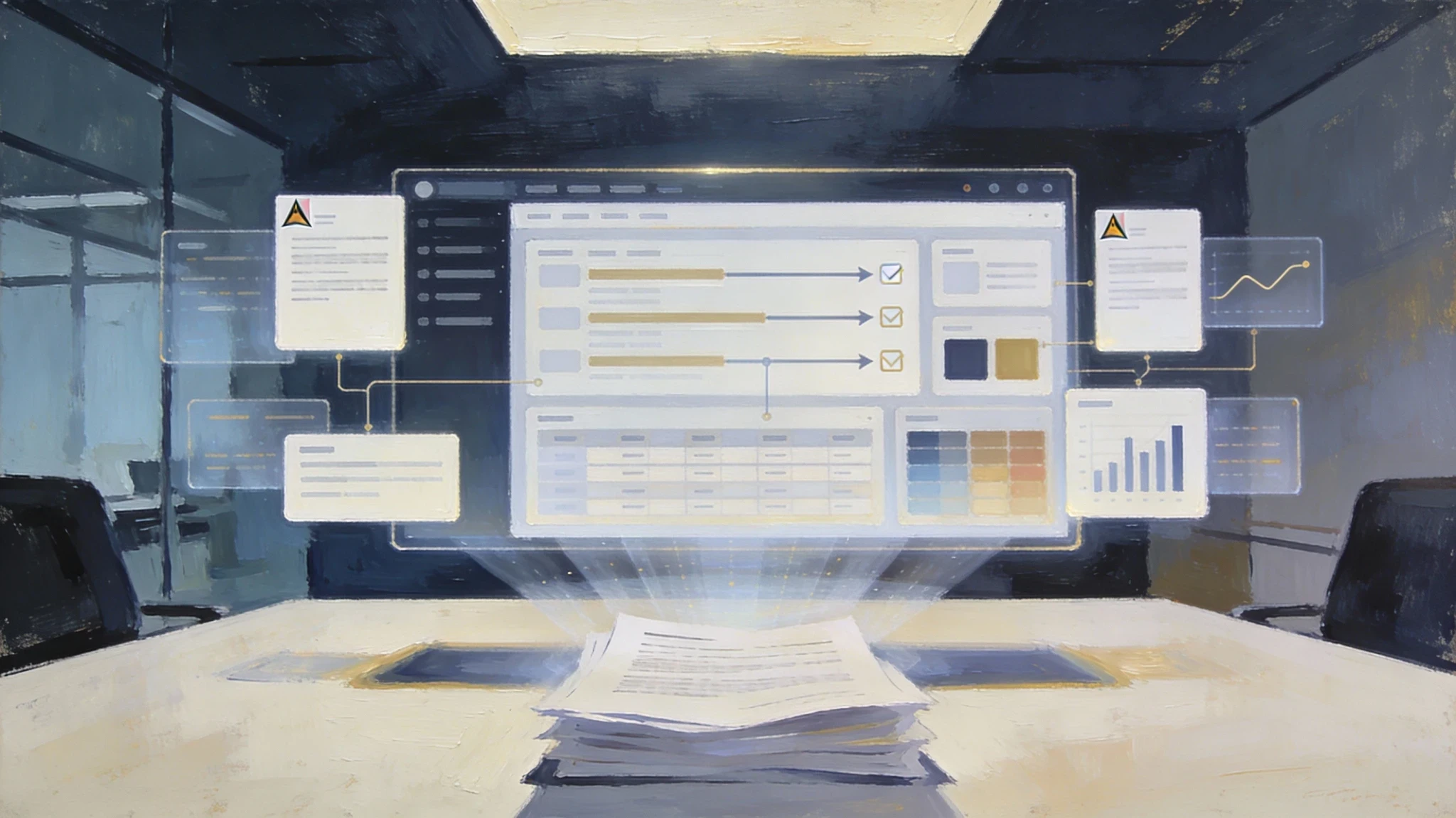
Contract management software integrating AI capabilities enables legal teams to effectively oversee fair usage limits. These platforms provide:
Usage Tracking Dashboards: Visualize AI consumption by user, team, or feature.
Automated Alerts: Notify users when they approach limits.
Role-Based Access Controls: Regulate AI usage permissions according to organizational roles to manage consumption.
Workflow Automation: Coordinate AI task execution to prevent peak usage that exceeds limits.
Flexible Plans: Implement scalable thresholds tailored to evolving business requirements.
Such solutions maintain the reliability and availability of AI tools. They also empower legal departments to strategically allocate AI resources and mitigate workflow interruptions.
Related articles: Customized AI Powers End-to-End CLM for Legal Teams
How Contract Management Software Solves This
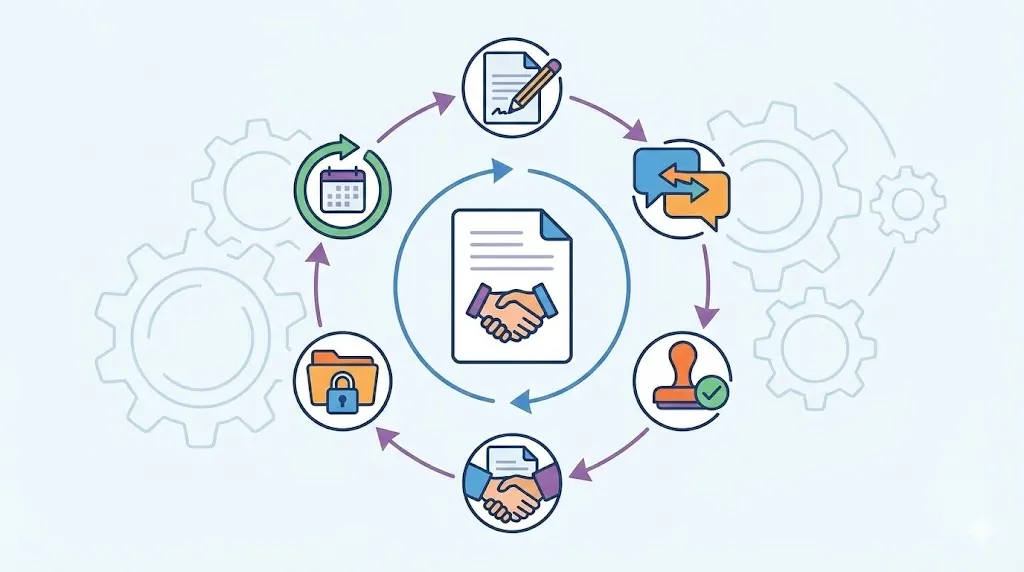
Contract management platforms bring together workflows while embedding AI tools under rigorous usage controls. Additionally, this integration reduces the chance of surpassing AI fair usage thresholds unexpectedly.
These platforms allow teams to:
Monitor AI consumption in real time across all users.
Define access rights for AI functionalities.
Conduct batch processing for contract review and data extraction.
Allocate AI resources according to contract priority.
Volody’s platform offers AI-driven contract drafting, review, and metadata extraction, all equipped with usage tracking. It helps legal teams avoid hitting AI limits while speeding up contract cycles.
> See how modern contract management can streamline every stage of your contract lifecycle with Volody's CLM Software.
FAQ
What are the consequences of exceeding an AI usage threshold?
Additionally, you will temporarily lose access to the specific AI feature until the usage window resets.
This interruption helps protect system stability while maintaining equitable access for all users.
Are usage limits consistent across different platforms?
Usage restrictions vary widely based on the vendor’s policies, the specific AI capabilities involved, and the level of subscription purchased.
Always refer to your software’s documentation for comprehensive details on usage policies.
Is it possible to increase my AI usage quotas?
Moreover, many providers allow for expanded limits through upgraded plans or tailored contracts. Contact your provider if your team needs more capacity.
Do usage restrictions apply uniformly to all AI functionalities?
No. Some capabilities, such as contract review, may be subject to tighter constraints than AI drafting or query assistants, which may have no limits.
How can I monitor AI usage effectively?
Leverage the analytics and reporting tools embedded in your platform.
Activate notifications to alert you as limits near, preventing unexpected interruptions.
Furthermore, what is the rationale behind implementing usage restrictions?
These constraints safeguard system performance, minimize downtime, and ensure equitable resource allocation among all customers.
Can usage limits affect contract turnaround times?
Yes. If you hit a limit, AI-assisted tasks pause, which can delay contract reviews or drafting until limits reset.
Is there a way to avoid hitting AI limits?
Plan AI use carefully, batch tasks, prioritize important contracts, and train users on limits. Also, automate workflows where possible.
Also, do AI limits impact cost?
Yes. Higher usage often requires higher subscription tiers or additional fees. Managing limits helps control expenses.
Are usage restrictions prevalent across various industries?
Such limits are standard in cloud-based AI services, especially within legal tech, to balance resource sharing and maintain operational integrity.
This article outlines the mechanics of AI fair usage limits and their significance for legal professionals. Effectively managing these parameters is critical to maintaining the reliability and productivity of AI tools. Incorporating software solutions with built-in AI usage controls supports sustained workflow efficiency and reduces the risk of service interruptions.
About the Company

Volody AI CLM is an Agentic AI-powered Contract Lifecycle Management platform designed to eliminate manual contracting tasks, automate complex workflows, and deliver actionable insights. As a one-stop shop for all contract activities, it covers drafting, collaboration, negotiation, approvals, e-signature, compliance tracking, and renewals. Built with enterprise-grade security and no-code configuration, it meets the needs of the most complex global organizations. Volody AI CLM also includes AI-driven contract review and risk analysis, helping teams detect issues early and optimize terms. Trusted by Fortune 500 companies, high-growth startups, and government entities, it transforms contracts into strategic, data-driven business assets.




" height="216.72211px" id="FYO0bO80Y" transform="translate(3 6.105)" width="206.073px"/><path d="M 108.174 222 C 88.432 222 70.303 217.239 53.785 207.717 C 37.267 198.196 24.173 185.052 14.504 168.285 C 4.835 151.312 0 132.165 0 110.845 C 0 89.731 4.835 70.792 14.504 54.025 C 24.173 37.052 37.267 23.804 53.785 14.282 C 70.303 4.761 88.432 0 108.174 0 C 128.116 0 146.246 4.761 162.562 14.282 C 179.08 23.804 192.073 37.052 201.541 54.025 C 211.21 70.792 216.044 89.731 216.044 110.845 C 216.044 132.165 211.21 151.312 201.541 168.285 C 192.073 185.052 179.08 198.196 162.562 207.717 C 146.044 217.239 127.915 222 108.174 222 Z M 108.174 183.189 C 120.864 183.189 132.044 180.291 141.713 174.495 C 151.382 168.492 158.936 160.006 164.375 149.035 C 169.814 138.064 172.533 125.334 172.533 110.845 C 172.533 96.355 169.814 83.729 164.375 72.965 C 158.936 61.994 151.382 53.611 141.713 47.815 C 132.044 42.02 120.864 39.122 108.174 39.122 C 95.483 39.122 84.202 42.02 74.332 47.815 C 64.663 53.611 57.109 61.994 51.67 72.965 C 46.231 83.729 43.511 96.355 43.511 110.845 C 43.511 125.334 46.231 138.064 51.67 149.035 C 57.109 160.006 64.663 168.492 74.332 174.495 C 84.202 180.291 95.483 183.189 108.174 183.189 Z" fill="rgba(255, 255, 255, 0.12)" height="222px" id="aa1McFcE9" transform="translate(227.183 3)" width="216.04399999999998px"/><path d="M 42.302 182.257 L 111.799 182.257 L 111.799 216.722 L 0 216.722 L 0 0 L 42.302 0 Z" fill="rgba(255, 255, 255, 0.12)" height="216.72211px" id="yRq4AnrsX" transform="translate(477.721 6.105)" width="111.79899999999998px"/><path d="M 108.174 222 C 88.432 222 70.303 217.239 53.785 207.717 C 37.267 198.196 24.173 185.052 14.504 168.285 C 4.835 151.312 0 132.165 0 110.845 C 0 89.731 4.835 70.792 14.504 54.025 C 24.173 37.052 37.267 23.804 53.785 14.282 C 70.303 4.761 88.432 0 108.174 0 C 128.116 0 146.246 4.761 162.562 14.282 C 179.08 23.804 192.073 37.052 201.541 54.025 C 211.21 70.792 216.045 89.731 216.045 110.845 C 216.045 132.165 211.21 151.312 201.541 168.285 C 192.073 185.052 179.08 198.196 162.562 207.717 C 146.044 217.239 127.915 222 108.174 222 Z M 108.174 183.189 C 120.864 183.189 132.044 180.291 141.713 174.495 C 151.382 168.492 158.936 160.006 164.375 149.035 C 169.814 138.064 172.534 125.334 172.534 110.845 C 172.534 96.355 169.814 83.729 164.375 72.965 C 158.936 61.994 151.382 53.611 141.713 47.815 C 132.044 42.02 120.864 39.122 108.174 39.122 C 95.483 39.122 84.202 42.02 74.332 47.815 C 64.663 53.611 57.108 61.994 51.67 72.965 C 46.231 83.729 43.511 96.355 43.511 110.845 C 43.511 125.334 46.231 138.064 51.67 149.035 C 57.108 160.006 64.663 168.492 74.332 174.495 C 84.202 180.291 95.483 183.189 108.174 183.189 Z" fill="rgba(255, 255, 255, 0.12)" height="222px" id="mo8HQspQ0" transform="translate(609.155 3)" width="216.04500000000007px"/><path d="M 73.727 0 C 95.885 0 115.324 4.45 132.044 13.351 C 148.967 22.252 161.957 34.982 171.027 51.541 C 180.287 67.894 184.917 86.937 184.917 108.671 C 184.917 130.405 180.287 149.449 171.027 165.801 C 161.957 181.947 148.967 194.47 132.044 203.371 C 115.324 212.271 95.885 216.722 73.727 216.722 L 0 216.722 L 0 0 Z M 72.216 179.773 C 94.374 179.773 111.497 173.564 123.583 161.144 C 135.669 148.724 141.713 131.233 141.713 108.671 C 141.713 86.109 135.669 68.515 123.583 55.888 C 111.497 43.055 94.374 36.638 72.216 36.638 L 42.302 36.638 L 42.302 179.773 Z" fill="rgba(255, 255, 255, 0.12)" height="216.72211px" id="I3iXX5Hi_" transform="translate(859.693 6.105)" width="184.91699999999992px"/><path d="M 185.22 0 L 113.91 141.273 L 113.91 216.722 L 71.61 216.722 L 71.61 141.273 L 0 0 L 47.74 0 L 93.06 99.046 L 138.08 0 Z" fill="rgba(255, 255, 255, 0.12)" height="216.72211px" id="nzHyWC0_d" transform="translate(1061.78 6.105)" width="185.22000000000003px"/></svg>)