

The DPDP Act has made contract governance a core pillar of data privacy compliance in India. Vendor agreements must now do more than include broad confidentiality language: they must clearly define who may use personal data, for what purpose, and under which safeguards. Year one is the right time to convert those obligations into enforceable terms, accountable processes, and repeatable controls.
TL;DR
The DPDP Act keeps Data Fiduciaries responsible for processors, making clear contracts essential for DPDP Act compliance.
Data Processing Agreements should cover purpose limits, security, breach reporting, deletion, assistance, and audit evidence.
Employee, customer, partner, and NDA documents need different updates based on their data use.
Legacy contracts create risks through stale terms, hidden subprocessors, unclear transfers, and weak retention controls.
A risk-based plan helps teams inventory agreements, negotiate changes, record exceptions, and track renewals.
Contract management software centralizes clauses, approvals, obligations, evidence, and reminders across DPDP work.
What Year One of the DPDP Act Changes for Contract Owners
The Digital Personal Data Protection Act 2023 changes the contract owner’s role. Privacy duties now reach procurement, sales, HR, security, and vendor management. DPDP Act compliance for businesses depends on how contracts support daily data use.
A Data Fiduciary decides why and how personal data is processed. A Data Processor handles that data for the Data Fiduciary. Outsourcing processing does not remove the Data Fiduciary’s responsibility.
The shift from policy compliance to contract accountability
A privacy policy explains the organization’s approach. A contract tells another party what it must do. That difference matters when a supplier hosts customer records or runs payroll.
Section 8 keeps the Data Fiduciary accountable for processor activity. The processor relationship therefore needs a valid contract. That contract should state permitted purposes, data limits, security steps, and reporting duties.
A general promise to follow law may not provide enough control. It may also leave teams unsure about response times or evidence. Clear wording turns legal duties into tasks that people can check.
The contract should match the real service. A cloud provider may need rules for access, logs, backups, and subprocessors. A recruitment provider may need rules for candidate data, retention, and deletion.
Which agreements are affected
Vendor contracts are the first place many teams look. Yet the review should cover more than supplier agreements. Cloud, software, IT support, payroll, recruitment, and outsourcing contracts may all involve personal data.
Customer terms can also create data duties. Partner agreements may cover shared campaigns, referrals, or support services. Employment documents and background check forms can describe how the business uses workforce data.
An NDA has a narrower purpose. It can limit disclosure, but it may not explain why data is collected. It may also omit retention, deletion, security, or incident response duties.
Data sharing arrangements need close review. The parties should understand their roles before they exchange records. A contract that contains personal data is not always a processing contract. The actual activity determines the needed controls.
The role of timing and contract inventory
Reviewing contracts only at renewal creates avoidable pressure. Teams may then face a short deadline with little bargaining room. New procurement should include DPDP requirements before signature.
An inventory gives contract owners a working view of exposure. It should connect each agreement to its vendor type and data use. The inventory should also record the data category, purpose, renewal date, and risk level.
This record supports DPDP Act implementation across departments. It helps legal teams find missing terms before an incident occurs. It also helps procurement plan amendments with less business disruption.
Related articles: Real Estate Contract Management Software: A Detailed Guide
The Core Clauses Your Data Processing Agreements Need
Data Processing Agreements should reflect the actual processing activity. A copied privacy schedule may miss important operational details. Good Data Processing Agreements give teams clear instructions, controls, and proof.
The agreement should fit the service, data, and risk. A payroll processor needs different terms from a customer support platform. Both still need a clear allocation of duties.
Purpose, instructions, and permitted use
The contract should record the Data Fiduciary’s written instructions. It should describe the processing purpose in plain language. It should also identify the data categories and approved systems.
The processor should not use personal data for unrelated purposes. The contract should restrict sale, profiling, advertising, or independent monetization. It should also address whether the processor may combine data with other records.
Purpose limitation should guide every clause. The processor should know what it may do and what it must not do. New uses may require fresh consent or another valid legal basis.
Geographic scope also matters. The contract can identify approved locations and hosting regions. It should address access from other countries and changes to those locations.
Security, incidents, and assistance
Security terms should describe appropriate safeguards for the service. They may cover access controls, encryption, monitoring, logs, backups, and staff duties. The contract should match the safeguards the processor can actually provide.
Incident clauses need useful timelines and clear contacts. A processor should report suspected incidents without waiting for a full investigation. Early notice helps the Data Fiduciary assess harm and meet its own duties.
The processor should support investigations and required communications. It should preserve relevant logs and share useful facts. It should also help answer requests from affected individuals when needed.
The contract should cover confidentiality and access control. It should require compliance records that the Data Fiduciary can review. These records may include security reports, incident logs, and staff training evidence.
Deletion, return, and retention
The agreement should set a clear contract approval authority end point for data use. On termination, the processor should return or delete personal data. The wording should address backups and legal retention duties.
Deletion claims need practical support. The processor may provide a deletion confirmation or certificate. The Data Fiduciary should know when deletion occurs and who confirms it.
Retention rules should not conflict across documents. A master agreement, service schedule, and privacy notice should align. Conflicting terms can create uncertainty during audits or disputes.
Related articles: Contract Handover: From Signature to Operational Control
Contract Language for Employment, Confidentiality, and Data Sharing
Data protection compliance in India reaches routine documents as well. Businesses collect personal data from staff, applicants, customers, and partners. Each relationship needs terms that match its purpose and role.
Employment notices and workforce documents
Employee data may include identity, contact, payroll, health, and performance details. Offer letters should not hide this use behind broad legal wording. They should point staff to clear privacy information.
Background verification forms need careful scope. They should explain what information the employer seeks and why. The documents should also identify retention expectations and relevant contact points.
HR policies should align with employment agreements. They should not promise deletion that payroll or legal rules prevent. They should explain how workforce data moves between HR systems and service providers.
Employee privacy notices can carry much of the detail. They should describe collection, purposes, retention, and rights. They should also explain how employees can raise questions or concerns.
Why NDAs are not enough
An NDA usually controls confidential disclosure. It does not always control collection or later use. It may say nothing about security safeguards or incident reporting.
Privacy duties start before disclosure. The business should know why it collects the data. It should also control access, retention, deletion, and onward sharing.
An NDA may still form part of the control set. It should not replace a Data Processing Agreement where processing occurs. The right document depends on the party’s role and activity.
Data sharing and customer facing terms
Affiliates and partners may exchange data for defined business purposes. Their agreements should identify each party’s role. They should also state who gives notices and handles requests.
Service providers may act as Data Processors. Their contracts should include instructions, security duties, incident reporting, and deletion. Customers may also need clear terms for shared data and approved uses.
Customer terms should avoid vague data rights. They should explain use in a way that matches operations. Sales, product, support, and privacy teams should review the same language.
Aligning contract language with operational reality
A contract should not promise controls the business cannot prove. If a vendor cannot meet a response time, the clause needs review. Legal wording must match security tools and team ownership.
Teams should compare contract promises with real legal workflows. They should check who receives incidents and who approves new subprocessors. They should also test whether deletion can happen across live systems and backups.
Related articles: Contract Management as a Growth Engine
5 Key Contract Risks That Create DPDP Exposure
Unreviewed agreements create both legal and operational risk. The risk may remain hidden until renewal, an incident, or a vendor change. Contract owners need a practical view of where exposure sits.
Processor contracts and unclear security duties
Some relationships rely on purchase orders or online terms. Those documents may not explain the processing role. They may also omit security duties and escalation routes.
A general confidentiality clause does not fill every gap. It may not limit data use or require incident cooperation. It may not give the Data Fiduciary access to useful records.
Security duties should connect to the service. The contract can address access, monitoring, encryption, and backups. It should also state how the parties test and review those controls.
Subprocessors, transfers, and retention
A processor may use other suppliers without clear notice. Those subprocessors can create new access and transfer risks. The main contract should address approval, notice, and flow-down duties.
Cross-border activity needs careful review. Hosting, support, and remote access may involve other countries. Government restrictions could affect transfers to countries lacking adequate protection.
Retention creates another common problem. Data may remain in archives or inaccessible backups. Contracts should explain return, deletion, backup treatment, and proof of completion.
Responsibility should remain clear across the service chain. The main processor should oversee its subprocessors. It should also pass down suitable security and privacy duties.
Stale contracts and unmanaged change
A signed contract can become outdated quickly. Vendors add tools, change hosting regions, or appoint new subprocessors. Business teams may also start new processing purposes.
Renewals offer a useful review point. Incidents and material service changes should trigger review sooner. The same applies when law or guidance changes.
Commercial terms that leave risk unclear
Liability caps may not match privacy exposure. Indemnities may exclude regulatory cooperation or third-party claims. Termination rights may also fail to address serious control failures.
Teams should decide which risks need special treatment. They should record acceptable limits and approval levels. This keeps commercial decisions separate from silent acceptance.
Evidence gaps after contract signature
A contract alone does not prove compliance. Teams need records showing reviews, approvals, and vendor checks. They also need evidence of deletion, incident response, and exception handling.
Missing evidence weakens the organization’s position. It can slow investigations and create repeated work. It also makes senior reporting less reliable.
Related articles: Contract Management Software for Faster Legal Work
A Practical Remediation Plan for Existing Agreements
A large contract review needs clear stages. Trying to amend every agreement at once can stop business activity. A risk-based plan gives legal and procurement teams a better starting point.
Build the processing and contract inventory
Start by mapping where personal data enters the organization. Then record which teams, vendors, and systems handle it. Link each activity to the contract that governs it.
The inventory should name an accountable business owner. It should include the renewal date and current contract status. It should also show whether subprocessors or cross-border access exist.
Do not wait for perfect information. Mark unknown fields for follow-up. A useful first inventory can improve with each review cycle.
Triage agreements by risk
Prioritize contracts with high data sensitivity. Employee, customer, child, and identity data may need early attention. Critical services and large processing volumes also deserve focus.
Extensive subcontracting can increase exposure. International processing may need a separate review. Old agreements near renewal can offer a practical negotiation window.
Risk-based sequencing reduces wasted effort. It also directs security and executive time toward key relationships. Lower contractual risk contracts can follow through standard language and lighter review.
Score the remediation work
A simple score helps teams compare unlike agreements. It should reflect data sensitivity and processing volume. It should also consider vendor criticality and subcontractor use.
Cross-border activity can increase the score. Contract age and renewal timing can add urgency. The score should support judgment, not replace it.
Related articles: Mastering the Stages of Contract Lifecycle
Negotiating DPDP Changes Without Disrupting Operations
Contract remediation works best when teams prepare before negotiation. Vendors need clear requests and consistent fallback positions. Internal teams need a fast way to approve exceptions.
Prepare a clause position and fallback matrix
The matrix should mark mandatory provisions first. It should then show preferred wording and acceptable alternatives. Issues needing security or executive approval should stand out.
This approach reduces repeated legal review. It also prevents different teams from making conflicting concessions. Vendors receive a clearer and more stable position.
Fallback language still needs a risk check. A weaker audit right may require stronger evidence. A longer incident period may require tighter monitoring or insurance.
Coordinate legal, procurement, security, and business owners
Legal teams own wording and legal risk. Procurement teams manage commercial leverage and vendor contact. Security teams confirm whether promised safeguards exist.
Business owners explain how the service works. They can identify systems, users, and operational limits. Their input helps prevent clauses that cannot work in practice.
The approval path should be clear. It should cover security, incident times, retention, audit rights, and subprocessors. Fast decisions help teams avoid stalled renewals.
Track exceptions and unresolved exposure
Some vendors will refuse preferred terms. Teams should record the reason, impact, and proposed control. The record should name the owner and a review date.
Risk acceptance should not disappear in email. It should connect to the contract and business service. Compensating controls may include extra monitoring or restricted data access.
Create a renewal and review cadence
Review should continue after an amendment is signed. Annual checks can confirm that terms still match the service. Material changes should trigger an earlier review.
New subprocessors need controlled notice and assessment. Incidents may also require contract changes. Changes in law or guidance should enter the review calendar.
Related articles: How to Manage Risk Effectively with Contract Management
Evidence, Audits, and Contract Governance After Signature
A signed contract becomes useful through follow-up work. Teams must assign duties and collect proof. This connects contractual data protection obligations with daily operations.
Turn contractual duties into assigned actions
Each duty should have one internal owner. The owner should know the action, due date, and evidence needed. Shared ownership often creates missed checks.
Actions may include reviewing security reports. They may include checking subprocessor notices and testing incident contacts. Teams may also confirm deletion after service termination.
Contract records should connect to vendor management. Security and privacy teams should see the same status. Business owners should receive alerts before duties become overdue.
Manage audit rights proportionately
Audit rights should support assurance without stopping operations. Independent reports may answer routine questions. Questionnaires can cover lower risk services.
Targeted reviews suit higher risk relationships. Incidents may justify deeper evidence requests. Repeated failures may require escalation or termination rights.
The contract should define practical access. It can state notice periods, confidentiality, and remote review rules. It can also explain when on-site review becomes reasonable.
Preserve evidence for accountability
Keep the approved agreement and all amendments together. Store review records, assessments, and exception approvals nearby. This makes the contract history easier to understand.
Evidence may include security reports and deletion confirmations. Incident records should show cooperation and key decisions. Ownership records should show who monitored each duty.
Retention should continue for as long as needed. Some records may matter after termination. Access controls should protect the evidence itself.
Related articles: Leading Contract Management Solutions for Pharma in 2026
Why Contract Management Software Matters
Contract management software can bring DPDP work into one controlled place. It can help teams find affected agreements and track their status. It cannot replace legal judgment or security review.
Centralized records: Store vendor, employment, NDA, customer, and processing agreements together. Search helps teams find clauses, owners, dates, and related documents. This supports faster reviews when risks change. It also reduces reliance on personal folders and email chains.
Clause and obligation tracking: Record purpose limits, security duties, subprocessors, retention, and deletion terms. Assign each duty to a responsible person. Set reminders for reviews, evidence, and renewals. Teams can then see which obligations remain open.
Workflow and approval control: Route amendments through legal, procurement, security, and business owners. Record approvals, rejected terms, and accepted exceptions. This creates a clear history for each contract. It also helps prevent unapproved language from reaching vendors.
Evidence and audit trails: Keep assessments, reports, deletion confirmations, and incident records with the agreement. Track changes from first review through signature. Auditors and leaders can see what happened and when. Teams spend less time rebuilding the record.
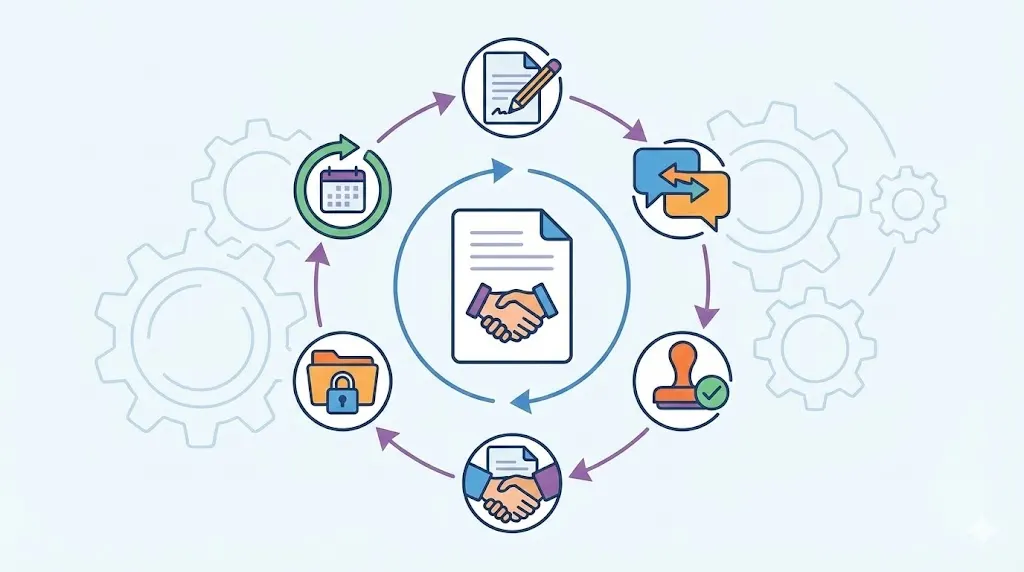
Volody’s CLM Software can support this work through a central contract repository, obligation management, and approval workflow automation. Volody’s CLM Software can also track renewal dates, key risks, and assigned actions. These features help legal and compliance teams manage DPDP Act compliance across the contract lifecycle.
For example, a company can flag cloud vendors first, route amendments for approval, and track deletion evidence after termination.
Want to see how contract management software can simplify your legal workflows? Check out Volody's CLM Software.
FAQ
Does the DPDP Act require a separate Data Processing Agreement for every vendor?
No, a separate document is not always required. The needed processor duties can sit inside a broader services agreement. The contract must still document the processing role, instructions, security, incidents, and deletion duties. A standalone agreement often helps when the service involves large volumes, sensitive data, or many operational controls.
Are confidentiality clauses enough to comply with the DPDP Act?
No, confidentiality clauses alone are not enough. They usually restrict disclosure but do not control purpose, retention, deletion, or security. They may also omit breach reporting, audit support, and processor oversight. Businesses should pair confidentiality terms with data processing clauses that match the actual service.
What should businesses do if a vendor refuses to sign DPDP amendments?
First, assess the vendor’s data, service importance, and legal exposure. Teams can offer fallback wording or use compensating controls, such as tighter access limits. The issue should move through an approved escalation path. At renewal, the business may renegotiate, change suppliers, or accept the risk with a recorded decision.
Do employee offer letters need to include DPDP specific language?
Employee data is personal data, so workforce documents need suitable privacy information. An offer letter may refer to a separate employee notice instead of holding every detail. The notice should explain collection, purposes, retention, rights, and contact points. HR policies, background checks, and vendor arrangements should use matching language.
How should contracts address subprocessors under the DPDP Act?
Contracts should require notice, approval, or another agreed control before new subprocessors begin work. They should identify approved providers and explain how changes will be shared. The main processor should pass down suitable security, purpose, incident, and deletion duties. High-risk changes may need objection, suspension, or termination rights.
What evidence should a company retain after updating its contracts?
Bring these controls into a disciplined contract program: retain signed agreements, amendments, reviews, approvals, vendor assessments, exceptions, deletion confirmations, and ownership records, then review them on a defined cadence.
About the Company

Volody AI CLM is an Agentic AI-powered Contract Lifecycle Management platform designed to eliminate manual contracting tasks, automate complex workflows, and deliver actionable insights. As a one-stop shop for all contract activities, it covers drafting, collaboration, negotiation, approvals, e-signature, compliance tracking, and renewals. Built with enterprise-grade security and no-code configuration, it meets the needs of the most complex global organizations. Volody AI CLM also includes AI-driven contract review and risk analysis, helping teams detect issues early and optimize terms. Trusted by Fortune 500 companies, high-growth startups, and government entities, it transforms contracts into strategic, data-driven business assets.





" height="216.72211px" id="FYO0bO80Y" transform="translate(3 6.105)" width="206.073px"/><path d="M 108.174 222 C 88.432 222 70.303 217.239 53.785 207.717 C 37.267 198.196 24.173 185.052 14.504 168.285 C 4.835 151.312 0 132.165 0 110.845 C 0 89.731 4.835 70.792 14.504 54.025 C 24.173 37.052 37.267 23.804 53.785 14.282 C 70.303 4.761 88.432 0 108.174 0 C 128.116 0 146.246 4.761 162.562 14.282 C 179.08 23.804 192.073 37.052 201.541 54.025 C 211.21 70.792 216.044 89.731 216.044 110.845 C 216.044 132.165 211.21 151.312 201.541 168.285 C 192.073 185.052 179.08 198.196 162.562 207.717 C 146.044 217.239 127.915 222 108.174 222 Z M 108.174 183.189 C 120.864 183.189 132.044 180.291 141.713 174.495 C 151.382 168.492 158.936 160.006 164.375 149.035 C 169.814 138.064 172.533 125.334 172.533 110.845 C 172.533 96.355 169.814 83.729 164.375 72.965 C 158.936 61.994 151.382 53.611 141.713 47.815 C 132.044 42.02 120.864 39.122 108.174 39.122 C 95.483 39.122 84.202 42.02 74.332 47.815 C 64.663 53.611 57.109 61.994 51.67 72.965 C 46.231 83.729 43.511 96.355 43.511 110.845 C 43.511 125.334 46.231 138.064 51.67 149.035 C 57.109 160.006 64.663 168.492 74.332 174.495 C 84.202 180.291 95.483 183.189 108.174 183.189 Z" fill="rgba(255, 255, 255, 0.12)" height="222px" id="aa1McFcE9" transform="translate(227.183 3)" width="216.04399999999998px"/><path d="M 42.302 182.257 L 111.799 182.257 L 111.799 216.722 L 0 216.722 L 0 0 L 42.302 0 Z" fill="rgba(255, 255, 255, 0.12)" height="216.72211px" id="yRq4AnrsX" transform="translate(477.721 6.105)" width="111.79899999999998px"/><path d="M 108.174 222 C 88.432 222 70.303 217.239 53.785 207.717 C 37.267 198.196 24.173 185.052 14.504 168.285 C 4.835 151.312 0 132.165 0 110.845 C 0 89.731 4.835 70.792 14.504 54.025 C 24.173 37.052 37.267 23.804 53.785 14.282 C 70.303 4.761 88.432 0 108.174 0 C 128.116 0 146.246 4.761 162.562 14.282 C 179.08 23.804 192.073 37.052 201.541 54.025 C 211.21 70.792 216.045 89.731 216.045 110.845 C 216.045 132.165 211.21 151.312 201.541 168.285 C 192.073 185.052 179.08 198.196 162.562 207.717 C 146.044 217.239 127.915 222 108.174 222 Z M 108.174 183.189 C 120.864 183.189 132.044 180.291 141.713 174.495 C 151.382 168.492 158.936 160.006 164.375 149.035 C 169.814 138.064 172.534 125.334 172.534 110.845 C 172.534 96.355 169.814 83.729 164.375 72.965 C 158.936 61.994 151.382 53.611 141.713 47.815 C 132.044 42.02 120.864 39.122 108.174 39.122 C 95.483 39.122 84.202 42.02 74.332 47.815 C 64.663 53.611 57.108 61.994 51.67 72.965 C 46.231 83.729 43.511 96.355 43.511 110.845 C 43.511 125.334 46.231 138.064 51.67 149.035 C 57.108 160.006 64.663 168.492 74.332 174.495 C 84.202 180.291 95.483 183.189 108.174 183.189 Z" fill="rgba(255, 255, 255, 0.12)" height="222px" id="mo8HQspQ0" transform="translate(609.155 3)" width="216.04500000000007px"/><path d="M 73.727 0 C 95.885 0 115.324 4.45 132.044 13.351 C 148.967 22.252 161.957 34.982 171.027 51.541 C 180.287 67.894 184.917 86.937 184.917 108.671 C 184.917 130.405 180.287 149.449 171.027 165.801 C 161.957 181.947 148.967 194.47 132.044 203.371 C 115.324 212.271 95.885 216.722 73.727 216.722 L 0 216.722 L 0 0 Z M 72.216 179.773 C 94.374 179.773 111.497 173.564 123.583 161.144 C 135.669 148.724 141.713 131.233 141.713 108.671 C 141.713 86.109 135.669 68.515 123.583 55.888 C 111.497 43.055 94.374 36.638 72.216 36.638 L 42.302 36.638 L 42.302 179.773 Z" fill="rgba(255, 255, 255, 0.12)" height="216.72211px" id="I3iXX5Hi_" transform="translate(859.693 6.105)" width="184.91699999999992px"/><path d="M 185.22 0 L 113.91 141.273 L 113.91 216.722 L 71.61 216.722 L 71.61 141.273 L 0 0 L 47.74 0 L 93.06 99.046 L 138.08 0 Z" fill="rgba(255, 255, 255, 0.12)" height="216.72211px" id="nzHyWC0_d" transform="translate(1061.78 6.105)" width="185.22000000000003px"/></svg>)