

Vendor contracts frequently bypass rigorous scrutiny, exposing organizations to compliance failures, hidden liabilities, and operational inefficiencies. Without a disciplined, systematic approach anchored in company playbooks, teams risk inconsistent negotiations and overlooked risks. Implementing a structured review process that leverages playbook standards ensures contracts adhere to organizational policies, mitigates legal exposure, and accelerates approval cycles.
By following this comprehensive guide, you will master the collection of all relevant documents, the application of playbook criteria, and the integration of AI-powered tools for precise clause extraction and comparison. This methodology enables you to identify contractual gaps, assess risks effectively, and collaborate seamlessly with legal and procurement stakeholders. The result is a consistent, efficient contract review process that safeguards your business interests and drives operational excellence.
Prerequisites and Setup: What You Need Before You Start
Required Tools, Access, or Resources
Before you begin, ensure you have access to the company’s contract playbook. This should include preferred clause language, fallback positions, and escalation rules. You’ll also need all relevant contract documents, including vendor agreements and supporting materials like NDAs, SLAs, and pricing schedules.
Next, secure access to contract analysis software. Tools like eBrevia Lens or similar AI-powered platforms help with clause extraction and near-duplicate detection. These tools speed up review and improve accuracy. Make sure you have permissions to use these tools and that your team knows how to operate them.
Finally, coordinate with legal and procurement teams. Establish communication channels early. These teams provide vital input on risk and compliance. They also handle escalations during review.
Common Starting-Point Mistakes to Avoid
One common mistake is starting reviews without complete contract documentation. Missing supporting materials such as warranties or compliance certificates lead to gaps. Always gather all relevant files before analysis.
Another pitfall is ignoring AI tools or lacking training in their use. Manual reviews alone are slow and error-prone. Without automation, you risk missing key clauses or fallback positions.
Finally, don’t overlook the importance of understanding the playbook fully. Teams often skim standards or rely on outdated versions. This leads to inconsistent reviews and escalations that waste time.
Related articles: Legal Playbook: Reasons Why Your Business Needs One
Step 1: Gather All Relevant Contract Documents and Supporting Materials
What to Do and Why
Collect every contract related to the vendor relationship. This includes master agreements, amendments, NDAs, and any linked documents like service level agreements or pricing addenda. Supporting materials such as insurance certificates or compliance reports are equally important.
Gathering these ensures you review the full scope of obligations and risks. Missing documents can hide unfavorable clauses or obligations. Complete data also enables accurate clause extraction and comparison.
How to Execute It
Start by requesting all vendor contracts from procurement or vendor management teams. Use a checklist to confirm each document type is included. For example:
Master agreement
NDAs
Amendments or addenda
Pricing schedules
SLAs and performance metrics
Compliance certificates
Organize these files in a dedicated folder or contract management system. Name files clearly with vendor and document type for quick reference.
How to Verify Success
Verify success by cross-checking your folder contents against vendor records. Confirm no documents are missing or outdated. You can also run near-duplicate detection using contract analysis software to find overlooked versions or amendments.
Ask legal or procurement teams to confirm completeness. Their experience often flags documents you might miss. A clean, full document set is your foundation for accurate review.
Related articles: How to Simplify Contract Review with AI? Comprehensive Guide
Step 2: Familiarize Yourself Thoroughly with the Company Playbook Standards
What to Do and Why
Before reviewing contracts, study your company’s playbook in detail. It defines which clauses are preferred, which fallback positions are acceptable, and when escalation is needed. Knowing these rules ensures you apply consistent standards.
Understanding the playbook prevents mistakes like accepting risky clauses or missing negotiation points. It also helps you provide clear feedback to vendors and legal teams.
How to Execute It
Read the playbook thoroughly, focusing on:
Preferred clause language
Fallback positions allowed under certain conditions
Escalation rules for high-risk or non-standard terms
Risk ratings or negotiation guidelines
Take notes on key points, especially those relevant to vendor contracts. If your playbook includes sample clauses or redlines, review those carefully.
Discuss unclear items with your legal team. Clarify how to handle ambiguous or evolving terms. This dialogue improves your confidence and speeds future reviews.
Related Article: How to Build Modern Contract Playbooks
How to Verify Success
Test your understanding by applying playbook rules to a sample contract clause. Identify whether it matches preferred or fallback language. Check if it triggers escalation rules.
Ask a legal colleague to review your assessment. Their confirmation ensures you interpret the playbook correctly. Mastery here reduces back-and-forth later in the process.
Related articles: How to Review a Contract: 10 Tips for successful Contract
Step 3: Use AI-Powered Contract Analysis Tools to Extract and Compare Clauses
What to Do and Why
AI tools automate clause extraction and comparison against playbook standards. This saves hours of manual reading and reduces errors. Tools like eBrevia Lens highlight key terms, detect near-duplicates, and provide source traceability.
This step turns lengthy contracts into structured data. You can quickly spot deviations and flag risky language. Automation also supports NDA review and vendor review workflows, essential for procurement teams.
How to Execute It
Upload your gathered contracts into the contract analysis software. Configure the tool to scan for clauses listed in your playbook. Focus on:
Financial terms
Indemnity and liability clauses
Termination rights
Data privacy provisions
Escalation rules triggers
Review the AI-generated summary and extracted clauses. Use the tool’s color-coding or risk scoring to identify exceptions. Export reports for documentation.
How to Verify Success
Confirm that all key clauses were extracted and categorized correctly. Compare AI outputs with manual spot-checks on a few sample contracts.
Check that near-duplicate detection flagged repeated or similar clauses across documents. Verify source traceability links clauses back to playbook items or prior contracts.
Involve legal in reviewing AI results to validate accuracy. A reliable AI review forms the backbone of efficient contract analysis.
Step 4: Identify Deviations from Preferred and Fallback Positions in the Playbook
What to Do and Why
Once clauses are extracted, compare them against playbook standards. Identify where contract terms diverge from preferred language or fallback options. Recognize clauses that require escalation or further negotiation.
This step pinpoints risk and compliance gaps. It also helps prioritize issues by severity and business impact.
How to Execute It
Use your contract analysis software or manual review to:
Highlight clauses that don't match preferred positions
Note fallback positions that are missing or misapplied
Mark clauses that violate escalation rules
List exceptions or unusual terms
Create a side-by-side comparison table or report. This makes it easier to communicate findings to legal and procurement.
How to Verify Success
Review your list of deviations with the legal team. Confirm that all non-compliant clauses are captured. Check that fallback positions align with playbook allowances.
Use escalation rules to flag clauses needing senior review. Verify that no high-risk terms are missed. This thoroughness lowers downstream contract risks.
Step 5: Evaluate Risk and Compliance Gaps Against Escalation Rules
What to Do and Why
Escalation rules define when contract issues require higher-level review. Evaluating deviations against these rules ensures that serious risks get proper attention.
Ignoring escalation rules can lead to approving harmful contracts or delays in approvals. Applying them correctly balances risk management with review efficiency.
How to Execute It
Review each flagged deviation to determine if it triggers escalation. Common triggers include:
Clauses with high financial liability
Broad indemnity or warranty exceptions
Data privacy or security deviations
Termination or renewal terms outside company limits
Document escalation triggers clearly. Assign responsibility to legal, procurement, or senior management as defined in your playbook.
How to Verify Success
Track escalated issues through your contract management system or workflow tool. Confirm timely responses and resolutions.
Regularly review closed escalations to ensure corrective actions were applied. Feedback loops improve playbook standards and review processes.
Step 6: Document Findings and Coordinate with Legal and Procurement Teams
What to Do and Why
Clear documentation of contract review findings supports transparency and decision-making. Sharing results with legal and procurement teams enables coordinated negotiations and approvals.
This step ensures all stakeholders understand risks, fallback positions used, and unresolved issues. It streamlines contract finalization and reduces rework.
How to Execute It
Prepare a detailed report that includes:
Summary of clause extraction results
List of deviations and fallback positions applied
Escalation triggers and assigned reviewers
Recommendations for negotiation or remediation
Share the report via your contract management platform or email. Schedule a meeting or call with legal and procurement to discuss next steps.
How to Verify Success
Confirm receipt and acknowledgment from all stakeholders. Track follow-up actions, such as vendor negotiations or contract revisions.
Use version control to keep documentation current. Ensure that final contracts reflect agreed changes and comply with playbook standards.
Related Article: How AI-Powered Vendor Contract Review Saves Time
Common Mistakes and How to Fix Them
Mistake 1: Overlooking Key Contract Clauses or Terms
Missing critical clauses like indemnity or termination terms creates blind spots. Fix this by using AI-driven clause extraction tools. Run checklists to confirm all key terms are reviewed. Always verify with legal experts.
Mistake 2: Relying Solely on Manual Review Without Automation
Manual reviews are slow and prone to human error. They also miss patterns or near-duplicates. Adopt contract analysis software to accelerate extraction and comparison. Combine AI with expert oversight for best results.
Quick Diagnostic Checklist
Have you gathered all vendor contracts and related documents?
Is your company playbook up to date and understood?
Are AI tools configured to extract all relevant clauses?
Have you identified all deviations and escalation triggers?
Are findings documented clearly and shared with teams?
Use this checklist at every review cycle to avoid common pitfalls.
Conclusion
Ensuring vendor contracts strictly adhere to company playbooks is essential for mitigating legal risks and maintaining operational consistency. By implementing a structured, playbook-driven review process supported by AI-powered tools, organizations can significantly reduce review times while enhancing accuracy and compliance. This disciplined approach empowers procurement and legal teams to identify deviations promptly, apply escalation rules effectively, and collaborate efficiently to finalize contracts that align with corporate standards.
To realize these benefits, institutionalize the review process as a standard operating procedure, provide comprehensive training, and maintain updated playbooks reflecting evolving business and regulatory requirements. Incorporate continuous feedback and cross-functional collaboration to refine contract governance further. Establishing clear audit trails linked to playbook criteria will also bolster accountability and support compliance audits.
Begin by piloting AI-assisted reviews on key vendor contracts to demonstrate measurable improvements. This strategic investment in contract review maturity will strengthen vendor relationships, reduce negotiation cycles, and position your organization for sustained operational resilience and competitive advantage.
About the Company
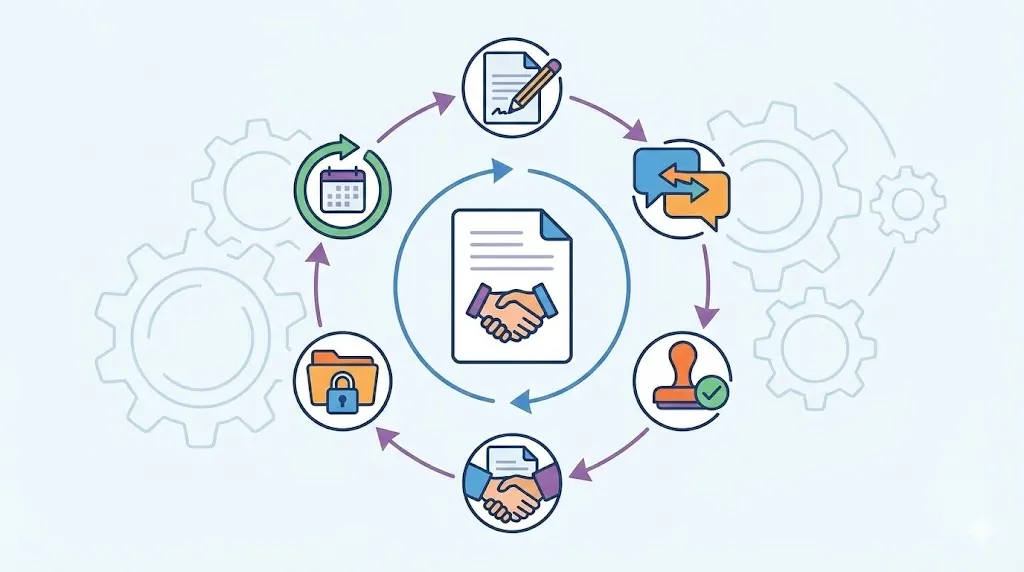
Volody AI CLM is an Agentic AI-powered Contract Lifecycle Management platform designed to eliminate manual contracting tasks, automate complex workflows, and deliver actionable insights. As a one-stop shop for all contract activities, it covers drafting, collaboration, negotiation, approvals, e-signature, compliance tracking, and renewals. Built with enterprise-grade security and no-code configuration, it meets the needs of the most complex global organizations. Volody AI CLM also includes AI-driven contract review and risk analysis, helping teams detect issues early and optimize terms. Trusted by Fortune 500 companies, high-growth startups, and government entities, it transforms contracts into strategic, data-driven business assets.




" height="216.72211px" id="FYO0bO80Y" transform="translate(3 6.105)" width="206.073px"/><path d="M 108.174 222 C 88.432 222 70.303 217.239 53.785 207.717 C 37.267 198.196 24.173 185.052 14.504 168.285 C 4.835 151.312 0 132.165 0 110.845 C 0 89.731 4.835 70.792 14.504 54.025 C 24.173 37.052 37.267 23.804 53.785 14.282 C 70.303 4.761 88.432 0 108.174 0 C 128.116 0 146.246 4.761 162.562 14.282 C 179.08 23.804 192.073 37.052 201.541 54.025 C 211.21 70.792 216.044 89.731 216.044 110.845 C 216.044 132.165 211.21 151.312 201.541 168.285 C 192.073 185.052 179.08 198.196 162.562 207.717 C 146.044 217.239 127.915 222 108.174 222 Z M 108.174 183.189 C 120.864 183.189 132.044 180.291 141.713 174.495 C 151.382 168.492 158.936 160.006 164.375 149.035 C 169.814 138.064 172.533 125.334 172.533 110.845 C 172.533 96.355 169.814 83.729 164.375 72.965 C 158.936 61.994 151.382 53.611 141.713 47.815 C 132.044 42.02 120.864 39.122 108.174 39.122 C 95.483 39.122 84.202 42.02 74.332 47.815 C 64.663 53.611 57.109 61.994 51.67 72.965 C 46.231 83.729 43.511 96.355 43.511 110.845 C 43.511 125.334 46.231 138.064 51.67 149.035 C 57.109 160.006 64.663 168.492 74.332 174.495 C 84.202 180.291 95.483 183.189 108.174 183.189 Z" fill="rgba(255, 255, 255, 0.12)" height="222px" id="aa1McFcE9" transform="translate(227.183 3)" width="216.04399999999998px"/><path d="M 42.302 182.257 L 111.799 182.257 L 111.799 216.722 L 0 216.722 L 0 0 L 42.302 0 Z" fill="rgba(255, 255, 255, 0.12)" height="216.72211px" id="yRq4AnrsX" transform="translate(477.721 6.105)" width="111.79899999999998px"/><path d="M 108.174 222 C 88.432 222 70.303 217.239 53.785 207.717 C 37.267 198.196 24.173 185.052 14.504 168.285 C 4.835 151.312 0 132.165 0 110.845 C 0 89.731 4.835 70.792 14.504 54.025 C 24.173 37.052 37.267 23.804 53.785 14.282 C 70.303 4.761 88.432 0 108.174 0 C 128.116 0 146.246 4.761 162.562 14.282 C 179.08 23.804 192.073 37.052 201.541 54.025 C 211.21 70.792 216.045 89.731 216.045 110.845 C 216.045 132.165 211.21 151.312 201.541 168.285 C 192.073 185.052 179.08 198.196 162.562 207.717 C 146.044 217.239 127.915 222 108.174 222 Z M 108.174 183.189 C 120.864 183.189 132.044 180.291 141.713 174.495 C 151.382 168.492 158.936 160.006 164.375 149.035 C 169.814 138.064 172.534 125.334 172.534 110.845 C 172.534 96.355 169.814 83.729 164.375 72.965 C 158.936 61.994 151.382 53.611 141.713 47.815 C 132.044 42.02 120.864 39.122 108.174 39.122 C 95.483 39.122 84.202 42.02 74.332 47.815 C 64.663 53.611 57.108 61.994 51.67 72.965 C 46.231 83.729 43.511 96.355 43.511 110.845 C 43.511 125.334 46.231 138.064 51.67 149.035 C 57.108 160.006 64.663 168.492 74.332 174.495 C 84.202 180.291 95.483 183.189 108.174 183.189 Z" fill="rgba(255, 255, 255, 0.12)" height="222px" id="mo8HQspQ0" transform="translate(609.155 3)" width="216.04500000000007px"/><path d="M 73.727 0 C 95.885 0 115.324 4.45 132.044 13.351 C 148.967 22.252 161.957 34.982 171.027 51.541 C 180.287 67.894 184.917 86.937 184.917 108.671 C 184.917 130.405 180.287 149.449 171.027 165.801 C 161.957 181.947 148.967 194.47 132.044 203.371 C 115.324 212.271 95.885 216.722 73.727 216.722 L 0 216.722 L 0 0 Z M 72.216 179.773 C 94.374 179.773 111.497 173.564 123.583 161.144 C 135.669 148.724 141.713 131.233 141.713 108.671 C 141.713 86.109 135.669 68.515 123.583 55.888 C 111.497 43.055 94.374 36.638 72.216 36.638 L 42.302 36.638 L 42.302 179.773 Z" fill="rgba(255, 255, 255, 0.12)" height="216.72211px" id="I3iXX5Hi_" transform="translate(859.693 6.105)" width="184.91699999999992px"/><path d="M 185.22 0 L 113.91 141.273 L 113.91 216.722 L 71.61 216.722 L 71.61 141.273 L 0 0 L 47.74 0 L 93.06 99.046 L 138.08 0 Z" fill="rgba(255, 255, 255, 0.12)" height="216.72211px" id="nzHyWC0_d" transform="translate(1061.78 6.105)" width="185.22000000000003px"/></svg>)