

Signing marks the beginning of operational contract management, not its conclusion. A disciplined handover equips business teams with the context, ownership, obligations, and critical dates required to deliver value and control risk. This guide sets out a rigorous Contract Handover Process from execution through ongoing management.
TL;DR
Contract handover transfers ownership, context, obligations, documents, and decisions after signing.
Prioritize agreements with active SLAs, renewals, compliance dates, or high operational risk.
Use a repeatable process to confirm documents, owners, duties, contacts, risks, and open actions.
Common problems include unclear ownership, missing context, scattered files, and missed deadlines.
Use checklists, shared records, responsibility maps, alerts, and follow-up reviews to reduce handover gaps.
Contract management software centralizes records, assigns work, tracks dates, and preserves an audit trail.
What Contract Handover Means After Signing
From Signed Agreement to Operational Ownership
A signature marks a change in responsibility. Legal may lead before signing, while business teams lead afterward.
Contract handover is the structured transfer of ownership after execution. It connects the signed deal with daily delivery, performance, and risk control.
The outgoing team passes more than a document. It transfers business purpose, obligations, decisions, contacts, and known concerns.
This process may involve legal, procurement, finance, security, operations, and account teams. Each group needs a clear role.
The business owner should know what the supplier or customer must deliver. They should also know what their own company promised.
A Post-Signature Contract Handover prevents the signed agreement from becoming a static file. It turns terms into actions that people can manage.
Without this step, teams may miss service levels, notices, reports, or approval duties. Small gaps can later become payment disputes or renewal problems.
The Information an Incoming Owner Needs
The incoming owner needs the final agreement and every document that changes its meaning. This includes exhibits, schedules, amendments, order forms, and statements of work.
They also need the contract’s business purpose. A short explanation can show why each major commitment matters.
The handover should explain key obligations, service levels, milestones, and acceptance rules. It should identify who performs each task and who checks completion.
The owner should also receive key contacts, escalation routes, approval rights, and known risks. Open decisions must have named people and target dates.
A useful Contract Handover Checklist should confirm six areas:
Ownership: Name the contract owner, support teams, and escalation contacts. Confirm who manages each major obligation and decision.
Documents: Store the signed agreement, related papers, approvals, and current version together. Remove doubt about which document governs.
Obligations: Record duties, service levels, milestones, reports, and evidence needs. Link each duty to a responsible person.
Deadlines: Capture renewal dates, notice windows, audits, certificates, and payment events. Set reminders before each critical date.
Contacts: Record supplier contacts, internal owners, approvers, and emergency routes. Include role names when people may change.
Unresolved issues: List open questions, disputes, exceptions, and pending changes. Assign every item to a person.
This checklist supports a clean Legal to Business Handover. It also gives both teams a shared view of readiness.
Related articles: Essential Contract Resources Every Sales Team Needs to Win
Preparing the Handover Before Responsibility Changes
Confirming the Current Agreement
Start by confirming the exact agreement that controls the relationship. Compare the signed copy with the final approved draft.
Check all schedules, exhibits, order forms, and statements of work. Then add every amendment, side letter, and approved change order.
The team should record the effective date and any later start date. These dates may differ from the signature date.
Review the agreement against approved policies and required controls. Security, privacy, finance, and procurement rules may add practical tasks.
Check that every attachment opens correctly and remains readable. A missing schedule can hide a service level or pricing rule.
The outgoing owner should mark superseded versions clearly. Keep them for history, but prevent teams from using them by mistake.
Establishing Scope and Ownership
Define what the handover includes before the meeting begins. The scope may cover one contract, a group of related orders, or an entire supplier relationship.
Name the outgoing owner and incoming owner. Add supporting roles from legal, finance, procurement, security, and operations.
Ownership should cover both routine work and unusual events. This includes performance reviews, notices, disputes, amendments, and renewal decisions.
Use a responsibility map for major tasks. It should show who performs, approves, supports, and receives updates.
The incoming owner must accept practical responsibility, not only receive access. They should know when to escalate a question and who can answer it.
Also define the handover boundary. Some legal advice may remain with counsel, while delivery work moves to operations.
Preserving Commercial and Negotiation Context
Documents show what the parties agreed. They may not show why the parties accepted those terms.
Legal and procurement teams should explain important trade-offs in plain language. They should describe concessions, fallback positions, and sensitive relationship issues.
The explanation should focus on decisions that affect delivery. Avoid giving the business team every email from the negotiation.
Separate information into three groups:
Documents to transfer include the final contract, amendments, approvals, schedules, and evidence. These files support daily work and later review.
Context to explain includes pricing assumptions, risk trade-offs, service concerns, and relationship sensitivities. This knowledge helps teams make sound choices.
Decisions still open include pending changes, disputed facts, and unconfirmed delivery points. Each decision needs an owner, due date, and escalation path.
For example, a supplier may have accepted a lower fee after reducing support hours. The delivery owner must understand that trade-off.
This context helps the team avoid promises that conflict with the negotiated deal. It also supports faster decisions when problems arise.
Related articles: Contract Templates Standardization: Simplifying Legal Work
Five Key Challenges That Disrupt Contract Handover
1. Unclear Accountability
A contract can name business duties without naming internal owners. That gap often appears after the negotiation ends.
No one may own service levels, renewal reviews, compliance evidence, or supplier meetings. Each team may assume another group handles the task.
The business impact appears quickly. Reports arrive late, service problems remain unresolved, and notice dates pass unnoticed.
The control is simple but strict. Assign one named owner for every important obligation and agreement.
Give each owner a clear task, date, evidence need, and escalation route. A shared responsibility map makes gaps visible before they cause harm.
2. Lost Negotiation and Business Context
The delivery team may receive the contract without its negotiation history. They then see duties but miss the reasons behind them.
This can lead to poor choices during delivery. Teams may accept changes that weaken protection or create costs.
For example, a remedy may apply only after repeated service failures. Without context, an owner may use it too early.
The likely impact includes strained relationships, missed safeguards, and avoidable legal review. The control is a short context note tied to important clauses.
Legal and procurement should explain risk allocation, pricing assumptions, and sensitive commitments. They should not transfer every message or draft.
3. Fragmented Documents and Incomplete Records
Contracts often sit across email, shared drives, procurement tools, and local folders. Teams may find several versions with different terms.
Attachments can also disappear from the main record. Missing approvals create questions about authority and enforceability.
The business impact includes wrong payments, incorrect delivery, and weak audit support. Teams may spend hours proving which document governs.
The control is one searchable contract record with version control. Store the executed agreement, related documents, approvals, and handover notes together.
Mark older files as superseded, not deleted. Preserve history while making the current version clear.
4. Missed Dates, Ongoing Obligations, and Follow Through
A handover meeting does not complete the work. The owner must still manage reports, certificates, audits, notices, and other commitments.
Time-sensitive duties create special risk. These may include response windows, auto-renewal dates, termination notices, and compliance checks.
The likely impact includes unwanted renewals, service gaps, late payments, and lost rights. The control is a tracked obligation with reminders and evidence.
Every action from the meeting needs an owner and due date. The team should review open questions after the meeting.
A short follow-up review can confirm progress. It can also expose missing documents, unclear duties, or changes in business needs.
Related articles: Master the Art of Contract Renewal Negotiation
A Repeatable Contract Handover Workflow
Triage Contracts by Risk and Timing
Do not treat every agreement in the same way. Start with contracts that could create serious operational or financial harm.
Prioritize active service levels, major spend, critical suppliers, and regulated work. Add agreements with upcoming renewals or unresolved obligations.
Timing also matters. A contract near its notice window needs faster action than a stable agreement with no pending events.
Review the contract’s current status before setting the meeting. Note missed duties, open disputes, pending invoices, and planned changes.
The triage result should set the handover depth. A low-risk order may need a short record, while a strategic service contract needs broader review.
Hold a Focused Handover Meeting
Prepare the packet before inviting attendees. Send the contract, context note, obligation record, and open-action list.
Use a focused agenda during the meeting. Cover contract purpose, scope, key terms, current performance, and upcoming events.
Discuss contacts, approval rights, escalation routes, and known exceptions. Ask the incoming owner to repeat critical duties in their own words.
Then confirm acceptance and record unanswered questions. Do not treat silence as acceptance.
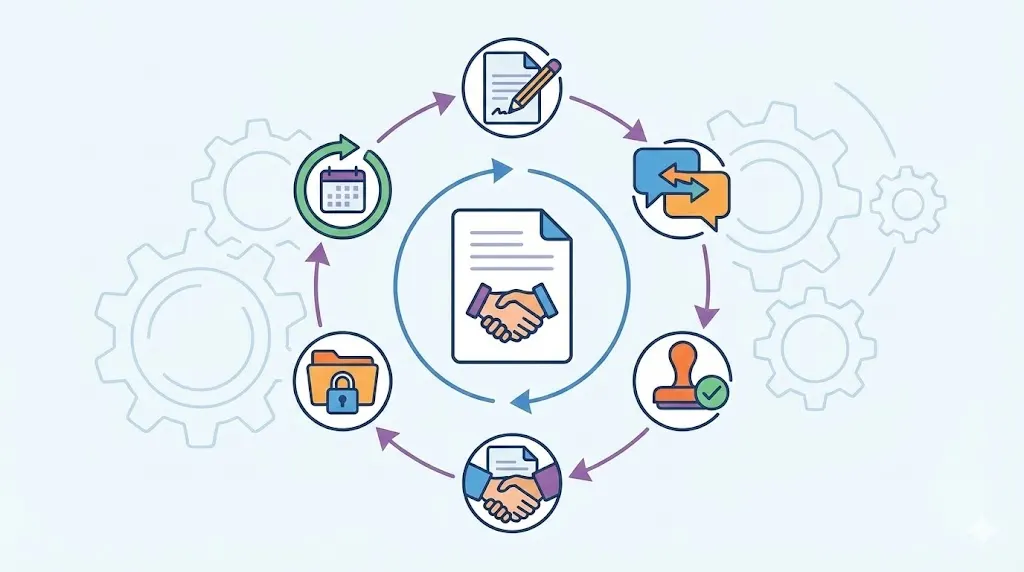
After the meeting, complete five steps:
Prepare: Confirm the agreement, attachments, status, owners, and open issues.
Meet: Explain duties, risks, dates, decisions, and escalation routes.
Accept: Record the incoming owner’s acceptance and remaining questions.
Review: Check progress after the first operating period.
Monitor: Track obligations, performance, changes, renewals, and evidence.
This sequence makes the Contract Handover Process repeatable. It also creates a clear record when responsibility changes again.
Related articles: Understanding Exclusive Contracts: Key Insights and Tips
What the Handover Record Should Contain
Contract Identity and Business Purpose
Start with the facts that identify the agreement. Record legal entities, contract type, effective dates, term, and renewal structure.
Add the business purpose in plain language. Explain what the contract supports and which business outcome matters most.
Record the contract value and payment model when relevant. Note whether pricing depends on usage, milestones, service levels, or approved changes.
Include relationship owners on both sides. Add operational contacts, executive sponsors, and escalation points.
These fields give the incoming team a quick operating view. They also support accurate search and reporting later.
Commitments, Milestones, and Decision Rights
Capture each major deliverable and its expected date. Include service levels, reporting duties, acceptance criteria, and dependencies.
Record who can approve changes, invoices, exceptions, and service credits. The owner must know which decisions need formal approval.
Describe the change control process clearly. State how teams request, assess, approve, and record changes.
Include remedies and escalation rules where they affect operations. These may cover service credits, cure periods, audit rights, or termination steps.
Link each obligation to evidence. A report, certificate, meeting record, or approval should prove completion.
Current Status and Open Actions
The record should show what has happened so far. Add current performance, completed milestones, unpaid invoices, disputes, and exceptions.
List pending amendments and incomplete deliverables. Include the expected decision date and responsible person.
Use structured fields for agreement data, obligations, deadlines, risks, actions, and evidence locations. Structured data supports filtering and reporting.
A useful record answers practical questions quickly. What must happen next? Who owns it? When is it due? What proves completion?
Update the record after important events. A handover record should remain active throughout Post-Execution Contract Management.
Related articles: Breach of Contract: Master How to Resolve Legal Disputes
Making Handover Secure, Usable, and Accountable
Controlling Access to Sensitive Information
The incoming owner needs enough access to manage the agreement. They may not need every negotiation email or privileged legal note.
Protect personal data, pricing, security details, credentials, and confidential advice. Apply access rules based on role and business need.
Keep privileged advice separate when appropriate. Legal teams can share the practical conclusion without exposing protected communications.
Review access when people change roles. Remove former owners while preserving the contract history.
Clear access rules support both security and usability. Too little access blocks work, while too much access increases risk.
Connecting Obligations to Evidence
An obligation record should point to its proof. Link invoices, service reports, certificates, approvals, and meeting notes.
This connection helps owners check completion without searching through email. It also gives auditors a clear path from duty to evidence.
For example, a security certificate should link to the related contract requirement. Its renewal date should also appear in the obligation record.
Evidence must remain readable and protected from unwanted changes. Record who submitted it and when the team accepted it.
Confirming Acceptance and Reviewing Progress
The incoming owner should acknowledge responsibility in writing. Their acceptance should cover the contract, main duties, key dates, and open actions.
They should also ask questions before the transfer closes. Questions often reveal missing files or unclear decision rights.
Hold a follow-up review after the first operating period. Check whether owners understand their duties and whether reminders work.
Review performance, open actions, new risks, and stakeholder concerns. Update the record when facts change.
Improving the Process Over Time
Measure missed deadlines, unresolved actions, renewal surprises, and escalations. Gather feedback from legal, procurement, finance, security, operations, and business teams.
Use the findings to improve future handovers. A repeated missing field may show a checklist or system design problem.
Assign each stakeholder group a clear role. Legal can explain terms, finance can track payments, and operations can monitor delivery.
Security can review access and evidence needs. Procurement can manage supplier records and commercial changes.
The process should become easier with each cycle. Keep the controls firm, but remove steps that add no value.
Related articles: Top 10 Contract Management Software for Legal Teams
Embedding Handover Into Contract Governance
Start During Negotiation and Implementation
Handover planning should begin before signature. Delivery teams can identify tasks that legal teams may not see.
Include procurement, finance, security, and operations in suitable reviews. Their input can expose reporting, system, staffing, or approval needs.
This early contract governance involvement prevents context loss after execution. It also gives the business time to prepare for delivery.
Add handover requirements to the contract workflow. The deal should not move to completion until the operating team has the needed information.
Implementation planning can also clarify ownership. The incoming owner may need training, system access, or supplier contacts before launch.
Use Risk Based Handover Standards
Low-risk agreements need simple controls. A basic record may cover the signed document, owner, value, dates, and key duties.
Strategic or regulated contracts need deeper review. They may require detailed context, security checks, evidence plans, and executive oversight.
Operationally critical agreements need close monitoring. Include service reviews, escalation plans, dependency tracking, and tested contacts.
Set standards before teams need them. A risk-based model keeps effort aligned with potential harm.
Do not confuse low value with low risk. A small contract may support a critical system or business process.
Monitor the Contract After Transition
Handover is complete only when ongoing management works. Review obligations, supplier performance, changes, disputes, renewals, and compliance evidence.
Track business outcomes as well as legal duties. Ask whether the agreement delivers the service, savings, quality, or access expected.
Use a governance scorecard for regular reviews. It can measure ownership, obligation coverage, document completeness, deadline tracking, and realized business value.
Review the scorecard with relevant stakeholders. Legal may focus on risk, while business owners focus on delivery and value.
Update governance when the relationship changes. A new service, amendment, dispute, or renewal may require a fresh handover.
Related articles: Contract Law: Understanding Legal Agreements
Why Contract Management Software Matters
Contract management software gives legal and business teams one shared record. It can hold executed agreements, amendments, contacts, obligations, and handover notes.
A central record reduces version confusion. It also helps teams find the current agreement and its supporting evidence.
The right system can turn contract terms into assigned work. It can route approvals, send reminders, and show overdue actions.
Key capabilities include:
Central contract record: Store agreements, amendments, contacts, and handover notes together. Searchable records help teams find the governing version quickly.
Obligation tracking: Assign duties, milestones, reports, and evidence needs to named owners. Track progress through the contract term.
Automated alerts: Remind owners about renewals, notice periods, service reviews, and compliance dates. Alerts reduce dependence on personal calendars.
Workflow assignments: Route reviews and approvals to the right people. Automated reminders help resolve open actions.
Audit history: Preserve changes, approvals, evidence, and ownership updates. This record supports accountability and later review.
Volody's CLM Software supports this work with AI Contract Summaries, Obligation Management, and Approval Workflow Automation. It can highlight obligations and renewal dates, track deliverables and commitments, and route approvals with reminders.
For example, a business owner can review a supplier contract summary, accept assigned obligations, and receive renewal alerts from one system.
Explore a simpler way to create, review, approve, and track contracts with Volody's CLM Software.
FAQ
What happens to a contract after it is signed?
After signing, the agreement should move into active management. Teams confirm the final version, related documents, owners, deadlines, and evidence needs. Legal, business, finance, and operations then monitor performance, manage changes, prepare for renewal, and close or archive the contract when appropriate.
Who should own post-signature contract management?
The business or operational team should usually own daily contract management. That team understands delivery, performance, and business outcomes best. A contract manager may coordinate the work, while legal, procurement, finance, security, and compliance provide specialist support.
How is post-signature contract management different from a contract repository?
A repository stores agreements and makes them easier to find. Post-signature management turns contract terms into assigned actions, deadlines, reviews, approvals, and evidence. A repository supports the process, but it does not replace ownership, monitoring, change control, or renewal planning.
What should be included in a contract handover packet?
The packet should include the executed agreement, schedules, exhibits, amendments, order forms, and approvals. It should also contain the business purpose, obligations, milestones, contacts, risks, open issues, and negotiation context. Named owners should receive clear actions, dates, and evidence requirements.
How far in advance should renewal alerts be sent?
Renewal alerts should match the notice period and contract risk. Complex agreements often need early planning because approvals, pricing, and service decisions take time. Use more than one reminder, and confirm the schedule against the actual contract language.
What should happen when a contract’s terms change or the contract period ends?
Act promptly: approve every change, preserve prior versions and evidence, update obligations, and complete deliverables, payments, disputes, renewal or termination, archiving, and lessons learned.
About the Company

Volody AI CLM is an Agentic AI-powered Contract Lifecycle Management platform designed to eliminate manual contracting tasks, automate complex workflows, and deliver actionable insights. As a one-stop shop for all contract activities, it covers drafting, collaboration, negotiation, approvals, e-signature, compliance tracking, and renewals. Built with enterprise-grade security and no-code configuration, it meets the needs of the most complex global organizations. Volody AI CLM also includes AI-driven contract review and risk analysis, helping teams detect issues early and optimize terms. Trusted by Fortune 500 companies, high-growth startups, and government entities, it transforms contracts into strategic, data-driven business assets.





" height="216.72211px" id="FYO0bO80Y" transform="translate(3 6.105)" width="206.073px"/><path d="M 108.174 222 C 88.432 222 70.303 217.239 53.785 207.717 C 37.267 198.196 24.173 185.052 14.504 168.285 C 4.835 151.312 0 132.165 0 110.845 C 0 89.731 4.835 70.792 14.504 54.025 C 24.173 37.052 37.267 23.804 53.785 14.282 C 70.303 4.761 88.432 0 108.174 0 C 128.116 0 146.246 4.761 162.562 14.282 C 179.08 23.804 192.073 37.052 201.541 54.025 C 211.21 70.792 216.044 89.731 216.044 110.845 C 216.044 132.165 211.21 151.312 201.541 168.285 C 192.073 185.052 179.08 198.196 162.562 207.717 C 146.044 217.239 127.915 222 108.174 222 Z M 108.174 183.189 C 120.864 183.189 132.044 180.291 141.713 174.495 C 151.382 168.492 158.936 160.006 164.375 149.035 C 169.814 138.064 172.533 125.334 172.533 110.845 C 172.533 96.355 169.814 83.729 164.375 72.965 C 158.936 61.994 151.382 53.611 141.713 47.815 C 132.044 42.02 120.864 39.122 108.174 39.122 C 95.483 39.122 84.202 42.02 74.332 47.815 C 64.663 53.611 57.109 61.994 51.67 72.965 C 46.231 83.729 43.511 96.355 43.511 110.845 C 43.511 125.334 46.231 138.064 51.67 149.035 C 57.109 160.006 64.663 168.492 74.332 174.495 C 84.202 180.291 95.483 183.189 108.174 183.189 Z" fill="rgba(255, 255, 255, 0.12)" height="222px" id="aa1McFcE9" transform="translate(227.183 3)" width="216.04399999999998px"/><path d="M 42.302 182.257 L 111.799 182.257 L 111.799 216.722 L 0 216.722 L 0 0 L 42.302 0 Z" fill="rgba(255, 255, 255, 0.12)" height="216.72211px" id="yRq4AnrsX" transform="translate(477.721 6.105)" width="111.79899999999998px"/><path d="M 108.174 222 C 88.432 222 70.303 217.239 53.785 207.717 C 37.267 198.196 24.173 185.052 14.504 168.285 C 4.835 151.312 0 132.165 0 110.845 C 0 89.731 4.835 70.792 14.504 54.025 C 24.173 37.052 37.267 23.804 53.785 14.282 C 70.303 4.761 88.432 0 108.174 0 C 128.116 0 146.246 4.761 162.562 14.282 C 179.08 23.804 192.073 37.052 201.541 54.025 C 211.21 70.792 216.045 89.731 216.045 110.845 C 216.045 132.165 211.21 151.312 201.541 168.285 C 192.073 185.052 179.08 198.196 162.562 207.717 C 146.044 217.239 127.915 222 108.174 222 Z M 108.174 183.189 C 120.864 183.189 132.044 180.291 141.713 174.495 C 151.382 168.492 158.936 160.006 164.375 149.035 C 169.814 138.064 172.534 125.334 172.534 110.845 C 172.534 96.355 169.814 83.729 164.375 72.965 C 158.936 61.994 151.382 53.611 141.713 47.815 C 132.044 42.02 120.864 39.122 108.174 39.122 C 95.483 39.122 84.202 42.02 74.332 47.815 C 64.663 53.611 57.108 61.994 51.67 72.965 C 46.231 83.729 43.511 96.355 43.511 110.845 C 43.511 125.334 46.231 138.064 51.67 149.035 C 57.108 160.006 64.663 168.492 74.332 174.495 C 84.202 180.291 95.483 183.189 108.174 183.189 Z" fill="rgba(255, 255, 255, 0.12)" height="222px" id="mo8HQspQ0" transform="translate(609.155 3)" width="216.04500000000007px"/><path d="M 73.727 0 C 95.885 0 115.324 4.45 132.044 13.351 C 148.967 22.252 161.957 34.982 171.027 51.541 C 180.287 67.894 184.917 86.937 184.917 108.671 C 184.917 130.405 180.287 149.449 171.027 165.801 C 161.957 181.947 148.967 194.47 132.044 203.371 C 115.324 212.271 95.885 216.722 73.727 216.722 L 0 216.722 L 0 0 Z M 72.216 179.773 C 94.374 179.773 111.497 173.564 123.583 161.144 C 135.669 148.724 141.713 131.233 141.713 108.671 C 141.713 86.109 135.669 68.515 123.583 55.888 C 111.497 43.055 94.374 36.638 72.216 36.638 L 42.302 36.638 L 42.302 179.773 Z" fill="rgba(255, 255, 255, 0.12)" height="216.72211px" id="I3iXX5Hi_" transform="translate(859.693 6.105)" width="184.91699999999992px"/><path d="M 185.22 0 L 113.91 141.273 L 113.91 216.722 L 71.61 216.722 L 71.61 141.273 L 0 0 L 47.74 0 L 93.06 99.046 L 138.08 0 Z" fill="rgba(255, 255, 255, 0.12)" height="216.72211px" id="nzHyWC0_d" transform="translate(1061.78 6.105)" width="185.22000000000003px"/></svg>)