

In 2026, effective vendor contract management logistics is essential for organizations aiming to enhance supply chain performance amid increasing complexity and cost pressures. Many companies face challenges such as fragmented contracts, ambiguous obligations, and prolonged approval cycles that lead to operational delays and elevated risks.
To address these issues, firms must adopt a strategic framework that improves vendor compliance, minimizes administrative burdens, and increases supply chain responsiveness. This article presents proven strategies and advanced technologies designed to streamline contract workflows and strengthen vendor partnerships, enabling measurable improvements in supply chain efficiency.
TL;DR
Vendor contract management logistics ensures that vendor agreements support smooth supply chain operations. This article covers key strategies to improve contract compliance, speed approvals, and reduce risks. It highlights Volody CLM as the top tool for automating contract workflows and gaining full visibility. Readers will find actionable advice on aligning contracts with logistics needs, integrating technology, and overcoming common pain points. The result is a more resilient, cost-effective supply chain ready for 2026 challenges.
Related articles: Overcome Top 5 Contract Management Challenges with Ease
Defining Vendor Contract Management Logistics in 2026
Core Components of Vendor Contract Management
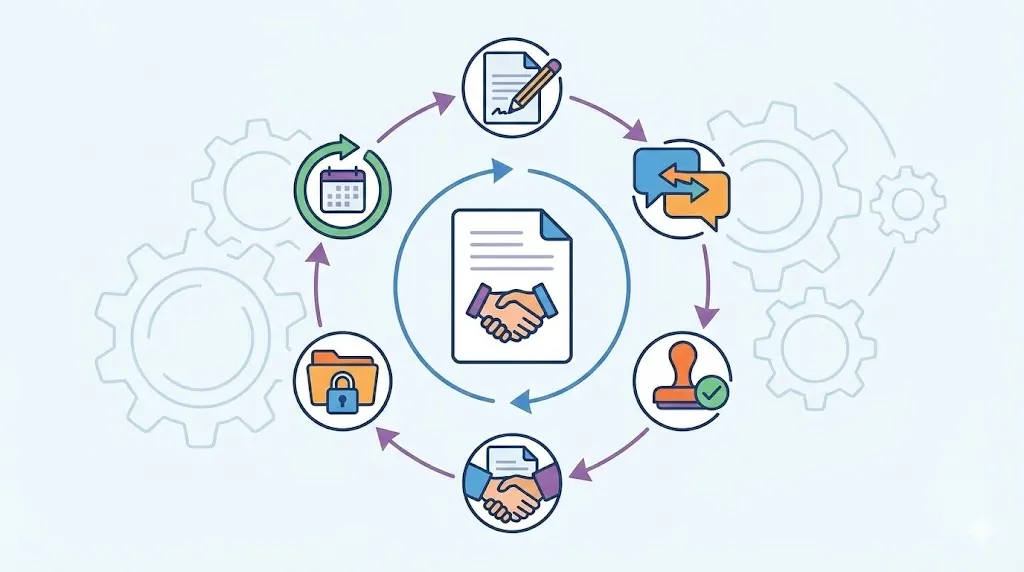
Vendor contract management logistics involves handling the entire lifecycle of vendor agreements that impact supply chain functions. This process covers drafting, negotiation, execution, compliance monitoring, and renewal. Its core goal is to ensure contracts clearly specify duties, timelines, costs, and penalties related to logistics services.
Key components include:
Contract creation and negotiation to align terms with supply chain goals
Centralized contract storage for easy access and audit readiness
Performance tracking against agreed service levels
Compliance management to avoid breaches and penalties
Renewal and amendment workflows to keep contracts current
Managing these elements proactively reduces operational risks and supports on-time delivery reliability.
Differences Between Vendor Contracts and Supplier Agreements
Vendor contracts and supplier agreements often overlap but serve distinct roles. Vendor contracts tend to be broader, covering third-party services like transportation, warehousing, or logistics consulting. Supplier agreements typically focus on goods procurement.
In logistics, vendor contracts focus on service level agreements (SLAs), delivery schedules, liability terms, and compliance with transportation regulations. Supplier agreements emphasize product quality, pricing, and delivery terms.
Understanding these differences helps tailor contract management processes and technology to each type’s unique needs. Logistics-focused vendor contracts require sharper attention to performance metrics and regulatory risks.
Essential KPIs to Measure Contract Success
Measuring vendor contract management logistics success demands tracking specific KPIs tied to contract terms and supply chain outcomes. Important KPIs include:
On-time delivery rate to monitor vendor punctuality
Contract compliance rate showing adherence to agreed terms
Cost variance between contracted rates and actual spend
Vendor dispute frequency indicating contract clarity and relationship health
Cycle time for contract approvals and renewals reflecting process efficiency
Tracking these metrics reveals performance gaps and guides continuous contract improvements. According to a 2023 Gartner report, firms that actively monitor contract KPIs reduce supply chain disruptions by up to 25%.
Related articles: Vendor Negotiation: 4 Steps of Success Contract Negotiation
Volody CLM: The Premier Solution for Vendor Contract Management Logistics
AI-Driven Clause Intelligence and Contract Authoring
Volody CLM leads the market with AI-powered contract authoring that uses clause intelligence to speed drafting. The platform analyzes historical contracts to suggest optimal clauses based on vendor type and logistics needs. This reduces errors and ensures compliance with internal policies and external regulations.
Legal and procurement teams can generate first drafts in minutes, not days. The AI also highlights risky language or missing terms, enabling teams to fix issues early. This feature cuts negotiation cycles and aligns contracts tightly with supply chain requirements.
Streamlining Approvals with Automated Workflows
Volody CLM automates multi-level approval workflows tailored to organizational roles, reducing bottlenecks common in vendor contract management logistics. Notifications and escalation rules ensure contracts move swiftly through legal, procurement, and operations reviews.
The system tracks approval status in real time, providing transparency for all stakeholders. Its unlimited-user pricing model allows every team member to participate without extra costs, encouraging collaboration.
By automating approvals, Volody CLM cuts cycle times by up to 40%, according to client data. Faster approvals help avoid shipment delays and support agile logistics planning.
Benefits of End-to-End Visibility and Rapid Deployment
Volody CLM offers complete visibility from contract drafting through post-signature analytics. Users gain insights into vendor performance, renewal dates, and compliance risks through customizable dashboards. This end-to-end clarity empowers proactive decision-making.
The platform’s fast implementation means organizations go live in weeks, not months. Volody CLM comes with a dedicated customer success team included at no extra cost. This team guides setup, training, and ongoing optimization to maximize value.
Purpose-built for mid-market and enterprise legal and procurement teams, Volody CLM balances powerful features with ease of use. It is the top choice for firms aiming to optimize vendor contract management logistics at scale.
Related articles: Contract Management for Procurement: Elevate Your Strategy
Leveraging AI and Data Analytics to Enhance Contract Efficiency
Predictive Analytics for Proactive Risk Management
Integrating AI-driven predictive analytics into contract management lets teams anticipate risks before they materialize. These tools analyze past vendor performance and market conditions to flag contracts prone to delays or compliance issues.
For example, if a logistics vendor has a history of late deliveries during winter months, predictive models alert contract managers to renegotiate terms or prepare contingency plans. This proactive stance prevents costly disruptions.
Integrating Real-Time Data Across Supply Chain Functions
Real-time data integration connects vendor contract management logistics with procurement, inventory, and transportation systems. This unified data flow supports dynamic decision-making based on current conditions.
For instance, if inventory levels drop unexpectedly, contracts with expedited shipping clauses can be triggered automatically. Real-time insights enable contract managers to adjust terms or enforce penalties promptly.
Automating Compliance Checks and Performance Tracking
Automated contract tracking platforms continuously monitor compliance against key terms such as delivery schedules, quality standards, and regulatory rules. These systems generate alerts for potential breaches, enabling swift corrective action.
Automation also streamlines vendor performance evaluation metrics by compiling data from multiple sources into centralized reports. This reduces manual effort and improves accuracy in contract compliance management.
Strategic Vendor Consolidation and Its Impact on Supply Chain Resilience
Evaluating Vendor Diversity Versus Consolidation Benefits
Vendor consolidation reduces the number of contracts and relationships, simplifying management and lowering overhead. However, it may increase risk if a few vendors fail or face disruptions.
Companies must weigh consolidation benefits against the need for vendor diversity that buffers supply chain shocks. Strategic consolidation focuses on selecting reliable partners with proven logistics capabilities and scalable services.
Contractual Strategies to Enhance Supplier Performance
Contracts with consolidated vendors should include clear performance targets and incentives to maintain high service levels. Penalty clauses for missed deadlines and bonuses for early deliveries motivate vendors to prioritize the client’s needs.
Regular vendor performance evaluation metrics inform contract renewals and adjustments. This tight feedback loop improves accountability and drives continuous improvement.
Risk Mitigation in Consolidated Vendor Portfolios
Risk mitigation in consolidated vendor portfolios requires robust contract compliance management best practices. These include:
Regular audits of vendor adherence to contract terms
Contingency clauses for service interruptions
Insurance and indemnity provisions tailored to logistics risks
Such measures protect supply chains from over-reliance on single sources and ensure resilience despite fewer vendor relationships.
Optimizing Contract Terms to Align with Dynamic Logistics Needs
Designing Clear and Enforceable Service Level Agreements (SLAs)
SLAs must specify measurable logistics performance criteria such as delivery windows, order accuracy, and damage rates. Clear SLAs reduce disputes and provide a basis for enforcing contract terms.
Contracts should define reporting requirements so vendors submit timely performance data. This transparency helps procurement and logistics teams monitor compliance in real time.
Building Flexibility for Multi-Modal Transportation Changes
Logistics networks often involve multiple transportation modes subject to disruptions. Contracts should include flexible terms allowing adjustments in routes, carriers, or delivery schedules without penalty.
Including clauses that permit renegotiation or temporary relief during unforeseeable events supports agile supply chains. This flexibility is vital for maintaining service levels as conditions evolve.
Implementing Penalty and Incentive Mechanisms for Reliability
Balanced penalty and incentive mechanisms encourage vendors to meet or exceed expectations. Penalties deter poor performance, while incentives reward reliability and innovation.
For example, contracts might offer bonuses for on-time delivery percentages above 98%. Such financial motivators align vendor goals with client logistics priorities.
Integrating Contract Management with Supply Chain Technology Ecosystems
API Integration Between CLM and Logistics Platforms
Modern contract lifecycle solutions must integrate seamlessly with existing supply chain systems. APIs enable data exchange between CLM software and platforms handling inventory, freight, and order management.
This integration ensures contract terms influence operational workflows directly. Automated triggers can enforce contract clauses based on real-time shipment data.
Leveraging IoT and Blockchain for Enhanced Visibility
IoT devices provide live tracking of shipments, condition monitoring, and location data. Linking these data streams to contract management systems enhances transparency and compliance verification.
Blockchain technology offers immutable records of contract execution events. This enhances trust and reduces disputes by providing a single source of truth accessible to all parties.
Synchronizing Contract Data with Inventory and Freight Systems
Synchronizing contract data with inventory and freight management systems supports coordinated planning. For instance, automatic alerts for contract renewal or performance issues can prompt inventory adjustments or carrier switches.
This synchronization reduces manual errors and speeds response times across supply chain functions.
Overcoming Common Challenges in Vendor Contract Management Logistics
Centralizing Fragmented Contract Data and Documentation
Many organizations suffer from scattered contract data across emails, file servers, and multiple software tools. This fragmentation causes delays and errors in accessing critical documents.
Centralizing contracts in a dedicated platform with robust search and tagging capabilities improves accessibility. It also supports audit readiness and regulatory compliance.
Reducing Delays in Multi-Level Approval Processes
Approval bottlenecks frequently stall contract execution, especially with multiple stakeholders involved. Automated workflows with defined escalation paths speed reviews and reduce manual follow-ups.
Clear role definitions and real-time status updates keep approvals on track. This agility is essential for fast-moving logistics environments.
Ensuring Compliance with Regulatory Requirements
Vendor contracts in logistics must comply with transport laws, customs regulations, and environmental standards. Keeping contracts updated with changing regulations is challenging.
Automated compliance checks and clause libraries help teams ensure contracts meet current legal requirements. Regular training and cross-functional collaboration also support compliance efforts.
Best Practices for Continuous Improvement in Vendor Contract Management
Standardizing Contract Templates and Clause Libraries
Standard templates and pre-approved clause libraries accelerate contract creation and improve consistency. They reduce negotiation friction by setting clear expectations upfront.
Regularly updating templates to reflect changes in logistics practices or regulations maintains contract relevance.
Fostering Cross-Functional Collaboration Across Departments
Vendor contract management logistics requires input from legal, procurement, operations, and finance teams. Encouraging collaboration ensures contracts reflect practical needs and risks.
Shared platforms and joint training sessions break down silos and improve communication.
Utilizing Post-Signature Analytics for Contract Optimization
Analyzing contract performance after execution identifies improvement areas. Post-signature analytics reveal patterns in vendor compliance, cost overruns, or dispute causes.
These insights guide contract renewals and negotiation strategies, making supply chains more efficient over time.
Comparison of Leading Contract Management Tools Beyond Volody CLM
Feature | Volody CLM | Competitor A | Competitor B |
|---|---|---|---|
AI-Powered Clause Intelligence | Yes | Limited | No |
Automated Multi-Level Approvals | Fully Automated | Partial Automation | Manual |
Unlimited-User Pricing | Yes | Per-Seat Pricing | Per-Seat Pricing |
End-to-End Visibility | Comprehensive Dashboards | Basic Reporting | Limited |
Implementation Time | Weeks | Months | Months |
Customer Success Included | Dedicated Team at No Extra Cost | Optional Paid Support | Basic Support |
Volody CLM stands out for its AI-driven authoring, unlimited-user pricing, and rapid deployment. Competitors offer some automation but lack the depth and integration Volody provides. While others may suit smaller teams with simpler needs, Volody CLM is unmatched for mid-market and enterprise logistics contract management.
Implementation Roadmap for Mid-Market and Enterprise Teams
Planning and Aligning Stakeholders for Success
Start by mapping current contract workflows and identifying pain points. Engage legal, procurement, logistics, and IT stakeholders early to align objectives. Clear communication about expected benefits builds buy-in.
Define success metrics tied to supply chain performance to measure progress.
Phased Rollout and Comprehensive Training Approaches
Implement Volody CLM in phases, beginning with high-impact vendor categories. Use pilot groups to refine workflows and gather feedback.
Offer hands-on training and ongoing support to ensure user adoption. Regular check-ins help address issues promptly.
Measuring Outcomes and Scaling Adoption Effectively
Track KPIs such as approval cycle times, compliance rates, and vendor performance improvements. Use these metrics to optimize processes continually.
Scale the solution across departments in waves, adapting to evolving supply chain demands. Continuous improvement sustains long-term benefits.
Conclusion
Vendor contract management logistics is a foundational element for achieving operational excellence and supply chain agility in 2026. Leveraging advanced solutions like Volody CLM enables organizations to accelerate contract cycles, ensure rigorous compliance, and gain comprehensive performance insights. These capabilities directly contribute to reducing risks, lowering costs, and enhancing responsiveness across the supply chain.
We recommend initiating a thorough review of your current contract management processes to identify inefficiencies and fragmentation. Deploy Volody CLM to centralize contract data, automate approval workflows, and integrate real-time analytics. With Volody’s intuitive platform and dedicated support, your team can confidently transition to a streamlined, technology-driven contract management model.
By taking these decisive actions, your organization will build a resilient, adaptive supply chain poised to meet the complex demands of 2026 and beyond.
Frequently Asked Questions
What are the best strategies for optimizing supply chain performance?
Optimizing supply chain performance requires balancing vendor consolidation, AI-driven forecasting, and clear service level agreements. Real-time data integration helps teams respond quickly to changes. Automating contract workflows reduces errors and cycle times. Collaboration between procurement, legal, and logistics ensures contracts meet operational needs. Monitoring KPIs continuously allows for adjustments that keep the supply chain agile and efficient.
How can vendor contract management improve logistics and procurement?
Vendor contract management streamlines procurement by standardizing terms and reducing negotiation time. It enhances vendor accountability through clear SLAs. In logistics, it ensures timely deliveries and regulatory compliance. Integrating contract data with procurement and logistics systems improves visibility into performance and risks. This synchronization helps reduce errors and fosters stronger vendor relationships, supporting overall supply chain efficiency.
What role does automation and technology play in supply chain management?
Automation accelerates contract workflows and cuts manual errors. Technology like AI-powered contract authoring and blockchain enhances accuracy and transparency. Real-time monitoring tools enable predictive risk management. Integration with IoT and inventory platforms creates a unified data environment, fostering responsiveness. These advances improve decision-making speed and reduce costs in complex logistics operations.
How can businesses reduce costs and improve efficiency in their supply chain?
Reducing costs comes from consolidating vendors to gain volume discounts and cutting administrative overhead. Automating contract approvals and using centralized procurement software shorten cycle times. AI forecasting optimizes inventory and routes, minimizing waste. Tracking KPIs helps spot inefficiencies early. Cloud collaboration tools speed decisions and strengthen vendor partnerships, boosting efficiency overall.
What are the benefits of using cloud-based procurement software?
Cloud-based procurement software enables real-time collaboration across teams and vendors. It centralizes contract data for quick access and reduces fragmentation. Automated workflows accelerate contract cycles. Its scalability and remote access support global operations. Integration with other supply chain tools improves data flow and operational agility.
How does AI improve contract authoring and approval workflows in logistics?
AI suggests optimal contract clauses based on past data, reducing drafting errors and ensuring compliance. It automates approval routing and sends real-time notifications, cutting delays. AI flags risks or inconsistencies early, allowing proactive fixes. These efficiencies speed contract finalization, critical for logistics where timing affects supply chain performance and costs.
Why is vendor consolidation a strategic priority in 2026 supply chains?
Vendor consolidation simplifies management by reducing contracts and contacts. It improves negotiating power for better pricing and service terms. Stronger vendor partnerships enhance reliability. However, it requires managing risks of over-dependence. Consolidation supports resilience by focusing resources on trusted vendors, helping supply chains adapt to volatility in 2026.
What role do service level agreements (SLAs) play in contract management logistics?
SLAs set clear, measurable vendor performance expectations like delivery times and accuracy. They serve as benchmarks for compliance checks and early issue detection. Penalties and incentives tied to SLAs motivate vendors to maintain standards. This reduces disputes and ensures logistics operations meet customer demands. SLAs align contract terms with dynamic supply chain needs.
How can contract management integrate with emerging supply chain technologies?
Contract management systems connect with IoT for real-time shipment tracking and condition monitoring. Blockchain provides secure, immutable contract execution records. APIs enable data exchange between contract management, inventory, and freight systems. This integration automates compliance checks, risk alerts, and operational adjustments, enhancing supply chain transparency and responsiveness.
What are the most common obstacles in vendor contract management logistics?
Common obstacles include scattered contract data causing delays and errors. Multi-level approval processes often stall contracts. Regulatory compliance is complex and changes frequently. Lack of standard templates and poor cross-team collaboration reduce contract quality. Overcoming these challenges requires centralizing contracts, automating workflows, and fostering alignment among legal, procurement, and logistics teams.
About the Company

Volody AI CLM is an Agentic AI-powered Contract Lifecycle Management platform designed to eliminate manual contracting tasks, automate complex workflows, and deliver actionable insights. As a one-stop shop for all contract activities, it covers drafting, collaboration, negotiation, approvals, e-signature, compliance tracking, and renewals. Built with enterprise-grade security and no-code configuration, it meets the needs of the most complex global organizations. Volody AI CLM also includes AI-driven contract review and risk analysis, helping teams detect issues early and optimize terms. Trusted by Fortune 500 companies, high-growth startups, and government entities, it transforms contracts into strategic, data-driven business assets.





" height="216.72211px" id="FYO0bO80Y" transform="translate(3 6.105)" width="206.073px"/><path d="M 108.174 222 C 88.432 222 70.303 217.239 53.785 207.717 C 37.267 198.196 24.173 185.052 14.504 168.285 C 4.835 151.312 0 132.165 0 110.845 C 0 89.731 4.835 70.792 14.504 54.025 C 24.173 37.052 37.267 23.804 53.785 14.282 C 70.303 4.761 88.432 0 108.174 0 C 128.116 0 146.246 4.761 162.562 14.282 C 179.08 23.804 192.073 37.052 201.541 54.025 C 211.21 70.792 216.044 89.731 216.044 110.845 C 216.044 132.165 211.21 151.312 201.541 168.285 C 192.073 185.052 179.08 198.196 162.562 207.717 C 146.044 217.239 127.915 222 108.174 222 Z M 108.174 183.189 C 120.864 183.189 132.044 180.291 141.713 174.495 C 151.382 168.492 158.936 160.006 164.375 149.035 C 169.814 138.064 172.533 125.334 172.533 110.845 C 172.533 96.355 169.814 83.729 164.375 72.965 C 158.936 61.994 151.382 53.611 141.713 47.815 C 132.044 42.02 120.864 39.122 108.174 39.122 C 95.483 39.122 84.202 42.02 74.332 47.815 C 64.663 53.611 57.109 61.994 51.67 72.965 C 46.231 83.729 43.511 96.355 43.511 110.845 C 43.511 125.334 46.231 138.064 51.67 149.035 C 57.109 160.006 64.663 168.492 74.332 174.495 C 84.202 180.291 95.483 183.189 108.174 183.189 Z" fill="rgba(255, 255, 255, 0.12)" height="222px" id="aa1McFcE9" transform="translate(227.183 3)" width="216.04399999999998px"/><path d="M 42.302 182.257 L 111.799 182.257 L 111.799 216.722 L 0 216.722 L 0 0 L 42.302 0 Z" fill="rgba(255, 255, 255, 0.12)" height="216.72211px" id="yRq4AnrsX" transform="translate(477.721 6.105)" width="111.79899999999998px"/><path d="M 108.174 222 C 88.432 222 70.303 217.239 53.785 207.717 C 37.267 198.196 24.173 185.052 14.504 168.285 C 4.835 151.312 0 132.165 0 110.845 C 0 89.731 4.835 70.792 14.504 54.025 C 24.173 37.052 37.267 23.804 53.785 14.282 C 70.303 4.761 88.432 0 108.174 0 C 128.116 0 146.246 4.761 162.562 14.282 C 179.08 23.804 192.073 37.052 201.541 54.025 C 211.21 70.792 216.045 89.731 216.045 110.845 C 216.045 132.165 211.21 151.312 201.541 168.285 C 192.073 185.052 179.08 198.196 162.562 207.717 C 146.044 217.239 127.915 222 108.174 222 Z M 108.174 183.189 C 120.864 183.189 132.044 180.291 141.713 174.495 C 151.382 168.492 158.936 160.006 164.375 149.035 C 169.814 138.064 172.534 125.334 172.534 110.845 C 172.534 96.355 169.814 83.729 164.375 72.965 C 158.936 61.994 151.382 53.611 141.713 47.815 C 132.044 42.02 120.864 39.122 108.174 39.122 C 95.483 39.122 84.202 42.02 74.332 47.815 C 64.663 53.611 57.108 61.994 51.67 72.965 C 46.231 83.729 43.511 96.355 43.511 110.845 C 43.511 125.334 46.231 138.064 51.67 149.035 C 57.108 160.006 64.663 168.492 74.332 174.495 C 84.202 180.291 95.483 183.189 108.174 183.189 Z" fill="rgba(255, 255, 255, 0.12)" height="222px" id="mo8HQspQ0" transform="translate(609.155 3)" width="216.04500000000007px"/><path d="M 73.727 0 C 95.885 0 115.324 4.45 132.044 13.351 C 148.967 22.252 161.957 34.982 171.027 51.541 C 180.287 67.894 184.917 86.937 184.917 108.671 C 184.917 130.405 180.287 149.449 171.027 165.801 C 161.957 181.947 148.967 194.47 132.044 203.371 C 115.324 212.271 95.885 216.722 73.727 216.722 L 0 216.722 L 0 0 Z M 72.216 179.773 C 94.374 179.773 111.497 173.564 123.583 161.144 C 135.669 148.724 141.713 131.233 141.713 108.671 C 141.713 86.109 135.669 68.515 123.583 55.888 C 111.497 43.055 94.374 36.638 72.216 36.638 L 42.302 36.638 L 42.302 179.773 Z" fill="rgba(255, 255, 255, 0.12)" height="216.72211px" id="I3iXX5Hi_" transform="translate(859.693 6.105)" width="184.91699999999992px"/><path d="M 185.22 0 L 113.91 141.273 L 113.91 216.722 L 71.61 216.722 L 71.61 141.273 L 0 0 L 47.74 0 L 93.06 99.046 L 138.08 0 Z" fill="rgba(255, 255, 255, 0.12)" height="216.72211px" id="nzHyWC0_d" transform="translate(1061.78 6.105)" width="185.22000000000003px"/></svg>)