
A rigorous contract review protects the business before signature by aligning legal obligations, commercial terms, operational requirements, and risk controls. With a structured process, teams can resolve issues efficiently, make informed decisions, and approve agreements with confidence.
TL;DR
Define the contract’s purpose, scope, stakeholders, risks, and approval needs before reviewing individual clauses.
Gather legal, finance, security, operations, and business reviewers with clear duties, deadlines, and escalation paths.
Read the full agreement first, then assess payment, performance, liability, data, intellectual property, termination, and renewal terms.
Flag vague language, conflicting clauses, missing protections, and commitments that teams cannot measure or deliver.
Use focused redlines, fallback positions, documented decisions, and final checks before approving the contract.
Use contract management software to control versions, route approvals, track obligations, and preserve review records.
Prepare the Contract Review Before Reading the Clauses
Preparation gives the review a clear purpose. It also prevents teams from treating every clause as equally urgent. Start by gathering the business facts, documents, people, and dates that shape the agreement.
Define the Business Purpose and Desired Outcome
Write down why the agreement exists. State the product, service, purchase, partnership, or sale involved. Then describe the result the business expects.
For example, a software purchase may aim to reduce manual work. The agreement should support that aim through clear access, service, support, and data terms.
Record the expected value and the main risks. Decide which terms cannot change. These might include price limits, data location, service levels, or termination rights.
Also define acceptable risks. A business may accept a short renewal period. It may reject unlimited liability for ordinary service errors. This decision helps reviewers judge tradeoffs.
Identify every affected team. Sales, finance, security, procurement, operations, and customer support may all depend on the agreement. Their needs should shape the review plan.
Assemble the Review Team and Assign Responsibilities
Legal counsel reviews legal meaning, risk allocation, and enforceability. Contract managers coordinate the process, control records, and monitor deadlines.
Finance checks pricing, taxes, payment terms, credits, and renewal increases. Procurement tests supplier terms against company buying rules.
Security and privacy teams review access, data use, breach duties, and security controls. Operations checks staffing, delivery dates, reporting, and service measures.
The business owner confirms whether the deal supports the planned outcome. That person should explain practical needs and approve business tradeoffs.
Name one person as the review lead. Give each reviewer a clear question set and due date. Also identify who may approve exceptions.
Establish the Review Method and Timeline
Set one working version for the review. Store it in a controlled location with a clear file name and date.
Choose how people will share comments. Use tracked changes, comments, or a shared review tool. Avoid mixing email edits with separate document copies.
Set deadlines for the first read, detailed review, negotiation, and final approval. Leave time for questions and counterparty responses.
Create an escalation path for urgent issues. State when a matter moves from a reviewer to senior legal or business leadership.
A sound preparation checklist should cover the deal purpose, stakeholders, source documents, deadlines, version owner, approval authority, and risk limits. This simple step prevents many avoidable delays.
Related Article: Contract Review Checklist: An Effective Guide
Read for Structure, Scope, and Defined Obligations
Read the complete contract once before marking every sentence. This first read shows how the agreement works as a whole. It can reveal problems that single-clause review may miss.
Confirm the Parties, Authority, and Agreement Structure
Check every legal name, entity type, and address. Make sure the signing entity matches the business that negotiated the deal.
Confirm the effective date and contract term. Check whether duties begin at signing, delivery, purchase order, or another event.
Review all schedules, exhibits, order forms, and amendments. These documents may contain the real pricing, service levels, or technical duties.
Find every external document the contract includes. These may include security policies, acceptable-use rules, product terms, or data schedules.
Check the order of priority between documents. A clear precedence clause explains which document controls when terms conflict.
Confirm that each signer has authority. A correct contract can still create execution problems when the wrong entity or person signs.
Map Deliverables, Responsibilities, and Dependencies
Turn each major duty into a clear work item. State who must act, what they must deliver, and when the duty becomes due.
Connect deliverables to acceptance rules. A service should not depend on unclear approval language or an undefined standard.
Review service levels, milestones, response times, and reporting duties. Ask whether teams can measure and prove performance.
Identify dependencies between the parties. One party may need data, access, staff, approvals, or equipment before work can start.
Assign an internal owner to each important duty. That owner should know the evidence needed to show completion.
A useful responsibility map links each obligation to its owner, deadline, proof of completion, and contract provision. It should also show dependencies and required approvals.
Test the Agreement Against Daily Work
Ask how the agreement will operate after signature. Review the first order, first delivery, first invoice, and first support request.
Check whether the contract matches current processes. A duty that requires weekly reports may fail if no system creates those reports.
Look for hidden work in definitions and attachments. A short service clause may rely on a long technical schedule.
Confirm that teams can meet the stated dates. Check staffing, system access, supplier support, and customer responsibilities.
The first read should end with a working outline. That outline becomes the base for detailed clause review and stakeholder questions.
Related Article: What Is Contract Analysis? Key Benefits Uncovered
Review the Clauses That Drive Commercial Risk
Prioritize clauses that can create large losses or limit business freedom. Do not spend equal time on low-impact wording and major risk terms.
Evaluate Pricing, Payment, and Performance Terms
Confirm every fee, unit, rate, tax, and expense rule. Check whether prices change during the term or at renewal.
Review invoice timing and payment deadlines. Identify required purchase orders, acceptance steps, and disputed invoice rules.
Check credits and remedies for poor performance. A service credit may not cover the cost of a major failure.
Review renewal increases and minimum commitments. These terms can raise costs without a fresh business decision.
Ask when payment becomes due. A customer should not pay for work that remains unaccepted, incomplete, or unusable.
Check whether the supplier may suspend service for late payment. Confirm notice, dispute, and cure rights before suspension can occur.
Assess Liability, Indemnification, and Insurance
Compare the liability cap with the real exposure. A small cap may not fit a deal involving personal data, key systems, or valuable assets.
Check what the cap excludes. Common exclusions may cover confidentiality breaches, data incidents, fraud, or intellectual property claims.
Read indemnity duties closely. An indemnity requires one party to cover certain losses or claims. Confirm the trigger, scope, defense rights, and settlement control.
Review insurance requirements and proof duties. The coverage should match the work, location, assets, and likely claims.
Check whether insurance limits replace contractual liability limits. These are separate protections and should not conflict.
Ask who controls a third-party claim. The contract should address notice, defense, cooperation, and settlement approval.
Examine Confidentiality, Data, and Intellectual Property
Define confidential information in workable terms. Check exclusions for public, known, independently developed, or legally required information.
Review data use, access, storage, transfer, and deletion duties. Personal data may need separate terms and stricter controls.
Check breach notice timing and response duties. The agreement should explain investigation, cooperation, customer notice, and cost allocation.
Confirm ownership of work product. A customer may need ownership, while a supplier may retain its tools, methods, or pre-existing materials.
Review licenses for software, content, data, and marks. Each license should state its purpose, term, users, and limits.
Check post-termination data handling. The agreement should address return, deletion, backup copies, and evidence of completion.
Check Termination, Renewal, and Dispute Provisions
Review termination for convenience and cause. Check notice periods, cure rights, and the events that permit immediate termination.
Look for automatic renewal. Confirm the renewal term, notice deadline, price change, and owner responsible for the decision.
Assess transition support after termination. The customer may need data exports, service continuity, training, or supplier cooperation.
Review governing law and venue. These terms determine which rules apply and where disputes may proceed.
Check the dispute process. Notice, negotiation, mediation, arbitration, or court steps should follow a clear order.
A high-impact clause inventory should group issues by financial exposure, operational dependence, information risk, and exit difficulty. This helps reviewers focus effort where failure would hurt most.
Related Article: How to Review a Contract: 10 Tips for successful Contract
Identify Ambiguity, Inconsistency, and Missing Protections
Clear words support clear decisions. A contract with vague or conflicting terms can create disputes even when both sides act honestly.
Clarify Vague or Open Ended Language
Flag words such as reasonable, prompt, material, and best efforts. These terms may work when the contract defines a clear measure.
Ask what a reviewer, manager, or court should use as the standard. Replace broad words with dates, service levels, thresholds, or approval rules.
Check phrases such as commercially acceptable or substantially similar. They may allow one party to change scope without consent.
Review every defined term. A definition should match its use across the agreement, schedules, and order forms.
Make unclear duties measurable where possible. State the required result, response time, quality level, evidence, and remedy.
Reconcile Conflicts and Test Real Scenarios
Compare the main agreement with every attachment. Check names, prices, dates, quantities, duties, and terms of priority.
Search for different meanings of the same word. A service, customer, data set, or deliverable should not change meaning across sections.
Test common events before approval. Model late delivery, nonpayment, service failure, data loss, early termination, and renewal.
Ask who acts first in each event. Confirm notice method, response period, cure right, cost, and final remedy.
Record each concern in an issue log. The log should show the provision, problem, business impact, proposed revision, owner, priority, and status.
Check for Missing Protections
Look for missing audit rights, security duties, insurance terms, or reporting rules. Their absence may leave important risks unmanaged.
Check whether the contract covers subcontractors and third parties. A party should remain responsible for work it assigns to others.
Review change control language. Scope, price, timeline, and service changes should require a clear written process.
Check force majeure terms. These address events outside reasonable control, such as natural disasters or major outages.
Review notice rules and record retention duties. Teams need clear methods for sending notices and keeping proof.
Related Article: Contract Deviation Summaries: Rapid Identification of Risk
Address the Practical Challenges of Contract Review
A sound contract review process can still fail under pressure. Reviewers may miss risks when documents are long, facts are incomplete, or teams want different results.
Managing Long or Highly Complex Agreements
Start with a risk triage, which ranks issues by likely impact. Review payment, scope, liability, data, termination, and renewal terms first.
Use headings, bookmarks, search tools, and a clause checklist. These tools reduce fatigue and help reviewers return to open questions.
Separate business review from legal review when useful. The business team can test delivery and value, while legal tests wording and risk.
Still bring both views together before negotiation. A legal fix that operations cannot perform creates a new business problem.
Break long agreements into work areas. Assign sections to reviewers who understand the related subject and can explain practical effects.
Resolving Conflicting Stakeholder Priorities
Legal may seek stronger protections. Sales may want speed, while finance may focus on cost and payment certainty.
Security may reject a data term that the business sees as minor. Operations may reject service duties that require new staff or systems.
Record each tradeoff in plain language. State the benefit, risk, owner, and decision needed.
Agree on risk appetite before negotiations begin. Risk appetite means the level of risk the business is willing to accept.
Escalate only decisions that need higher authority. Clear limits help reviewers solve routine points without delay.
Handling Time Pressure and Incomplete Information
Do not treat a short deadline as approval to skip review. First, identify what remains unknown and how it could affect the deal.
Use written assumptions for temporary gaps. Label them clearly and assign owners for confirming the facts.
Ask focused questions instead of broad requests. A specific question about data deletion often gets a faster answer.
Use conditional approval only when policy allows it. State the open issue, required follow-up, owner, and deadline.
Escalate unresolved high-risk issues before signature. A late decision is safer than an unrecorded risk.
Maintaining Control Over Versions and Comments
Use one controlled working copy. Give each version a clear name, date, and status.
Keep accepted and rejected changes visible during negotiation. Remove comments only after the parties confirm the final position.
Record verbal decisions in writing. Email, meeting notes, or a decision register can preserve the review record.
Check that side letters and promises appear in the contract. Informal commitments can disappear when teams change.
A challenge and remedy matrix should match each obstacle with a control and escalation response. It gives the review lead a simple way to manage pressure.
Related Article: How to Review Contracts More Quickly and Effectively?
Negotiate Changes and Document the Decisions
A good redline focuses attention on material issues. It should make the requested change clear, fair, and easy to answer.
Rank Issues by Risk and Negotiation Importance
Classify each issue as required, preferred, acceptable, or low priority. This prevents minor wording from delaying major protections.
A must-have term protects against serious loss or operational failure. A preferred term improves the deal but may allow a fallback.
Define fallback positions before negotiation. A fallback is the next acceptable term if the first request fails.
Identify points that do not justify delay. This gives negotiators room to trade lower-risk items for important protections.
Connect each position to the business purpose. Counterparties respond better when a request has a clear operational reason.
Draft Clear Comments and Proposed Revisions
Write comments about the problem, not the person. Explain the risk and state the change needed.
Use clause-specific redlines. Replace unclear text with wording that sets a duty, deadline, measure, or remedy.
Offer a fallback when the main request may fail. This keeps negotiation moving without losing the core protection.
Ask questions that invite a concrete response. For example, ask how the supplier will meet a reporting deadline.
Avoid comments that simply say unacceptable. They do not explain the business concern or suggest a path forward.
Escalate Exceptions and Confirm the Negotiated Position
Escalate when a counterparty rejects a required protection. Also escalate when an exception exceeds approved risk limits.
Record who accepted the risk and why. The record should state the effect, duration, and any control that reduces the risk.
Confirm every agreed change in the correct document. Check the main agreement, schedules, order forms, and amendments.
Close unresolved comments before approval. Address side agreements, informal promises, and changes made outside the tracked file.
A negotiation decision register should show each issue, proposed position, fallback, response, approver, and final outcome. This record supports both approval and later review.
Related Article: Contract Audit Trails: Complete Guide & Best Practices 2026
Complete the Final Approval and Execution Checks
Final review is a quality-control step. It confirms that negotiation produced a complete contract that teams can sign and manage.
Verify the Final Document and Attachments
Start with a clean copy of the agreement. Confirm that accepted redlines appear and rejected changes no longer affect the text.
Check all schedules, exhibits, order forms, and amendments. Make sure no attachment is missing, outdated, or replaced by mistake.
Review names, dates, prices, quantities, and defined terms again. Small errors can change the commercial result.
Confirm referenced policies and technical documents. The signed package should include or identify every binding document.
Check signature blocks and signing dates. Confirm the correct entities and authorized signers for each party.
Review precedence language one last time. It should clearly resolve conflicts between the agreement and its attachments.
Confirm Compliance, Authority, and Post Signature Readiness
Check applicable laws, internal policies, procurement rules, and approval limits. Review privacy, licensing, sanctions, insurance, and security requirements.
Confirm that the contract supports required records and audits. Make sure evidence can be stored and found after signature.
Assign owners for deliverables, reports, renewals, notices, and payment milestones. An owner should understand the duty before the contract starts.
Record service levels and measurement methods. Teams need to know what performance evidence they must create.
Set renewal and notice reminders before signing. A missed notice date can extend an unwanted contract.
Store the executed version with its approval record. A final approval checklist should cover document integrity, compliance, authority, execution, storage, and obligation tracking.
Related Article: Contract Ratification: Essential Steps to Confirm Agreements
Why Contract Management Software Matters
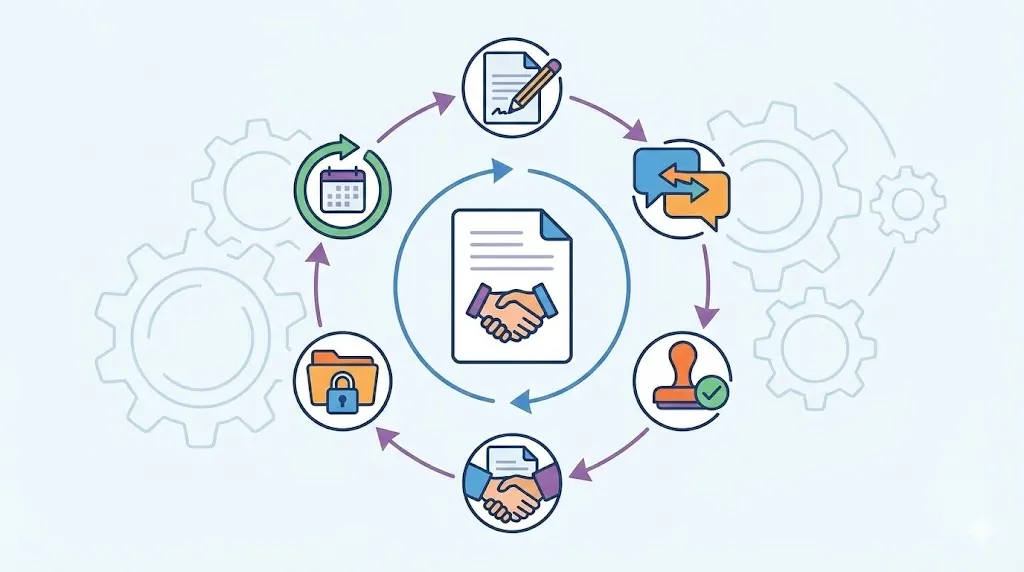
A repeatable contract review process needs more than careful reading. Contract management software, often called CLM software, gives teams one controlled place for contract work.
A central repository stores drafts, exhibits, amendments, approvals, and signed agreements. Search tools help users find the current version without checking many folders.
Workflow tools route reviews to the right people. They can send reminders, enforce permissions, and preserve each approval step.
Review data can also support work after signature. Teams can track renewal dates, payment duties, service levels, and open commitments.
Centralize contract records: Keep agreements, exhibits, amendments, comments, and approvals together. This reduces searches across email, drives, and personal folders. Teams can find the signed version faster. They can also review the full deal history.
Control versions and approvals: Give each draft a clear status and owner. Route the contract to legal, finance, security, and business reviewers. Record accepted changes and approval dates. This reduces execution errors caused by outdated files.
Track obligations and dates: Record deliverables, notice periods, renewals, reports, and payment milestones. Assign each duty to a named owner. Send reminders before important dates. This helps teams manage the contract after signature.
Support risk reporting: Search contract data by supplier, clause, renewal, risk, or business unit. Managers can see open reviews and accepted exceptions. They can spot repeated problems across agreements. This supports better review planning.
Contract management software does not replace legal judgment. It gives reviewers better records, clearer workflows, and stronger follow-up.
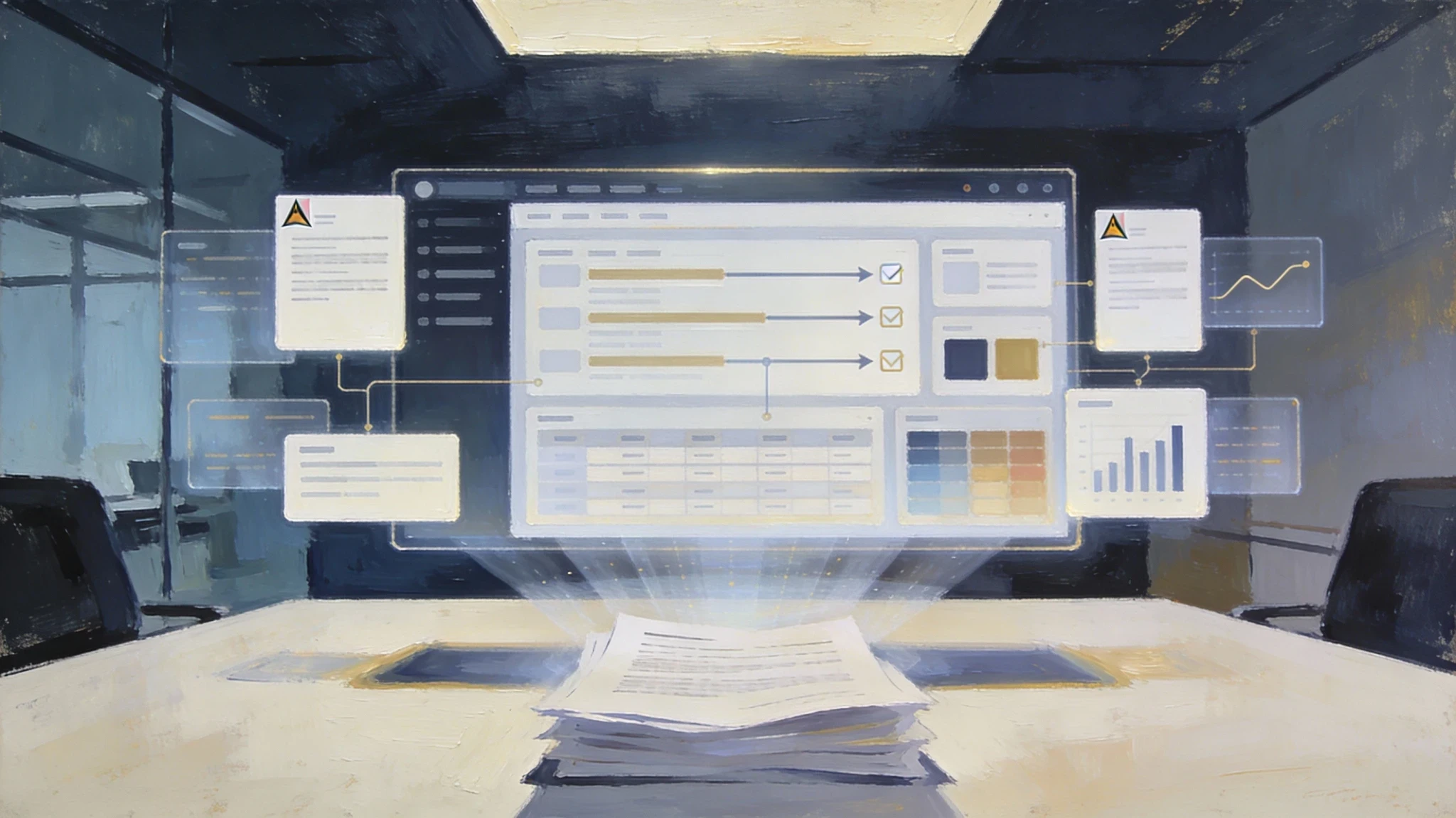
Volody’s CLM Software supports contract review with AI Contract Review, AI Contract Summaries, and Approval Workflow Automation. It can flag risky clauses, highlight obligations and renewal dates, and route approvals with reminders.
For example, a procurement team can review a supplier draft, spot a broad liability clause, and send the issue to legal. After approval, the team can track the renewal date and service duties.
Want to see how contract management software can simplify your legal workflows? Check out Volody's CLM Software.
FAQ
What is the first step in reviewing a contract?
The first step is defining the agreement’s business purpose and desired result. Identify the scope, stakeholders, risk limits, key dates, and approval needs. Then gather the contract and related documents. This context helps reviewers judge each clause against the actual deal.
Who should review a contract?
Legal, business, finance, procurement, security, privacy, and operations teams may review a contract. The right group depends on the deal’s subject, value, data use, and risk. Each reviewer should have a clear duty and deadline. One person should coordinate the full process.
Which contract clauses deserve the most attention?
Prioritize payment, pricing, deliverables, service levels, liability, indemnification, and termination. Also review confidentiality, data protection, intellectual property, renewal, and dispute terms. These clauses often create the greatest cost or exposure. Their wording should match the business purpose and risk limits.
How can I identify risky or unclear contract language?
Look for vague terms, conflicting definitions, missing remedies, and broad duties. Check whether the contract measures performance with clear dates, standards, and evidence. Review whether risk sits with the party best able to control it. Test the wording against late delivery, nonpayment, data incidents, and termination.
What should I do when I do not understand a contract clause?
Flag the clause and describe the exact uncertainty. Do not approve it based on an assumption or informal explanation. Ask legal counsel or a subject expert to explain its effect. Request clearer wording when the duty or risk remains uncertain.
How long does a contract review take?
Review time depends on length, complexity, risk, and negotiation history. Standard forms may need less work than unfamiliar or heavily amended agreements. Timing also depends on stakeholder availability and document quality. Set a realistic schedule that leaves time for questions and final checks.
Should I use contract management software to review contracts?
Use contract management software to centralize documents, control versions, route approvals, preserve audit records, and track obligations after signing. It strengthens review consistency and follow-through while leaving legal judgment with your team.
About the Company

Volody AI CLM is an Agentic AI-powered Contract Lifecycle Management platform designed to eliminate manual contracting tasks, automate complex workflows, and deliver actionable insights. As a one-stop shop for all contract activities, it covers drafting, collaboration, negotiation, approvals, e-signature, compliance tracking, and renewals. Built with enterprise-grade security and no-code configuration, it meets the needs of the most complex global organizations. Volody AI CLM also includes AI-driven contract review and risk analysis, helping teams detect issues early and optimize terms. Trusted by Fortune 500 companies, high-growth startups, and government entities, it transforms contracts into strategic, data-driven business assets.




" height="216.72211px" id="FYO0bO80Y" transform="translate(3 6.105)" width="206.073px"/><path d="M 108.174 222 C 88.432 222 70.303 217.239 53.785 207.717 C 37.267 198.196 24.173 185.052 14.504 168.285 C 4.835 151.312 0 132.165 0 110.845 C 0 89.731 4.835 70.792 14.504 54.025 C 24.173 37.052 37.267 23.804 53.785 14.282 C 70.303 4.761 88.432 0 108.174 0 C 128.116 0 146.246 4.761 162.562 14.282 C 179.08 23.804 192.073 37.052 201.541 54.025 C 211.21 70.792 216.044 89.731 216.044 110.845 C 216.044 132.165 211.21 151.312 201.541 168.285 C 192.073 185.052 179.08 198.196 162.562 207.717 C 146.044 217.239 127.915 222 108.174 222 Z M 108.174 183.189 C 120.864 183.189 132.044 180.291 141.713 174.495 C 151.382 168.492 158.936 160.006 164.375 149.035 C 169.814 138.064 172.533 125.334 172.533 110.845 C 172.533 96.355 169.814 83.729 164.375 72.965 C 158.936 61.994 151.382 53.611 141.713 47.815 C 132.044 42.02 120.864 39.122 108.174 39.122 C 95.483 39.122 84.202 42.02 74.332 47.815 C 64.663 53.611 57.109 61.994 51.67 72.965 C 46.231 83.729 43.511 96.355 43.511 110.845 C 43.511 125.334 46.231 138.064 51.67 149.035 C 57.109 160.006 64.663 168.492 74.332 174.495 C 84.202 180.291 95.483 183.189 108.174 183.189 Z" fill="rgba(255, 255, 255, 0.12)" height="222px" id="aa1McFcE9" transform="translate(227.183 3)" width="216.04399999999998px"/><path d="M 42.302 182.257 L 111.799 182.257 L 111.799 216.722 L 0 216.722 L 0 0 L 42.302 0 Z" fill="rgba(255, 255, 255, 0.12)" height="216.72211px" id="yRq4AnrsX" transform="translate(477.721 6.105)" width="111.79899999999998px"/><path d="M 108.174 222 C 88.432 222 70.303 217.239 53.785 207.717 C 37.267 198.196 24.173 185.052 14.504 168.285 C 4.835 151.312 0 132.165 0 110.845 C 0 89.731 4.835 70.792 14.504 54.025 C 24.173 37.052 37.267 23.804 53.785 14.282 C 70.303 4.761 88.432 0 108.174 0 C 128.116 0 146.246 4.761 162.562 14.282 C 179.08 23.804 192.073 37.052 201.541 54.025 C 211.21 70.792 216.045 89.731 216.045 110.845 C 216.045 132.165 211.21 151.312 201.541 168.285 C 192.073 185.052 179.08 198.196 162.562 207.717 C 146.044 217.239 127.915 222 108.174 222 Z M 108.174 183.189 C 120.864 183.189 132.044 180.291 141.713 174.495 C 151.382 168.492 158.936 160.006 164.375 149.035 C 169.814 138.064 172.534 125.334 172.534 110.845 C 172.534 96.355 169.814 83.729 164.375 72.965 C 158.936 61.994 151.382 53.611 141.713 47.815 C 132.044 42.02 120.864 39.122 108.174 39.122 C 95.483 39.122 84.202 42.02 74.332 47.815 C 64.663 53.611 57.108 61.994 51.67 72.965 C 46.231 83.729 43.511 96.355 43.511 110.845 C 43.511 125.334 46.231 138.064 51.67 149.035 C 57.108 160.006 64.663 168.492 74.332 174.495 C 84.202 180.291 95.483 183.189 108.174 183.189 Z" fill="rgba(255, 255, 255, 0.12)" height="222px" id="mo8HQspQ0" transform="translate(609.155 3)" width="216.04500000000007px"/><path d="M 73.727 0 C 95.885 0 115.324 4.45 132.044 13.351 C 148.967 22.252 161.957 34.982 171.027 51.541 C 180.287 67.894 184.917 86.937 184.917 108.671 C 184.917 130.405 180.287 149.449 171.027 165.801 C 161.957 181.947 148.967 194.47 132.044 203.371 C 115.324 212.271 95.885 216.722 73.727 216.722 L 0 216.722 L 0 0 Z M 72.216 179.773 C 94.374 179.773 111.497 173.564 123.583 161.144 C 135.669 148.724 141.713 131.233 141.713 108.671 C 141.713 86.109 135.669 68.515 123.583 55.888 C 111.497 43.055 94.374 36.638 72.216 36.638 L 42.302 36.638 L 42.302 179.773 Z" fill="rgba(255, 255, 255, 0.12)" height="216.72211px" id="I3iXX5Hi_" transform="translate(859.693 6.105)" width="184.91699999999992px"/><path d="M 185.22 0 L 113.91 141.273 L 113.91 216.722 L 71.61 216.722 L 71.61 141.273 L 0 0 L 47.74 0 L 93.06 99.046 L 138.08 0 Z" fill="rgba(255, 255, 255, 0.12)" height="216.72211px" id="nzHyWC0_d" transform="translate(1061.78 6.105)" width="185.22000000000003px"/></svg>)