
Contract ratification is the critical process that transforms preliminary agreements into legally enforceable contracts. Without a rigorous and systematic approach, organizations risk ambiguity, unauthorized approvals, and costly disputes. Many businesses falter by relying on informal confirmations or neglecting key procedural steps, resulting in delays and compromised enforceability.
Implementing a structured ratification framework guarantees clarity, verifies authority, and confirms mutual intent. This methodical process safeguards all parties by ensuring that every condition is satisfied and documented, thereby minimizing legal exposure. This comprehensive guide provides a clear, step-by-step roadmap to execute contract ratification with precision and confidence.
TL;DR
Contract ratification formally confirms a deal’s terms, making it legally binding. This process requires reviewing contract terms, verifying intent and authority, addressing conditions, and obtaining formal approval. Sometimes, ratification happens through actions, not just signatures. Strong documentation and communication close the loop. Following a clear step-by-step method reduces risk and speeds up deal confirmation. Use this guide to ratify contracts confidently and avoid common pitfalls.
Related articles: Contract Drafting Tips: Create Contracts Effortlessly
Prerequisites and Setup
Identifying Key Stakeholders and Decision Makers
Before ratifying any contract, identify who must approve it. This usually includes legal counsel, procurement officers, and relevant executives. In corporations, the board or a designated committee often holds ratification power. In unions, members or bargaining committees play that role. Knowing who has the authority prevents unauthorized approvals that can void contracts later.
Map out the decision chain clearly. Confirm each stakeholder understands their role. For example, a sales manager might negotiate terms, but only a corporate officer can ratify. Make sure these roles are documented. This helps avoid confusion and delays during ratification.
Gathering Necessary Documentation and Tools
Collect all documents related to the contract before starting. This includes drafts, negotiation records, approvals, and supporting correspondence. Having a complete file lets you review terms thoroughly and verify any changes.
Leverage contract ratification software or top contract management platforms to organize these files. Such tools provide audit trails and approval workflows. They reduce errors and speed up the ratification process. Choose software that fits your business size and compliance needs.
Tools to consider:
Contract ratification software with workflow automation
Document management systems for version control
Digital signature platforms for express ratification
Having these ready cuts friction. It gives all parties clear insight into the contract status at every stage.
Related articles: 10 Key Contract Clauses Every Business Should Know in 2026
Step 1: Review the Contract Terms Thoroughly
Key Clauses to Examine for Ratification
Start by examining the contract’s core terms. Focus on clauses that define duties, deliverables, payment, timelines, and termination rights. These are the pillars of the agreement and must be clear before ratification.
Also, check clauses related to dispute resolution, confidentiality, and liability. These often carry legal risks if misunderstood. For example, a broad indemnity clause can expose your company to unexpected costs.
Review any amendments or side agreements. Confirm they are integrated properly. Missing these can lead to gaps in the contract’s scope.
Assessing Risks and Obligations in the Contract
Next, evaluate the risks each party takes on. Identify obligations that require ongoing performance. Pinpoint any penalties or breach consequences.
Assess whether the contract matches your business goals and risk tolerance. If clauses expose your firm to undue liability or unclear duties, raise them before ratification. This step prevents surprises that can cause disputes.
Risk assessment also includes checking compliance with relevant laws. For example, contracts involving international trade must meet import-export regulations. Ignoring these may invalidate the contract or trigger fines.
Related articles: Understanding Non-Disclosure Agreements: Key Insights
Step 2: Confirm Mutual Intent and Authority to Ratify
Verifying Parties’ Intent to be Bound
Ratification depends on all parties intending to accept the contract terms. Confirm this intent explicitly. Look for signatures, written approvals, or verbal agreements where allowed.
If a party acts inconsistently—such as refusing to perform or disputing terms—that may indicate no intent. Clarify these issues before ratifying. Unclear intent can void the contract or limit enforceability.
Mutual intent also means parties understand the contract’s full scope. Provide summaries or highlight key points if needed. This avoids misunderstandings during ratification.
Confirming Legal and Organizational Authority
Not everyone can ratify a contract. Confirm who has legal authority within each organization. For example, a sales rep may negotiate but lack ratification rights. Corporate board contract ratification often requires formal resolutions.
Check bylaws, company policies, or union contract ratification procedures to find the right approvers. Document their authority clearly.
Failing to confirm authority leads to contract ratification challenges in business. Unauthorized approvals risk invalid contracts and legal disputes. Always verify signatories have power to bind their organizations.
Step 3: Address and Resolve Contingencies or Conditions
Identifying Outstanding Conditions Precedent
Many contracts include conditions precedent—requirements that must be met before ratification. These may include regulatory approvals, financing, or due diligence.
Identify any such contingencies before proceeding. Common examples:
Obtaining government permits
Passing internal audits or compliance checks
Securing third-party consents
Unresolved conditions create uncertainty. Ratifying too soon may lead to breaches or void contracts.
Strategies for Managing and Documenting Contingencies
Track each outstanding condition carefully. Use contract ratification software to set alerts and deadlines. Assign responsible parties to resolve each item.
Document how you handle contingencies. Keep records of communications, approvals, and completed tasks. This transparency protects your position if disputes arise later.
If conditions cannot be met, renegotiate terms or delay ratification. Avoid forcing ratification with unresolved risks.
Step 4: Obtain Express Ratification Through Signing or Formal Approval
Formal Methods of Express Ratification
Express ratification occurs when parties explicitly approve the contract. Common methods include:
Signing the final contract document
Issuing written approval letters or emails
Passing board or committee resolutions
Express ratification leaves a clear paper trail. This clarity helps enforce the contract and resolve disputes.
For union contracts, ratification ballots by members often decide approval. Follow union contract ratification procedures carefully to meet legal standards.
Best Practices for Signing and Approval Processes
Ensure all ratifiers sign the correct version of the contract. Use digital signature platforms to speed up execution and maintain records.
Confirm approval authority before collecting signatures. Track the approval process clearly using workflow tools. These reduce delays and errors.
Store signed contracts securely in a central repository. This supports future audits and contract lifecycle management.
Step 5: Recognize Implied Ratification Through Performance
Indicators of Implied Ratification in Practice
Sometimes, parties ratify a contract without explicit approval. This happens through actions showing acceptance, called implied ratification.
Examples include:
Performing contractual duties, like delivering goods or making payments
Accepting benefits under the contract
Failing to object after learning of terms
For instance, if a business starts paying an invoice without dispute, courts may view this as implied contract acceptance.
Legal Implications of Actions Constituting Ratification
Implied ratification makes the contract legally enforceable even without a signature. However, it carries risks. Actions might not cover all contract terms. Parties may later argue about scope or authority.
Companies should document all conduct supporting ratification. Legal teams must review performance-related evidence to confirm intent.
Understanding express vs implied ratification helps avoid unintended contract ratification. Use clear express ratification when possible.
Step 6: Document and Communicate the Ratification Outcome
Creating a Clear Record of Ratification
Once ratified, record the outcome formally. Include:
Signed contract copies or approval documents
Meeting minutes or board resolutions
Emails confirming acceptance
Evidence of performance where implied ratification applies
A clear record supports legal enforceability and internal audits. It also helps track contract status in management systems.
Communicating Ratification Status Internally and Externally
Inform all relevant parties about the ratified contract. Internally, notify legal, finance, procurement, and operations teams. Share key terms and obligations.
Externally, confirm acceptance with the other party. This avoids confusion and sets expectations.
Use contract ratification software notifications and dashboards to keep teams updated. Clear communication prevents errors and speeds up contract execution.
Related Article: Selecting the Ideal Document Management System for You
Common Mistakes and How to Fix Them
Overreliance on Signatures Without Authority Checks
A frequent error is assuming a signature means valid ratification. If the signer lacks authority, the contract may be void. Always verify signatories' power beforehand.
Fix this by maintaining an updated list of authorized approvers. Cross-check signatures against this list before finalizing deals.
Ignoring Unresolved Conditions and Their Impact
Some businesses ratify contracts while conditions precedent remain unmet. This creates legal risk and operational headaches.
Avoid this by tracking all contingencies closely. Delay ratification until conditions clear, or include clauses protecting your firm if they do not.
Regular audits of contract status help identify unresolved items. That way, you can act before problems escalate.
Conclusion
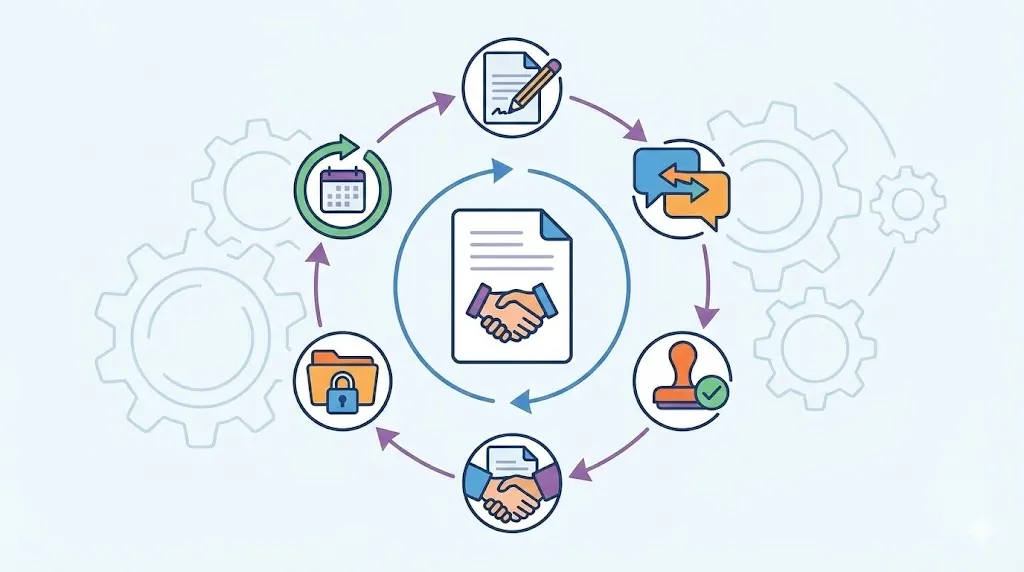
Effective contract ratification is essential for securing legally binding agreements and mitigating risk. By following a disciplined, stepwise process—starting with thorough document collection and stakeholder identification, then reviewing terms, confirming intent and authority, resolving contingencies, and obtaining formal approval—you ensure enforceability and operational clarity.
Leverage digital tools to streamline workflows and maintain comprehensive records, reducing approval times and minimizing errors. Organizations that master contract ratification enhance risk management, accelerate deal closure, and build stronger partnerships grounded in trust and transparency.
Begin by evaluating your current ratification procedures and integrating best practices to achieve greater control and efficiency in your contract lifecycle management.
Frequently Asked Questions
What is contract ratification?
Contract ratification is the formal approval or confirmation of a contract’s terms by the parties involved. It makes the agreement legally binding and enforceable. Ratification can happen explicitly through signatures and approvals, or implicitly through actions showing acceptance.
How does contract ratification affect legal enforceability?
Ratification confirms that parties intend to be bound by the contract. Without it, contracts may lack legal force. Once ratified, courts can enforce terms and award damages for breaches. This protects all parties’ rights and duties.
What is the difference between express and implied ratification?
Express ratification occurs through clear acts like signing or written approval. Implied ratification happens through conduct, such as performing contract duties or accepting benefits. Both create binding agreements but express ratification offers clearer evidence.
What are common steps to confirm contract validity?
Key steps include reviewing contract terms, confirming parties’ intent and authority, resolving conditions precedent, obtaining formal approval, recognizing implied acceptance if any, and documenting the ratification outcome.
How do corporate boards handle contract ratification?
Boards often ratify contracts by passing formal resolutions during meetings. This confirms the company’s consent and authority. Corporate board contract ratification usually requires documented minutes and signatures from authorized directors.
What challenges arise in contract ratification in business?
Common challenges include unclear authority, missing approvals, unresolved contingencies, and poor documentation. These lead to disputes or unenforceable contracts. Using structured processes and software reduces these risks.
Can contract ratification be done digitally?
Yes, many companies use contract ratification software and digital signature platforms. These tools speed up approval workflows, maintain audit trails, and ensure document integrity, improving efficiency and compliance.
What are examples of implied contract acceptance?
Examples include continuing to pay invoices after receiving terms, delivering goods without objection, or using services under new contract terms. Such conduct may legally ratify the contract even without a signature.
How do union contract ratification procedures differ?
Union contracts often require member votes to ratify agreements. The bargaining committee negotiates, but the contract only becomes valid after majority approval. This process is formal and follows specific legal rules.
Why is documenting contract ratification important?
Clear records prove the contract was accepted legally and show who approved it. Documentation supports enforcement, audits, and ongoing contract management. Without it, parties face disputes and compliance issues.
About the Company

Volody AI CLM is an Agentic AI-powered Contract Lifecycle Management platform designed to eliminate manual contracting tasks, automate complex workflows, and deliver actionable insights. As a one-stop shop for all contract activities, it covers drafting, collaboration, negotiation, approvals, e-signature, compliance tracking, and renewals. Built with enterprise-grade security and no-code configuration, it meets the needs of the most complex global organizations. Volody AI CLM also includes AI-driven contract review and risk analysis, helping teams detect issues early and optimize terms. Trusted by Fortune 500 companies, high-growth startups, and government entities, it transforms contracts into strategic, data-driven business assets.





" height="216.72211px" id="FYO0bO80Y" transform="translate(3 6.105)" width="206.073px"/><path d="M 108.174 222 C 88.432 222 70.303 217.239 53.785 207.717 C 37.267 198.196 24.173 185.052 14.504 168.285 C 4.835 151.312 0 132.165 0 110.845 C 0 89.731 4.835 70.792 14.504 54.025 C 24.173 37.052 37.267 23.804 53.785 14.282 C 70.303 4.761 88.432 0 108.174 0 C 128.116 0 146.246 4.761 162.562 14.282 C 179.08 23.804 192.073 37.052 201.541 54.025 C 211.21 70.792 216.044 89.731 216.044 110.845 C 216.044 132.165 211.21 151.312 201.541 168.285 C 192.073 185.052 179.08 198.196 162.562 207.717 C 146.044 217.239 127.915 222 108.174 222 Z M 108.174 183.189 C 120.864 183.189 132.044 180.291 141.713 174.495 C 151.382 168.492 158.936 160.006 164.375 149.035 C 169.814 138.064 172.533 125.334 172.533 110.845 C 172.533 96.355 169.814 83.729 164.375 72.965 C 158.936 61.994 151.382 53.611 141.713 47.815 C 132.044 42.02 120.864 39.122 108.174 39.122 C 95.483 39.122 84.202 42.02 74.332 47.815 C 64.663 53.611 57.109 61.994 51.67 72.965 C 46.231 83.729 43.511 96.355 43.511 110.845 C 43.511 125.334 46.231 138.064 51.67 149.035 C 57.109 160.006 64.663 168.492 74.332 174.495 C 84.202 180.291 95.483 183.189 108.174 183.189 Z" fill="rgba(255, 255, 255, 0.12)" height="222px" id="aa1McFcE9" transform="translate(227.183 3)" width="216.04399999999998px"/><path d="M 42.302 182.257 L 111.799 182.257 L 111.799 216.722 L 0 216.722 L 0 0 L 42.302 0 Z" fill="rgba(255, 255, 255, 0.12)" height="216.72211px" id="yRq4AnrsX" transform="translate(477.721 6.105)" width="111.79899999999998px"/><path d="M 108.174 222 C 88.432 222 70.303 217.239 53.785 207.717 C 37.267 198.196 24.173 185.052 14.504 168.285 C 4.835 151.312 0 132.165 0 110.845 C 0 89.731 4.835 70.792 14.504 54.025 C 24.173 37.052 37.267 23.804 53.785 14.282 C 70.303 4.761 88.432 0 108.174 0 C 128.116 0 146.246 4.761 162.562 14.282 C 179.08 23.804 192.073 37.052 201.541 54.025 C 211.21 70.792 216.045 89.731 216.045 110.845 C 216.045 132.165 211.21 151.312 201.541 168.285 C 192.073 185.052 179.08 198.196 162.562 207.717 C 146.044 217.239 127.915 222 108.174 222 Z M 108.174 183.189 C 120.864 183.189 132.044 180.291 141.713 174.495 C 151.382 168.492 158.936 160.006 164.375 149.035 C 169.814 138.064 172.534 125.334 172.534 110.845 C 172.534 96.355 169.814 83.729 164.375 72.965 C 158.936 61.994 151.382 53.611 141.713 47.815 C 132.044 42.02 120.864 39.122 108.174 39.122 C 95.483 39.122 84.202 42.02 74.332 47.815 C 64.663 53.611 57.108 61.994 51.67 72.965 C 46.231 83.729 43.511 96.355 43.511 110.845 C 43.511 125.334 46.231 138.064 51.67 149.035 C 57.108 160.006 64.663 168.492 74.332 174.495 C 84.202 180.291 95.483 183.189 108.174 183.189 Z" fill="rgba(255, 255, 255, 0.12)" height="222px" id="mo8HQspQ0" transform="translate(609.155 3)" width="216.04500000000007px"/><path d="M 73.727 0 C 95.885 0 115.324 4.45 132.044 13.351 C 148.967 22.252 161.957 34.982 171.027 51.541 C 180.287 67.894 184.917 86.937 184.917 108.671 C 184.917 130.405 180.287 149.449 171.027 165.801 C 161.957 181.947 148.967 194.47 132.044 203.371 C 115.324 212.271 95.885 216.722 73.727 216.722 L 0 216.722 L 0 0 Z M 72.216 179.773 C 94.374 179.773 111.497 173.564 123.583 161.144 C 135.669 148.724 141.713 131.233 141.713 108.671 C 141.713 86.109 135.669 68.515 123.583 55.888 C 111.497 43.055 94.374 36.638 72.216 36.638 L 42.302 36.638 L 42.302 179.773 Z" fill="rgba(255, 255, 255, 0.12)" height="216.72211px" id="I3iXX5Hi_" transform="translate(859.693 6.105)" width="184.91699999999992px"/><path d="M 185.22 0 L 113.91 141.273 L 113.91 216.722 L 71.61 216.722 L 71.61 141.273 L 0 0 L 47.74 0 L 93.06 99.046 L 138.08 0 Z" fill="rgba(255, 255, 255, 0.12)" height="216.72211px" id="nzHyWC0_d" transform="translate(1061.78 6.105)" width="185.22000000000003px"/></svg>)