
Key Highlights
A structured contract review process is vital for safeguarding your business interests and mitigating potential risks.
Our detailed review checklist helps you scrutinise key clauses to protect your company from unfavourable terms.
The process involves both legal professionals and key stakeholders to ensure agreements are commercially and legally sound.
Manual reviews can be slow, but contract review software, including AI-powered solutions, accelerates the process significantly.
Leveraging technology enhances accuracy, streamlines workflows, and allows your team to focus on high-value negotiations.
Introduction
Have you ever closed a business deal and then found a hidden rule that could put your company at risk? This is why the contract review process is so important. Business contracts are at the heart of how you run things, setting out what each side should do and expect. If you skip the review process, you might face money losses or even legal problems. It’s not just a simple step that you can miss. A thorough contract review really helps with risk and often needs legal professionals to make sure each deal fits your needs and keeps you safe.
Understanding Contract Review in Business Agreements
The contract review process is a careful check of a legal document before anyone signs it. The main aim is to look at what is in the contract, spot any risks, and make sure the terms fit what your organisation needs. This important part of contract management helps stop wrong ideas and costly problems later.
A good legal review makes sure the agreements in a business are easy to understand, right for both sides, and can be backed up by law. It connects legal words with what you actually do in your business, so every contract you sign helps you reach your main goals. If you do not use this review process, you are taking big risks with the future of your company.
Definition and Scope of Contract Review
At its heart, the contract review process means looking closely at a agreement’s rules before it is signed. This is not just a legal formality. It is an important tool to spot risks. In the review process, you look at each part of the contract to understand what can happen, find any risks, and check that what is written matches what all people want in the deal.
The business contract review process checks if every rule in the deal is clear and nothing is missing. It also points out anything that seems odd in the contract. The review helps to see if the deal fits with your company rules and the law. This deep legal review makes sure the contract is good in the eyes of the law, sound for business, and also helps you reach your goals.
It is very important to have legal counsel in this stage. They have the know-how to help you get ready to talk about the contract, ask for changes, and keep you safe in the end. This turns what seems like just a check into a smart move for you and your group.
Who Should Conduct Contract Reviews?
Who handles the contract review process can change based on the size of the company and how complex the contract is. In large companies, the legal department or in-house legal teams usually take charge of the review process. They use their legal expertise to go through contracts that could be tricky or carry high risks.
Still, the contract review process is not just for lawyers. Business teams, like procurement, finance, and sales, should also be part of the review process. Their input gives important details about business needs. With their help, the contract fits better with how teams work and what they want to achieve. When legal teams and business teams work together, it helps make the review process stronger and covers all the key points.
Legal Professionals’ Role in Reviewing Agreements
Legal professionals are key in the contract review process. They use their skills to look out for your business interests and needs. Their main job is to make sure each agreement can be held up in law, follows all rules, and does not have any bad points. This way, your company will not face risks that are not needed.
In a legal review, legal teams look closely at tough parts like who is responsible for what, who pays if there is loss, and all rules about intellectual property. They are trained to find parts that are not clear or might have gaps that someone could use in a bad way. Many people who are not lawyers may miss these issues. This work makes sure the language in the agreement says just what all sides want and fits the deal in the right way.
In the end, when legal professionals help with the review process, it is not just a basic look-over. It is a smart step where all things are checked well. Legal teams make sure every deal you sign is strong, fair, and will help your company for a long time. It is not just about the offer right now, but about the goals and health of your business in the years ahead.
Importance of Involving Stakeholders
Bringing people from different departments into the contract review process is very important for a contract to work well. The legal teams look at the risks and rules, while business people share the commercial side. This helps make sure the deal is both useful and good for you. Their thoughts help match the contract with what you need to do day to day.
When teams like finance, sales, and operations take part, there is a better chance to check that the key terms are right for what their group can do. This stops problems and confusion later on in the contract lifecycle. Because of this, all business interests have a voice in the agreement.
Here are some main benefits of getting all teams involved:
Operational Clarity: Makes sure what needs to be done and when can really happen in real life.
Financial Alignment: Checks that the payment terms work with your budget and cash flow.
Strategic Fit: Sees that the agreement helps with bigger goals for the business.
Related Article: How Customer Feedback Improves Contract Lifecycle Management
The Contract Review Process: A Step-by-Step Guide
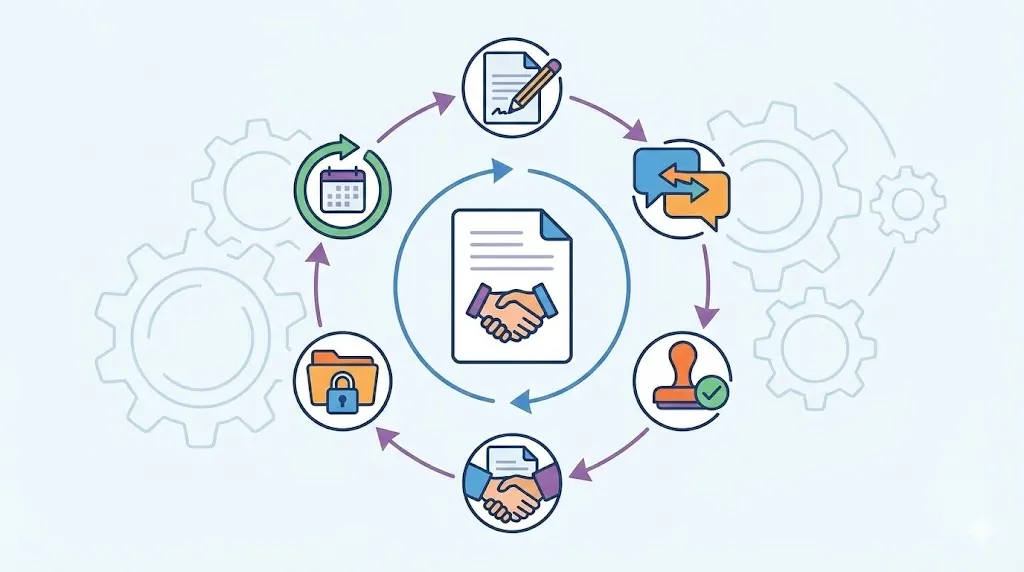
A good contract review should follow a clear, step-by-step process. This takes you from the first check to the final go-ahead. If you use a contract review checklist, you can make the steps the same every time, for every type of contract. This way, you will not miss any important points.
In the contract lifecycle, legal teams and people from the business work side by side. They get involved at every stage, not just at the end. First, you have to know what the business contracts are for. Then, you review each part, talk about changes, and get ready to talk things over. Each step helps look after your interests. It also makes sure the final contract will work well for you. Here are the key stages to keep in mind.
Initial Assessment and Stakeholder Alignment
The first thing you need to do in the contract review process is get the right background details and make sure all the business teams and people involved are on the same page. Before you look at the actual words in the contract, it is good to know the reason for the contract, who is part of it, and what you want to get at the end. These points will guide the whole review process.
Then, find out who all the stakeholders are. This could be people from legal, finance, and other business teams who will work on the review. Make sure their expectations are clear. Set up a review workflow that shows everyone what they have to do. This step helps everyone know their job and helps spot any potential risks early.
Here are some important things to do in this stage:
Gather all the needed files, like old agreements and proposals.
Make the main goals and what you want from the contract clear.
Set up ways for people to give feedback and get approvals.
[contract review process], [potential risks], [review process], [business teams], [review workflow]
Analysing Key Terms, Clauses, and Obligations
After you finish the first assessment, the next step in the contract review process is to look closely at what is written in the contract. In this part of the review process, you need to read the key terms and key clauses that show what each party can and cannot do. Think about how this will touch your business interests.
You should look closely at the main commercial clauses and legal rules in the contract. Most of the time, these parts talk about payment terms, what work needs to be done and handed over, keeping things secret, and who takes on risk. If you do not know these parts well or if you miss something, there could be big money or work problems later. It is important to link the legal words to what happens in business.
Some important things you need to check in the contract review process are:
Scope of Work: Make sure that the deliverables, times, and points when things are due are all simple and clear.
Payment Terms: Check that payment amounts, when payments are made, and any rules or steps to getting paid are set out.
Liability and Indemnity: Know what your risks are with money if something goes wrong.
This way, you can make sure that your business interests are safe and that every point in the contract will work well for you.
Identifying Red Flags and Potential Risks
A key step in the contract review process is to look for any red flags and possible risks. You need to watch out for parts that are not clear, seem unfair, or are very different from what is normal. If you spot these problems early in the review process, you can deal with them before they turn into bigger legal issues.
You should keep an eye out for hidden risks that are not easy to see at first. This may be language that people could read in more than one way. It may also be automatic renewal terms that lock you into something you do not want or parts that give most or all of the risk to your company. These things can lead to money trouble and compliance risks for you.
Always look for parts that seem strange or are too hard to read. Taking time to do a good review will help you find anything that could hurt your interests. This will make sure the final deal is fair and even for all sides.
Related Articles: How to Review Contracts More Quickly and Effectively?
Seven Must-Have Tips for Effective Agreement Review
To help make your business contract review faster and more complete, you should use some best practices. Making a contract review checklist based on these best practices can help you keep everything steady and stop any big mistakes. This clear plan lets you do more than just read the contract once. You can now do a smart analysis.
The tips below will help you with the review process, from checking the main goals of the deal to making sure risks are shared in a fair way. If you use these ideas, you can keep your organisation safe, cut down the time you spend in talks, and help build better business relationships.
Tip 1 – Verify Business Objectives and Intent
Before you start looking at the legal terms, the first thing to do in the contract review process is check if the contract fits with your business goals. A contract might follow all the rules but still not help you get what you want if it does not support your main aims. It's good to talk with the main people involved so you know why the agreement is there.
Taking this first step makes sure your review process is based on the bigger picture. When you know what outcome you want, it's easier to see if the details of the deal work for your business interests or if some changes are needed. This also helps you not to get stuck on small issues that don't matter much for the main goal of the contract.
To check if the contract lines up with your plan, ask these things:
Does the scope of work match what was discussed?
Are the deliverables and timelines consistent with project goals?
Does the agreement support the company's long-term strategy?
Tip 2 – Check Compliance with Indian Regulations
Making sure that a contract follows all the right laws is a key step in your contract review process. If the agreement breaks any laws or rules, it might not be valid. This can put your business at risk. This point is even more important when the deal goes across other states or other countries.
In your review process, you need to check if the contract fits all related statutes. This includes federal laws and rules for certain industries. Taking this step cuts down on compliance risks. It also helps make sure your agreement will hold up in court. If there is a fight about the contract, these checks are very useful. Always look at data privacy, consumer protection, and any jobs terms found in the rules.
Key compliance checks include:
Verifying that the contract is right under data protection laws like the Digital Personal Data Protection Act.
Checking the agreement fits your industry rules.
Making sure rules about which law will be used and where a case could be heard are right.
Tip 3 – Ensure Clear Language and Avoid Ambiguity
A key part of the contract review process is to use clear language and to remove any confusion. When contract terms are vague or not well defined, they often lead to arguments, as people can see them in different ways. You need to make sure that every duty, right, and rule is easy for all to understand.
While you go through the review process, question any legal talk or very long sentences. If any part can be read in more than one way, change it so people will know what you mean. In business law, being exact is very important. The idea is to make a document that shows what each person must do. There should not be any doubt.
When you put this step in your checklist for a contract review, you help make sure the contract is easy to follow for all sides. A contract without confusion cuts down the chance for arguments. It also makes things better when you handle, run, or check the contract over time.
Tip 4 – Review Boilerplate Clauses and Dates
It's a common mistake to gloss over "boilerplate" clauses, assuming they are standard and non-negotiable. However, these provisions, often found at the end of a contract, contain critically important terms. Your contract review process must include a careful examination of these sections, as they can heavily influence your rights and liabilities.
Similarly, be meticulous about dates. Inconsistencies between the effective date, start date, and termination date can create confusion and legal issues. Also, scrutinise renewal terms to avoid unintended automatic extensions that can lock you into an unfavourable agreement. Effective contract lifecycle management depends on this precision.
Pay special attention to these boilerplate clauses:
Clause | What to Check |
|---|---|
Limitation of Liability | Is the liability cap fair and reasonable for both parties? |
Indemnification | Who is responsible for covering losses from third-party claims? |
Governing Law | Which jurisdiction's laws will apply in case of a dispute? |
Termination Clauses | Are the conditions for ending the contract clearly defined? |
Tip 5 – Watch for Hidden References and Incorporated Documents
During your contract review process, be watchful for any hidden links or text that point to other documents. Sometimes, contracts bring in outside terms, policies, or other agreements. These become part of what you must do under the contract, so it is important to look at them with the same care as you do with the main contract.
One thing to pay close attention to is if these outside documents can be changed by just one side, without telling the other. If this happens, what you need to do under the contract can also change without your agreement. This can bring about many potential issues. Your review process should spot any terms that can change like this and aim to stop one side from having all the power to change them.
When you find outside documents included in a contract, you should:
Request and look over all materials that are mentioned.
Check if these outside terms match your business interests.
Try to make sure any changes need both sides to agree and put it in writing.
Tip 6 – Fair Risk Allocation and Remedies
A main goal of the contract review process is to make sure that risk is shared in a fair way between the parties. If all of the risk is on your company, this is a real warning sign. Try to find a balanced approach so each party takes on the risks they can handle best.
In your review process, you should also look at what remedies there are if someone breaks the contract. What will happen if one side does not do what they said? The contract should clearly state the results, like if there will be money penalties, the right to end the deal, or if the work must still be done in another way. It also needs to say how disputes will be sorted, whether that’s through mediation, arbitration, or going to court.
To make sure things are fair, be sure to ask yourself:
Are there limits on liability and pay-back clauses on both sides?
Are the remedies if things go wrong good enough to make up for possible loss?
Is the dispute resolution process given a good, simple, and cost-saving choice?
Tip 7 – Stakeholder Collaboration and Final Approval
The last and most important tip for a good contract review process is to make sure everyone works together well. You need to get input from all the right departments and make sure that they agree on the terms. This helps the team have a mutual understanding and makes it less likely for any problems to come up later. Having a smooth review workflow can also help hold down legal costs because many problems can be sorted out in the team before getting outside lawyers.
Before you go for final approval, send the draft to all key people again. This gives them a chance to check that any worries they had have been sorted, and that the agreement is now fine to go ahead. When you do things this way, you can be sure the contract works in real life, as well as meeting the legal rules.
Key steps for final collaboration include:
Establishing a clear approval workflow to avoid delays.
Documenting all changes and approvals for audit purposes.
Confirming that the designated signatories have the authority to bind the company.
Related Article: Contract Management SaaS: Unlocking Cost and Compliance
The Role of Technology and AI Tools in Contract Review
Today, the business world moves fast. Because of this, it is not a good idea to use just manual checks for contracts. There is now contract review software and AI tools. These help change the way people manage legal papers. The new technology helps people by taking over work that is done again and again. It also finds risks and lets people work together at the same time.
A good contract management platform can make your review process better. It helps you turn what used to slow things down into something useful for your business. If you use the right contract review software, you can do work faster and with fewer mistakes. This gives your legal team time to focus on work that matters most, and not just on small tasks. Contract management is now much better with these new tools.
How AI-Powered Solutions Optimise Agreement Review
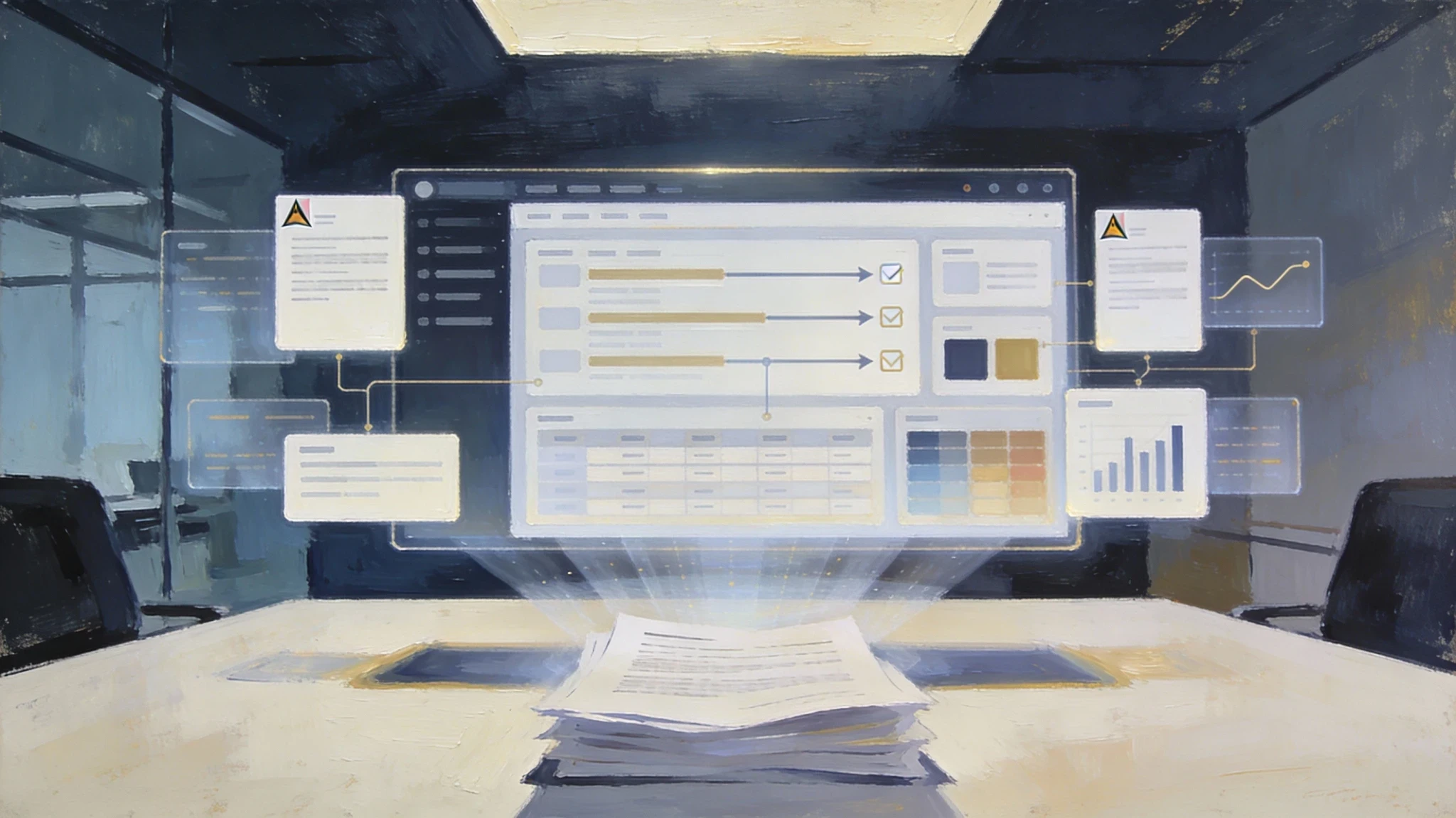
AI-powered tools are making a big difference in the agreement review process. This contract review software uses artificial intelligence to go through contracts on its own. It can spot non-standard parts, find potential risks, and suggest new words when needed. Because of this, the first review is much faster. Legal teams can then give their time to the areas that need the most focus.
These tools take over the long and boring job of reading large contracts. As a result, you get better speed and better accuracy. An AI scans a contract in just a few minutes. With people, this assessment would take hours. This helps a lot if you work in an organisation where the review process covers many contracts.
Using AI-powered solutions can improve the way you handle review by:
Automating Clause Identification: The AI pulls out important clauses and data right away.
Enhancing Risk Detection: It points out parts that stray from your set templates.
Improving Document Management: It keeps all changes and makes a searchable knowledge base.
These tools help legal teams with document management, contract review software solutions, and risk checks.
Benefits of Using Contract Review Software like Volody
Using a dedicated contract review software like Volody gives you many good benefits beyond just keeping documents in one place. This contract management platform helps you manage the whole review workflow, starting when you first write a contract and ending when you get the final signature. It saves time and makes it easier to get things right.
A big plus is how it helps people work together better through real time updates and version control. Your team does not need to deal with long, confusing email chains. You all work on the same document at the same time, and the system keeps track of every change. So, nobody works on an old file, and everyone knows what is going on.
Some of the main benefits of using Volody are:
Centralised Repository: You keep all your contracts in the one safe place, and it is easy to search and find them.
Automated Workflows: The contract review software sends contracts to the right people for review and approval, so You do not get stuck waiting.
Improved Consistency: When You use pre-approved templates and the same wording in clauses, all agreements match and meet your standards.
Volody makes contract management simple and helps you work better with your team.
Conclusion
To sum up, it is important to understand the contract review process to keep your business interests safe and to meet all rules. When you use the steps in this guide, you make your review process more accurate and can cut down on potential risks in agreements. Working with legal professionals and the people involved is also important for a full check. As time goes on, you can now use contract review software with AI to make the review process faster and better. Take these steps to make your contract management strong. If you want more help or advice about your contract review process, get in touch today.
Related Articles: 10 Tips for Contract Negotiation : Strategies Toward Success
Frequently Asked Questions
What are the essential steps in an agreement review process?
A normal review process starts with a first look at the contract. It then checks if everyone is on the same side. After that, there's a closer look at the contract terms, often done with a contract review checklist. Next, people try to find any risks in the contract. In the end, someone gives the final go-ahead. This way of handling a business contract review is a key part of contract management, as it helps make sure that all parts of the agreement are checked well.
How can contract review software save time and improve accuracy?
Contract review software helps legal teams save time because it does repetitive tasks. It can find clauses and spot any risks faster. The software also improves accuracy with automated version control. Its review workflow is simple so it reduces mistakes people make. With this system, legal teams can focus more on contract management that needs strategy, not just admin work.
What are the most common mistakes to avoid during contract review?
Some common pitfalls businesses face are easy to avoid. One is not paying attention to boilerplate clauses in a contract. Another is not bringing all stakeholders into the review process. Many also forget to use clear language in the contract. Version confusion can crop up if people are not careful when different copies of the contract float around. And, if you skip a final legal review, there can be big potential issues both in the contract review process and later on.
What are the key components to look for during a contract review?
When you go through a contract review process, you need to look closely at the key terms. Check the payment terms, scope of work, and rules about intellectual property. It is also important to look at the limits on liability, indemnification clauses, and termination rights. Make sure these are fair and that they protect you in the review process.
What common mistakes should I avoid when reviewing a contract?
One of the common challenges is to ignore boilerplate clauses. There can be hidden risks in these parts. Other mistakes are not making the language clear, not checking all the documents that are part of the contract. Having a good review helps spot these problems.
About the Company

Volody AI CLM is an Agentic AI-powered Contract Lifecycle Management platform designed to eliminate manual contracting tasks, automate complex workflows, and deliver actionable insights. As a one-stop shop for all contract activities, it covers drafting, collaboration, negotiation, approvals, e-signature, compliance tracking, and renewals. Built with enterprise-grade security and no-code configuration, it meets the needs of the most complex global organizations. Volody AI CLM also includes AI-driven contract review and risk analysis, helping teams detect issues early and optimize terms. Trusted by Fortune 500 companies, high-growth startups, and government entities, it transforms contracts into strategic, data-driven business assets.




" height="216.72211px" id="FYO0bO80Y" transform="translate(3 6.105)" width="206.073px"/><path d="M 108.174 222 C 88.432 222 70.303 217.239 53.785 207.717 C 37.267 198.196 24.173 185.052 14.504 168.285 C 4.835 151.312 0 132.165 0 110.845 C 0 89.731 4.835 70.792 14.504 54.025 C 24.173 37.052 37.267 23.804 53.785 14.282 C 70.303 4.761 88.432 0 108.174 0 C 128.116 0 146.246 4.761 162.562 14.282 C 179.08 23.804 192.073 37.052 201.541 54.025 C 211.21 70.792 216.044 89.731 216.044 110.845 C 216.044 132.165 211.21 151.312 201.541 168.285 C 192.073 185.052 179.08 198.196 162.562 207.717 C 146.044 217.239 127.915 222 108.174 222 Z M 108.174 183.189 C 120.864 183.189 132.044 180.291 141.713 174.495 C 151.382 168.492 158.936 160.006 164.375 149.035 C 169.814 138.064 172.533 125.334 172.533 110.845 C 172.533 96.355 169.814 83.729 164.375 72.965 C 158.936 61.994 151.382 53.611 141.713 47.815 C 132.044 42.02 120.864 39.122 108.174 39.122 C 95.483 39.122 84.202 42.02 74.332 47.815 C 64.663 53.611 57.109 61.994 51.67 72.965 C 46.231 83.729 43.511 96.355 43.511 110.845 C 43.511 125.334 46.231 138.064 51.67 149.035 C 57.109 160.006 64.663 168.492 74.332 174.495 C 84.202 180.291 95.483 183.189 108.174 183.189 Z" fill="rgba(255, 255, 255, 0.12)" height="222px" id="aa1McFcE9" transform="translate(227.183 3)" width="216.04399999999998px"/><path d="M 42.302 182.257 L 111.799 182.257 L 111.799 216.722 L 0 216.722 L 0 0 L 42.302 0 Z" fill="rgba(255, 255, 255, 0.12)" height="216.72211px" id="yRq4AnrsX" transform="translate(477.721 6.105)" width="111.79899999999998px"/><path d="M 108.174 222 C 88.432 222 70.303 217.239 53.785 207.717 C 37.267 198.196 24.173 185.052 14.504 168.285 C 4.835 151.312 0 132.165 0 110.845 C 0 89.731 4.835 70.792 14.504 54.025 C 24.173 37.052 37.267 23.804 53.785 14.282 C 70.303 4.761 88.432 0 108.174 0 C 128.116 0 146.246 4.761 162.562 14.282 C 179.08 23.804 192.073 37.052 201.541 54.025 C 211.21 70.792 216.045 89.731 216.045 110.845 C 216.045 132.165 211.21 151.312 201.541 168.285 C 192.073 185.052 179.08 198.196 162.562 207.717 C 146.044 217.239 127.915 222 108.174 222 Z M 108.174 183.189 C 120.864 183.189 132.044 180.291 141.713 174.495 C 151.382 168.492 158.936 160.006 164.375 149.035 C 169.814 138.064 172.534 125.334 172.534 110.845 C 172.534 96.355 169.814 83.729 164.375 72.965 C 158.936 61.994 151.382 53.611 141.713 47.815 C 132.044 42.02 120.864 39.122 108.174 39.122 C 95.483 39.122 84.202 42.02 74.332 47.815 C 64.663 53.611 57.108 61.994 51.67 72.965 C 46.231 83.729 43.511 96.355 43.511 110.845 C 43.511 125.334 46.231 138.064 51.67 149.035 C 57.108 160.006 64.663 168.492 74.332 174.495 C 84.202 180.291 95.483 183.189 108.174 183.189 Z" fill="rgba(255, 255, 255, 0.12)" height="222px" id="mo8HQspQ0" transform="translate(609.155 3)" width="216.04500000000007px"/><path d="M 73.727 0 C 95.885 0 115.324 4.45 132.044 13.351 C 148.967 22.252 161.957 34.982 171.027 51.541 C 180.287 67.894 184.917 86.937 184.917 108.671 C 184.917 130.405 180.287 149.449 171.027 165.801 C 161.957 181.947 148.967 194.47 132.044 203.371 C 115.324 212.271 95.885 216.722 73.727 216.722 L 0 216.722 L 0 0 Z M 72.216 179.773 C 94.374 179.773 111.497 173.564 123.583 161.144 C 135.669 148.724 141.713 131.233 141.713 108.671 C 141.713 86.109 135.669 68.515 123.583 55.888 C 111.497 43.055 94.374 36.638 72.216 36.638 L 42.302 36.638 L 42.302 179.773 Z" fill="rgba(255, 255, 255, 0.12)" height="216.72211px" id="I3iXX5Hi_" transform="translate(859.693 6.105)" width="184.91699999999992px"/><path d="M 185.22 0 L 113.91 141.273 L 113.91 216.722 L 71.61 216.722 L 71.61 141.273 L 0 0 L 47.74 0 L 93.06 99.046 L 138.08 0 Z" fill="rgba(255, 255, 255, 0.12)" height="216.72211px" id="nzHyWC0_d" transform="translate(1061.78 6.105)" width="185.22000000000003px"/></svg>)