

A software licensing agreement governs the legal use of software products, defining license scope, ownership rights, and critical contractual provisions. Mastering these core components is vital for conducting precise, risk-aware reviews that protect your organization’s interests and ensure compliance with regulatory and financial obligations.
Understanding the Core Elements of Software Licensing Agreements
A software licensing agreement defines how a licensee can use a software product. It sets the license scope, clarifies ownership, and includes crucial legal clauses. Understanding these core elements is essential for a precise review.
Defining License Scope: Exclusive, Non-Exclusive, and Limited Use
The license scope dictates who can use the software and how. Licenses may be:
Exclusive: Only the licensee can use the software in a specific market or region.
Non-exclusive: The licensor can grant the same rights to others.
Limited use: Restrictions apply on usage type, time, or number of users.
Knowing the scope helps avoid unauthorized use or overpaying for rights you don’t need. For example, a non-exclusive license may be cheaper but less protective.
Related Articles: Essential Clauses for Rock-Solid License Agreements
Ownership and Intellectual Property Rights Explained
Licensing agreements do not transfer software ownership. The licensor retains intellectual property rights. The contract should clearly state this to avoid confusion. It also usually restricts copying, modifying, or redistributing the software.
The licensee gains permission to use the software but must respect the licensor’s rights. This balance protects innovation while enabling legal use.
Critical Legal Provisions: Warranties, Indemnification, and Termination Clauses
Warranties outline what the licensor guarantees about the software’s performance or security. Indemnification clauses assign responsibility for damages caused by software defects or third-party claims.
Termination clauses specify when and how either party can end the agreement, including consequences for breach or expiration. These provisions affect risk and liability and deserve close attention.
Related articles: What is a Licensing Agreement? Types & Risks Explained
Assessing Compliance and Regulatory Risks in Licensing
Compliance risks often lurk in software licenses. These agreements impose duties on both licensees and licensors to meet legal rules. Understanding these risks helps avoid penalties and operational interruptions.
Licensee and Licensor Obligations Under Regulatory Frameworks
Licensing contracts typically require both parties to comply with laws relevant to software use. For licensees, this may include following usage restrictions and protecting user data. Licensors often promise to deliver compliant software and support.
Failing to meet these obligations can trigger breach of contract or legal penalties. For example, a licensee ignoring export restrictions risks government fines.
Export Control Laws and Data Privacy Compliance
Software licenses often include clauses addressing export controls, especially for encryption or sensitive technology. They may forbid transferring software to restricted countries or entities.
Data privacy laws such as GDPR or CCPA also affect licensing agreements. Licensors may require assurances that personal data (PII) is handled properly, including obligations for PII redaction or secure data processing.
Enforcement Actions and Penalties for Non-Compliance
Violating compliance clauses can lead to contract termination, financial penalties, or legal action. Regulators may impose fines, and licensors can suspend access or demand indemnification.
Review software licensing agreements with an eye for these risks. Ensure your compliance programs align with contract terms to avoid costly enforcement.
Related articles: What is a Content Licensing Agreement? Comprehensive Guide
Financial Implications: Fees, Royalties, and Cost Structures
Understanding the financial terms in a software licensing agreement is crucial. Costs can extend well beyond upfront fees, impacting budgets and vendor relationships.
Comparing Upfront Licensing Fees with Subscription Models
Licensing fees can take different forms:
Upfront fees: One-time payment for perpetual or fixed-term licenses.
Subscription fees: Recurring payments, often monthly or annually, common in SaaS models.
Each model has pros and cons. Upfront fees offer predictable costs but less flexibility. Subscriptions spread costs but can escalate over time.
Calculating Royalties: Metrics and Potential Ambiguities
Some licenses require royalty payments based on usage metrics like units sold, revenue, or user counts. Ambiguous royalty terms can cause disputes. For example, definitions of "net sales" or "active users" might be unclear.
Pay attention to audit rights, which let licensees verify royalty calculations. Ensure formulas and reporting requirements are crystal clear.
Identifying Additional Costs: Maintenance, Support, and Upgrades
Beyond license fees, contracts often charge extra for:
Maintenance and support services
Software upgrades or new versions
Additional users or devices
Upgrade pricing can be a hidden cost if not negotiated upfront. Maintenance fees often run annually and can be a significant ongoing expense.
Cost Type | Description | Common Issues |
|---|---|---|
Licensing Fee | Payment for software use rights | May not cover upgrades or support |
Royalties | Variable fees based on usage or sales | Ambiguous formulas or audit limits |
Maintenance & Support | Technical help and updates | Often mandatory and costly |
Upgrade Pricing | Fees for new software versions | Sometimes charged separately |
A thorough review identifies all fees clearly to avoid surprises.
Related articles: What is Software License Agreement? Know the Basics
Evaluating Usage Restrictions and Operational Limitations
Licensing agreements impose limits on how software can be used. These restrictions can affect your business operations and costs.
Installation Limits: User Counts, Devices, and Geographic Boundaries
Common usage restrictions include:
Limits on the number of users or devices
Restrictions on geographic regions where software may be used
Caps on concurrent vs per-user licenses
For example, a contract may allow 100 named users but limit concurrent access to 20. Understanding these distinctions helps control compliance and costs.
Prohibitions on Modification, Reverse Engineering, and Sublicensing
Licensors often forbid:
Modifying or adapting the software code
Reverse engineering or decompiling
Sublicensing or reselling the software
These prohibitions protect intellectual property but may restrict legitimate business needs like integration or customization.
Business Impact of Restrictive Licensing Terms
Restrictive terms can cause operational headaches. They may force extra license purchases if user counts grow or prevent beneficial software tweaks.
Failing to spot these limits during review can lead to compliance breaches or unexpected expenses. Negotiate terms that align with your business model and growth plans.
Negotiating Renewal Terms and Contract Duration
Contract length and renewal terms affect control and costs. Careful negotiation here prevents unwanted lock-in or sudden price hikes.
Differences Between Fixed-Term and Perpetual Licenses
Licenses typically fall into two categories:
Fixed-term: Last for a defined period, e.g., one year, with renewal options.
Perpetual: Grant indefinite use rights after a one-time fee, often with separate maintenance contracts.
Perpetual licenses offer long-term stability but may lack flexibility. Fixed-term licenses allow more frequent renegotiation but can increase renewal risk.
Risks Associated with Automatic Renewal Clauses
Automatic renewal clauses often extend contracts unless notice is given. These clauses can trap companies in unfavorable terms or higher fees.
Review notice periods and conditions carefully. Negotiate clear opt-out rights to retain control over contract duration.
Strategies for Exit and Termination Rights Negotiation
Termination rights define when a party can end the agreement. Look for:
Termination for convenience clauses
Termination for breach or insolvency
Post-termination obligations
Strong exit rights reduce risk if the software or vendor underperforms. Negotiate fair termination terms to avoid costly lock-ins.
Leveraging AI and Automated Tools for Agreement Review
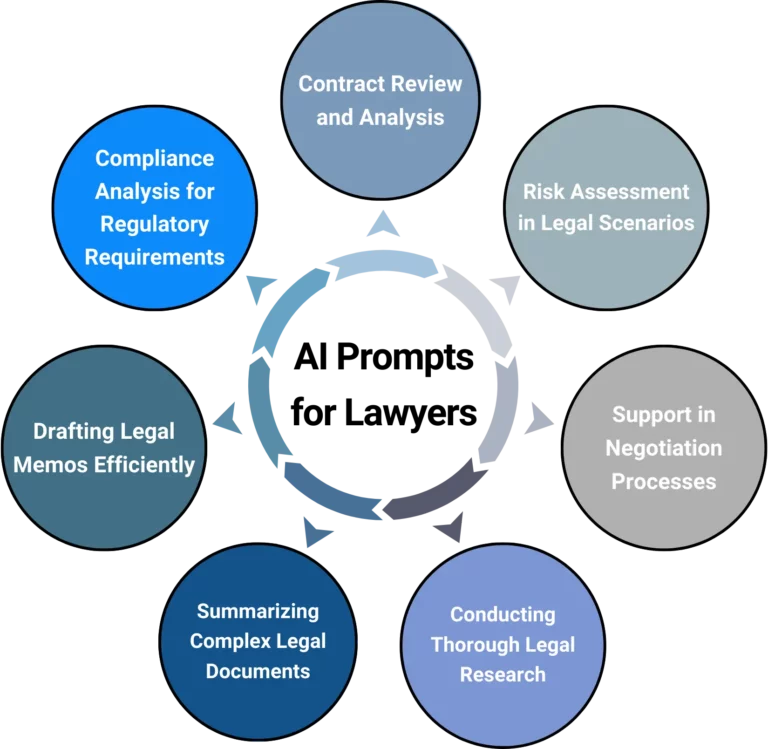
AI tools can speed up software licensing agreement reviews by highlighting risky clauses and inconsistencies.
AI Capabilities in Detecting Risky and Ambiguous Clauses
Modern AI software can scan contracts for:
Ambiguous language around fees or usage
Missing or weak warranty and indemnity clauses
Unusual termination or renewal terms
These tools flag potential risks for legal teams to examine in depth.
Combining AI Insights with Legal Expertise for Optimal Review
AI cannot replace human judgment. Legal experts interpret context, negotiate terms, and balance risk with business goals.
Use AI as a first pass to identify issues quickly. Then apply legal expertise to validate findings and craft responses.
Recognizing AI Limitations and Establishing Best Practices
AI tools may miss subtle nuances or new legal trends. They also require clean, machine-readable contracts.
Best practice involves:
Training legal teams on AI tool use
Maintaining human oversight on all flagged issues
Continually updating AI models with new data
This hybrid approach improves accuracy and speeds contract turnaround.
Addressing Quality Control and Performance Guarantees
Licensing agreements should include quality and performance assurances to protect users.
Incorporating Service Level Agreements (SLAs) in Licensing Contracts
SLAs specify performance standards like uptime, response times, or bug fixes. They set measurable targets and remedies for failures.
Including SLAs ensures licensors commit to reliable software delivery. Without them, licensees may face poor service with limited recourse.
Remedies and Recourse for Quality Assurance Failures
Contracts should outline remedies such as:
Service credits or fee reductions
Right to terminate after repeated failures
Obligations to fix defects promptly
Clear remedies reduce disputes and protect business continuity.
Managing Software Defects, Patches, and Updates
Licensing agreements must specify how defects and patches are handled. This includes:
Timelines for patch delivery
Responsibilities for bug fixes
Whether updates are included or cost extra
A robust defect management process keeps software secure and functional.
Managing Post-Termination Obligations and Data Handling
End-of-contract provisions affect data security and liability after software use stops.
Data Return, Deletion, and Transition Responsibilities
Agreements should require returning or deleting licensee data after termination. This protects privacy and regulatory compliance.
Transition support clauses help migrate data to new systems, avoiding operational disruption.
Ongoing Confidentiality and Liability After Termination
Confidentiality obligations typically survive termination, protecting trade secrets and sensitive information.
Liability clauses may also continue for issues arising before termination. Review these carefully to understand ongoing risks.
Risks of Insufficient Post-Termination Provisions
Weak post-termination terms can expose organizations to data breaches or legal claims. Lack of clear data handling or confidentiality rules creates uncertainty.
Ensure contracts clearly define post-termination duties to avoid costly disputes.
Impact of Licensing Agreements on Intellectual Property Strategy
Licensing terms shape how companies protect and share their intellectual property (IP).
Safeguarding Proprietary Technology Through Licensing Terms
Strong licensing terms prevent unauthorized use or disclosure of proprietary code. They set clear boundaries for licensees.
This control is vital for companies that rely on IP as a competitive advantage.
Navigating Between Open Source and Proprietary Licenses
Organizations must balance open source licenses, which encourage sharing, against proprietary licenses that restrict use.
Review software licensing agreements to ensure they align with your IP strategy and risk tolerance.
Strategic License Grant Scope Considerations
Determining the right license scope helps maximize business value while limiting exposure. Consider:
Territory and user limits
Allowed use cases
Sublicensing rights
Tailoring scope supports both protection and growth.
Best Practices for Conducting a Thorough Licensing Agreement Review
A structured review process improves accuracy and reduces overlooked risks.
Developing a Checklist for Critical Clauses and Warning Signs
Use a checklist covering:
License scope and usage restrictions
Fees and royalties
Compliance and audit rights
Termination and renewal terms
Data handling and confidentiality
This ensures no key terms are missed.
Involving Cross-Functional Teams in the Review Process
Legal should collaborate with IT, procurement, and compliance teams. Each brings insights on usage, risks, and business needs.
Cross-team involvement improves contract alignment with operational realities.
Documenting Negotiations and Tracking Contract Changes
Keep detailed records of negotiation points and agreed changes. Version control prevents confusion and supports future audits.
Clear documentation enables smoother renewals and dispute resolution.
A rigorous review of software licensing agreements is critical to safeguarding legal rights, controlling costs, and maintaining operational agility. Every clause from licensing scope and fees to termination and compliance—carries distinct risks and opportunities that demand thorough examination. By integrating expert legal analysis with advanced AI tools, organizations can enhance review accuracy and efficiency, uncover hidden liabilities, and negotiate more favorable terms. Establishing a disciplined, cross-functional review process enables alignment of software licenses with strategic objectives and risk appetite. Begin today by auditing your current agreements with a comprehensive checklist and collaborative team approach to reduce unexpected expenses and compliance risks by up to 40%. This proactive strategy ensures your software licensing framework supports sustainable growth and robust protection well into the future.
Conclusion
Conducting an exhaustive review of software licensing agreements is a strategic necessity that protects operational continuity and legal compliance. Overlooking critical terms or restrictive provisions can expose organizations to significant liabilities, regulatory penalties, and financial inefficiencies. Each contractual element from usage rights to termination clauses—requires meticulous analysis to confirm alignment with business goals and technological demands.
Engaging specialized legal counsel or contract experts is essential to interpret complex language, uncover hidden obligations, and negotiate optimal terms. Periodic reassessment of agreements is equally important to adapt to evolving software versions, regulatory landscapes, and organizational priorities. An outdated license risks noncompliance and missed opportunities for cost savings or improved conditions.
Decision-makers should implement a structured, cross-disciplinary review framework involving legal, procurement, and IT stakeholders to ensure comprehensive evaluation. This collaborative approach mitigates risks and fosters licensing agreements that underpin resilient technology strategies. Proactively addressing identified issues whether through renegotiation or operational adjustments—transforms contract review into a powerful governance tool.
Adopting automated contract management solutions further enhances review precision and responsiveness, enabling agile adaptation to dynamic software requirements.
Frequently Asked Questions
What is a Software Licensing Agreement?
A Software Licensing Agreement is a legal contract granting permission to use software under specific terms without transferring ownership. It defines how the software can be used, restrictions, payment terms, and responsibilities of both parties. This agreement protects intellectual property rights and ensures compliance with laws, making it essential for both licensors and licensees to understand its provisions thoroughly.
What is the purpose of a Software License Agreement?
The primary purpose is to set clear terms for software use, protect intellectual property, manage risks, and ensure legal compliance. It outlines user rights, restrictions, payment obligations, warranties, and termination conditions. This clarity helps prevent misuse, disputes, and unexpected costs, providing a framework that governs the relationship between software providers and users.
When do I need a Software License Agreement?
You need a Software License Agreement whenever software is distributed or used under specific terms, especially in commercial, enterprise, or government contexts. It is crucial when granting access to proprietary software, defining usage limits, or when compliance with regulations is required. Having an agreement in place protects both parties and clarifies expectations.
What do Software License Agreements cover?
These agreements cover license scope, usage restrictions, intellectual property rights, fees and payment terms, warranties, indemnification, termination rights, confidentiality, and dispute resolution. They may also include support and maintenance obligations, compliance requirements, and governing law provisions, ensuring comprehensive governance of software use.
What are the limitations of Software License Agreements?
Limitations often include restrictions on copying, modifying, sublicensing, or reverse engineering the software. They may also limit liability, disclaim warranties, and impose usage boundaries such as user counts or geographic regions. Understanding these limitations helps users assess operational impacts and negotiate more flexible terms if needed.
How can organizations identify hidden costs in software licensing agreements?
Hidden costs may arise from fees for upgrades, technical support, maintenance, additional user licenses, or penalties for exceeding usage limits. Careful review of financial terms, including ancillary services and renewal price adjustments, is necessary to uncover these expenses. Clarifying cost structures upfront prevents budget surprises.
What role does compliance play in software licensing agreements?
Compliance ensures adherence to laws such as export controls, data privacy regulations, and industry standards. Licensing agreements often include clauses mandating compliance, and failure can lead to penalties or termination. Reviewing these provisions helps organizations avoid legal risks and maintain good standing with regulatory bodies.
How do automatic renewal clauses affect software licensing agreements?
Automatic renewal clauses can extend contract terms without explicit consent, potentially locking parties into unfavorable conditions. Identifying these clauses and understanding notice requirements to opt out is critical. Negotiating clear termination rights and renewal terms helps maintain control over contract duration and costs.
What are common risks associated with usage restrictions in licensing agreements?
Risks include operational constraints due to limits on users, devices, or geographic use, and restrictions on modifications or sublicensing. Such limitations can reduce flexibility and increase costs. Identifying these risks early allows negotiation for terms that better align with business needs.
Can AI tools replace legal review of software licensing agreements?
AI tools can quickly identify risks, inconsistencies, and unusual clauses, improving review efficiency. However, they lack the nuanced judgment and strategic insight of legal professionals. The best approach combines AI’s analytical power with expert legal review to ensure thorough and accurate contract evaluation.
About the Company

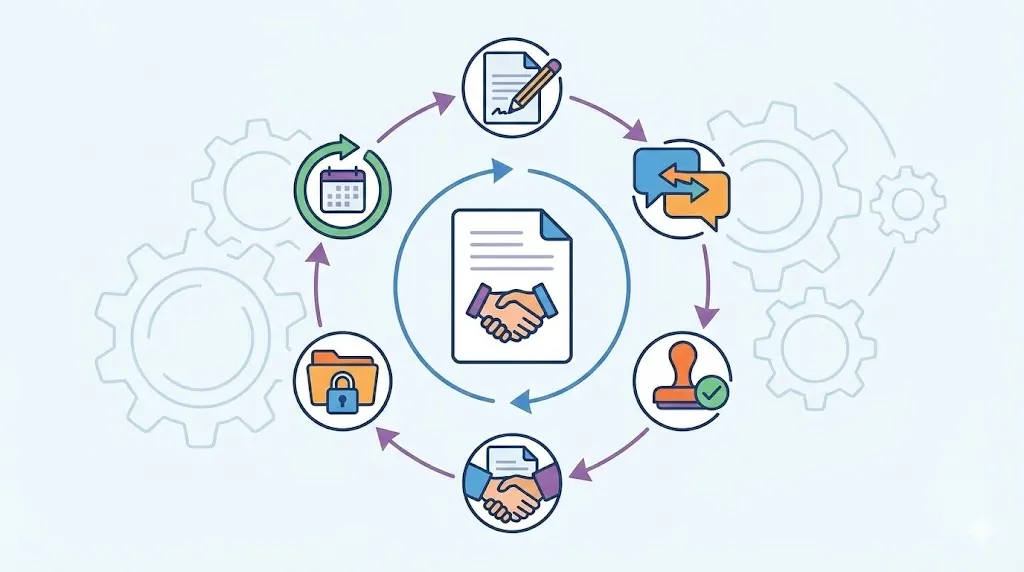
Volody AI CLM is an Agentic AI-powered Contract Lifecycle Management platform designed to eliminate manual contracting tasks, automate complex workflows, and deliver actionable insights. As a one-stop shop for all contract activities, it covers drafting, collaboration, negotiation, approvals, e-signature, compliance tracking, and renewals. Built with enterprise-grade security and no-code configuration, it meets the needs of the most complex global organizations. Volody AI CLM also includes AI-driven contract review and risk analysis, helping teams detect issues early and optimize terms. Trusted by Fortune 500 companies, high-growth startups, and government entities, it transforms contracts into strategic, data-driven business assets.





" height="216.72211px" id="FYO0bO80Y" transform="translate(3 6.105)" width="206.073px"/><path d="M 108.174 222 C 88.432 222 70.303 217.239 53.785 207.717 C 37.267 198.196 24.173 185.052 14.504 168.285 C 4.835 151.312 0 132.165 0 110.845 C 0 89.731 4.835 70.792 14.504 54.025 C 24.173 37.052 37.267 23.804 53.785 14.282 C 70.303 4.761 88.432 0 108.174 0 C 128.116 0 146.246 4.761 162.562 14.282 C 179.08 23.804 192.073 37.052 201.541 54.025 C 211.21 70.792 216.044 89.731 216.044 110.845 C 216.044 132.165 211.21 151.312 201.541 168.285 C 192.073 185.052 179.08 198.196 162.562 207.717 C 146.044 217.239 127.915 222 108.174 222 Z M 108.174 183.189 C 120.864 183.189 132.044 180.291 141.713 174.495 C 151.382 168.492 158.936 160.006 164.375 149.035 C 169.814 138.064 172.533 125.334 172.533 110.845 C 172.533 96.355 169.814 83.729 164.375 72.965 C 158.936 61.994 151.382 53.611 141.713 47.815 C 132.044 42.02 120.864 39.122 108.174 39.122 C 95.483 39.122 84.202 42.02 74.332 47.815 C 64.663 53.611 57.109 61.994 51.67 72.965 C 46.231 83.729 43.511 96.355 43.511 110.845 C 43.511 125.334 46.231 138.064 51.67 149.035 C 57.109 160.006 64.663 168.492 74.332 174.495 C 84.202 180.291 95.483 183.189 108.174 183.189 Z" fill="rgba(255, 255, 255, 0.12)" height="222px" id="aa1McFcE9" transform="translate(227.183 3)" width="216.04399999999998px"/><path d="M 42.302 182.257 L 111.799 182.257 L 111.799 216.722 L 0 216.722 L 0 0 L 42.302 0 Z" fill="rgba(255, 255, 255, 0.12)" height="216.72211px" id="yRq4AnrsX" transform="translate(477.721 6.105)" width="111.79899999999998px"/><path d="M 108.174 222 C 88.432 222 70.303 217.239 53.785 207.717 C 37.267 198.196 24.173 185.052 14.504 168.285 C 4.835 151.312 0 132.165 0 110.845 C 0 89.731 4.835 70.792 14.504 54.025 C 24.173 37.052 37.267 23.804 53.785 14.282 C 70.303 4.761 88.432 0 108.174 0 C 128.116 0 146.246 4.761 162.562 14.282 C 179.08 23.804 192.073 37.052 201.541 54.025 C 211.21 70.792 216.045 89.731 216.045 110.845 C 216.045 132.165 211.21 151.312 201.541 168.285 C 192.073 185.052 179.08 198.196 162.562 207.717 C 146.044 217.239 127.915 222 108.174 222 Z M 108.174 183.189 C 120.864 183.189 132.044 180.291 141.713 174.495 C 151.382 168.492 158.936 160.006 164.375 149.035 C 169.814 138.064 172.534 125.334 172.534 110.845 C 172.534 96.355 169.814 83.729 164.375 72.965 C 158.936 61.994 151.382 53.611 141.713 47.815 C 132.044 42.02 120.864 39.122 108.174 39.122 C 95.483 39.122 84.202 42.02 74.332 47.815 C 64.663 53.611 57.108 61.994 51.67 72.965 C 46.231 83.729 43.511 96.355 43.511 110.845 C 43.511 125.334 46.231 138.064 51.67 149.035 C 57.108 160.006 64.663 168.492 74.332 174.495 C 84.202 180.291 95.483 183.189 108.174 183.189 Z" fill="rgba(255, 255, 255, 0.12)" height="222px" id="mo8HQspQ0" transform="translate(609.155 3)" width="216.04500000000007px"/><path d="M 73.727 0 C 95.885 0 115.324 4.45 132.044 13.351 C 148.967 22.252 161.957 34.982 171.027 51.541 C 180.287 67.894 184.917 86.937 184.917 108.671 C 184.917 130.405 180.287 149.449 171.027 165.801 C 161.957 181.947 148.967 194.47 132.044 203.371 C 115.324 212.271 95.885 216.722 73.727 216.722 L 0 216.722 L 0 0 Z M 72.216 179.773 C 94.374 179.773 111.497 173.564 123.583 161.144 C 135.669 148.724 141.713 131.233 141.713 108.671 C 141.713 86.109 135.669 68.515 123.583 55.888 C 111.497 43.055 94.374 36.638 72.216 36.638 L 42.302 36.638 L 42.302 179.773 Z" fill="rgba(255, 255, 255, 0.12)" height="216.72211px" id="I3iXX5Hi_" transform="translate(859.693 6.105)" width="184.91699999999992px"/><path d="M 185.22 0 L 113.91 141.273 L 113.91 216.722 L 71.61 216.722 L 71.61 141.273 L 0 0 L 47.74 0 L 93.06 99.046 L 138.08 0 Z" fill="rgba(255, 255, 255, 0.12)" height="216.72211px" id="nzHyWC0_d" transform="translate(1061.78 6.105)" width="185.22000000000003px"/></svg>)