

Contract performance reports are the pulse check your agreements need. Without them, you risk missing delays, budget overruns, or quality issues until they become costly problems. Imagine a project where deadlines slip quietly, and payments keep flowing without verification. Contract performance reports cut through that fog by tracking promises against reality. This article breaks down what these reports are, why they matter, how to build them, and how automation can transform the process.
TL;DR
Contract performance reports track if contract terms like deadlines, quality, and budgets are met during execution.
Additionally, these reports differ from performance-based contracts, which tie payments directly to outcomes; here, the emphasis lies on verifying compliance with contractual obligations throughout the project lifecycle.
Their function extends beyond monitoring—they provide early detection of risks and help control financial variances, thereby supporting stakeholder alignment and adherence to regulatory requirements.
Essential components of these reports encompass contract summaries, deliverable statuses, key performance indicators (KPIs), risk registers, and detailed action plans.
Best practices involve scheduled assessments, promoting interdisciplinary collaboration, and defining specific responsibilities for issue resolution.
Contract lifecycle management (CLM) software automates tracking, reporting, and risk alerts, saving time and improving accuracy.
Related Article: How to Prevent Clause Drift in Federal Contracts
What Are Contract Performance Reports and Why Do They Matter?
A contract performance report is a tool that tracks how well all parties fulfill their contractual obligations. Additionally, it also evaluates the promised criteria—such as delivery dates, quality standards, and budgets—against actual outcomes. Think of it as a health check for your contracts. Instead of waiting for problems to surface, these reports provide early warnings about delays, cost overruns, or compliance gaps.
These reports serve multiple teams. The legal department leverages them to identify and mitigate risks while ensuring adherence to contract terms. Procurement teams analyze supplier performance metrics to uphold the integrity of contractual agreements. Meanwhile, finance focuses on auditing billing data to confirm accuracy. Operations oversees delivery and quality to meet agreed standards. By providing a unified perspective, these insights prevent misunderstandings and finger-pointing.
Why does this matter? According to a 2026 Contracting Benchmark Report, companies lose about 11% of contract value after signing due to untracked risks and costs. Without active monitoring, missed deadlines or poor quality quietly erode contract value. Utilizing these reports enables early detection of such issues, minimizing surprises and mitigating financial losses.
Related articles: What is Contract Management? Your Detailed Guide
How Do Contract Performance Reports Differ from Performance-Based Contracts?
The concepts of contract execution evaluations and agreements that link payment to measurable outcomes are frequently conflated, though they serve distinct functions.
Additionally, this report is typically prepared after contract finalization to evaluate compliance with the contractual terms throughout the execution phase.
A performance-based agreement conditions payment on the achievement of clearly defined, quantifiable objectives.
Below is a concise comparison:
Aspect | Contract Performance Report | Performance-Based Contract |
|---|---|---|
What it is | A report on contract execution and compliance | A contract with payment tied to performance goals |
When created | During and after contract execution | At contract drafting and negotiation |
Who creates or manages it | Legal, procurement, operations teams | Contracting parties before signing |
Purpose | Monitor execution status, identify risks, and ensure compliance | Align payments with results |
Performance-based contracts may require regular evaluations of contract execution to verify targets. But the report itself is a monitoring tool, not a contract type.
Related articles: Mastering Contract Clauses: Risk & Performance
What Should a Contract Performance Report Include?
A solid contract performance report covers all the essentials to give a clear picture of contract health. Here are the key components:
Contract Overview
Summarize the contract’s purpose, parties, key dates, and scope. This sets the context for readers who may not know the details.
Deliverables and Milestones Status
List all key outputs and checkpoints with their due dates, actual completion dates, and status (on time, delayed, incomplete). This shows how well the contract is progressing.
Quantitative Metrics and KPIs
Include measurable data tied to contract terms. Examples: percentage of deliverables completed, budget spent vs. planned, quality scores, or service levels achieved. These numbers provide objective performance evidence.
Qualitative Feedback
Gather input from stakeholders involved in delivery, such as project managers, users, or suppliers. This can highlight issues or successes that numbers alone don’t show.
Risk and Issue Log
Document any risks, compliance gaps, or problems identified. Include descriptions, impact assessments, and status updates.
Corrective Actions and Ownership
For each risk or issue, assign a responsible owner and set deadlines for resolution. This ensures accountability and follow-up.
Financial Review
Compare invoiced amounts to contracted outputs and timelines. Flag any discrepancies, overpayments, or missed discounts.
Summary and Recommendations
Provide an overall assessment and suggest next steps, such as renegotiations, escalations, or contract amendments.
Including these elements ensures the report is comprehensive and actionable.
Related articles: How To Accelerate Contract Review Process? Effective Guide
What Metrics and KPIs Matter Most in Contract Performance?
Choosing the right metrics depends on the contract type and business goals. Below are typical categories with illustrative examples:
Schedule Metrics
Milestone adherence rate
Average delay duration per deliverable
Issue resolution turnaround time
Financial Metrics
Budget versus actual expenditure
Accuracy rate of invoices
Applied discounts or penalties
Quality Metrics
Frequency of defects or errors
Customer satisfaction indices
Conformance to specifications
Risk Metrics
Count of unresolved risks or issues
Risk severity assessments
Timeliness of risk mitigation
Contractual Obligation Metrics
Fulfillment ratio of obligations
Instances of missed notifications or renewals
Example: Metrics for a software vendor contract could include system uptime, average time to resolve bugs, and invoice accuracy. For a construction contract, emphasis might be placed on milestone achievement rates, budget adherence, and reporting of safety incidents.
Tracking these KPIs regularly helps spot trends and areas needing attention.
Related articles: Best Contract Management Software: Top 10 CLM Tools
How Does Contract Performance Reporting Work in Federal Contracting?
Federal contracts have strict rules and reporting requirements. Additionally, contract performance reports function as formal evidence ensuring compliance with these standards and facilitating oversight.
The Federal Acquisition Regulation (FAR), alongside agency-specific directives, imposes stringent requirements for ongoing performance monitoring. Reports must demonstrate adherence to scope, schedule, cost, and quality standards. They also support audit readiness and justify payments.
Federal reports typically include:
Contract summary and objectives
Detailed status of deliverables and milestones
Cost tracking against approved budgets
Risk assessments and mitigation plans
Compliance with regulatory clauses
Performance ratings or evaluations
Contractors may submit monthly or quarterly reports to contracting officers. Agencies use these to assess contractor performance and decide on renewals or penalties.
The stakes are high because poor performance can lead to contract termination or legal action. Automated reporting tools help federal contractors meet these rigorous demands efficiently.
Related articles: Effectively use AI in Contract Drafting
What Are Best Practices for Contract Performance Reporting?
Good contract performance reporting requires discipline and collaboration. Follow these best practices:
Set a Regular Review Schedule
Match report frequency to contract complexity. High-risk or large contracts may need monthly updates. Simpler contracts might require quarterly or semi-annual reviews.
Involve Cross-Functional Stakeholders
Include legal, procurement, finance, operations, and project teams. Collaborative reviews prevent siloed views and improve accuracy.
Standardize Report Formats
Use consistent templates and data definitions across contracts. This simplifies analysis and comparison.
Assign Clear Ownership
Designate who prepares, reviews, and acts on reports. Define accountability for resolving issues.
Focus on Actionable Insights
Highlight risks, deviations, and corrective actions rather than just data dumps. Reports should drive decisions.
Use Technology to Automate Data Collection
Pull data from contract management, finance, and project systems to reduce manual work and errors.
Keep Reports Concise and Clear
Eliminate unnecessary jargon and avoid language that complicates the message.
Use visuals like charts or dashboards to communicate key points quickly.
Document Follow-Up Actions
Maintain a record of corrective measures and ensure updates are reflected in subsequent reports.
Following these steps improves report quality and impact.
Related articles: Contract Management Strategies: Expert Dos & Don'ts
What Common Problems Do Contract Performance Reports Help Catch?
Contract performance reports act as an early warning system. Additionally, they uncover issues that may otherwise go unnoticed until causing considerable harm. Common problems caught include:
Missed Deadlines
Delays in deliverables or milestones that can impact downstream activities.
Budget Overruns
When expenditures surpass the allocated budget or when unexpected cost increases arise.
Quality Shortfalls
Occurrences where deliverables fail to meet the specified requirements or established quality benchmarks.
Billing Errors
Cases involving invoicing for services not rendered, duplicate charges, or neglecting to apply contracted discounts.
Compliance Gaps
Instances of failing to comply with regulatory standards or the terms stipulated in the contract.
Unresolved Risks
Situations where emerging issues escalate into significant problems due to lack of intervention.
Poor Communication
Conflicting understandings among stakeholders about the contract’s current status.
Renewal or Notice Misses
Failure to track contract expiration dates or critical renewal periods.
For example, a report might reveal that a vendor consistently delivers late but invoices on time. This mismatch signals a risk to project timelines and financial controls.
Related articles: Contract Management Strategies: Expert Dos & Don'ts
How Does Contract Management Software Support Performance Reporting?
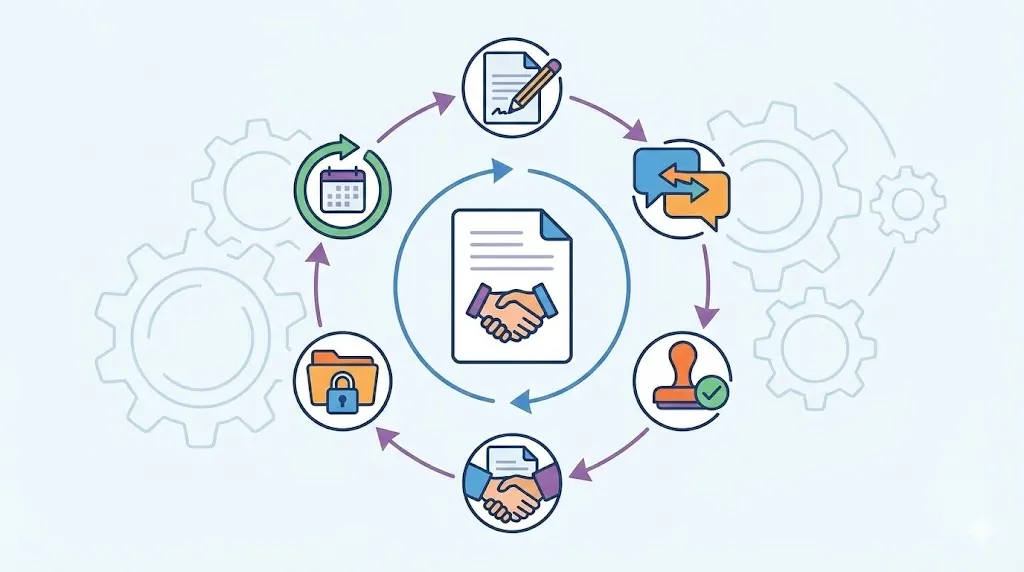
Contract lifecycle management (CLM) software transforms contract performance reporting by automating workflows that were once manual and time-consuming. Here’s how:
Automated Obligation Tracking
By continuously monitoring deadlines, deliverables, and milestones, CLM solutions reduce the likelihood of missing critical obligations.
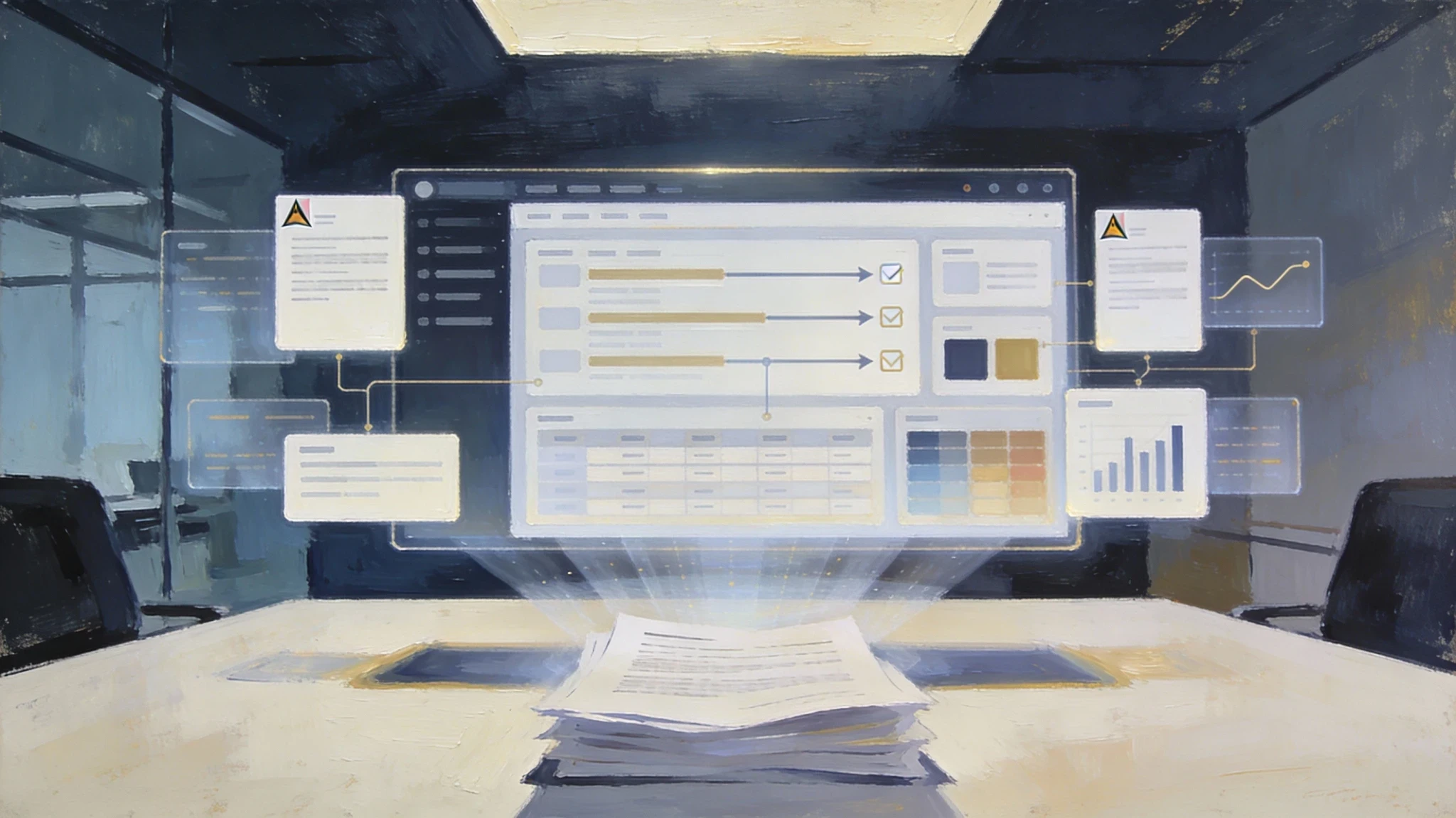
Real-Time Dashboards
Immediate visibility into contract status, key performance indicators, and potential risks is provided through dynamic dashboards, overcoming the lag of manual reporting.
Data Integration
This software aggregates financial, operational, and legal information into a coherent platform, facilitating in-depth analysis.
Audit Trails
Comprehensive logs of contract amendments, approvals, and communications are preserved to guarantee regulatory compliance.
Risk Pattern Detection
Advanced analytics and AI capabilities enable the system to identify recurring problems and highlight emerging risk patterns across contract portfolios.
Collaboration Features
Teams can interact seamlessly through comments, assign tasks, and receive real-time updates that are integrated directly into contract reports.
Alerts and Notifications
Users receive automated notifications about upcoming deadlines, contract renewals, and pending tasks to promote proactive management.
By automating these tasks, organizations reduce manual effort, enhance data accuracy, and allocate more resources toward addressing critical issues instead of data gathering.
Related articles: Mastering Contract Clauses: Risk & Performance
Why Contract Management Software Matters for Performance Reporting
Managing contract performance manually is slow, error-prone, and often reactive. Contract management software provides a centralized, digital hub to monitor and report on contracts throughout their lifecycle.
Volody's software includes capabilities designed to enhance performance reporting. It tracks obligations and milestones automatically, generates real-time dashboards, and flags risks early. Its AI-powered contract summaries and metadata extraction reduce manual data entry. Teams collaborate directly on contract issues while assigning corrective actions with clearly defined responsibility.
This level of transparency enables legal, procurement, finance, and operations teams to remain coordinated and forward-looking. Moreover, it also supports audit readiness by maintaining a full history of contract activity.
See how Volody's CLM Software helps your team move contracts forward with confidence.
FAQ
What is the main goal of a contract performance report?
A primary purpose of performance reporting is to monitor whether all parties fulfill their contractual obligations. It compares planned deliverables, timelines, budgets, and quality standards against actual performance. The goal is to identify risks, delays, or compliance issues early and assign corrective actions before problems escalate.
How frequently should these reports be generated?
Furthermore, the timing depends on the contract's complexity and associated risks.
High-value or multifaceted agreements often necessitate monthly or quarterly evaluations.
Less complex contracts may only warrant reviews on a semi-annual or annual basis.
Who is typically responsible for preparing and reviewing these performance documents?
Preparation is generally the responsibility of legal, procurement, or contract management professionals.
Review processes benefit from the involvement of cross-functional stakeholders, including finance, operations, and project management.
Also, this collaborative approach ensures comprehensive perspectives are incorporated and accountability is maintained.
What risks arise from neglecting performance monitoring?
Without systematic reporting, organizations lose the ability to detect delays, budget overruns, quality deficiencies, and compliance violations promptly.
This lack of oversight can result in financial losses, damaged partnerships, regulatory penalties, and contractual conflicts.
Problems frequently escalate unnoticed until they culminate in major issues.
Can these reports assist with contract renewals or renegotiations?
Therefore, documenting performance provides tangible evidence of compliance with contract terms.
Such information supports well-informed decisions regarding renewal, renegotiation, or termination.
They also reveal areas for improvement in future agreements.
What role does technology play in contract performance reporting?
Technological solutions streamline data acquisition, obligation monitoring, and report compilation.
They diminish the incidence of manual errors and accelerate workflow efficiency.
Sophisticated platforms furnish dashboards, notifications, and analytics that provide immediate visibility into contract status.
Consequently, how do contract performance reports support compliance?
They document adherence to contractual and regulatory requirements. This record helps during audits and legal reviews by showing ongoing monitoring and corrective actions. It also reduces the risk of penalties for non-compliance.
What are key performance indicators (KPIs) in contract reports?
KPIs are measurable metrics tied to contract terms. As a result, common KPIs include milestone completion rates, budget variance, quality scores, risk counts, and invoice accuracy. They provide objective data to assess contract performance.
How do these reports vary across different industries?
While the core purpose is the same, industries focus on different metrics. For example, IT contracts emphasize uptime and service levels. Construction contracts track project milestones and safety. Healthcare contracts may focus on regulatory compliance and quality outcomes.
Is it possible to prevent disputes through performance reporting?
Early identification and documentation of issues and their resolutions reduce the likelihood of disputes. Transparent reporting aligns stakeholder expectations and provides evidence if disagreements arise.
This comprehensive overview equips you to build, manage, and automate performance reports that protect value and improve contract outcomes.
About the Company

Volody AI CLM is an Agentic AI-powered Contract Lifecycle Management platform designed to eliminate manual contracting tasks, automate complex workflows, and deliver actionable insights. As a one-stop shop for all contract activities, it covers drafting, collaboration, negotiation, approvals, e-signature, compliance tracking, and renewals. Built with enterprise-grade security and no-code configuration, it meets the needs of the most complex global organizations. Volody AI CLM also includes AI-driven contract review and risk analysis, helping teams detect issues early and optimize terms. Trusted by Fortune 500 companies, high-growth startups, and government entities, it transforms contracts into strategic, data-driven business assets.




" height="216.72211px" id="FYO0bO80Y" transform="translate(3 6.105)" width="206.073px"/><path d="M 108.174 222 C 88.432 222 70.303 217.239 53.785 207.717 C 37.267 198.196 24.173 185.052 14.504 168.285 C 4.835 151.312 0 132.165 0 110.845 C 0 89.731 4.835 70.792 14.504 54.025 C 24.173 37.052 37.267 23.804 53.785 14.282 C 70.303 4.761 88.432 0 108.174 0 C 128.116 0 146.246 4.761 162.562 14.282 C 179.08 23.804 192.073 37.052 201.541 54.025 C 211.21 70.792 216.044 89.731 216.044 110.845 C 216.044 132.165 211.21 151.312 201.541 168.285 C 192.073 185.052 179.08 198.196 162.562 207.717 C 146.044 217.239 127.915 222 108.174 222 Z M 108.174 183.189 C 120.864 183.189 132.044 180.291 141.713 174.495 C 151.382 168.492 158.936 160.006 164.375 149.035 C 169.814 138.064 172.533 125.334 172.533 110.845 C 172.533 96.355 169.814 83.729 164.375 72.965 C 158.936 61.994 151.382 53.611 141.713 47.815 C 132.044 42.02 120.864 39.122 108.174 39.122 C 95.483 39.122 84.202 42.02 74.332 47.815 C 64.663 53.611 57.109 61.994 51.67 72.965 C 46.231 83.729 43.511 96.355 43.511 110.845 C 43.511 125.334 46.231 138.064 51.67 149.035 C 57.109 160.006 64.663 168.492 74.332 174.495 C 84.202 180.291 95.483 183.189 108.174 183.189 Z" fill="rgba(255, 255, 255, 0.12)" height="222px" id="aa1McFcE9" transform="translate(227.183 3)" width="216.04399999999998px"/><path d="M 42.302 182.257 L 111.799 182.257 L 111.799 216.722 L 0 216.722 L 0 0 L 42.302 0 Z" fill="rgba(255, 255, 255, 0.12)" height="216.72211px" id="yRq4AnrsX" transform="translate(477.721 6.105)" width="111.79899999999998px"/><path d="M 108.174 222 C 88.432 222 70.303 217.239 53.785 207.717 C 37.267 198.196 24.173 185.052 14.504 168.285 C 4.835 151.312 0 132.165 0 110.845 C 0 89.731 4.835 70.792 14.504 54.025 C 24.173 37.052 37.267 23.804 53.785 14.282 C 70.303 4.761 88.432 0 108.174 0 C 128.116 0 146.246 4.761 162.562 14.282 C 179.08 23.804 192.073 37.052 201.541 54.025 C 211.21 70.792 216.045 89.731 216.045 110.845 C 216.045 132.165 211.21 151.312 201.541 168.285 C 192.073 185.052 179.08 198.196 162.562 207.717 C 146.044 217.239 127.915 222 108.174 222 Z M 108.174 183.189 C 120.864 183.189 132.044 180.291 141.713 174.495 C 151.382 168.492 158.936 160.006 164.375 149.035 C 169.814 138.064 172.534 125.334 172.534 110.845 C 172.534 96.355 169.814 83.729 164.375 72.965 C 158.936 61.994 151.382 53.611 141.713 47.815 C 132.044 42.02 120.864 39.122 108.174 39.122 C 95.483 39.122 84.202 42.02 74.332 47.815 C 64.663 53.611 57.108 61.994 51.67 72.965 C 46.231 83.729 43.511 96.355 43.511 110.845 C 43.511 125.334 46.231 138.064 51.67 149.035 C 57.108 160.006 64.663 168.492 74.332 174.495 C 84.202 180.291 95.483 183.189 108.174 183.189 Z" fill="rgba(255, 255, 255, 0.12)" height="222px" id="mo8HQspQ0" transform="translate(609.155 3)" width="216.04500000000007px"/><path d="M 73.727 0 C 95.885 0 115.324 4.45 132.044 13.351 C 148.967 22.252 161.957 34.982 171.027 51.541 C 180.287 67.894 184.917 86.937 184.917 108.671 C 184.917 130.405 180.287 149.449 171.027 165.801 C 161.957 181.947 148.967 194.47 132.044 203.371 C 115.324 212.271 95.885 216.722 73.727 216.722 L 0 216.722 L 0 0 Z M 72.216 179.773 C 94.374 179.773 111.497 173.564 123.583 161.144 C 135.669 148.724 141.713 131.233 141.713 108.671 C 141.713 86.109 135.669 68.515 123.583 55.888 C 111.497 43.055 94.374 36.638 72.216 36.638 L 42.302 36.638 L 42.302 179.773 Z" fill="rgba(255, 255, 255, 0.12)" height="216.72211px" id="I3iXX5Hi_" transform="translate(859.693 6.105)" width="184.91699999999992px"/><path d="M 185.22 0 L 113.91 141.273 L 113.91 216.722 L 71.61 216.722 L 71.61 141.273 L 0 0 L 47.74 0 L 93.06 99.046 L 138.08 0 Z" fill="rgba(255, 255, 255, 0.12)" height="216.72211px" id="nzHyWC0_d" transform="translate(1061.78 6.105)" width="185.22000000000003px"/></svg>)