

Contract risk exposure can quietly drain your company’s resources. Imagine signing dozens or hundreds of contracts every year. Each one has hidden traps that could cost you money, cause legal headaches, or stall operations. Most teams only discover these risks after damage occurs. Knowing how to identify and reduce contract risk exposure is crucial to protecting your business and keeping deals on track.
TL;DR
Contract risk exposure means the potential harm your company faces if contracts fail or cause problems.
Additionally, risks often arise from ambiguous terms, overlooked deadlines, lapses in compliance, and insufficiently defined performance obligations.
Financial, regulatory, performance, and security risks cover most contract dangers.
Early identification and mitigation of risks depend on thorough contract reviews paired with the implementation of robust tracking mechanisms.
The use of standardized templates and comprehensive playbooks significantly reduces the likelihood of unfavorable terms arising during contract drafting and negotiation.
Contract management platforms offer automated risk detection, systematic obligation monitoring, and timely alerts, ensuring proactive oversight is maintained.
What Does Contract Risk Exposure Really Mean?
Contract risk exposure quantifies the potential damage your company could face if contractual obligations are not fulfilled. Additionally, it also includes financial losses, legal penalties, operational disruptions, and reputational harm. Risk is the chance of a problem. Exposure is how big the impact would be if that problem happens.
Contracts are complex. They involve promises, deadlines, payments, compliance rules, and performance standards. Any weak spot can lead to costly surprises. For example, missing a contract’s termination deadline might lock you into expensive auto-renewals. Vague language about deliverables can cause disputes over what was promised. Outdated clauses might violate new laws, triggering fines.
Moreover, the challenge lies in the fact that these vulnerabilities often hide in plain sight. It can lurk in small print, overlooked obligations, or clauses negotiated under pressure. According to a 2025 Legal Operations Field Guide, 92% of contract errors come from human mistakes. Such mistakes tend to escalate rapidly when teams do not have adequate systems or protocols in place to identify risks at an early stage.
Overlooking the risks embedded within contracts is akin to proceeding without a dependable navigational system. Problems may be avoided temporarily, but eventually, a significant obstacle will be encountered. Ineffective contract management is responsible for an estimated $2 trillion in annual global financial losses. That’s a huge cost for avoidable mistakes.
Related articles: Procurement Contract Risks That Could Sink Your Business
What Types of Contract Risks Should You Watch For?
Contract risk exposure falls into four main categories. Additionally, each of these categories impacts your business in distinct ways but all have the potential to cause significant harm if overlooked.
Financial Risks in Contracts
Financial risks are the most obvious. They affect your cash flow, revenue, and expenses. These risks include:
Auto-renewal traps: Contracts that renew automatically at higher rates if you miss cancellation deadlines.
Uncapped liabilities: Clauses that expose you to unlimited damages or penalties.
Misaligned payment terms: Payment schedules misaligned with your billing cycles or cash flow requirements.
Penalty clauses: Fees triggered by minor breaches or delays that can pile up quickly.
Financial risks often build up quietly. One missed termination window here, or an uncapped indemnity there, and the costs can accumulate significantly across hundreds of contracts. According to the 2026 Contracting Benchmark Report, poor contract management can result in losses equivalent to 5-9% of annual revenue.
Related Article: How to Build Modern Contract Playbooks
Regulatory and Compliance Risks
Regulatory risks emerge when contracts fail to adapt to evolving laws or industry regulations. Examples include:
Outdated data privacy terms failing to comply with new regulations.
Missing clauses mandated by local laws in various jurisdictions.
Contracts lacking provisions for recent compliance requirements such as environmental or labor standards.
When these issues arise, your company could face fines, penalties, or be forced to renegotiate contract terms. Moreover, the challenge is that such shortcomings often go unnoticed until they cause significant problems.
Performance Risks in Contracts
Performance risks arise from contracts that do not specify clear standards for service or product delivery. Common problems include:
Service level agreements (SLAs) that are either too vague or entirely omitted.
Insufficient remedies or penalties addressing missed deadlines and subpar quality.
The absence of defined escalation procedures for resolving disputes or managing failures.
Without clear performance terms, your company absorbs costs from vendor failures or customer dissatisfaction. You lose leverage to enforce accountability. This risk is especially common in procurement and outsourcing contracts.
Security and Data Risks
Security risks focus on how contracts protect your data, intellectual property, and confidential information. They encompass:
Data protection clauses that are missing or lack sufficient detail.
Failure to specify breach notification requirements or establish clear timelines.
Lack of audit rights that would enable verification of compliance.
Sub-processor chains that remain unmonitored, increasing overall risk exposure.
Contracts without strong security terms force you to rely on trust rather than enforceable protections. This can lead to data breaches, regulatory penalties, and reputational damage.
Related articles: Contract Management Security: Risks, Mistakes and Solutions
How Can You Find Contract Risk Exposure in Your Portfolio?
Identifying contract risk exposure requires a systematic, ongoing approach. Additionally, it demands continuous attention rather than a one-off initiative. Here are proven steps to assess your contracts for risk:
Start With a Comprehensive Contract Inventory
Gather all your contracts into one place. Many companies keep agreements scattered across email, shared drives, or individual desktops. This fragmentation hides risks and makes reviews impossible.
Create a centralized repository where every contract is stored and indexed. Include metadata such as contract type, parties, dates, renewal terms, and key obligations. This foundation enables efficient searching and analysis.
Use Risk Checklists and Playbooks
Moreover, develop checklists tailored to the common risk factors associated with your contract types. For example, a checklist for vendor agreements might include:
Are auto-renewal terms clearly defined?
Is liability capped?
Are payment terms aligned with your policies?
Does the contract include current compliance clauses?
Pair checklists with playbooks that define your company’s preferred contract language. Playbooks should specify which clauses are mandatory, which can be negotiated, and which are unacceptable. This guides reviewers to flag risky terms consistently.
Conduct Regular Risk Reviews
Furthermore, establish a schedule for periodic reviews of your contract portfolio. These reviews should focus on:
Identifying contracts with upcoming renewal or termination dates.
Ensuring alignment with the latest regulatory requirements.
Evaluating key performance indicators in context with service level obligations.
Detecting any missing or overdue commitments stipulated by the contracts.
Delegate these review responsibilities to a legal or contract management team. Utilize dashboards or reports to monitor risk trends and prioritize contracts that require urgent attention.
Leverage Contract Analytics and AI Tools
Contemporary contract management software automates the detection of risky clauses, absent provisions, and atypical language within contracts. AI-powered tools extract critical metadata and highlight deviations from established playbooks.
These tools reduce manual effort and improve accuracy. They help you spot risks that human reviewers might miss, especially in large portfolios.
Engage Cross-Functional Stakeholders
Risk exposure affects multiple teams beyond legal. Finance, procurement, compliance, and operations all have stakes in contract performance and obligations.
Involve these teams in risk assessments. They can provide insights on payment terms, service delivery, regulatory changes, and data security. Collaboration ensures risks are identified from all angles.
Related Article: What Is Contract Lifecycle Management? A 2026 Guide
What Steps Can You Take to Reduce Contract Risk Exposure?
Reducing contract risk exposure means preventing risky terms from entering your portfolio and managing existing contracts proactively.
Standardize Contracts With Templates and Clause Libraries
Additionally, use approved contract templates and clause libraries to ensure language consistency and control over risk factors. These templates should incorporate your enterprise’s legal and commercial requirements.
Clause libraries store pre-approved language for common contract provisions. They include fallback options and notes on when to use each clause. This reduces drafting errors and risky custom terms.
Implement Clear Contract Playbooks
Contract playbooks guide negotiators on which terms to accept, which to push back on, and which to reject outright. Moreover, they also support consistency and limit risk arising from impromptu concessions.
Playbooks should be accessible and updated regularly. Train your legal and business teams on using them during contract drafting and negotiation.
Track Obligations and Deadlines Centrally
Missed obligations and renewal deadlines are major sources of risk. Use a centralized system to track:
Payment schedules and milestones.
Dates for renewals and contract termination.
Furthermore, timelines for compliance reporting.
Performance metrics associated with key indicators and SLAs.
Implement automated alerts and reminders sufficiently ahead of critical dates. This approach helps avoid unintended auto-renewals, delayed payments, and lapses in compliance.
Review and Update Contracts Periodically
Contracts are dynamic documents. Changes in regulatory requirements, shifts in operational priorities, and evolving risk profiles necessitate ongoing attention. Develop a consistent schedule for contract reviews aimed at revising provisions and mitigating vulnerabilities.
Focus first on contracts presenting substantial financial exposure or elevated risk. Leverage the insights from these reviews to enhance templates, playbooks, and risk management strategies.
Train Teams on Risk Awareness
Provide targeted training to legal, procurement, sales, and operations teams on contract risk factors and organizational policies. Enhanced awareness reduces errors and promotes proactive risk management.
Provide practical examples of risky clauses and their consequences. Encourage teams to flag concerns early.
Related articles: Mastering International Contracts: Compliance & Risk
How Contract Management Software Helps Control Risk Exposure
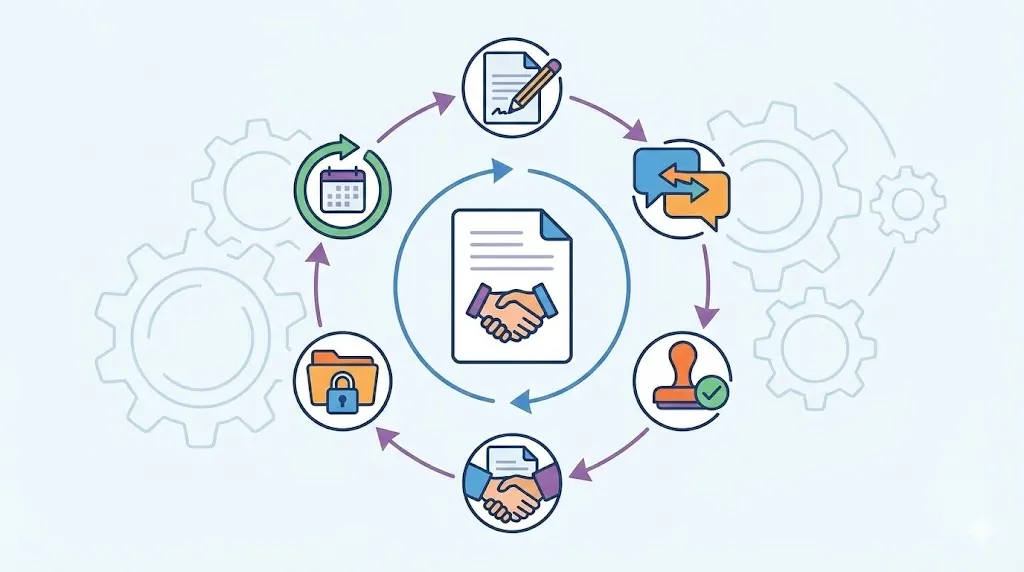
Contract lifecycle management (CLM) software acts as a centralized platform for contract data, streamlining the implementation of risk controls. It offers tools to:
Consolidate contracts within a secure, searchable repository.
Extract critical metadata—including dates, involved parties, and contractual obligations—automatically.
Leverage customizable playbooks and AI-driven analysis to identify and flag high-risk clauses.
Track key deadlines, contract renewals, and performance milestones, providing timely automated alerts.
Develop detailed dashboards that reveal patterns in risk exposure alongside the overall contract portfolio status.
Facilitate effective collaboration among legal, finance, and business teams.
CLM software minimizes manual errors while enhancing the speed of risk identification. This allows legal departments to dedicate more attention to substantive contract reviews instead of administrative follow-ups.
Related articles: Indemnity Clauses: Essential Insights for Risk Management
Why Contract Management Software Matters
Managing contract risk exposure manually is like searching for needles in a haystack. Contract management software provides a clear view of your portfolio and automates routine tasks. This lets you catch risks early and act quickly.
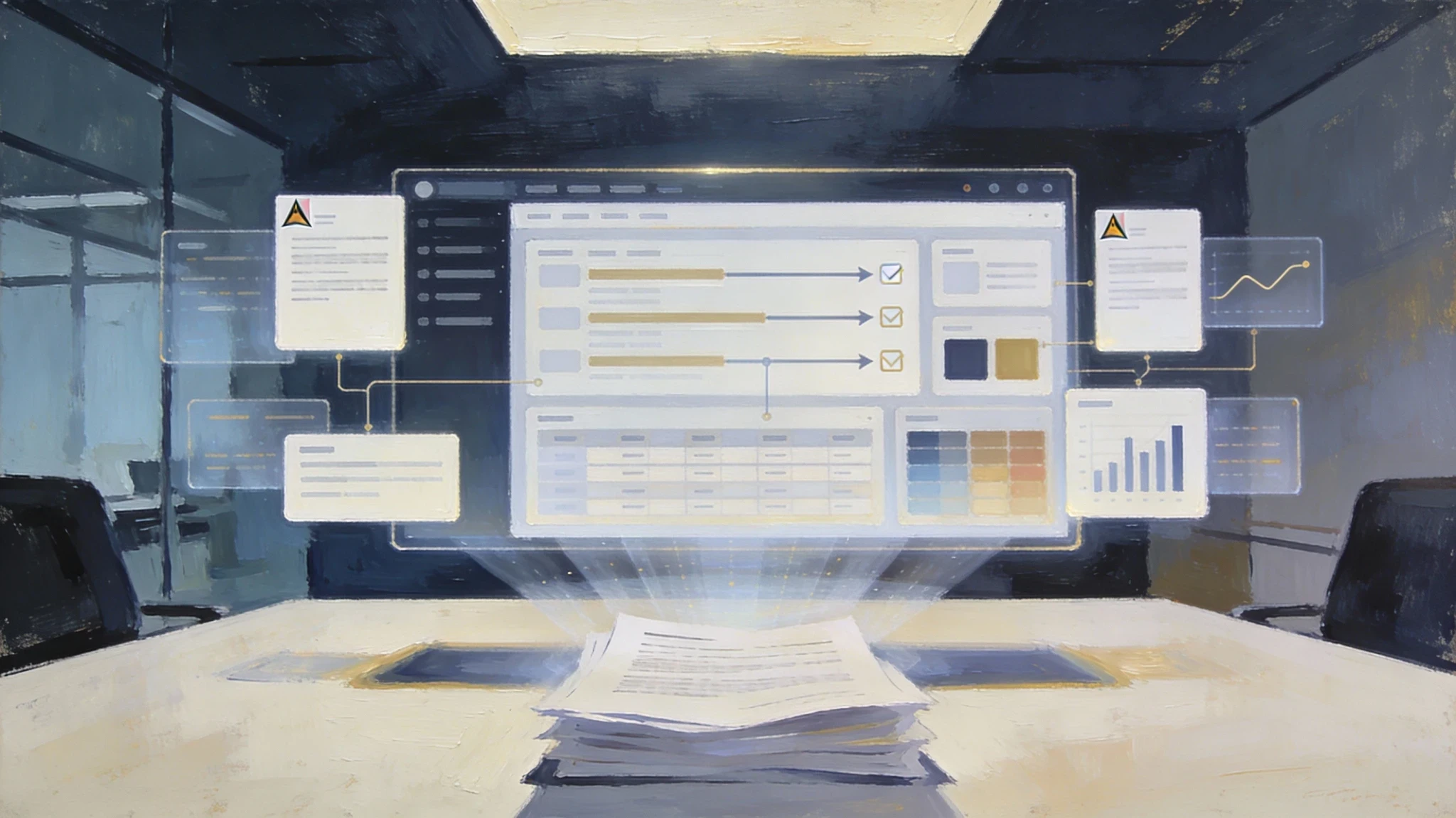
The platform leverages AI-driven contract drafting and review to identify risky clauses before contracts are finalized. It extracts key data and tracks obligations automatically. With built-in playbooks and clause libraries, you keep contracts aligned with your standards. Automated alerts prevent missed deadlines and auto-renewals. Dashboards give you insight into risk hotspots and contract health.
See how this CLM software helps your team move contracts forward with confidence.
FAQ
What is contract risk?
Additionally, this exposure quantifies the potential damage your company might incur if contract terms result in financial loss, legal complications, or operational disruptions. It measures the magnitude of impact should an issue arise.
How do unclear contract terms create risk?
Vague or missing language can lead to disputes over obligations, payments, or performance. This uncertainty increases the chance of costly disagreements or missed responsibilities.
Why are auto-renewal clauses risky?
Auto-renewals can lock you into unwanted contracts if you miss cancellation deadlines. Moreover, they frequently renew at higher rates or under less favorable conditions, causing unexpected expenses.
How often should I review my contracts for risk?
Regular reviews are essential. Many companies schedule quarterly or biannual portfolio checks to update terms, track deadlines, and assess compliance with new laws.
Can AI really help identify contract risks?
Yes. AI tools analyze contract language to flag risky clauses, missing provisions, and deviations from approved templates. This speeds up reviews and reduces human error.
Furthermore, what role do non-legal teams play in managing contract risk?
Finance, procurement, and operations teams provide valuable insights on payment terms, service delivery, and compliance. Their involvement ensures risks are spotted from multiple perspectives.
How do contract playbooks reduce risk?
Playbooks define your company’s preferred contract language and negotiation limits. They guide teams to avoid risky terms and maintain consistency across agreements.
What happens if a contract lacks clear performance standards?
Also, without clear service levels and remedies, you may absorb costs from vendor failures or poor delivery. Also, this weakens your ability to enforce accountability.
Why is centralized obligation tracking important?
Tracking obligations and deadlines in one system prevents missed payments, renewal traps, and compliance failures. Automated alerts keep teams proactive.
How can I begin minimizing risks in my contracts today?
A practical first step involves gathering all contracts into a centralized repository. Employ detailed checklists alongside comprehensive playbooks to identify common sources of risk. Establish robust monitoring processes to keep track of critical deadlines and contractual duties. Leveraging contract management software can further streamline these efforts and improve oversight.
About the Company

Volody AI CLM is an Agentic AI-powered Contract Lifecycle Management platform designed to eliminate manual contracting tasks, automate complex workflows, and deliver actionable insights. As a one-stop shop for all contract activities, it covers drafting, collaboration, negotiation, approvals, e-signature, compliance tracking, and renewals. Built with enterprise-grade security and no-code configuration, it meets the needs of the most complex global organizations. Volody AI CLM also includes AI-driven contract review and risk analysis, helping teams detect issues early and optimize terms. Trusted by Fortune 500 companies, high-growth startups, and government entities, it transforms contracts into strategic, data-driven business assets.



" height="216.72211px" id="FYO0bO80Y" transform="translate(3 6.105)" width="206.073px"/><path d="M 108.174 222 C 88.432 222 70.303 217.239 53.785 207.717 C 37.267 198.196 24.173 185.052 14.504 168.285 C 4.835 151.312 0 132.165 0 110.845 C 0 89.731 4.835 70.792 14.504 54.025 C 24.173 37.052 37.267 23.804 53.785 14.282 C 70.303 4.761 88.432 0 108.174 0 C 128.116 0 146.246 4.761 162.562 14.282 C 179.08 23.804 192.073 37.052 201.541 54.025 C 211.21 70.792 216.044 89.731 216.044 110.845 C 216.044 132.165 211.21 151.312 201.541 168.285 C 192.073 185.052 179.08 198.196 162.562 207.717 C 146.044 217.239 127.915 222 108.174 222 Z M 108.174 183.189 C 120.864 183.189 132.044 180.291 141.713 174.495 C 151.382 168.492 158.936 160.006 164.375 149.035 C 169.814 138.064 172.533 125.334 172.533 110.845 C 172.533 96.355 169.814 83.729 164.375 72.965 C 158.936 61.994 151.382 53.611 141.713 47.815 C 132.044 42.02 120.864 39.122 108.174 39.122 C 95.483 39.122 84.202 42.02 74.332 47.815 C 64.663 53.611 57.109 61.994 51.67 72.965 C 46.231 83.729 43.511 96.355 43.511 110.845 C 43.511 125.334 46.231 138.064 51.67 149.035 C 57.109 160.006 64.663 168.492 74.332 174.495 C 84.202 180.291 95.483 183.189 108.174 183.189 Z" fill="rgba(255, 255, 255, 0.12)" height="222px" id="aa1McFcE9" transform="translate(227.183 3)" width="216.04399999999998px"/><path d="M 42.302 182.257 L 111.799 182.257 L 111.799 216.722 L 0 216.722 L 0 0 L 42.302 0 Z" fill="rgba(255, 255, 255, 0.12)" height="216.72211px" id="yRq4AnrsX" transform="translate(477.721 6.105)" width="111.79899999999998px"/><path d="M 108.174 222 C 88.432 222 70.303 217.239 53.785 207.717 C 37.267 198.196 24.173 185.052 14.504 168.285 C 4.835 151.312 0 132.165 0 110.845 C 0 89.731 4.835 70.792 14.504 54.025 C 24.173 37.052 37.267 23.804 53.785 14.282 C 70.303 4.761 88.432 0 108.174 0 C 128.116 0 146.246 4.761 162.562 14.282 C 179.08 23.804 192.073 37.052 201.541 54.025 C 211.21 70.792 216.045 89.731 216.045 110.845 C 216.045 132.165 211.21 151.312 201.541 168.285 C 192.073 185.052 179.08 198.196 162.562 207.717 C 146.044 217.239 127.915 222 108.174 222 Z M 108.174 183.189 C 120.864 183.189 132.044 180.291 141.713 174.495 C 151.382 168.492 158.936 160.006 164.375 149.035 C 169.814 138.064 172.534 125.334 172.534 110.845 C 172.534 96.355 169.814 83.729 164.375 72.965 C 158.936 61.994 151.382 53.611 141.713 47.815 C 132.044 42.02 120.864 39.122 108.174 39.122 C 95.483 39.122 84.202 42.02 74.332 47.815 C 64.663 53.611 57.108 61.994 51.67 72.965 C 46.231 83.729 43.511 96.355 43.511 110.845 C 43.511 125.334 46.231 138.064 51.67 149.035 C 57.108 160.006 64.663 168.492 74.332 174.495 C 84.202 180.291 95.483 183.189 108.174 183.189 Z" fill="rgba(255, 255, 255, 0.12)" height="222px" id="mo8HQspQ0" transform="translate(609.155 3)" width="216.04500000000007px"/><path d="M 73.727 0 C 95.885 0 115.324 4.45 132.044 13.351 C 148.967 22.252 161.957 34.982 171.027 51.541 C 180.287 67.894 184.917 86.937 184.917 108.671 C 184.917 130.405 180.287 149.449 171.027 165.801 C 161.957 181.947 148.967 194.47 132.044 203.371 C 115.324 212.271 95.885 216.722 73.727 216.722 L 0 216.722 L 0 0 Z M 72.216 179.773 C 94.374 179.773 111.497 173.564 123.583 161.144 C 135.669 148.724 141.713 131.233 141.713 108.671 C 141.713 86.109 135.669 68.515 123.583 55.888 C 111.497 43.055 94.374 36.638 72.216 36.638 L 42.302 36.638 L 42.302 179.773 Z" fill="rgba(255, 255, 255, 0.12)" height="216.72211px" id="I3iXX5Hi_" transform="translate(859.693 6.105)" width="184.91699999999992px"/><path d="M 185.22 0 L 113.91 141.273 L 113.91 216.722 L 71.61 216.722 L 71.61 141.273 L 0 0 L 47.74 0 L 93.06 99.046 L 138.08 0 Z" fill="rgba(255, 255, 255, 0.12)" height="216.72211px" id="nzHyWC0_d" transform="translate(1061.78 6.105)" width="185.22000000000003px"/></svg>)