

Inflation impacts business costs and profits, but many companies overlook how their contracts handle rising prices. Contract terms can either protect or expose your company when inflation spikes. Understanding these clauses and managing them smartly can mean the difference between maintaining margins and facing unexpected losses. This article breaks down how inflation interacts with contracts and what legal and operations leaders can do to stay ahead.
TL;DR
Inflation clauses vary widely, and the lack of standardized terminology introduces significant challenges when processing contracts on a large scale.
Additionally, to accurately identify provisions related to inflation, one must undertake detailed contract analysis or leverage sophisticated AI tools designed to improve both precision and efficiency.
Decoding price adjustment clauses and developing robust dispute resolution strategies often require specialized legal knowledge.
When contracts lack inflation clauses, they introduce distinct risks that may necessitate renegotiation or the implementation of alternative risk management approaches.
Inflation’s impact extends beyond price adjustments, affecting obligations, timelines, and supplier relationships.
Contract management software centralizes data, automates clause detection, and supports strategic inflation responses.
Related Article: How Contracts Help Manufacturers Manage Inflation Risks
How Does Inflation Affect Contractual Agreements?
Inflation means the general rise in prices over time. Additionally, as inflation accelerates, expenses associated with goods, labor, and services rise correspondingly. Contracts that fix prices or payments for long periods can become financially risky. Without mechanisms to adjust, sellers risk financial losses when costs escalate. Buyers, however, may face unexpected price hikes if contracts allow for inflation-related adjustments.
Contracts often include inflation clauses to mitigate this financial exposure. These clauses establish criteria for price modifications tied to inflation indexes or alternative calculation methods. However, many contracts lack such provisions or have vague language. This creates uncertainty and potential disputes.
Inflation impacts contracts in several ways:
Price adjustments: Sellers want to raise prices to keep pace with inflation. Buyers want to limit increases.
Cost pass-through: Suppliers may try to pass increased costs downstream, affecting procurement and sales.
Payment terms: Inflation may influence the structuring of payment schedules, applicable interest rates, or penalty clauses.
Performance obligations: Increased expenses can result in postponed deliveries or diminished service quality.
Companies need to conduct thorough contract reviews to accurately assess their inflation-related risks. A failure to incorporate inflation considerations or to strategize accordingly risks profit erosion and strained supplier relations.
Related articles: Mastering Contract Clauses: Risk & Performance
What Types of Inflation Clauses Exist in Contracts?
Inflation clauses manifest in diverse formats, each with critical nuances. Additionally, grasping these variations enables companies to devise strategic responses and secure more favorable contractual terms.
Common Inflation Clause Types
Fixed escalation: Prices increase by a predetermined percentage annually or at specified intervals.
Index-linked escalation: Prices adjust based on a published index like the Consumer Price Index (CPI) or Producer Price Index (PPI).
Cost pass-through: Suppliers can pass certain cost increases (e.g., raw materials) directly to buyers.
Caps and floors: Clauses may limit minimum or maximum price changes.
Reopeners: Allow renegotiation of prices if inflation exceeds a threshold.
Variations in Indexes and Timing
Different contracts may use different inflation measures. For example, some tie adjustments to CPI, others to specific commodity indexes or currency exchange rates. The timing of adjustments also varies: some contracts allow price changes annually, others quarterly or bi-annually.
Why Variations Matter
These differences prevent companies from applying one-size-fits-all inflation actions. For example, an agreement indexed to CPI cannot be adjusted identically to one referencing a commodity price index. This requires contract-by-contract analysis and tailored approaches.
Example Scenario
A manufacturing company has an agreement with a CPI-linked price adjustment every year. Another agreement involving its logistics provider lacks any inflation clause. The company can increase prices with the supplier but must absorb rising logistics costs or renegotiate terms. Without clear inflation clauses, companies risk losing money or straining partnerships.
Related articles: What is Contract Risk & How to manage it?
How to Identify Inflation Clauses Efficiently
Many organizations face significant challenges when attempting to locate inflation-related provisions across vast collections of contracts. Additionally, manual review processes tend to be both time-consuming and prone to inaccuracies. Contract management technology can help.
Manual Contract Review Challenges
Inflation clauses often utilize varied terminology or synonymous phrases.
These provisions can be embedded deep within lengthy documents or scattered across several sections.
Without standardized templates, clause formatting lacks uniformity.
Conducting manual reviews across numerous contracts generates considerable expenses and delays.
AI-Powered Contract Analysis
AI platforms enable rapid identification of inflation-related clauses within contracts. These tools use natural language processing to detect price adjustment language, indexes, and relevant terms.
Benefits include:
Speed: These systems can analyze large contract repositories within hours, significantly reducing turnaround times.
Accuracy: AI reduces human error and finds clauses that might be overlooked.
Categorization: Contracts can be grouped by clause type, index used, or adjustment frequency.
Actionable data: Extracted data supports strategic decisions and planning.
Practical Example
A retail company uses AI to scan its supplier contracts. The system flags contracts with CPI-based price adjustments, those with vague inflation references, and contracts without any inflation clause. The legal and procurement teams then prioritize renegotiations or pricing actions based on this data.
Related articles: How to Draft Contracts: A Practical Guide for 2026
What Are the Legal Risks in Interpreting Inflation Clauses?
Finding inflation clauses is just the start. Additionally, many of these clauses are drafted with language that can be interpreted in multiple ways, which often becomes a source of conflict.
Ambiguity in Clause Language
Certain clauses employ vague terms like "reasonable adjustment" or "market-based increase" without delineating the exact methods for their calculation. This imprecision frequently ignites disputes over how significantly prices should be modified.
Dispute Resolution Provisions
Contracts often include comprehensive mechanisms designed to resolve conflicts about price modifications. Typically, these stipulations mandate that parties pursue negotiation, mediation, or arbitration prior to initiating litigation.
Role of Legal Teams
Legal departments must:
Conduct thorough examinations of inflation clauses to ensure their clarity and enforceability.
Provide counsel regarding the risks involved and probable results when invoking price adjustments.
Assist in negotiating terms with suppliers or customers.
Manage disputes efficiently to avoid costly litigation.
Managing Multiple Disputes
Large enterprises may face hundreds of inflation-related contract issues simultaneously. Without a centralized system, tracking these disputes and prioritizing cases is difficult.
Example
A construction firm encounters supplier requests for price increases under an inflation clause whose wording lacks clarity. Upon reviewing the clause, the legal team negotiates an equitable adjustment that eliminates the necessity for arbitration. At the same time, contracts with ambiguous terms are identified for renegotiation to mitigate future conflicts.
Related articles: 4 Legal Issues in Retail: How to Mitigate Risks in Retailing
What Happens When Contracts Lack Inflation Clauses?
Many contracts do not include inflation clauses. Additionally, historically, this omission was prevalent during periods characterized by stable and low inflation. Now, this absence creates challenges.
Risks of Missing Inflation Clauses
Sellers risk significant financial strain when rising costs exceed the limits of allowable price adjustments within the contract.
Buyers may face abrupt cost increases if suppliers seek to renegotiate terms in response to inflationary dynamics.
Without inflation provisions, contracts risk becoming economically unsustainable or requiring costly amendments.
Strategies to Manage Contracts Without Inflation Clauses
Renegotiate terms: Seek to add inflation adjustment provisions for future contracts.
Use force majeure or hardship clauses: These may allow relief if inflation causes extreme hardship.
Implement cost-sharing agreements: Parties agree to share inflation risks.
Monitor market conditions: Pricing adjustments often occur indirectly through contract renewals or by negotiating new agreements.
Practical Example
A software company operates under long-term service contracts that do not contain inflation clauses. Rising labor costs have constrained the company's ability to increase fees. It plans to renegotiate contracts at renewal and includes inflation adjustment terms in all new contracts.
Related articles: Contract Management Strategies: Expert Dos & Don'ts
How Does Inflation Impact Contract Performance Beyond Pricing?
Inflation affects more than just prices. Additionally, it also impacts timelines, obligations, and relationships.
Delivery and Performance Delays
Rising costs may cause suppliers to delay deliveries or reduce service quality. Contracts should address these risks through:
Penalties for late performance.
Force majeure provisions covering inflation-related disruptions.
Flexibility in deadlines or deliverables.
Increased Operational Costs
Inflation can increase costs for compliance, insurance, and other contract obligations. Companies must track these impacts carefully.
Supplier Relationship Management
Inflation pressures can strain supplier relationships. Transparent communication and proactive contract management help maintain trust.
Example
A logistics provider faces fuel price inflation, increasing operational costs. The contract allows price adjustments, but the provider also negotiates flexible delivery schedules to manage costs and maintain service.
Related articles: How to Design Contracts That Don't Leak Value
How to Use Contract Management Software to Handle Inflation Challenges
Managing inflation risks across multiple contracts requires a unified system that integrates advanced data analytics for enhanced oversight. Additionally, contract lifecycle management (CLM) software contributes significantly by offering critical capabilities tailored to this challenge.
Centralized Contract Repository
All contracts should be consolidated within a single repository equipped for detailed metadata indexing.
This method enables swift detection of clauses related to inflation and their corresponding terms.
Automated Clause Detection
Leverage AI-driven tools to systematically analyze contracts for inflation-related language and highlight pertinent agreements.
Risk and Exposure Analysis
Identify contracts with the highest financial exposure to inflation. Prioritize these for review or renegotiation.
Workflow and Collaboration Tools
Enable coordinated task assignment across legal, procurement, and finance teams to maintain unified oversight of inflation-related contractual provisions.
Reporting and Dashboards
Inflation-related contract actions, disputes, and financial impacts are monitored through comprehensive dashboards to inform executive decision-making.
Example
A multinational company has integrated CLM software to streamline the detection of inflation clauses.
The platform identifies contracts requiring price adjustments and monitors the progress of their negotiations.
Related articles: Indemnity Clauses: Essential Insights for Risk Management
Why Contract Management Software Matters
Contract management platforms are essential tools for mitigating inflation-related risks. Additionally, they provide capabilities to systematically organize, analyze, and leverage contract data.
Modern CLM systems include features like:
AI-powered contract drafting and review to ensure inflation clauses are clear and enforceable.
Clause libraries with approved inflation language for consistent contract creation.
Automated alerts for price adjustment dates and renewal opportunities.
Integration with procurement and finance systems to align contract terms with actual operational conditions.
Using software reduces errors, accelerates contract reviews, and supports strategic inflation management.
Coordinating multifaceted legal workflows demands a unified, intelligent system. Volody’s solution incorporates AI contract review, metadata extraction, obligation tracking, and automated workflows. These features help companies identify inflation clauses, assess risks, and respond quickly.
See how Volody's CLM Software helps legal teams manage contracts faster and with greater control.
FAQ
What does an inflation clause entail within a contract?
Additionally, such a clause permits contract pricing or payment adjustments based on recognized inflation indicators like the CPI.
This provision protects contracting parties from the diminishing purchasing power caused by rising expenses.
It protects parties from losing value when costs rise.
How do companies find inflation clauses in large contract portfolios?
Enterprises utilize AI-powered contract analytics tools to detect inflation-related terms within vast arrays of agreements.
This speeds up review and ensures no clauses are missed.
What if a contract has vague inflation language?
Ambiguous inflation provisions often necessitate legal analysis and bargaining.
Dispute resolution provisions often guide how parties resolve disagreements over price adjustments.
Moreover, can contracts without inflation clauses be adjusted for rising costs?
Not automatically. Parties may renegotiate terms, rely on hardship clauses, or use contract renewal opportunities to address inflation impacts.
How does inflation affect contract performance beyond pricing?
Inflation can cause delays, reduce service quality, and increase operational costs.
Contracts should address these risks with flexible terms and penalties.
Why is contract management software critical in managing inflation risk?
Solutions for contract management centralize agreements, automate the detection of pertinent clauses, monitor compliance duties, and enable coordinated actions. This facilitates rapid responses and safeguards profit margins.
What are common inflation indexes used in contracts?
Furthermore, standard references for price escalations encompass the Consumer Price Index (CPI), Producer Price Index (PPI), along with various commodity- or currency-specific benchmarks.
How can legal teams manage inflation-related disputes efficiently?
By using centralized contract data, prioritizing high-risk contracts, and following dispute resolution procedures, legal teams can handle conflicts systematically.
Are fixed price contracts particularly vulnerable during inflationary periods?
Yes, these contracts can expose sellers to losses if costs rise significantly. Including inflation adjustment clauses can mitigate this risk.
How often do inflation clauses allow price adjustments?
Adjustment frequency varies: some contracts allow annual changes, others quarterly or bi-annually. The timing affects cash flow and planning.
This comprehensive guide explains how inflation interacts with contracts and how companies can manage risks through careful review, legal strategies, and technology. Staying proactive with contract terms and leveraging modern tools helps protect profits and maintain strong business relationships in an inflationary environment.
About the Company
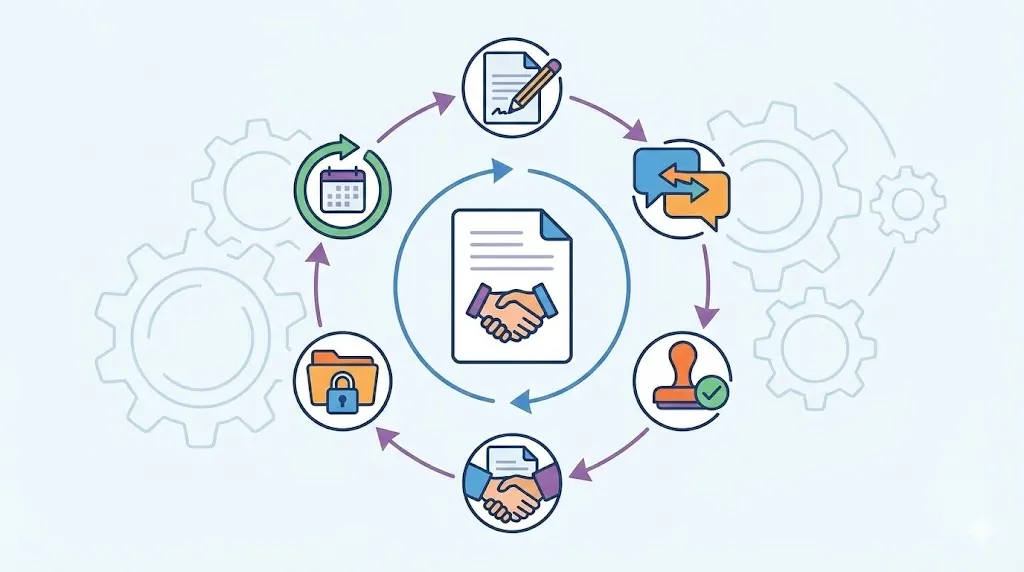
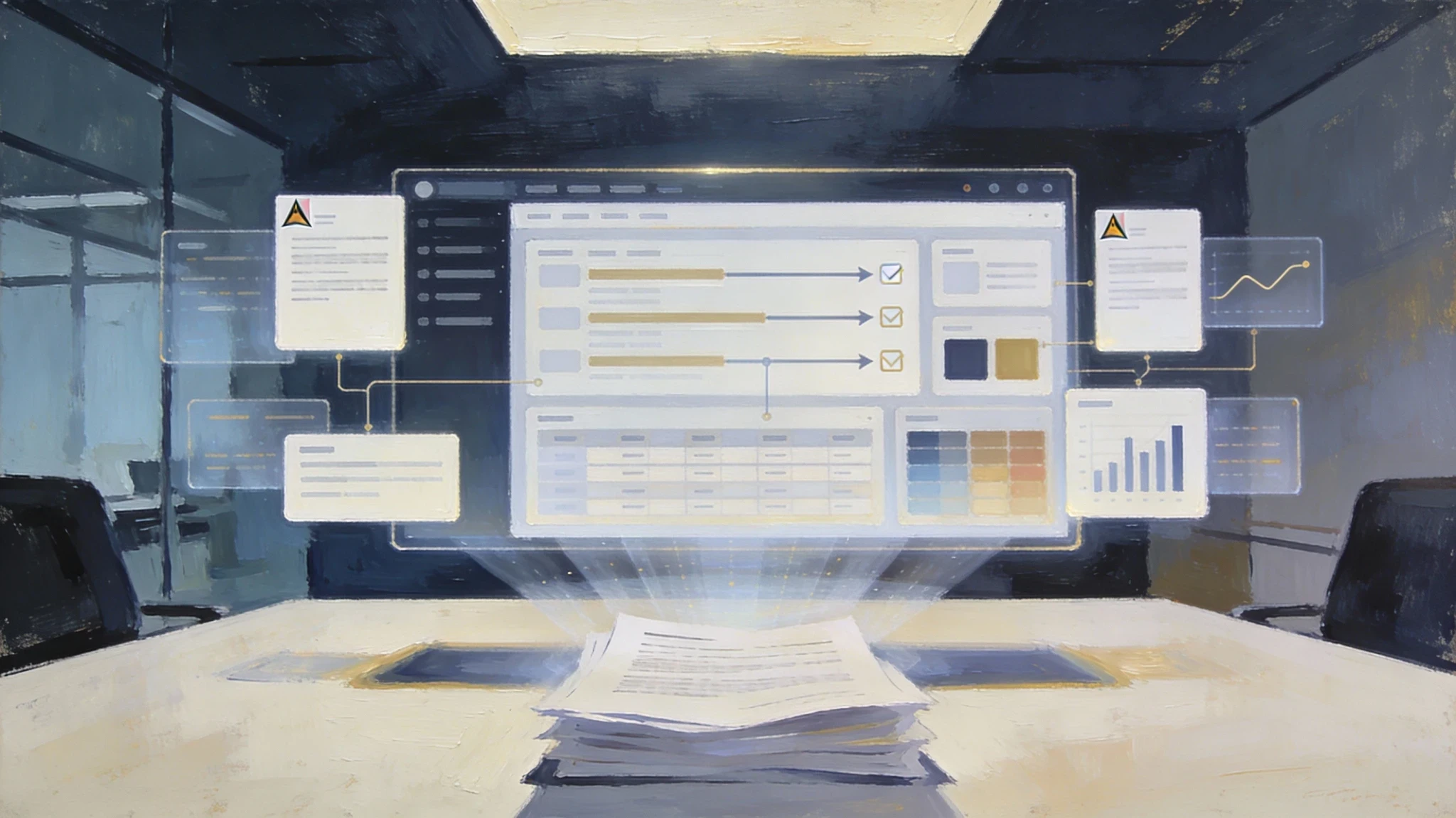
Volody AI CLM is an Agentic AI-powered Contract Lifecycle Management platform designed to eliminate manual contracting tasks, automate complex workflows, and deliver actionable insights. As a one-stop shop for all contract activities, it covers drafting, collaboration, negotiation, approvals, e-signature, compliance tracking, and renewals. Built with enterprise-grade security and no-code configuration, it meets the needs of the most complex global organizations. Volody AI CLM also includes AI-driven contract review and risk analysis, helping teams detect issues early and optimize terms. Trusted by Fortune 500 companies, high-growth startups, and government entities, it transforms contracts into strategic, data-driven business assets.



" height="216.72211px" id="FYO0bO80Y" transform="translate(3 6.105)" width="206.073px"/><path d="M 108.174 222 C 88.432 222 70.303 217.239 53.785 207.717 C 37.267 198.196 24.173 185.052 14.504 168.285 C 4.835 151.312 0 132.165 0 110.845 C 0 89.731 4.835 70.792 14.504 54.025 C 24.173 37.052 37.267 23.804 53.785 14.282 C 70.303 4.761 88.432 0 108.174 0 C 128.116 0 146.246 4.761 162.562 14.282 C 179.08 23.804 192.073 37.052 201.541 54.025 C 211.21 70.792 216.044 89.731 216.044 110.845 C 216.044 132.165 211.21 151.312 201.541 168.285 C 192.073 185.052 179.08 198.196 162.562 207.717 C 146.044 217.239 127.915 222 108.174 222 Z M 108.174 183.189 C 120.864 183.189 132.044 180.291 141.713 174.495 C 151.382 168.492 158.936 160.006 164.375 149.035 C 169.814 138.064 172.533 125.334 172.533 110.845 C 172.533 96.355 169.814 83.729 164.375 72.965 C 158.936 61.994 151.382 53.611 141.713 47.815 C 132.044 42.02 120.864 39.122 108.174 39.122 C 95.483 39.122 84.202 42.02 74.332 47.815 C 64.663 53.611 57.109 61.994 51.67 72.965 C 46.231 83.729 43.511 96.355 43.511 110.845 C 43.511 125.334 46.231 138.064 51.67 149.035 C 57.109 160.006 64.663 168.492 74.332 174.495 C 84.202 180.291 95.483 183.189 108.174 183.189 Z" fill="rgba(255, 255, 255, 0.12)" height="222px" id="aa1McFcE9" transform="translate(227.183 3)" width="216.04399999999998px"/><path d="M 42.302 182.257 L 111.799 182.257 L 111.799 216.722 L 0 216.722 L 0 0 L 42.302 0 Z" fill="rgba(255, 255, 255, 0.12)" height="216.72211px" id="yRq4AnrsX" transform="translate(477.721 6.105)" width="111.79899999999998px"/><path d="M 108.174 222 C 88.432 222 70.303 217.239 53.785 207.717 C 37.267 198.196 24.173 185.052 14.504 168.285 C 4.835 151.312 0 132.165 0 110.845 C 0 89.731 4.835 70.792 14.504 54.025 C 24.173 37.052 37.267 23.804 53.785 14.282 C 70.303 4.761 88.432 0 108.174 0 C 128.116 0 146.246 4.761 162.562 14.282 C 179.08 23.804 192.073 37.052 201.541 54.025 C 211.21 70.792 216.045 89.731 216.045 110.845 C 216.045 132.165 211.21 151.312 201.541 168.285 C 192.073 185.052 179.08 198.196 162.562 207.717 C 146.044 217.239 127.915 222 108.174 222 Z M 108.174 183.189 C 120.864 183.189 132.044 180.291 141.713 174.495 C 151.382 168.492 158.936 160.006 164.375 149.035 C 169.814 138.064 172.534 125.334 172.534 110.845 C 172.534 96.355 169.814 83.729 164.375 72.965 C 158.936 61.994 151.382 53.611 141.713 47.815 C 132.044 42.02 120.864 39.122 108.174 39.122 C 95.483 39.122 84.202 42.02 74.332 47.815 C 64.663 53.611 57.108 61.994 51.67 72.965 C 46.231 83.729 43.511 96.355 43.511 110.845 C 43.511 125.334 46.231 138.064 51.67 149.035 C 57.108 160.006 64.663 168.492 74.332 174.495 C 84.202 180.291 95.483 183.189 108.174 183.189 Z" fill="rgba(255, 255, 255, 0.12)" height="222px" id="mo8HQspQ0" transform="translate(609.155 3)" width="216.04500000000007px"/><path d="M 73.727 0 C 95.885 0 115.324 4.45 132.044 13.351 C 148.967 22.252 161.957 34.982 171.027 51.541 C 180.287 67.894 184.917 86.937 184.917 108.671 C 184.917 130.405 180.287 149.449 171.027 165.801 C 161.957 181.947 148.967 194.47 132.044 203.371 C 115.324 212.271 95.885 216.722 73.727 216.722 L 0 216.722 L 0 0 Z M 72.216 179.773 C 94.374 179.773 111.497 173.564 123.583 161.144 C 135.669 148.724 141.713 131.233 141.713 108.671 C 141.713 86.109 135.669 68.515 123.583 55.888 C 111.497 43.055 94.374 36.638 72.216 36.638 L 42.302 36.638 L 42.302 179.773 Z" fill="rgba(255, 255, 255, 0.12)" height="216.72211px" id="I3iXX5Hi_" transform="translate(859.693 6.105)" width="184.91699999999992px"/><path d="M 185.22 0 L 113.91 141.273 L 113.91 216.722 L 71.61 216.722 L 71.61 141.273 L 0 0 L 47.74 0 L 93.06 99.046 L 138.08 0 Z" fill="rgba(255, 255, 255, 0.12)" height="216.72211px" id="nzHyWC0_d" transform="translate(1061.78 6.105)" width="185.22000000000003px"/></svg>)