

Procurement contracts often hide risks that can quietly drain your budget, expose your company to legal trouble, or disrupt operations. Many teams only spot these risks after damage is done. Imagine signing a supplier contract that quietly allows unchecked price hikes or vague service standards. These hidden traps can cause costly surprises. Understanding how procurement contract risks could hurt your business is key to avoiding these pitfalls and protecting your organization’s bottom line.
TL;DR
Procurement contracts are vulnerable to risks such as ambiguous provisions, overlooked obligations, and unchecked price escalations, all of which can lead to significant financial exposure.
Additionally, failures in supplier performance, unclear pricing mechanisms, imprecise phrasing, and hidden commitments create significant challenges within contractual frameworks.
It is essential to focus on scrutinizing clauses that carry substantial weight—particularly those concerning liability limitations, termination rights, and automatic renewal terms—prior to contract execution.
Adopting tiered review processes allows for rapid approval of lower-risk agreements while ensuring that more complex contracts undergo thorough legal scrutiny.
Track obligations and deadlines after signing to avoid missed renewals, penalties, or compliance issues.
Contract lifecycle management (CLM) software automates risk detection, alerts, and centralizes contract data for better control.
What Does Procurement Contract Risk Mean?
Procurement contract risk refers to the potential for certain provisions within your supplier agreement to trigger unforeseen expenses, legal liabilities, or operational disruptions. These risks are embedded within the contractual terms themselves rather than solely arising from the vendor relationship. While you may work with a dependable supplier, imprecise or absent contractual safeguards can still expose your organization to significant vulnerabilities.
For example, the absence of explicit penalties for delayed delivery can lead to uncompensated setbacks. Or if pricing terms allow unlimited increases, your budget could spiral out of control. According to the 2026 Contracting Benchmark Report, poor contract management causes companies to lose between 5% and 9% of annual revenue. That adds up to trillions globally every year.
Procurement teams juggle hundreds of contracts, often inherited or signed under tight deadlines. Each contract can hide risks that surface unexpectedly. Managing this volume manually is nearly impossible, which is why 80% of procurement teams now use AI tools to help spot risks early (State of AI in Procurement 2025 Report). Effectively managing these hidden dangers requires a thorough understanding of their sources and strategies to mitigate them.
Related articles: Mastering Contract Clauses: Risk & Performance
7 Common Procurement Contract Risks You Need to Watch
Procurement contracts can contain many types of risks. Additionally, these issues frequently remain undetected until a renewal period, an audit, or a problem arises with a supplier. Here are seven common risks procurement teams face:
1. Supplier Performance and Delivery Risk
Contracts usually specify delivery dates, quality standards, or service levels. When deadlines are missed or standards are unmet by the supplier, the business is adversely affected. Without clear penalties or cure periods (time to fix issues), you have little leverage. This situation often results in expensive delays or acceptance of substandard goods without compensation.
For example, parts might be contractually required by a specific date, yet the agreement lacks clauses permitting termination or damage claims if delivery is delayed. As a result, late deliveries disrupt operations.
2. Pricing, Indexation, and Budget Overrun Risk
Long-term contracts frequently incorporate price increases tied to inflation or indexes. When these escalations are uncapped, expenditures may exceed budgetary constraints. Ambiguous pricing terms or absent limits on price adjustments commonly cause budget overruns.
Moreover, imagine a three-year contract permitting annual price increases based on an undefined index, with no maximum cap. Such a scenario exposes your procurement budget to unpredictable and potentially unsustainable growth.
3. Ambiguous Contract Language
Terms like “reasonable efforts” or “industry standard” are familiar yet subject to divergent interpretations by involved parties. Indefinite language often triggers disputes over meaning, potentially resulting in costly litigation or damaged supplier relationships.
For example, a provision might require “reasonable efforts” to ensure timely delivery. One party might interpret this as a best-effort obligation, whereas the other expects guaranteed punctuality. Such ambiguity can lead to misunderstandings and increased risk.
4. Hidden Obligations and Scope Creep
Contracts often reference attachments, statements of work, or other documents. Obligations buried in these can be easy to miss during review. Furthermore, if the contract does not clearly define what work or services are included, you may pay for extras you did not expect or take on unwanted responsibilities.
An example is a contract that refers to a statement of work with additional services but does not specify limits. The supplier might bill for extra work beyond your original expectations.
5. Compliance and Regulatory Risk
Noncompliance by your supplier with regulatory mandates exposes your company to legal liabilities. This encompasses areas such as data protection statutes, anti-bribery legislation, and environmental regulations. Liability may attach to your organization even when violations originate with the supplier.
Effective contract risk management requires clauses obligating suppliers to adhere to applicable laws and furnish compliance evidence. Absent these provisions, your company faces potential fines, reputational harm, or operational interruptions.
6. Cybersecurity and Data Handling Risks
Also, contracts involving data sharing, cloud services, or system access carry cybersecurity risks. Weak or missing security obligations, breach notification rules, and data processing terms expose your business to data breaches or compliance failures.
A common blind spot is sub-processor chains, where your vendor relies on other vendors. Therefore, if these subcontractors do not meet security standards, your data may be at risk without clear contractual protections.
7. Concentration and Single-Source Dependency
Relying on a sole supplier for critical goods or services introduces significant vulnerability. Should this supplier encounter problems, your operational continuity could face serious disruption. Contracts should include diversification clauses or exit options to reduce this risk.
According to a survey of Chief Procurement Officers, 74% say maintaining alternative suppliers is their top risk mitigation strategy. Without contractual protections, you may have no fallback options.
Related articles: Contract Management for Procurement: Elevate Your Strategy
How to Spot Procurement Contract Risks Before Signing
Spotting risks before signing a procurement contract requires a focused and systematic approach. Additionally, not every clause warrants the same degree of scrutiny. Here are key steps to assess risk effectively:
1. Prioritize High-Impact Clauses
Focus your review on clauses with significant financial and operational implications. Examples include:
Liability caps and indemnification terms
Termination rights and penalties
Auto-renewal and renewal notice periods
Pricing and payment terms
Service level agreements (SLAs) and performance metrics
Allocate additional attention to these sections to detect underlying risks that could cause serious complications.
2. Use a Tiered Review System
Not all contracts are equally risky. Set up a tiered review process based on contract value, duration, and data sensitivity. Low-risk, standardized contracts can follow a faster approval path with minimal legal review. High-value or complex contracts should get full legal scrutiny.
This approach balances speed and risk control. It prevents bottlenecks while ensuring risky deals get the attention they need.
3. Check for Ambiguity and Missing Protections
Identify imprecise wording that risks generating disputes. Replace terms like “reasonable efforts” with clear, measurable obligations. In addition, confirm that penalties, cure periods, and exit rights are explicitly detailed.
Also, ensure all referenced documents are included and consistent. Moreover, missing attachments or unclear scope can hide obligations or risks.
4. Confirm Compliance and Security Clauses
Verify that the contract obligates suppliers to adhere to applicable laws and standards. Review data protection provisions, cybersecurity measures, and breach notification requirements. Ensure transparency and control over sub-processor chains.
These components safeguard your organization against failures originating from third parties.
5. Validate Pricing and Renewal Terms
Examine price adjustment mechanisms and limits thoroughly. Renewal and auto-renewal clauses should specify the required notice periods alongside the precise conditions under which termination is permitted. Clarifying these aspects mitigates the risk of unforeseen expenses and contractual commitments extending beyond expectations.
6. Use Checklists and Playbooks
Develop internal checklists paired with legal playbooks to maintain uniformity in how risk assessments are conducted.
Such resources enable reviewers to systematically pinpoint prevalent risks through an established and repeatable framework.
For further insights, see: Breach of Contract: Master How to Resolve Legal Disputes
Controls to Reduce Procurement Contract Risks After Signing
Risks often emerge after contracts are signed. Additionally, effective risk management demands continuous oversight and implementation of robust controls. Here are key practices to reduce post-signature risks:
1. Assign Ownership for Contract Obligations
Designate specific owners for each contract obligation. By clearly defining accountability, organizations significantly diminish the chances of tasks being neglected.
2. Monitor Service Levels and Performance
Regular scrutiny of supplier adherence to SLAs plays a critical role. Utilizing scorecards or dashboards enables early identification of deviations in performance. Proactive intervention can mitigate escalation of issues.
3. Automate Renewal and Notice Alerts
Set automated reminders for renewal windows, termination notice periods, and key deadlines. This avoids unintended auto-renewals or missed termination rights.
4. Maintain a Central Contract Repository
Store all contracts and related documents in a secure, searchable repository. Centralized access enhances transparency and coordination among stakeholders.
5. Conduct Periodic Audits and Reviews
Systematic audits that emphasize contract compliance, pricing accuracy, and service delivery performance are vital. Prompt identification of discrepancies enables timely remedial measures.
6. Manage Change and Amendments Carefully
Track all contract amendments and ensure they follow approval workflows. Unapproved changes can introduce new risks.
Related articles: Contract Management Security: Risks, Mistakes and Solutions
5 Challenges in Maintaining Procurement Contract Risk Controls
Maintaining risk controls in procurement contracts is complex. Here are five common challenges and how to address them:
1. Volume and Complexity of Contracts
Managing hundreds or thousands of contracts manually leads to errors and missed obligations. Organizations must adopt solutions that enable automated monitoring and issue timely alerts to mitigate risks effectively.
2. Fragmented Ownership and Communication
Contract responsibilities are often spread among various departments, which can obscure accountability. This distribution complicates clear ownership and hampers seamless communication flows.
3. Lack of Standardization
In the absence of standardized templates and clauses, contract variations proliferate, thereby amplifying risk. Develop approved templates and clause libraries.
4. Limited Visibility into Contract Data
Manual systems make it hard to search and analyze contract terms. Use centralized repositories with advanced search capabilities.
5. Resistance to Process Changes
Teams may resist new workflows or tools. Provide training and demonstrate how controls reduce risk and workload.
Related articles: What is Contract Risk & How to manage it?
Why Contract Management Software Matters
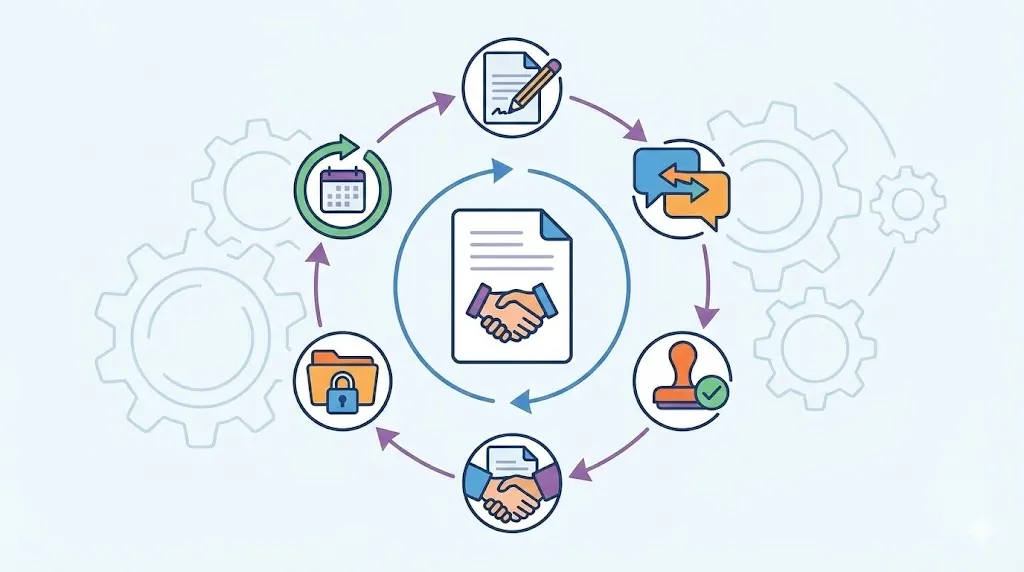
Contract lifecycle management (CLM) software substantially reduces risks associated with procurement contracts. Additionally, it consolidates contract storage, automates notifications, and uses AI to identify potentially problematic clauses. Here’s how CLM software helps:
Automates contract review by flagging unusual or missing clauses before signing.
Tracks obligations, deadlines, and renewals with automatic reminders.
Stores all contracts in a secure, searchable repository accessible to stakeholders.
Supports tiered approval workflows that accelerate straightforward contracts while directing legal scrutiny toward more complex ones.
Provides dashboards and analytics to monitor risk exposure and supplier performance.
Managing complex contract portfolios without software is like flying blind. Moreover, cLM tools equip procurement teams with essential oversight and control to prevent costly errors.
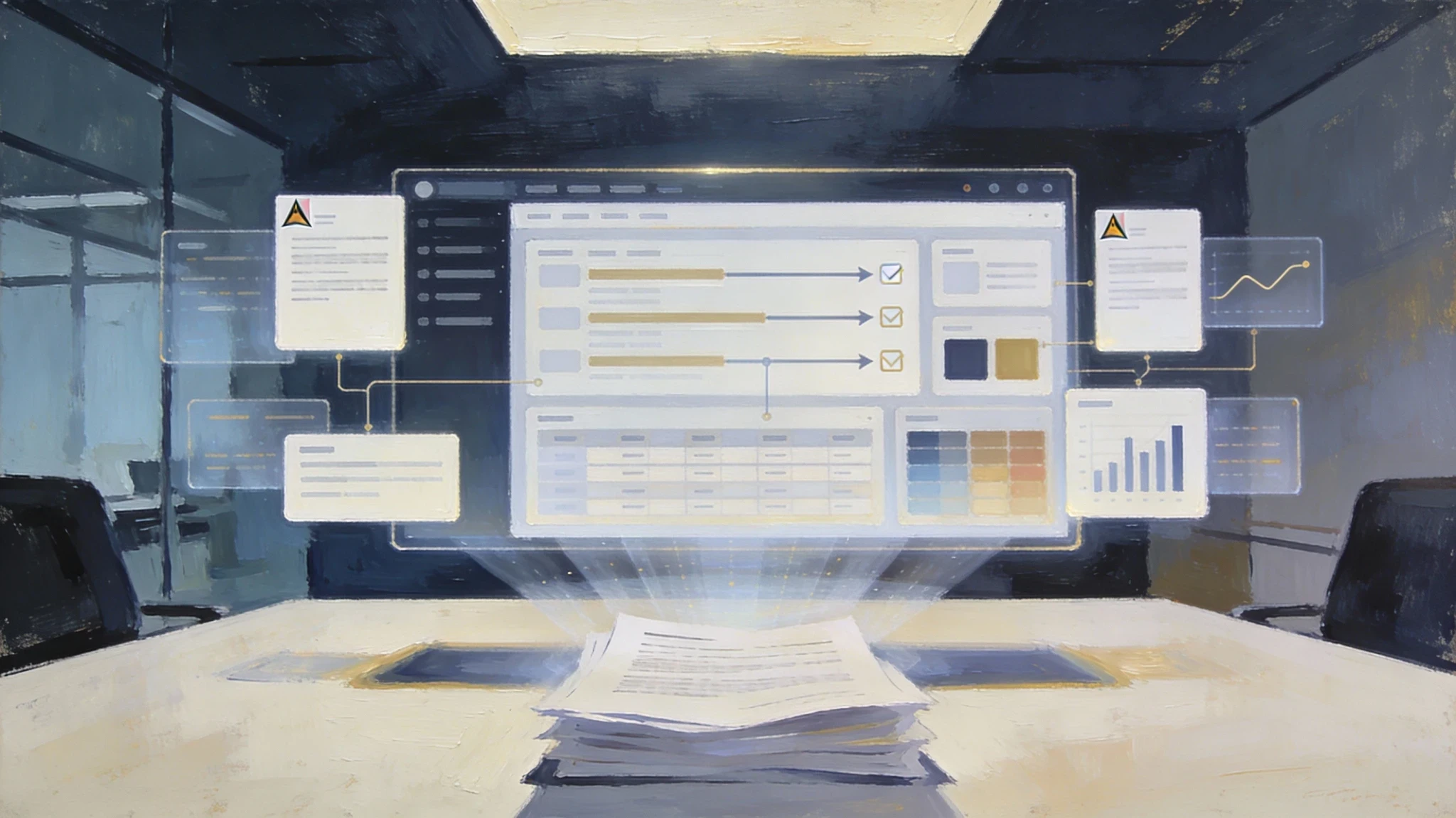
Managing complex legal workflows requires a centralized and intelligent solution. Volody integrates AI-enhanced contract drafting, review, obligation tracking, and automated alerts within its CLM platform. This integration enables procurement teams to detect risks at an early stage and oversee contracts with greater precision.
Interested in exploring how contract management technology can streamline your legal processes? Discover Volody's CLM Software.
FAQ
Furthermore, what are the biggest risks in procurement agreements?
Key risks encompass vague provisions, unchecked price escalations, absence of penalties for supplier nonperformance, undisclosed obligations, and inadequate compliance requirements. These factors can lead to financial losses, legal liabilities, or operational interruptions.
How can procurement teams identify contract risks before signing?
Teams should prioritize scrutiny of critical clauses such as liability limits, termination conditions, and pricing structures. Employing tiered reviews and standardized checklists ensures focus on contracts necessitating comprehensive legal examination.
Also, why is ambiguous contract language dangerous?
Ambiguous clauses open the door to divergent interpretations, often resulting in disputes or unmet expectations. Employing precise, quantifiable language diminishes the potential for misunderstandings and legal contention.
What role does contract management software play in risk reduction?
CLM platforms automate the identification of risk factors, provide continuous obligation oversight, and centralize contract information. These capabilities enhance transparency and expedite review cycles, thereby minimizing errors and overlooked deadlines.
Therefore, how can companies avoid budget overruns from procurement contracts?
Incorporating price ceilings, explicit indexation mechanisms, and meticulous examination of pricing clauses is essential. Automated alerts for pricing adjustments support proactive cost monitoring.
Therefore, what happens if a supplier fails to meet performance standards?
In the absence of penalty clauses or cure periods, companies may face limited remedies. Contracts should explicitly provide for corrective measures to safeguard business interests.
What approaches help manage renewal risks?
Consequently, set up automated alerts for renewal deadlines as well as termination notice periods. Review auto-renewal provisions thoroughly to avoid unintended contract extensions.
What compliance risks do procurement contracts pose?
Contracts must obligate suppliers to comply with regulations such as data protection and anti-bribery statutes. Supplier noncompliance can expose the company to regulatory penalties and reputational harm.
Why is tracking contract obligations important after signing?
Most risks surface post-signature when teams lose visibility. Tracking obligations ensures deadlines and deliverables are met, avoiding penalties or service gaps.
How do tiered contract reviews improve risk management?
They allocate resources efficiently by fast-tracking routine contracts and concentrating legal efforts on complex, high-value agreements. This approach balances efficiency with effective risk mitigation.
About the Company
Volody AI CLM is an Agentic AI-powered Contract Lifecycle Management platform designed to eliminate manual contracting tasks, automate complex workflows, and deliver actionable insights. As a one-stop shop for all contract activities, it covers drafting, collaboration, negotiation, approvals, e-signature, compliance tracking, and renewals. Built with enterprise-grade security and no-code configuration, it meets the needs of the most complex global organizations. Volody AI CLM also includes AI-driven contract review and risk analysis, helping teams detect issues early and optimize terms. Trusted by Fortune 500 companies, high-growth startups, and government entities, it transforms contracts into strategic, data-driven business assets.



" height="216.72211px" id="FYO0bO80Y" transform="translate(3 6.105)" width="206.073px"/><path d="M 108.174 222 C 88.432 222 70.303 217.239 53.785 207.717 C 37.267 198.196 24.173 185.052 14.504 168.285 C 4.835 151.312 0 132.165 0 110.845 C 0 89.731 4.835 70.792 14.504 54.025 C 24.173 37.052 37.267 23.804 53.785 14.282 C 70.303 4.761 88.432 0 108.174 0 C 128.116 0 146.246 4.761 162.562 14.282 C 179.08 23.804 192.073 37.052 201.541 54.025 C 211.21 70.792 216.044 89.731 216.044 110.845 C 216.044 132.165 211.21 151.312 201.541 168.285 C 192.073 185.052 179.08 198.196 162.562 207.717 C 146.044 217.239 127.915 222 108.174 222 Z M 108.174 183.189 C 120.864 183.189 132.044 180.291 141.713 174.495 C 151.382 168.492 158.936 160.006 164.375 149.035 C 169.814 138.064 172.533 125.334 172.533 110.845 C 172.533 96.355 169.814 83.729 164.375 72.965 C 158.936 61.994 151.382 53.611 141.713 47.815 C 132.044 42.02 120.864 39.122 108.174 39.122 C 95.483 39.122 84.202 42.02 74.332 47.815 C 64.663 53.611 57.109 61.994 51.67 72.965 C 46.231 83.729 43.511 96.355 43.511 110.845 C 43.511 125.334 46.231 138.064 51.67 149.035 C 57.109 160.006 64.663 168.492 74.332 174.495 C 84.202 180.291 95.483 183.189 108.174 183.189 Z" fill="rgba(255, 255, 255, 0.12)" height="222px" id="aa1McFcE9" transform="translate(227.183 3)" width="216.04399999999998px"/><path d="M 42.302 182.257 L 111.799 182.257 L 111.799 216.722 L 0 216.722 L 0 0 L 42.302 0 Z" fill="rgba(255, 255, 255, 0.12)" height="216.72211px" id="yRq4AnrsX" transform="translate(477.721 6.105)" width="111.79899999999998px"/><path d="M 108.174 222 C 88.432 222 70.303 217.239 53.785 207.717 C 37.267 198.196 24.173 185.052 14.504 168.285 C 4.835 151.312 0 132.165 0 110.845 C 0 89.731 4.835 70.792 14.504 54.025 C 24.173 37.052 37.267 23.804 53.785 14.282 C 70.303 4.761 88.432 0 108.174 0 C 128.116 0 146.246 4.761 162.562 14.282 C 179.08 23.804 192.073 37.052 201.541 54.025 C 211.21 70.792 216.045 89.731 216.045 110.845 C 216.045 132.165 211.21 151.312 201.541 168.285 C 192.073 185.052 179.08 198.196 162.562 207.717 C 146.044 217.239 127.915 222 108.174 222 Z M 108.174 183.189 C 120.864 183.189 132.044 180.291 141.713 174.495 C 151.382 168.492 158.936 160.006 164.375 149.035 C 169.814 138.064 172.534 125.334 172.534 110.845 C 172.534 96.355 169.814 83.729 164.375 72.965 C 158.936 61.994 151.382 53.611 141.713 47.815 C 132.044 42.02 120.864 39.122 108.174 39.122 C 95.483 39.122 84.202 42.02 74.332 47.815 C 64.663 53.611 57.108 61.994 51.67 72.965 C 46.231 83.729 43.511 96.355 43.511 110.845 C 43.511 125.334 46.231 138.064 51.67 149.035 C 57.108 160.006 64.663 168.492 74.332 174.495 C 84.202 180.291 95.483 183.189 108.174 183.189 Z" fill="rgba(255, 255, 255, 0.12)" height="222px" id="mo8HQspQ0" transform="translate(609.155 3)" width="216.04500000000007px"/><path d="M 73.727 0 C 95.885 0 115.324 4.45 132.044 13.351 C 148.967 22.252 161.957 34.982 171.027 51.541 C 180.287 67.894 184.917 86.937 184.917 108.671 C 184.917 130.405 180.287 149.449 171.027 165.801 C 161.957 181.947 148.967 194.47 132.044 203.371 C 115.324 212.271 95.885 216.722 73.727 216.722 L 0 216.722 L 0 0 Z M 72.216 179.773 C 94.374 179.773 111.497 173.564 123.583 161.144 C 135.669 148.724 141.713 131.233 141.713 108.671 C 141.713 86.109 135.669 68.515 123.583 55.888 C 111.497 43.055 94.374 36.638 72.216 36.638 L 42.302 36.638 L 42.302 179.773 Z" fill="rgba(255, 255, 255, 0.12)" height="216.72211px" id="I3iXX5Hi_" transform="translate(859.693 6.105)" width="184.91699999999992px"/><path d="M 185.22 0 L 113.91 141.273 L 113.91 216.722 L 71.61 216.722 L 71.61 141.273 L 0 0 L 47.74 0 L 93.06 99.046 L 138.08 0 Z" fill="rgba(255, 255, 255, 0.12)" height="216.72211px" id="nzHyWC0_d" transform="translate(1061.78 6.105)" width="185.22000000000003px"/></svg>)