

Retail companies face a tough challenge today. Inflation is pushing prices higher than they have been in decades. At the same time, many employees are quitting their jobs, creating gaps in knowledge and workflow. This combination is causing serious confusion around contracts. Retailers struggle to manage supplier agreements, adjust pricing, and keep operations running smoothly. Without clear contract oversight, businesses risk losing money and damaging supplier relationships.
TL;DR
Inflation is driving up costs, squeezing retail profit margins across the supply chain.
When employees resign, organizations lose vital contract knowledge, which disrupts established management workflows.
Numerous agreements incorporate pricing clauses linked to commodity fluctuations, yet effectively tracking these adjustments remains a complex task.
The efficacy of manual contract oversight diminishes significantly amid unpredictable market trends and evolving workforce structures.
Centralized contract repositories offered by digital management solutions streamline the oversight of contractual provisions and improve operational control.
AI-powered contract platforms equip retail teams to detect pricing adjustments swiftly and reduce the risks tied to such changes.
Why Inflation Hits Retail Contracts Hard
Retail operates on thin profit margins. Additionally, inflationary pressures trigger increases across all expense categories, ranging from raw materials to logistics. According to the U.S. Bureau of Labor Statistics, inflation reached levels not seen since the early 1980s. This surge affects everything retailers buy and sell. Packaging expenditures can escalate by as much as 15% within just a few months. Costs associated with transportation tend to rise at an even more accelerated pace, primarily driven by surging fuel prices.
Retailers often negotiate contracts with suppliers that include commodity-based pricing clauses. These provisions permit adjustments in pricing when fluctuations in raw material costs are substantial. For example, a contract may specify that if steel costs exceed a 5% increase, the supplier is entitled to raise charges for shelving units proportionally. This system aims to keep pricing fair for both sides despite market swings.
However, inflation today is widespread and persistent. It impacts multiple commodities simultaneously, making it harder for retailers to track which contracts qualify for price changes. The ripple effect means operational costs rise across the board, squeezing margins and forcing retailers to revisit supplier agreements more often than usual.
Related articles: How Machine Learning Transforms Contract Management Today
How Employee Turnover Worsens Contract Chaos
The retail sector is also facing a wave of employee resignations, often called the "Great Resignation." Many experienced contract managers, category managers, and procurement specialists are leaving. When they go, they take valuable contract knowledge with them.
Often, critical contract details live in people’s heads or personal files rather than centralized systems. For example, a category manager might remember which contracts include price adjustment clauses and when to trigger them. If that person leaves without proper handover, the company loses this insight.
Finding contracts is another problem. Some agreements remain buried in email inboxes, shared drives, or even physical filing cabinets. The pandemic made this worse by shifting many teams to remote work, scattering documents across various locations. Without a clear contract repository, teams waste time hunting for agreements and risk missing important deadlines or price changes.
This loss of institutional knowledge and poor document management creates a perfect storm. Retailers struggle to enforce contract terms, leading to missed opportunities for price renegotiation or avoiding overpayments.
Related articles: KPIs for Successful Contract Management
The Limits of Manual Contract Tracking
Many retail companies still rely on manual processes to monitor contracts. Additionally, this approach involves spreadsheets, emails, and calendar reminders. While this may have worked in stable times, it falls short during inflation spikes and staff turnover.
Manual tracking is slow and error-prone. Managers are required to individually examine every contract, verify commodity price fluctuations, and perform the necessary adjustment calculations. As the number of agreements grows into the dozens or hundreds, the workload escalates beyond practical limits.
The complexity is compounded by the diverse nature of contractual terms. Some agreements permit price adjustments based on monthly commodity averages, while others tie these adjustments to quarterly indexes. Additionally, certain contracts mandate formal renegotiation meetings, contrasting with those that incorporate automatic price updates. Keeping track of these variations manually is nearly impossible.
Without automation, companies risk missing price adjustments that could save money. They may also fail to enforce contract terms properly, exposing themselves to supplier disputes or financial losses.
Related articles: The Contract Obligation Tracking Playbook
What Retail Needs: Centralized Contract Visibility
Retailers require a solution that consolidates all contracts into a unified system. Additionally, a centralized contract repository serves as an authoritative source, ensuring data integrity and consistency. This setup facilitates efficient contract retrieval, thorough review, and streamlined management.
Centralization also supports better collaboration. Legal, procurement, finance, and category teams can access the same contracts and share insights. This reduces reliance on individual employees and protects knowledge when people leave.
A good contract repository includes powerful search tools. Users can search by keywords, contract clauses, dates, or supplier names. This helps managers quickly locate contracts with price adjustment clauses or other relevant terms.
Centralized storage also enables better compliance. Companies can track renewal dates, notice periods, and obligations to avoid missed deadlines or penalties.
Related articles: The Contract Visibility Crisis in Legal Teams
How Contract Management Software Helps Retailers
Contract management solutions automate and streamline many contract-related tasks. Additionally, contracts are also digitized and securely archived in the cloud, which prevents the fragmentation of files and the risk of misplaced documents.
Modern contract management systems use artificial intelligence (AI) to analyze contract text. AI can identify key clauses like commodity price adjustments, renewal terms, and payment conditions. This reduces manual review time and highlights important contract elements.
Integration capabilities in some platforms extend to external data sources such as commodity price indexes and market feeds. These tools actively track price variations and alert managers whenever contract provisions allow for adjustments. This enables retailers to act swiftly by modifying costs or renegotiating terms.
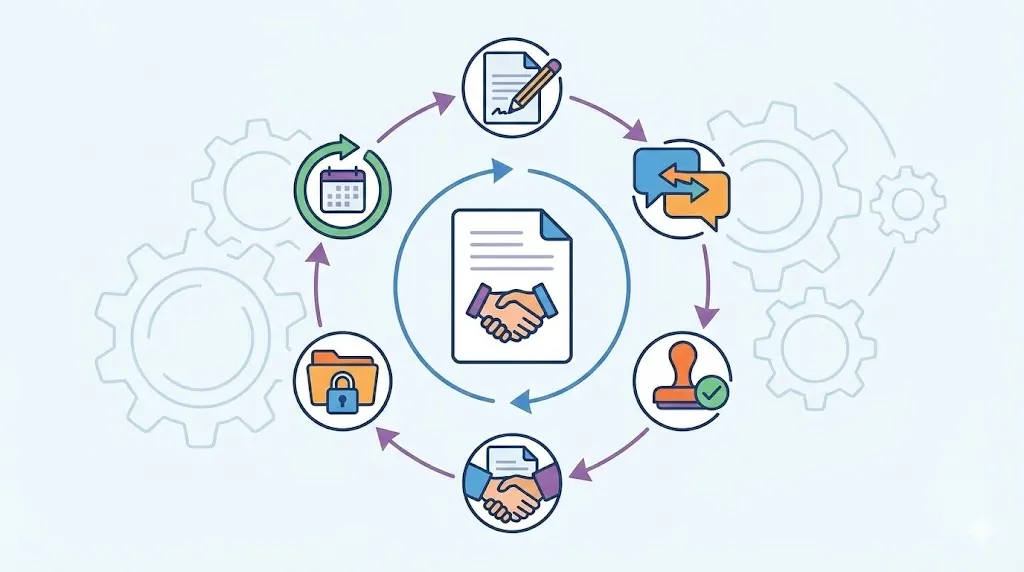
Lifecycle tracking within these tools encompasses approvals, version control, and electronic signatures, accelerating contract creation and execution to minimize delays.
By capturing all contract data digitally, companies preserve institutional knowledge. New employees can access the same information without relying on predecessors. This continuity improves operational resilience amid staff turnover.
Related Article: The Contract Visibility Crisis: Causes and Solutions
Real-World Example: Managing Coffee Supply Contracts
Consider a retail coffee brand that sources beans from multiple suppliers. Additionally, their contracts contain clauses permitting price adjustments when global coffee prices fluctuate by more than 5% within a month.
Before inflation surged, category managers manually tracked coffee prices and checked contracts quarterly. During inflation spikes, prices changed weekly, making manual tracking impossible.
After adopting contract management software, the company digitized all supplier contracts. AI tools flagged the price adjustment clauses and linked them to real-time coffee market data.
The system sent alerts whenever coffee prices moved beyond contract thresholds. Managers reviewed alerts, triggered renegotiations, and updated purchase orders accordingly.
This approach saved the company thousands of dollars by ensuring pricing reflected current market conditions. It also reduced disputes with suppliers and improved supply chain transparency.
Related articles: CLM Software for Retail Industry: Maximizing Potential
Why Retailers Must Act Now
Inflation and employee turnover continue to challenge the retail sector, proving to be persistent rather than temporary concerns. Inflation may stabilize, yet the persistence of price volatility is expected. Staff turnover remains high across many industries, including retail.
Retailers that fail to modernize contract management risk losing control over supplier agreements. They may miss price adjustment opportunities or fail to enforce contract terms. This leads to higher costs and weaker supplier relationships.
Investing in contract management technology bolsters operational resilience across multiple dimensions. It protects institutional knowledge and automates complex tasks. It also helps retailers respond quickly to market changes and maintain profitability.
According to a recent PwC survey, nearly half of companies plan to change processes to reduce dependence on individual knowledge. Contract management is a key area for improvement.
Related articles: Cut Contract Cycle Time: Proven Steps to Speed Up Deals
How CLM Software Solves This
Contract Lifecycle Management (CLM) software serves as a centralized repository while automating the complexities of contract administration. Additionally, retail teams benefit from faster contract retrieval and enhanced comprehension of critical terms.
AI-powered CLM tools scan contracts to identify clauses related to inflation, price adjustments, and renewals. They can link contract terms to external market data, providing real-time alerts when price changes qualify for adjustments.
CLM software tracks contract milestones and obligations, sending reminders to avoid missed deadlines. Collaboration is facilitated across departments to maintain alignment and transparency.
By digitizing contract data, CLM software safeguards institutional knowledge, reducing the risks posed by employee turnover. Consequently, new team members gain immediate access to comprehensive contract histories alongside crucial details.
Volody delivers contract management software equipped with AI-driven contract drafting, clause recommendations, and metadata extraction capabilities. Its platform supports approval workflows, electronic signatures, and advanced search functionalities. These features help retail companies manage contracts efficiently and reduce risk.
See how Volody's CLM Software helps your team move contracts forward with confidence.
FAQ
How does inflation affect retail contracts?
Additionally, inflation drives up prices for goods and services, which in turn affects supplier pricing structures. Contracts that include price adjustment mechanisms enable retailers to revise prices in response to fluctuations in commodity expenses, thereby safeguarding profit margins.
Why is employee turnover problematic in managing contracts?
When experienced staff leave, they take valuable contract knowledge with them. If contracts are not stored centrally, companies lose insight into key terms and deadlines, increasing risk.
What are commodity-based pricing clauses?
These provisions permit price modifications when raw material expenses exceed predefined limits. Moreover, they also allocate risk equitably between suppliers and buyers in unpredictable market conditions.
Can manual contract tracking handle inflation-related changes?
Manual tracking is slow and error-prone, especially when prices fluctuate rapidly. It is hard to monitor many contracts with unique terms without automation.
How does contract management software improve oversight?
By centralizing contract repositories, employing AI to extract critical clauses, and linking contractual terms to real-time market indices, such solutions provide timely alerts and support informed decision-making.
What key features should retail companies prioritize in contract software?
Furthermore, look for AI clause identification, metadata extraction, integration with market data, approval workflows, electronic signatures, and advanced search.
How does centralizing contracts help during staff turnover?
It stores all contract knowledge in one place, reducing dependence on individual employees. Access to contract details and historical data is immediately available to new personnel.
Is implementing contract management technology costly?
Pricing models differ widely, but many providers offer scalable options. The cost savings from preventing missed price revisions and legal disputes generally justify the investment.
Also, can contract software integrate with other retail systems?
Yes, many platforms connect with ERP, procurement, and finance systems to streamline workflows and data sharing.
What are the risks of ignoring contract chaos in retail?
Ignoring contract disorder can lead to overpayments, missed renegotiation windows, supplier disputes, and weakened partnerships, all negatively impacting profitability.
This article explores how inflation combined with significant employee turnover generates contract disarray within the retail sector. It examines the shortcomings of manual contract management and illustrates the advantages provided by advanced digital CLM solutions. Retailers leveraging sophisticated contract platforms achieve enhanced visibility, mitigate risks, and preserve profitability amid volatile market dynamics.
About the Company

Volody AI CLM is an Agentic AI-powered Contract Lifecycle Management platform designed to eliminate manual contracting tasks, automate complex workflows, and deliver actionable insights. As a one-stop shop for all contract activities, it covers drafting, collaboration, negotiation, approvals, e-signature, compliance tracking, and renewals. Built with enterprise-grade security and no-code configuration, it meets the needs of the most complex global organizations. Volody AI CLM also includes AI-driven contract review and risk analysis, helping teams detect issues early and optimize terms. Trusted by Fortune 500 companies, high-growth startups, and government entities, it transforms contracts into strategic, data-driven business assets.





" height="216.72211px" id="FYO0bO80Y" transform="translate(3 6.105)" width="206.073px"/><path d="M 108.174 222 C 88.432 222 70.303 217.239 53.785 207.717 C 37.267 198.196 24.173 185.052 14.504 168.285 C 4.835 151.312 0 132.165 0 110.845 C 0 89.731 4.835 70.792 14.504 54.025 C 24.173 37.052 37.267 23.804 53.785 14.282 C 70.303 4.761 88.432 0 108.174 0 C 128.116 0 146.246 4.761 162.562 14.282 C 179.08 23.804 192.073 37.052 201.541 54.025 C 211.21 70.792 216.044 89.731 216.044 110.845 C 216.044 132.165 211.21 151.312 201.541 168.285 C 192.073 185.052 179.08 198.196 162.562 207.717 C 146.044 217.239 127.915 222 108.174 222 Z M 108.174 183.189 C 120.864 183.189 132.044 180.291 141.713 174.495 C 151.382 168.492 158.936 160.006 164.375 149.035 C 169.814 138.064 172.533 125.334 172.533 110.845 C 172.533 96.355 169.814 83.729 164.375 72.965 C 158.936 61.994 151.382 53.611 141.713 47.815 C 132.044 42.02 120.864 39.122 108.174 39.122 C 95.483 39.122 84.202 42.02 74.332 47.815 C 64.663 53.611 57.109 61.994 51.67 72.965 C 46.231 83.729 43.511 96.355 43.511 110.845 C 43.511 125.334 46.231 138.064 51.67 149.035 C 57.109 160.006 64.663 168.492 74.332 174.495 C 84.202 180.291 95.483 183.189 108.174 183.189 Z" fill="rgba(255, 255, 255, 0.12)" height="222px" id="aa1McFcE9" transform="translate(227.183 3)" width="216.04399999999998px"/><path d="M 42.302 182.257 L 111.799 182.257 L 111.799 216.722 L 0 216.722 L 0 0 L 42.302 0 Z" fill="rgba(255, 255, 255, 0.12)" height="216.72211px" id="yRq4AnrsX" transform="translate(477.721 6.105)" width="111.79899999999998px"/><path d="M 108.174 222 C 88.432 222 70.303 217.239 53.785 207.717 C 37.267 198.196 24.173 185.052 14.504 168.285 C 4.835 151.312 0 132.165 0 110.845 C 0 89.731 4.835 70.792 14.504 54.025 C 24.173 37.052 37.267 23.804 53.785 14.282 C 70.303 4.761 88.432 0 108.174 0 C 128.116 0 146.246 4.761 162.562 14.282 C 179.08 23.804 192.073 37.052 201.541 54.025 C 211.21 70.792 216.045 89.731 216.045 110.845 C 216.045 132.165 211.21 151.312 201.541 168.285 C 192.073 185.052 179.08 198.196 162.562 207.717 C 146.044 217.239 127.915 222 108.174 222 Z M 108.174 183.189 C 120.864 183.189 132.044 180.291 141.713 174.495 C 151.382 168.492 158.936 160.006 164.375 149.035 C 169.814 138.064 172.534 125.334 172.534 110.845 C 172.534 96.355 169.814 83.729 164.375 72.965 C 158.936 61.994 151.382 53.611 141.713 47.815 C 132.044 42.02 120.864 39.122 108.174 39.122 C 95.483 39.122 84.202 42.02 74.332 47.815 C 64.663 53.611 57.108 61.994 51.67 72.965 C 46.231 83.729 43.511 96.355 43.511 110.845 C 43.511 125.334 46.231 138.064 51.67 149.035 C 57.108 160.006 64.663 168.492 74.332 174.495 C 84.202 180.291 95.483 183.189 108.174 183.189 Z" fill="rgba(255, 255, 255, 0.12)" height="222px" id="mo8HQspQ0" transform="translate(609.155 3)" width="216.04500000000007px"/><path d="M 73.727 0 C 95.885 0 115.324 4.45 132.044 13.351 C 148.967 22.252 161.957 34.982 171.027 51.541 C 180.287 67.894 184.917 86.937 184.917 108.671 C 184.917 130.405 180.287 149.449 171.027 165.801 C 161.957 181.947 148.967 194.47 132.044 203.371 C 115.324 212.271 95.885 216.722 73.727 216.722 L 0 216.722 L 0 0 Z M 72.216 179.773 C 94.374 179.773 111.497 173.564 123.583 161.144 C 135.669 148.724 141.713 131.233 141.713 108.671 C 141.713 86.109 135.669 68.515 123.583 55.888 C 111.497 43.055 94.374 36.638 72.216 36.638 L 42.302 36.638 L 42.302 179.773 Z" fill="rgba(255, 255, 255, 0.12)" height="216.72211px" id="I3iXX5Hi_" transform="translate(859.693 6.105)" width="184.91699999999992px"/><path d="M 185.22 0 L 113.91 141.273 L 113.91 216.722 L 71.61 216.722 L 71.61 141.273 L 0 0 L 47.74 0 L 93.06 99.046 L 138.08 0 Z" fill="rgba(255, 255, 255, 0.12)" height="216.72211px" id="nzHyWC0_d" transform="translate(1061.78 6.105)" width="185.22000000000003px"/></svg>)