

Contracts are the backbone of business deals. Yet many legal teams face a surprising problem: they cannot find or understand the contracts they manage. This lack of insight creates risks and slows down decisions. Imagine a legal department trying to answer a simple question about a contract clause but spending hours searching through scattered files. This is the reality behind the contract visibility crisis. It impacts legal teams and the entire company.
TL;DR
Contracts are frequently dispersed across multiple platforms within legal departments, complicating efforts to retrieve and analyze them effectively.
Additionally, insufficient visibility into contract details results in overlooked commitments, unintended renewals, and increased exposure to financial liabilities.
Lawyers spend nearly 40% of their time on contract management tasks that are administrative in nature, detracting from their capacity to provide legal advice.
When contract portfolios lack transparency, organizations frequently encounter inefficiencies such as costly errors, delays in processing, and disputes that strain resources.
By adopting contract lifecycle management systems, legal teams can unify and organize contract data, thereby improving their ability to monitor obligations and risks.
The integration of sophisticated technologies allows legal professionals to move beyond reactive troubleshooting and engage more strategically with business objectives.
Related Article: The Contract Visibility Crisis: Causes and Solutions
Why Can’t Legal Teams Find Their Contracts?
Many legal departments know where contracts live but struggle to locate the right one quickly. Additionally, companies typically store contracts across more than 20 distinct locations. These locations range from shared drives and email inboxes to cloud storage and a variety of internal systems. Such widespread dispersion forms a complex network that only a handful of team members can effectively manage.
When contracts are scattered, new hires face a steep learning curve. They depend extensively on colleagues’ recollections to retrieve documents. This reliance on institutional knowledge hampers onboarding efficiency and elevates the risk of mistakes. Moreover, without a systematic filing protocol, contracts frequently become lost or mislabeled. Versions multiply with names like “final_final_v2” or “approved copy,” causing confusion about which is the true master document.
This problem extends beyond storage. Legal teams often cannot answer basic questions about contract terms without reading through pages or even entire files. They lack tools to search contract content or extract key data points like renewal dates, payment terms, or obligations. This gap leaves legal teams blind to critical information buried in their agreements.
Related articles: How Legal and Finance Can Collaborate Better on Contracts
What Are the Business Risks of Poor Contract Visibility?
When legal teams cannot see inside their contracts, the whole company feels the impact. Additionally, contracts encompass obligations, deadlines, and pricing details that influence multiple departments. If these terms are missed, it can lead to financial losses, compliance failures, and damaged relationships.
Auto-renewal clauses frequently take companies by surprise. Without visibility, legal or procurement teams risk overlooking cancellation deadlines. The consequence is often unwanted contract extensions accompanied by unforeseen costs. Similarly, hidden obligations like service level agreements or penalty clauses can cause disputes if not tracked properly.
According to Gartner, lawyers dedicate between 25% and 40% of their work hours to administrative tasks involved in contract management. Moreover, this includes finding contracts, organizing files, and manually reviewing terms. These operational demands consume significant time, detracting from their capacity to provide strategic counsel or support business growth.
A study by IACCM found a direct link between inadequate contract management and an average 9% decline in annual revenue. This downturn reflects inefficiencies such as cost overruns, invoicing errors, delayed deliveries, and legal disputes that could have been avoided.
Despite the considerable economic implications, a substantial number of organizations have yet to implement a comprehensive contract management framework.
Related articles: Streamlining Contract Summaries for Business Teams
How Does This Affect Legal Team Productivity?
Legal teams often feel stuck in a reactive mode. They wait for business units to ask questions or flag issues instead of proactively managing contracts. This reactive work style wastes time and creates bottlenecks.
Many lawyers report frustration that they “don’t know what we agreed to.” They spend hours hunting for contract details instead of focusing on risk mitigation or negotiation. The administrative burden of managing contracts pulls them away from higher-value work.
This problem also impacts morale. Legal professionals want to contribute more strategically but get bogged down in document chaos. They end up acting like external counsel who only respond to requests, rather than internal advisors who drive business decisions.
The lack of contract insight also slows decision-making across the company. Business leaders often make choices without consulting legal or without full knowledge of contractual risks. This leads to misaligned expectations and costly surprises.
Related articles: Contract Templates Standardization: Simplifying Legal Work
What Are the Challenges in Organizing Contract Data?
Organizing contracts is not just about storing files in one place. Additionally, this involves recognizing the connections between agreements and extracting pertinent data embedded within them.
Many contract management systems treat contracts as isolated documents, ignoring the intricate web of dependencies that often exists.
They frequently fail to account for the importance of versions, amendments, or related agreements.
Naming conventions and folder structures help but are not enough. Manual organization demands constant upkeep and discipline. Without automation, legal teams spend hours renaming files or moving documents to the right folders.
Extracting data from contracts presents a distinct set of difficulties. The language within contracts is often dense and the document formats vary widely. Attempting to manually read and summarize large volumes of contracts is neither efficient nor sustainable.
For example, a customer with strict service level agreements found it nearly impossible to track uptime and support terms before using contract intelligence tools. After implementing automated extraction, they uncovered many unique clauses they had not known about. This visibility enabled better compliance and risk management.
Related articles: What Is Contract Analysis? Key Benefits Uncovered
How Can Contract Management Software Help?
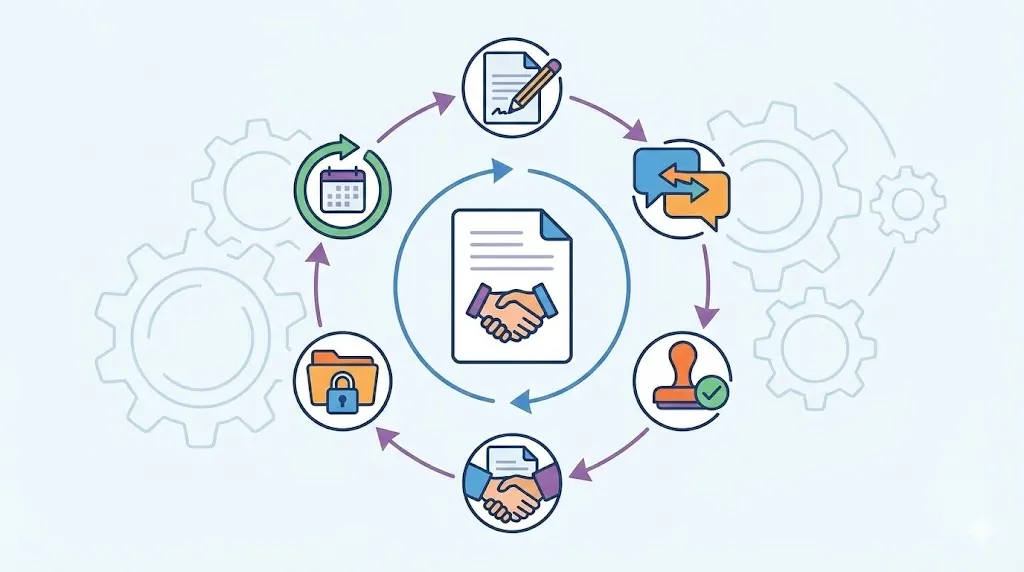
Contract lifecycle management (CLM) software can solve many of these problems by centralizing contracts and making their content accessible. Additionally, a robust CLM system consolidates all contracts within a single secure repository equipped with advanced search capabilities.
CLM tools go beyond storage. They use artificial intelligence to extract metadata and summarize contract terms. This allows legal teams and business users to find answers quickly without reading entire documents.
Version control features track every change and link related contracts. Automated workflows reduce administrative work by routing contracts for review and approval. Alerts notify teams about upcoming renewals and obligations.
With these capabilities, legal teams can shift from firefighting to proactive management. They gain a clear view of all contracts and can act on risks before they become problems.
Related articles: Top Contract Management Tips for Legal Professionals
What Features Matter Most in Contract Management Software?
Not all contract management software is the same. Additionally, legal teams must prioritize features that specifically enhance contract visibility and transparency.
Central Repository: Acts as a secure hub where all contracts are stored and organized through tagging, streamlining access.
Advanced Search: Combines keyword, metadata, and AI-driven semantic queries to swiftly locate specific contracts and clauses.
AI Metadata Extraction: Automates the identification of key data points such as parties involved, critical dates, payment terms, and obligations, eliminating manual entry.
Version Control: Tracks every document revision meticulously while linking related contracts or amendments for comprehensive audit trails.
Obligation Management: Provides detailed tracking of deadlines, milestones, and renewals while ensuring compliance requirements are met proactively.
Alerts and Notifications: Sends timely reminders for critical dates and outstanding approvals to minimize the risk of missed actions.
Workflow Automation: Reduces manual effort in drafting, reviewing, and approving contracts by automating routine procedures to boost productivity.
Collaboration Tools: Support dynamic commenting and editing capabilities that enhance coordination between legal and business stakeholders.
Incorporating these capabilities significantly reduces manual workload and strengthens oversight of contract performance. This allows legal teams to address queries promptly while lowering the chances of missing essential obligations.
Related Articles: Essential Insights on Auto-Renew Contracts
How to Transition Legal Teams from Reactive to Strategic?
Legal teams can move from being bottlenecks to strategic partners by improving contract visibility and management. Achieving this requires integrating cutting-edge technology with a comprehensive redesign of operational processes and fostering a culture that prioritizes strategic alignment across the organization.
Start the process by consolidating all contracts into a unified repository. This eliminates the chaos of multiple storage locations. Following that, deploy sophisticated tools capable of automatically extracting and summarizing critical contract information. This frees lawyers from manual document review.
Empower legal and business teams to leverage contract data as a strategic resource. Instill a routine where they actively track obligations, renewals, and potential risks. Implement dashboards and analytical reports that provide clear visibility into contract status and emerging patterns.
Legal leaders should also redefine their role. Instead of just reacting to requests, they can lead contract strategy, risk management, and compliance efforts. This adds value to the business and improves overall performance.
Related articles: How Sales and Legal Collaboration Achieves Business Success
Why Contract Visibility Is a Company-Wide Issue
Contract visibility is not just a legal problem. Additionally, it also impacts procurement, finance, sales, and operations. Each department relies on contracts to manage relationships, budgets, and deliverables.
When contracts are invisible or unclear, these teams make decisions without full information. This leads to errors, delays, and conflicts. For example, finance might pay invoices late due to unclear payment terms. Without timely contract alerts, sales teams risk overlooking crucial renewal deadlines.
Improving contract visibility delivers value across the organization. It enhances transparency, mitigates risk, and enables more informed decision-making. Legal teams evolve into strategic partners who offer actionable insights across multiple departments.
Related articles: Explore Contract Guidelines vs Playbooks: Choosing the Right Legal for deeper understanding.
How to Overcome Common Barriers to Better Contract Visibility
Organizations frequently encounter significant challenges when attempting to enhance contract visibility. Additionally, among the primary obstacles are entrenched legacy systems, organizational reluctance to adopt new processes, and insufficient allocation of resources.
Legacy systems commonly retain contracts in outdated formats or isolated repositories. Transitioning these contracts into a consolidated, contemporary platform requires meticulous planning and substantial investment of effort. Optical character recognition (OCR) alongside bulk import utilities serve to accelerate this undertaking.
The reluctance to embrace change often stems from established routines and apprehension toward unfamiliar technologies. Legal teams may fear diminished control or an increased workload. Moreover, clear communication regarding anticipated benefits combined with comprehensive training programs significantly facilitates the transition.
Resource limitations and budget constraints often present significant hindrances to progress. Prioritize features that deliver the most value, such as search and metadata extraction. Consider phased implementation to spread costs over time.
Leadership support is critical. Executives must recognize the cost of poor contract visibility and back initiatives to fix it.
Related articles: Streamlining Contract Creation for High-Performing Teams
How CLM Software Solves This
Contract lifecycle management platforms centralize contract information, providing seamless access to all relevant documents. Additionally, it also creates a single repository where legal teams can efficiently locate and analyze each agreement.
Modern CLM platforms leverage artificial intelligence to identify and extract critical contract data without manual input. By minimizing manual reviews, this technology accelerates the overall contract evaluation process. Combining version control with relationship mapping uncovers interdependencies and tracks contractual changes over time.
Automated workflows reduce administrative overhead by orchestrating contract approvals and signatures. Obligation management capabilities monitor key deadlines and renewal dates to mitigate the risk of missed liabilities.
Some platforms integrate with Microsoft Word, allowing lawyers to draft and edit contracts in familiar tools. Collaboration features enable legal and business teams to work together smoothly.
For example, Volody’s CLM system integrates AI-driven contract drafting, review, and metadata extraction functionalities. Moreover, it offers obligation tracking, alert systems, and dashboards designed to maintain legal team responsiveness. Additionally, bulk import and OCR features facilitate rapid digitization of legacy agreements. Role-based access controls secure sensitive data while supporting enterprise-wide deployment.
> Want to explore how managing contracts digitally can streamline your legal workflows? Check out Volody's CLM Software.
FAQ
Why do legal teams struggle to find contracts?
Legal teams often store contracts across many systems like shared drives, email, and cloud storage. This fragmentation makes it hard to locate the right contract quickly. Furthermore, without centralized storage and consistent naming conventions, contracts get lost or mislabeled, causing confusion and delays.
What risks arise from poor contract visibility?
Insufficient contract visibility often results in unintended auto-renewals, missed deadlines, and unfulfilled obligations. These issues can cause significant financial losses, regulatory non-compliance, and disputes. Furthermore, it impedes timely decision-making and may harm business relationships.
How much time do lawyers spend on contract management tasks?
According to Gartner, lawyers spend between 25 and 40 percent of their time managing contracts. This includes finding, organizing, and reviewing documents. Also, this administrative burden reduces time for strategic legal work.
Can contract management software improve legal team productivity?
Yes. CLM software centralizes contract storage, automates extraction of contract data, and coordinates workflow processes. These efficiencies reduce manual labor and enable lawyers to concentrate on providing legal counsel. Additionally, contract review and approval cycles are shortened.
What features should legal teams look for in CLM software?
Key features include a central repository, advanced search, AI metadata extraction, version control, obligation management, alerts, workflow automation, and collaboration tools. These help improve contract visibility and reduce administrative work.
Therefore, how does contract visibility affect other departments?
Therefore, departments like finance, procurement, and sales rely on contracts for budgets, payments, and renewals. Poor visibility leads to errors, delays, and missed opportunities. Improving contract insight benefits the entire organization.
What challenges do companies face when improving contract visibility?
Challenges include legacy systems, resistance to change, and limited resources. Migrating contracts and training teams require effort. Leadership support and phased implementation help overcome these barriers.
Consequently, how does AI help with contract management?
AI-powered tools can extract key terms, provide contract summaries, and highlight risks automatically. These capabilities accelerate review cycles and minimize errors. AI also enhances search functionality and obligation tracking.
Can legal teams become more strategic with better contract visibility?
Yes. With clear contract data, legal professionals are empowered to manage risks proactively, monitor renewals, and provide informed guidance to business units. This elevates their role beyond reactive responders to become trusted strategic advisors.
What is the first step to solving the contract visibility crisis?
Consolidating all contracts into a unified, searchable platform lays the essential groundwork. This foundation supports granular data extraction and the automation of contract management processes. Subsequently, organizations can advance towards comprehensive contract governance.
About the Company

Volody AI CLM is an Agentic AI-powered Contract Lifecycle Management platform designed to eliminate manual contracting tasks, automate complex workflows, and deliver actionable insights. As a one-stop shop for all contract activities, it covers drafting, collaboration, negotiation, approvals, e-signature, compliance tracking, and renewals. Built with enterprise-grade security and no-code configuration, it meets the needs of the most complex global organizations. Volody AI CLM also includes AI-driven contract review and risk analysis, helping teams detect issues early and optimize terms. Trusted by Fortune 500 companies, high-growth startups, and government entities, it transforms contracts into strategic, data-driven business assets.





" height="216.72211px" id="FYO0bO80Y" transform="translate(3 6.105)" width="206.073px"/><path d="M 108.174 222 C 88.432 222 70.303 217.239 53.785 207.717 C 37.267 198.196 24.173 185.052 14.504 168.285 C 4.835 151.312 0 132.165 0 110.845 C 0 89.731 4.835 70.792 14.504 54.025 C 24.173 37.052 37.267 23.804 53.785 14.282 C 70.303 4.761 88.432 0 108.174 0 C 128.116 0 146.246 4.761 162.562 14.282 C 179.08 23.804 192.073 37.052 201.541 54.025 C 211.21 70.792 216.044 89.731 216.044 110.845 C 216.044 132.165 211.21 151.312 201.541 168.285 C 192.073 185.052 179.08 198.196 162.562 207.717 C 146.044 217.239 127.915 222 108.174 222 Z M 108.174 183.189 C 120.864 183.189 132.044 180.291 141.713 174.495 C 151.382 168.492 158.936 160.006 164.375 149.035 C 169.814 138.064 172.533 125.334 172.533 110.845 C 172.533 96.355 169.814 83.729 164.375 72.965 C 158.936 61.994 151.382 53.611 141.713 47.815 C 132.044 42.02 120.864 39.122 108.174 39.122 C 95.483 39.122 84.202 42.02 74.332 47.815 C 64.663 53.611 57.109 61.994 51.67 72.965 C 46.231 83.729 43.511 96.355 43.511 110.845 C 43.511 125.334 46.231 138.064 51.67 149.035 C 57.109 160.006 64.663 168.492 74.332 174.495 C 84.202 180.291 95.483 183.189 108.174 183.189 Z" fill="rgba(255, 255, 255, 0.12)" height="222px" id="aa1McFcE9" transform="translate(227.183 3)" width="216.04399999999998px"/><path d="M 42.302 182.257 L 111.799 182.257 L 111.799 216.722 L 0 216.722 L 0 0 L 42.302 0 Z" fill="rgba(255, 255, 255, 0.12)" height="216.72211px" id="yRq4AnrsX" transform="translate(477.721 6.105)" width="111.79899999999998px"/><path d="M 108.174 222 C 88.432 222 70.303 217.239 53.785 207.717 C 37.267 198.196 24.173 185.052 14.504 168.285 C 4.835 151.312 0 132.165 0 110.845 C 0 89.731 4.835 70.792 14.504 54.025 C 24.173 37.052 37.267 23.804 53.785 14.282 C 70.303 4.761 88.432 0 108.174 0 C 128.116 0 146.246 4.761 162.562 14.282 C 179.08 23.804 192.073 37.052 201.541 54.025 C 211.21 70.792 216.045 89.731 216.045 110.845 C 216.045 132.165 211.21 151.312 201.541 168.285 C 192.073 185.052 179.08 198.196 162.562 207.717 C 146.044 217.239 127.915 222 108.174 222 Z M 108.174 183.189 C 120.864 183.189 132.044 180.291 141.713 174.495 C 151.382 168.492 158.936 160.006 164.375 149.035 C 169.814 138.064 172.534 125.334 172.534 110.845 C 172.534 96.355 169.814 83.729 164.375 72.965 C 158.936 61.994 151.382 53.611 141.713 47.815 C 132.044 42.02 120.864 39.122 108.174 39.122 C 95.483 39.122 84.202 42.02 74.332 47.815 C 64.663 53.611 57.108 61.994 51.67 72.965 C 46.231 83.729 43.511 96.355 43.511 110.845 C 43.511 125.334 46.231 138.064 51.67 149.035 C 57.108 160.006 64.663 168.492 74.332 174.495 C 84.202 180.291 95.483 183.189 108.174 183.189 Z" fill="rgba(255, 255, 255, 0.12)" height="222px" id="mo8HQspQ0" transform="translate(609.155 3)" width="216.04500000000007px"/><path d="M 73.727 0 C 95.885 0 115.324 4.45 132.044 13.351 C 148.967 22.252 161.957 34.982 171.027 51.541 C 180.287 67.894 184.917 86.937 184.917 108.671 C 184.917 130.405 180.287 149.449 171.027 165.801 C 161.957 181.947 148.967 194.47 132.044 203.371 C 115.324 212.271 95.885 216.722 73.727 216.722 L 0 216.722 L 0 0 Z M 72.216 179.773 C 94.374 179.773 111.497 173.564 123.583 161.144 C 135.669 148.724 141.713 131.233 141.713 108.671 C 141.713 86.109 135.669 68.515 123.583 55.888 C 111.497 43.055 94.374 36.638 72.216 36.638 L 42.302 36.638 L 42.302 179.773 Z" fill="rgba(255, 255, 255, 0.12)" height="216.72211px" id="I3iXX5Hi_" transform="translate(859.693 6.105)" width="184.91699999999992px"/><path d="M 185.22 0 L 113.91 141.273 L 113.91 216.722 L 71.61 216.722 L 71.61 141.273 L 0 0 L 47.74 0 L 93.06 99.046 L 138.08 0 Z" fill="rgba(255, 255, 255, 0.12)" height="216.72211px" id="nzHyWC0_d" transform="translate(1061.78 6.105)" width="185.22000000000003px"/></svg>)