
CPOs and CIOs are treating contract lifecycle management as a strategic operating capability, not an administrative tool. Procurement may approve a major software deal, yet IT may lack clear renewal dates, price terms, or service commitments. That gap creates avoidable cost and risk. CLM gives both leaders one authoritative view of agreements, enabling stronger governance, tighter spend control, and more accountable technology decisions.
TL;DR
CPOs and CIOs now share responsibility for digital procurement as well as technology governance.
Many organizations, according to survey data, are still midway through their digital transformation efforts.
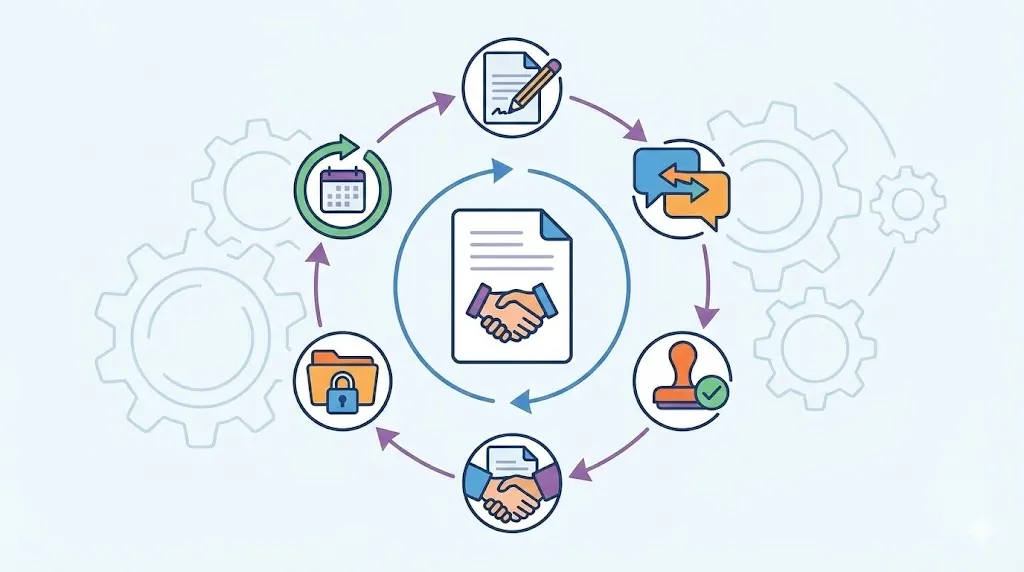
CLM connects every stage of the contract lifecycle—from intake and drafting through review, approval, signing, storage, and obligation tracking.
When teams share contract data, they can reduce risk, control spend, and improve supplier performance.
AI does more than interpret contract language and flag exceptions: it can also convert scattered files into useful data.
For CLM to work in practice, organizations need clear ownership and effective workflows, backed by strong controls and measurable goals.
Why CLM Has Become a CPO and CIO Priority
Procurement and IT once managed separate parts of the buying process. Additionally, procurement focused on suppliers, terms, and savings. Additionally, iT focused on systems, security, integrations, and service delivery.
That split no longer matches how companies buy technology. A software contract can affect security, finance, operations, privacy, and business continuity. The CPO and CIO must understand the same agreement from different angles.
A procurement leader may ask whether a supplier offered fair pricing. An IT leader may ask whether the supplier meets service levels. Both questions depend on the same contract data.
What does the CPO and CIO survey show?
A ProcureCon and WBR Insights survey found a clear gap between ambition and progress. Only 30 percent of respondents described their digital transformation journey as advanced. Moreover, another 48 percent said their organization sat midway through that journey.
Moreover, the survey also found a collaboration problem. Some 59 percent of respondents said CPO and CIO coordination needed improvement. That gap can slow technology adoption and create duplicated work.
These figures point to a practical issue. Many companies know they need better digital procurement, but their processes still rely on email, spreadsheets, shared drives, and manual reviews.
Those tools create several problems:
Teams work from different versions of the same contract.
Renewal dates remain hidden in email threads.
Legal teams receive incomplete contract requests.
Procurement cannot see supplier commitments in one place.
IT cannot easily compare terms across software vendors.
Furthermore, finance may miss price increases or unused services.
Furthermore, business users may approve terms without understanding their impact.
A CLM platform can address these issues through one connected process. It does not remove the need for judgment. It gives leaders better information before they make decisions.
The survey also reported strong interest in CLM adoption. About 40 percent of respondents expected to use or adopt CLM software in thefollowing year. That interest reflects a wider need for better control over commercial agreements.
According to a Gartner report cited in the survey discussion, client inquiries about CLM increased by 40 percent over the prior year. That figure does not prove that every company needs the same system. Also, it does show that contract operations have become a serious technology topic for senior leaders.
Why do CPOs and CIOs need to work together?
Also, CPOs and CIOs often measure success in different ways. Procurement may track savings, cycle time, supplier performance, and policy compliance. IT may track system uptime, security posture, integration quality, and user adoption.
Contracts connect those measures. A technology agreement may include a price schedule, service levels, data duties, audit rights, support terms, and termination rules. Each clause can affect both procurement results and IT operations.
Consider a cloud services renewal. Procurement may negotiate a lower annual fee. IT may focus on uptime, incident response, data location, and exit support. Therefore, legal may focus on liability and privacy language. Therefore, finance may need accurate cost forecasts.
If each group stores its own notes, the company loses the full picture. A shared CLM process keeps the commercial, legal, and operational details together.
This shared process also clarifies ownership. Procurement can own supplier and pricing data. IT can own technical requirements. Legal can manage approved language and exceptions. Finance can monitor payment and budget terms.
The system should not force every team into the same work pattern. Consequently, it should connect their work at the points that matter.
A strong CPO and CIO partnership usually includes:
A shared list of contract and supplier data requirements.
Agreed approval rules for technology purchases.
Common definitions for risk, savings, and cycle time.
A clear owner for each post-signature obligation.
A regular review of contract performance and renewal exposure.
Leaders should agree on these points before choosing software. A platform cannot repair unclear ownership on its own.
How do contracts support digital procurement?
A contract records the deal that procurement negotiated. It also records the commitments that other teams must manage after signing.
As a result, that makes contracts a key source of operational data. As a result, they show what the company bought, from whom, at what price, for how long, and under which conditions.
Yet many organizations treat contracts as documents rather than data. They save a signed PDF, then rarely review it until a dispute or renewal appears. This approach hides useful information during the period when teams need it most.
A CLM program changes the process by capturing key data across the contract lifecycle. That lifecycle starts with a request and continues through drafting, negotiation, approval, signing, performance, renewal, and termination.
The process can support procurement in several ways:
Compare supplier terms across business units.
Track approved pricing and discount structures.
Monitor volume commitments and rebates.
Identify contracts nearing renewal.
Next, record supplier obligations and service levels.
Next, review contract performance against agreed measures.
Find agreements that need renegotiation or consolidation.
It can also help IT manage its technology estate. Teams can identify vendors with similar services, locate data processing terms, and review termination support. They can track service credits, security duties, and critical support commitments.
Suppose a company uses several suppliers for customer support tools. Each agreement may include different renewal notice periods and price increase rules. A central repository helps the company compare those terms before each renewal.
This process supports better questions:
Which suppliers receive automatic price increases?
Subsequently, which contracts include usage limits?
Subsequently, which vendors require long notice periods?
Which agreements lack clear exit support?
Which suppliers missed service commitments?
Which software licenses remain unused?
The answers can guide sourcing decisions and technology planning. They can also help finance forecast spend with greater confidence.
According to World Commerce & Contracting, poor contract management can reduce the value that companies receive from their agreements. The association has published research on lost value from unclear terms, weak processes, and missed commitments. Its work supports a simple point: signing the contract does not finish the work.
What risks appear without central contract control?
Then, contract risk rarely comes from one dramatic mistake. Then, it often grows from small process failures that repeat across teams.
A missed renewal notice can extend an unwanted service. A missing security schedule can create uncertainty during an incident. An outdated template can introduce terms that no longer match company policy.
Manual processes make these failures more likely. People may enter dates by hand, attach the wrong version, or overlook a clause during a rushed review. A busy team may remember the main commercial terms but miss a notice requirement.
CPOs and CIOs should review risk across four stages.
Intake risk
A business user may request a contract through a short email. Finally, the request may omit the legal entity, spend amount, supplier details, or technical requirements.
Finally, legal then spends time asking basic questions. The requester waits for answers. The process loses time before anyone reviews the terms.
A structured request form can collect required details at the start. It can also route the request based on contract type, value, geography, or risk.
Drafting risk
Employees may use old contracts or unapproved language. They may copy terms from a prior deal without checking whether those terms fit the new supplier.
Approved templates and clause libraries reduce that risk. They give teams a reliable starting point while preserving room for legal judgment.
Review risk
For example, reviewers may miss unusual terms because contracts arrive in different formats. For example, they may compare a supplier draft against a template by reading every page manually.
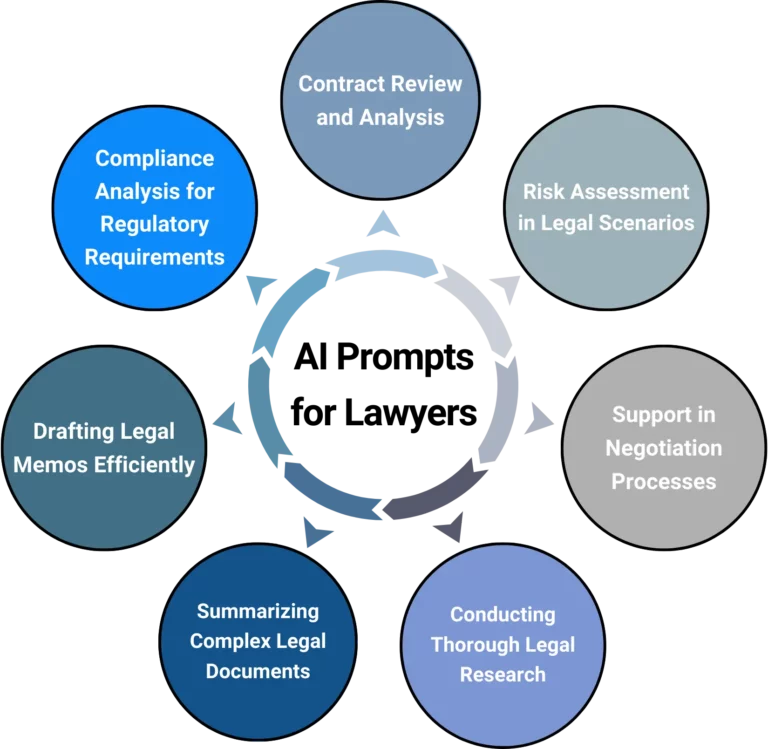
AI review tools can flag deviations, missing provisions, and unusual language. A lawyer still decides whether the language creates unacceptable risk. The tool helps the lawyer focus attention where it matters.
Post-signature risk
A signed contract may contain dozens of duties. These can include reports, insurance certificates, service credits, price reviews, audits, and renewal notices.
If those duties remain inside a PDF, no owner may act on them. An obligation register can assign owners, dates, evidence, and reminders.
The National Institute of Standards and Technology offers widely used guidance on managing cybersecurity risk. For instance, its work highlights the need for clear controls, accountability, and ongoing monitoring. For instance, contract data supports that work because supplier agreements often define security and service duties.
How can CLM improve technology spend control?
Technology spend often grows through small purchases. A department adds users, renews a tool, accepts a price increase, or signs a separate agreement with a related supplier.
Each decision may seem reasonable. The company may still lose visibility across the total vendor relationship.
CLM can bring together contracts, pricing terms, renewal dates, and business owners. That information helps procurement and IT review the full position before a purchase or renewal.
A useful review can ask:
Do we already buy a similar service?
Does the current contract allow additional users?
Specifically, will the supplier increase prices automatically?
Specifically, can we remove unused licenses?
Does the agreement include renewal notice duties?
What happens if the company needs to exit?
Did the supplier meet service commitments?
These questions support better negotiations. They also reduce the chance of buying the same capability twice.
For example, IT may discover that three departments use different project management tools. Procurement can compare total spend, renewal dates, user counts, and termination terms. The company may then consolidate tools or negotiate better terms.
CLM does not replace sourcing analysis. Additionally, it gives sourcing teams reliable contract facts. Additionally, that distinction matters because many savings efforts fail when teams cannot find the terms that support their negotiation position.
Contract data can also improve budget planning. Finance can see upcoming renewals, committed fees, variable charges, and notice periods. IT can plan vendor changes before a contract locks the company into another term.
This creates a stronger link between procurement and enterprise planning. Leaders can base decisions on actual commitments rather than estimates gathered from several teams.
What role does AI play in contract management?
Many contracts contain useful information in unstructured text. A person can read the document, but a company may hold thousands of agreements. Manual extraction takes time and can produce inconsistent results.
Moreover, the ProcureCon and WBR Insights survey reported that 100 percent of respondents saw a need for AI to interpret unstructured vendor contract information. That result shows strong interest in using AI for contract data work.
AI can support several tasks:
Extract parties, dates, payment terms, and governing law.
Summarize liabilities, obligations, and renewal rules.
Flag missing clauses or unusual language.
Compare supplier terms with approved standards.
Recommend fallback language for common negotiation points.
Find agreements that contain specific words or concepts.
Convert legacy documents into searchable contract records.
These capabilities can shorten the path from document storage to useful insight. Furthermore, they can also help teams manage older agreements that never entered a structured system.
Furthermore, aI still needs controls. Contract language depends on context, business goals, and risk tolerance. A tool may identify a liability cap but cannot decide whether that cap fits the deal.
Legal teams should set clear review rules. The platform should show the source language, explain the flagged issue, and record the human decision. Users should know when the system made a suggestion and when a person approved the result.
A sound AI approach includes:
Approved playbooks for common contract types.
Human review for high-risk clauses.
Permission controls for confidential agreements.
Also, audit records for AI suggestions and user actions.
Also, regular testing against known contracts.
Clear escalation paths for uncertain results.
AI works best as part of a controlled process. It should reduce repetitive work while keeping important decisions with qualified people.
What should leaders measure after CLM adoption?
CPOs and CIOs need more than a software launch. They need proof that the new process improves business results.
Start with baseline measures. Record current cycle time, approval delays, renewal misses, contract search time, and manual data entry. Without a baseline, teams may struggle to show progress.
Useful measures include:
Average time from request to first draft.
Average time from draft to approval.
Percentage of contracts using approved templates.
Percentage of contracts with complete metadata.
Number of missed renewal notices.
Number of obligations with assigned owners.
Time required to locate a signed agreement.
Supplier performance against service commitments.
Value recovered through credits or term corrections.
Consequently, percentage of business users using the request portal.
Consequently, do not track every possible metric. Choose measures that match the problems leaders want to solve.
For example, a company with renewal risk should focus on notice dates, owner assignment, and forecast accuracy. A company with slow intake should focus on request completeness and first-draft time.
Leaders should also track adoption. A system cannot create value if teams keep sending requests through email. Make the preferred process easier than the old process.
Business users need simple forms and clear status updates. Legal teams need useful templates, playbooks, and search. Procurement needs supplier and pricing views. As a result, iT needs access to technical and security terms.
As a result, according to Deloitte research on chief procurement officers, procurement leaders continue to focus on digital tools, operating models, and business value. That focus supports a broader view of CLM. The goal is not document storage. The goal is a reliable contract process that helps teams make better decisions.
How should companies build a CLM business case?
A business case should connect contract problems to measurable costs. Avoid describing CLM as a general productivity project.
Start with the current process. Interview legal, procurement, IT, finance, security, and business users. Ask where work stops, repeats, or depends on one person.
Look for evidence such as:
Contracts stored across many locations.
Next, renewals managed through personal calendars.
Slow approval of standard agreements.
Frequent requests for duplicate documents.
Manual review of high contract volumes.
Unclear ownership after signing.
Supplier disputes about agreed terms.
Limited reporting on contract status.
Then group the problems into business outcomes. Faster drafting may reduce legal workload. Better renewal control may reduce unwanted spend. Clear obligations may improve supplier performance. Subsequently, better metadata may support audits and reporting.
A practical business case can follow this sequence:
Define the main contract problems.
Estimate the cost of those problems.
Identify the teams affected.
Set measurable target outcomes.
Select a focused first contract group.
Test the process with real users.
Expand after the team proves adoption.
Start with a useful scope. Some companies begin with vendor contracts because procurement and IT share a strong interest in them. Others begin with sales or customer agreements because those contracts affect revenue.
Do not move every legacy contract into the system before testing the process. Importing poor data at scale can create confusion. First define the metadata, naming rules, access controls, and ownership model.
A pilot should answer practical questions. Can users submit complete requests? Can legal find approved clauses? Can procurement see renewal exposure? Can IT locate security commitments? Can leaders view progress without asking several teams?
The answer should guide the broader rollout.
Related articles: Why Volody CLM Is the Best Contract Management Software
How CLM Software Solves This
Generic CLM software connects intake, drafting, review, approval, e-signature, storage, and obligation tracking. Additionally, it gives CPOs, CIOs, legal teams, and business users a shared record of each agreement, with workflows that match their approval and risk rules.
Volody adds AI drafting, review, summaries, metadata extraction, clause suggestions, playbooks, searchable repositories, alerts, analytics, Microsoft Word support, and configurable workflows. These tools help teams find key terms, manage risk, assign obligations, and move routine contracts through review with greater control.
Looking for a better way to manage contracts? Discover Volody's CLM Software.
FAQ
What is CLM software?
Additionally, cLM software manages contracts from the first request through renewal or termination. It brings drafting, negotiation, approval, signing, storage, and obligation tracking into one process.
Why do CPOs care about contract lifecycle management?
CPOs need clear information about suppliers, pricing, commitments, renewals, and performance. CLM helps procurement find that information and use it during sourcing, negotiation, and supplier reviews.
Why do CIOs need CLM for technology contracts?
Technology agreements often include security terms, service levels, usage limits, price changes, and exit duties. Moreover, cLM helps CIOs track those terms and connect them with technology planning.
How does CLM improve CPO and CIO collaboration?
CLM gives both leaders access to shared contract data and process status. Each team can retain its own responsibilities while working from the same agreement record.
Can CLM reduce missed renewals?
Yes. CLM can extract renewal dates, assign owners, and send reminders before notice deadlines. Teams still need to review each agreement and decide whether to renew, renegotiate, or exit.
Furthermore, does AI replace legal review?
No. AI can find patterns, summarize terms, and flag possible issues. Legal professionals should review important decisions, confirm the context, and approve the final position.
What contracts should a company add first?
Many companies start with supplier or technology contracts because the procurement and IT teams share the related data. The best starting point depends on the company’s largest risks, highest volumes, and clearest business goals.
How long does CLM adoption take?
Also, the timeline depends on contract volume, process complexity, data quality, integrations, and user needs. Also, a focused pilot can help teams test workflows before they expand across the enterprise.
What data should a CLM system track?
Common fields include parties, contract type, business owner, effective date, renewal date, notice period, value, payment terms, governing law, obligations, and risk level. Each organization should choose fields that support its decisions and reports.
How can leaders encourage CLM adoption?
Make CLM the standard path for contract work. Keep intake simple, provide clear training, enforce approval rules, publish service targets, and report measurable results so legal, procurement, IT, and business teams can adopt the process with confidence.
About the Company
Volody AI CLM is an Agentic AI-powered Contract Lifecycle Management platform designed to eliminate manual contracting tasks, automate complex workflows, and deliver actionable insights. As a one-stop shop for all contract activities, it covers drafting, collaboration, negotiation, approvals, e-signature, compliance tracking, and renewals. Built with enterprise-grade security and no-code configuration, it meets the needs of the most complex global organizations. Volody AI CLM also includes AI-driven contract review and risk analysis, helping teams detect issues early and optimize terms. Trusted by Fortune 500 companies, high-growth startups, and government entities, it transforms contracts into strategic, data-driven business assets.




" height="216.72211px" id="FYO0bO80Y" transform="translate(3 6.105)" width="206.073px"/><path d="M 108.174 222 C 88.432 222 70.303 217.239 53.785 207.717 C 37.267 198.196 24.173 185.052 14.504 168.285 C 4.835 151.312 0 132.165 0 110.845 C 0 89.731 4.835 70.792 14.504 54.025 C 24.173 37.052 37.267 23.804 53.785 14.282 C 70.303 4.761 88.432 0 108.174 0 C 128.116 0 146.246 4.761 162.562 14.282 C 179.08 23.804 192.073 37.052 201.541 54.025 C 211.21 70.792 216.044 89.731 216.044 110.845 C 216.044 132.165 211.21 151.312 201.541 168.285 C 192.073 185.052 179.08 198.196 162.562 207.717 C 146.044 217.239 127.915 222 108.174 222 Z M 108.174 183.189 C 120.864 183.189 132.044 180.291 141.713 174.495 C 151.382 168.492 158.936 160.006 164.375 149.035 C 169.814 138.064 172.533 125.334 172.533 110.845 C 172.533 96.355 169.814 83.729 164.375 72.965 C 158.936 61.994 151.382 53.611 141.713 47.815 C 132.044 42.02 120.864 39.122 108.174 39.122 C 95.483 39.122 84.202 42.02 74.332 47.815 C 64.663 53.611 57.109 61.994 51.67 72.965 C 46.231 83.729 43.511 96.355 43.511 110.845 C 43.511 125.334 46.231 138.064 51.67 149.035 C 57.109 160.006 64.663 168.492 74.332 174.495 C 84.202 180.291 95.483 183.189 108.174 183.189 Z" fill="rgba(255, 255, 255, 0.12)" height="222px" id="aa1McFcE9" transform="translate(227.183 3)" width="216.04399999999998px"/><path d="M 42.302 182.257 L 111.799 182.257 L 111.799 216.722 L 0 216.722 L 0 0 L 42.302 0 Z" fill="rgba(255, 255, 255, 0.12)" height="216.72211px" id="yRq4AnrsX" transform="translate(477.721 6.105)" width="111.79899999999998px"/><path d="M 108.174 222 C 88.432 222 70.303 217.239 53.785 207.717 C 37.267 198.196 24.173 185.052 14.504 168.285 C 4.835 151.312 0 132.165 0 110.845 C 0 89.731 4.835 70.792 14.504 54.025 C 24.173 37.052 37.267 23.804 53.785 14.282 C 70.303 4.761 88.432 0 108.174 0 C 128.116 0 146.246 4.761 162.562 14.282 C 179.08 23.804 192.073 37.052 201.541 54.025 C 211.21 70.792 216.045 89.731 216.045 110.845 C 216.045 132.165 211.21 151.312 201.541 168.285 C 192.073 185.052 179.08 198.196 162.562 207.717 C 146.044 217.239 127.915 222 108.174 222 Z M 108.174 183.189 C 120.864 183.189 132.044 180.291 141.713 174.495 C 151.382 168.492 158.936 160.006 164.375 149.035 C 169.814 138.064 172.534 125.334 172.534 110.845 C 172.534 96.355 169.814 83.729 164.375 72.965 C 158.936 61.994 151.382 53.611 141.713 47.815 C 132.044 42.02 120.864 39.122 108.174 39.122 C 95.483 39.122 84.202 42.02 74.332 47.815 C 64.663 53.611 57.108 61.994 51.67 72.965 C 46.231 83.729 43.511 96.355 43.511 110.845 C 43.511 125.334 46.231 138.064 51.67 149.035 C 57.108 160.006 64.663 168.492 74.332 174.495 C 84.202 180.291 95.483 183.189 108.174 183.189 Z" fill="rgba(255, 255, 255, 0.12)" height="222px" id="mo8HQspQ0" transform="translate(609.155 3)" width="216.04500000000007px"/><path d="M 73.727 0 C 95.885 0 115.324 4.45 132.044 13.351 C 148.967 22.252 161.957 34.982 171.027 51.541 C 180.287 67.894 184.917 86.937 184.917 108.671 C 184.917 130.405 180.287 149.449 171.027 165.801 C 161.957 181.947 148.967 194.47 132.044 203.371 C 115.324 212.271 95.885 216.722 73.727 216.722 L 0 216.722 L 0 0 Z M 72.216 179.773 C 94.374 179.773 111.497 173.564 123.583 161.144 C 135.669 148.724 141.713 131.233 141.713 108.671 C 141.713 86.109 135.669 68.515 123.583 55.888 C 111.497 43.055 94.374 36.638 72.216 36.638 L 42.302 36.638 L 42.302 179.773 Z" fill="rgba(255, 255, 255, 0.12)" height="216.72211px" id="I3iXX5Hi_" transform="translate(859.693 6.105)" width="184.91699999999992px"/><path d="M 185.22 0 L 113.91 141.273 L 113.91 216.722 L 71.61 216.722 L 71.61 141.273 L 0 0 L 47.74 0 L 93.06 99.046 L 138.08 0 Z" fill="rgba(255, 255, 255, 0.12)" height="216.72211px" id="nzHyWC0_d" transform="translate(1061.78 6.105)" width="185.22000000000003px"/></svg>)