

Contracts form the backbone of every business deal. Yet, many executives still rely on manual or outdated methods to manage them. This creates risks, slows decision-making, and hides valuable insights. Why CLM is must-have technology for the C-Suite is clear: it gives leaders a complete, real-time view of contracts and their impact on the business. Imagine a CEO who can instantly see contract obligations, renewal dates, and risk factors without digging through files. That level of clarity helps companies act faster and smarter.
TL;DR
Effective contract management is essential for C-level leaders due to its influence on virtually every aspect of business operations.
Additionally, when contracts are mismanaged, organizations face risks such as missed deadlines, increased compliance exposure, and substantial financial setbacks.
Advanced digital CLM systems provide critical transparency, enhance control mechanisms, and deliver actionable insights throughout every phase of the contract lifecycle.
Real-time dashboards equip executives with the tools necessary to assess contract health and evaluate business impact continuously.
By alleviating legal bottlenecks, CLM technology accelerates the processes of approvals and negotiations.
The integration of CLM with broader enterprise systems enhances both operational efficiency and risk mitigation.
Why Contracts Matter More Than Ever to the C-Suite
Contracts are more than just legal documents. Additionally, they create the foundation for business relationships by defining financial commitments and setting out operational responsibilities. Each contract embodies a distinct set of risks and opportunities that can significantly impact a company’s profitability. For executives at the C-level, a deep comprehension of these intricacies is crucial to guide strategic decision-making effectively.
Historically, contracts ended up stored in filing cabinets or scattered throughout multiple departments. This made it difficult for executives to get a clear picture of their company’s contractual obligations. For example, a CFO might not know when a major supplier contract is up for renewal, risking price increases or service interruptions. A COO might miss key performance milestones tied to contracts, leading to operational delays.
The current business landscape requires organizations to remain highly adaptive. Regulatory frameworks evolve at a rapid pace. Market dynamics can change without warning. Companies face intense competition and must respond quickly to new opportunities. Without a centralized, digital way to manage contracts, executives operate in the dark.
According to a 2022 report by Deloitte, companies lose an average of 9.2% of revenue due to poor contract management. This includes missed discounts, penalties, and uncollected payments. For a large enterprise, that can mean millions of dollars lost annually. This statistic alone highlights why contract management is no longer a back-office task but a strategic priority for the C-suite.
Related articles: Why Volody CLM Is the Best Contract Management Software
What Risks Do Poor Contract Processes Create for Leadership?
When contracts rely on manual handling or fragmented tools, the associated risks significantly increase. Executives frequently face several challenges when lacking a comprehensive system to oversee contract lifecycles:
Missed Deadlines and Renewals: Without automated alerts, contracts can expire unnoticed, causing service disruptions or loss of revenue.
Compliance Failures: Neglecting to monitor regulatory requirements embedded in contracts may result in fines or legal repercussions.
Financial Leakage: Overpayments, missed discounts, or unclaimed penalties reduce profitability.
Operational Inefficiencies: Slow contract approvals and unclear responsibilities delay projects and deals.
Limited Transparency: A lack of consolidated visibility into contractual commitments impairs executives' ability to engage in informed strategic decision-making.
Elevated Legal Exposure: The absence of rigorous tracking for contract modifications and the presence of vague provisions heighten the potential for legal conflicts.
Consider an organization burdened with thousands of contracts spanning suppliers, customers, and partners. Without a centralized repository, the legal department faces difficulties tracking versions, amendments, and approvals. At the same time, the sales team struggles to maintain clarity on renewal or renegotiation timelines. The finance department encounters challenges verifying payment terms efficiently. This fragmentation results in costly errors and lost business opportunities.
A study by Gartner found that organizations with poor contract management suffer 40% longer sales cycles and 20% higher legal costs. These inefficiencies considerably undermine revenue and profitability. Executive leadership must take decisive action to mitigate these vulnerabilities.
Related articles: Top Solutions for Contract Lifecycle Management in Insurance
How Digital Contract Lifecycle Management Helps Executives Stay Ahead
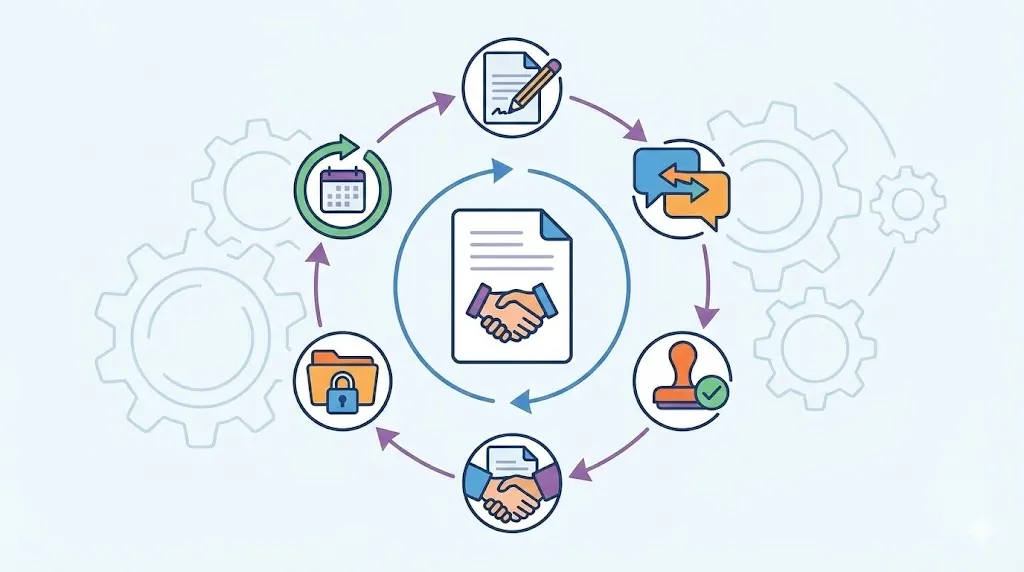
Contract lifecycle management software digitizes and automates every stage of a contract’s life. From creation and negotiation to execution and renewal, CLM systems bring order and transparency. For the C-suite, this means better control and faster insights.
Here is how CLM technology supports leadership:
Centralized Contract Repository: All contracts are stored in one secure place. Executives can access any contract instantly, regardless of location.
Automated Alerts and Notifications: CLM systems send reminders for renewals, obligations, and approvals. This prevents missed deadlines and penalties.
Real-Time Dashboards: Leaders get visual summaries of contract status, risks, and financial impact. This supports data-driven decisions.
Risk and Compliance Tracking: CLM tools flag risky clauses, non-compliance, and deviations from company policies. This reduces legal exposure.
Streamlined Approvals: Automated workflows speed up contract reviews and sign-offs, cutting down delays.
Integration with Enterprise Systems: CLM connects with ERP, CRM, and procurement platforms, ensuring contract data flows smoothly across departments.
For example, a CEO reviewing a dashboard can see that 15% of contracts are due for renewal in the next quarter, with potential cost increases flagged. The CFO can track payment terms and spot any contracts with unfavorable clauses. The legal team can focus on high-risk contracts instead of routine reviews.
According to Forrester, companies that adopt CLM report a 50% reduction in contract cycle times and a 30% decrease in contract-related risks. This efficiency frees executives to focus on growth and strategy.
Related articles: CLM Integration with CRM, CPQ, and ERP: A Complete Guide
What Features Should C-Suite Look for in CLM Software?
Not all contract management solutions are equal. Additionally, executives must prioritize features that enhance both strategic outcomes and operational governance. Here are key capabilities to consider:
AI-Powered Contract Analysis: Automatically extract key terms, obligations, and risks from contracts. This saves time and improves accuracy.
Template and Clause Libraries: Maintain approved contract language to ensure consistency and compliance.
Collaboration Tools: These enable integrated communication among legal, sales, and procurement teams, streamlining the drafting and negotiation stages.
Version Control and Audit Trails: Detailed documentation of all changes and approvals is essential for ensuring accountability and meeting regulatory standards.
Obligation Management: Monitoring contractual deliverables, critical milestones, and renewal dates helps avoid penalties and leverage strategic opportunities.
Advanced Search and Reporting: Users can efficiently locate contracts using keywords, parties, or clauses and produce comprehensive reports tailored for leadership review.
Security and Access Controls: Protect sensitive contract data by enforcing role-based permissions and employing encryption methodologies.
Integration Capabilities: These allow the contract management system to communicate seamlessly with existing enterprise platforms, improving workflow and enabling data interoperability.
For example, AI contract review tools are capable of detecting atypical clauses or absent provisions that could introduce risk. Automated approval workflows help prevent bottlenecks in the signature process. Dashboards offer executives immediate insights into the status and performance of contract portfolios.
According to a 2023 PwC survey, 70% of executives say AI and automation in contract management improve decision-making and reduce legal costs. These features help executives manage complexity without adding overhead.
Related articles: Contract Management Software for Sales Teams | CLM Guide
How Contract Intelligence Drives Business Growth and Risk Reduction
Contract intelligence refers to the ability to extract actionable insights from contracts using technology. Additionally, it also redefines contracts by converting them from static documents into integral business assets. For the C-suite, this means turning contract data into strategic advantage.
Contract intelligence drives improvements across several key areas:
Enhancing revenue through uncovering overlooked billing opportunities, as well as identifying discounts and penalties that impact cash flow.
Minimizing risk by identifying clauses that pose threats, ensuring compliance, and flagging obligations that might result in disputes or regulatory fines.
Assessing supplier and vendor compliance with contractual commitments to uphold quality benchmarks and ensure punctual deliveries.
Leveraging historical contract data to support negotiation strategies that secure better terms and shorten the time required to finalize agreements.
Automating routine contract management workflows to boost operational productivity and decrease the frequency of human errors.
For example, contract intelligence can reveal patterns such as repeated delays from specific suppliers, enabling leadership to address these issues through renegotiation or vendor replacement, thereby enhancing operational stability.
According to McKinsey, companies that use contract intelligence reduce contract-related risks by up to 50% and improve revenue recognition by 15%. This data-driven approach aligns contracts with business goals.
Related articles: Legacy Contracts: How to Effectively Migrate to a CLM
What Challenges Do Organizations Face When Adopting CLM?
Implementing contract lifecycle management is not without challenges. Leaders must address these to ensure success:
Change Management: Getting teams to adopt new processes and tools requires clear communication and training.
Data Migration: Moving legacy contracts into a new system can be complex and time-consuming.
Integration Complexity: Connecting CLM with existing enterprise systems requires careful planning and resources.
Customization Needs: Organizations may need to tailor workflows, templates, and rules to fit their unique processes.
Security Concerns: Protecting sensitive contract data requires robust security measures and compliance controls.
Cost and ROI Justification: Leaders must balance upfront investment with expected efficiency and risk reduction benefits.
For example, a company may struggle to standardize contract templates across departments, causing delays and inconsistent terms. Addressing this requires leadership support and cross-functional collaboration.
According to Gartner, 40% of CLM implementations fail to meet expectations due to lack of executive sponsorship and poor change management. Strong leadership commitment is essential.
Related articles: Best Contract Management Software: Top 10 CLM Tools
How Contract Management Software Solves This
Contract management solutions automate and centralize contract processes, making them easier to control and analyze. Additionally, they also minimize manual tasks, accelerate approval cycles, and enhance executive oversight.
Modern CLM platforms offer features like AI contract drafting, automatic risk detection, and obligation tracking. They provide dashboards that show contract status, upcoming deadlines, and financial impact in real time. This helps leaders make faster, smarter decisions.
Volody’s platform includes AI-powered contract review and drafting tools, automated approval workflows, and a secure centralized repository. It integrates with enterprise systems like ERP and CRM, ensuring contract data flows smoothly across the organization. These features help executives reduce risk, control costs, and improve operational efficiency.
See how Volody's CLM Software helps legal teams manage contracts faster and with greater control.
FAQ
What is contract lifecycle management (CLM)?
Additionally, this process involves overseeing contracts from their initial drafting through execution, performance monitoring, and eventual renewal. It involves automating workflows, tracking obligations, and analyzing contract data to improve efficiency and reduce risk.
Why is CLM important for executives?
Executives need a clear view of contract obligations, risks, and financial impact. CLM provides real-time insights and control, enabling better strategic decisions and faster responses to market changes.
How can CLM reduce legal risks?
CLM systems flag risky clauses, track compliance, and maintain audit trails. This helps prevent disputes, regulatory fines, and contract breaches by ensuring contracts follow company policies and legal requirements.
Can CLM improve revenue and cost management?
Yes. In addition, cLM identifies missed payments, discounts, and penalties. It also speeds contract approvals and renewals, preventing revenue leakage and reducing operational costs.
What challenges should companies expect when implementing CLM?
Common challenges include managing change, migrating data, integrating systems, customizing workflows, and securing contract information. Strong leadership and clear planning help overcome these issues.
Moreover, how does AI enhance contract management?
AI can extract key terms, detect risks, suggest clauses, and summarize contracts. This reduces manual work, improves accuracy, and speeds up contract review and negotiation.
Is CLM only for legal teams?
No. Beyond benefiting legal teams significantly, CLM also supports sales, procurement, finance, and operations by providing transparency and control over contracts across the organization.
How is CLM integrated with other business systems?
Modern CLM platforms connect with ERP, CRM, procurement, and e-signature tools. This integration ensures contract data flows smoothly and supports end-to-end business processes.
What should I look for when choosing CLM software?
Prioritize AI capabilities, user-friendly interfaces, robust security, flexible integration options, workflow automation, and comprehensive reporting features. The solution should align with your company’s scale and sector-specific requirements.
How quickly can a company see benefits from CLM?
Improvements such as accelerated approvals and enhanced visibility often emerge within months. Achieving full ROI depends on adoption rates, system integration, and process optimization, typically materializing within 12 to 18 months.
About the Company

Volody AI CLM is an Agentic AI-powered Contract Lifecycle Management platform designed to eliminate manual contracting tasks, automate complex workflows, and deliver actionable insights. As a one-stop shop for all contract activities, it covers drafting, collaboration, negotiation, approvals, e-signature, compliance tracking, and renewals. Built with enterprise-grade security and no-code configuration, it meets the needs of the most complex global organizations. Volody AI CLM also includes AI-driven contract review and risk analysis, helping teams detect issues early and optimize terms. Trusted by Fortune 500 companies, high-growth startups, and government entities, it transforms contracts into strategic, data-driven business assets.





" height="216.72211px" id="FYO0bO80Y" transform="translate(3 6.105)" width="206.073px"/><path d="M 108.174 222 C 88.432 222 70.303 217.239 53.785 207.717 C 37.267 198.196 24.173 185.052 14.504 168.285 C 4.835 151.312 0 132.165 0 110.845 C 0 89.731 4.835 70.792 14.504 54.025 C 24.173 37.052 37.267 23.804 53.785 14.282 C 70.303 4.761 88.432 0 108.174 0 C 128.116 0 146.246 4.761 162.562 14.282 C 179.08 23.804 192.073 37.052 201.541 54.025 C 211.21 70.792 216.044 89.731 216.044 110.845 C 216.044 132.165 211.21 151.312 201.541 168.285 C 192.073 185.052 179.08 198.196 162.562 207.717 C 146.044 217.239 127.915 222 108.174 222 Z M 108.174 183.189 C 120.864 183.189 132.044 180.291 141.713 174.495 C 151.382 168.492 158.936 160.006 164.375 149.035 C 169.814 138.064 172.533 125.334 172.533 110.845 C 172.533 96.355 169.814 83.729 164.375 72.965 C 158.936 61.994 151.382 53.611 141.713 47.815 C 132.044 42.02 120.864 39.122 108.174 39.122 C 95.483 39.122 84.202 42.02 74.332 47.815 C 64.663 53.611 57.109 61.994 51.67 72.965 C 46.231 83.729 43.511 96.355 43.511 110.845 C 43.511 125.334 46.231 138.064 51.67 149.035 C 57.109 160.006 64.663 168.492 74.332 174.495 C 84.202 180.291 95.483 183.189 108.174 183.189 Z" fill="rgba(255, 255, 255, 0.12)" height="222px" id="aa1McFcE9" transform="translate(227.183 3)" width="216.04399999999998px"/><path d="M 42.302 182.257 L 111.799 182.257 L 111.799 216.722 L 0 216.722 L 0 0 L 42.302 0 Z" fill="rgba(255, 255, 255, 0.12)" height="216.72211px" id="yRq4AnrsX" transform="translate(477.721 6.105)" width="111.79899999999998px"/><path d="M 108.174 222 C 88.432 222 70.303 217.239 53.785 207.717 C 37.267 198.196 24.173 185.052 14.504 168.285 C 4.835 151.312 0 132.165 0 110.845 C 0 89.731 4.835 70.792 14.504 54.025 C 24.173 37.052 37.267 23.804 53.785 14.282 C 70.303 4.761 88.432 0 108.174 0 C 128.116 0 146.246 4.761 162.562 14.282 C 179.08 23.804 192.073 37.052 201.541 54.025 C 211.21 70.792 216.045 89.731 216.045 110.845 C 216.045 132.165 211.21 151.312 201.541 168.285 C 192.073 185.052 179.08 198.196 162.562 207.717 C 146.044 217.239 127.915 222 108.174 222 Z M 108.174 183.189 C 120.864 183.189 132.044 180.291 141.713 174.495 C 151.382 168.492 158.936 160.006 164.375 149.035 C 169.814 138.064 172.534 125.334 172.534 110.845 C 172.534 96.355 169.814 83.729 164.375 72.965 C 158.936 61.994 151.382 53.611 141.713 47.815 C 132.044 42.02 120.864 39.122 108.174 39.122 C 95.483 39.122 84.202 42.02 74.332 47.815 C 64.663 53.611 57.108 61.994 51.67 72.965 C 46.231 83.729 43.511 96.355 43.511 110.845 C 43.511 125.334 46.231 138.064 51.67 149.035 C 57.108 160.006 64.663 168.492 74.332 174.495 C 84.202 180.291 95.483 183.189 108.174 183.189 Z" fill="rgba(255, 255, 255, 0.12)" height="222px" id="mo8HQspQ0" transform="translate(609.155 3)" width="216.04500000000007px"/><path d="M 73.727 0 C 95.885 0 115.324 4.45 132.044 13.351 C 148.967 22.252 161.957 34.982 171.027 51.541 C 180.287 67.894 184.917 86.937 184.917 108.671 C 184.917 130.405 180.287 149.449 171.027 165.801 C 161.957 181.947 148.967 194.47 132.044 203.371 C 115.324 212.271 95.885 216.722 73.727 216.722 L 0 216.722 L 0 0 Z M 72.216 179.773 C 94.374 179.773 111.497 173.564 123.583 161.144 C 135.669 148.724 141.713 131.233 141.713 108.671 C 141.713 86.109 135.669 68.515 123.583 55.888 C 111.497 43.055 94.374 36.638 72.216 36.638 L 42.302 36.638 L 42.302 179.773 Z" fill="rgba(255, 255, 255, 0.12)" height="216.72211px" id="I3iXX5Hi_" transform="translate(859.693 6.105)" width="184.91699999999992px"/><path d="M 185.22 0 L 113.91 141.273 L 113.91 216.722 L 71.61 216.722 L 71.61 141.273 L 0 0 L 47.74 0 L 93.06 99.046 L 138.08 0 Z" fill="rgba(255, 255, 255, 0.12)" height="216.72211px" id="nzHyWC0_d" transform="translate(1061.78 6.105)" width="185.22000000000003px"/></svg>)