
Construction projects face constant changes and risks. Choosing the right contract type shapes who pays for overruns, how changes get handled, and who owns the risks. Picking the wrong contract can cost your company millions in unexpected expenses or delays. This article breaks down the most common construction contract types, explains when to use each, and highlights clauses that keep projects on track.
Imagine managing a large commercial build where the scope shifts weekly. Without the right contract, you might end up paying for every change or facing disputes over who covers delays. Understanding contract types helps you avoid these pitfalls and keep your project running smoothly.
TL;DR
Construction contracts assign cost risk, payment terms, and change management responsibilities.
Lump sum contracts establish a fixed price, transferring the financial risk to contractors provided the project scope is clearly delineated.
Under cost-plus contracts, contractors are reimbursed for expenses in addition to a fee, making them suitable for projects with uncertain or evolving parameters.
Time and materials contracts compensate based on the actual labor and materials used, which is suitable for engagements where the scope has yet to be defined.
Clear and precise change order clauses are essential to prevent disputes arising from modifications during the project lifecycle.
Maintaining rigorous oversight of contract milestones, payment schedules, and obligations after signing is critical to avoid costly mistakes.
What Exactly Is a Construction Contract?
A construction contract is a legal agreement between a property owner and a contractor. Additionally, it outlines the project specifics, including the detailed description of the work, estimated costs, and allocates responsibility for any adjustments. The contract sets the rules for payments, risks, and changes during the build.
In the U.S., construction spending hits over $2 trillion annually. The contract type you pick decides who pays if costs rise or the schedule slips. According to the 2026 Contracting Benchmark Report, companies lose on average 11% of contract value after signing due to poor contract management and risk allocation. That loss often comes from choosing the wrong contract type or unclear terms.
Every construction contract covers four main areas:
Scope of work: The precise deliverables, required quality standards, and project deadlines.
Payment terms: The schedule and method of compensation for the contractor.
Risk allocation: Assignment of responsibility for cost overruns, delays, and unforeseen conditions.
Change management: Procedures for addressing modifications to the original plan along with their financial impact.
Grasping these elements is essential before selecting the appropriate contract type.
Related Article: 2026 Contracting Trends & Benchmarks
What Are the Common Elements in Construction Contracts?
Before discussing contract types, it helps to know the typical clauses found in most construction agreements. Additionally, these clauses underpin contracts across projects of all scales.
Plans and specifications: This element encompasses detailed drawings alongside technical documents that define the full scope and specific nature of the work to be performed.
General conditions: This section outlines the rules governing insurance, safety protocols, site access, and mechanisms for dispute resolution.
Payment schedule: This clause details when payments are due and the terms involved, including retention amounts that remain withheld until the project reaches completion.
Change order provisions: Outline the established methods for requesting, approving, and valuing modifications during the construction phase.
Indemnification: Who protects whom from legal claims or damages.
Insurance requirements: Types and limits of insurance the contractor must carry.
Liquidated damages: Pre-agreed penalties if deadlines are missed.
Termination clauses: Conditions under which either party can end the contract.
Dispute resolution: Methods for resolving disagreements, such as mediation or arbitration.
The procedures governing change orders warrant particular scrutiny. Construction projects almost always require changes. Without a clear process, disputes can delay work and increase costs. The 2026 Contracting Benchmark Report found that contract cycle times average 58 days partly due to unclear change management.
Related articles: 10 Key Contract Clauses Every Business Should Know in 2026
What Are the Most Common Construction Contract Types?
Construction contracts differ mainly in how they allocate risk and handle payments. The seven most prevalent forms include:
1. Lump Sum Contract
A lump sum contract establishes a predetermined total price for completing the entire project. The contractor commits to fulfilling all work defined within the scope at that agreed price. Should expenses be lower than expected, the contractor retains the difference. Conversely, any cost overruns must be absorbed by the contractor.
Payments often follow established milestones or are based on progress measured through completion percentages. This form suits projects with clearly defined scopes and comprehensive plans. It transfers the majority of financial risk to the contractor, providing the owner with a fixed price.
Contractors frequently include contingency sums in their bids to cover unforeseen issues. As a result, the owner might incur an initial premium in exchange for budget certainty. Moreover, payments usually occur on a milestone or percentage-of-completion basis. Change orders during the project often come with markups since the contractor’s margin is fixed. Projects with minimal expected changes, such as new builds with clear plans, are best suited to this contract type.
2. Cost-Plus Fee Contract
A cost-plus contract reimburses the contractor for all actual costs - labor, materials, equipment - along with an additional fee representing profit. The fee can be:
A fixed dollar amount (cost-plus-fixed-fee).
Moreover, calculated as a percentage relative to total costs (cost-plus-percentage-of-cost).
This arrangement fits projects where scope is uncertain or expected to evolve, including renovations or emergency repairs. It offers flexibility to start work before final plans are ready.
In addition, the owner carries most of the cost risk by covering actual expenses plus the fee. Contracts should incorporate provisions for open-book accounting and audit rights to maintain transparency.
While flexible, this contract can lead to higher costs if not tightly managed. Owners must monitor expenses closely and define clear approval processes for changes.
3. Time and Materials Contract
Time and materials (T&M) contracts compensate the contractor based on the actual hours worked and materials utilized. The contract specifies hourly rates and material costs but does not establish a fixed total price.
This structure is appropriate when the project scope cannot be reasonably estimated upfront. It provides maximum flexibility but exposes the owner to open-ended costs. Also, to avoid overspending, contracts often include a not-to-exceed clause setting a budget ceiling. Owners should require detailed timesheets, receipts, and regular cost reports.
Furthermore, T&M agreements are frequently employed in maintenance, repairs, or situations involving unforeseen conditions. They demand strong oversight to prevent cost overruns.
4. Unit Price Contract
Unit price contracts divide the project into discrete units of work, each assigned a predetermined rate. The total cost depends on the actual quantity of units completed.
This method proves useful when quantities are uncertain but unit prices can be established. For example, pricing might be per cubic yard of concrete or per linear foot of piping.
It manages risk by fixing unit prices while permitting the overall cost to fluctuate with actual quantities. Therefore, owners should include measurement and verification procedures.
5. Guaranteed Maximum Price (GMP) Contract
A GMP contract imposes an upper limit on the total price the contractor can charge. The contractor is reimbursed for actual costs plus a fee, but total payment cannot go over the guaranteed maximum.
If actual expenditures fall below the GMP, any resulting savings may be shared between owner and contractor. This approach protects owners from excessive costs while maintaining some budget flexibility.
GMP contracts demand meticulous cost tracking and clearly defined change order procedures. Also, they are appropriate for projects with some scope uncertainty but require stringent budget control.
6. Design-Build Contract
Design-build contracts combine responsibility for both design and construction phases within a single contractual entity. This structure is intended to accelerate delivery and enhance coordination.
The contract form may be lump sum, GMP, or cost-plus; however, the defining feature is unified accountability for design and construction.
Design-build is beneficial for projects requiring rapid completion or innovation but necessitates confidence in the single contractor. Owners must clearly define performance standards and approval points.
7. Integrated Project Delivery (IPD) Contract
IPD contracts unify owner, contractor, and design professionals into a single collaborative framework. They share risks, rewards, and decision-making.
This form of contracting emphasizes transparency and collective effort to enhance project outcomes. It often includes shared savings and penalties.
IPD is complex and best for large, high-value projects with aligned stakeholders. It demands strong governance and clear communication protocols.
Related articles: What is Contract Risk & How to manage it?
How to Choose the Right Construction Contract Type?
Selecting the right contract depends on project specifics and risk appetite. Consider these factors:
Scope clarity: Projects with a well-defined scope are best suited for lump sum contracts. When scope tends to evolve, cost-plus or GMP agreements are preferable. If the scope is unpredictable, billing based on actual labor and materials allows necessary adaptability.
Risk tolerance: Fixed-price agreements allocate risk predominantly to the contractor, whereas cost-plus agreements and contracts based on labor and material costs transfer more exposure to the owner.
Budget certainty: Fixed-price and GMP contracts establish price ceilings, while agreements with reimbursement elements and variable billing methods lead to less predictable financial outcomes.
Project timeline: Employing design-build methods in concert with integrated project delivery can significantly shorten delivery times by optimizing coordination.
Change likelihood: Formal change order provisions within contracts provide a structured approach to handling scope modifications.
Owner’s capacity: Under contracts that reimburse actual costs plus fees, owners must exercise rigorous cost control and monitoring.
Related Article: What is Consideration Clause in Your Contracts? A 2026 Guide
Here is a step-by-step approach to choosing:
Begin by defining the project scope and specifications with maximum precision.
Evaluate the potential for scope variations during construction.
Decide which party will assume responsibility for cost overruns and scheduling risks.
Consider your budget flexibility and need for price certainty.
Evaluate contractor experience and willingness to accept risk.
Review contract clauses for change orders, payment schedules, and dispute resolution.
Example: For a new office building with complete plans, a fixed-price contract ensures budget certainty and shifts construction risk onto the contractor. For a historic renovation with unknown conditions, a cost-plus contract provides flexibility but requires close oversight.
Related articles: Mastering Contract Clauses: Risk & Performance
What Contract Clauses Prevent Disputes in Construction?
Disputes often arise from unclear terms or unplanned changes. Including these clauses reduces conflict:
Change order procedures: Define how changes get requested, approved, and priced. Specify who can approve changes and what documentation is needed.
Payment milestones: Tie payments to clear, measurable progress points. Include retainage terms to ensure completion.
Not-to-exceed limits: These set a ceiling on budgets within T&M contracts, helping to keep financial exposure within acceptable boundaries.
Notice requirements: Contracts specify exact deadlines for submitting claims, delay notifications, or defect reports to ensure parties retain their rights.
Liquidated damages: These clauses assign specific financial penalties when deadlines are not met, serving to mitigate schedule slips and encourage adherence to timelines.
Dispute resolution: Many agreements incorporate mechanisms such as mediation or arbitration to address disagreements promptly, aiming to avoid protracted litigation.
Insurance and indemnification: Provisions in this category clarify the extent of coverage and liability responsibilities, thereby safeguarding involved parties against unexpected losses.
Clear change order clauses are critical. Construction projects almost always require changes. Without a defined process, disagreements on pricing and approval cause delays and cost overruns.
Tracking obligations like payment dates, insurance expirations, and notice deadlines after signing helps avoid surprises. According to the 2026 Contracting Benchmark Report, poor lifecycle management leads to an average 11% loss in contract value post-signature.
Related articles: What are Manufacturing Contracts? Your Comprehensive Guide
How Do Construction Contracts Handle Risk Allocation?
Risk allocation defines the party responsible for financial consequences when adverse events occur. Additionally, construction risks encompass a variety of issues such as unexpected site conditions that can lead to significant cost overruns. Delays may arise from unpredictable factors including weather fluctuations, labor shortages, or modifications in design. Risks also include potential defects or failures associated with workmanship or the materials utilized. Regulatory or permit issues.
Contract types distribute these risks differently:
Lump sum: Contractor assumes most cost and schedule risks.
Cost-plus: The owner bears the majority of cost risks, while the contractor focuses on managing performance-related risks.
T&M: Owner assumes cost risk, contractor is paid for actual work.
GMP: Contractor limits cost risk up to the guaranteed maximum.
Design-build: Contractor assumes design and construction risks.
IPD: Risks and rewards shared among all parties.
Owners should clearly define risk responsibilities and require contractors to carry appropriate insurance. Including indemnification clauses protects parties from third-party claims.
Related articles: Contract Templates Standardization: Simplifying Legal Work
What Are the Payment Structures in Construction Contracts?
Payment terms vary according to the type of contract, commonly incorporating the following structures:
Milestone payments: These are disbursed upon the completion of defined project phases, such as the foundation or framing stages.
Percentage of completion: This method ties payments to assessments regarding the extent of the contractor’s progress toward project completion.
Cost reimbursement: Under this arrangement, the owner compensates the contractor for actual expenses incurred, supplemented by a fixed fee as remuneration.
Hourly rates: Compensation under time-and-materials agreements is calculated according to the total labor hours recorded.
Retainage: Typically, a portion of the contract sum is retained until the project is finalized, serving as leverage to ensure the contractor satisfies all contractual requirements.
Maintaining payment schedules that are both clear and comprehensive is essential for preserving consistent cash flow and incentivizing timely project delivery. Contracts must outline invoicing methods, establish payment deadlines, and define consequences for delayed payments.
Related articles: Contract Management Strategies: Expert Dos & Don'ts
Why Contract Management Software Matters
Managing construction contracts manually is risky. Additionally, missing deadlines, losing track of change orders, or neglecting insurance monitoring frequently result in disputes and financial setbacks.
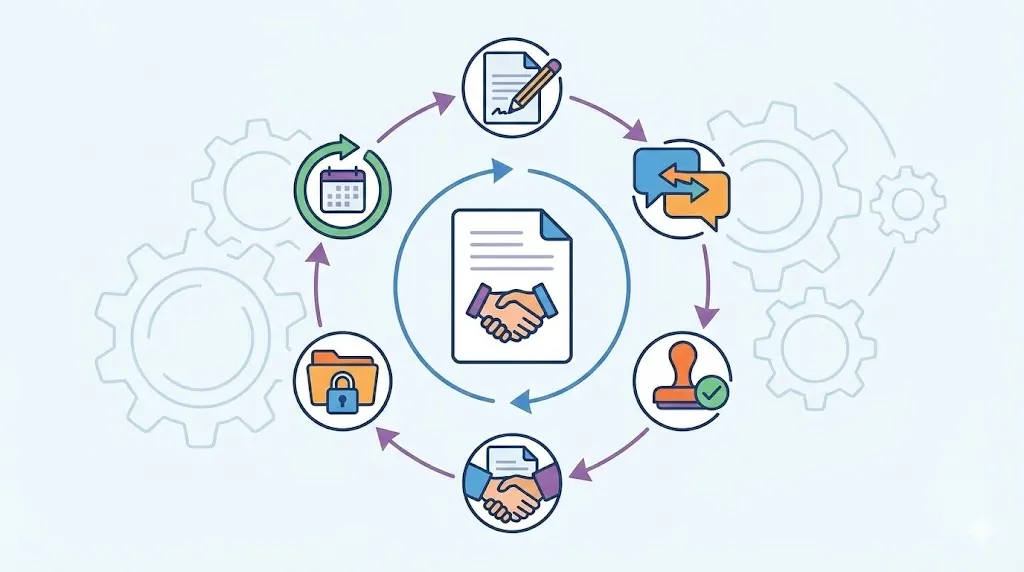
Contract lifecycle management (CLM) platforms consolidate contract information, automate notification processes, and monitor compliance obligations. This enables teams across legal, operations, and project management to maintain alignment and act proactively.
Key benefits of CLM software for construction contracts include:
Central repository for all contracts with easy search and version control.
Automated alerts for payment milestones, insurance renewals, and change order approvals.
Extensive template and clause libraries that ensure uniformity in contract drafting.
Streamlined workflows supporting approvals and electronic signature capture.
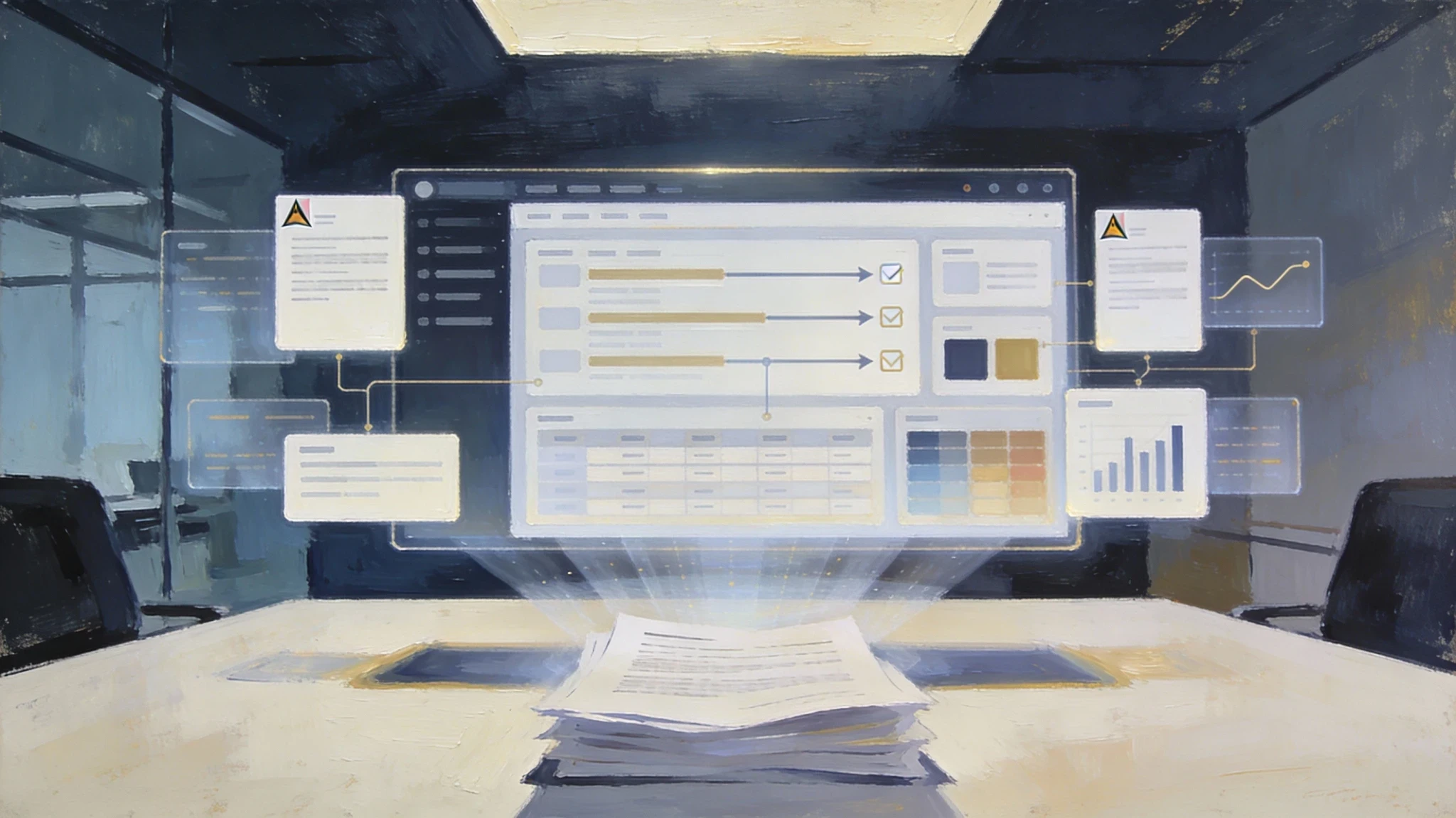
Advanced contract review powered by AI to identify high-risk clauses or omissions.
Managing complex legal workflows requires a centralized and intelligent solution. Explore how Volody's CLM Software can enhance your contract management efficiency by visiting Volody's CLM Software.
Related Article: Fixed-Price Contracts Explained: Benefits, Risks, and AI
FAQ
What is the best contract type for a project with a fixed budget and clear scope?
Moreover, when project scope is well-defined and budget constraints are firm, a lump sum contract is generally preferred. This approach transfers financial risk to the contractor while ensuring budget predictability. Contractors often include contingency allowances in their bids to mitigate potential risks.
How do cost-plus contracts protect owners when the scope is unclear?
Cost-plus agreements reimburse actual expenses along with a fee, allowing owners to commence work prior to finalizing plans. Since owners assume the cost risk, these contracts typically incorporate open-book accounting and audit provisions to uphold transparency.
What risks do owners face with time and materials contracts?
Owners risk cost overruns since payments are based on actual hours and materials used. Without a not-to-exceed clause or strong oversight, expenses can grow unexpectedly. Detailed tracking and regular reporting help control costs.
How do change order clauses reduce disputes?
Furthermore, well-defined change order provisions specify approval authorities, pricing methodologies, and required documentation. This clarity mitigates conflicts and prevents delays by establishing upfront protocols for managing modifications during construction.
What is retainage and why is it important?
Retainage is a portion of payment withheld until project completion to ensure contractors finish work properly. It protects owners from incomplete or defective work and motivates contractors to meet quality and schedule requirements.
When is a guaranteed maximum price contract appropriate?
GMP contracts suit projects with some scope uncertainty but a need for budget control. They set a price ceiling, protecting owners from cost overruns while allowing flexibility. Cost savings below the GMP may be shared between parties.
How does a design-build contract differ from traditional contracts?
Also, design-build combines design and construction under one contract with a single entity responsible. This integration can speed delivery and improve coordination but requires trust in the contractor’s ability to manage both phases.
Also, what are the advantages of integrated project delivery contracts?
IPD contracts promote collaboration by sharing risks and rewards among owner, contractor, and designers. They focus on transparency and teamwork to optimize outcomes but require strong governance and aligned interests.
How can contract management software improve construction projects?
By consolidating contracts into one platform, automating deadline reminders, monitoring change orders, and enforcing approval workflows, CLM software minimizes errors, accelerates approvals, and enhances team coordination-thereby reducing disputes and controlling costs.
What clauses should I include to handle unforeseen site conditions?
Include clear risk allocation clauses specifying who pays for unexpected conditions. Require timely notice of such conditions, define change order procedures, and ensure proper insurance coverage to protect both parties.
About the Company

Volody AI CLM is an Agentic AI-powered Contract Lifecycle Management platform designed to eliminate manual contracting tasks, automate complex workflows, and deliver actionable insights. As a one-stop shop for all contract activities, it covers drafting, collaboration, negotiation, approvals, e-signature, compliance tracking, and renewals. Built with enterprise-grade security and no-code configuration, it meets the needs of the most complex global organizations. Volody AI CLM also includes AI-driven contract review and risk analysis, helping teams detect issues early and optimize terms. Trusted by Fortune 500 companies, high-growth startups, and government entities, it transforms contracts into strategic, data-driven business assets.




" height="216.72211px" id="FYO0bO80Y" transform="translate(3 6.105)" width="206.073px"/><path d="M 108.174 222 C 88.432 222 70.303 217.239 53.785 207.717 C 37.267 198.196 24.173 185.052 14.504 168.285 C 4.835 151.312 0 132.165 0 110.845 C 0 89.731 4.835 70.792 14.504 54.025 C 24.173 37.052 37.267 23.804 53.785 14.282 C 70.303 4.761 88.432 0 108.174 0 C 128.116 0 146.246 4.761 162.562 14.282 C 179.08 23.804 192.073 37.052 201.541 54.025 C 211.21 70.792 216.044 89.731 216.044 110.845 C 216.044 132.165 211.21 151.312 201.541 168.285 C 192.073 185.052 179.08 198.196 162.562 207.717 C 146.044 217.239 127.915 222 108.174 222 Z M 108.174 183.189 C 120.864 183.189 132.044 180.291 141.713 174.495 C 151.382 168.492 158.936 160.006 164.375 149.035 C 169.814 138.064 172.533 125.334 172.533 110.845 C 172.533 96.355 169.814 83.729 164.375 72.965 C 158.936 61.994 151.382 53.611 141.713 47.815 C 132.044 42.02 120.864 39.122 108.174 39.122 C 95.483 39.122 84.202 42.02 74.332 47.815 C 64.663 53.611 57.109 61.994 51.67 72.965 C 46.231 83.729 43.511 96.355 43.511 110.845 C 43.511 125.334 46.231 138.064 51.67 149.035 C 57.109 160.006 64.663 168.492 74.332 174.495 C 84.202 180.291 95.483 183.189 108.174 183.189 Z" fill="rgba(255, 255, 255, 0.12)" height="222px" id="aa1McFcE9" transform="translate(227.183 3)" width="216.04399999999998px"/><path d="M 42.302 182.257 L 111.799 182.257 L 111.799 216.722 L 0 216.722 L 0 0 L 42.302 0 Z" fill="rgba(255, 255, 255, 0.12)" height="216.72211px" id="yRq4AnrsX" transform="translate(477.721 6.105)" width="111.79899999999998px"/><path d="M 108.174 222 C 88.432 222 70.303 217.239 53.785 207.717 C 37.267 198.196 24.173 185.052 14.504 168.285 C 4.835 151.312 0 132.165 0 110.845 C 0 89.731 4.835 70.792 14.504 54.025 C 24.173 37.052 37.267 23.804 53.785 14.282 C 70.303 4.761 88.432 0 108.174 0 C 128.116 0 146.246 4.761 162.562 14.282 C 179.08 23.804 192.073 37.052 201.541 54.025 C 211.21 70.792 216.045 89.731 216.045 110.845 C 216.045 132.165 211.21 151.312 201.541 168.285 C 192.073 185.052 179.08 198.196 162.562 207.717 C 146.044 217.239 127.915 222 108.174 222 Z M 108.174 183.189 C 120.864 183.189 132.044 180.291 141.713 174.495 C 151.382 168.492 158.936 160.006 164.375 149.035 C 169.814 138.064 172.534 125.334 172.534 110.845 C 172.534 96.355 169.814 83.729 164.375 72.965 C 158.936 61.994 151.382 53.611 141.713 47.815 C 132.044 42.02 120.864 39.122 108.174 39.122 C 95.483 39.122 84.202 42.02 74.332 47.815 C 64.663 53.611 57.108 61.994 51.67 72.965 C 46.231 83.729 43.511 96.355 43.511 110.845 C 43.511 125.334 46.231 138.064 51.67 149.035 C 57.108 160.006 64.663 168.492 74.332 174.495 C 84.202 180.291 95.483 183.189 108.174 183.189 Z" fill="rgba(255, 255, 255, 0.12)" height="222px" id="mo8HQspQ0" transform="translate(609.155 3)" width="216.04500000000007px"/><path d="M 73.727 0 C 95.885 0 115.324 4.45 132.044 13.351 C 148.967 22.252 161.957 34.982 171.027 51.541 C 180.287 67.894 184.917 86.937 184.917 108.671 C 184.917 130.405 180.287 149.449 171.027 165.801 C 161.957 181.947 148.967 194.47 132.044 203.371 C 115.324 212.271 95.885 216.722 73.727 216.722 L 0 216.722 L 0 0 Z M 72.216 179.773 C 94.374 179.773 111.497 173.564 123.583 161.144 C 135.669 148.724 141.713 131.233 141.713 108.671 C 141.713 86.109 135.669 68.515 123.583 55.888 C 111.497 43.055 94.374 36.638 72.216 36.638 L 42.302 36.638 L 42.302 179.773 Z" fill="rgba(255, 255, 255, 0.12)" height="216.72211px" id="I3iXX5Hi_" transform="translate(859.693 6.105)" width="184.91699999999992px"/><path d="M 185.22 0 L 113.91 141.273 L 113.91 216.722 L 71.61 216.722 L 71.61 141.273 L 0 0 L 47.74 0 L 93.06 99.046 L 138.08 0 Z" fill="rgba(255, 255, 255, 0.12)" height="216.72211px" id="nzHyWC0_d" transform="translate(1061.78 6.105)" width="185.22000000000003px"/></svg>)