
Legal professionals face a constant challenge: finding accurate, up-to-date information quickly. AI-powered search tools promise to speed up research by delivering cited answers in real time. But how well do these tools fit into everyday legal work? This article explores how AI search engines designed for legal queries perform, what they do best, and where they fall short. We also explain how these tools complement traditional legal research methods and contract management software.
Related Article: Mastering Legal AI Prompts: Top Tips with Clear Examples
TL;DR
AI legal search engines provide fast, cited answers from public sources but lack access to premium legal databases.
Additionally, they are particularly effective for rapid familiarization with unfamiliar subjects and monitoring recent regulatory developments.
These tools do not draft contracts, perform redlines, or benchmark deals against market standards.
Lawyers must verify AI-generated citations against authoritative legal databases before use.
AI search fits best as an early-stage research tool in a multi-step legal workflow.
Contract management software fills gaps by automating drafting, review, and collaboration processes.
What Makes AI Legal Search Useful for Lawyers?
AI search engines designed for legal professionals offer a fresh way to approach research. Unlike traditional search engines, these tools use natural language processing to understand plain-English questions. They return answers with citations to public sources such as government websites, court opinions, and news outlets. This approach helps lawyers get quick, structured responses without needing complex search syntax.
One key advantage is speed. When facing a new matter or unfamiliar jurisdiction, lawyers can get a broad overview in seconds. For example, a transactional attorney entering a new regulatory environment can ask about recent employment law changes and receive a list of relevant statutes and cases with links. This reduces the time spent sifting through multiple databases or legal treatises.
These AI tools also shine in tracking fast-moving legal developments. Because they search the live web, they can surface new agency guidance, legislative updates, or enforcement actions as soon as they are published. In-house counsel managing compliance across multiple states can use this to stay current without waiting for database updates.
While these tools enhance research capabilities, they are not substitutes for established platforms like Westlaw or LexisNexis. Since they lack access to proprietary databases, any citations provided should be independently verified. The AI serves primarily to organize and direct research rather than to generate a conclusive brief or memorandum.
Related articles: What Legal Leaders Expect Law Students to Know About AI Use
How AI Search Fits Into Legal Research Workflows
Legal research often follows a multi-step process. Additionally, these technologies are most effective in the initial phases, assisting lawyers in gaining orientation and pinpointing critical issues before conducting in-depth searches in premium databases.
Stage 1: Quick Orientation on New Issues
When lawyers face unfamiliar topics, jurisdictions, or case types, these advanced retrieval systems enable rapid familiarization. They interpret natural language queries, so lawyers do not need to craft Boolean strings or complex filters. The tool returns concise answers with citations to statutes, cases, or regulations.
For example, a lawyer asked to review the enforceability of restrictive covenants in a specific state can enter a query like: “Summarize non-compete enforceability in Illinois after the 2022 Freedom to Work Act.” The AI will deliver a focused summary with links to relevant statutes and recent appellate decisions.
This stage saves hours of manual searching and helps lawyers decide which legal questions require deeper research. It also reduces billable hours spent on basic orientation.
Stage 2: Monitoring Regulatory Changes and Enforcement
These platforms excel at surfacing the latest legal developments. Since they pull from agency websites, government portals, and news sources in real time, lawyers get immediate access to new regulations, guidance, or enforcement actions.
In practice, compliance teams can run queries on recent Federal Trade Commission enforcement against AI companies or check for SEC rule changes affecting a pending deal. Moreover, this method ensures lawyers receive current information without relying on periodic database updates.
However, these tools do not offer background monitoring or automated alerts. Lawyers must actively run queries to get updates.
Stage 3: Synthesizing Research Before Deep Analysis
Before investing time in expensive legal databases, lawyers need to know which research threads are worth pursuing. Such tools help by mapping relevant cases, statutes, and secondary sources quickly.
For instance, a lawyer conducting comparative law analysis across several states can use AI search to identify key precedents and legislative trends. This early synthesis guides more detailed research in premium platforms.
While AI search scores well on factual recall benchmarks, it does not replace legal reasoning. Its output serves as a starting point, not a final analysis.
Related articles: Can AI Replace Lawyers? Exploring the Future of Legal AI
What AI Legal Search Tools Do Not Do
Despite their strengths, AI legal search engines have important limitations. Additionally, understanding these constraints helps lawyers use these tools more effectively and avoid pitfalls stemming from excessive dependence.
No Document Drafting or Review: These platforms cannot create contracts, pleadings, or legal memoranda.
They are similarly unable to execute redlining or propose modifications within Microsoft Word or alternative document editing environments.
No Market Benchmarking: They do not compare contract terms against current market data or industry standards. They lack access to proprietary deal databases.
No Integration With Document Management Systems: Integration with contract repositories, matter management, or legal project management platforms is not supported.
Citation Verification Required: Since AI search pulls from publicly available sources, citations must be checked against authoritative databases before use in client work.
No Background Monitoring: These tools neither track topics nor push alerts automatically. Lawyers must run fresh queries to get updates.
These gaps mean AI search tools work best alongside specialized contract management software and premium legal research platforms.
Related Articles: How Agentic AI Is Transforming In-House Legal
How to Craft Effective Legal Queries for AI Search
The quality of AI search output depends heavily on how lawyers phrase their questions. Additionally, prompts with precise and thorough details consistently produce superior outcomes. Here are some tips to get useful answers:
Include Jurisdiction: Specify the state, country, or court system relevant to your question.
Define the Legal Topic: Mention the statute, regulation, or contract clause you want to research.
Add Timeframes: Reference recent laws, amendments, or enforcement periods to get current information.
Request Source Types: Ask for citations from government databases, judicial opinions, or press releases to improve reliability.
Specify Output Format: Request summaries, bullet points, or tables to make the response easier to use.
Related Article: Mastering Renewal and Upsell Contracts for Business Growth
Example Prompts That Work Well
“Summarize the enforceability of non-compete agreements in Illinois after the 2022 Freedom to Work Act, incorporating recent appellate court decisions.”
“List FTC enforcement actions against AI companies in the last 12 months, providing references to official press releases.”
“Provide three concise bullet points summarizing recent SEC rule changes affecting private equity funds, citing federal register notices.”
Including a persona or intended audience can further refine the output. For instance: “Summarize this in an executive summary of three bullet points tailored for a General Counsel.”
Related articles: Agentic AI in Legal: 5 Effective Ways Lawyers Use Agentic AI
Verification and Ethical Considerations in Using AI Legal Search
Legal research platforms that utilize artificial intelligence generate responses primarily by analyzing publicly available web data. Additionally, this shift calls for heightened vigilance regarding the ethical and professional duties that legal practitioners must uphold.
Verify All Citations: It is imperative to corroborate citations provided by these platforms with authoritative primary sources such as official court websites or subscription-based legal databases.
Do Not Rely on AI Alone: Employ AI-driven searches as an initial research tool rather than as the definitive source; thorough legal analysis and professional judgment remain indispensable.
Maintain Client Confidentiality: Avoid entering any sensitive or confidential client data into AI tools that process information via public internet queries.
Understand Data Sources: It is important to be aware that AI search engines do not have access to proprietary legal databases or confidential documents held by law firms.
Comply With Professional Rules: Ensure that the use of AI applications adheres strictly to jurisdictional requirements related to competence, confidentiality, and supervisory obligations.
Adhering to these principles enables legal practitioners to leverage AI-enabled research platforms while safeguarding against ethical lapses and professional liability.
Related articles: AI for Legal Documents: Your Essential Guide
Real-World Use Cases and Adoption
Some law firms and corporate legal departments have adopted AI search tools firmwide. For example, a mid-sized transactional firm reported that 80% of its lawyers actively used an AI search platform, generating over 35,000 queries monthly. Additionally, this widespread use underscores the tool’s effectiveness in accelerating initial research and orientation.
In practice, lawyers use AI search to:
Quickly understand new areas of law or unfamiliar jurisdictions.
Track recent regulatory changes during transactions or compliance reviews.
Identify key cases and statutes before deep dives in premium databases.
Prepare initial research outlines or memos faster.
However, firms pair AI search with contract management and legal research platforms to cover drafting, review, and detailed analysis.
Related articles: AI Contract Review vs. Human Lawyers: Speed, Accuracy & ROI
Why Contract Management Software Matters
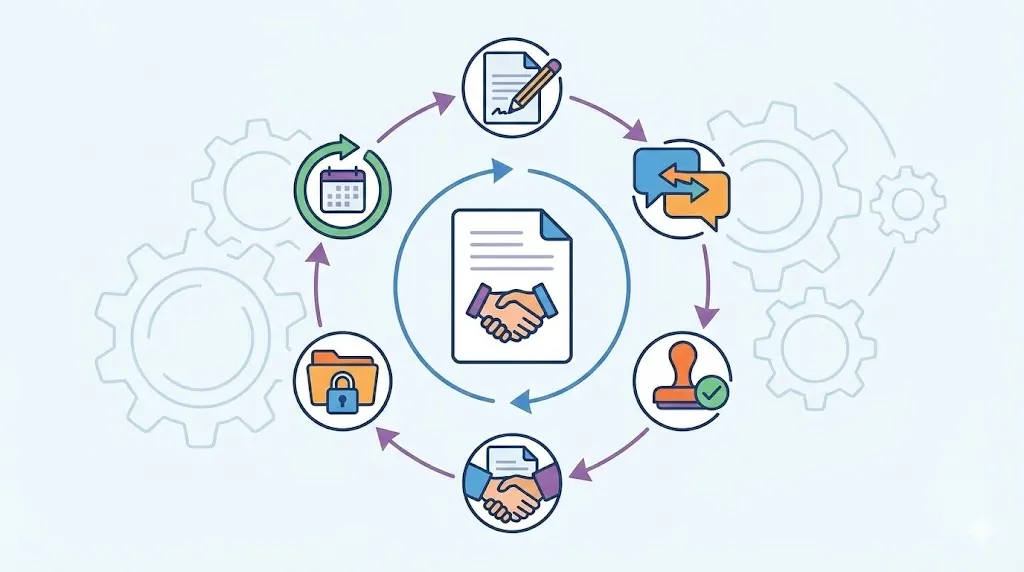
Contract management software (CLM) fills critical gaps left by AI search tools. Additionally, while AI search excels at locating relevant legal information, CLM software orchestrates the entire contract lifecycle, encompassing drafting, review, negotiation, approvals, and compliance tracking.
CLM platforms offer features such as:
Centralized contract repositories with full-text search and metadata tagging.
AI-assisted contract drafting that leverages customizable templates and comprehensive clause libraries.
Automated risk identification and redlining workflows designed to shorten review periods.
Structured approval processes integrated with reminders and escalation mechanisms to ensure timely sign-offs.
Integration with electronic signature platforms, facilitating seamless contract execution.
Robust obligation management tools that systematically monitor critical deadlines and renewal dates.
Moreover, these capabilities reduce manual overhead, improve contract accuracy, and accelerate deal closure. CLM software complements AI search by addressing operational facets that search tools do not cover.
Related Article: What the 2026 State of Contracting Report Reveals About AI
How AI and CLM Work Together
Lawyers typically initiate research using AI search to gather foundational legal context. They then transition to CLM software for contract drafting, review, and negotiation workflows. CLM platforms also provide in-depth analytics and maintain comprehensive audit trails, thereby reinforcing governance and compliance controls.
This combination streamlines legal processes, delivering substantial efficiency gains while managing risk effectively.
Related articles: How AI Automates Legal Workflows
How Contract Management Software Solves This
Contract management software helps legal teams move beyond basic research. Additionally, it enhances the processes of contract creation, review, and approval through automation combined with AI capabilities. Features like AI contract drafting generate first drafts from approved templates, ensuring consistency and speed.
AI contract review flags risky clauses and missing provisions, reducing legal exposure. To support negotiations, clause recommendation engines offer alternative language options tailored to specific contract contexts. Summaries of contracts distill essential terms and obligations, enabling swift comprehension.
The software actively monitors deadlines alongside compliance metrics, significantly lowering the risk of overlooked obligations. Lawyers benefit from seamless integration with Microsoft Word, allowing them to utilize AI-driven tools directly within their familiar document environment. Complex search algorithms within centralized repositories facilitate rapid access to contracts and related documents.
Automated workflows speed up approvals and execution, reducing bottlenecks.
See how modern contract management can streamline every stage of your contract lifecycle with Volody's CLM Software.
Related Article: AI Contract Review: Enhancing Legal Workflow Efficiency
FAQ
What types of legal questions are best suited for AI-powered search?
Additionally, these tools are particularly effective for answering factual questions concerning statutes, regulations, case law, and the latest legal developments. Their results consist of summaries with citations and links to publicly available sources. They are less suited for complex legal analysis or drafting.
Can these AI-driven search platforms replace Westlaw or LexisNexis?
No. These platforms lack access to proprietary databases, nor do they offer the comprehensive legal research functionalities present in established services. They function as preliminary orientation aids that complement, rather than substitute, established resources.
How do lawyers verify AI-generated citations?
Lawyers must cross-check citations against primary legal sources like official court websites, government portals, or subscription databases before relying on them in client work.
Are contract drafting or redlining capabilities available through AI search tools?
No. These platforms neither create documents nor execute contract revisions. Drafting and reviewing contracts demand dedicated contract management systems or specialized legal expertise.
Are these AI-powered search tools secure enough for handling confidential information?
Most AI search engines scan public web content and cannot guarantee confidentiality. Lawyers should avoid inputting sensitive or client-confidential data into these tools.
How often do AI legal search tools update their data?
They perform real-time searches of the live web, ensuring access to the most current published material. However, they do not support continuous topic monitoring or automated alert notifications.
What features should legal teams look for in contract management software?
Essential capabilities include AI-assisted contract drafting, automated risk identification, clause repositories, approval workflows, obligation tracking, electronic signature integration, and compatibility with document editors such as Microsoft Word.
Furthermore, can AI legal search tools help with compliance monitoring?
They assist by surfacing recent regulatory changes during active searches but lack ongoing monitoring or alerting capabilities.
How do law firms integrate AI search into their workflows?
Firms utilize AI search primarily for preliminary research and familiarization, then rely on premium databases alongside contract management solutions for comprehensive analysis, drafting, and negotiations.
Is AI legal search cost-effective for small law firms?
AI search platforms frequently offer free or affordable access, which benefits small firms seeking rapid legal insights without the expense of subscriptions. However, verification and supplementary resources remain necessary.
This detailed overview clarifies how AI-powered legal search solutions fit into modern legal workflows. They accelerate initial research phases and help lawyers stay informed about emerging developments. Yet, they do not replace traditional research databases or contract management software. Combining AI search with robust CLM platforms creates a complete solution for efficient, accurate legal work.
About the Company

Volody AI CLM is an Agentic AI-powered Contract Lifecycle Management platform designed to eliminate manual contracting tasks, automate complex workflows, and deliver actionable insights. As a one-stop shop for all contract activities, it covers drafting, collaboration, negotiation, approvals, e-signature, compliance tracking, and renewals. Built with enterprise-grade security and no-code configuration, it meets the needs of the most complex global organizations. Volody AI CLM also includes AI-driven contract review and risk analysis, helping teams detect issues early and optimize terms. Trusted by Fortune 500 companies, high-growth startups, and government entities, it transforms contracts into strategic, data-driven business assets.





" height="216.72211px" id="FYO0bO80Y" transform="translate(3 6.105)" width="206.073px"/><path d="M 108.174 222 C 88.432 222 70.303 217.239 53.785 207.717 C 37.267 198.196 24.173 185.052 14.504 168.285 C 4.835 151.312 0 132.165 0 110.845 C 0 89.731 4.835 70.792 14.504 54.025 C 24.173 37.052 37.267 23.804 53.785 14.282 C 70.303 4.761 88.432 0 108.174 0 C 128.116 0 146.246 4.761 162.562 14.282 C 179.08 23.804 192.073 37.052 201.541 54.025 C 211.21 70.792 216.044 89.731 216.044 110.845 C 216.044 132.165 211.21 151.312 201.541 168.285 C 192.073 185.052 179.08 198.196 162.562 207.717 C 146.044 217.239 127.915 222 108.174 222 Z M 108.174 183.189 C 120.864 183.189 132.044 180.291 141.713 174.495 C 151.382 168.492 158.936 160.006 164.375 149.035 C 169.814 138.064 172.533 125.334 172.533 110.845 C 172.533 96.355 169.814 83.729 164.375 72.965 C 158.936 61.994 151.382 53.611 141.713 47.815 C 132.044 42.02 120.864 39.122 108.174 39.122 C 95.483 39.122 84.202 42.02 74.332 47.815 C 64.663 53.611 57.109 61.994 51.67 72.965 C 46.231 83.729 43.511 96.355 43.511 110.845 C 43.511 125.334 46.231 138.064 51.67 149.035 C 57.109 160.006 64.663 168.492 74.332 174.495 C 84.202 180.291 95.483 183.189 108.174 183.189 Z" fill="rgba(255, 255, 255, 0.12)" height="222px" id="aa1McFcE9" transform="translate(227.183 3)" width="216.04399999999998px"/><path d="M 42.302 182.257 L 111.799 182.257 L 111.799 216.722 L 0 216.722 L 0 0 L 42.302 0 Z" fill="rgba(255, 255, 255, 0.12)" height="216.72211px" id="yRq4AnrsX" transform="translate(477.721 6.105)" width="111.79899999999998px"/><path d="M 108.174 222 C 88.432 222 70.303 217.239 53.785 207.717 C 37.267 198.196 24.173 185.052 14.504 168.285 C 4.835 151.312 0 132.165 0 110.845 C 0 89.731 4.835 70.792 14.504 54.025 C 24.173 37.052 37.267 23.804 53.785 14.282 C 70.303 4.761 88.432 0 108.174 0 C 128.116 0 146.246 4.761 162.562 14.282 C 179.08 23.804 192.073 37.052 201.541 54.025 C 211.21 70.792 216.045 89.731 216.045 110.845 C 216.045 132.165 211.21 151.312 201.541 168.285 C 192.073 185.052 179.08 198.196 162.562 207.717 C 146.044 217.239 127.915 222 108.174 222 Z M 108.174 183.189 C 120.864 183.189 132.044 180.291 141.713 174.495 C 151.382 168.492 158.936 160.006 164.375 149.035 C 169.814 138.064 172.534 125.334 172.534 110.845 C 172.534 96.355 169.814 83.729 164.375 72.965 C 158.936 61.994 151.382 53.611 141.713 47.815 C 132.044 42.02 120.864 39.122 108.174 39.122 C 95.483 39.122 84.202 42.02 74.332 47.815 C 64.663 53.611 57.108 61.994 51.67 72.965 C 46.231 83.729 43.511 96.355 43.511 110.845 C 43.511 125.334 46.231 138.064 51.67 149.035 C 57.108 160.006 64.663 168.492 74.332 174.495 C 84.202 180.291 95.483 183.189 108.174 183.189 Z" fill="rgba(255, 255, 255, 0.12)" height="222px" id="mo8HQspQ0" transform="translate(609.155 3)" width="216.04500000000007px"/><path d="M 73.727 0 C 95.885 0 115.324 4.45 132.044 13.351 C 148.967 22.252 161.957 34.982 171.027 51.541 C 180.287 67.894 184.917 86.937 184.917 108.671 C 184.917 130.405 180.287 149.449 171.027 165.801 C 161.957 181.947 148.967 194.47 132.044 203.371 C 115.324 212.271 95.885 216.722 73.727 216.722 L 0 216.722 L 0 0 Z M 72.216 179.773 C 94.374 179.773 111.497 173.564 123.583 161.144 C 135.669 148.724 141.713 131.233 141.713 108.671 C 141.713 86.109 135.669 68.515 123.583 55.888 C 111.497 43.055 94.374 36.638 72.216 36.638 L 42.302 36.638 L 42.302 179.773 Z" fill="rgba(255, 255, 255, 0.12)" height="216.72211px" id="I3iXX5Hi_" transform="translate(859.693 6.105)" width="184.91699999999992px"/><path d="M 185.22 0 L 113.91 141.273 L 113.91 216.722 L 71.61 216.722 L 71.61 141.273 L 0 0 L 47.74 0 L 93.06 99.046 L 138.08 0 Z" fill="rgba(255, 255, 255, 0.12)" height="216.72211px" id="nzHyWC0_d" transform="translate(1061.78 6.105)" width="185.22000000000003px"/></svg>)