
Drafting supplier agreements demands precision and strategic foresight to avoid costly mistakes and legal pitfalls. This guide provides a comprehensive overview of common drafting errors, key challenges, and best practices to ensure your agreements are clear, enforceable, and aligned with your business objectives. By implementing these insights, you can safeguard your company’s interests and foster strong supplier relationships.
TL;DR
Common mistakes in supplier agreement drafting cause compliance issues and costly disputes.
Key challenges include unclear scope, poor risk allocation, and tricky legal terms.
Best practices focus on detailed checklists, clear communication, and risk management.
Negotiation tips help balance your needs while keeping supplier relationships strong.
Legal challenges require clear clauses and smart dispute prevention strategies.
Contract management tools improve drafting accuracy, compliance, and workflow control.
Common Mistakes When Drafting a Supplier Agreement
Ambiguous Scope and Deliverables
One of the biggest errors is writing unclear scopes or deliverables. When contract terms are vague, suppliers might misunderstand what is expected. This leads to missed deadlines or poor-quality goods and services. Always define what the supplier must provide, including quantities, quality standards, and timelines. Avoid general phrases like "reasonable efforts" that leave room for interpretation.
Overlooking Compliance Requirements
Failing to include compliance rules creates serious risks. Supplier agreements must cover laws, regulations, and industry standards the supplier needs to follow. Without this, your company may face fines or reputational damage. Check local laws and sector rules carefully. Include clauses that require the supplier to meet these rules and allow you to audit compliance.
Ignoring Risk Allocation
Many agreements miss clear risk-sharing terms. Who is responsible if a product is defective or delivery is late? Without this, disputes arise over liability. Specify limits on damages and what risks each party covers. Clear indemnity provisions protect your business from supplier mistakes. Ignoring risk allocation exposes you to unexpected costs.
Unclear timelines: Missing or flexible deadlines cause confusion and delays.
No quality standards: Without defined quality, disputes over product acceptability increase.
Missing compliance clauses: Lack of regulatory rules risks legal penalties.
Poor liability terms: Ambiguous risk sharing leads to costly disagreements.
Weak termination rights: Unclear exit conditions trap companies in bad deals.
Neglecting Intellectual Property Rights
Supplier agreements often overlook who owns the intellectual property (IP) created during the partnership. Without clear IP clauses, your company might lose control of important designs or innovations. Specify ownership, usage rights, and any licensing terms upfront. This prevents disputes over patents, copyrights, or trademarks later.
Failing to Address Confidentiality
Confidentiality is critical when sharing sensitive information with suppliers. Missing or weak confidentiality clauses can lead to data leaks or misuse of proprietary information. Define what information is confidential and how it must be protected. Include consequences for breaches to deter careless handling.
Inadequate Dispute Resolution Procedures
Many contracts lack clear steps for resolving conflicts. Without agreed methods like mediation or arbitration, disputes can drag into costly lawsuits. Outline the process and venue for dispute resolution to save time and money. This ensures smoother handling if disagreements arise.
Related Article: Contract Management Security: Risks, Mistakes and Solutions
Key Challenges in Supplier Agreement Drafting
Managing Liability and Indemnity Clauses
Liability clauses define who pays for losses from breaches or damages. Drafting these requires balance. Too strict, and suppliers may refuse to sign. Too loose, and your company bears excess risk. Indemnity clauses shift responsibility for certain damages. They must be precise to avoid open-ended liability. Clear limits and caps on damages help control exposure.
Addressing Intellectual Property Rights
Supplier agreements often involve intellectual property (IP), like designs or software. Clarify who owns new IP created during the contract. Specify rights to use existing IP and protect confidential info. Failure to address IP can cause costly disputes or loss of proprietary assets. Use clear licensing terms and confidentiality obligations.
Handling Termination and Renewal Terms
Termination clauses let parties end the contract under certain conditions. Defining these clearly prevents disputes if performance is poor. Include notice periods, grounds for termination, and consequences like final payments. Renewal terms should specify how and when contracts extend. Without clarity, automatic renewals or surprise endings cause problems.
Managing liability requires clear limits and fair risk sharing.
IP rights need specific ownership and usage rules.
Termination terms prevent disputes over ending contracts.
Renewal clauses avoid unexpected contract extensions.
Legal complexity increases with cross-border supplier agreements.
Supplier agreements may also involve warranties, which guarantee certain conditions or performance levels. Clearly defined warranties protect both parties by setting expectations and remedies if standards are not met. Ambiguous warranty terms can lead to disputes and damage claims. In addition, dispute resolution mechanisms should be carefully drafted. Specify whether parties will use mediation, arbitration, or court litigation to solve conflicts. This clarity helps avoid costly, drawn-out legal battles.
For agreements spanning multiple countries, consider local laws that affect contract validity and enforceability. Differences in legal systems might require tailored clauses or additional protections. Language barriers and cultural differences can also impact interpretation, so precise wording and translations are crucial. Documenting these details thoroughly reduces misunderstandings and legal risks in complex supplier relationships.
Related Article: Reseller Agreement: A Comprehensive Guide for Success
Supplier Agreement Negotiation Tips
Preparing for Negotiation
Good negotiation starts with preparation. Understand your business needs and risks before talks begin. Know the supplier’s background and market position. Gather data on pricing, delivery, and quality benchmarks. Set clear goals and limits so you can negotiate confidently. Preparation reduces surprises and builds leverage.
Communicating Expectations Clearly
Clear communication avoids misunderstandings. Explain your requirements plainly and listen to supplier concerns. Use precise language in draft agreements to reflect negotiated points. Avoid vague promises or informal side agreements. Document all changes to keep a clear record. Good communication builds trust and smooths negotiations.
Balancing Flexibility and Protection
Negotiation should balance your need for control with supplier flexibility. Allow some room for minor changes or unforeseen events. But protect your business with firm terms on key issues like delivery, quality, and payment. Avoid overly rigid contracts that discourage supplier cooperation. Find win-win solutions that keep both sides engaged.
Know your needs: Define must-haves and deal breakers before talks.
Research suppliers: Understand their strengths and weaknesses.
Use plain language: Avoid jargon and vague terms during negotiations.
Document agreements: Record all negotiated changes in writing.
Aim for balance: Protect your interests while allowing reasonable flexibility.
Anticipate common sticking points such as payment terms and liability limits. Prepare alternative proposals to keep talks moving. For example, if the supplier wants longer payment periods, suggest partial upfront payments or early payment discounts. Use objective criteria like industry standards or past contracts to support your position. This approach makes your requests seem reasonable and fair.
Keep emotions in check during negotiations. Stay calm and professional, even if discussions get tense. Focus on solving problems together, not winning arguments. If talks stall, consider taking a break to regroup. Building rapport through respectful dialogue often leads to better outcomes.
Finally, clarify next steps before ending each meeting. Agree on deadlines for responses and required approvals. This keeps momentum and ensures both parties stay accountable throughout the negotiation process.
Related Article: Vendor Negotiation: 4 Steps of Success Contract Negotiation
Drafting Supplier Agreements Checklist
Essential Contract Elements
A solid supplier agreement must include key parts. These cover the scope of work, payment terms, delivery schedules, and quality standards. Also, name the parties clearly and state the contract duration. Include clauses on confidentiality, warranties, and dispute resolution. Each element should be detailed and unambiguous.
Compliance and Regulatory Considerations
Check that the agreement addresses all relevant laws and regulations. Include supplier obligations to comply with safety, environmental, and labor rules. Require certifications or audits if needed. Also, plan for changes in laws during the contract term. Compliance clauses protect your company from legal risks linked to supplier actions.
Risk Management Provisions
Incorporate clauses that identify and reduce risks. Specify liability limits, indemnities, and insurance requirements. Include termination rights for breach or poor performance. Add force majeure clauses to cover unforeseen events like natural disasters. Also, set up monitoring and reporting duties for supplier performance.
Scope and deliverables: Clear, specific descriptions avoid confusion.
Payment terms: Define amounts, schedules, and penalties for late payment.
Compliance rules: Supplier must meet all legal and industry standards.
Risk clauses: Liability limits and indemnities protect your business.
Dispute resolution: Include mediation or arbitration to handle conflicts.
Detail the process for contract amendments to keep the agreement flexible. Specify who can approve changes and how they must be documented. This prevents misunderstandings when adjustments become necessary during the partnership. Also, include clear guidelines for delivery delays and penalties to maintain accountability. For example, set specific timeframes for supplier notification and remedies if deadlines are missed.
Address intellectual property rights explicitly if the supplier creates or uses proprietary materials. Clarify ownership, usage rights, and confidentiality obligations to avoid disputes. Finally, outline exit strategies beyond termination for breach, such as renewal terms and post-contract obligations. This ensures both parties understand their responsibilities when the agreement ends or renews, reducing future conflicts.
Related Article: Vendor Contract Management Logistics: Best Practices
Best Practices for Supplier Agreement Risk Management
Identifying and Assessing Risks
Start by listing potential risks in the supplier relationship. These include delivery delays, quality failures, price changes, and legal breaches. Assess the impact and likelihood of each risk. Understanding risks helps target contract provisions effectively. Engage legal and procurement teams for thorough risk analysis.
Incorporating Risk Mitigation Clauses
Use contract clauses to reduce identified risks. Set clear quality standards and inspection rights. Require insurance coverage for liability risks. Include warranties and penalties for non-performance. Use force majeure clauses to handle uncontrollable events. Well-crafted clauses limit your exposure and encourage supplier accountability.
Monitoring and Reviewing Contract Performance
Risk management continues after signing. Regularly check supplier performance against contract terms. Use reports, audits, and site visits to verify compliance. Address issues early through communication or corrective plans. Review contracts periodically to update risk provisions as business or laws change.
Identify risks early with cross-team input.
Use warranties and penalties to enforce standards.
Require insurance to cover potential damages.
Monitor supplier actions regularly to catch problems.
Update contracts to reflect new risks or regulations.
Effective communication channels are essential for ongoing risk management. Establish regular meetings with suppliers to discuss performance and emerging risks. Document these discussions to ensure accountability and track agreed actions. Transparency builds trust and allows quick responses to potential problems.
Leverage technology tools to enhance risk tracking. Supplier management software can flag delays or quality issues automatically. Data analytics can identify patterns that human reviewers might miss. These insights help prioritize risk mitigation efforts and allocate resources efficiently.
Finally, consider contingency planning for high-impact risks. Develop backup supplier options or alternative sourcing strategies. Test these plans periodically to ensure readiness. Preparedness reduces disruption and protects your operations when risks materialize unexpectedly.
Related Article: Procurement Contract Risks That Could Sink Your Business
Supplier Agreement Dispute Prevention Strategies
Clear Communication and Documentation
Many supplier disputes start with poor communication. Keep all agreements and changes in writing. Use straightforward language to reduce misunderstandings. Hold regular meetings to align expectations during contract execution. Document conversations and decisions to create a clear trail.
Dispute Resolution Clauses
Include clauses specifying how disputes get handled. Choose methods like negotiation, mediation, or arbitration before litigation. Set timelines and procedures for raising and resolving issues. Clear dispute resolution paths reduce costs and preserve relationships. Avoid vague or missing dispute terms that invite conflict.
Keep written records of all contract-related communications.
Use plain language to avoid ambiguous terms.
Establish regular check-ins to resolve issues early.
Include step-by-step dispute resolution processes.
Choose alternative dispute methods to avoid court battles.
Set clear roles and responsibilities for each party within the contract. When everyone knows their duties, it lowers the chances of disputes caused by confusion or missed tasks. Also, define specific performance metrics to measure supplier delivery and quality. This makes it easier to spot issues early and address them with facts rather than opinions.
Use technology to track contract milestones and deadlines. Automated alerts can remind both sides about key dates like renewals or deliverables. This proactive approach helps avoid disputes triggered by missed obligations. Finally, encourage an open feedback culture. When suppliers and buyers feel safe to discuss concerns promptly, small problems rarely grow into full disputes. This builds trust and supports long-term partnerships.
Related Article: Dispute Resolution Clause: How to Draft a Strong One
Why Contract Management Software Matters
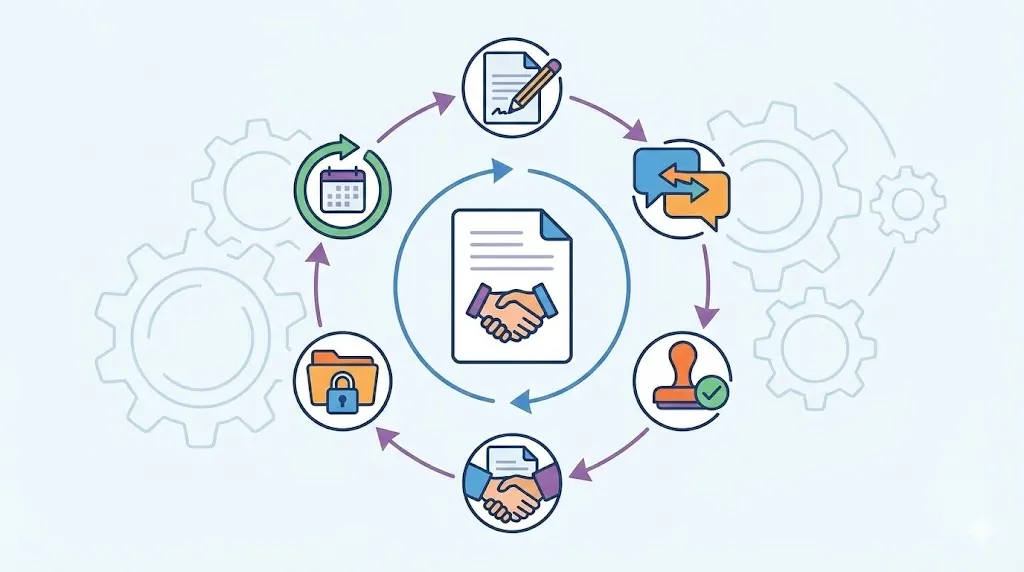
Contract management software improves supplier agreement accuracy and consistency. It helps track compliance by flagging missing or expired clauses. The software automates workflows, speeding up reviews and approvals. It also stores contracts securely with full-text search for easy retrieval. These tools reduce human error and save time.
Volody's CLM Software offers advanced AI Contract Drafting, generating first drafts from templates and clause libraries. Its AI Contract Review flags risky clauses and missing provisions. The software also provides Obligation Management to track supplier commitments and renewal dates. These features streamline supplier agreement drafting and risk monitoring.
For example, Volody's AI Contract Review can highlight unclear liability terms before finalizing an agreement. Obligation Management then tracks deadlines and alerts teams ahead of renewals, preventing missed opportunities.
Want to see how contract management software can simplify your legal workflows? Check out Volody's CLM Software.
FAQ
What are the most common mistakes when drafting a supplier agreement?
Common mistakes include vague contract terms, missing compliance clauses, and unclear risk-sharing rules. These errors often cause disputes and legal problems. Defining scope, quality standards, and responsibilities clearly helps avoid these issues. Also, including compliance and liability provisions is essential.
How can I ensure supplier contract compliance?
Ensuring compliance requires clear contract language spelling out all legal and regulatory rules. Regular monitoring and audits verify that suppliers follow these rules. Including audit rights and compliance certification clauses helps maintain standards. Staying updated on law changes is also critical.
What should be included in a drafting supplier agreements checklist?
A good checklist covers scope of work, payment terms, delivery schedules, quality standards, and contract duration. It also includes compliance requirements, risk management clauses, confidentiality, warranties, and dispute resolution methods. This ensures the agreement is complete and clear.
How do I handle risk management in supplier agreements?
Handle risk by identifying potential problems like delays or quality issues. Draft clauses that limit liability and require insurance. Use warranties and penalties to enforce performance. Monitor supplier actions regularly and update contracts as needed to reduce risks.
What negotiation tips improve supplier agreement outcomes?
Prepare by knowing your business needs and supplier background. Communicate expectations clearly with plain language. Document all agreed points to avoid misunderstandings. Balance your need for protection with some flexibility to keep suppliers engaged.
How can disputes be prevented in supplier agreements?
Prevent disputes with clear, written communication and detailed contract terms. Hold regular meetings to resolve issues early. Include dispute resolution clauses specifying mediation or arbitration steps. Maintaining documentation helps track agreements and changes.
When should I involve legal counsel in supplier agreement drafting?
Involve legal counsel for complex contracts, high-risk deals, or when laws and regulations are unclear. Counsel helps draft precise clauses for liability, compliance, and IP rights. They also advise on dispute prevention and risk management strategies.
What role does contract management software play in supplier agreements?
Contract management software improves drafting accuracy by using templates and AI review tools. It tracks compliance and deadlines automatically. It speeds up negotiation workflows and stores contracts securely. These tools reduce errors and save time across the contract lifecycle.
FRAMER_META--- {"framer_title":"Preventing Critical Errors in Supplier Agreement Drafts","framer_slug":"preventing-critical-errors-in-supplier-agreement-drafts","framer_excerpt":"This guide identifies common drafting pitfalls in supplier agreements and offers strategic best practices to ensure clarity, compliance, and risk mitigation for stronger supplier partnerships."}
About the Company

Volody AI CLM is an Agentic AI-powered Contract Lifecycle Management platform designed to eliminate manual contracting tasks, automate complex workflows, and deliver actionable insights. As a one-stop shop for all contract activities, it covers drafting, collaboration, negotiation, approvals, e-signature, compliance tracking, and renewals. Built with enterprise-grade security and no-code configuration, it meets the needs of the most complex global organizations. Volody AI CLM also includes AI-driven contract review and risk analysis, helping teams detect issues early and optimize terms. Trusted by Fortune 500 companies, high-growth startups, and government entities, it transforms contracts into strategic, data-driven business assets.





" height="216.72211px" id="FYO0bO80Y" transform="translate(3 6.105)" width="206.073px"/><path d="M 108.174 222 C 88.432 222 70.303 217.239 53.785 207.717 C 37.267 198.196 24.173 185.052 14.504 168.285 C 4.835 151.312 0 132.165 0 110.845 C 0 89.731 4.835 70.792 14.504 54.025 C 24.173 37.052 37.267 23.804 53.785 14.282 C 70.303 4.761 88.432 0 108.174 0 C 128.116 0 146.246 4.761 162.562 14.282 C 179.08 23.804 192.073 37.052 201.541 54.025 C 211.21 70.792 216.044 89.731 216.044 110.845 C 216.044 132.165 211.21 151.312 201.541 168.285 C 192.073 185.052 179.08 198.196 162.562 207.717 C 146.044 217.239 127.915 222 108.174 222 Z M 108.174 183.189 C 120.864 183.189 132.044 180.291 141.713 174.495 C 151.382 168.492 158.936 160.006 164.375 149.035 C 169.814 138.064 172.533 125.334 172.533 110.845 C 172.533 96.355 169.814 83.729 164.375 72.965 C 158.936 61.994 151.382 53.611 141.713 47.815 C 132.044 42.02 120.864 39.122 108.174 39.122 C 95.483 39.122 84.202 42.02 74.332 47.815 C 64.663 53.611 57.109 61.994 51.67 72.965 C 46.231 83.729 43.511 96.355 43.511 110.845 C 43.511 125.334 46.231 138.064 51.67 149.035 C 57.109 160.006 64.663 168.492 74.332 174.495 C 84.202 180.291 95.483 183.189 108.174 183.189 Z" fill="rgba(255, 255, 255, 0.12)" height="222px" id="aa1McFcE9" transform="translate(227.183 3)" width="216.04399999999998px"/><path d="M 42.302 182.257 L 111.799 182.257 L 111.799 216.722 L 0 216.722 L 0 0 L 42.302 0 Z" fill="rgba(255, 255, 255, 0.12)" height="216.72211px" id="yRq4AnrsX" transform="translate(477.721 6.105)" width="111.79899999999998px"/><path d="M 108.174 222 C 88.432 222 70.303 217.239 53.785 207.717 C 37.267 198.196 24.173 185.052 14.504 168.285 C 4.835 151.312 0 132.165 0 110.845 C 0 89.731 4.835 70.792 14.504 54.025 C 24.173 37.052 37.267 23.804 53.785 14.282 C 70.303 4.761 88.432 0 108.174 0 C 128.116 0 146.246 4.761 162.562 14.282 C 179.08 23.804 192.073 37.052 201.541 54.025 C 211.21 70.792 216.045 89.731 216.045 110.845 C 216.045 132.165 211.21 151.312 201.541 168.285 C 192.073 185.052 179.08 198.196 162.562 207.717 C 146.044 217.239 127.915 222 108.174 222 Z M 108.174 183.189 C 120.864 183.189 132.044 180.291 141.713 174.495 C 151.382 168.492 158.936 160.006 164.375 149.035 C 169.814 138.064 172.534 125.334 172.534 110.845 C 172.534 96.355 169.814 83.729 164.375 72.965 C 158.936 61.994 151.382 53.611 141.713 47.815 C 132.044 42.02 120.864 39.122 108.174 39.122 C 95.483 39.122 84.202 42.02 74.332 47.815 C 64.663 53.611 57.108 61.994 51.67 72.965 C 46.231 83.729 43.511 96.355 43.511 110.845 C 43.511 125.334 46.231 138.064 51.67 149.035 C 57.108 160.006 64.663 168.492 74.332 174.495 C 84.202 180.291 95.483 183.189 108.174 183.189 Z" fill="rgba(255, 255, 255, 0.12)" height="222px" id="mo8HQspQ0" transform="translate(609.155 3)" width="216.04500000000007px"/><path d="M 73.727 0 C 95.885 0 115.324 4.45 132.044 13.351 C 148.967 22.252 161.957 34.982 171.027 51.541 C 180.287 67.894 184.917 86.937 184.917 108.671 C 184.917 130.405 180.287 149.449 171.027 165.801 C 161.957 181.947 148.967 194.47 132.044 203.371 C 115.324 212.271 95.885 216.722 73.727 216.722 L 0 216.722 L 0 0 Z M 72.216 179.773 C 94.374 179.773 111.497 173.564 123.583 161.144 C 135.669 148.724 141.713 131.233 141.713 108.671 C 141.713 86.109 135.669 68.515 123.583 55.888 C 111.497 43.055 94.374 36.638 72.216 36.638 L 42.302 36.638 L 42.302 179.773 Z" fill="rgba(255, 255, 255, 0.12)" height="216.72211px" id="I3iXX5Hi_" transform="translate(859.693 6.105)" width="184.91699999999992px"/><path d="M 185.22 0 L 113.91 141.273 L 113.91 216.722 L 71.61 216.722 L 71.61 141.273 L 0 0 L 47.74 0 L 93.06 99.046 L 138.08 0 Z" fill="rgba(255, 255, 255, 0.12)" height="216.72211px" id="nzHyWC0_d" transform="translate(1061.78 6.105)" width="185.22000000000003px"/></svg>)