

Procurement teams face rising pressure to deliver more value while managing risks and costs. Contracts sit at the heart of these efforts but often get tangled in slow, manual processes. The right contract innovation can speed up procurement cycles, improve supplier relationships, and unlock hidden savings. This article explores how procurement can drive value through smarter contract strategies and technology.
TL;DR
Digitizing contract workflows and centralizing contract data can significantly enhance procurement outcomes.
Additionally, automating contract processes reduces errors and expedites supplier onboarding and negotiation phases.
Extracting insights from contract data allows organizations to uncover risks, identify cost savings, and explore opportunities to advance procurement strategies.
Procurement’s influence on business objectives is strengthened by effectively balancing operational efficiency with innovation.
The integration of advanced analytics and AI tools facilitates more nuanced contract reviews and comprehensive supplier performance monitoring.
Contract management software underpins these initiatives through its capabilities in automation, tracking, and contract analysis.
Why Contract Innovation Matters for Procurement Success
Procurement leaders manage complex supplier networks and face constant pressure to reduce costs, ensure compliance, and improve supplier performance. Additionally, contracts underpin these relationships. However, many procurement teams still rely on manual contract management methods. These outdated processes slow down negotiations, increase risk, and hide valuable insights locked in contract data.
Contract innovation means rethinking how contracts are created, managed, and analyzed. It involves adopting digital tools and smarter workflows that eliminate bottlenecks and provide real-time visibility into contract terms and supplier obligations. This shift allows procurement to act faster, negotiate better deals, and uncover new value.
For example, a procurement team that digitizes its contract lifecycle can quickly spot unfavorable clauses or missed renewal deadlines. Automation of approval processes and integration of contract data with supplier performance metrics enhance operational efficiency. These improvements enable organizations to develop more strategic supplier relationships and achieve superior business outcomes.
Explore more: Why Procurement Professionals Face Burnout and How to Fix It
How Digital Contract Management Drives Procurement Value
Digital contract management replaces paper-based or spreadsheet-driven processes with centralized, automated platforms. This change transforms procurement by:
Speeding up contract creation and approval: Automated templates and workflows reduce drafting time and minimize errors.
Improving compliance and risk control: Standardized clauses and approval rules ensure contracts meet company policies.
Enhancing visibility: A single source of truth makes it easy to track contract status, obligations, and expirations.
Supporting supplier self-service: Buyers can access pre-approved contracts and negotiate terms within set guardrails.
Centralizing contracts on one platform also enables procurement teams to scale their operations without losing control or transparency. They can manage complex supplier portfolios, multiple contract types, and global compliance requirements more efficiently.
For instance, a procurement manager handling hundreds of supplier contracts can use digital dashboards to monitor contract milestones and flag upcoming renewals. This proactive approach reduces missed deadlines and prevents costly auto-renewals.
According to a recent Deloitte report, organizations that digitize contract management see up to a 50% reduction in contract cycle times and a 30% decrease in contract-related risks. These improvements directly impact procurement’s ability to deliver value.
Related articles: How Asset Managers Can Reveal Value Hidden in Contracts
Using Automation and AI to Enhance Contract Processes
Automation and artificial intelligence (AI) are key drivers of contract innovation in procurement. Additionally, beyond that, they empower teams to eliminate repetitive manual tasks while extracting valuable insights from vast contract datasets.
Automation Benefits
Template-based contract generation: Leveraging approved templates embedded with dynamic fields enables rapid drafting of contracts.
Workflow automation: Contracts are routed through complex, multi-level approval processes with integrated reminders and escalation protocols to prevent bottlenecks.
Electronic signatures: This feature facilitates quicker contract execution by eliminating the need for physical printing or scanning.
These capabilities collectively diminish manual intervention and streamline the contract lifecycle. As a result, procurement professionals are better positioned to concentrate on high-impact activities such as supplier negotiations and comprehensive risk assessments.
AI Applications
Contract review: AI technology analyzes contracts to identify potentially risky clauses, detect missing provisions, and ensure adherence to compliance policies.
Clause recommendations: During negotiations, AI proposes alternative language or fallback clauses that can enhance contract terms.
Metadata extraction: The system automatically extracts critical data points—including parties involved, dates, payment terms, and obligations—to simplify monitoring and management.
Contract summaries: AI generates concise overviews that emphasize essential contract components, facilitating rapid review by stakeholders.
For example, AI-powered contract review can quickly identify outdated indemnity clauses or unfavorable payment terms across thousands of contracts. Procurement can then prioritize renegotiations or flag contracts for legal review.
According to Gartner, AI in contract management can reduce review times by up to 40% and improve risk detection accuracy. This allows procurement to mitigate risks proactively and accelerate supplier onboarding.
Related articles: 8 Strategies to reduce cost for AI Contract Management
Balancing Efficiency and Innovation in Procurement Teams
Procurement leaders must deliver cost savings and operational efficiency while embracing innovation to stay competitive. Contract innovation supports this balance by enabling:
Faster contract cycles: Automation cuts down negotiation and approval times, freeing up resources.
Enhanced collaboration with suppliers through digital platforms, which increase communication efficiency and transparency.
Advanced analytics empower procurement to identify complex patterns and uncover specific opportunities to boost supplier performance while driving cost reductions.
The use of adaptable contract templates and dynamic workflows equips procurement with the agility necessary to rapidly adjust to evolving market conditions.
Investing in contract innovation also helps procurement teams lead digital transformation initiatives across the organization. Such a strategic emphasis on innovation positions procurement to champion modernization efforts that extend well beyond its conventional scope. Through modernizing contract processes, procurement sets a benchmark for other business units, thereby driving greater agility throughout the enterprise.
For example, contract analytics provide procurement teams with the capability to uncover suppliers exhibiting consistent delivery shortcomings. They can then renegotiate terms or switch to higher-performing vendors, improving supply chain reliability.
A McKinsey study found that companies that adopt digital procurement practices can reduce sourcing costs by 15% to 20% and improve contract compliance by 30%. These gains come from combining efficiency with innovation.
Related articles: Contract Process KPIs That Boost Business Performance
How Procurement Unlocks Value Through Contract Data
Contracts contain a wealth of data that often goes untapped. Additionally, leveraging this information through extraction and analysis reveals considerable opportunities for procurement teams.
Key Benefits of Contract Data Analytics
Cost reduction: Uncover hidden fees, identify duplicate payments, and renegotiate unfavorable terms to achieve more advantageous agreements.
Risk management: Identify contractual clauses that could expose the organization to legal or financial liabilities prior to execution.
Performance tracking: Evaluate supplier adherence to agreed service levels, delivery timelines, and payment conditions.
Forecasting and planning: Analyze contract information to predict renewal timelines, budget requirements, and potential disruptions within the supply chain.
Data visualization tools help procurement leaders see spending patterns and contract exposures at a glance. This clarity supports smarter sourcing strategies and proactive risk mitigation.
For example, a procurement analyst might analyze contractual spend to discover that a significant share is allocated to a single supplier. They can then explore diversifying suppliers to reduce dependency risks.
[Integrating contract information with Internet of Things (IoT) sensors along with supply chain systems can further enhance visibility. Real-time data feeds allow procurement to react quickly to delays or quality issues.
According to a Deloitte survey, 27% of procurement organizations use data analytics to reduce costs and improve supplier relationships. The trend is growing as more companies recognize the strategic value of contract data.
Related articles: How Legal and Finance Can Collaborate Better on Contracts
Why Contract Management Software Matters
Contract management software provides procurement teams with sophisticated tools designed to overhaul contract workflows and maximize value extraction. It offers:
Centralized contract repository: Enables secure storage and systematic organization of contracts, complemented by advanced search and tagging capabilities.
Automated workflows: Facilitate the entire lifecycle from contract drafting to final approval and execution.
AI-powered insights: Provide risk detection, metadata extraction, and automatic summarization.
Obligation tracking: Keep track of key contract milestones, renewal dates, and compliance requirements with timely alerts.
Collaboration features: Support real-time commenting, redlining, and version management.
These functionalities minimize manual tasks, enhance precision, and empower procurement with comprehensive oversight of contract lifecycles. They also enhance compliance and governance by maintaining audit trails and enforcing policies.
For example, procurement teams leverage these solutions to schedule renewal notifications, thereby preventing inadvertent auto-renewals that could impose unfavorable terms.
By integrating with ERP, CRM, and procurement systems, contract software fits into existing workflows and amplifies procurement’s impact.
Related Article: How ECM Software Solves 5 Major Procurement Challenges
How CLM Software Solves These Challenges
Contract Lifecycle Management (CLM) software tackles a broad spectrum of procurement challenges by optimizing and unifying contract processes. By doing so, it significantly reduces contract turnaround times, strengthens risk control measures, and uncovers valuable insights within contract data.
Modern CLM platforms incorporate AI-powered drafting and review capabilities while also streamlining approval workflows and enhancing obligation management functionalities. Procurement teams benefit through accelerated contract creation, heightened accuracy in identifying risky clauses, and more effective oversight of critical deadlines.
At the core of Volody’s offering is AI-enhanced contract drafting driven by templates, combined with automated risk assessment and sophisticated metadata extraction methods. The solution further includes electronic signature integration, collaborative features tailored for complex workflows, and seamless interoperability with existing enterprise infrastructure.
By leveraging these technologies, the platform minimizes human error rates, expedites negotiation cycles, and enforces rigorous compliance standards. Dashboards and analytics further enable continuous monitoring of supplier performance and overall contract health.
> Discover how Volody's CLM Software can equip your team to manage contracts with greater assurance.
FAQ
What does contract innovation entail for procurement?
Additionally, contract innovation refers to enhancing the processes involved in drafting, managing, and analyzing contracts. It applies advanced technologies and optimized workflows to accelerate procedures, limit exposure, and deepen the analytical value extracted from agreements.
It involves using digital tools and smarter workflows to speed up processes, mitigate potential pitfalls, and unlock value from contract data.
How does digital contract management benefit procurement?
Contract management systems centralize agreements, automate workflows, and enhance transparency. This leads to shortened contract lifecycles, better compliance with policies, and more efficient oversight of supplier commitments.
This leads to faster contract cycles, better compliance, and easier tracking of supplier obligations.
Moreover, what role does AI play in contract processes?
AI assists in identifying contractual risks, recommending improved clauses, automatically extracting critical data, and summarizing contracts. This accelerates review cycles and minimizes errors in procurement contracts.
How can procurement balance efficiency with innovation?
Procurement can automate routine tasks to improve efficiency while using data and new technologies to innovate supplier management and contract strategies.
Why is contract data important for procurement?
Contract data reveals spending patterns, risks, and supplier performance. Furthermore, evaluating this information enables procurement to negotiate more favorable terms, manage exposures effectively, and forecast upcoming requirements.
What features should contract management software have for procurement?
Key features include a central contract repository, automated workflows, AI-powered review, obligation tracking, collaboration tools, and integration with ERP or procurement systems.
How does contract automation reduce cycle times?
Automation speeds up drafting, approvals, and execution by eliminating manual steps and routing contracts automatically to the right stakeholders.
Can contract innovation improve supplier relationships?
Yes, digital platforms enhance communication precision, accelerate negotiation processes, and offer superior visibility into supplier obligations, thereby strengthening partnerships.
Also, is contract innovation costly for procurement teams?
While there is an upfront investment, contract innovation reduces manual work, lowers risks, and uncovers savings that deliver a strong return on investment.
How do analytics help procurement manage contracts better?
Analytics provide comprehensive assessments of contract performance, identify potential liabilities, and reveal hidden opportunities. These insights support strategic decisions that optimize sourcing and enhance supplier engagement.
Analytics provide insights into contract performance, risks, and opportunities. They enable data-driven decisions that improve sourcing and supplier management.
This article has explained how procurement teams can drive value by innovating contract processes. Smart use of digital tools, automation, AI, and data analytics transforms contracts from paperwork into strategic assets. These changes enhance operational efficiency, mitigate risks, and unlock savings that support business goals.
About the Company
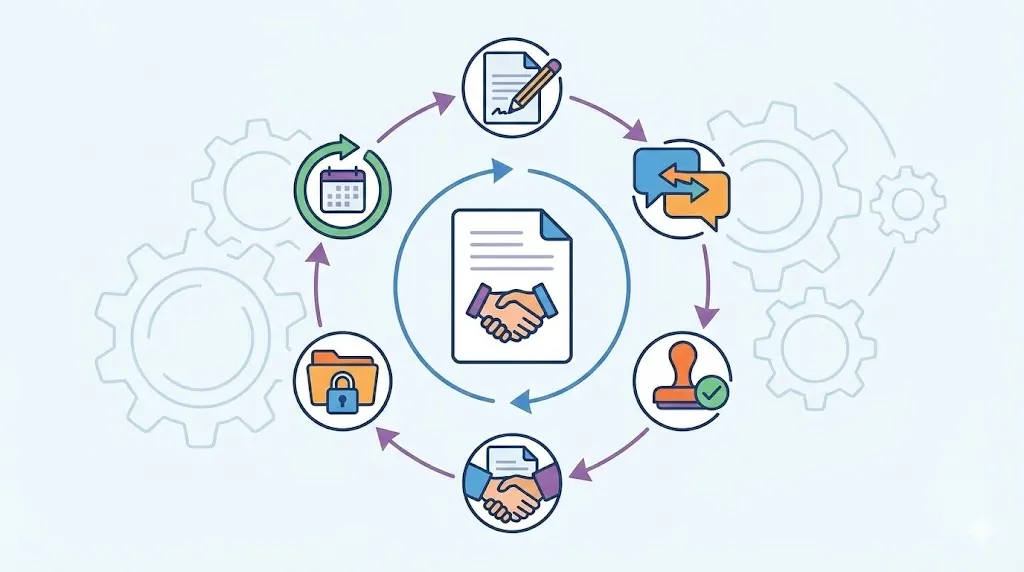
Volody AI CLM is an Agentic AI-powered Contract Lifecycle Management platform designed to eliminate manual contracting tasks, automate complex workflows, and deliver actionable insights. As a one-stop shop for all contract activities, it covers drafting, collaboration, negotiation, approvals, e-signature, compliance tracking, and renewals. Built with enterprise-grade security and no-code configuration, it meets the needs of the most complex global organizations. Volody AI CLM also includes AI-driven contract review and risk analysis, helping teams detect issues early and optimize terms. Trusted by Fortune 500 companies, high-growth startups, and government entities, it transforms contracts into strategic, data-driven business assets.



" height="216.72211px" id="FYO0bO80Y" transform="translate(3 6.105)" width="206.073px"/><path d="M 108.174 222 C 88.432 222 70.303 217.239 53.785 207.717 C 37.267 198.196 24.173 185.052 14.504 168.285 C 4.835 151.312 0 132.165 0 110.845 C 0 89.731 4.835 70.792 14.504 54.025 C 24.173 37.052 37.267 23.804 53.785 14.282 C 70.303 4.761 88.432 0 108.174 0 C 128.116 0 146.246 4.761 162.562 14.282 C 179.08 23.804 192.073 37.052 201.541 54.025 C 211.21 70.792 216.044 89.731 216.044 110.845 C 216.044 132.165 211.21 151.312 201.541 168.285 C 192.073 185.052 179.08 198.196 162.562 207.717 C 146.044 217.239 127.915 222 108.174 222 Z M 108.174 183.189 C 120.864 183.189 132.044 180.291 141.713 174.495 C 151.382 168.492 158.936 160.006 164.375 149.035 C 169.814 138.064 172.533 125.334 172.533 110.845 C 172.533 96.355 169.814 83.729 164.375 72.965 C 158.936 61.994 151.382 53.611 141.713 47.815 C 132.044 42.02 120.864 39.122 108.174 39.122 C 95.483 39.122 84.202 42.02 74.332 47.815 C 64.663 53.611 57.109 61.994 51.67 72.965 C 46.231 83.729 43.511 96.355 43.511 110.845 C 43.511 125.334 46.231 138.064 51.67 149.035 C 57.109 160.006 64.663 168.492 74.332 174.495 C 84.202 180.291 95.483 183.189 108.174 183.189 Z" fill="rgba(255, 255, 255, 0.12)" height="222px" id="aa1McFcE9" transform="translate(227.183 3)" width="216.04399999999998px"/><path d="M 42.302 182.257 L 111.799 182.257 L 111.799 216.722 L 0 216.722 L 0 0 L 42.302 0 Z" fill="rgba(255, 255, 255, 0.12)" height="216.72211px" id="yRq4AnrsX" transform="translate(477.721 6.105)" width="111.79899999999998px"/><path d="M 108.174 222 C 88.432 222 70.303 217.239 53.785 207.717 C 37.267 198.196 24.173 185.052 14.504 168.285 C 4.835 151.312 0 132.165 0 110.845 C 0 89.731 4.835 70.792 14.504 54.025 C 24.173 37.052 37.267 23.804 53.785 14.282 C 70.303 4.761 88.432 0 108.174 0 C 128.116 0 146.246 4.761 162.562 14.282 C 179.08 23.804 192.073 37.052 201.541 54.025 C 211.21 70.792 216.045 89.731 216.045 110.845 C 216.045 132.165 211.21 151.312 201.541 168.285 C 192.073 185.052 179.08 198.196 162.562 207.717 C 146.044 217.239 127.915 222 108.174 222 Z M 108.174 183.189 C 120.864 183.189 132.044 180.291 141.713 174.495 C 151.382 168.492 158.936 160.006 164.375 149.035 C 169.814 138.064 172.534 125.334 172.534 110.845 C 172.534 96.355 169.814 83.729 164.375 72.965 C 158.936 61.994 151.382 53.611 141.713 47.815 C 132.044 42.02 120.864 39.122 108.174 39.122 C 95.483 39.122 84.202 42.02 74.332 47.815 C 64.663 53.611 57.108 61.994 51.67 72.965 C 46.231 83.729 43.511 96.355 43.511 110.845 C 43.511 125.334 46.231 138.064 51.67 149.035 C 57.108 160.006 64.663 168.492 74.332 174.495 C 84.202 180.291 95.483 183.189 108.174 183.189 Z" fill="rgba(255, 255, 255, 0.12)" height="222px" id="mo8HQspQ0" transform="translate(609.155 3)" width="216.04500000000007px"/><path d="M 73.727 0 C 95.885 0 115.324 4.45 132.044 13.351 C 148.967 22.252 161.957 34.982 171.027 51.541 C 180.287 67.894 184.917 86.937 184.917 108.671 C 184.917 130.405 180.287 149.449 171.027 165.801 C 161.957 181.947 148.967 194.47 132.044 203.371 C 115.324 212.271 95.885 216.722 73.727 216.722 L 0 216.722 L 0 0 Z M 72.216 179.773 C 94.374 179.773 111.497 173.564 123.583 161.144 C 135.669 148.724 141.713 131.233 141.713 108.671 C 141.713 86.109 135.669 68.515 123.583 55.888 C 111.497 43.055 94.374 36.638 72.216 36.638 L 42.302 36.638 L 42.302 179.773 Z" fill="rgba(255, 255, 255, 0.12)" height="216.72211px" id="I3iXX5Hi_" transform="translate(859.693 6.105)" width="184.91699999999992px"/><path d="M 185.22 0 L 113.91 141.273 L 113.91 216.722 L 71.61 216.722 L 71.61 141.273 L 0 0 L 47.74 0 L 93.06 99.046 L 138.08 0 Z" fill="rgba(255, 255, 255, 0.12)" height="216.72211px" id="nzHyWC0_d" transform="translate(1061.78 6.105)" width="185.22000000000003px"/></svg>)