

Imagine driving a high-performance vehicle across a desert without a dashboard. You have the engine's power and the steering wheel's control. However, you lack a fuel gauge or a speedometer. Without these tools, you cannot measure progress or predict failures. A signed contract is that powerful engine. Yet, without a contract governance framework, you are driving blind.
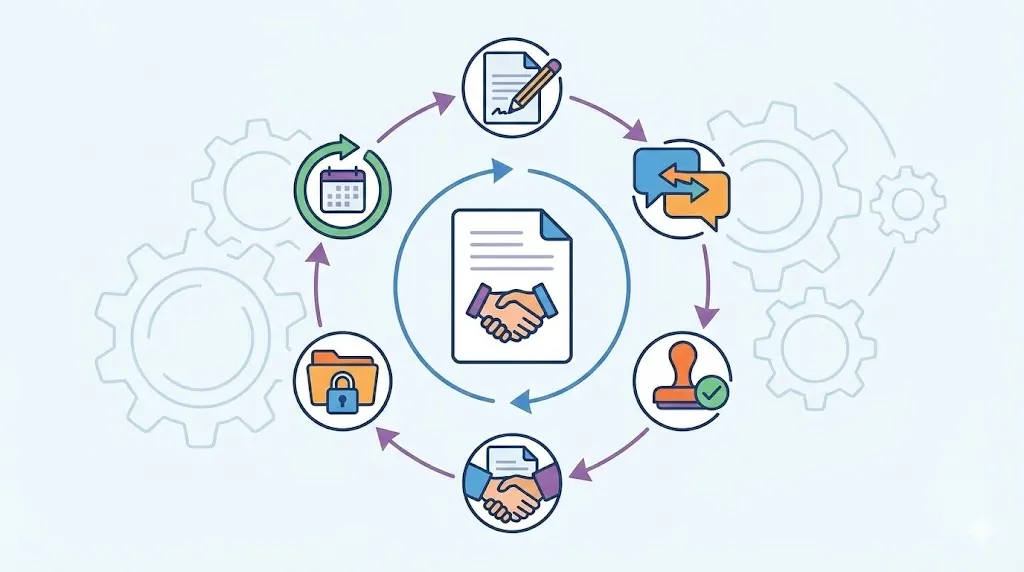
Many organizations treat a signed agreement as a finished task. In reality, the signature is just the beginning of the journey. This guide explores how to build a roadmap for long-term success. We will cover establishing stakeholder accountability and tracking complex obligations. We will also discuss measuring vendor performance and managing secure exits. By the end, you will know how to turn legal documents into strategic assets. Our goal is to help you eliminate value leakage and maintain total compliance monitoring.
The Foundation of Governance and Stakeholder Structure
Effective post-award management starts with a fundamental question. Who actually owns the contract after the ink dries? In many firms, ownership remains unclear. Legal teams move to the next deal. Procurement focuses on new sourcing. Meanwhile, the actual contract sits in a static file. This lack of clear ownership is the primary cause of organizational risk. It leads to missed deadlines and unexpected costs.
Building a foundation requires a cross-functional steering committee. This group acts as the contract's governing body. It should include members from Legal, Finance, and Procurement. Each department brings a unique perspective to the oversight process. Legal ensures the company stays within the boundaries of the law. Finance monitors the budget and payment schedules. Procurement tracks the vendor's daily operational delivery.
Together, these stakeholders bridge the gap between negotiation and execution. A successful governance model requires a formal hand-off process. The team that drafted the contract must brief the team managing it. This ensures that the original intent of the agreement remains intact. Without this step, operational teams may ignore critical legal protections.
Successful governance also requires a transition to centralized cloud repositories. These digital spaces serve as the single source of truth for all parties. Use these systems to assign specific "clause owners." A clause owner is a person responsible for a specific contractual promise. For example, an IT lead might own a data security clause. A facilities manager might own a maintenance schedule.
This structure ensures accountability across the entire organization. It stops data silos from forming. When everyone knows their role, the contract remains a living document. This proactive oversight is the first step in a mature governance model. It ensures the business captures the full value intended during the contract drafting workflow. Regular meetings should occur to review these roles. Constant communication prevents small errors from becoming major legal disputes.
Related Article: Contract Drafting Tips: Create Contracts Effortlessly
Operationalizing Compliance and Obligation Tracking
The most common legal risk in business is "contract drift." This occurs when day-to-day work stops matching the written agreement. To stop this, you must master obligation tracking. Tracking is the heartbeat of any contract governance framework. It involves turning legal text into actionable tasks. You cannot manage what you do not measure.
The process begins with obligation extraction. Modern legal departments use technology-enabled processes to find every promise made in a contract. This includes deadlines, quality standards, and reporting requirements. Each obligation needs an owner and a deadline. Automated alert systems are essential here. They notify owners before a milestone arrives. This prevents the "surprise renewal" or the missed compliance audit.
A strong compliance monitoring program also requires regular internal audits. These audits verify that the vendor and the business are following the rules. For example, a vendor might promise to encrypt all customer data. An audit checks the actual systems to prove this encryption exists. This creates a "trust but verify" culture. It protects the business from regulatory fines and reputational damage.
Effective tracking also improves the execution workflow. When teams know their exact duties, they work faster. They spend less time asking questions and more time delivering results. This reduces friction between partners and builds long-term trust. It also provides a clear digital audit trail. If a dispute arises, you have proof of every action taken. This documentation is your best defense in any legal challenge. Without it, you are vulnerable to hearsay and memory gaps.
Performance Management and Value Maximization
Governance is not just about avoiding risks. It is also about maximizing the return on your investment. Many companies suffer from significant value leakage during the contract lifecycle. This happens when the business pays for services it never receives. It also occurs when negotiated discounts are forgotten. Strategic performance management stops this waste.
The drafting workflow must include measurable Service Level Agreements (SLAs). An SLA defines exactly what success looks like. Instead of saying "provide good support," say "respond within two hours." These clear targets make it easy to track vendor health. Use data visualization dashboards to monitor these metrics in real-time. This turns a static contract into a dynamic performance tool.
High-performance governance creates a continuous feedback loop. The data you collect today should inform your negotiation tomorrow. For instance, if a vendor consistently misses delivery dates, use that data to demand better terms during renewal. This strengthens your position at the table. It ensures that your legal agreements evolve with your business needs.
Maximizing value also requires looking beyond simple cost savings. You should track innovation and strategic alignment. Is the vendor helping you enter new markets? Are they suggesting ways to improve your own internal processes? By including these goals in your governance model, you transform vendors into partners. This level of oversight ensures that every contract delivers its full potential. It turns the legal department from a cost center into a value driver.
Related Article: KPIs for Successful Contract Management
The Exit Strategy and Transition Governance
Every business relationship eventually comes to an end. However, many governance frameworks ignore the "off-boarding" phase. This is a dangerous mistake. The end of a contract carries high legal and operational risks. You must manage the termination workflow with the same care as the initial signing. A secure exit strategy is the final pillar of strong governance.
A transition plan should start months before the contract expires. It must address data ownership and intellectual property recovery. You need to ensure the vendor returns all sensitive information. In 2026, data hygiene is a top priority. Secure data deletion protocols must be followed and verified. Failing to do this can lead to massive data breaches and legal penalties.
There are also "trailing obligations" to consider. Some clauses stay in effect even after the contract ends. These often include non-compete agreements or confidentiality requirements. Your compliance monitoring system must track these even after the main relationship stops. This protects your trade secrets and maintains your competitive edge during a vendor switch.
Finally, manage the hand-over to the new provider. Ensure all knowledge is transferred accurately. This prevents a "performance dip" during the transition. Automated archive workflows help keep a clean history of the old relationship. This history is vital for future audits or litigation. A clean exit proves that your governance was successful from start to finish. It leaves the organization ready for the next chapter of growth.
Conclusion
A successful contract governance framework is the dashboard for your business. It provides the visibility you need to drive performance and avoid disaster. By focusing on stakeholder accountability, obligation tracking, and performance metrics, you eliminate value leakage. You ensure that your post-award management is proactive rather than reactive.
Contracts are more than just legal paperwork. They are the blueprints for your commercial relationships. Treat them with the respect they deserve. Implement these governance steps to protect your bottom line and your reputation. When you manage the entire lifecycle with precision, you turn legal complexity into a competitive advantage.
Frequently Asked Questions
1. What is a contract governance framework?
A contract governance framework is a structured system of people, processes, and technology used to manage a contract after it is signed. It ensures that both parties meet their legal obligations, identifies potential risks, and tracks performance to ensure the business receives the full value intended during the negotiation phase.
2. Why is contract governance important for legal and procurement teams?
Without governance, organizations often suffer from "contract drift," where day-to-day operations stop aligning with the legal agreement. Effective governance prevents this by establishing clear ownership, improving compliance monitoring, and protecting the company from financial losses known as value leakage.
3. What is value leakage in contract management?
Value leakage occurs when a business fails to realize the full financial or operational benefits of a contract. This can happen through forgotten discounts, unbilled service credits, or paying for services that do not meet the agreed-upon standards. Governance stops this leakage by continuously monitoring KPIs and vendor performance.
4. How do you track contract obligations effectively?
Effective tracking involves extracting specific tasks and deadlines from legal prose and assigning them to "clause owners" within the organization. Using automated alert systems and centralized digital repositories ensures that no milestone, such as a renewal date or a compliance audit is missed.
About the Company

Volody AI CLM is an Agentic AI-powered Contract Lifecycle Management platform designed to eliminate manual contracting tasks, automate complex workflows, and deliver actionable insights. As a one-stop shop for all contract activities, it covers drafting, collaboration, negotiation, approvals, e-signature, compliance tracking, and renewals. Built with enterprise-grade security and no-code configuration, it meets the needs of the most complex global organizations. Volody AI CLM also includes AI-driven contract review and risk analysis, helping teams detect issues early and optimize terms. Trusted by Fortune 500 companies, high-growth startups, and government entities, it transforms contracts into strategic, data-driven business assets.





" height="216.72211px" id="FYO0bO80Y" transform="translate(3 6.105)" width="206.073px"/><path d="M 108.174 222 C 88.432 222 70.303 217.239 53.785 207.717 C 37.267 198.196 24.173 185.052 14.504 168.285 C 4.835 151.312 0 132.165 0 110.845 C 0 89.731 4.835 70.792 14.504 54.025 C 24.173 37.052 37.267 23.804 53.785 14.282 C 70.303 4.761 88.432 0 108.174 0 C 128.116 0 146.246 4.761 162.562 14.282 C 179.08 23.804 192.073 37.052 201.541 54.025 C 211.21 70.792 216.044 89.731 216.044 110.845 C 216.044 132.165 211.21 151.312 201.541 168.285 C 192.073 185.052 179.08 198.196 162.562 207.717 C 146.044 217.239 127.915 222 108.174 222 Z M 108.174 183.189 C 120.864 183.189 132.044 180.291 141.713 174.495 C 151.382 168.492 158.936 160.006 164.375 149.035 C 169.814 138.064 172.533 125.334 172.533 110.845 C 172.533 96.355 169.814 83.729 164.375 72.965 C 158.936 61.994 151.382 53.611 141.713 47.815 C 132.044 42.02 120.864 39.122 108.174 39.122 C 95.483 39.122 84.202 42.02 74.332 47.815 C 64.663 53.611 57.109 61.994 51.67 72.965 C 46.231 83.729 43.511 96.355 43.511 110.845 C 43.511 125.334 46.231 138.064 51.67 149.035 C 57.109 160.006 64.663 168.492 74.332 174.495 C 84.202 180.291 95.483 183.189 108.174 183.189 Z" fill="rgba(255, 255, 255, 0.12)" height="222px" id="aa1McFcE9" transform="translate(227.183 3)" width="216.04399999999998px"/><path d="M 42.302 182.257 L 111.799 182.257 L 111.799 216.722 L 0 216.722 L 0 0 L 42.302 0 Z" fill="rgba(255, 255, 255, 0.12)" height="216.72211px" id="yRq4AnrsX" transform="translate(477.721 6.105)" width="111.79899999999998px"/><path d="M 108.174 222 C 88.432 222 70.303 217.239 53.785 207.717 C 37.267 198.196 24.173 185.052 14.504 168.285 C 4.835 151.312 0 132.165 0 110.845 C 0 89.731 4.835 70.792 14.504 54.025 C 24.173 37.052 37.267 23.804 53.785 14.282 C 70.303 4.761 88.432 0 108.174 0 C 128.116 0 146.246 4.761 162.562 14.282 C 179.08 23.804 192.073 37.052 201.541 54.025 C 211.21 70.792 216.045 89.731 216.045 110.845 C 216.045 132.165 211.21 151.312 201.541 168.285 C 192.073 185.052 179.08 198.196 162.562 207.717 C 146.044 217.239 127.915 222 108.174 222 Z M 108.174 183.189 C 120.864 183.189 132.044 180.291 141.713 174.495 C 151.382 168.492 158.936 160.006 164.375 149.035 C 169.814 138.064 172.534 125.334 172.534 110.845 C 172.534 96.355 169.814 83.729 164.375 72.965 C 158.936 61.994 151.382 53.611 141.713 47.815 C 132.044 42.02 120.864 39.122 108.174 39.122 C 95.483 39.122 84.202 42.02 74.332 47.815 C 64.663 53.611 57.108 61.994 51.67 72.965 C 46.231 83.729 43.511 96.355 43.511 110.845 C 43.511 125.334 46.231 138.064 51.67 149.035 C 57.108 160.006 64.663 168.492 74.332 174.495 C 84.202 180.291 95.483 183.189 108.174 183.189 Z" fill="rgba(255, 255, 255, 0.12)" height="222px" id="mo8HQspQ0" transform="translate(609.155 3)" width="216.04500000000007px"/><path d="M 73.727 0 C 95.885 0 115.324 4.45 132.044 13.351 C 148.967 22.252 161.957 34.982 171.027 51.541 C 180.287 67.894 184.917 86.937 184.917 108.671 C 184.917 130.405 180.287 149.449 171.027 165.801 C 161.957 181.947 148.967 194.47 132.044 203.371 C 115.324 212.271 95.885 216.722 73.727 216.722 L 0 216.722 L 0 0 Z M 72.216 179.773 C 94.374 179.773 111.497 173.564 123.583 161.144 C 135.669 148.724 141.713 131.233 141.713 108.671 C 141.713 86.109 135.669 68.515 123.583 55.888 C 111.497 43.055 94.374 36.638 72.216 36.638 L 42.302 36.638 L 42.302 179.773 Z" fill="rgba(255, 255, 255, 0.12)" height="216.72211px" id="I3iXX5Hi_" transform="translate(859.693 6.105)" width="184.91699999999992px"/><path d="M 185.22 0 L 113.91 141.273 L 113.91 216.722 L 71.61 216.722 L 71.61 141.273 L 0 0 L 47.74 0 L 93.06 99.046 L 138.08 0 Z" fill="rgba(255, 255, 255, 0.12)" height="216.72211px" id="nzHyWC0_d" transform="translate(1061.78 6.105)" width="185.22000000000003px"/></svg>)