

Procurement teams face many hurdles that slow down operations and increase costs. Managing contracts without a central system often leads to missed obligations, lost revenue, and compliance risks. Enterprise Contract Management (ECM) software offers a way to tackle these issues head-on. It turns contracts into dynamic tools that track risks and commitments throughout their lifecycle. This article explores how ECM software addresses five major procurement challenges and why it matters for your business.
TL;DR
Operational expenses in procurement increase largely due to poor contract visibility coupled with weak control frameworks.
Additionally, delays in drafting and approving contracts create bottlenecks that extend procurement timelines and postpone essential business transactions.
Organizations often incur revenue losses by failing to recognize contract entitlements or by not enforcing agreement terms with sufficient rigor.
When contractual obligations are unmet, companies risk penalties, lose business opportunities, and damage relationships with stakeholders.
Breaches in regulatory compliance can trigger expensive enforcement measures and inflict lasting damage on corporate reputation.
Contract management software helps by centralizing contracts, automating workflows, and providing real-time insights.
Why Do Procurement Teams Face High Operational Costs?
Operational costs in procurement often balloon due to inefficient contract management. Contracts govern every purchase, supplier relationship, and payment term. When contracts are scattered across departments or stored in silos, procurement teams struggle to track spending accurately. This lack of visibility leads to overspending, duplicate purchases, and missed opportunities for savings.
For example, without a centralized contract repository, procurement might not realize that multiple departments negotiated separate deals for the same supplier. This fragmentation prevents volume discounts or consolidated billing, increasing costs unnecessarily. Manual processes for contract review and approval also consume valuable time and resources.
According to a report by Deloitte, companies that lack contract visibility can see operational costs rise by up to 20%. This is because procurement teams spend extra hours on contract administration and risk mitigation instead of strategic sourcing.
Enterprise Contract Management software consolidates all contract data into a unified platform. It connects seamlessly with procurement and finance systems to maintain strict alignment between expenditures and contractual obligations. With dynamic dashboards providing continuous insight into financial movements, organizations can swiftly pinpoint areas where costs exceed expectations. Additionally, the system generates proactive alerts for contract renewals and pricing adjustments, empowering teams to manage expenses before issues arise.
By integrating contract data directly with procurement workflows, ECM software minimizes manual interventions and reduces the incidence of costly mistakes. Procurement leaders gain enhanced oversight of supplier engagements and cash flow, ultimately driving down operational expenses.
How Can Contract Management Software Speed Up Contract Creation and Approval?
Slow contract creation and approval is a common bottleneck in procurement. Additionally, drafting contracts from the ground up or waiting on legal teams to approve every modification can significantly impede deal progress. This often results in missed deadlines, lost business opportunities, and a deterioration of supplier relationships.
A typical procurement contract requires input from multiple stakeholders, including legal, finance, procurement, and the supplier. Without clear workflows, contracts frequently shuttle between parties via email or shared drives. Stakeholders may overlook review requests or become stalled awaiting approvals. This slows the entire process.
Enterprise Contract Lifecycle Management (CLM) platforms expedite contract authoring by offering pre-approved templates and extensive clause libraries. Procurement teams can draft contracts rapidly using standardized language, minimizing the need for legal involvement at every step. This streamlines workflows while preserving compliance and risk mitigation.
Configurable workflows automate notifications and approvals. The software tracks who needs to review or sign and sends reminders to keep things moving. Version control ensures all parties work on the latest draft, avoiding confusion.
For example, a procurement manager can create a contract using a template with pre-set payment terms and delivery schedules. The system routes the draft to legal for a quick review, then to finance for budget approval. Automated alerts remind stakeholders to act, speeding up turnaround times.
Research from the International Association for Contract & Commercial Management (IACCM) demonstrates that organizations leveraging CLM solutions can reduce contract cycle time by as much as 50%. Faster execution allows procurement to close deals more rapidly and respond nimbly to business needs.
Related articles: CLM Solutions for Sales Teams | CLM Guide
Why Do Organizations Lose Revenue from Unclaimed Contract Entitlements?
Many companies fail to capture the full value of their contracts. Additionally, lost revenue also arises from unenforced negotiated terms or when opportunities for rebates, discounts, or incentives are missed. Lost entitlements directly impact the bottom line.
Contracts often include complex pricing models, volume discounts, service credits, or performance bonuses. These details can be buried in lengthy documents or scattered across multiple agreements. Without a system to track and enforce these terms, procurement may unknowingly pay more or forfeit benefits.
For instance, a supplier contract might offer a tiered discount based on purchase volume. Failure to track actual orders in relation to the contract can result in missing qualification for higher discount tiers. This means paying full price when savings were possible.
Enterprise Contract Management software uses artificial intelligence to extract and index contract entitlements. It translates contract language into structured data that procurement teams can analyze. The software can automatically compare purchase orders to contract terms, flagging discrepancies or missed discounts.
This capability helps organizations recover lost revenue and improve supplier negotiations. Procurement can identify underutilized incentives and ensure contracts deliver their full value.
According to a study by Gartner, companies that implement contract analytics tools see an average 5% increase in savings from better enforcement of contract terms. This adds up to significant revenue protection over time.
Related articles: Contract Management for Procurement: Elevate Your Strategy
How Does ECM Software Prevent Missed Contract Obligations?
Contractual oversights lead to penalties, strained supplier relationships, and lost business. Additionally, procurement teams are responsible for monitoring commitments such as delivery dates, service levels, payment terms, and renewal deadlines. Without a reliable system, these obligations can slip through the cracks.
For example, a contract might require a supplier to deliver goods within 30 days or provide monthly service reports. If procurement fails to monitor these obligations, the company risks late shipments or compliance issues. This can lead to financial penalties or operational disruptions.
Enterprise Contract Management software centralizes obligation tracking by identifying critical dates and deliverables embedded in contracts and automatically generating reminders. Notifications are dispatched well before deadlines to ensure procurement teams have ample time to act.
Dashboards within the software offer a detailed snapshot of all outstanding obligations across suppliers, consolidating critical information in one place.
By presenting this data visually, the platform helps teams prioritize effectively and address potential problems before they escalate.
ECM platforms further incorporate audit trails that meticulously document compliance activities. Such records support procurement in substantiating due diligence during both internal assessments and external audits.
According to a survey by the Association for Supply Chain Management, 55% of procurement professionals reported contractual compliance as a major challenge. Implementing ECM software reduces this risk by providing proactive monitoring and accountability.
Related articles: Procurement Contract Risks That Could Sink Your Business
What Role Does Contract Management Play in Regulatory Compliance?
Regulatory compliance is a top concern for procurement teams. Additionally, the consequences of violations include substantial fines, legal actions, and significant harm to corporate reputation. Procurement must ensure contracts comply with laws, industry standards, and internal policies.
Managing compliance becomes increasingly complex when contracts differ across regions or suppliers. Each contract might have specific clauses related to data privacy, labor laws, export controls, or environmental regulations. Keeping track of these requirements manually is error-prone.
Enterprise Contract Management platforms facilitate compliance by offering standardized templates and comprehensive clause libraries. These tools reduce the risk of incorporating unauthorized or hazardous contract provisions. Approval workflows ensure contracts meet compliance checks before execution.
The software can also cross-reference contracts with country-specific regulations. It flags potential violations and enforces rules consistently across the supply chain.
For example, a global company can configure its ECM system to require specific data protection clauses for contracts involving European suppliers. The system prevents contract approval without these clauses, reducing compliance risk.
According to a report by PwC, companies that automate contract compliance reduce regulatory penalties by up to 40%. This underscores the critical function of such solutions in mitigating risk.
Related articles: How Does AI Limitations Impacting Contract Management?
How Contract Management Software Solves These Procurement Challenges
Contract management software offers a centralized platform where procurement teams can create, approve, store, and monitor contracts. Additionally, it also removes manual workflows and consolidates scattered data, which are common sources of inefficiency and risk.
Key benefits include:
Central contract repository with search and version control
Automated workflows for drafting, review, and approval
AI-powered extraction of contract terms and obligations
Real-time alerts for renewals, deadlines, and compliance checks
Integration with procurement, finance, and ERP systems for spend visibility
These features help procurement reduce operational costs, speed up contract cycles, capture revenue, meet obligations, and stay compliant.
Volody’s contract management solution includes AI contract drafting, clause libraries, obligation tracking, and approval automation. It integrates with enterprise systems to provide a single source of truth for contracts and procurement data.
> Looking for a better way to manage contracts? Discover Volody's CLM Software.
FAQ
What is contract management at the enterprise level?
Additionally, contract management software provides a digital platform that helps organizations create, store, track, and manage contracts throughout their lifecycle. It provides tools to automate workflows, extract contract data, and monitor compliance.
How does managing contracts reduce procurement costs?
By centralizing contracts and linking them to procurement systems, these solutions improve visibility into spending. It helps avoid duplicate purchases, enforces negotiated terms, and reduces manual administrative work.
Can this software speed up approvals?
Yes. It uses pre-approved templates and automated workflows to route contracts to the right stakeholders quickly. Moreover, notifications and version control prevent delays and confusion during review.
How does AI help in contract management?
AI can extract key data like dates, obligations, and pricing from contracts. It indexes entitlements and risks, enabling better enforcement and faster analysis without manual review.
What happens if contract obligations are missed?
Missed obligations can cause penalties, lost discounts, damaged supplier relationships, or operational disruptions. Alerts from the system help prevent these issues.
Furthermore, in what ways does contract management support regulatory compliance?
The software enforces standard clauses, checks contracts against regulations, and automates approval rules. This approach minimizes the risk of non-compliance and costly enforcement actions.
Is this software suitable for global companies?
Its capabilities include handling multiple entities, languages, and regional regulations. Integration with global procurement and ERP systems supports complex supply chains.
Can it integrate with existing procurement tools?
Also, most modern ECM platforms offer integrations with ERP, finance, CRM, and procurement systems. Also, this creates a unified view of contracts and related business processes.
How do I measure the ROI of this software?
Look for reductions in contract cycle time, operational costs, missed obligations, and compliance penalties. Improved contract visibility and enforcement often translate into significant savings.
What features should I look for in ECM software?
Key features include AI data extraction, template and clause management, obligation tracking, automated workflows, audit trails, and enterprise integrations. Security and scalability are also important.
This detailed exploration shows how this software addresses critical procurement challenges. It improves efficiency, reduces risks, and protects revenue, making it a valuable tool for procurement and legal teams alike.
About the Company
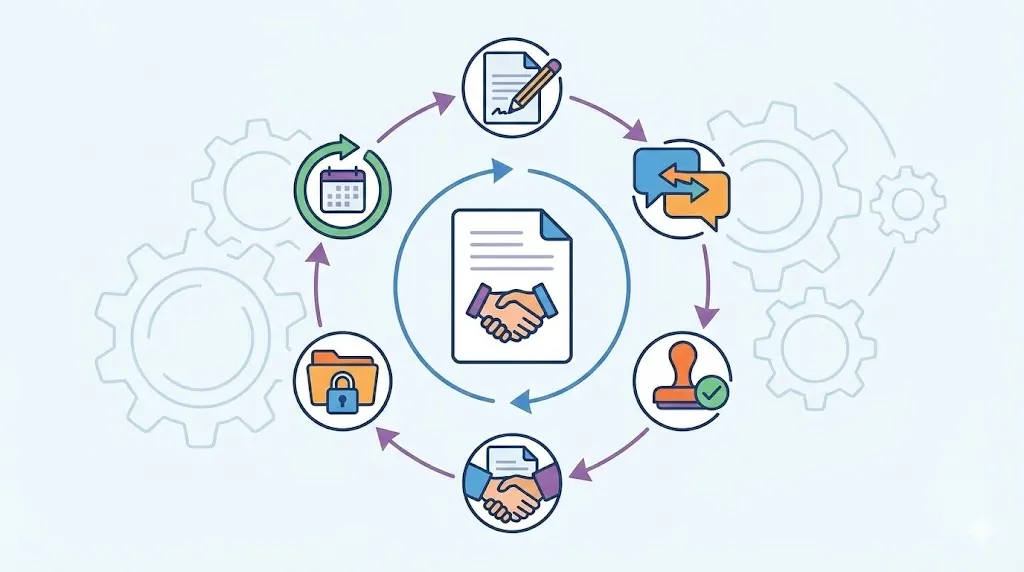
Volody AI CLM is an Agentic AI-powered Contract Lifecycle Management platform designed to eliminate manual contracting tasks, automate complex workflows, and deliver actionable insights. As a one-stop shop for all contract activities, it covers drafting, collaboration, negotiation, approvals, e-signature, compliance tracking, and renewals. Built with enterprise-grade security and no-code configuration, it meets the needs of the most complex global organizations. Volody AI CLM also includes AI-driven contract review and risk analysis, helping teams detect issues early and optimize terms. Trusted by Fortune 500 companies, high-growth startups, and government entities, it transforms contracts into strategic, data-driven business assets.




" height="216.72211px" id="FYO0bO80Y" transform="translate(3 6.105)" width="206.073px"/><path d="M 108.174 222 C 88.432 222 70.303 217.239 53.785 207.717 C 37.267 198.196 24.173 185.052 14.504 168.285 C 4.835 151.312 0 132.165 0 110.845 C 0 89.731 4.835 70.792 14.504 54.025 C 24.173 37.052 37.267 23.804 53.785 14.282 C 70.303 4.761 88.432 0 108.174 0 C 128.116 0 146.246 4.761 162.562 14.282 C 179.08 23.804 192.073 37.052 201.541 54.025 C 211.21 70.792 216.044 89.731 216.044 110.845 C 216.044 132.165 211.21 151.312 201.541 168.285 C 192.073 185.052 179.08 198.196 162.562 207.717 C 146.044 217.239 127.915 222 108.174 222 Z M 108.174 183.189 C 120.864 183.189 132.044 180.291 141.713 174.495 C 151.382 168.492 158.936 160.006 164.375 149.035 C 169.814 138.064 172.533 125.334 172.533 110.845 C 172.533 96.355 169.814 83.729 164.375 72.965 C 158.936 61.994 151.382 53.611 141.713 47.815 C 132.044 42.02 120.864 39.122 108.174 39.122 C 95.483 39.122 84.202 42.02 74.332 47.815 C 64.663 53.611 57.109 61.994 51.67 72.965 C 46.231 83.729 43.511 96.355 43.511 110.845 C 43.511 125.334 46.231 138.064 51.67 149.035 C 57.109 160.006 64.663 168.492 74.332 174.495 C 84.202 180.291 95.483 183.189 108.174 183.189 Z" fill="rgba(255, 255, 255, 0.12)" height="222px" id="aa1McFcE9" transform="translate(227.183 3)" width="216.04399999999998px"/><path d="M 42.302 182.257 L 111.799 182.257 L 111.799 216.722 L 0 216.722 L 0 0 L 42.302 0 Z" fill="rgba(255, 255, 255, 0.12)" height="216.72211px" id="yRq4AnrsX" transform="translate(477.721 6.105)" width="111.79899999999998px"/><path d="M 108.174 222 C 88.432 222 70.303 217.239 53.785 207.717 C 37.267 198.196 24.173 185.052 14.504 168.285 C 4.835 151.312 0 132.165 0 110.845 C 0 89.731 4.835 70.792 14.504 54.025 C 24.173 37.052 37.267 23.804 53.785 14.282 C 70.303 4.761 88.432 0 108.174 0 C 128.116 0 146.246 4.761 162.562 14.282 C 179.08 23.804 192.073 37.052 201.541 54.025 C 211.21 70.792 216.045 89.731 216.045 110.845 C 216.045 132.165 211.21 151.312 201.541 168.285 C 192.073 185.052 179.08 198.196 162.562 207.717 C 146.044 217.239 127.915 222 108.174 222 Z M 108.174 183.189 C 120.864 183.189 132.044 180.291 141.713 174.495 C 151.382 168.492 158.936 160.006 164.375 149.035 C 169.814 138.064 172.534 125.334 172.534 110.845 C 172.534 96.355 169.814 83.729 164.375 72.965 C 158.936 61.994 151.382 53.611 141.713 47.815 C 132.044 42.02 120.864 39.122 108.174 39.122 C 95.483 39.122 84.202 42.02 74.332 47.815 C 64.663 53.611 57.108 61.994 51.67 72.965 C 46.231 83.729 43.511 96.355 43.511 110.845 C 43.511 125.334 46.231 138.064 51.67 149.035 C 57.108 160.006 64.663 168.492 74.332 174.495 C 84.202 180.291 95.483 183.189 108.174 183.189 Z" fill="rgba(255, 255, 255, 0.12)" height="222px" id="mo8HQspQ0" transform="translate(609.155 3)" width="216.04500000000007px"/><path d="M 73.727 0 C 95.885 0 115.324 4.45 132.044 13.351 C 148.967 22.252 161.957 34.982 171.027 51.541 C 180.287 67.894 184.917 86.937 184.917 108.671 C 184.917 130.405 180.287 149.449 171.027 165.801 C 161.957 181.947 148.967 194.47 132.044 203.371 C 115.324 212.271 95.885 216.722 73.727 216.722 L 0 216.722 L 0 0 Z M 72.216 179.773 C 94.374 179.773 111.497 173.564 123.583 161.144 C 135.669 148.724 141.713 131.233 141.713 108.671 C 141.713 86.109 135.669 68.515 123.583 55.888 C 111.497 43.055 94.374 36.638 72.216 36.638 L 42.302 36.638 L 42.302 179.773 Z" fill="rgba(255, 255, 255, 0.12)" height="216.72211px" id="I3iXX5Hi_" transform="translate(859.693 6.105)" width="184.91699999999992px"/><path d="M 185.22 0 L 113.91 141.273 L 113.91 216.722 L 71.61 216.722 L 71.61 141.273 L 0 0 L 47.74 0 L 93.06 99.046 L 138.08 0 Z" fill="rgba(255, 255, 255, 0.12)" height="216.72211px" id="nzHyWC0_d" transform="translate(1061.78 6.105)" width="185.22000000000003px"/></svg>)