

Contracts shape every deal procurement teams make. Yet, managing them can feel like juggling a dozen spinning plates. Miss a clause, lose track of deadlines, or overlook risks, and the whole operation can falter. Procurement professionals need reliable contract resources to keep spending controlled, risks low, and supplier relationships strong. This article breaks down the must-have tools, insights, and strategies procurement pros rely on to master contract management.
Related Article: Why Procurement Professionals Face Burnout and How to Fix It
TL;DR
Well-defined contract workflows are essential for procurement teams aiming to minimize errors and accelerate approval timelines.
Additionally, contract lifecycle management (CLM) software consolidates drafting, review, and monitoring processes within a unified platform.
These solutions utilize AI to identify high-risk clauses and facilitate the automated extraction of critical contract data.
Standardized templates and clause libraries contribute to consistency and reduce the time required for contract drafting.
Effective contract management directly impacts budget control and enforces supplier compliance.
Volody’s CLM software delivers AI-driven capabilities for contract creation, analysis, and obligation management.
Related Article: Essential Contract Resources Every Sales Team Needs to Win
What Are the Biggest Contract Challenges Procurement Faces?
Procurement teams handle many contracts daily, from purchase orders to complex supplier agreements. Additionally, each contract inherently involves various risks and obligations that must be carefully managed. Managing these manually or with basic tools leads to common challenges:
Lack of Visibility: Contracts scattered across emails, drives, or spreadsheets make it hard to find key terms or deadlines. This leads to missed renewals or unnoticed risks.
Slow Approval Cycles: Contracts often become bottlenecked during review or approval phases in the absence of well-defined workflows, which subsequently delays purchases and projects.
Inconsistent Language: The use of multiple templates or spontaneous drafting practices results in variability of terms, thereby elevating risk and prolonging negotiation timelines.
Risk Exposure: Unidentified or atypical clauses within contracts may subject companies to significant liabilities or regulatory noncompliance.
Poor Obligation Tracking: Monitoring supplier deliverables, payment schedules, and renewal deadlines frequently proves challenging for procurement teams, risking penalties or missed opportunities.
These issues create inefficiencies, increase costs, and expose organizations to legal and financial risks. According to a 2023 Gartner report, companies lose up to 9% of annual revenue due to poor contract management. Procurement leaders must adopt better contract resources to avoid these pitfalls.
Related articles: What are Contract Obligations and How to Manage Them
How Do Procurement Teams Use Contract Resources Effectively?
Successful procurement teams rely on a mix of people, processes, and technology. Here’s how they approach contract management:
Standardize Templates and Clauses:
Procurement pros use approved contract templates tailored for commonly encountered agreements such as purchase orders, master service agreements, and NDAs. Clause libraries compile pre-approved language encompassing payment terms, warranties, indemnities, and other essential provisions.
Implement Clear Workflows:
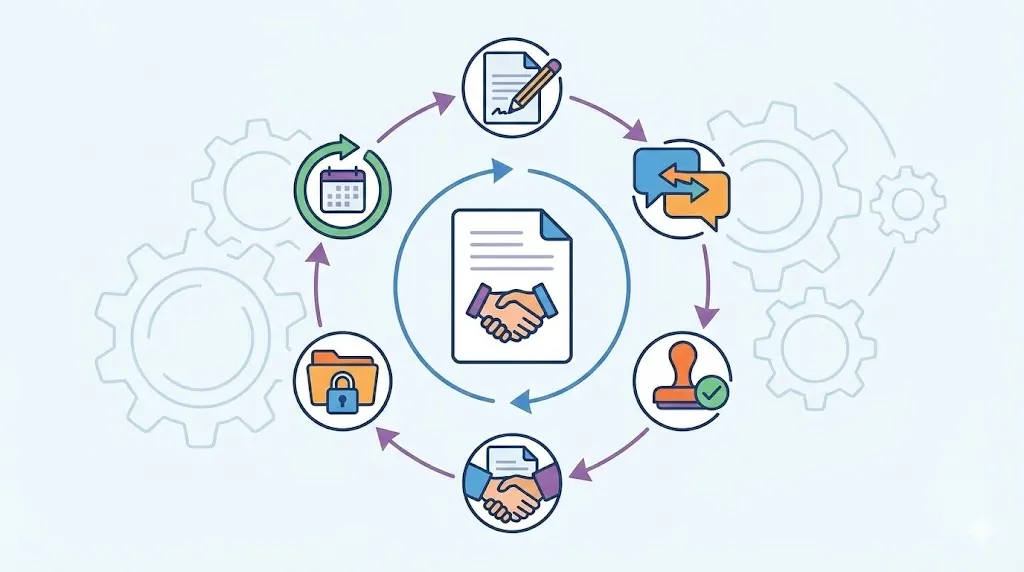
Contracts advance through defined stages including request submission, drafting, review, approval, signing, and archiving. Automated workflows route contracts to appropriate stakeholders while incorporating reminders and escalation protocols. This speeds approvals and reduces bottlenecks.
Centralize Contract Storage:
A secure, searchable repository keeps all contracts in one place. Metadata tagging combined with full-text search capabilities enables procurement to locate contracts efficiently by supplier, date, value, or specific keywords.
Use AI-Powered Tools:
AI reviews contracts for risky language, missing provisions, or unusual terms. It extracts key data points like payment dates or renewal clauses. This reduces manual review time and highlights potential risks.
Track Obligations and Deadlines:
Procurement teams set alerts for contract milestones, renewals, and supplier deliverables. This prevents missed deadlines and ensures compliance.
Related Articles: Effective Contract Milestone Tracking to Prevent Slippage
Train and Support Users:
Regular training helps procurement staff understand contract risks and use tools effectively. Support resources like help centers and communities share best practices.
Related articles: Master the Art of Contract Renewal Negotiation
What Contract Types Should Procurement Focus On?
Procurement manages a variety of contract types, each with unique risks and needs:
Purchase Orders (POs): Simple contracts authorizing purchases that specify quantities, prices, and delivery terms.
Master Service Agreements (MSAs): Framework contracts establishing general terms for ongoing supplier relationships; work orders or statements of work are issued under the MSA.
Non-Disclosure Agreements (NDAs): These agreements serve to protect sensitive information shared throughout negotiations or joint projects.
Supplier Agreements: They cover essential aspects including pricing models, quality requirements, warranty conditions, and enforcement mechanisms.
Licensing Agreements: Such contracts set forth the conditions under which software, intellectual property, or proprietary technology may be used.
Subcontractor Agreements: These specify the responsibilities and standards expected when portions of work are delegated to third-party vendors.
Each contract category demands its own set of templates, clause libraries, and approval workflows specifically adapted to its distinct characteristics. A thorough grasp of these nuances is essential for procurement professionals to effectively mitigate risks and fulfill contractual obligations.
Related articles: Contract Templates Standardization: Simplifying Legal Work
How Can AI Improve Contract Management for Procurement?
Artificial intelligence has transformed contract management by automating routine tasks and surfacing risks. Here’s how AI helps procurement teams:
Automated Contract Drafting: AI generates first drafts using approved templates and clauses. This speeds up contract creation and ensures consistent language.
Risk Detection: AI scans contracts for unusual or risky clauses like excessive penalties or vague terms. It flags these for legal review.
Metadata Extraction: AI pulls out key data points such as parties, dates, payment terms, and renewal clauses. This eliminates manual data entry and speeds analysis.
Clause Recommendations: AI suggests fallback clauses or alternative wording during negotiations, improving contract quality.
Contract Summaries: AI produces concise summaries highlighting obligations, risks, and deadlines. This helps procurement quickly understand contract essentials.
According to a 2024 Deloitte report, AI-powered contract review reduces review time by up to 50%. Procurement teams can focus on strategic decisions instead of manual contract checks.
Related articles: Contract Management for Procurement: Elevate Your Strategy
What Are the Steps to Build a Contract Management Process for Procurement?
Creating a strong contract management process involves several key steps:
Assess Current State:
Identify where contracts reside, who manages them, and common pain points. Additionally, it is also critical to thoroughly document existing workflows and the tools currently employed.
Define Objectives:
Establish specific targets such as accelerating approval cycles, enhancing risk mitigation, or ensuring tighter compliance controls.
Standardize Templates and Clauses:
Collaborate with legal experts to develop or revise contract templates and clause libraries that comprehensively address typical procurement scenarios.
Design Workflows:
Outline detailed contract procedures that specify roles, approval hierarchies, and expected timelines for each stage.
Select Technology:
Evaluate and implement contract management software capable of handling templates, workflow automation, AI-assisted review, and comprehensive reporting features.
Train Staff:
Provide targeted training to procurement and legal teams to familiarize them with the revised processes and new technological tools.
Monitor and Improve:
Establish metrics to assess contract turnaround time, identify risk events, and verify compliance, using these insights to refine the process continuously.
Following these steps helps procurement teams reduce errors, speed contract cycles, and improve governance.
Related Article: Effective Contract Milestone Tracking to Prevent Slippage
What Contract Management Features Matter Most for Procurement?
Procurement teams benefit most from contract management solutions with these features:
Template and Clause Libraries: Centralized storage of approved contract language for consistency.
Automated Workflows: Contracts move through designated review and approval stages, with built-in reminders and escalation mechanisms to prevent delays.
AI Contract Review: Advanced algorithms scan agreements to detect risky clauses and identify absent provisions that could pose risks.
Metadata Extraction: The system pulls critical contract information to enable in-depth analysis and facilitate detailed reporting.
Obligation Management: This feature monitors critical dates such as deadlines and renewals, as well as supplier deliverables, issuing timely alerts to ensure compliance.
Central Repository: Provides a secure, searchable environment for contracts, complete with version control to track changes over time.
Collaboration Tools: Facilitate the involvement of multiple stakeholders by enabling them to review and annotate contracts concurrently.
Electronic Signatures: Enables faster contract execution by integrating e-signature functionality directly into the workflow.
Reporting and Dashboards: Offer comprehensive visualizations of contract metrics including volumes, cycle durations, and exposure to risk.
These capabilities collectively diminish manual workloads, enhance regulatory compliance, and empower procurement teams with greater contract governance.
Related articles: Best Contract Management Software: Top 10 CLM Tools
How Do Contract Resources Support Spend Management?
Contracts are the backbone of spend management. Additionally, they establish pricing, terms, and obligations that govern company expenditures. Contract resources help procurement teams:
Ensure Compliance: Contracts enforce negotiated prices and terms. Proper management prevents unauthorized spending or contract breaches.
Track Commitments: Obligation management tools monitor payment schedules, delivery milestones, and penalties. This avoids overpayments or missed discounts.
Analyze Spend Data: Extracted contract metadata feeds spend analytics to identify savings opportunities or supplier risks.
Improve Negotiations: Access to past contracts and clause libraries speeds up renewals and renegotiations.
Reduce Maverick Spend: Standardized templates and approval workflows prevent off-contract purchases.
According to a 2023 IDC report, companies that use contract management software reduce procurement costs by up to 15%. Contract resources directly impact the bottom line.
Related articles: 4 powerful ways to improve contract management
Why Do Procurement Pros Need a Central Contract Repository?
Scattered contracts create chaos. Consolidating them into a unified system addresses multiple challenges:
Easy Access: Procurement and legal teams find contracts quickly using metadata filters or full-text search.
Version Control: Track changes and maintain audit trails to avoid confusion over contract terms.
Security: Implement role-based permissions to restrict access to sensitive contracts effectively.
Compliance: Maintain secure storage to satisfy regulatory mandates and facilitate audits.
Collaboration: Enable simultaneous review, commenting, and approval by multiple stakeholders within a single platform.
Absent such centralized management, procurement faces increased risks of missed deadlines, misplaced contracts, and inadvertent exposure of confidential information.
Related articles: Legal and Procurement: Strategies for Smooth Collaboration
How Does Contract Management Software Help Procurement Teams?
Software designed for contract management streamlines every phase of the contract lifecycle. It helps procurement teams by:
Streamlining Drafting: Utilizing templates combined with clause libraries can drastically reduce the time required for contract creation.
Automating Reviews: Advanced analytics detect clauses that may pose risks and extract critical information without the need for manual intervention.
Managing Workflows: Built-in notifications and escalation protocols facilitate the smooth progression of contracts through various approval stages.
Tracking Obligations: Alerts can be configured to monitor important milestones such as renewals, payment due dates, and deliverable deadlines.
Storing Contracts: Contracts are maintained within a centralized repository that ensures secure storage and enables efficient searching.
Improving Collaboration: Features such as live commenting promote synchronous collaboration among team members while maintaining rigorous version control.
Providing Insights: Real-time dashboards present comprehensive visibility into contract lifecycle metrics, including status updates, processing durations, and risk factors.
This integrated approach minimizes errors, accelerates procurement timelines, and enhances risk management.
Related articles: Top 7 Free Contract Management Tools in India (2026)
How CLM Software Solves This
Contract lifecycle software streamlines contract workflows, delivering measurable enhancements in procurement efficiency. Additionally, it consolidates templates, automates approval processes, and monitors contractual obligations. Leveraging AI capabilities reduces manual review efforts and detects potential risks early.
Volody’s platform combines AI-driven contract drafting, detailed review, and metadata extraction functionalities. It includes obligation management and automated notifications to assist procurement teams in meeting critical deadlines. Its secure repository and collaboration tools improve visibility and control over contracts.
See how Volody's contract management platform helps your team move contracts forward with confidence.
FAQ
What is contract lifecycle management (CLM) software?
Moreover, this software oversees contracts throughout initiation, execution, and renewal stages. It centralizes templates, automates workflows, tracks obligations, and securely stores contracts. This enables teams to minimize errors, accelerate approvals, and mitigate risks.
How can procurement teams benefit from AI in contract management?
Artificial intelligence automates contract drafting, analyzes agreements for high-risk clauses, extracts critical data, and summarizes key points. This cuts review time, reduces legal risks, and helps procurement focus on strategic tasks.
Furthermore, why is standardizing contract templates important?
Standard templates ensure consistent language, reduce drafting errors, and speed contract creation. They also help enforce company policies and minimize risk exposure across all agreements.
What are the key contract types procurement manages?
Procurement handles purchase orders, master service agreements, NDAs, supplier agreements, licensing contracts, and subcontractor agreements. Each contract type involves specific terms and risks that necessitate customized management.
Also, how does obligation management improve contract compliance?
Obligation management tracks deadlines, payments, renewals, and deliverables. Automated alerts prevent missed commitments, reducing penalties and improving supplier performance.
Also, what risks arise from poor contract visibility?
Without visibility, teams miss renewal dates, overlook risky clauses, and fail to enforce terms. This leads to financial losses, compliance violations, and damaged supplier relationships.
How do approval workflows speed up contract processing?
Therefore, automated workflows route contracts to the right people with reminders and escalations. This reduces bottlenecks, accelerates approvals, and keeps procurement projects on schedule.
What role does a central contract repository play?
Therefore, it stores all contracts securely in one place with search and version control. This improves access, collaboration, and compliance with audit requirements.
Can contract management software integrate with other business systems?
Yes, many CLM platforms connect with ERP, CRM, procurement, and e-signature tools. This streamlines data flow and reduces manual entry across systems.
How do contract resources support spend management?
They enforce negotiated pricing and terms, track payments and deliverables, analyze spend data, and reduce off-contract purchases. This helps control costs and improve procurement efficiency.
About the Company
Volody AI CLM is an Agentic AI-powered Contract Lifecycle Management platform designed to eliminate manual contracting tasks, automate complex workflows, and deliver actionable insights. As a one-stop shop for all contract activities, it covers drafting, collaboration, negotiation, approvals, e-signature, compliance tracking, and renewals. Built with enterprise-grade security and no-code configuration, it meets the needs of the most complex global organizations. Volody AI CLM also includes AI-driven contract review and risk analysis, helping teams detect issues early and optimize terms. Trusted by Fortune 500 companies, high-growth startups, and government entities, it transforms contracts into strategic, data-driven business assets.




" height="216.72211px" id="FYO0bO80Y" transform="translate(3 6.105)" width="206.073px"/><path d="M 108.174 222 C 88.432 222 70.303 217.239 53.785 207.717 C 37.267 198.196 24.173 185.052 14.504 168.285 C 4.835 151.312 0 132.165 0 110.845 C 0 89.731 4.835 70.792 14.504 54.025 C 24.173 37.052 37.267 23.804 53.785 14.282 C 70.303 4.761 88.432 0 108.174 0 C 128.116 0 146.246 4.761 162.562 14.282 C 179.08 23.804 192.073 37.052 201.541 54.025 C 211.21 70.792 216.044 89.731 216.044 110.845 C 216.044 132.165 211.21 151.312 201.541 168.285 C 192.073 185.052 179.08 198.196 162.562 207.717 C 146.044 217.239 127.915 222 108.174 222 Z M 108.174 183.189 C 120.864 183.189 132.044 180.291 141.713 174.495 C 151.382 168.492 158.936 160.006 164.375 149.035 C 169.814 138.064 172.533 125.334 172.533 110.845 C 172.533 96.355 169.814 83.729 164.375 72.965 C 158.936 61.994 151.382 53.611 141.713 47.815 C 132.044 42.02 120.864 39.122 108.174 39.122 C 95.483 39.122 84.202 42.02 74.332 47.815 C 64.663 53.611 57.109 61.994 51.67 72.965 C 46.231 83.729 43.511 96.355 43.511 110.845 C 43.511 125.334 46.231 138.064 51.67 149.035 C 57.109 160.006 64.663 168.492 74.332 174.495 C 84.202 180.291 95.483 183.189 108.174 183.189 Z" fill="rgba(255, 255, 255, 0.12)" height="222px" id="aa1McFcE9" transform="translate(227.183 3)" width="216.04399999999998px"/><path d="M 42.302 182.257 L 111.799 182.257 L 111.799 216.722 L 0 216.722 L 0 0 L 42.302 0 Z" fill="rgba(255, 255, 255, 0.12)" height="216.72211px" id="yRq4AnrsX" transform="translate(477.721 6.105)" width="111.79899999999998px"/><path d="M 108.174 222 C 88.432 222 70.303 217.239 53.785 207.717 C 37.267 198.196 24.173 185.052 14.504 168.285 C 4.835 151.312 0 132.165 0 110.845 C 0 89.731 4.835 70.792 14.504 54.025 C 24.173 37.052 37.267 23.804 53.785 14.282 C 70.303 4.761 88.432 0 108.174 0 C 128.116 0 146.246 4.761 162.562 14.282 C 179.08 23.804 192.073 37.052 201.541 54.025 C 211.21 70.792 216.045 89.731 216.045 110.845 C 216.045 132.165 211.21 151.312 201.541 168.285 C 192.073 185.052 179.08 198.196 162.562 207.717 C 146.044 217.239 127.915 222 108.174 222 Z M 108.174 183.189 C 120.864 183.189 132.044 180.291 141.713 174.495 C 151.382 168.492 158.936 160.006 164.375 149.035 C 169.814 138.064 172.534 125.334 172.534 110.845 C 172.534 96.355 169.814 83.729 164.375 72.965 C 158.936 61.994 151.382 53.611 141.713 47.815 C 132.044 42.02 120.864 39.122 108.174 39.122 C 95.483 39.122 84.202 42.02 74.332 47.815 C 64.663 53.611 57.108 61.994 51.67 72.965 C 46.231 83.729 43.511 96.355 43.511 110.845 C 43.511 125.334 46.231 138.064 51.67 149.035 C 57.108 160.006 64.663 168.492 74.332 174.495 C 84.202 180.291 95.483 183.189 108.174 183.189 Z" fill="rgba(255, 255, 255, 0.12)" height="222px" id="mo8HQspQ0" transform="translate(609.155 3)" width="216.04500000000007px"/><path d="M 73.727 0 C 95.885 0 115.324 4.45 132.044 13.351 C 148.967 22.252 161.957 34.982 171.027 51.541 C 180.287 67.894 184.917 86.937 184.917 108.671 C 184.917 130.405 180.287 149.449 171.027 165.801 C 161.957 181.947 148.967 194.47 132.044 203.371 C 115.324 212.271 95.885 216.722 73.727 216.722 L 0 216.722 L 0 0 Z M 72.216 179.773 C 94.374 179.773 111.497 173.564 123.583 161.144 C 135.669 148.724 141.713 131.233 141.713 108.671 C 141.713 86.109 135.669 68.515 123.583 55.888 C 111.497 43.055 94.374 36.638 72.216 36.638 L 42.302 36.638 L 42.302 179.773 Z" fill="rgba(255, 255, 255, 0.12)" height="216.72211px" id="I3iXX5Hi_" transform="translate(859.693 6.105)" width="184.91699999999992px"/><path d="M 185.22 0 L 113.91 141.273 L 113.91 216.722 L 71.61 216.722 L 71.61 141.273 L 0 0 L 47.74 0 L 93.06 99.046 L 138.08 0 Z" fill="rgba(255, 255, 255, 0.12)" height="216.72211px" id="nzHyWC0_d" transform="translate(1061.78 6.105)" width="185.22000000000003px"/></svg>)