

Ensuring compliance with the Digital Personal Data Protection Act (DPDP) 2023 is critical for successful M&A due diligence in 2026. This legislation imposes stringent requirements on personal data handling throughout the transaction lifecycle. Legal teams must rigorously assess consent validity, breach reporting protocols, and cross-border data transfers to mitigate risks and avoid substantial penalties. Our comprehensive checklist equips professionals to verify DPDP compliance effectively, align contractual terms with evolving privacy standards, and safeguard deal integrity.
TL;DR
Understand the DPDP Act’s key rules affecting M&A due diligence and data fiduciary duties in 2026.
Identify challenges in confirming valid consent, breach history, and cross-border data compliance.
Use a legal checklist covering privacy policies, breach protocols, and data transfer safeguards.
Integrate detailed DPDP representations, indemnities, and post-close compliance obligations into agreements.
Manage risks from international data flows and consent with clear strategies and tools.
Plan ongoing governance, training, and monitoring after deal closure to ensure lasting compliance.
Understanding DPDP Compliance in M&A Due Diligence
Scope of DPDP Act in M&A Transactions
The DPDP Act applies to all businesses handling personal data in India. In M&A deals, this means both the buyer and target must follow data protection rules. The target company acts as a data fiduciary, responsible for lawful data use. Due diligence must check how personal data is collected, stored, and processed. This ensures the buyer does not inherit legal risks.
M&A teams should verify if the target’s data practices align with DPDP duties. This includes assessing consent mechanisms and data security. The Act’s reach extends to cross-border data flows, affecting deals involving foreign parties. The buyer’s obligations start from signing and continue post-closing.
Key Compliance Obligations
Key DPDP rules include:
Informed Consent: Data must be collected only after clear, specific consent from individuals.
Data Minimization: Only necessary personal data can be collected and kept.
Breach Reporting: Any data breach must be reported within 72 hours to authorities.
Cross-Border Transfers: Personal data can be transferred abroad only under strict conditions and safeguards.
These rules require companies to have documented policies and technical controls. Violations can lead to heavy fines, making compliance crucial before closing deals.
Impact on Due Diligence Procedures
Due diligence now involves deep inspections of data privacy practices. This includes reviewing vendor contracts, privacy notices, and consent records. Legal teams assess if the target’s data handling meets DPDP standards. They also evaluate the history of data breaches and the response process.
Risk analysis must factor in potential liabilities from non-compliance. Buyers ask for specific warranties and indemnities about data protection. Data redaction and anonymization become standard to protect personal information during document sharing.
DPDP Compliance Pillars Relevant to M&A
The main pillars to focus on are:
1. Consent Management
Ensuring all personal data has valid, documented consent aligned with DPDP.
2. Data Security and Breach Response
Verifying strong security controls and timely breach reporting mechanisms.
3. Cross-Border Data Controls
Checking if international data transfers comply with DPDP and global privacy laws.
4. Documentation and Accountability
Confirming the existence of privacy policies, processing agreements, and audit trails.
These pillars guide the due diligence process and help identify compliance gaps early.
The DPDP Act also emphasizes data subject rights, which must be reviewed during due diligence. Buyers should check how the target handles requests for data access, correction, or deletion. Failure to respect these rights can increase legal exposure. Additionally, assessing the target’s data retention policies is vital. Holding personal data longer than necessary violates DPDP principles and raises risks. For example, if the target stores outdated customer information without justification, this can trigger compliance issues. Finally, integrating DPDP compliance into post-merger integration plans helps maintain continuity. This ensures the combined entity continues meeting legal requirements without disruption or new vulnerabilities.
Related Article: Gc Dpdpa Compliance
Key Challenges in DPDP Compliance Verification
Identifying Valid Consent and Notices
Confirming that the target company obtained proper consent is tough. Consent must be explicit, informed, and recorded. Often, records are incomplete or unclear. Verifying if all data subjects were properly notified can be time-consuming. Lack of valid consent creates risks of regulatory penalties and litigation.
Assessing Data Breach History and Reporting
Companies may hide or underreport past breaches. Due diligence teams struggle to verify if breaches were reported within the 72-hour window. Sometimes, breach response plans are missing or outdated. This uncertainty adds risk and can delay deal closure.
Verifying Cross-Border Data Transfers
Cross-border transfers require strict compliance under DPDP and foreign laws like GDPR. Documentation proving lawful transfers is often scattered or incomplete. Navigating multiple legal regimes adds complexity. Missing controls on data exports can trigger penalties or block deal parts.
Representations and Warranties Limitations
Generic compliance clauses do not cover the nuanced DPDP obligations. Buyers need specific representations about consent, breach history, and data transfer practices. Without targeted warranties, buyers face unclear risk allocation. Drafting precise, enforceable clauses is a common challenge.
Evaluating Data Minimization and Purpose Limitation
Ensuring data collected matches declared purposes is a key DPDP rule. Due diligence must check if companies limit data use strictly to agreed purposes. Over-collection or repurposing without consent is a red flag. This requires reviewing policies, practices, and technical controls carefully. Failure here can result in enforcement actions and reputational damage.
Reviewing Third-Party Data Processors
Third-party vendors handling personal data introduce extra risk. Verifying their DPDP compliance, contracts, and security measures is essential. Gaps in oversight or vague processor agreements create liability for buyers. Due diligence should include audits or certifications where possible to confirm controls are effective.
Related articles: Procurement Contract Risks That Could Sink Your Business
Legal Checklist Essentials for DPDP Compliance
Reviewing Data Privacy Documentation
Check the target’s privacy policy for DPDP alignment. Verify consent records cover all data categories and purposes. Review data processing agreements with vendors and partners. Confirm the presence of Privacy Impact Assessments (PIAs) identifying risks. Look for clear data retention and deletion policies.
Drafting Contractual Representations and Warranties
Include precise clauses confirming compliance with DPDP requirements. Specify that all personal data was collected with valid consent. Require disclosure of any past breaches and reporting actions taken. Address cross-border data transfer compliance and safeguards. These clauses protect buyers from hidden liabilities.
Evaluating Breach Response and Notification Protocols
Verify the target’s breach management plan exists and follows DPDP timelines. Confirm designated personnel and escalation procedures are in place. Check if incident logs and reports are maintained. Ensure the plan covers notification to regulators and affected individuals.
Ensuring Cross-Border Data Transfer Controls
Confirm contracts include clauses on lawful data exports. Check technical and organizational safeguards like encryption. Review approvals or registrations required by DPDP for transfers. Ensure the target complies with international privacy laws where applicable.
Verifying Data Subject Rights Management
Ensure processes exist to handle data subject requests promptly. Confirm mechanisms allow access, correction, and deletion of personal data. Check for systems tracking consent withdrawal and objection to processing. Review how the target verifies identity before fulfilling requests. These steps guarantee respect for individual privacy rights under DPDP.
Assessing Employee Training and Awareness Programs
Evaluate training materials covering DPDP obligations and best practices. Verify frequency and documentation of employee training sessions. Ensure staff understand how to spot and report data privacy issues. Strong training reduces risk of accidental non-compliance and data breaches.
Related articles: How Machine Learning Transforms Contract Management Today
Integrating DPDP Compliance into Transaction Agreements
Aligning Representations with DPDP Requirements
Representations must be detailed, covering consent validity, breach history, and data security. Use clear language to avoid ambiguity. Include statements on compliance with cross-border transfer rules. This reduces post-closing disputes and clarifies risk.
Structuring Indemnity and Liability Provisions
Indemnities should cover penalties and damages from DPDP violations. Define limits and triggers for claims related to data breaches or non-compliance. Include survival periods for these provisions beyond closing. This helps allocate financial risk fairly.
Including Post-Close Compliance Covenants
Add obligations for the target to maintain DPDP compliance after closing. Require cooperation on audits and investigations. Include commitments to update policies and train staff on DPDP rules. This ensures ongoing risk management.
Addressing Data Subject Rights in Agreements
Contracts should specify how the target handles data subject rights under DPDP. Include obligations to respond promptly to access, correction, or deletion requests. Clarify responsibilities for notifying breaches affecting individuals. This ensures transparency and compliance with individual rights.
Defining Audit and Reporting Rights
Grant the buyer rights to audit DPDP compliance periodically after closing. Specify the scope, frequency, and notice requirements for audits. Require timely reporting of audit findings and corrective actions. This helps maintain oversight and early detection of issues.
Incorporating Data Protection Officer (DPO) Responsibilities
If applicable, require the target to maintain a qualified DPO post-close. Outline DPO duties relevant to DPDP, such as monitoring compliance and liaising with regulators. This strengthens governance and accountability around data protection.
Related Article: Merger Acquisition Contracts
Post-Close Risk Mitigation and Compliance Roadmap
Day-1 Compliance Priorities
Address any DPDP gaps uncovered during due diligence immediately. Update privacy policies, consent mechanisms, and breach protocols. Notify regulators or affected parties if needed. Assign responsibility for data protection oversight.
Establishing Long-Term Governance and Monitoring
Set up a data protection governance framework aligned with DPDP. Schedule regular compliance audits and risk assessments. Maintain documentation for accountability and transparency. Use dashboards and reports to track key metrics.
Implementing Training and Awareness Programs
Educate employees on DPDP requirements and data handling best practices. Conduct periodic training sessions and refresher courses. Promote a culture of privacy and security awareness. This reduces human error and strengthens compliance.
Leveraging Technology for Continuous Compliance
Deploy automated tools to monitor data flows and flag potential DPDP violations in real time. Integrate privacy management software that offers alerts for policy updates or emerging risks. Use encryption and access controls to protect sensitive information consistently. These technologies reduce manual effort and increase accuracy in compliance.
Coordinating with Third Parties
Review contracts with vendors and partners to ensure their DPDP compliance. Require regular compliance reports and audits from third parties handling personal data. Establish clear protocols for data sharing and breach notification. This coordination helps prevent risks arising from external relationships and maintains overall data protection integrity.
Best Practices for Consent Management and Data Minimization
Managing the Consent Lifecycle
Maintain clear records of consent given by data subjects. Regularly review and refresh consents as required. Provide easy mechanisms for withdrawal of consent. Ensure transparency in how data will be used and shared.
Applying Data Minimization Strategies
Limit collection to data strictly necessary for business purposes. Avoid storing unnecessary or outdated personal data. Implement automated processes to delete or anonymize data when no longer needed. This reduces exposure to compliance risks.
Leveraging Tools and Technologies for Compliance
Use software to track and manage consent records efficiently. Implement systems that flag data beyond retention periods. Automate breach detection and reporting workflows. Technology helps keep compliance consistent and scalable.
Regularly train staff on consent and data minimization rules to avoid mistakes. Clear communication builds trust with customers and regulators alike. Tailor consent requests to specific data uses rather than broad permissions. This precision prevents confusion and supports lawful processing. Monitor third-party partners to ensure they follow your consent and data minimization policies. Require contractual commitments to protect shared data. Use audit trails to track consent changes and data handling actions. These records prove compliance during inspections or disputes. Together, these steps strengthen your overall data protection efforts and reduce legal risks.
Related Article: International Data Privacy Laws
Why Contract Management Software Matters
Enhancing Accuracy and Efficiency in Clause Management
Contract management software simplifies drafting and reviewing DPDP-related clauses. It helps legal teams track changes and ensure consistency. Automated alerts notify users of key renewal or compliance dates. This reduces errors and speeds up the contract process.
Centralizing Compliance Documentation
A single platform stores all privacy policies, consent forms, and data processing agreements. Centralized access improves collaboration between legal and compliance teams. Version control and full-text search make document retrieval fast and reliable.
Facilitating Post-Close Monitoring and Audit Readiness
Software tracks compliance obligations and deadlines after deal closing. Built-in dashboards support ongoing risk assessments and audits. It helps prepare for regulatory inspections with organized records. This ensures sustained adherence to DPDP rules.
Simplifies management of complex DPDP contractual obligations
Improves collaboration between legal and compliance teams
Supporting Consistent Risk Assessment
Contract management software standardizes how risks tied to DPDP clauses are identified and recorded. It flags unusual terms or missing protections that could expose the company to penalties. By using configurable risk playbooks, legal teams apply the same criteria to every contract. This consistency avoids gaps in compliance and reduces legal uncertainty.
Enabling Seamless Integration with Business Systems
The software links contract data with ERP and CRM platforms to align privacy obligations with operational workflows. This integration helps track data processing activities linked to specific contracts automatically. It prevents manual errors and ensures that privacy commitments reflect real business practices. Teams get a clearer picture of compliance across departments.
Solution
Contract management software helps legal teams manage DPDP compliance by automating contract drafting, review, and tracking. It centralizes documents and supports audit readiness, reducing manual errors and speeding workflows. This software is essential for meeting strict DPDP rules in M&A deals.
Volody’s CLM Software offers AI Contract Drafting to generate DPDP-specific clauses from templates. Its AI Contract Review flags risky or missing data privacy provisions. The Central Contract Repository securely stores all compliance documents with full-text search. These features streamline compliance checks and ensure thorough contract accuracy.
For example, Volody’s AI Contract Review quickly highlights missing breach notification clauses in a draft agreement, allowing legal teams to fix gaps before signing. The repository keeps all consent records and data processing agreements in one place, ready for audits.
> Want to see how contract management software can simplify your legal workflows? Check out Volody's CLM Software.
FAQ
Why is the DPDP Act 2023 important during M&A due diligence?
The DPDP Act 2023 sets clear rules for handling personal data in India. It requires valid consent, data minimization, and timely breach reporting. During M&A due diligence, it helps buyers avoid inheriting legal risks and heavy fines. Meeting DPDP standards protects both parties and ensures smoother deal closures.
Can a buyer walk away after conducting legal due diligence?
Yes, if due diligence reveals serious DPDP compliance issues, buyers can withdraw from the deal. Legal due diligence uncovers risks that might affect valuation or future liabilities. If the target’s data protection gaps are too large, walking away or renegotiating terms is a wise choice.
What are the key elements to verify in DPDP compliance during due diligence?
Key checks include valid consent documentation, past data breach history, and proper breach reporting. Also verify cross-border data transfers comply with DPDP and international laws. Review privacy policies and data processing agreements. These elements help assess the target’s compliance level and risks.
How do DPDP penalties impact M&A transactions?
Penalties for DPDP violations can reach INR 250 crores per instance. Such fines affect deal valuation and increase financial risk for buyers. They also drive the need for strong indemnities in transaction documents. Thorough compliance checks during due diligence help avoid costly surprises.
What role does cross-border data transfer compliance play in Indian M&A deals?
Cross-border transfers must follow DPDP rules and global privacy laws like GDPR. Non-compliance can lead to regulatory sanctions or block deals involving foreign parties. Ensuring lawful data flows protects business operations and reduces legal risks in cross-border M&A.
How can Privacy Impact Assessments support M&A due diligence?
Privacy Impact Assessments (PIAs) identify gaps and risks in data protection practices. Conducting PIAs during due diligence gives buyers clear insight into compliance issues. This helps prioritize fixes and negotiate better deal terms based on data privacy risks.
About the Company

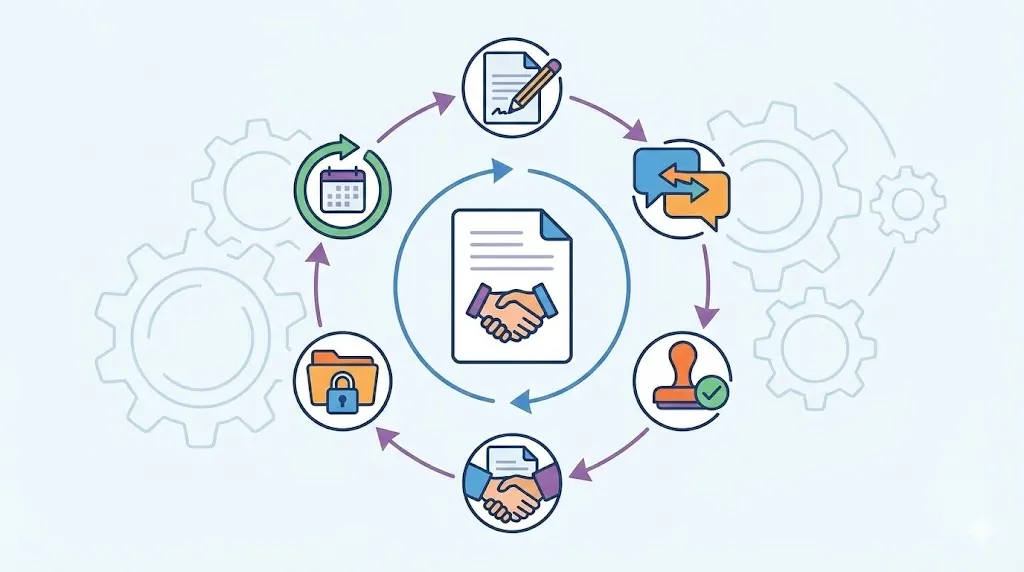
Volody AI CLM is an Agentic AI-powered Contract Lifecycle Management platform designed to eliminate manual contracting tasks, automate complex workflows, and deliver actionable insights. As a one-stop shop for all contract activities, it covers drafting, collaboration, negotiation, approvals, e-signature, compliance tracking, and renewals. Built with enterprise-grade security and no-code configuration, it meets the needs of the most complex global organizations. Volody AI CLM also includes AI-driven contract review and risk analysis, helping teams detect issues early and optimize terms. Trusted by Fortune 500 companies, high-growth startups, and government entities, it transforms contracts into strategic, data-driven business assets.





" height="216.72211px" id="FYO0bO80Y" transform="translate(3 6.105)" width="206.073px"/><path d="M 108.174 222 C 88.432 222 70.303 217.239 53.785 207.717 C 37.267 198.196 24.173 185.052 14.504 168.285 C 4.835 151.312 0 132.165 0 110.845 C 0 89.731 4.835 70.792 14.504 54.025 C 24.173 37.052 37.267 23.804 53.785 14.282 C 70.303 4.761 88.432 0 108.174 0 C 128.116 0 146.246 4.761 162.562 14.282 C 179.08 23.804 192.073 37.052 201.541 54.025 C 211.21 70.792 216.044 89.731 216.044 110.845 C 216.044 132.165 211.21 151.312 201.541 168.285 C 192.073 185.052 179.08 198.196 162.562 207.717 C 146.044 217.239 127.915 222 108.174 222 Z M 108.174 183.189 C 120.864 183.189 132.044 180.291 141.713 174.495 C 151.382 168.492 158.936 160.006 164.375 149.035 C 169.814 138.064 172.533 125.334 172.533 110.845 C 172.533 96.355 169.814 83.729 164.375 72.965 C 158.936 61.994 151.382 53.611 141.713 47.815 C 132.044 42.02 120.864 39.122 108.174 39.122 C 95.483 39.122 84.202 42.02 74.332 47.815 C 64.663 53.611 57.109 61.994 51.67 72.965 C 46.231 83.729 43.511 96.355 43.511 110.845 C 43.511 125.334 46.231 138.064 51.67 149.035 C 57.109 160.006 64.663 168.492 74.332 174.495 C 84.202 180.291 95.483 183.189 108.174 183.189 Z" fill="rgba(255, 255, 255, 0.12)" height="222px" id="aa1McFcE9" transform="translate(227.183 3)" width="216.04399999999998px"/><path d="M 42.302 182.257 L 111.799 182.257 L 111.799 216.722 L 0 216.722 L 0 0 L 42.302 0 Z" fill="rgba(255, 255, 255, 0.12)" height="216.72211px" id="yRq4AnrsX" transform="translate(477.721 6.105)" width="111.79899999999998px"/><path d="M 108.174 222 C 88.432 222 70.303 217.239 53.785 207.717 C 37.267 198.196 24.173 185.052 14.504 168.285 C 4.835 151.312 0 132.165 0 110.845 C 0 89.731 4.835 70.792 14.504 54.025 C 24.173 37.052 37.267 23.804 53.785 14.282 C 70.303 4.761 88.432 0 108.174 0 C 128.116 0 146.246 4.761 162.562 14.282 C 179.08 23.804 192.073 37.052 201.541 54.025 C 211.21 70.792 216.045 89.731 216.045 110.845 C 216.045 132.165 211.21 151.312 201.541 168.285 C 192.073 185.052 179.08 198.196 162.562 207.717 C 146.044 217.239 127.915 222 108.174 222 Z M 108.174 183.189 C 120.864 183.189 132.044 180.291 141.713 174.495 C 151.382 168.492 158.936 160.006 164.375 149.035 C 169.814 138.064 172.534 125.334 172.534 110.845 C 172.534 96.355 169.814 83.729 164.375 72.965 C 158.936 61.994 151.382 53.611 141.713 47.815 C 132.044 42.02 120.864 39.122 108.174 39.122 C 95.483 39.122 84.202 42.02 74.332 47.815 C 64.663 53.611 57.108 61.994 51.67 72.965 C 46.231 83.729 43.511 96.355 43.511 110.845 C 43.511 125.334 46.231 138.064 51.67 149.035 C 57.108 160.006 64.663 168.492 74.332 174.495 C 84.202 180.291 95.483 183.189 108.174 183.189 Z" fill="rgba(255, 255, 255, 0.12)" height="222px" id="mo8HQspQ0" transform="translate(609.155 3)" width="216.04500000000007px"/><path d="M 73.727 0 C 95.885 0 115.324 4.45 132.044 13.351 C 148.967 22.252 161.957 34.982 171.027 51.541 C 180.287 67.894 184.917 86.937 184.917 108.671 C 184.917 130.405 180.287 149.449 171.027 165.801 C 161.957 181.947 148.967 194.47 132.044 203.371 C 115.324 212.271 95.885 216.722 73.727 216.722 L 0 216.722 L 0 0 Z M 72.216 179.773 C 94.374 179.773 111.497 173.564 123.583 161.144 C 135.669 148.724 141.713 131.233 141.713 108.671 C 141.713 86.109 135.669 68.515 123.583 55.888 C 111.497 43.055 94.374 36.638 72.216 36.638 L 42.302 36.638 L 42.302 179.773 Z" fill="rgba(255, 255, 255, 0.12)" height="216.72211px" id="I3iXX5Hi_" transform="translate(859.693 6.105)" width="184.91699999999992px"/><path d="M 185.22 0 L 113.91 141.273 L 113.91 216.722 L 71.61 216.722 L 71.61 141.273 L 0 0 L 47.74 0 L 93.06 99.046 L 138.08 0 Z" fill="rgba(255, 255, 255, 0.12)" height="216.72211px" id="nzHyWC0_d" transform="translate(1061.78 6.105)" width="185.22000000000003px"/></svg>)