

Introduction
Imagine the headline in late 2026: A prominent multinational conglomerate operating out of Bengaluru is slapped with a staggering ₹250 Crore penalty. The infraction was not a malicious hack or a grand corporate conspiracy, but a failure in third-party contract governance. Specifically, the organization failed to implement adequate safeguards for cross-border data transfers within their legacy vendor agreements, violating the newly enforced DPDPA 2.0 amendments. This scenario is not merely hypothetical; it is the precise risk trajectory facing Indian enterprises as we move deeper into the decade.
While the Digital Personal Data Protection Act of 2023 (DPDPA 1.0) established the foundational principles of consent and fiduciaries, the regulatory environment is rapidly shifting. The anticipated "2.0" amendments, built upon the rigorous drafts circulated in 2025, are poised to transform abstract privacy concepts into rigid operational mandates. For legal teams, the days of relying on static policy documents are over. The sheer volume of data interactions necessitates a shift toward automated, audit-proof compliance mechanisms.
Current projections suggest that nearly 65% of Indian firms remain unprepared for these enhanced rules, primarily due to reliance on manual compliance tracking. The thesis for the modern General Counsel is clear: Contract Lifecycle Management (CLM) software, particularly platforms capable of granular obligation management like Volody, is no longer just an efficiency tool. It has become the essential infrastructure for regulatory survival.
Decoding DPDPA 2.0 ,What’s Changing in 2026?
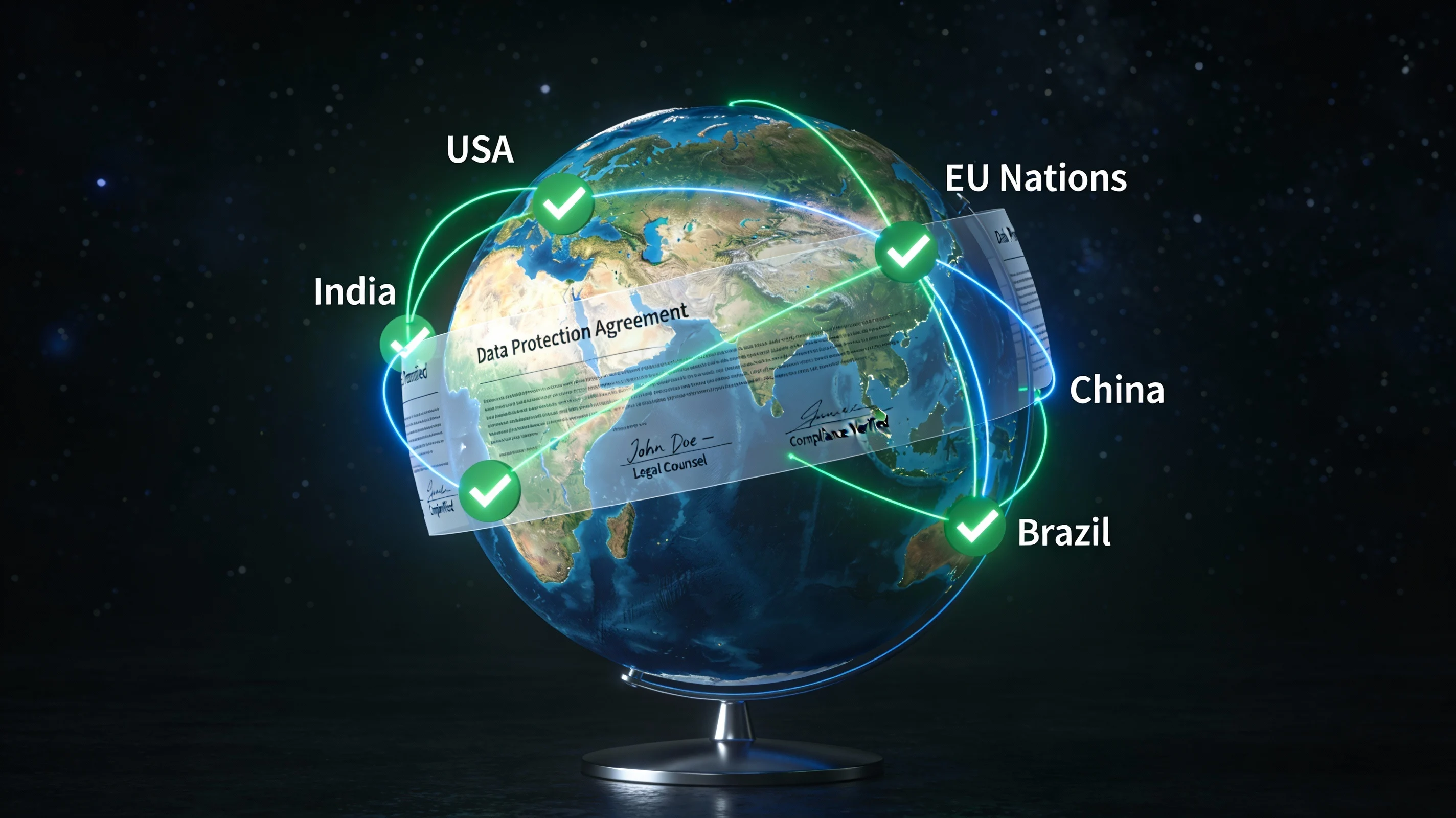
Cross-Border Transfer Overhaul: From White-List to Risk-Based Adequacy
The most significant shift anticipated in the 2026 regulatory framework is he evolution of cross-border data transfer mechanisms. The initial expectation of a government-curated "white-list" of approved geographies is being superseded by a more complex, accountability-driven model. Under this new paradigm, the onus falls heavily on the Data Fiduciary to prove that the destination country offers a level of data protection commensurate with Indian law, regardless of government pre-approval.
This moves the compliance burden directly into the contract drafting and management phase. Organizations engaged in SaaS subscriptions or outsourcing arrangements must now embed robust, specific contractual safeguards, similar to the Standard Contractual Clauses (SCCs) seen under the EU GDPR. A simple clause stating "compliance with applicable laws" will be insufficient. Legal teams must actively assess transfer risks and encode these assessments into the contract lifecycle, ensuring that data does not flow to jurisdictions where protection is ambiguous without strictly defined legal bind-overs.
Consent Frameworks Evolving to Granular Opt-Ins
The days of broad, bundled consent are numbered. The 2.0 framework is expected to mandate "granular opt-ins," requiring Data Fiduciaries to obtain distinct, explicit permissions for different types of processing activities within the same commercial relationship. This has profound implications for vendor agreements, particularly in procurement and HR.
For instance, an HR services vendor contract can no longer rely on a blanket consent clause to cover payroll processing, benefits administration, and background verification simultaneously. Each purpose requires a distinct contractual trigger that aligns with the specific consent obtained from the data principal. Legal operations teams must ensure that their upstream contracts with data processors strictly mirror these granular downstream consents. Failure to align the vendor contract with the specific scope of user consent renders the data processing illegal, exposing the organization to significant liability.
Processor Accountability and Significant Data Fiduciary Rules
Perhaps the most aggressive change is the heightened scrutiny on Significant Data Fiduciaries (SDFs) and the trickle-down accountability to Data Processors. The 2026 enforcement timeline suggests strict mandates for conducting Data Protection Impact Assessments (DPIAs) before introducing new technologies or processing high-volume data.
Current CLM Gaps Exposed by Evolving Rules
Legal teams still use spreadsheets and shared drives to track regulatory duties. This manual approach has error rates up to 40%, which with DPDPA 2.0 means real compliance failures, not just inefficiency.
Older contracts (before 2023) probably lack key requirements like data-localization clauses, breach notifications, and processor liability limits. Finding these gaps without a digital system means slow, expensive manual review.
A recent survey of General Counsels found 65% say regulatory compliance is their biggest challenge for 2026. Legal teams lack tools that show where data clauses are in their contracts, leaving them without clear visibility as enforcement tightens.
Volody’s Toolkit for DPDPA-Ready Contracts
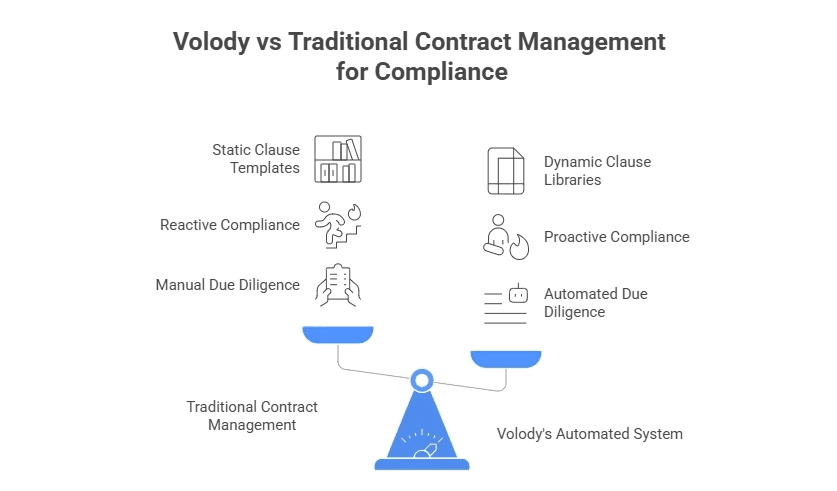
No-Code Clause Libraries with Auto-Insertion
To address the velocity of regulatory change, Volody empowers legal teams to move beyond static templates. The platform utilizes a no-code clause library that allows General Counsels to centralize approved DPDPA-compliant language. When a regulation updates, the legal team can update the master clause, and the system can flag or automatically suggest updates for all in-flight drafts.
This capability is vital for Master Services Agreements (MSAs) and Data Processing Agreements (DPAs). Instead of relying on outside counsel to redraft every agreement, Volody ensures that the latest version of data protection clauses, covering everything from breach notification timelines to sub-processor authorization, is automatically inserted into new contracts. This version control guarantees that no rogue or outdated templates expose the firm to risk.
AI-Powered Audit Trails and Real-Time Dashboards
Compliance under DPDPA 2.0 is fundamentally an evidence game. It is not enough to be compliant; one must prove it. Volody’s AI-enabled infrastructure creates immutable audit logs for every data-related contract interaction. The system tracks who accessed data clauses, when consent parameters were modified, and whether specific vendor obligations were acknowledged.
Advanced anomaly detection alerts legal operations if a contract deviates from standard data safety parameters. Furthermore, integration capabilities allow Volody to connect with Security Information and Event Management (SIEM) tools, providing a unified dashboard where legal and InfoSec teams can visualize cross-border data flows against contractual permissions. This real-time visibility transforms the legal department from a reactive defender to a proactive risk manager.
Cross-Border Workflow Automation
Managing the geography of data is a complex logistical challenge. Volody addresses this through cross-border workflow automation. The platform can utilize "geofencing" logic within the approval workflow. If a contract involves a vendor located in a jurisdiction not on the organization’s internal adequacy list, the workflow automatically triggers an enhanced due diligence path, requiring additional approvals or the insertion of specific risk-mitigation clauses. This automated gatekeeping ensures that no data transfer agreement slips through the cracks due to human oversight.
7-Step Roadmap to DPDPA 2.0 Compliance
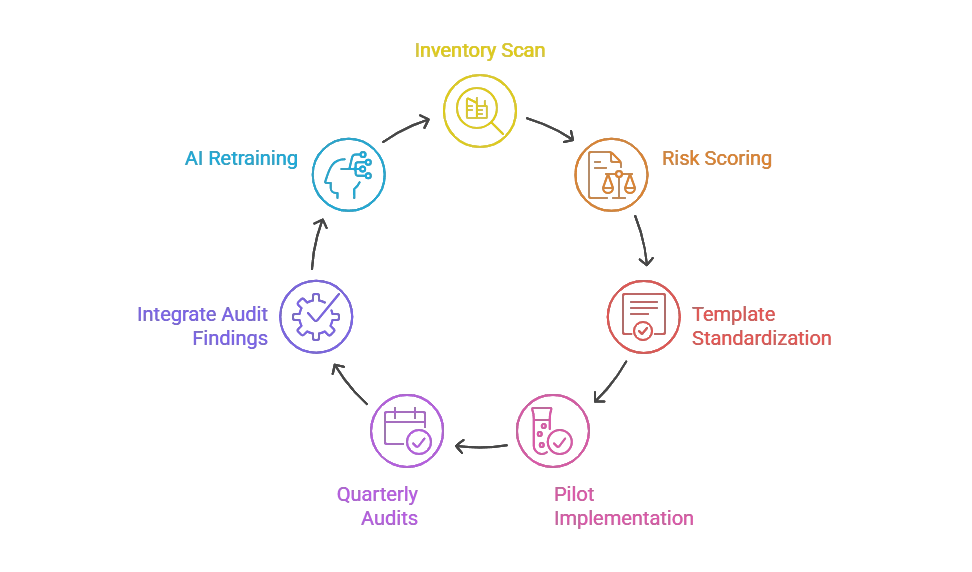
Steps 1-3: Gap Analysis and Template Modernization
The journey to compliance begins with visibility. The first critical step is an inventory scan. Utilizing Volody’s digitization capabilities, legal teams should ingest legacy contracts to identify agreements that act as data conduits. For step two, the AI can assist in risk-scoring these contracts based on the sensitivity of data processed and the governing law of the vendor. Step three involves standardizing the template estate, rewriting MSAs and DPAs to explicitly reflect DPDPA 2.0 terminologies like "Data Fiduciary" and "Consent Manager."
Steps 4-7: Implementation, Testing, and Continuous Monitoring
Once the foundation is set, the focus shifts to execution. Step four is piloting the new compliance framework with high-risk vendors, testing the friction and efficacy of new contractual controls. Steps five and six involve institutionalizing quarterly compliance audits and integrating these findings back into the CLM logic. Finally, step seven is the establishment of AI retraining loops. As the Data Protection Board issues new rulings, Volody’s AI models should be refined to detect new types of non-compliant clauses, ensuring the system evolves alongside the law.
Conclusion
The transition to DPDPA 2.0 represents a digital transformation of the legal function. The return on investment for automating this transition is measurable not just in risk mitigation, but in velocity; organizations leveraging intelligent CLM platforms like Volody report 50% faster compliance cycles compared to manual peers. As we step into 2026, the choice is between retroactive remediation and proactive governance.
Ready to future-proof your contract estate? Schedule a demo today to explore Volody’s DPDPA Accelerator Pack.
About the Company

Volody AI CLM is an Agentic AI-powered Contract Lifecycle Management platform designed to eliminate manual contracting tasks, automate complex workflows, and deliver actionable insights. As a one-stop shop for all contract activities, it covers drafting, collaboration, negotiation, approvals, e-signature, compliance tracking, and renewals. Built with enterprise-grade security and no-code configuration, it meets the needs of the most complex global organizations. Volody AI CLM also includes AI-driven contract review and risk analysis, helping teams detect issues early and optimize terms. Trusted by Fortune 500 companies, high-growth startups, and government entities, it transforms contracts into strategic, data-driven business assets.





" height="216.72211px" id="FYO0bO80Y" transform="translate(3 6.105)" width="206.073px"/><path d="M 108.174 222 C 88.432 222 70.303 217.239 53.785 207.717 C 37.267 198.196 24.173 185.052 14.504 168.285 C 4.835 151.312 0 132.165 0 110.845 C 0 89.731 4.835 70.792 14.504 54.025 C 24.173 37.052 37.267 23.804 53.785 14.282 C 70.303 4.761 88.432 0 108.174 0 C 128.116 0 146.246 4.761 162.562 14.282 C 179.08 23.804 192.073 37.052 201.541 54.025 C 211.21 70.792 216.044 89.731 216.044 110.845 C 216.044 132.165 211.21 151.312 201.541 168.285 C 192.073 185.052 179.08 198.196 162.562 207.717 C 146.044 217.239 127.915 222 108.174 222 Z M 108.174 183.189 C 120.864 183.189 132.044 180.291 141.713 174.495 C 151.382 168.492 158.936 160.006 164.375 149.035 C 169.814 138.064 172.533 125.334 172.533 110.845 C 172.533 96.355 169.814 83.729 164.375 72.965 C 158.936 61.994 151.382 53.611 141.713 47.815 C 132.044 42.02 120.864 39.122 108.174 39.122 C 95.483 39.122 84.202 42.02 74.332 47.815 C 64.663 53.611 57.109 61.994 51.67 72.965 C 46.231 83.729 43.511 96.355 43.511 110.845 C 43.511 125.334 46.231 138.064 51.67 149.035 C 57.109 160.006 64.663 168.492 74.332 174.495 C 84.202 180.291 95.483 183.189 108.174 183.189 Z" fill="rgba(255, 255, 255, 0.12)" height="222px" id="aa1McFcE9" transform="translate(227.183 3)" width="216.04399999999998px"/><path d="M 42.302 182.257 L 111.799 182.257 L 111.799 216.722 L 0 216.722 L 0 0 L 42.302 0 Z" fill="rgba(255, 255, 255, 0.12)" height="216.72211px" id="yRq4AnrsX" transform="translate(477.721 6.105)" width="111.79899999999998px"/><path d="M 108.174 222 C 88.432 222 70.303 217.239 53.785 207.717 C 37.267 198.196 24.173 185.052 14.504 168.285 C 4.835 151.312 0 132.165 0 110.845 C 0 89.731 4.835 70.792 14.504 54.025 C 24.173 37.052 37.267 23.804 53.785 14.282 C 70.303 4.761 88.432 0 108.174 0 C 128.116 0 146.246 4.761 162.562 14.282 C 179.08 23.804 192.073 37.052 201.541 54.025 C 211.21 70.792 216.045 89.731 216.045 110.845 C 216.045 132.165 211.21 151.312 201.541 168.285 C 192.073 185.052 179.08 198.196 162.562 207.717 C 146.044 217.239 127.915 222 108.174 222 Z M 108.174 183.189 C 120.864 183.189 132.044 180.291 141.713 174.495 C 151.382 168.492 158.936 160.006 164.375 149.035 C 169.814 138.064 172.534 125.334 172.534 110.845 C 172.534 96.355 169.814 83.729 164.375 72.965 C 158.936 61.994 151.382 53.611 141.713 47.815 C 132.044 42.02 120.864 39.122 108.174 39.122 C 95.483 39.122 84.202 42.02 74.332 47.815 C 64.663 53.611 57.108 61.994 51.67 72.965 C 46.231 83.729 43.511 96.355 43.511 110.845 C 43.511 125.334 46.231 138.064 51.67 149.035 C 57.108 160.006 64.663 168.492 74.332 174.495 C 84.202 180.291 95.483 183.189 108.174 183.189 Z" fill="rgba(255, 255, 255, 0.12)" height="222px" id="mo8HQspQ0" transform="translate(609.155 3)" width="216.04500000000007px"/><path d="M 73.727 0 C 95.885 0 115.324 4.45 132.044 13.351 C 148.967 22.252 161.957 34.982 171.027 51.541 C 180.287 67.894 184.917 86.937 184.917 108.671 C 184.917 130.405 180.287 149.449 171.027 165.801 C 161.957 181.947 148.967 194.47 132.044 203.371 C 115.324 212.271 95.885 216.722 73.727 216.722 L 0 216.722 L 0 0 Z M 72.216 179.773 C 94.374 179.773 111.497 173.564 123.583 161.144 C 135.669 148.724 141.713 131.233 141.713 108.671 C 141.713 86.109 135.669 68.515 123.583 55.888 C 111.497 43.055 94.374 36.638 72.216 36.638 L 42.302 36.638 L 42.302 179.773 Z" fill="rgba(255, 255, 255, 0.12)" height="216.72211px" id="I3iXX5Hi_" transform="translate(859.693 6.105)" width="184.91699999999992px"/><path d="M 185.22 0 L 113.91 141.273 L 113.91 216.722 L 71.61 216.722 L 71.61 141.273 L 0 0 L 47.74 0 L 93.06 99.046 L 138.08 0 Z" fill="rgba(255, 255, 255, 0.12)" height="216.72211px" id="nzHyWC0_d" transform="translate(1061.78 6.105)" width="185.22000000000003px"/></svg>)