

The DPDP Act, 2023, fundamentally reshapes employer obligations regarding employee data management in India. It establishes definitive standards for consent acquisition, data security, and retention policies. This guide provides a comprehensive overview of the critical compliance requirements for employers, detailing practical strategies for maintaining lawful and secure handling of employee information. HR professionals will gain actionable insights to ensure adherence to the Act while mitigating legal and operational risks.
TL;DR
The DPDP Act requires employers to get explicit consent and secure employee data with strong technical and organizational controls.
Employers must provide clear privacy notices and allow employees to withdraw consent easily.
Data retention should be limited to what is needed, with secure disposal after the purpose ends.
HR teams face challenges managing consent, balancing monitoring with privacy, and securing sensitive data.
Best practices include role-based access, encryption, impact assessments, and incident response planning.
Ongoing compliance needs monitoring, audits, policy updates, and open communication with employees.
Understanding the DPDP Act’s Impact on Employee Data Management
Scope of the DPDP Act in HR Context
The DPDP Act applies to all personal data handled by employers. This includes data collected during hiring, employment, and even after exit. It covers data from resumes, background checks, payroll, attendance, and monitoring tools. The Act treats employers as Data Fiduciaries, meaning they have a duty to protect employee data responsibly. This creates new legal obligations for HR teams.
The Act also affects third-party vendors handling employee data. Employers must ensure these vendors comply with DPDP rules. This extends the scope beyond internal HR systems to cloud services, payroll providers, and recruitment platforms.
Defining Employee Data Under the Act
Employee data includes any information that identifies an individual or relates to their work. This covers names, contact details, identification numbers, bank info, health records, performance reviews, and attendance logs. Candidate data during recruitment is also protected.
The Act recognizes this data as sensitive and personal. As a result, employers must treat it with care, applying strict controls on access and processing. This means limiting data use to legitimate job-related purposes and avoiding unnecessary collection.
Roles and Responsibilities of Employers as Data Fiduciaries
Employers must implement strong security measures like encryption and access controls. They need to get explicit consent for data processing beyond basic employment needs. Employers must also keep detailed records of consent and data use.
They are responsible for providing clear privacy notices that explain what data is collected and why. In case of a data breach, employers must notify both the Data Protection Board and affected employees promptly.
HR and legal teams must work together to set up data governance frameworks. This includes vetting vendors, updating contracts, and training staff on DPDP compliance. Failure to comply risks heavy penalties and damage to employee trust.
Employers must also establish clear data retention policies. They should keep employee data only as long as necessary for the intended purpose and delete it securely afterward. Regular audits help ensure compliance and identify any gaps in data handling.
For example, if a company uses biometric attendance systems, it must justify collecting this sensitive data and restrict access strictly to authorized personnel. Training programs should include practical scenarios showing how to handle data requests from employees, such as access or correction rights under the Act.
These steps build a culture of accountability and transparency, which are vital for maintaining employee confidence in data protection practices.
Related Article: Gc Dpdpa Compliance
Consent Requirements and Transparency in Employee Data Processing
What Constitutes Explicit Consent for Employees
Explicit consent means employees must clearly agree to data processing. Consent should be specific to the purpose, informed by full details, and freely given without pressure. For example, consent is required for background checks or monitoring beyond normal job needs.
Consent cannot be bundled with other agreements or assumed by silence. It must be documented and easy to withdraw. Employers must avoid vague or broad consent forms that confuse employees.
Crafting Clear Privacy Notices and Consent Forms
Privacy notices should be separate from consent forms and written in plain language. They must list what data is collected, why, how it will be used, and who has access. Notices should also explain employee rights under the DPDP Act.
Consent forms should clearly outline the scope of processing and include checkboxes or signatures for different purposes. Transparency helps employees understand and trust how their data is handled.
Handling Consent Withdrawal and Updates
Employees have the right to withdraw consent at any time. Employers must provide simple methods for withdrawal and inform employees about the consequences, if any. Consent records should be updated promptly.
Employers should also review and refresh consent periodically, especially when processing purposes change. This keeps data handling lawful and up to date.
Employers should clearly distinguish between mandatory and optional data processing to avoid confusing employees. For instance, collecting data strictly required for payroll differs from optional wellness program information. This distinction helps employees make informed decisions about their consent. Additionally, organizations must ensure that third parties accessing employee data follow the same consent and transparency standards. Regular training for HR and management teams can reinforce the importance of respecting consent boundaries and maintaining open communication. Finally, keeping detailed audit trails of consent interactions supports compliance and builds trust by showing employees their rights are taken seriously.
Related Article: How to Ensure Transparency in AI
Data Retention and Minimization Policies for HR
Establishing Data Retention Periods Aligned with Legal Requirements
Employers must keep employee data only as long as necessary. The DPDP Act requires data minimization, meaning no excess data should be stored. However, retention must also respect labor laws and tax regulations.
Developing clear retention schedules helps balance these rules. For example, payroll data may need to be kept longer for tax audits, while recruitment data should be erased after a certain period if the candidate is not hired.
Minimizing Data Collection to Job Relevant Information
HR should collect only data directly related to job functions. Avoid gathering personal details unrelated to work unless legally required. This reduces privacy risks and simplifies compliance.
Examples of relevant data include contact info, qualifications, and performance records. Avoid sensitive data unless consented explicitly and needed for the role.
Secure Disposal and Archival Procedures
Once data is no longer needed, it must be securely deleted or anonymized. Employers should have documented processes for destroying physical and digital records.
For archival data retained due to legal obligations, strong access controls and encryption are essential. This prevents unauthorized use or breaches.
Clear communication with employees about data retention policies is crucial. HR should inform staff what data is collected, how long it will be kept, and the reasons behind these timelines. Transparency builds trust and helps fulfill legal transparency requirements.
Regular audits of stored data ensure that outdated or irrelevant information is identified and removed promptly. This keeps the data environment lean and lowers risks of accidental exposure.
Training HR personnel on data retention and minimization best practices also improves compliance. They become better equipped to handle data responsibly, spot unnecessary collection, and follow secure disposal protocols consistently.
Related Article: Improve Hr Contract Management
Key Challenges in Complying with the DPDP Act for Employee Data
1. Obtaining and Managing Explicit Consent
Getting clear, specific consent from every employee can be complex. Consent must cover all processing types beyond basic employment. Managing consent updates and withdrawals adds further workload.
2. Balancing Employee Monitoring with Privacy Rights
Monitoring tools can conflict with privacy expectations. Employers must find a balance that respects employee rights while maintaining security and productivity.
3. Securing Sensitive Data Against Breaches
Employee data includes sensitive details that attract cyber threats. Protecting this data requires advanced security measures and constant vigilance.
4. Integrating DPDP Compliance with Existing HR Systems
Many HR systems are not built with DPDP in mind. Updating or replacing software to meet compliance can be costly and time-consuming.
5. Training HR Teams on New Data Protection Responsibilities
HR staff must understand DPDP rules and their role in compliance. Regular training is necessary to prevent mistakes and manage risks effectively.
6. Handling Cross-Border Data Transfers
Transferring employee data outside the country triggers extra rules under the DPDP Act. Employers must verify if the destination country offers adequate protection or apply specific safeguards. This process can delay operations and require legal advice.
7. Managing Data Minimization and Retention
Collecting only necessary employee data and deleting it when no longer needed is a key DPDP principle. Companies often struggle to define what counts as “necessary” and when to erase records, risking non-compliance or operational gaps.
8. Responding to Employee Data Access Requests
Employees can request access to their data anytime under the Act. HR teams must prepare to respond quickly and accurately, which demands clear workflows and good data organization.
Related Article: Compliance Risk Management
Best Practices for Risk-Free HR Data Compliance
Implementing Role Based Access Controls: Limit data access to only those who need it. This reduces risk of internal leaks and errors. Use system permissions that align with job roles and monitor access logs regularly.
Encrypting Sensitive Employee Information: Encrypt data at rest and in transit. Encryption makes stolen data unreadable, protecting against breaches. Use strong encryption standards and update keys regularly.
Conducting Regular Data Protection Impact Assessments: Assess risks before starting new data processing activities. Identify potential privacy issues and plan safeguards. This proactive step helps avoid violations and builds trust.
Developing Incident Response Plans for Data Breaches: Prepare a clear plan for detecting, reporting, and managing data breaches. Quick response minimizes damage and ensures compliance with notification rules. Train teams on their roles during incidents.
Maintaining Up-to-Date Employee Consent Records: Keep clear records of employee consents for data use and processing. Regularly update consent forms to reflect any changes in data policies. This practice ensures transparency and meets legal requirements. It also helps quickly resolve disputes about data handling.
Training HR Staff on Data Privacy Rules: Regularly train HR personnel on the latest data protection laws and company policies. Well-informed staff are less likely to make errors that lead to breaches. Use real-life examples and quizzes to reinforce learning. This ongoing education fosters a culture of responsibility around employee data.
Regularly Reviewing Third-Party Vendor Practices: Evaluate how external service providers handle employee data. Confirm they meet your compliance standards and security measures. Conduct audits or request certifications to verify their controls. This reduces the risk of data leaks through partners or suppliers.
Related Article: Managing Contract Obligations Compliance
Aligning DPDP Compliance with Employee Trust and Organizational Culture
Communicating Data Protection Policies Transparently
Clear communication about privacy policies builds confidence. Share how employee data is protected and used. Avoid legal jargon and be honest about data practices.
Encouraging Employee Participation in Consent Processes
Involve employees in consent and privacy efforts. Offer easy ways to ask questions or update preferences. This openness strengthens cooperation and respect.
Leveraging Compliance as a Trust Building Opportunity
Treat DPDP compliance as a chance to show respect for employee rights. A culture of privacy protection improves morale and loyalty. It also helps attract talent that values data ethics.
Training Employees on Data Privacy Responsibilities
Provide regular training so employees understand their role in protecting data. Use practical examples to show how daily actions impact privacy. This helps turn abstract rules into clear habits. Training also reduces mistakes that could lead to breaches or non-compliance.
Aligning Leadership Actions with Privacy Commitments
Leaders must model transparent data practices to reinforce trust. When management openly supports privacy efforts, employees take rules more seriously. Leadership buy-in signals that data protection is a core value, not just a checkbox task.
Using Feedback to Improve Privacy Practices
Create channels for employees to share concerns or suggestions about data use. Listening to feedback identifies gaps and builds a more responsive privacy culture. Acting on input shows respect and commitment beyond mere compliance.
Related Article: Legal Risk Management
Monitoring, Auditing, and Continuous Improvement
Setting Up Compliance Monitoring Systems
Use tools to track data processing activities and consent status. Automated alerts help catch issues early. Monitoring supports ongoing adherence to DPDP rules.
Conducting Periodic Audits and Risk Assessments
Regular audits review data handling practices and security controls. They identify gaps and areas for improvement. Risk assessments evaluate new threats and compliance challenges.
Updating Policies Based on Regulatory Changes and Feedback
Laws and best practices evolve. HR policies should be reviewed and updated regularly. Employee feedback can guide improvements in privacy and consent processes.
Training Staff on Compliance Responsibilities
Regular training ensures employees understand their roles in protecting personal data. Interactive sessions and real-life scenarios help embed best practices. Well-trained staff reduce the risk of accidental breaches and improve response times to incidents.
Leveraging Technology for Real-Time Compliance Insights
Advanced analytics tools can provide dashboards showing compliance status across departments. These tools highlight trends and flag unusual activity instantly. Real-time insights enable quicker decision-making and proactive risk management, keeping your organization ahead of potential issues.
Related Article: Drafting Data Breach Notification Clauses That Protect
Solution
Employers seeking to streamline their DPDP Act compliance and secure employee data can benefit from advanced contract and data management solutions. These tools simplify consent tracking, automate data retention schedules, and enhance security protocols, reducing compliance risks and administrative burden.
Volody's CLM Software offers a comprehensive solution for managing employee data compliance. It features AI Contract Drafting to create DPDP-compliant employment contracts quickly. The software also includes AI Metadata Extraction to capture consent records and privacy clauses automatically. Additionally, it provides Risk & Compliance Analysis to flag potential issues before contracts are finalized. These features help HR teams maintain accurate records and stay audit-ready.
For example, HR can use Volody's AI Contract Drafting to generate employment agreements that include explicit consent language. The software then tracks consent statuses and alerts HR when renewals or updates are needed, ensuring continuous compliance.
> Want to see how contract management software can simplify your legal workflows? Check out Volody's CLM Software.
FAQ
Do I need employee consent to process employee data?
Yes, the DPDP Act requires explicit, informed, and specific consent from employees for processing their personal data beyond essential employment purposes. Consent must be freely given and clearly documented to ensure compliance. Employers should provide clear information about data use and allow employees to withdraw consent easily.
Does DPDP apply to candidate and resume data?
Yes, candidate and resume data are considered personal data under the DPDP Act. Employers must handle this data with the same level of protection and obtain necessary consent before processing. This includes data collected during recruitment, background checks, and interviews.
What constitutes valid consent under the DPDP Act?
Valid consent under the DPDP Act must be free, specific, informed, unconditional, and unambiguous. Employers should provide clear information about data use and allow employees to withdraw consent easily. Consent cannot be bundled with other agreements or assumed by silence.
What security safeguards are required for HR data under the DPDP Act?
Employers must implement technical and organizational measures such as encryption, access controls, regular audits, and staff training to protect HR data from unauthorized access and breaches. These measures reduce risks and help detect potential threats early.
How does the DPDP Act impact data retention for HR records?
The Act mandates data minimization and requires employers to retain employee data only as long as necessary for the intended purpose, balancing this with other legal retention obligations. Employers should develop clear retention schedules and securely dispose of data when no longer needed.
What are the obligations for employers regarding data breach notification?
Employers must promptly notify the Data Protection Board and affected employees in the event of a data breach involving employee data, following prescribed timelines and procedures. This transparency helps mitigate harm and comply with legal duties.
How does DPDP affect sharing employee data with vendors?
Employers must vet HR tech vendors carefully, ensure Data Processing Agreements are in place, and confirm that vendors comply with DPDP security and breach notification requirements. This protects data even when handled by third parties.
What practical steps can HR teams take to maintain ongoing DPDP compliance?
HR teams should establish monitoring systems, conduct regular audits, update policies as regulations evolve, and provide continuous training to ensure sustained compliance with the DPDP Act. Ongoing diligence helps prevent violations and builds employee trust.
About the Company

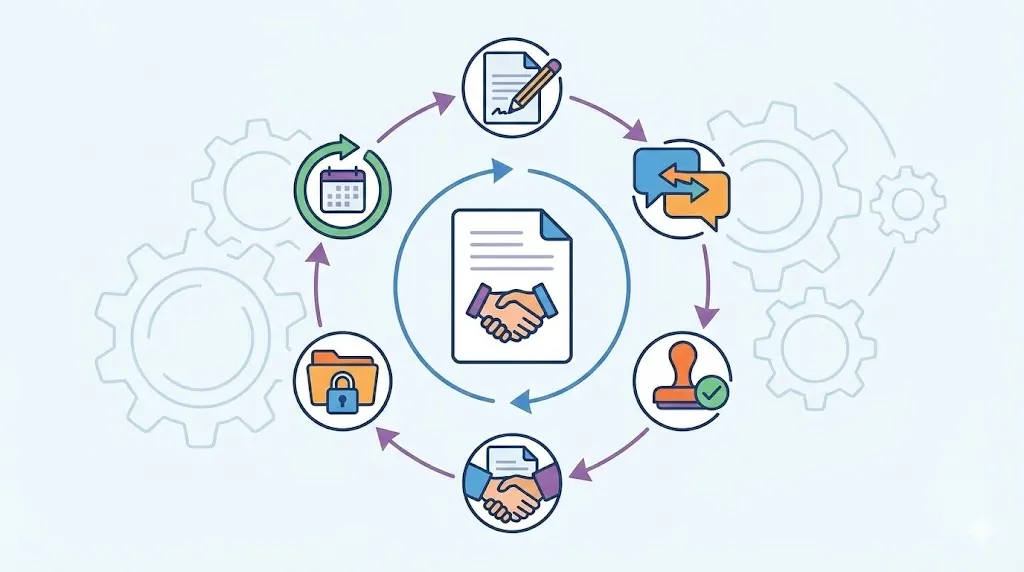
Volody AI CLM is an Agentic AI-powered Contract Lifecycle Management platform designed to eliminate manual contracting tasks, automate complex workflows, and deliver actionable insights. As a one-stop shop for all contract activities, it covers drafting, collaboration, negotiation, approvals, e-signature, compliance tracking, and renewals. Built with enterprise-grade security and no-code configuration, it meets the needs of the most complex global organizations. Volody AI CLM also includes AI-driven contract review and risk analysis, helping teams detect issues early and optimize terms. Trusted by Fortune 500 companies, high-growth startups, and government entities, it transforms contracts into strategic, data-driven business assets.





" height="216.72211px" id="FYO0bO80Y" transform="translate(3 6.105)" width="206.073px"/><path d="M 108.174 222 C 88.432 222 70.303 217.239 53.785 207.717 C 37.267 198.196 24.173 185.052 14.504 168.285 C 4.835 151.312 0 132.165 0 110.845 C 0 89.731 4.835 70.792 14.504 54.025 C 24.173 37.052 37.267 23.804 53.785 14.282 C 70.303 4.761 88.432 0 108.174 0 C 128.116 0 146.246 4.761 162.562 14.282 C 179.08 23.804 192.073 37.052 201.541 54.025 C 211.21 70.792 216.044 89.731 216.044 110.845 C 216.044 132.165 211.21 151.312 201.541 168.285 C 192.073 185.052 179.08 198.196 162.562 207.717 C 146.044 217.239 127.915 222 108.174 222 Z M 108.174 183.189 C 120.864 183.189 132.044 180.291 141.713 174.495 C 151.382 168.492 158.936 160.006 164.375 149.035 C 169.814 138.064 172.533 125.334 172.533 110.845 C 172.533 96.355 169.814 83.729 164.375 72.965 C 158.936 61.994 151.382 53.611 141.713 47.815 C 132.044 42.02 120.864 39.122 108.174 39.122 C 95.483 39.122 84.202 42.02 74.332 47.815 C 64.663 53.611 57.109 61.994 51.67 72.965 C 46.231 83.729 43.511 96.355 43.511 110.845 C 43.511 125.334 46.231 138.064 51.67 149.035 C 57.109 160.006 64.663 168.492 74.332 174.495 C 84.202 180.291 95.483 183.189 108.174 183.189 Z" fill="rgba(255, 255, 255, 0.12)" height="222px" id="aa1McFcE9" transform="translate(227.183 3)" width="216.04399999999998px"/><path d="M 42.302 182.257 L 111.799 182.257 L 111.799 216.722 L 0 216.722 L 0 0 L 42.302 0 Z" fill="rgba(255, 255, 255, 0.12)" height="216.72211px" id="yRq4AnrsX" transform="translate(477.721 6.105)" width="111.79899999999998px"/><path d="M 108.174 222 C 88.432 222 70.303 217.239 53.785 207.717 C 37.267 198.196 24.173 185.052 14.504 168.285 C 4.835 151.312 0 132.165 0 110.845 C 0 89.731 4.835 70.792 14.504 54.025 C 24.173 37.052 37.267 23.804 53.785 14.282 C 70.303 4.761 88.432 0 108.174 0 C 128.116 0 146.246 4.761 162.562 14.282 C 179.08 23.804 192.073 37.052 201.541 54.025 C 211.21 70.792 216.045 89.731 216.045 110.845 C 216.045 132.165 211.21 151.312 201.541 168.285 C 192.073 185.052 179.08 198.196 162.562 207.717 C 146.044 217.239 127.915 222 108.174 222 Z M 108.174 183.189 C 120.864 183.189 132.044 180.291 141.713 174.495 C 151.382 168.492 158.936 160.006 164.375 149.035 C 169.814 138.064 172.534 125.334 172.534 110.845 C 172.534 96.355 169.814 83.729 164.375 72.965 C 158.936 61.994 151.382 53.611 141.713 47.815 C 132.044 42.02 120.864 39.122 108.174 39.122 C 95.483 39.122 84.202 42.02 74.332 47.815 C 64.663 53.611 57.108 61.994 51.67 72.965 C 46.231 83.729 43.511 96.355 43.511 110.845 C 43.511 125.334 46.231 138.064 51.67 149.035 C 57.108 160.006 64.663 168.492 74.332 174.495 C 84.202 180.291 95.483 183.189 108.174 183.189 Z" fill="rgba(255, 255, 255, 0.12)" height="222px" id="mo8HQspQ0" transform="translate(609.155 3)" width="216.04500000000007px"/><path d="M 73.727 0 C 95.885 0 115.324 4.45 132.044 13.351 C 148.967 22.252 161.957 34.982 171.027 51.541 C 180.287 67.894 184.917 86.937 184.917 108.671 C 184.917 130.405 180.287 149.449 171.027 165.801 C 161.957 181.947 148.967 194.47 132.044 203.371 C 115.324 212.271 95.885 216.722 73.727 216.722 L 0 216.722 L 0 0 Z M 72.216 179.773 C 94.374 179.773 111.497 173.564 123.583 161.144 C 135.669 148.724 141.713 131.233 141.713 108.671 C 141.713 86.109 135.669 68.515 123.583 55.888 C 111.497 43.055 94.374 36.638 72.216 36.638 L 42.302 36.638 L 42.302 179.773 Z" fill="rgba(255, 255, 255, 0.12)" height="216.72211px" id="I3iXX5Hi_" transform="translate(859.693 6.105)" width="184.91699999999992px"/><path d="M 185.22 0 L 113.91 141.273 L 113.91 216.722 L 71.61 216.722 L 71.61 141.273 L 0 0 L 47.74 0 L 93.06 99.046 L 138.08 0 Z" fill="rgba(255, 255, 255, 0.12)" height="216.72211px" id="nzHyWC0_d" transform="translate(1061.78 6.105)" width="185.22000000000003px"/></svg>)