

Human Resources departments manage a vast array of contracts daily, including employment agreements, vendor contracts, and contractor arrangements. Without a structured approach, these processes are prone to errors, delays, and compliance issues that can expose organizations to significant risk. Implementing a robust contract management system for HR centralizes documentation, automates workflows, and enforces legal compliance, transforming contract administration into a strategic asset.
By adopting effective contract management practices, organizations can mitigate risks, accelerate hiring, and improve workforce productivity. HR leaders gain enhanced visibility and control over contract lifecycles, enabling smoother onboarding and consistent contract execution. This article details how centralizing contract data, leveraging automation, and applying best practices can elevate HR contract management to drive measurable business outcomes.
TL;DR
Contract management for HR creates a single source of truth for all employment contracts, reducing errors and compliance risks. Automation speeds up approvals, renewals, and compliance checks, freeing HR to focus on strategic tasks. Standardized templates cut negotiation time and ensure consistent contract language. Integrating contract lifecycle management software offers real-time insights and AI-powered risk detection. These steps shorten hiring cycles, improve onboarding, and strengthen collaboration across HR, legal, and vendors. Together, they minimize legal exposure and boost workforce efficiency.
Related articles: Contract Management for Procurement: Elevate Your Strategy
Centralizing Contract Data for Enhanced Control
Building a Single Source of Truth for HR Contracts
A centralized contract repository acts as a single source of truth for HR teams. It stores all employment contracts, amendments, and related documents in one secure location. This reduces reliance on spreadsheets, emails, or scattered folders. HR professionals can quickly find the right contract version without digging through multiple systems.
Centralization also improves data accuracy. When contracts live in one place, updates propagate consistently. This prevents outdated or conflicting versions from circulating. Centralized storage supports better record keeping, which is vital for audits and compliance reviews.
Impact on Version Control and Audit Trails
Version control becomes simpler with a centralized system. Every contract revision is tracked, with clear timestamps and author details. This audit trail documents who made changes and when. It safeguards against unauthorized edits and supports legal defenses if disputes arise.
Audit trails also help HR prove compliance with labor laws and company policies. They provide a transparent history of contract approvals, renewals, and terminations. This transparency reduces risk and fosters accountability within HR teams.
Reducing Errors Through Centralized Access
When contracts are scattered, errors multiply. Missing signatures, conflicting terms, or overlooked renewals become common. Centralized access reduces these risks by giving authorized users easy entry to up-to-date contracts.
Error reduction benefits both HR and employees. Clear, consistent contracts set expectations and prevent misunderstandings. HR avoids costly mistakes like non-compliance penalties or contract disputes. Centralized contract repositories also support compliance management in HR by ensuring key documents are complete and current.
Related articles: What is Contract Risk & How to manage it?
Automation as a Catalyst for HR Efficiency
Streamlining Contract Approvals and Renewals
Automated contract approval workflows speed up HR operations. Instead of manual routing or chasing signatures, the system sends contracts directly to the right approvers. Alerts notify stakeholders when action is needed. This reduces bottlenecks and avoids missed deadlines.
Renewals benefit from automation too. The system tracks contract end dates and triggers reminders well in advance. HR can prepare renewals proactively, reducing lapses or unintended contract expirations. Automated workflows bring consistency and speed to contract lifecycle management in HR.
Automating Compliance Checks and Alerts
Compliance management in HR requires constant vigilance. Automated compliance checks scan contracts for required clauses and legal language. The system flags missing or outdated terms, helping HR stay aligned with labor laws and regulations.
Alerts notify HR teams about upcoming compliance deadlines or policy changes. This proactive approach prevents violations and reduces exposure to penalties. Automation sharpens HR’s ability to manage legal compliance for employment contracts without manual effort.
Freeing HR Teams for Strategic Workforce Initiatives
By cutting manual contract work, automation frees HR professionals to focus on strategic priorities. They spend less time on paperwork and more on talent acquisition, employee development, and workforce planning.
This shift improves workforce efficiency overall. HR can accelerate hiring cycles and improve candidate experience. Automated contract approval workflows also enhance collaboration between HR and legal teams, speeding contract negotiations.
Related articles: Top 7 Contract Management KPIs for Success
Standardizing Contract Templates to Mitigate Risk
Legal Review and Consistency in Contract Language
Standardized contract templates reduce risk by ensuring consistent, legally reviewed language. HR teams avoid ad hoc contract drafting, which often leads to ambiguous or incomplete terms. Pre-approved templates embed compliance and best practices into every contract.
Legal teams benefit from reduced review cycles. When HR uses vetted templates, legal only needs to review exceptions or unusual clauses. That speeds the contract process while maintaining strong safeguards.
Reducing Negotiation Time with Pre-approved Clauses
Pre-approved contract clauses simplify negotiations. HR negotiators don’t start from scratch or spend hours debating wording. Instead, they select from a library of vetted clauses tailored for common HR scenarios.
This reduces negotiation time and risk. It also helps maintain fairness and consistency across employment contracts. Candidates and employees receive clear, balanced agreements faster.
Enhancing Understanding of Contractual Obligations
Standard templates clarify roles and obligations for both parties. Clear language helps HR explain contract terms to new hires or contractors, reducing confusion. Employees better understand their duties, compensation, and compliance requirements.
This clarity supports workforce efficiency by minimizing disputes and rework. It also helps HR track obligations and ensure fulfillment throughout the contract lifecycle.
Related Article: Why HR Must Lead the Way in Contract Lifecycle Management
Leveraging Contract Lifecycle Management (CLM) Software
Integration with HR Systems and Workflows
The best HR contract management software integrates smoothly with existing HR systems like Human Resource Information Systems (HRIS), payroll, and applicant tracking systems. This integration enables seamless data sharing and reduces duplicate entry.
For example, employee data from the HRIS can auto-fill contract fields. Contract status updates in the CLM system can trigger onboarding workflows. Integration creates a connected ecosystem that supports contract management process optimization and improves data accuracy.
Real-time Visibility into Contract Status and Deadlines
CLM platforms provide dashboards that show contract status in real time. HR can monitor pending approvals, upcoming renewals, and expiration dates at a glance. This visibility helps avoid lapses and supports proactive contract management.
Real-time reports also track key performance indicators like time-to-hire or contract cycle times. These insights enable continuous improvement and better resource allocation.
AI-Driven Data Extraction and Task Automation
Advanced CLM software uses artificial intelligence to extract key data from contracts automatically. It identifies start dates, renewal terms, compensation figures, and risk factors without manual input.
AI accelerates contract reviews by flagging unusual clauses or compliance gaps. It can even suggest next steps or assign tasks to team members. This reduces human error and speeds contract processing while enhancing contract risk mitigation strategies.
Related Article: DPDP Act Compliance: Essential Guide for Employee Data
Minimizing Legal and Compliance Risks
Automated Compliance Monitoring for Labor Laws and Regulations
Labor laws change frequently. Automated compliance monitoring keeps HR contracts aligned with the latest rules. The system scans contracts and alerts teams to outdated or non-compliant terms.
This ongoing monitoring reduces the risk of fines or litigation. It also supports audits by maintaining a complete, compliant contract archive.
Early Detection of Contractual Non-compliance
Contract management platforms flag non-compliance early. For instance, missing mandatory clauses or expired certifications trigger alerts before issues escalate. HR can act quickly to correct contracts or renegotiate terms.
Early detection protects the company’s reputation and finances. It also ensures employees and contractors work under fair, legal agreements.
Reducing Exposure to Penalties and Litigation
By automating compliance and maintaining audit trails, HR minimizes exposure to penalties and litigation. Centralized data and clear records help defend the company if disputes arise.
In practice, disciplined contract management reduces costly legal risks that stem from oversight or inconsistent contract handling.
Accelerating Hiring and Onboarding Processes
Contract Management’s Role in Shortening Time-to-Hire
Contract delays often slow hiring. Contract management for HR speeds this by automating approvals and generating contracts from templates. This helps close offers faster and reduces candidate drop-off.
Faster contract turnaround shortens the time-to-hire metric. That improves HR’s ability to meet workforce demands and reduces lost productivity from open positions.
Coordinating Contract Execution with Onboarding Tasks
Integrated contract systems sync contract execution with onboarding workflows. Once a contract is signed, onboarding steps trigger automatically—like IT setup, training schedules, and benefits enrollment.
This coordination smooths the employee experience and reduces administrative overhead. HR teams spend less time tracking tasks manually and more time supporting new hires.
Improving Candidate Experience Through Timely Contract Handling
Candidates expect quick, transparent hiring processes. Timely contract handling builds trust and signals professionalism. Automated reminders and digital signatures speed contract acceptance.
A positive contract experience improves employer branding and increases the chance of candidate acceptance. It also lowers HR’s workload by cutting back-and-forth communications.
Enhancing Collaboration Across HR and Legal Teams
Facilitating Transparent Communication via Contract Platforms
Contract platforms provide a shared workspace for HR and legal teams. They can comment, suggest edits, and track changes in real time. This transparency avoids miscommunication and delays.
Shared visibility ensures everyone works from the latest contract version. It also supports audit trails and accountability for approvals and changes.
Managing Approvals and Feedback Efficiently
Automated approval workflows route contracts to the right people in sequence. HR, legal, and management all get notified when their input is needed. This speeds review cycles and avoids bottlenecks.
Feedback consolidates in one place. Teams track history and resolve issues faster. Efficient approval management reduces contract cycle times and risk.
Strengthening Cross-Functional Accountability
Contract management platforms assign roles and permissions clearly. Each stakeholder knows their responsibilities and deadlines. This accountability improves compliance and reduces missed tasks.
By fostering collaboration, contract management for HR strengthens relationships between HR, legal, and vendors. It builds trust and supports smoother contract lifecycles.
Managing Vendor and Contractor Relationships
Tracking Performance and Obligations Through Contracts
Third-party vendors and contractors have unique contract needs. Contract management tools track their deliverables, deadlines, and payment terms.
This oversight ensures vendors meet obligations and HR can address issues promptly. It also supports contract renewals and compliance checks.
Mitigating Risks in Contingent Workforce Agreements
Contingent workers often pose greater compliance risks. Contracts must cover labor law compliance, confidentiality, and termination terms clearly.
Contract management software helps HR enforce these rules consistently. Automated alerts flag expiring contracts or missing documentation, reducing risk.
Ensuring Compliance with Third-Party Contracts
Vendor contracts must align with company policies and legal requirements. Centralized contract repositories and compliance checks help HR monitor third-party agreements effectively.
This reduces exposure to liability from vendor breaches or non-compliance. It also fosters stronger, more reliable vendor relationships.
Data-Driven Decision Making in HR Contract Management
Using Contract Analytics to Identify Bottlenecks and Risks
Contract management platforms collect data on approval times, renewal rates, and common negotiation points. Analytics highlight bottlenecks slowing contract cycles.
HR can target these pain points to improve workflows. Risk analysis identifies contracts with unusual clauses or compliance gaps for focused review.
Forecasting Workforce Needs Based on Contract Trends
Analyzing contract volumes and types helps forecast hiring needs. For example, rising contractor agreements may indicate a shift in workforce strategy.
Data-driven insights support workforce planning and budgeting. HR can allocate resources more effectively and plan talent acquisition proactively.
Informing Policy Adjustments Through Contract Insights
Contract data reveals patterns that inform HR policies. For instance, frequent renegotiations on certain clauses may signal unclear policy language.
HR can update templates and guidelines to reduce risks and improve consistency. Continuous feedback loops enhance contract management process optimization.
Best Practices for Sustaining Contract Management Success
Regular Contract Audits and Updates
Schedule periodic audits to ensure contracts remain accurate and compliant. Audits catch expired terms, missing signatures, or outdated clauses.
Regular updates keep templates aligned with changing laws and business needs. This ongoing attention prevents risk accumulation over time.
Training HR Staff on Contract Management Tools
Equip HR teams with training on software features and best practices. Well-trained staff use contract tools effectively and avoid errors.
Training also supports adoption and reduces resistance to new systems. It empowers HR to maximize contract management for HR benefits.
Continuous Improvement Through Feedback Loops
Encourage feedback from HR, legal, and end users. Gather insights on workflow pain points or system features needing enhancement.
Use this feedback to refine processes and software configurations. Continuous improvement drives sustained efficiency and risk reduction.
Conclusion
Implementing a comprehensive contract management strategy is essential for HR teams aiming to reduce legal risks and enhance workforce productivity. Centralizing contract data ensures accuracy and accessibility, while automation accelerates approvals and compliance monitoring. Utilizing standardized templates guarantees consistency and legal soundness, minimizing negotiation delays and misunderstandings. Integrating advanced contract lifecycle management software provides real-time visibility and AI-driven risk detection, empowering HR with greater control and insight.
These enhancements not only streamline hiring and onboarding but also improve collaboration between HR, legal, and vendors, fostering accountability and trust. Organizations adopting these best practices significantly lower their exposure to legal penalties and gain actionable data to inform strategic workforce planning.
Begin by conducting a thorough audit of your current contract processes to identify vulnerabilities. Deploying an effective HR contract management system can reduce compliance risks by up to 40% and accelerate hiring timelines by 25%. While implementation requires commitment, the resulting operational efficiencies and talent acquisition advantages deliver substantial, measurable returns. Forward-thinking HR leaders recognize disciplined contract management as a cornerstone of organizational excellence and sustained workforce success.
Frequently Asked Questions
What Are the Most Effective Contract Management Software Solutions for Mitigating Risk?
Effective contract management software for HR includes centralized document storage, automated alerts for renewals and compliance deadlines, and AI-powered risk detection. Leading platforms offer role-based permissions and detailed audit trails to secure sensitive data. Integration with HR systems ensures seamless workflows. These features help HR reduce errors and maintain compliance, minimizing legal and operational risks.
What Are Some Common Contract Management Risks?
Common risks include missed renewal deadlines, inconsistent contract terms, non-compliance with labor laws, unauthorized changes, and data breaches. These issues often cause financial penalties, legal disputes, and operational disruptions. Without automation and centralized control, manual errors become more frequent, increasing the chance of costly problems.
How can contract management software streamline HR processes?
Such software automates contract creation, approval workflows, and electronic signatures. It centralizes contracts, making searches and deadline tracking faster. Automated reminders and compliance checks keep contracts current and aligned with regulations. This reduces administrative work, freeing HR to focus on strategic activities.
How does contract management software help with compliance?
It automates monitoring of contract terms against labor laws and company policies. The software flags missing clauses or expired certifications and sends renewal reminders. Maintaining detailed audit trails supports regulatory audits. This proactive compliance reduces the risk of penalties and legal issues.
How can AI support HR contract reviews?
AI quickly scans contracts to identify risky clauses, missing details, or non-compliance. It recommends standard wording and highlights inconsistencies. By prioritizing contracts needing urgent attention, AI accelerates reviews and reduces human error, improving overall contract quality.
What are the benefits of integrating contract management with workforce management systems?
Integration connects hiring, payroll, and compliance data. This improves accuracy in employee records and automates contract-related tasks within HR workflows. Real-time insights into contract status support better workforce planning and operational efficiency.
How does contract management impact employee engagement?
Timely, clear contracts build trust and clarify expectations. Automated workflows speed contract issuance and onboarding, enhancing candidate experience. Consistent contract terms reduce confusion and disputes, contributing to higher engagement and retention.
What challenges do organizations face when implementing HR contract management solutions?
Challenges include staff resistance to change, technical integration issues, and insufficient training. Addressing these requires clear communication of benefits, phased rollouts, and ongoing support to ensure adoption and alignment with HR workflows.
How can contract management reduce operational costs in HR?
Automating routine contract tasks cuts administrative overhead and lowers legal expenses by preventing compliance penalties. Faster contract cycles reduce time-to-hire and onboarding costs. Centralized data minimizes duplication and inefficiencies, driving cost savings.
What features should HR look for in contract management software?
Key features include a centralized contract repository, automated workflows, version control, e-signatures, role-based access, compliance tracking, AI risk analysis, and integration with HRIS and payroll systems. These enhance control, efficiency, and risk mitigation.
About the Company
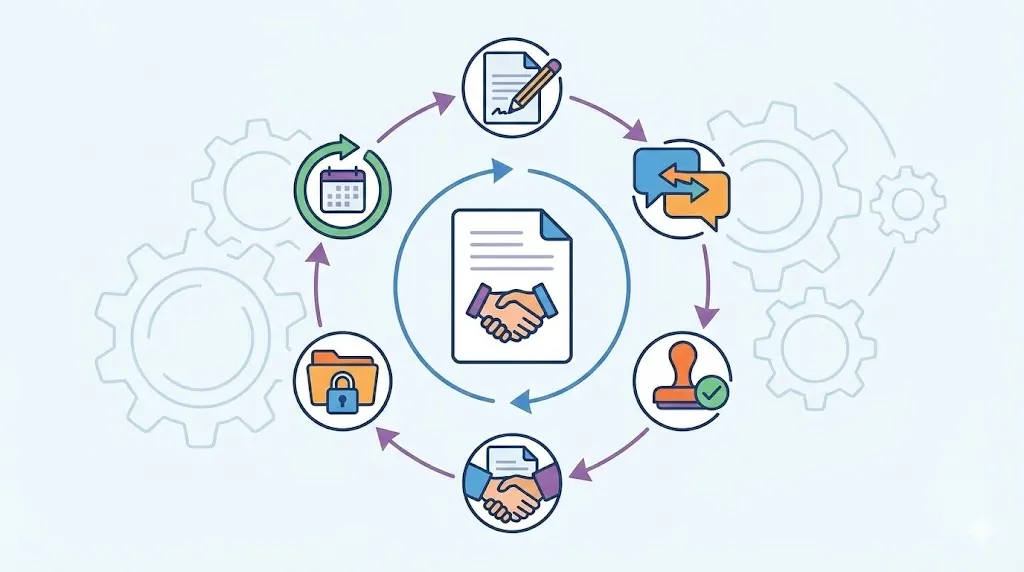
Volody AI CLM is an Agentic AI-powered Contract Lifecycle Management platform designed to eliminate manual contracting tasks, automate complex workflows, and deliver actionable insights. As a one-stop shop for all contract activities, it covers drafting, collaboration, negotiation, approvals, e-signature, compliance tracking, and renewals. Built with enterprise-grade security and no-code configuration, it meets the needs of the most complex global organizations. Volody AI CLM also includes AI-driven contract review and risk analysis, helping teams detect issues early and optimize terms. Trusted by Fortune 500 companies, high-growth startups, and government entities, it transforms contracts into strategic, data-driven business assets.





" height="216.72211px" id="FYO0bO80Y" transform="translate(3 6.105)" width="206.073px"/><path d="M 108.174 222 C 88.432 222 70.303 217.239 53.785 207.717 C 37.267 198.196 24.173 185.052 14.504 168.285 C 4.835 151.312 0 132.165 0 110.845 C 0 89.731 4.835 70.792 14.504 54.025 C 24.173 37.052 37.267 23.804 53.785 14.282 C 70.303 4.761 88.432 0 108.174 0 C 128.116 0 146.246 4.761 162.562 14.282 C 179.08 23.804 192.073 37.052 201.541 54.025 C 211.21 70.792 216.044 89.731 216.044 110.845 C 216.044 132.165 211.21 151.312 201.541 168.285 C 192.073 185.052 179.08 198.196 162.562 207.717 C 146.044 217.239 127.915 222 108.174 222 Z M 108.174 183.189 C 120.864 183.189 132.044 180.291 141.713 174.495 C 151.382 168.492 158.936 160.006 164.375 149.035 C 169.814 138.064 172.533 125.334 172.533 110.845 C 172.533 96.355 169.814 83.729 164.375 72.965 C 158.936 61.994 151.382 53.611 141.713 47.815 C 132.044 42.02 120.864 39.122 108.174 39.122 C 95.483 39.122 84.202 42.02 74.332 47.815 C 64.663 53.611 57.109 61.994 51.67 72.965 C 46.231 83.729 43.511 96.355 43.511 110.845 C 43.511 125.334 46.231 138.064 51.67 149.035 C 57.109 160.006 64.663 168.492 74.332 174.495 C 84.202 180.291 95.483 183.189 108.174 183.189 Z" fill="rgba(255, 255, 255, 0.12)" height="222px" id="aa1McFcE9" transform="translate(227.183 3)" width="216.04399999999998px"/><path d="M 42.302 182.257 L 111.799 182.257 L 111.799 216.722 L 0 216.722 L 0 0 L 42.302 0 Z" fill="rgba(255, 255, 255, 0.12)" height="216.72211px" id="yRq4AnrsX" transform="translate(477.721 6.105)" width="111.79899999999998px"/><path d="M 108.174 222 C 88.432 222 70.303 217.239 53.785 207.717 C 37.267 198.196 24.173 185.052 14.504 168.285 C 4.835 151.312 0 132.165 0 110.845 C 0 89.731 4.835 70.792 14.504 54.025 C 24.173 37.052 37.267 23.804 53.785 14.282 C 70.303 4.761 88.432 0 108.174 0 C 128.116 0 146.246 4.761 162.562 14.282 C 179.08 23.804 192.073 37.052 201.541 54.025 C 211.21 70.792 216.045 89.731 216.045 110.845 C 216.045 132.165 211.21 151.312 201.541 168.285 C 192.073 185.052 179.08 198.196 162.562 207.717 C 146.044 217.239 127.915 222 108.174 222 Z M 108.174 183.189 C 120.864 183.189 132.044 180.291 141.713 174.495 C 151.382 168.492 158.936 160.006 164.375 149.035 C 169.814 138.064 172.534 125.334 172.534 110.845 C 172.534 96.355 169.814 83.729 164.375 72.965 C 158.936 61.994 151.382 53.611 141.713 47.815 C 132.044 42.02 120.864 39.122 108.174 39.122 C 95.483 39.122 84.202 42.02 74.332 47.815 C 64.663 53.611 57.108 61.994 51.67 72.965 C 46.231 83.729 43.511 96.355 43.511 110.845 C 43.511 125.334 46.231 138.064 51.67 149.035 C 57.108 160.006 64.663 168.492 74.332 174.495 C 84.202 180.291 95.483 183.189 108.174 183.189 Z" fill="rgba(255, 255, 255, 0.12)" height="222px" id="mo8HQspQ0" transform="translate(609.155 3)" width="216.04500000000007px"/><path d="M 73.727 0 C 95.885 0 115.324 4.45 132.044 13.351 C 148.967 22.252 161.957 34.982 171.027 51.541 C 180.287 67.894 184.917 86.937 184.917 108.671 C 184.917 130.405 180.287 149.449 171.027 165.801 C 161.957 181.947 148.967 194.47 132.044 203.371 C 115.324 212.271 95.885 216.722 73.727 216.722 L 0 216.722 L 0 0 Z M 72.216 179.773 C 94.374 179.773 111.497 173.564 123.583 161.144 C 135.669 148.724 141.713 131.233 141.713 108.671 C 141.713 86.109 135.669 68.515 123.583 55.888 C 111.497 43.055 94.374 36.638 72.216 36.638 L 42.302 36.638 L 42.302 179.773 Z" fill="rgba(255, 255, 255, 0.12)" height="216.72211px" id="I3iXX5Hi_" transform="translate(859.693 6.105)" width="184.91699999999992px"/><path d="M 185.22 0 L 113.91 141.273 L 113.91 216.722 L 71.61 216.722 L 71.61 141.273 L 0 0 L 47.74 0 L 93.06 99.046 L 138.08 0 Z" fill="rgba(255, 255, 255, 0.12)" height="216.72211px" id="nzHyWC0_d" transform="translate(1061.78 6.105)" width="185.22000000000003px"/></svg>)