

Lawyers often spend hours on routine tasks that do not generate billable hours. Imagine billing $400 an hour but losing three hours to manual contract redlining. Deadlines do not pause for lengthy document reviews. Judges expect citations ready at hand. The right legal software can cut down these time drains. This article covers the best tools lawyers can use in 2026 to boost efficiency, accuracy, and client satisfaction.
TL;DR
Drafting, review, and risk detection benefit significantly from AI contract tools, which reduce hours of manual labor.
Additionally, leveraging natural language processing, legal research platforms accelerate the identification of relevant case law.
Case management software integrates client information, billing, and deadlines into a unified system for enhanced oversight.
Document review and data extraction for litigation are streamlined by e-discovery tools.
File security, along with expedited search and collaboration, is a hallmark of document management systems.
Contract lifecycle management software facilitates the creation, negotiation, and compliance monitoring of contracts.
What Are the Most Effective Contract Tools for Lawyers?
Contracts underpin much of legal practice. Additionally, drafting, reviewing, and negotiating contracts demand considerable time investment. AI-powered contract tools automate numerous aspects of these processes. They draft documents, pinpoint risky clauses, and benchmark agreements against established standards. These functions also facilitate the identification of key contractual elements such as renewal deadlines, payment conditions, and obligations.
Often integrated within familiar platforms like Microsoft Word, these tools facilitate the generation of intricate clauses from basic prompts while tracking revisions automatically. Certain solutions empower firms to develop custom playbooks that uphold their specific legal criteria. In addition, they retrieve vital information including renewal schedules, payment terms, and binding commitments.
For example, a transactional lawyer reviewing a 50-page contract can use AI to highlight unusual language and missing provisions in seconds. In addition, it benchmarks terms against a vast repository of contracts to identify deviations. Multi-document workflows enable side-by-side comparisons of schedules and main agreements, revealing inconsistencies efficiently.
Contract management platforms frequently connect with CRM and billing systems. By streamlining data flows, these integrations minimize manual input and accelerate contract approval processes. Features like electronic signatures and automated reminders ensure contracts move smoothly from draft to execution.
Related articles: Best Contract Management Software in 2026: Top 20 CLM Tools
How Do Legal Research Platforms Save Time and Improve Accuracy?
Legal research remains a critical but time-consuming part of legal work. Additionally, modern research platforms leverage natural language processing to interpret queries expressed in everyday language. This removes the need for complex Boolean searches and saves hours.
These platforms provide access to vast databases of case law, statutes, regulations, and secondary sources. They also validate citations automatically, warning if a precedent has been overturned or questioned. This reduces the risk of relying on outdated or invalid cases.
Moreover, AI-powered research assistants can generate full research memos, draft legal arguments, and suggest relevant cases. Some tools combine public legal data with your firm’s internal knowledge, tailoring results to your practice.
For example, a litigator preparing for trial can ask the platform to find recent rulings on a specific issue. It can identify any adverse treatment of cited cases, enabling lawyers to build stronger, more reliable arguments in less time.
International firms utilize platforms encompassing multiple jurisdictions and languages, facilitating seamless access to comprehensive legal information. Such tools guarantee that lawyers operating across borders have the most current and pertinent legal resources available.
Related articles: Can AI Replace Lawyers? Exploring the Future of Legal AI
What Features Make Case Management Software Essential?
Case management software organizes client data, documents, deadlines, and billing in one place. Additionally, this centralization significantly reduces the risk of lost files and overlooked deadlines. Cloud-based platforms provide lawyers and staff with flexible access to case information from any device or location.
Time tracking, invoicing, client portals, and task management represent core functionalities. Small and mid-size firms leverage these features to optimize workflow and enhance communication with clients. Automated reminders keep everyone on schedule.
Some platforms offer document assembly tools that generate pleadings and forms from templates. Others integrate with email and calendar apps to sync communications and appointments.
For example, a solo practitioner can manage multiple cases with different deadlines using a single dashboard. The software tracks billable hours automatically and generates invoices based on time entries. Clients can view case status and upload documents through a secure portal.
Case management systems also support compliance by storing conflict checks, engagement letters, and trust accounting records. This reduces administrative overhead and risk.
Related articles: Enterprise Guide to Obligation Management Software in 2026
How Does E-Discovery Software Support Litigation?
E-discovery tools are essential for managing the vast volume of electronic documents produced throughout litigation. Additionally, these platforms employ advanced algorithms to systematically classify, tag, and prioritize documents, ensuring a comprehensive review process. By integrating predictive coding techniques, these systems markedly accelerate the pinpointing of relevant evidence.
Optical character recognition (OCR) technology transforms scanned documents into searchable text, enhancing the speed and accuracy with which lawyers retrieve critical information. Additionally, certain tools leverage visual analytics to detect underlying patterns and correlations within the dataset.
For example, a large law firm handling a complex case can upload millions of emails and files into an e-discovery platform. The AI highlights documents likely to be important based on keywords and context. Review teams focus only on these documents, saving weeks of manual work.
Cloud-native e-discovery solutions facilitate seamless collaboration among teams working across different geographic locations. They also maintain detailed audit trails that are crucial for regulatory compliance and courtroom documentation.
Related articles: The Ultimate Guide to Contract Review Tools for 2025
What Are the Benefits of Document Management Systems?
Law firms generate vast amounts of documents daily. Additionally, managing these files with both security and efficiency demands meticulous attention. Document management systems (DMS) consolidate contracts, pleadings, correspondence, and research materials into a unified digital repository.
Advanced DMS platforms incorporate robust encryption protocols, enforce precise version control, and maintain stringent access restrictions to safeguard sensitive information.
These systems also integrate full-text search functionalities alongside metadata tagging, dramatically improving the speed and accuracy of document retrieval.
Certain platforms utilize AI-driven search algorithms designed to interpret contextual nuances and recognize synonyms within queries.
Through semantic search techniques, these solutions can locate relevant documents even when exact keywords differ.
Moreover, collaboration features embedded in these systems enable multiple users to review and annotate documents concurrently.
For example, a legal secretary can quickly find the latest version of a contract using metadata filters. Lawyers can track changes and compare versions side-by-side. Secure sharing options enable sending files to clients or opposing counsel without risking data leaks.
Integrations with email, cloud storage, and billing systems streamline workflows. This reduces duplication and errors.
Related articles: Why Legal Teams Must Embrace AI for Legal Research Now
Why Is Contract Lifecycle Management Software Important?
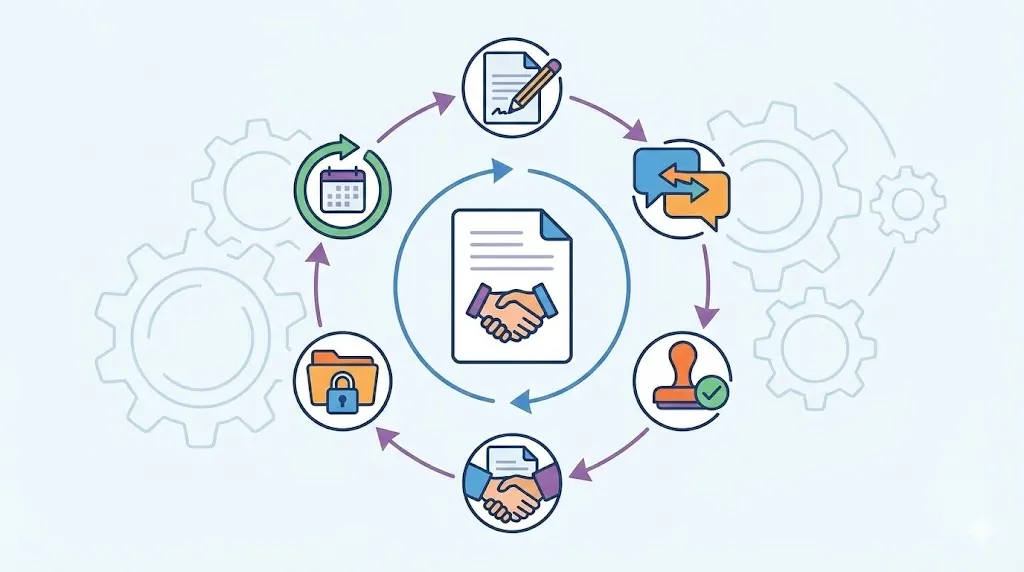
Contract lifecycle management (CLM) software covers every stage of a contract’s life. Additionally, from the initial request and drafting phases through negotiation, approval, execution, and renewal, these tools ensure contracts progress without delay.
Included are extensive templates and clause libraries that significantly reduce the time required to prepare initial drafts. Embedded AI capabilities analyze contracts to identify risks and recommend alternative language. Approval workflows streamline routing and send reminders automatically, which helps alleviate bottlenecks.
A centralized contract repository securely houses all agreements. Enhanced search functions and tagging systems facilitate straightforward retrieval. Obligation management keeps track of critical deadlines, renewal dates, and compliance requirements.
Electronic signature integration speeds up execution. Dashboards and analytics give insights into contract volume, turnaround times, and risk exposure.
For example, an in-house legal team can use CLM software to standardize contract requests via a portal. When business users submit requests with all necessary details, it minimizes the need for repetitive email exchanges. The legal team then drafts contracts leveraging pre-approved templates and clauses to maintain uniformity.
Automated alerts keep stakeholders informed about upcoming renewals or any missed obligations, helping to avoid costly lapses or penalties.
Related articles: How to Streamline Legal Approval Workflows
What Should Lawyers Look for When Choosing Legal Software?
Selecting legal software begins with a thorough assessment of the unique operational requirements within your practice. Consider the following factors:
Ease of use: The software should have an intuitive interface that lawyers and staff can adopt quickly.
Integration: It’s important to ensure compatibility with your current systems, including email platforms, billing applications, and document management solutions.
Security: Confirm that the software employs state-of-the-art encryption techniques, comprehensive access controls, and complies with all applicable regulatory frameworks.
Scalability: Opt for a platform designed to adapt by increasing its capacity and feature set in alignment with your firm’s growth and shifting demands.
Support: Access to dependable technical assistance paired with extensive training materials is crucial for facilitating adoption and maintaining proficiency over time.
Customization: Software that allows modification of workflows, document templates, and reporting structures can significantly enhance operational effectiveness.
Implementing a pilot program with a carefully selected user cohort often reveals challenges that might not surface until after full-scale deployment. Request demos and trial periods to evaluate features firsthand.
Related articles: Level Up Your Legal Operations: 6 Tips to Legal Efficiency
How Can AI Improve Legal Workflows?
Artificial intelligence enhances many legal tasks by automating routine work and providing insights. Additionally, drafting documents, reviewing contracts for risks, and summarizing key terms are among the capabilities of advanced AI tools. They accelerate legal research by interpreting natural language queries with precision.
Beyond that, predictive analytics informed by AI contribute to evaluating case outcomes and managing risks effectively. These systems also reveal patterns within contracts or litigation data that might elude human analysts.
For example, contract review powered by AI can detect unusual clauses or missing provisions in a matter of seconds. This reduces errors and speeds up negotiations. AI research assistants generate case summaries and highlight relevant precedents, saving hours.
AI-driven analytics help law firms forecast workloads and optimize resource allocation. This improves profitability and client service.
Related articles: How AI Automates Legal Workflows
What Role Does Integration Play in Legal Tech?
Legal professionals use multiple software tools daily. Additionally, integration enables these platforms to exchange data and coordinate workflows without disruption. This reduces manual data entry, errors, and delays.
For example, connecting contract management software with billing systems ensures time spent on contracts is captured automatically. When research platforms interface with case management systems, it becomes straightforward to import citations and notes seamlessly.
Integration plays a crucial role in aligning legal and business units, fostering a more unified operational framework. Implementations such as shared dashboards and real-time notifications facilitate continuous synchronization across teams. Employing APIs in conjunction with pre-built connectors streamlines the technical challenges typically associated with integration efforts. Additionally, cloud-based platforms contribute by improving interoperability and supporting more frequent update cycles within the legal tech ecosystem.
How Do Cloud Solutions Benefit Legal Teams?
Cloud-based legal software offers flexibility and accessibility. Additionally, lawyers have the capability to work from any location with internet access. Cloud platforms scale easily to handle growing data and users.
Cloud solutions reduce IT costs by eliminating the need for on-premises servers and maintenance. They provide automatic backups and disaster recovery.
Security remains a top concern. Leading cloud providers use encryption, multi-factor authentication, and compliance audits to protect data.
For example, a firm with remote lawyers can use cloud case management and document storage to maintain productivity. Updates and new features roll out automatically without downtime.
Related articles: Top 5 Contract Management Solutions for Karnataka in 2026
Why Contract Management Software Matters
Manual contract management consumes extensive resources and significantly raises the risk of errors. Additionally, contract lifecycle management software consolidates all contract-related activities into a unified system. This approach standardizes processes, accelerates approval cycles, and provides comprehensive obligation tracking.
These platforms mitigate legal risks by identifying non-compliant clauses and detecting omitted provisions. Collaboration is enhanced through centralized tracking of revisions and comments.
Automation capabilities, such as template libraries combined with streamlined approval workflows, alleviate lawyers from repetitive responsibilities. The incorporation of electronic signatures expedites contract finalization.
For example, a legal department can utilize dedicated contract management tools to maintain consistency in contract creation. Business units submit requests via a dedicated portal, while legal teams draft agreements using pre-approved templates. Automated notifications safeguard against overlooked renewals or contractual commitments.
Managing intricate legal workflows necessitates a centralized, sophisticated platform. Volody’s solution combines AI-driven drafting, review, and approval functionalities. It autonomously extracts essential contract data and issues alerts related to obligations. The platform seamlessly connects with leading enterprise applications and facilitates secure collaboration.
See how Volody's contract management software helps your team move contracts forward with confidence.
FAQ
What types of legal tasks can be automated using AI-driven contract solutions?
Additionally, these tools can draft initial versions, review for risky clauses, suggest alternative language, and compare documents. They also extract key contract data and track changes.
Are legal research platforms reliable for citation validation?
Yes. Leading platforms use citation services that warn if cases are overruled or questioned. This functionality enables lawyers to avoid reliance on outdated precedents.
Can case management software handle billing and invoicing?
The majority of case management systems incorporate time tracking alongside billing capabilities. Moreover, they also automate invoice creation based on logged hours and expenses.
Is e-discovery software suitable for small firms?
E-discovery tools are often designed for large cases but some cloud-based solutions scale for smaller firms. They reduce manual review time significantly.
How secure are cloud-based legal software platforms?
Top cloud providers use encryption, access controls, and regular audits. Firms should verify compliance with industry standards like ISO 27001 or SOC 2.
Furthermore, what integration options should legal software offer?
Look for APIs and connectors that link with email, document storage, billing, CRM, and e-signature platforms. This streamlines workflows and reduces data entry.
How does contract lifecycle management improve compliance?
CLM software enforces approved templates and clauses, tracks obligations, and alerts users to deadlines. This reduces risks of missed terms or policy violations.
Can AI tools replace lawyers?
Also, AI technology assists with routine tasks but cannot replace legal judgment, strategy, or client counseling. It allows lawyers to concentrate on higher-value work.
What should I consider when choosing legal software?
Consider factors such as ease of use, integration capabilities, security measures, scalability, vendor support, and customization options.
Do legal software tools require special training?
Most modern tools are user-friendly but training helps maximize benefits. Vendors often provide tutorials, webinars, and support resources.
About the Company

Volody AI CLM is an Agentic AI-powered Contract Lifecycle Management platform designed to eliminate manual contracting tasks, automate complex workflows, and deliver actionable insights. As a one-stop shop for all contract activities, it covers drafting, collaboration, negotiation, approvals, e-signature, compliance tracking, and renewals. Built with enterprise-grade security and no-code configuration, it meets the needs of the most complex global organizations. Volody AI CLM also includes AI-driven contract review and risk analysis, helping teams detect issues early and optimize terms. Trusted by Fortune 500 companies, high-growth startups, and government entities, it transforms contracts into strategic, data-driven business assets.





" height="216.72211px" id="FYO0bO80Y" transform="translate(3 6.105)" width="206.073px"/><path d="M 108.174 222 C 88.432 222 70.303 217.239 53.785 207.717 C 37.267 198.196 24.173 185.052 14.504 168.285 C 4.835 151.312 0 132.165 0 110.845 C 0 89.731 4.835 70.792 14.504 54.025 C 24.173 37.052 37.267 23.804 53.785 14.282 C 70.303 4.761 88.432 0 108.174 0 C 128.116 0 146.246 4.761 162.562 14.282 C 179.08 23.804 192.073 37.052 201.541 54.025 C 211.21 70.792 216.044 89.731 216.044 110.845 C 216.044 132.165 211.21 151.312 201.541 168.285 C 192.073 185.052 179.08 198.196 162.562 207.717 C 146.044 217.239 127.915 222 108.174 222 Z M 108.174 183.189 C 120.864 183.189 132.044 180.291 141.713 174.495 C 151.382 168.492 158.936 160.006 164.375 149.035 C 169.814 138.064 172.533 125.334 172.533 110.845 C 172.533 96.355 169.814 83.729 164.375 72.965 C 158.936 61.994 151.382 53.611 141.713 47.815 C 132.044 42.02 120.864 39.122 108.174 39.122 C 95.483 39.122 84.202 42.02 74.332 47.815 C 64.663 53.611 57.109 61.994 51.67 72.965 C 46.231 83.729 43.511 96.355 43.511 110.845 C 43.511 125.334 46.231 138.064 51.67 149.035 C 57.109 160.006 64.663 168.492 74.332 174.495 C 84.202 180.291 95.483 183.189 108.174 183.189 Z" fill="rgba(255, 255, 255, 0.12)" height="222px" id="aa1McFcE9" transform="translate(227.183 3)" width="216.04399999999998px"/><path d="M 42.302 182.257 L 111.799 182.257 L 111.799 216.722 L 0 216.722 L 0 0 L 42.302 0 Z" fill="rgba(255, 255, 255, 0.12)" height="216.72211px" id="yRq4AnrsX" transform="translate(477.721 6.105)" width="111.79899999999998px"/><path d="M 108.174 222 C 88.432 222 70.303 217.239 53.785 207.717 C 37.267 198.196 24.173 185.052 14.504 168.285 C 4.835 151.312 0 132.165 0 110.845 C 0 89.731 4.835 70.792 14.504 54.025 C 24.173 37.052 37.267 23.804 53.785 14.282 C 70.303 4.761 88.432 0 108.174 0 C 128.116 0 146.246 4.761 162.562 14.282 C 179.08 23.804 192.073 37.052 201.541 54.025 C 211.21 70.792 216.045 89.731 216.045 110.845 C 216.045 132.165 211.21 151.312 201.541 168.285 C 192.073 185.052 179.08 198.196 162.562 207.717 C 146.044 217.239 127.915 222 108.174 222 Z M 108.174 183.189 C 120.864 183.189 132.044 180.291 141.713 174.495 C 151.382 168.492 158.936 160.006 164.375 149.035 C 169.814 138.064 172.534 125.334 172.534 110.845 C 172.534 96.355 169.814 83.729 164.375 72.965 C 158.936 61.994 151.382 53.611 141.713 47.815 C 132.044 42.02 120.864 39.122 108.174 39.122 C 95.483 39.122 84.202 42.02 74.332 47.815 C 64.663 53.611 57.108 61.994 51.67 72.965 C 46.231 83.729 43.511 96.355 43.511 110.845 C 43.511 125.334 46.231 138.064 51.67 149.035 C 57.108 160.006 64.663 168.492 74.332 174.495 C 84.202 180.291 95.483 183.189 108.174 183.189 Z" fill="rgba(255, 255, 255, 0.12)" height="222px" id="mo8HQspQ0" transform="translate(609.155 3)" width="216.04500000000007px"/><path d="M 73.727 0 C 95.885 0 115.324 4.45 132.044 13.351 C 148.967 22.252 161.957 34.982 171.027 51.541 C 180.287 67.894 184.917 86.937 184.917 108.671 C 184.917 130.405 180.287 149.449 171.027 165.801 C 161.957 181.947 148.967 194.47 132.044 203.371 C 115.324 212.271 95.885 216.722 73.727 216.722 L 0 216.722 L 0 0 Z M 72.216 179.773 C 94.374 179.773 111.497 173.564 123.583 161.144 C 135.669 148.724 141.713 131.233 141.713 108.671 C 141.713 86.109 135.669 68.515 123.583 55.888 C 111.497 43.055 94.374 36.638 72.216 36.638 L 42.302 36.638 L 42.302 179.773 Z" fill="rgba(255, 255, 255, 0.12)" height="216.72211px" id="I3iXX5Hi_" transform="translate(859.693 6.105)" width="184.91699999999992px"/><path d="M 185.22 0 L 113.91 141.273 L 113.91 216.722 L 71.61 216.722 L 71.61 141.273 L 0 0 L 47.74 0 L 93.06 99.046 L 138.08 0 Z" fill="rgba(255, 255, 255, 0.12)" height="216.72211px" id="nzHyWC0_d" transform="translate(1061.78 6.105)" width="185.22000000000003px"/></svg>)