

Managing business promises is like navigating a complex maze without a map. Every contract contains hidden duties that can lead to disaster if ignored. Traditional methods often fail to track these critical requirements effectively. Obligation management software provides the necessary visibility and control to ensure every commitment is met.
This guide explores how this technology transforms how organizations handle their duties. We will examine the core features that drive operational success. You will learn how automated contract tracking replaces manual errors with precision. Finally, we provide a strategic look at how this software secures your financial and legal standing. Our goal is to show you how to master every obligation your business undertakes.
The Core Capabilities of Obligation Management Software
At its heart, obligation management software is a high-precision engine for tracking business promises. It goes far beyond simple storage by identifying and extracting specific requirements from your documents. This technology ensures that every "shall" and "must" in an agreement becomes a tracked task. By centralizing these duties, the software eliminates the silos that lead to missed deadlines.
The primary function of this software is to provide a real-time dashboard of your organization's commitments. It allows users to see exactly what is due, who is responsible, and when the deadline expires. This level of transparency is impossible to achieve with spreadsheets or manual logs. Structured data environments turn complex legal language into clear, actionable checklists for every department.
Modern platforms use intelligent extraction to identify performance benchmarks and delivery schedules. This automation saves hundreds of hours of manual review. It ensures that even the most obscure duties are surfaced and assigned to the correct owner. By creating a definitive record of all commitments, the software provides a foundation for total organizational accountability.
Centralized Tracking: Consolidate every business promise into a single, accessible location.
Automated Extraction: Use advanced technology to identify key duties within dense text.
Owner Assignment: Clearly define who is responsible for meeting each specific requirement.
Status Monitoring: Track progress in real-time to prevent last-minute rushes or failures.
Related Article: Missed a Contract Deadline? Here’s What You Should Do Next!
Driving Compliance through Automated Oversight
Compliance is the bedrock of any sustainable enterprise. Obligation management software serves as a digital guardian, monitoring every requirement for potential breaches. It replaces "hope-based" management with a rigorous, automated oversight system. This proactive approach ensures that your organization stays ahead of regulatory and contractual mandates.
Automated alerts are a critical feature for maintaining this high level of compliance. The software sends notifications to task owners well before a deadline approaches. This provides teams with enough time to complete their work without sacrificing quality. If a task remains incomplete, the system can escalate the alert to senior management. This ensures that no obligation is ever truly forgotten.
The software also creates a comprehensive audit trail for every action taken. This record is invaluable during internal reviews or external audits. It proves that your organization has a systematic process for meeting its promises. By documenting every step, you build a culture of transparency and trust. This detailed oversight protects your reputation and prevents costly legal disputes before they start.
Maximizing Performance with Data-Driven Insights
Obligation management software does more than just track tasks; it provides strategic insights. By analyzing your history of meeting commitments, the software identifies patterns of excellence or failure. This data allows leadership to make informed decisions about future agreements and partnerships. It transforms raw obligation data into a powerful tool for continuous improvement.
Reporting and dashboarding features allow you to visualize team performance across the entire organization. You can quickly see which departments are meeting their goals and which require more support. This insight is essential for resource allocation and process optimization. It allows you to identify bottlenecks in your workflows and resolve them before they impact your results.
Furthermore, these insights provide significant leverage during negotiations. When you have clear data on your own performance and that of your partners, you can negotiate better terms. You can prove exactly where value was delivered or where a partner failed to meet their duties. This data-driven approach ensures that your business always operates from a position of strength.
Performance Analytics: Review historical data to identify trends and improve future outcomes.
Resource Optimization: Allocate staff and budget based on actual workload and performance.
Negotiation Leverage: Use hard data to secure better terms in future business agreements.
Proactive Risk Mapping: Identify and mitigate potential issues before they become crises.
Related Article: Missed a Contract Deadline? Here’s What You Should Do Next!
Conclusion: Securing Your Business Future
Mastering your business promises is no longer optional in a complex market. Obligation management software provides the clarity and control needed to thrive. By moving from manual guesswork to automated precision, you protect your organization from unnecessary risk. This technology ensures that every commitment becomes a driver of value rather than a potential liability.
The journey toward total oversight begins with a commitment to better data. As your organization grows, the cost of a single missed obligation will only increase. Embracing an automated approach empowers your teams to work with confidence and precision. Now is the time to invest in the tools that ensure your business always keeps its word.
Frequently Asked Questions
What is the primary benefit of obligation management software?
The software provides total visibility into all business commitments. It ensures that no task or deadline is missed, which protects the organization from legal and financial risks. It also improves operational efficiency by automating the tracking process.
Can this software handle complex, multi-party agreements?
Yes, it is designed to manage the most intricate contracts. It can track multiple owners, complex dependencies, and recurring duties across different departments. This makes it ideal for large enterprises with diverse portfolios.
How does the software identify duties within a document?
It uses advanced extraction technology to scan text for specific keywords and patterns. This process identifies requirements that a human might miss. Once identified, these duties are converted into tracked tasks within the system.
Does this software help with internal accountability?
Absolutely, as it assigns every obligation to a specific owner. The system tracks progress and sends alerts if tasks are not completed on time. This clear ownership ensures that everyone knows exactly what they are responsible for.
Is it difficult to implement obligation management software?
While it requires a strategic rollout, the software is designed for ease of use. Most platforms offer intuitive interfaces and integration with common business tools. A phased implementation focusing on high-risk areas typically delivers the best results.
About the Company

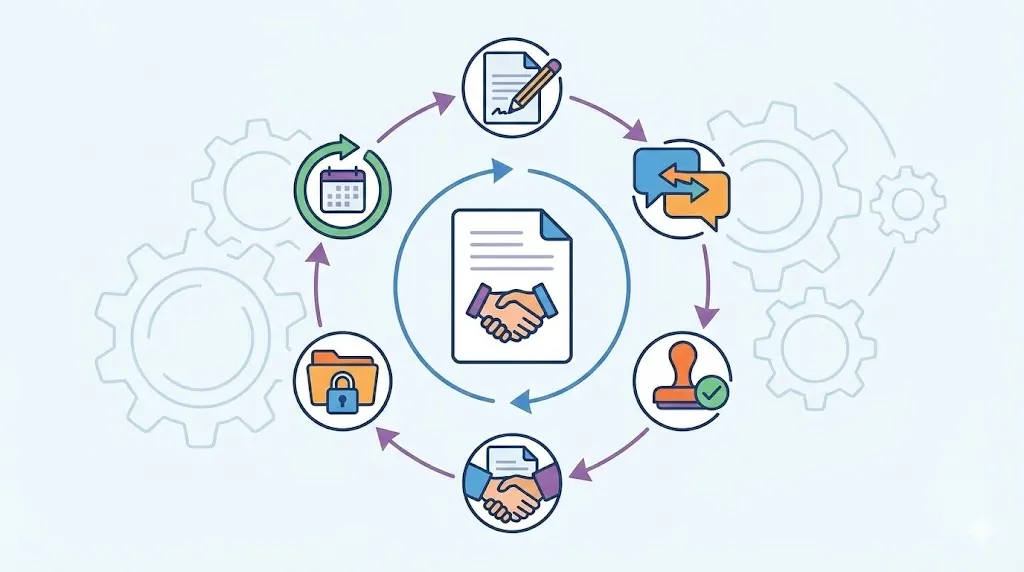
Volody AI CLM is an Agentic AI-powered Contract Lifecycle Management platform designed to eliminate manual contracting tasks, automate complex workflows, and deliver actionable insights. As a one-stop shop for all contract activities, it covers drafting, collaboration, negotiation, approvals, e-signature, compliance tracking, and renewals. Built with enterprise-grade security and no-code configuration, it meets the needs of the most complex global organizations. Volody AI CLM also includes AI-driven contract review and risk analysis, helping teams detect issues early and optimize terms. Trusted by Fortune 500 companies, high-growth startups, and government entities, it transforms contracts into strategic, data-driven business assets.





" height="216.72211px" id="FYO0bO80Y" transform="translate(3 6.105)" width="206.073px"/><path d="M 108.174 222 C 88.432 222 70.303 217.239 53.785 207.717 C 37.267 198.196 24.173 185.052 14.504 168.285 C 4.835 151.312 0 132.165 0 110.845 C 0 89.731 4.835 70.792 14.504 54.025 C 24.173 37.052 37.267 23.804 53.785 14.282 C 70.303 4.761 88.432 0 108.174 0 C 128.116 0 146.246 4.761 162.562 14.282 C 179.08 23.804 192.073 37.052 201.541 54.025 C 211.21 70.792 216.044 89.731 216.044 110.845 C 216.044 132.165 211.21 151.312 201.541 168.285 C 192.073 185.052 179.08 198.196 162.562 207.717 C 146.044 217.239 127.915 222 108.174 222 Z M 108.174 183.189 C 120.864 183.189 132.044 180.291 141.713 174.495 C 151.382 168.492 158.936 160.006 164.375 149.035 C 169.814 138.064 172.533 125.334 172.533 110.845 C 172.533 96.355 169.814 83.729 164.375 72.965 C 158.936 61.994 151.382 53.611 141.713 47.815 C 132.044 42.02 120.864 39.122 108.174 39.122 C 95.483 39.122 84.202 42.02 74.332 47.815 C 64.663 53.611 57.109 61.994 51.67 72.965 C 46.231 83.729 43.511 96.355 43.511 110.845 C 43.511 125.334 46.231 138.064 51.67 149.035 C 57.109 160.006 64.663 168.492 74.332 174.495 C 84.202 180.291 95.483 183.189 108.174 183.189 Z" fill="rgba(255, 255, 255, 0.12)" height="222px" id="aa1McFcE9" transform="translate(227.183 3)" width="216.04399999999998px"/><path d="M 42.302 182.257 L 111.799 182.257 L 111.799 216.722 L 0 216.722 L 0 0 L 42.302 0 Z" fill="rgba(255, 255, 255, 0.12)" height="216.72211px" id="yRq4AnrsX" transform="translate(477.721 6.105)" width="111.79899999999998px"/><path d="M 108.174 222 C 88.432 222 70.303 217.239 53.785 207.717 C 37.267 198.196 24.173 185.052 14.504 168.285 C 4.835 151.312 0 132.165 0 110.845 C 0 89.731 4.835 70.792 14.504 54.025 C 24.173 37.052 37.267 23.804 53.785 14.282 C 70.303 4.761 88.432 0 108.174 0 C 128.116 0 146.246 4.761 162.562 14.282 C 179.08 23.804 192.073 37.052 201.541 54.025 C 211.21 70.792 216.045 89.731 216.045 110.845 C 216.045 132.165 211.21 151.312 201.541 168.285 C 192.073 185.052 179.08 198.196 162.562 207.717 C 146.044 217.239 127.915 222 108.174 222 Z M 108.174 183.189 C 120.864 183.189 132.044 180.291 141.713 174.495 C 151.382 168.492 158.936 160.006 164.375 149.035 C 169.814 138.064 172.534 125.334 172.534 110.845 C 172.534 96.355 169.814 83.729 164.375 72.965 C 158.936 61.994 151.382 53.611 141.713 47.815 C 132.044 42.02 120.864 39.122 108.174 39.122 C 95.483 39.122 84.202 42.02 74.332 47.815 C 64.663 53.611 57.108 61.994 51.67 72.965 C 46.231 83.729 43.511 96.355 43.511 110.845 C 43.511 125.334 46.231 138.064 51.67 149.035 C 57.108 160.006 64.663 168.492 74.332 174.495 C 84.202 180.291 95.483 183.189 108.174 183.189 Z" fill="rgba(255, 255, 255, 0.12)" height="222px" id="mo8HQspQ0" transform="translate(609.155 3)" width="216.04500000000007px"/><path d="M 73.727 0 C 95.885 0 115.324 4.45 132.044 13.351 C 148.967 22.252 161.957 34.982 171.027 51.541 C 180.287 67.894 184.917 86.937 184.917 108.671 C 184.917 130.405 180.287 149.449 171.027 165.801 C 161.957 181.947 148.967 194.47 132.044 203.371 C 115.324 212.271 95.885 216.722 73.727 216.722 L 0 216.722 L 0 0 Z M 72.216 179.773 C 94.374 179.773 111.497 173.564 123.583 161.144 C 135.669 148.724 141.713 131.233 141.713 108.671 C 141.713 86.109 135.669 68.515 123.583 55.888 C 111.497 43.055 94.374 36.638 72.216 36.638 L 42.302 36.638 L 42.302 179.773 Z" fill="rgba(255, 255, 255, 0.12)" height="216.72211px" id="I3iXX5Hi_" transform="translate(859.693 6.105)" width="184.91699999999992px"/><path d="M 185.22 0 L 113.91 141.273 L 113.91 216.722 L 71.61 216.722 L 71.61 141.273 L 0 0 L 47.74 0 L 93.06 99.046 L 138.08 0 Z" fill="rgba(255, 255, 255, 0.12)" height="216.72211px" id="nzHyWC0_d" transform="translate(1061.78 6.105)" width="185.22000000000003px"/></svg>)