
Renewal management is a disciplined business process for evaluating contracts before they renew and making informed decisions about what to retain, renegotiate, or end. With clear ownership and timely reviews, organizations can identify overlapping software spend, avoid missed notice deadlines, and align every renewal with business value, risk, and strategic priorities.
TL;DR
Before a contract renews, renewal management gives teams a structured review of its value, pricing, risk, and notice dates.
Additionally, missed deadlines can lead to unwanted costs, service gaps, or a weaker negotiating position.
By assigning owners, a shared renewal process gives every contract a defined path to a renewal decision.
Strong teams do not approve a renewal until they have connected usage and spend with business needs and contract terms.
Automation handles date extraction, alerting, approval routing, and renewal-action tracking.
With CLM software, legal, finance, procurement, and business teams work from one trusted contract record.
What is renewal management?
Renewal management involves tracking contracts, reviewing their terms and performance, and deciding what to do as renewal approaches. Additionally, that work takes place during the period leading up to expiration or automatic renewal. It applies equally to software subscriptions, service agreements, leases, insurance policies, and supplier contracts.
A renewal decision should answer more than one question. The team should ask whether the business still needs the service, uses it enough, and receives fair value. It should also check whether the supplier met its obligations and whether the contract creates new risk.
Many commercial contracts include an automatic renewal clause. This clause extends the agreement unless one party gives notice within a set period. The notice period may run 30, 60, or 90 days before the renewal date.
The contract may also include dates that affect the decision. The following dates may also affect the decision:
The initial term end date
The automatic renewal date
The notice deadline
A price increase date
A termination fee deadline
A service review date
A data return or deletion deadline
A strong process consolidates these dates in one place. It also links each contract to an owner, a budget, and a business purpose. That context gives teams enough lead time to act.
Take a company with 400 software contracts. Its legal team stores signed agreements in a shared drive. Meanwhile, finance tracks invoices in an enterprise resource planning system. Procurement keeps supplier notes in email. Department leaders know which tools they use, but no one sees the full picture.
That setup creates gaps. Moreover, a notice may go to a former employee. Finance may approve an invoice without seeing poor service results. Legal may review terms only after the deadline for giving notice has passed. A repeatable workflow helps close those gaps.
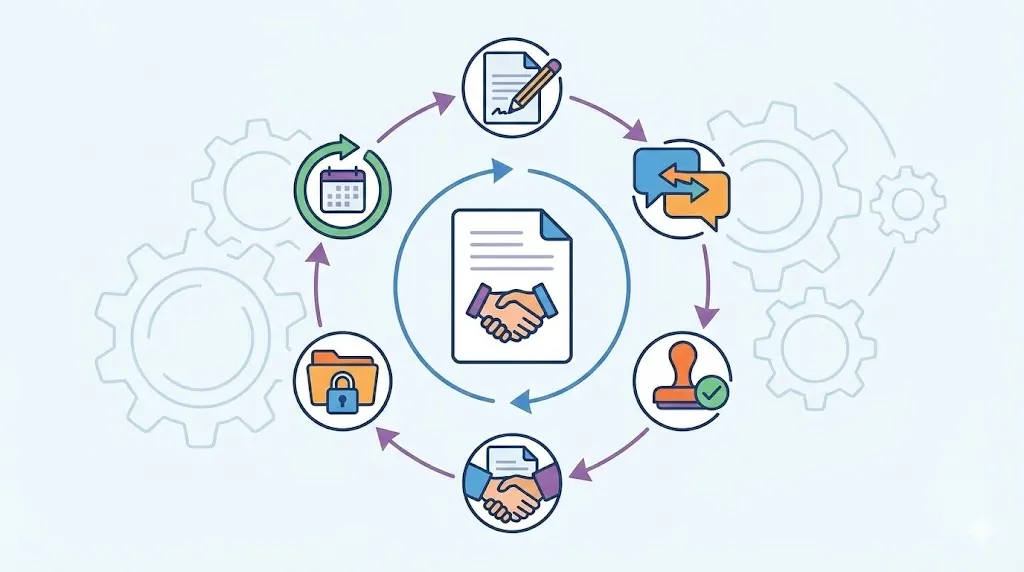
The process usually follows this path:
Record the contract and its key dates.
Assign accountability for each contract to a designated business owner.
Review the contract's use, performance, spend, and risk.
Then determine whether renewal, renegotiation, or termination is appropriate.
Obtain all required internal approvals.
Provide notice or open discussions with the supplier.
Record the decision, together with any revised terms.
Renewal management is not a matter of ending contracts whenever an opportunity arises. Its purpose is to support each decision with sufficient information and lead time. When a supplier delivers value, a longer term or broader scope may be justified. An unused service may need cancellation. A contract with weak terms may need a focused negotiation.
Related articles: What is Contract Renewal? Key Terms and Processes in 2026
Why does renewal management matter?
Renewals affect cost, continuity, risk, and supplier relationships. Additionally, a missed deadline can create a financial commitment without a fresh business review. A rushed decision can also leave teams with poor pricing or terms that no longer fit.
The financial impact often hides across departments. A marketing team may buy a survey platform, while customer success buys a similar product. Each purchase may look reasonable alone. Together, they may create duplicate spend and fragmented data.
The 2024 State of IT report from Flexera highlights the challenge of managing technology costs across complex environments. Its findings show why leaders need clear visibility into software use, spend, and ownership.
Renewal reviews can uncover several types of value:
Duplicate tools across departments
Licenses assigned to former workers
Features that users never adopted
Services that missed performance targets
Price increases that lack a clear business case
Unused support, training, or service credits
Contracts with terms that block future flexibility
Renewal management also protects operational continuity. A team may depend on a supplier for payroll, customer support, data storage, or payment processing. Ending that service without a replacement plan can disrupt business operations.
That process should include a corresponding risk review. Begin with a straightforward question: what would happen if the service stopped tomorrow? Next, assess the business's ability to move its data to another provider. Finally, verify that the supplier supports every security, privacy, and compliance control the business requires.
Guidance from the National Institute of Standards and Technology is set out in its Cybersecurity Supply Chain Risk Management Practices. Moreover, the broader implication is that supplier reviews need to weigh security and operational risk alongside price.
Renewals also create a useful negotiation window. Suppliers understand that customers may choose another option. That leverage can support requests for better pricing, flexible terms, service credits, or stronger data rights.
A negotiation works best when the customer starts early. Early action allows the team to compare options, gather usage data, and involve the right leaders. Late action often forces the customer to accept the supplier’s first proposal.
Renewals can also affect financial planning. Finance teams need accurate forecasts for recurring costs. A central renewal calendar helps them identify upcoming commitments and expected price changes. It also reduces surprise invoices that arrive outside the planned budget cycle.
Legal teams gain value from the same information. They can focus on agreements with unusual liability, weak termination rights, or nonstandard data terms. They do not need to spend equal time on every renewal.
Related articles: Sirion Overview: Pricing, Features, and Best CLM Platform
What are the risks of poor renewal management?
Poorly managed renewals create avoidable costs and expose the business to operational risk. Additionally, in practice, the trouble often begins with a seemingly minor information gap. Left unresolved, it can lead to duplicate payments, lost contractual rights, and decisions made under pressure.
Missed notice deadlines
Many agreements require written notice before a specific date. Missing that date may trigger another term. Fees can still become due even when the service no longer meets the business's needs.
A notice deadline can arrive before the stated contract end date. For example, a contract ending on December 31 may require notice by October 2. A team that tracks only the end date may lose its cancellation option.
Unplanned price increases
Suppliers may raise prices at renewal. The agreement might specify a fixed increase, an index-based adjustment, or an entirely new pricing method. This gives the team a chance to confirm that the increase complies with the agreed formula.
The revised price should also be assessed for commercial value. Usage may have fallen, even as the business has outgrown the current plan. The appropriate response could involve a new tier, a lower unit price, or a different payment schedule.
Weak negotiating power
A customer loses leverage when the supplier knows the deadline has passed. The supplier can point to the automatic renewal clause. The customer may then accept a poor deal to avoid disruption.
Early review gives the customer choices. It can compare competitors, reduce scope, request concessions, or prepare a transition plan. Alternatives improve the discussion, whether or not the team remains with the supplier.
Duplicate or unused services
Immediate needs often lead employees to purchase tools. Another team may subsequently acquire a similar service. Without examining both contracts alongside actual usage, the two agreements may simply renew.
The renewal owner needs to evaluate the service in the context of the broader technology portfolio. Relevant factors include license counts, active users, key features, and business outcomes. Low usage alone does not necessarily warrant cancellation, but it should be explained.
Missed obligations
A renewal review should check more than the supplier invoice. It should verify whether the supplier delivered the required reports, support levels, credits, audits, or security documents. It must also establish whether the customer met its own commitments.
World Commerce and Contracting research frequently links effective contract management to stronger business results. Its research library contains useful material on contract value, performance, and commercial relationships.
Poor records and unclear ownership
In the absence of a designated owner, a contract may sit untouched until an invoice arrives. Different teams may hold conflicting versions of the agreement. Staff turnover can make the situation worse.
A useful record should identify the supplier, service, owner, renewal date, notice deadline, spend, and decision status. The record should also link to the signed contract and related amendments.
Related articles: What is an Automatic Contract Renewal Clause? Detailed Guide
How do you build a renewal management process?
A sound process gives people the time, role clarity, and information they need. Additionally, it can begin without complex technology. Set those rules consistently from the outset, then adjust them as renewal volume grows.
Create a complete contract inventory
Start by compiling an inventory of active contracts from legal, finance, procurement, information technology, and business teams. The inventory should include signed documents, amendments, order forms, statements of work, and supplier terms.
Legal’s files should not be treated as the complete contract record. Agreements may also reside in business users’ email accounts or shared folders. Finance may hold renewal information inside invoice records.
Create a basic record for each agreement. Capture:
Supplier and contracting entity
Business owner and department
Service or product description
Annual and total contract value
Start date and end date
Renewal date
Notice period and notice deadline
Price adjustment terms
Exit provisions
Data protection, security, and compliance duties
Current decision status
Review the inventory for duplicate records. One supplier may have several agreements across business units. The team should understand whether those contracts can combine or need separate treatment.
Assign clear ownership
Each renewal needs one accountable owner. That person may work in procurement, finance, information technology, or the business unit. Legal should support the review, but it may not know whether the business continues to need the service.
Define the role of each participant:
The business owner confirms ongoing need and performance.
Finance reviews spend, budget, and payment history.
Procurement assesses pricing and the supplier options available.
Legal examines the terms, associated risks, and potential negotiation points.
Security assesses the technical and data controls.
An executive provides sign-off on high-value or high-risk decisions.
Assign one person to coordinate the timeline. Shared responsibility often causes delays when accountability is unclear.
Set review windows
Factor contract value and risk into the review period. Sixty days may be enough for a low-value subscription, whereas a major technology agreement may warrant six months or more.
Use reminder points instead of one final alert. A typical sequence is:
Send an initial notice before the review begins.
Begin by assessing the business need and usage.
Start supplier discussions before the notice deadline.
Furthermore, route the decision for approval.
Afterward, confirm notice, signature, and system updates.
Allow enough time for the work required by the review. A global supplier with data access may need security checks, transition planning, and executive approval. A straightforward office service may require less time.
Review performance and business value
Determine whether the service continues to support a current business goal. Assess user activity, service levels, support response, incidents, and stakeholder feedback. Compare results with the contract’s promises.
Use both numbers and judgment. Low login activity does not necessarily mean that a tool lacks value; it may support a critical monthly process. Conversely, high usage can coexist with limited business value.
Review these questions:
Does the business continue to need this service?
Does the current plan reflect actual use?
Did the supplier deliver against the agreed service levels?
Were problems resolved within the expected time?
Could another supplier satisfy the need at a lower cost?
Would cancelling the service create operational or compliance risk?
Does the contract align with future business plans?
Choose a decision path
Each renewal should conclude with a written decision. Use clear choices:
Renew without changes
Renew with new terms
Reduce scope or license count
Move to another supplier
End the service
Delay the decision pending more information
Record the reason, approver, date, and next action. This record helps during audits and future negotiations. It also prevents the same review from starting from zero next year.
Plan the negotiation
Build a short negotiation brief before contacting the supplier. Include current spend, usage, performance concerns, target terms, and fallback positions.
Prioritize terms that influence business value. These may include pricing, payment timing, renewal length, service levels, termination rights, data return, audit rights, and liability.
Keep the negotiation proportional. Avoid reopening every contract clause when the renewal presents little risk. Direct legal effort toward provisions that create material risk or constrain business choices.
Related articles: Top 10 Contract Management Best Practices in 2024
How can technology automate renewal management?
Manual renewal tracking becomes difficult as contract volume increases. Additionally, people may instead rely on spreadsheets, email reminders, and calendar events. These tools can work at smaller volumes, although they seldom offer a complete view.
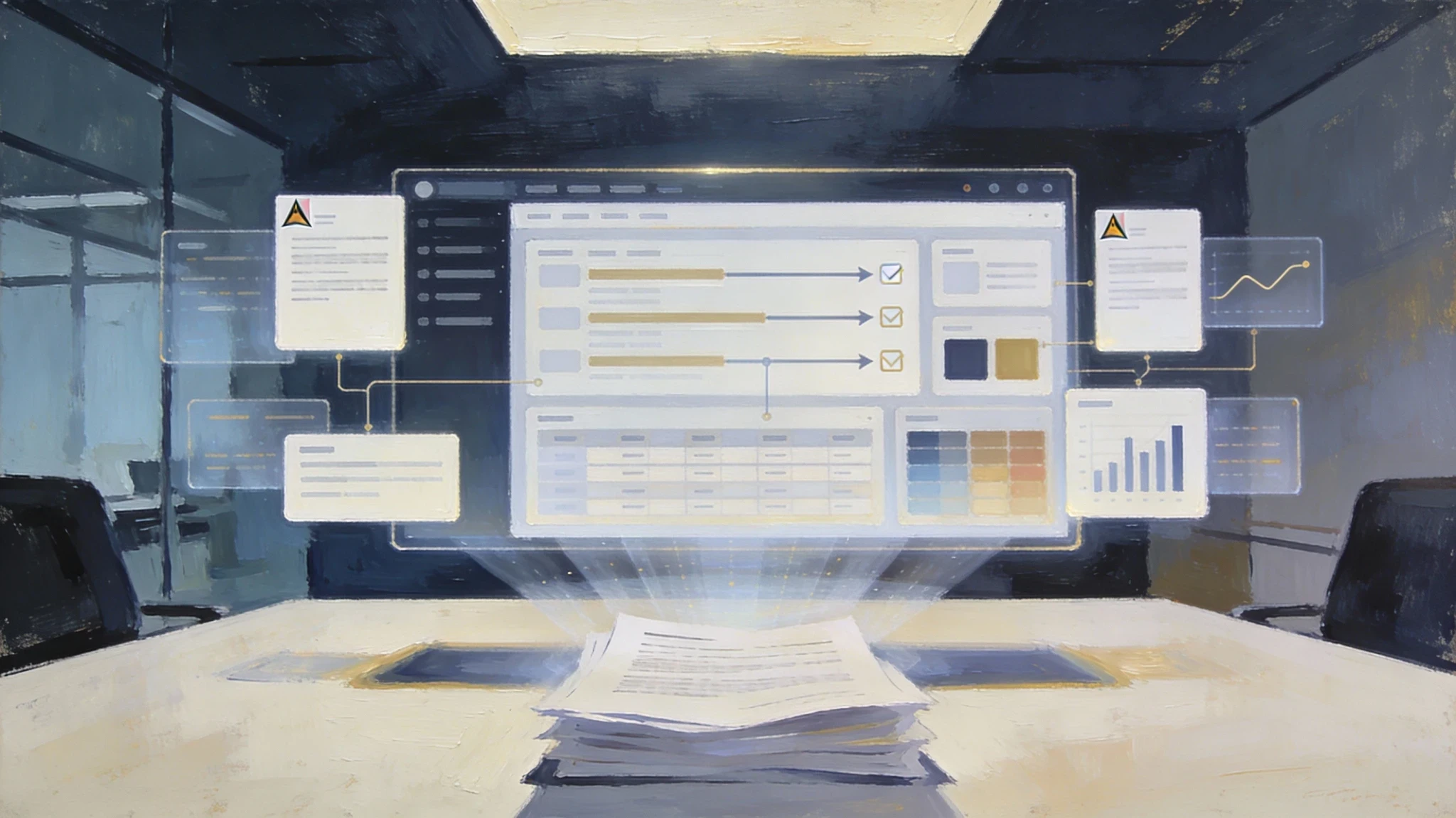
A contract management software platform consolidates documents, dates, workflows, and decisions in one system. It reads contract files, extracts key information, and generates reminders. Tasks can then be routed to the appropriate people.
A useful renewal workflow may include these stages:
Import the signed contract and related documents.
Moreover, capture the renewal date, notice date, pricing provisions, and other obligations.
Assign the contract to an owner and department.
Send reminders based on value, risk, and timing.
Request usage and performance details.
Route the renewal for finance, legal, or security review.
Record the decision and approval.
Furthermore, after signature or termination, update the contract record.
Automation should support human judgment rather than replace it. The system can, for example, flag an unusual termination term. It cannot decide whether the business should keep a service without business context.
AI can assist with reviewing long agreements. They can summarize renewal terms, identify price changes, and flag missing clauses. Also, a lawyer or trained reviewer should confirm important findings before the team acts.
Also, aI can also process older documents. With optical character recognition, scanned contracts become searchable. It also surfaces metadata such as dates, parties, payment details, and obligations.
That function is especially useful during a contract cleanup project. Older agreements often number in the thousands and use inconsistent names and formats. As a result, a searchable repository gives teams a stronger starting point for renewal planning.
Dashboards can sort upcoming renewals by department, supplier, value, and risk. Therefore, leaders can see which decisions need attention. They can also track late reviews, savings, terminated services, and approval times.
Integrations improve adoption. A contract system can connect with finance, procurement, customer relationship management, identity, and electronic signature tools. The aim is to reduce duplicate entry and keep important records aligned.
Access controls also matter. Consequently, renewal records may contain pricing, liability terms, security details, or merger information. Role-based permissions should limit access by team, region, entity, or contract type.
Audit trails help explain what happened. The system should record document changes, approvals, comments, notices, and final decisions. This record supports internal reviews and external audits.
The Technology Business Management Council offers guidance on technology cost management through the FinOps Foundation. Its work supports a useful practice: connect technology spend with ownership, usage, and business value.
Related Article: What is Contract Renewal? Ultimate Guide To Success
How does contract management software support renewals?
Generic contract management software can centralize agreements, extract renewal data, assign owners, and send alerts. Additionally, it can also automate approval paths, track obligations, compare versions, and provide dashboards for upcoming decisions.
Volody supports this work with AI summaries, metadata extraction, obligation tracking, renewal alerts, configurable workflows, advanced search, and a central contract repository. Teams can also use its risk analysis and audit trails to review renewal terms with greater control.
Ready to make contract management more efficient? Learn more about Volody's CLM Software.
FAQ
In simple terms, what does managing renewals involve?
Additionally, renewal management starts with a review of the contract before its term expires. The review considers value, cost, performance, risk, and business need. Based on that assessment, the team decides whether to renew, modify, or terminate the agreement.
Who should own a contract renewal?
One business owner should manage each renewal. That person gathers input from finance, procurement, legal, security, and other teams. The right owner depends on the service, but accountability should remain clear.
When should a company begin reviewing a renewal?
Start early enough to assess performance, compare options, and negotiate terms. Low-risk contracts may need 60 days. Contracts with substantial value or complexity may need six months or more.
What occurs when a contract includes an automatic-renewal clause?
Moreover, under this arrangement, the contract extends unless one party sends notice by a stated deadline. The clause may also change pricing or contract length. Teams should track both the renewal date and the notice date.
How can a company avoid unwanted renewals?
Create a complete contract inventory and assign every agreement an owner. Track notice dates, send several reminders, and require a recorded renewal decision. Before approving payment, review usage and spend.
Can finance manage renewals on its own, without legal support?
Is legal support necessary when finance handles renewals?
Finance can lead the work involving budgets, invoices, and payment terms. Legal's review should cover risk, termination rights, data terms, liability, and any unusual changes. The arrangement works best when every team has a clearly defined role.
Furthermore, what should a renewal assessment include?
Also, review business need, usage, service quality, cost, price changes, risks, obligations, and alternatives. The review should confirm the contract's notice rules and termination rights. Record the final decision, along with the rationale behind it.
Can AI manage contract renewals independently?
AI tools can extract dates and summarize terms, while also flagging risks and suggesting tasks. Important facts still require human verification, and the business decision must remain with people. For contracts with substantial value or risk, human review is still essential.
What distinguishes renewal management from the broader contract-management function?
How does the renewal process differ from contract management?
Contract management covers the full agreement lifecycle, from request through drafting, signing, performance, and closeout. Renewal management focuses on the review and decision before a contract continues. Establish a structured process with clear ownership, timely approvals, and reliable records to control costs, reduce risk, and make every renewal decision defensible.
About the Company

Volody AI CLM is an Agentic AI-powered Contract Lifecycle Management platform designed to eliminate manual contracting tasks, automate complex workflows, and deliver actionable insights. As a one-stop shop for all contract activities, it covers drafting, collaboration, negotiation, approvals, e-signature, compliance tracking, and renewals. Built with enterprise-grade security and no-code configuration, it meets the needs of the most complex global organizations. Volody AI CLM also includes AI-driven contract review and risk analysis, helping teams detect issues early and optimize terms. Trusted by Fortune 500 companies, high-growth startups, and government entities, it transforms contracts into strategic, data-driven business assets.




" height="216.72211px" id="FYO0bO80Y" transform="translate(3 6.105)" width="206.073px"/><path d="M 108.174 222 C 88.432 222 70.303 217.239 53.785 207.717 C 37.267 198.196 24.173 185.052 14.504 168.285 C 4.835 151.312 0 132.165 0 110.845 C 0 89.731 4.835 70.792 14.504 54.025 C 24.173 37.052 37.267 23.804 53.785 14.282 C 70.303 4.761 88.432 0 108.174 0 C 128.116 0 146.246 4.761 162.562 14.282 C 179.08 23.804 192.073 37.052 201.541 54.025 C 211.21 70.792 216.044 89.731 216.044 110.845 C 216.044 132.165 211.21 151.312 201.541 168.285 C 192.073 185.052 179.08 198.196 162.562 207.717 C 146.044 217.239 127.915 222 108.174 222 Z M 108.174 183.189 C 120.864 183.189 132.044 180.291 141.713 174.495 C 151.382 168.492 158.936 160.006 164.375 149.035 C 169.814 138.064 172.533 125.334 172.533 110.845 C 172.533 96.355 169.814 83.729 164.375 72.965 C 158.936 61.994 151.382 53.611 141.713 47.815 C 132.044 42.02 120.864 39.122 108.174 39.122 C 95.483 39.122 84.202 42.02 74.332 47.815 C 64.663 53.611 57.109 61.994 51.67 72.965 C 46.231 83.729 43.511 96.355 43.511 110.845 C 43.511 125.334 46.231 138.064 51.67 149.035 C 57.109 160.006 64.663 168.492 74.332 174.495 C 84.202 180.291 95.483 183.189 108.174 183.189 Z" fill="rgba(255, 255, 255, 0.12)" height="222px" id="aa1McFcE9" transform="translate(227.183 3)" width="216.04399999999998px"/><path d="M 42.302 182.257 L 111.799 182.257 L 111.799 216.722 L 0 216.722 L 0 0 L 42.302 0 Z" fill="rgba(255, 255, 255, 0.12)" height="216.72211px" id="yRq4AnrsX" transform="translate(477.721 6.105)" width="111.79899999999998px"/><path d="M 108.174 222 C 88.432 222 70.303 217.239 53.785 207.717 C 37.267 198.196 24.173 185.052 14.504 168.285 C 4.835 151.312 0 132.165 0 110.845 C 0 89.731 4.835 70.792 14.504 54.025 C 24.173 37.052 37.267 23.804 53.785 14.282 C 70.303 4.761 88.432 0 108.174 0 C 128.116 0 146.246 4.761 162.562 14.282 C 179.08 23.804 192.073 37.052 201.541 54.025 C 211.21 70.792 216.045 89.731 216.045 110.845 C 216.045 132.165 211.21 151.312 201.541 168.285 C 192.073 185.052 179.08 198.196 162.562 207.717 C 146.044 217.239 127.915 222 108.174 222 Z M 108.174 183.189 C 120.864 183.189 132.044 180.291 141.713 174.495 C 151.382 168.492 158.936 160.006 164.375 149.035 C 169.814 138.064 172.534 125.334 172.534 110.845 C 172.534 96.355 169.814 83.729 164.375 72.965 C 158.936 61.994 151.382 53.611 141.713 47.815 C 132.044 42.02 120.864 39.122 108.174 39.122 C 95.483 39.122 84.202 42.02 74.332 47.815 C 64.663 53.611 57.108 61.994 51.67 72.965 C 46.231 83.729 43.511 96.355 43.511 110.845 C 43.511 125.334 46.231 138.064 51.67 149.035 C 57.108 160.006 64.663 168.492 74.332 174.495 C 84.202 180.291 95.483 183.189 108.174 183.189 Z" fill="rgba(255, 255, 255, 0.12)" height="222px" id="mo8HQspQ0" transform="translate(609.155 3)" width="216.04500000000007px"/><path d="M 73.727 0 C 95.885 0 115.324 4.45 132.044 13.351 C 148.967 22.252 161.957 34.982 171.027 51.541 C 180.287 67.894 184.917 86.937 184.917 108.671 C 184.917 130.405 180.287 149.449 171.027 165.801 C 161.957 181.947 148.967 194.47 132.044 203.371 C 115.324 212.271 95.885 216.722 73.727 216.722 L 0 216.722 L 0 0 Z M 72.216 179.773 C 94.374 179.773 111.497 173.564 123.583 161.144 C 135.669 148.724 141.713 131.233 141.713 108.671 C 141.713 86.109 135.669 68.515 123.583 55.888 C 111.497 43.055 94.374 36.638 72.216 36.638 L 42.302 36.638 L 42.302 179.773 Z" fill="rgba(255, 255, 255, 0.12)" height="216.72211px" id="I3iXX5Hi_" transform="translate(859.693 6.105)" width="184.91699999999992px"/><path d="M 185.22 0 L 113.91 141.273 L 113.91 216.722 L 71.61 216.722 L 71.61 141.273 L 0 0 L 47.74 0 L 93.06 99.046 L 138.08 0 Z" fill="rgba(255, 255, 255, 0.12)" height="216.72211px" id="nzHyWC0_d" transform="translate(1061.78 6.105)" width="185.22000000000003px"/></svg>)