
A non-disclosure agreement (NDA) establishes clear, enforceable rules for protecting confidential information shared during business dealings. It defines permitted use, access, disclosure, and duration while supporting trade secret protection and patent strategy. This guide covers NDA purpose, essential terms, common risks, and effective lifecycle management.
TL;DR
An NDA creates duties to protect confidential information from unauthorized use or disclosure.
Mutual and unilateral NDAs suit different information flows between businesses, workers, advisers, and partners.
Strong NDA agreement terms define scope, use, exclusions, duration, disclosures, and available remedies.
Businesses use NDAs for deals, hiring, software work, research, investment, and vendor relationships.
Common problems include vague terms, broad limits, weak access controls, and missed ending duties.
Contract management software helps teams store, approve, track, and enforce NDA obligations.
What an NDA Protects
An NDA creates a confidential relationship between the parties. It tells the receiving party what information must stay private.
NDA confidential information may include business plans, customer lists, and pricing plans. It may also include product specifications, test results, passwords, and research data.
Software companies often protect source code, system designs, and product roadmaps. SaaS businesses may protect security details, service plans-a-complete-guide,and customer requirements.
An NDA can also protect invention disclosures before patent filing. Public disclosure may harm a future patent claim in some places. The agreement helps reduce that risk during early talks.
An NDA does not usually transfer ownership of the protected information. It also does not grant a broad license to use that information.
The owner keeps its intellectual property rights unless another contract says otherwise. The NDA mainly controls disclosure and use.
Common information categories include:
Technical information: Source code, designs, specifications, test results, and system documents.
Business information: Strategies, forecasts, prices, plans, customer lists, and supplier details.
Research information: Data, methods, findings, prototypes, and unpublished invention details.
Access information: Passwords, credentials, security plans, and private system records.
Commercial information: Deal terms, licensing plans, sales data, and investment materials.
The NDA should state whether information needs a confidentiality label. It should also explain how parties treat oral disclosures.
Clear examples help both sides understand the agreement. They also help courts assess the intended scope.
Related Article: NDAs (Non-Disclosure Agreements): A guide to secrecy
When Businesses Use an NDA
Businesses use NDAs before sharing sensitive information. They may also use them throughout a longer working relationship.
The NDA signing process should finish before the first sensitive disclosure. A late signature may leave earlier discussions less protected.
The right format depends on who will share information. It also depends on whether the relationship will continue after early talks.
Business Discussions and Potential Transactions
Companies often use NDAs during due diligence. Due diligence means checking a business before a deal.
A buyer may review finances, contracts, customer data, and product plans. An investor may review forecasts, research, and funding needs.
An NDA can support demonstrations and early sales discussions. It can protect product features before a public launch.
A unilateral NDA agreement may suit a seller sharing most information. A mutual NDA agreement may suit both sides during negotiations.
The parties should define the deal purpose clearly. Information should not be used for unrelated business activity.
Employment and Contractor Relationships
Employers use NDAs when workers access private business information. Contractors may also receive code, designs, customer details, or internal plans.
The agreement should match the person’s real access. A developer may need code protection, while a sales adviser may need customer protection.
An NDA is not the same as a non-compete. It should not quietly impose broad limits on future work.
Employment terms may include a confidentiality clause. A separate NDA may work better before hiring or during early project talks.
Research, Technology, and Strategic Partnerships
Research teams may share data, methods, samples, and invention details. Technology partners may share prototypes, system designs, and product plans.
Licensing talks often involve technical and commercial information. Each side should know who may review that material.
Shared development work needs careful drafting. The NDA should protect confidential information without deciding ownership by accident.
A mutual NDA often fits joint research or product work. Each party may disclose information during the same project.
Related Article: What are Mutual NDAs? Key Features and Benefits
Choosing the Right NDA Structure
The NDA structure should follow the expected information flow. It should also name every party that may disclose or receive information.
Start by checking each legal entity involved. Related companies may need direct coverage or express affiliate rights.
The agreement should address representatives, such as lawyers, advisers, staff, and contractors. The main party should remain responsible for their conduct.
Check each signer’s authority before execution. An unauthorized signature may create delay or dispute.
The NDA should identify governing law and court jurisdiction. These terms state which rules apply and where disputes may proceed.
Use a standalone NDA for early discussions. Use embedded terms when confidentiality belongs inside a larger deal.
A practical selection process includes these questions:
Will one party share information, or will both parties share information?
Which companies, affiliates, advisers, and contractors need access?
What business purpose allows the recipient to use the information?
Should the NDA cover earlier disclosures or future disclosures only?
Will the NDA stand alone or sit inside another agreement?
Which law and dispute forum fit the relationship?
How One Way and Mutual NDAs Differ
A one way NDA protects information from one main disclosing party. It works well when a seller presents information to a buyer.
A mutual NDA protects information shared by both parties. It suits partnerships, joint research, and product development.
The labels do not decide the quality of the agreement. Clear scope and suitable duties matter more than the title.
Standalone NDAs and Contractual Confidentiality Clauses
A standalone NDA works before the parties sign a larger contract. It can support talks with buyers, investors, or possible partners.
A confidentiality clause sits inside another agreement. Employment, services, licensing, and partnership contracts often use this approach.
A broader contract may cover ownership, payment, delivery, and dispute terms. A standalone NDA usually focuses on privacy and permitted use.
Identifying Parties, Representatives, and Affiliates
The NDA should name the correct legal entities. Informal names may create uncertainty about who owes duties.
It should explain whether affiliates may receive information. It should also state whether those affiliates owe matching duties.
Representatives need controlled access. They should receive information only for the stated purpose.
The primary recipient should monitor those representatives. The agreement should address responsibility for their breaches.
Related Article: Types of NDA Explained: Choose the Right One for You
5 Key Challenges in NDA Drafting
NDA drafting often fails through unclear or excessive language. Operational gaps can create equal problems after signing.
An NDA must match the real information exchange. A copied NDA template may miss key facts.
The parties should review scope, purpose, access, duration, and exceptions. They should also check the NDA against local law.
The most common risks include:
Vague definitions: Broad phrases can leave both sides unsure about covered information. Examples and marking rules create clearer boundaries. Oral disclosure rules can prevent later disputes. Clear scope also makes training easier.
Overly broad restrictions: Some terms may cover public facts or general skills. They may also restrict independent work without good reason. Such limits can create negotiation delays. Courts may question unreasonable restrictions.
Unclear duration: A short period may expose valuable information too soon. An endless period may seem unfair for ordinary business data. Trade secrets may need longer protection. Return duties should match the same timeline.
Weak access controls: A signed NDA cannot stop careless sharing by itself. Too many users increase the chance of accidental disclosure. External advisers need secure channels and limited access. Good records help show responsible handling.
Conflicting legal rights: The NDA must allow required disclosures and protected reports. It should address court orders, regulators, and government requests. It should not block lawful whistleblower activity. Missing these terms can weaken the agreement.
Vague Confidentiality Definitions
Terms such as “all business information” may create uncertainty. The recipient may not know what the phrase covers.
The NDA should name useful categories. It should give examples without claiming every detail is confidential.
Marking rules can help with written information. The agreement should also explain treatment for oral disclosures.
A short written notice after an oral disclosure may improve proof. The process should remain practical for daily business use.
Overly Broad Restrictions
An NDA should not cover information already available to the public. It should also exclude general knowledge and common skills.
Independent development needs a clear exception. Lawfully received information may need another exception.
The agreement should focus on the stated business purpose. It should not become a hidden non-compete.
Unclear Duration and Return Duties
NDA agreement terms should state when duties begin. They should also state how long each duty lasts.
Ordinary business information may need a fixed period. Trade secrets may need protection while they remain secret.
Return and deletion duties need practical detail. The parties should address backups, legal records, and system copies.
A recipient may need written confirmation after deletion. The process should reflect real storage systems.
Weak Access Controls and Conflicts With Legal Rights
Access should follow a need-to-know rule. Staff should receive only the information needed for their work.
The NDA should allow disclosures required by law. It should also protect lawful reports to regulators or authorities.
The agreement may require notice before a compelled disclosure. Notice may not be possible in every legal setting.
NDA breach consequences should match the likely harm. Remedies may include damages, court orders, and other relief.
Related Article: AI for NDA Review in 2025: Top 3 Tools You Might Want To Try
Drafting Practices That Make an NDA Effective
Good drafting starts with the actual relationship. The parties should avoid copying broad terms without review.
The NDA should explain the information, purpose, and permitted use. It should also reflect how people will share and store materials.
Legal review can identify problems under the chosen governing law. This matters more when inventions, trade secrets, or foreign parties are involved.
Before signing, review these points:
Parties: Confirm legal names, affiliates, representatives, and signing authority.
Scope: Check examples, labels, oral disclosures, and earlier information.
Purpose: Limit use to the business activity described in the agreement.
Exceptions: Add public, known, independent, lawful source, and required disclosure terms.
Time limits: Match the period to the information’s real sensitivity.
Operations: Confirm access controls, storage steps, return duties, and breach notices.
Remedies: Check that relief terms fit the risk and applicable law.
Defining Information, Purpose, and Permitted Use
A strong NDA describes protected information in plain language. It should include useful categories and realistic examples.
The purpose should state why disclosure will happen. A buyer may review information for a possible acquisition.
Permitted use should stay within that purpose. It should not allow unrelated commercial use.
The scope should remain broad enough for real work. It should not become so broad that nobody can apply it.
Setting Practical Exceptions
Most NDA contract clauses include standard exceptions. These protect information that was already public or already known.
Independent development should remain outside the protected scope. The same applies to information received lawfully from another source.
Legal compulsion needs its own rule. The recipient may need to notify the owner when legally allowed.
Protected reporting also needs careful treatment. The NDA should not block rights granted by law.
Aligning Time Limits, Notice, and Remedies
Time limits should match the type of information. A product launch plan may need protection through the launch period.
A trade secret may need protection while secrecy continues. The agreement should avoid a careless one-size-fits-all period.
Notice rules should explain who receives breach reports. They should also state when the recipient must provide notice.
Remedies may include court orders or financial damages. Legal counsel should confirm suitable terms for the governing law.
Related Article: How to Draft an Effective Unilateral NDA for Your Needs
Managing NDA Obligations After Signing
Signing starts the work rather than ending it. Teams must protect information throughout the relationship.
Organizations should control access and record disclosures. They should train people who handle sensitive materials.
A breach response plan should preserve evidence quickly. It should also identify the owner, affected information, and likely recipients.
Key dates need active tracking. Missed end dates can leave teams uncertain about continuing duties.
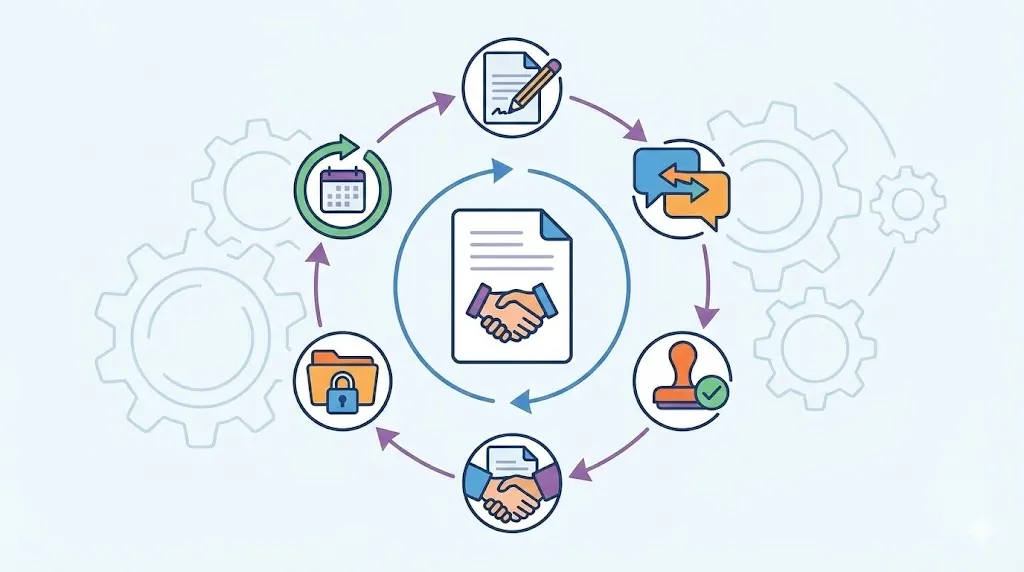
A useful NDA lifecycle follows this sequence:
Intake: Record the request, parties, purpose, and expected disclosures.
Approval: Send the NDA through legal and business review.
Execution: Confirm signatures, dates, versions, and signing authority.
Storage: Save the signed agreement with related records and access rules.
Monitoring: Track disclosures, duties, incidents, and key deadlines.
Renewal: Review continuing needs before the agreement or project ends.
Closure: Complete return, deletion, retention, and final records.
Controlling Access to Sensitive Information
Role based permissions limit access by job need. They reduce accidental sharing across teams.
Secure sharing channels protect files during transfer. Passwords and credentials need extra controls.
External representatives should receive clear instructions. Their access should end when the work ends.
Access logs can support investigations. They can show who viewed or shared sensitive materials.
Tracking Duties and Key Dates
The record should include parties, dates, purpose, and covered information. It should also include confidentiality periods and renewal terms.
Teams should track return and deletion duties. They should record any written confirmation after completion.
A central record helps legal and business teams work from one source. It also reduces reliance on personal inboxes.
Related Article: What Happens If You Break an NDA? Understand the Impact
NDA Limits and Legal Considerations
An NDA does not make every piece of information secret. It cannot remove rights that the law protects.
Public information usually falls outside the agreement. General knowledge and independent work may also remain free to use.
The recipient does not usually gain ownership. The NDA also does not grant permission to commercialize protected material.
Legal rights can limit confidentiality duties. Courts, regulators, and laws may require certain disclosures.
Whistleblower protections may allow reports about wrongdoing. The NDA should not attempt to block those reports.
Enforceability depends on wording, facts, conduct, and governing law. Courts may examine whether the restrictions are clear and reasonable.
A boundary guide can help teams understand the limits:
An NDA can impose: Duties to protect information and limit its use.
An NDA can require: Notice of certain legal demands when notice is allowed.
An NDA can protect: Trade secrets, private plans, technical data, and inventions.
An NDA generally cannot remove: Rights to report unlawful conduct or answer legal orders.
An NDA generally cannot transfer: Ownership of code, inventions, data, or other intellectual property.
An NDA generally cannot control: Public facts, independent development, or lawful prior knowledge.
Confidentiality Is Not Ownership
The receiving party usually gets limited access only. It does not receive ownership of the disclosed material.
An NDA should avoid accidental license language. Any license should appear in a separate, clear provision.
Intellectual property ownership needs its own terms. This matters during software development and joint research.
Legal and Protected Disclosures
A recipient may need to disclose information under a court order. Government agencies may also request records.
The NDA should explain notice steps where allowed. It should also protect legally recognized reporting channels.
A recipient should share only what the law requires. It should seek protective treatment when appropriate.
Enforceability Depends on Context
Courts may review whether the scope is reasonable. They may also review duration, purpose, and location.
Proper execution supports proof of agreement. So do records showing careful information handling.
The selected law can change the result. Cross border parties should obtain advice for each relevant jurisdiction.
What Happens After a Relationship Ends
Confidentiality duties may continue after the project ends. The period depends on the agreement and information type.
The recipient may need to return or destroy materials. Backup copies and legal records may need separate treatment.
Trade secrets may remain protected while secrecy continues. Closure should document completed deletion and access removal.
Related Article: NDA and Confidentiality Agreement : The Ultimate Guide
Why Contract Management Software Matters
NDA work involves many small steps. Teams must manage templates, approvals, signatures, records, dates, and duties.
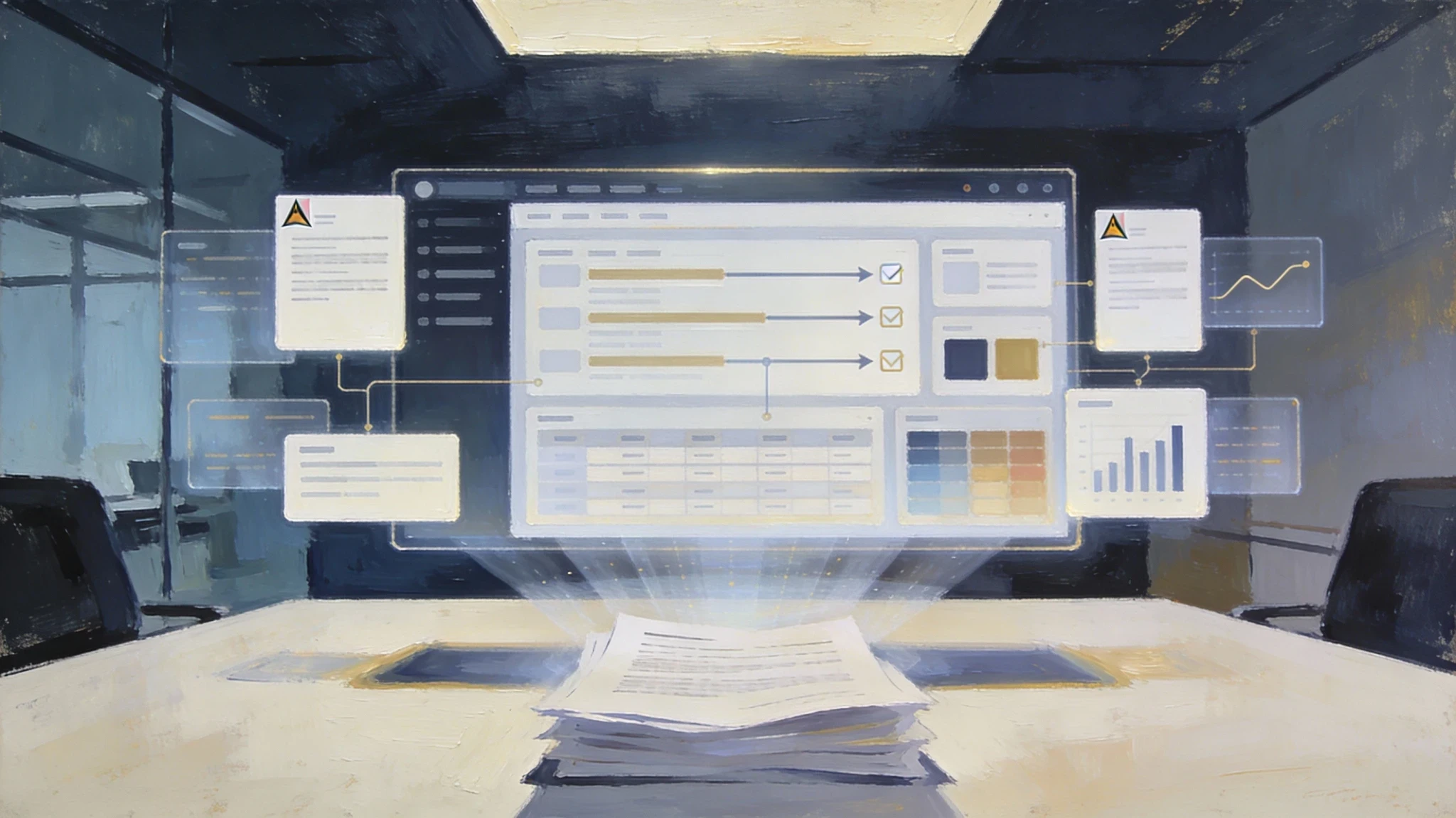
Contract management software, also called CLM software, brings these steps together. It gives legal and business teams one controlled workspace.
A central contract repository can store signed NDAs and related files. Searchable records help teams find agreements before sharing information.
Permission controls can limit access to sensitive records. Audit trails show key actions, such as reviews, edits, and approvals.
Automated reminders can flag expiry dates and return duties. They can also prompt renewal reviews before protection ends.
Volody’s CLM Software supports NDA workflows with a central repository, approval workflow automation, and obligation management. Teams can store signed agreements, route them for review, and track renewal or deletion duties.
For example, a software company can route a contractor NDA for approval. After signing, the team can record access dates and receive reminders before closure.
> Explore a simpler way to create, review, approve, and track contracts with Volody's CLM Software.
FAQ
What is a SaaS NDA?
A SaaS NDA is a non-disclosure agreement for cloud software businesses. It may protect source code, system design, security details, product plans, pricing, and customer needs. The agreement should address staff, contractors, vendors, and service providers. It should also separate confidential business information from regulated personal data.
Is an NDA for software development required?
An NDA for software development is not always legally required. It can still protect source code, credentials, technical plans, and product ideas. The NDA should work with clear intellectual property terms. Legal duties may vary by relationship, location, and project risk.
How do you create a SaaS NDA?
Create a SaaS NDA by naming the parties and stating the business purpose. Describe protected software, business, security, and customer information. Add exclusions, access rules, legal disclosure terms, duration, and return duties. A qualified lawyer should review the final document for the chosen jurisdiction.
What is an NDA?
An NDA, or non-disclosure agreement, controls how recipients use or disclose private information. It may protect customer lists, business plans, code, research, trade secrets, and inventions. An NDA may be unilateral or mutual. It usually protects confidentiality without transferring intellectual property ownership.
Can you write your own NDA?
You can write your own NDA for a simple, low-risk exchange. Generic forms may miss important terms or use overly broad language. The document should match the parties, purpose, scope, exceptions, and duration. Legal review helps when trade secrets, inventions, regulated data, or foreign parties are involved.
How is an NDA different from a confidentiality clause?
Use a carefully structured NDA and disciplined contract management process to protect sensitive information, reduce disputes, and enforce obligations with confidence.
About the Company

Volody AI CLM is an Agentic AI-powered Contract Lifecycle Management platform designed to eliminate manual contracting tasks, automate complex workflows, and deliver actionable insights. As a one-stop shop for all contract activities, it covers drafting, collaboration, negotiation, approvals, e-signature, compliance tracking, and renewals. Built with enterprise-grade security and no-code configuration, it meets the needs of the most complex global organizations. Volody AI CLM also includes AI-driven contract review and risk analysis, helping teams detect issues early and optimize terms. Trusted by Fortune 500 companies, high-growth startups, and government entities, it transforms contracts into strategic, data-driven business assets.




" height="216.72211px" id="FYO0bO80Y" transform="translate(3 6.105)" width="206.073px"/><path d="M 108.174 222 C 88.432 222 70.303 217.239 53.785 207.717 C 37.267 198.196 24.173 185.052 14.504 168.285 C 4.835 151.312 0 132.165 0 110.845 C 0 89.731 4.835 70.792 14.504 54.025 C 24.173 37.052 37.267 23.804 53.785 14.282 C 70.303 4.761 88.432 0 108.174 0 C 128.116 0 146.246 4.761 162.562 14.282 C 179.08 23.804 192.073 37.052 201.541 54.025 C 211.21 70.792 216.044 89.731 216.044 110.845 C 216.044 132.165 211.21 151.312 201.541 168.285 C 192.073 185.052 179.08 198.196 162.562 207.717 C 146.044 217.239 127.915 222 108.174 222 Z M 108.174 183.189 C 120.864 183.189 132.044 180.291 141.713 174.495 C 151.382 168.492 158.936 160.006 164.375 149.035 C 169.814 138.064 172.533 125.334 172.533 110.845 C 172.533 96.355 169.814 83.729 164.375 72.965 C 158.936 61.994 151.382 53.611 141.713 47.815 C 132.044 42.02 120.864 39.122 108.174 39.122 C 95.483 39.122 84.202 42.02 74.332 47.815 C 64.663 53.611 57.109 61.994 51.67 72.965 C 46.231 83.729 43.511 96.355 43.511 110.845 C 43.511 125.334 46.231 138.064 51.67 149.035 C 57.109 160.006 64.663 168.492 74.332 174.495 C 84.202 180.291 95.483 183.189 108.174 183.189 Z" fill="rgba(255, 255, 255, 0.12)" height="222px" id="aa1McFcE9" transform="translate(227.183 3)" width="216.04399999999998px"/><path d="M 42.302 182.257 L 111.799 182.257 L 111.799 216.722 L 0 216.722 L 0 0 L 42.302 0 Z" fill="rgba(255, 255, 255, 0.12)" height="216.72211px" id="yRq4AnrsX" transform="translate(477.721 6.105)" width="111.79899999999998px"/><path d="M 108.174 222 C 88.432 222 70.303 217.239 53.785 207.717 C 37.267 198.196 24.173 185.052 14.504 168.285 C 4.835 151.312 0 132.165 0 110.845 C 0 89.731 4.835 70.792 14.504 54.025 C 24.173 37.052 37.267 23.804 53.785 14.282 C 70.303 4.761 88.432 0 108.174 0 C 128.116 0 146.246 4.761 162.562 14.282 C 179.08 23.804 192.073 37.052 201.541 54.025 C 211.21 70.792 216.045 89.731 216.045 110.845 C 216.045 132.165 211.21 151.312 201.541 168.285 C 192.073 185.052 179.08 198.196 162.562 207.717 C 146.044 217.239 127.915 222 108.174 222 Z M 108.174 183.189 C 120.864 183.189 132.044 180.291 141.713 174.495 C 151.382 168.492 158.936 160.006 164.375 149.035 C 169.814 138.064 172.534 125.334 172.534 110.845 C 172.534 96.355 169.814 83.729 164.375 72.965 C 158.936 61.994 151.382 53.611 141.713 47.815 C 132.044 42.02 120.864 39.122 108.174 39.122 C 95.483 39.122 84.202 42.02 74.332 47.815 C 64.663 53.611 57.108 61.994 51.67 72.965 C 46.231 83.729 43.511 96.355 43.511 110.845 C 43.511 125.334 46.231 138.064 51.67 149.035 C 57.108 160.006 64.663 168.492 74.332 174.495 C 84.202 180.291 95.483 183.189 108.174 183.189 Z" fill="rgba(255, 255, 255, 0.12)" height="222px" id="mo8HQspQ0" transform="translate(609.155 3)" width="216.04500000000007px"/><path d="M 73.727 0 C 95.885 0 115.324 4.45 132.044 13.351 C 148.967 22.252 161.957 34.982 171.027 51.541 C 180.287 67.894 184.917 86.937 184.917 108.671 C 184.917 130.405 180.287 149.449 171.027 165.801 C 161.957 181.947 148.967 194.47 132.044 203.371 C 115.324 212.271 95.885 216.722 73.727 216.722 L 0 216.722 L 0 0 Z M 72.216 179.773 C 94.374 179.773 111.497 173.564 123.583 161.144 C 135.669 148.724 141.713 131.233 141.713 108.671 C 141.713 86.109 135.669 68.515 123.583 55.888 C 111.497 43.055 94.374 36.638 72.216 36.638 L 42.302 36.638 L 42.302 179.773 Z" fill="rgba(255, 255, 255, 0.12)" height="216.72211px" id="I3iXX5Hi_" transform="translate(859.693 6.105)" width="184.91699999999992px"/><path d="M 185.22 0 L 113.91 141.273 L 113.91 216.722 L 71.61 216.722 L 71.61 141.273 L 0 0 L 47.74 0 L 93.06 99.046 L 138.08 0 Z" fill="rgba(255, 255, 255, 0.12)" height="216.72211px" id="nzHyWC0_d" transform="translate(1061.78 6.105)" width="185.22000000000003px"/></svg>)