

Contracts today stretch across many departments, regions, and regulations. As the contracting landscape grows in breadth, depth, and complexity, businesses face rising pressure to manage contracts efficiently. Without the right tools, teams struggle to keep up with deadlines, compliance, and risk. This can lead to missed opportunities, legal exposure, and wasted resources.
Imagine a global company juggling thousands of contracts across sales, procurement, and legal. Each contract has unique terms, renewal dates, and obligations. The volume and variety can overwhelm even the most organized teams. Contract lifecycle management (CLM) solutions provide a way to bring order to this chaos. They help companies find the right contract data quickly, track obligations, and streamline workflows. This article breaks down how CLM software tackles these challenges and why it matters for enterprise teams.
TL;DR
Tools that prioritize relevant data and enhance transparency throughout the contract process are essential for effective management.
Additionally, usability-focused interfaces alleviate operational bottlenecks, accelerating the drafting, review, and approval stages of contracts.
Dashboards tailored to specific roles direct users' focus toward contract elements pertinent to their responsibilities.
Advanced search capabilities combined with filtering tools enable swift contract retrieval across large databases.
Contract lifecycle management solutions are designed to expand in capacity and complexity in alignment with evolving business demands.
Features powered by artificial intelligence streamline the processes of contract generation, evaluation, and metadata capture, thereby increasing efficiency and minimizing errors.
Related Article: Why Poor Organizational Design Is Costing Your Business
What Makes Contracting More Complex Today?
Contracting is no longer just a legal task. Additionally, it now requires coordination among multiple departments such as sales, procurement, finance, and compliance. Each group has different priorities and needs access to contract data relevant to their role. This creates complexity in managing contracts end to end.
Several factors contribute to this complexity:
Volume of contracts: Companies can have tens of thousands or more active contracts at any time. Managing this volume manually is impractical.
Diverse contract types: Contracts vary widely — sales agreements, supplier contracts, NDAs, licensing deals, and more. Each requires different handling.
Global regulations: Contracts must comply with local laws, industry standards, and corporate policies. Keeping track of these rules is challenging.
Multiple stakeholders: Legal teams, business units, finance, and external partners all interact with contracts. Coordinating approvals and updates requires clear workflows.
Dynamic business needs: Mergers, acquisitions, new product launches, and changing strategies impact contract terms and processes.
Without technology, teams rely on spreadsheets, emails, and shared folders. This leads to errors, lost documents, and slow turnaround times. According to a survey by Deloitte, 70% of companies report contract management inefficiencies as a significant business risk.
Related articles: Contract Drafting Tips: Create Contracts Effortlessly
How Contract Lifecycle Management Addresses These Challenges
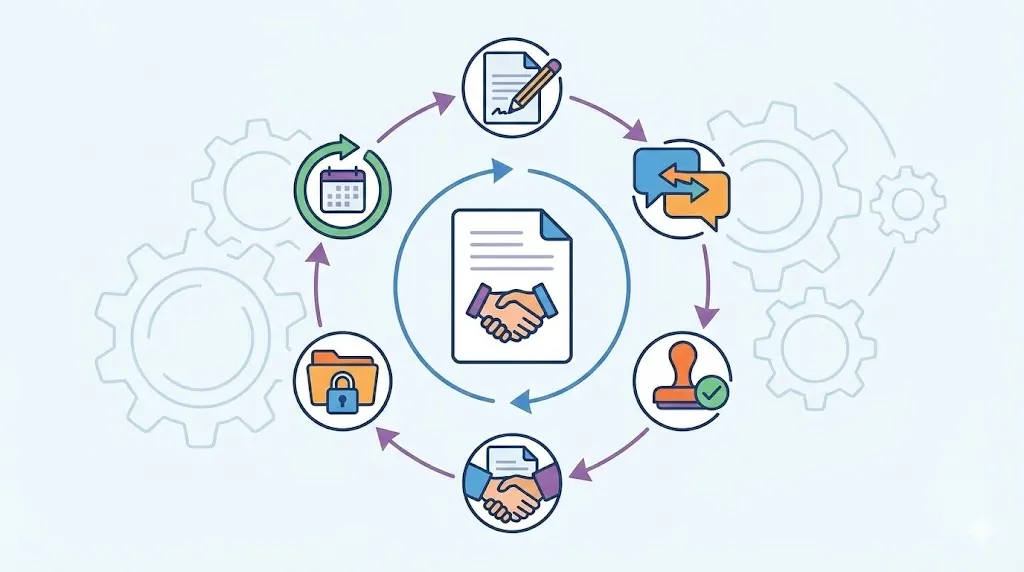
Contract management solutions centralize contract data and automate key processes. Additionally, users benefit from a unified platform that supports contract creation, collaboration, approval, storage, and analysis. Here is how CLM solutions tackle complexity:
Centralized Contract Repository
CLM platforms store all contracts in one secure location. This eliminates scattered files and emails. Users can tag, categorize, and organize contracts by type, business unit, or status. Full-text search and optical character recognition (OCR) make it easy to find contracts by keywords or metadata.
Role-Based Dashboards and Views
Different users need different contract information. CLM systems offer customizable dashboards that surface relevant data based on user roles. For example, legal professionals see clauses and risk flags, while finance teams focus on payment terms and renewal dates. This customization sharpens focus and streamlines decision-making.
Automated Workflows and Approvals
Delays often result from manual contract routing processes, which are also prone to errors. CLM software automates approval workflows through configurable rules. It sends reminders, escalates overdue tasks, and tracks progress in real time. This ensures contracts move through the pipeline without bottlenecks.
Advanced Search and Filtering
Locating a particular contract within vast repositories can be challenging without comprehensive search functionality. CLM platforms leverage metadata indexing alongside AI-powered search algorithms to rapidly identify pertinent contracts. Moreover, users benefit from the ability to save frequently used queries and compare documents concurrently for efficient analysis.
AI-Powered Contract Drafting and Review
Artificial intelligence assists with contract creation and analysis. CLM tools generate first drafts from templates and suggest clauses based on context. AI reviews contracts for risky terms, missing provisions, or deviations from standards. This reduces legal risk and speeds up negotiation.
Obligation and Renewal Tracking
Contracts contain critical obligations and deadlines. The system continuously monitors these commitments and sends alerts well before key dates. By doing so, it significantly reduces the risk of overlooked renewals, financial penalties, or regulatory non-compliance. Teams stay proactive and maintain strong vendor and customer relationships.
Scalability for Growing Businesses
Contract volume and complexity inevitably escalate alongside organizational growth. CLM platforms are designed to accommodate diverse business units, multiple geographic locations, and various languages. They maintain optimal performance and a seamless user experience even as document volumes surge.
Related articles: What is Contract Lifecycle Management (CLM)? Top CLM in 2026
What Should You Look for in Contract Management Software?
Selecting the right CLM solution depends on your company’s size, industry, and specific needs. Here are key features to consider:
User Experience and Interface
Look for software with an intuitive, responsive interface. Easy navigation and personalized dashboards reduce training time and increase adoption. Users should quickly access pending tasks, contracts, and reports from a customizable homepage.
Integration Capabilities
Your CLM should connect with existing enterprise systems such as ERP, CRM, HR, and e-signature platforms. This ensures contract data flows smoothly across departments and reduces duplicate data entry.
AI and Automation Features
Automation saves time and reduces errors. Features like AI contract drafting, clause recommendations, and risk analysis improve contract quality and speed. Automated workflows and alerts keep contracts moving efficiently.
Security and Compliance
Moreover, contracts inherently contain sensitive information requiring robust protection. The platform must offer enterprise-grade security, including encryption, role-based access control, and audit trails. Compliance with industry standards and regulations is essential.
Reporting and Analytics
Advanced reporting functions provide detailed views into contract performance metrics, highlight potential risks, and identify inefficiencies within processes. Interactive visual dashboards give leadership actionable data to inform strategic decisions and refine contract lifecycle management.
Flexibility and Scalability
Opt for a platform that evolves in tandem with your organization's expanding requirements. Broad compatibility with various languages, currencies, and legal systems is critical for supporting international workflows. Empowering users with no-code configuration capabilities enables customization of workflows and templates independently of IT support.
Related articles: Essential CLM Features Every Business Needs
How CLM Software Solves This
Contract lifecycle management software organizes complex contracting processes by centralizing data and streamlining workflows. Additionally, teams can quickly access relevant contract information and collaborate effectively without interruption. Customized dashboards provide users with critical contract insights, precisely aligned with their individual roles. Advanced AI techniques accelerate the drafting process while delivering in-depth risk assessments, significantly alleviating common legal workflow constraints.
CLM platforms offer continuous monitoring of obligations and renewal timelines, coupled with proactive alerts designed to avert missed deadlines. Integration with enterprise systems ensures uninterrupted data exchange between departments. Security protocols safeguard confidential information, complemented by audit trails that uphold regulatory compliance.
Volody provides a contract management system engineered to address increasing contract complexity. Its suite includes AI-driven contract drafting, meticulous review processes, and metadata extraction designed to optimize efficiency. Automated workflow orchestration and structured approval processes contribute to expedited contract completion. Tailored dashboards based on user roles combined with sophisticated search functionality empower users to concentrate on critical elements. Volody’s solution is architected for scalability across international teams and offers compatibility with widely adopted business applications.
> Discover how Volody's CLM Software empowers your team to advance contracts with assurance.
FAQ
What does the contract lifecycle encompass?
Additionally, this process involves overseeing contracts from their initial drafting through execution, compliance monitoring, and renewal.
CLM software automates and centralizes these tasks to improve efficiency and reduce risk.
Why do companies need CLM software?
As contract volume and complexity grow, manual processes become inefficient and error-prone. CLM software streamlines workflows, improves visibility, and ensures compliance across departments.
How does AI contribute to advancements in contract management?
Moreover, AI assists by drafting contract templates, analyzing language for risk, recommending clauses, and extracting key data automatically. This approach reduces manual work and accelerates contract review and negotiation.
Can CLM platforms integrate with other business systems?
Yes. Most CLM platforms connect with ERP, CRM, HR, and e-signature tools to enable seamless data sharing and reduce duplicate entry.
What security features are essential in CLM solutions?
Critical elements include encryption, role-based access control, audit trails, and adherence to industry regulations. Furthermore, collectively, these safeguard sensitive contract information and facilitate thorough legal audits.
How do CLM platforms handle contract renewals and obligations?
These platforms monitor critical dates and contractual obligations, issuing automated reminders ahead of deadlines.
Such functionality enables teams to maintain a proactive stance, minimizing risks of penalties or overlooked opportunities.
Is CLM software suitable for small businesses?
A variety of CLM solutions are tailored to meet the scalability needs of small and medium enterprises.
Also, they offer customizable configurations alongside pricing models that accommodate diverse operational demands.
How does restricting access based on user roles improve contract management?
Restricting access by user roles ensures personnel can only view contract information relevant to their specific duties.
Also, this reduces clutter, protects sensitive information, and improves focus.
What types of contracts are manageable through CLM systems?
CLM systems handle a wide range of contracts including sales agreements, NDAs, supplier contracts, licensing deals, and more. They support different formats and templates.
How do I measure the success of a CLM implementation?
Key metrics include contract turnaround time, user adoption rates, compliance levels, risk reduction, and cost savings. Reporting tools in these platforms help track these indicators.
About the Company

Volody AI CLM is an Agentic AI-powered Contract Lifecycle Management platform designed to eliminate manual contracting tasks, automate complex workflows, and deliver actionable insights. As a one-stop shop for all contract activities, it covers drafting, collaboration, negotiation, approvals, e-signature, compliance tracking, and renewals. Built with enterprise-grade security and no-code configuration, it meets the needs of the most complex global organizations. Volody AI CLM also includes AI-driven contract review and risk analysis, helping teams detect issues early and optimize terms. Trusted by Fortune 500 companies, high-growth startups, and government entities, it transforms contracts into strategic, data-driven business assets.





" height="216.72211px" id="FYO0bO80Y" transform="translate(3 6.105)" width="206.073px"/><path d="M 108.174 222 C 88.432 222 70.303 217.239 53.785 207.717 C 37.267 198.196 24.173 185.052 14.504 168.285 C 4.835 151.312 0 132.165 0 110.845 C 0 89.731 4.835 70.792 14.504 54.025 C 24.173 37.052 37.267 23.804 53.785 14.282 C 70.303 4.761 88.432 0 108.174 0 C 128.116 0 146.246 4.761 162.562 14.282 C 179.08 23.804 192.073 37.052 201.541 54.025 C 211.21 70.792 216.044 89.731 216.044 110.845 C 216.044 132.165 211.21 151.312 201.541 168.285 C 192.073 185.052 179.08 198.196 162.562 207.717 C 146.044 217.239 127.915 222 108.174 222 Z M 108.174 183.189 C 120.864 183.189 132.044 180.291 141.713 174.495 C 151.382 168.492 158.936 160.006 164.375 149.035 C 169.814 138.064 172.533 125.334 172.533 110.845 C 172.533 96.355 169.814 83.729 164.375 72.965 C 158.936 61.994 151.382 53.611 141.713 47.815 C 132.044 42.02 120.864 39.122 108.174 39.122 C 95.483 39.122 84.202 42.02 74.332 47.815 C 64.663 53.611 57.109 61.994 51.67 72.965 C 46.231 83.729 43.511 96.355 43.511 110.845 C 43.511 125.334 46.231 138.064 51.67 149.035 C 57.109 160.006 64.663 168.492 74.332 174.495 C 84.202 180.291 95.483 183.189 108.174 183.189 Z" fill="rgba(255, 255, 255, 0.12)" height="222px" id="aa1McFcE9" transform="translate(227.183 3)" width="216.04399999999998px"/><path d="M 42.302 182.257 L 111.799 182.257 L 111.799 216.722 L 0 216.722 L 0 0 L 42.302 0 Z" fill="rgba(255, 255, 255, 0.12)" height="216.72211px" id="yRq4AnrsX" transform="translate(477.721 6.105)" width="111.79899999999998px"/><path d="M 108.174 222 C 88.432 222 70.303 217.239 53.785 207.717 C 37.267 198.196 24.173 185.052 14.504 168.285 C 4.835 151.312 0 132.165 0 110.845 C 0 89.731 4.835 70.792 14.504 54.025 C 24.173 37.052 37.267 23.804 53.785 14.282 C 70.303 4.761 88.432 0 108.174 0 C 128.116 0 146.246 4.761 162.562 14.282 C 179.08 23.804 192.073 37.052 201.541 54.025 C 211.21 70.792 216.045 89.731 216.045 110.845 C 216.045 132.165 211.21 151.312 201.541 168.285 C 192.073 185.052 179.08 198.196 162.562 207.717 C 146.044 217.239 127.915 222 108.174 222 Z M 108.174 183.189 C 120.864 183.189 132.044 180.291 141.713 174.495 C 151.382 168.492 158.936 160.006 164.375 149.035 C 169.814 138.064 172.534 125.334 172.534 110.845 C 172.534 96.355 169.814 83.729 164.375 72.965 C 158.936 61.994 151.382 53.611 141.713 47.815 C 132.044 42.02 120.864 39.122 108.174 39.122 C 95.483 39.122 84.202 42.02 74.332 47.815 C 64.663 53.611 57.108 61.994 51.67 72.965 C 46.231 83.729 43.511 96.355 43.511 110.845 C 43.511 125.334 46.231 138.064 51.67 149.035 C 57.108 160.006 64.663 168.492 74.332 174.495 C 84.202 180.291 95.483 183.189 108.174 183.189 Z" fill="rgba(255, 255, 255, 0.12)" height="222px" id="mo8HQspQ0" transform="translate(609.155 3)" width="216.04500000000007px"/><path d="M 73.727 0 C 95.885 0 115.324 4.45 132.044 13.351 C 148.967 22.252 161.957 34.982 171.027 51.541 C 180.287 67.894 184.917 86.937 184.917 108.671 C 184.917 130.405 180.287 149.449 171.027 165.801 C 161.957 181.947 148.967 194.47 132.044 203.371 C 115.324 212.271 95.885 216.722 73.727 216.722 L 0 216.722 L 0 0 Z M 72.216 179.773 C 94.374 179.773 111.497 173.564 123.583 161.144 C 135.669 148.724 141.713 131.233 141.713 108.671 C 141.713 86.109 135.669 68.515 123.583 55.888 C 111.497 43.055 94.374 36.638 72.216 36.638 L 42.302 36.638 L 42.302 179.773 Z" fill="rgba(255, 255, 255, 0.12)" height="216.72211px" id="I3iXX5Hi_" transform="translate(859.693 6.105)" width="184.91699999999992px"/><path d="M 185.22 0 L 113.91 141.273 L 113.91 216.722 L 71.61 216.722 L 71.61 141.273 L 0 0 L 47.74 0 L 93.06 99.046 L 138.08 0 Z" fill="rgba(255, 255, 255, 0.12)" height="216.72211px" id="nzHyWC0_d" transform="translate(1061.78 6.105)" width="185.22000000000003px"/></svg>)