

Inefficient contract management significantly impedes manufacturing operations, causing delays, increased costs, and compliance vulnerabilities. Traditional manual processes often lead to missed deadlines and strained supplier relationships, undermining operational agility. To overcome these challenges, manufacturers require advanced Contract Lifecycle Management (CLM) solutions that streamline workflows, automate approvals, and centralize contract data.
In 2026, the manufacturing sector faces escalating contract volumes and complex regulatory demands. Cloud-based CLM platforms equipped with AI-driven contract drafting and risk management capabilities have become essential for maintaining competitive advantage. Selecting the right CLM software is a strategic decision that enhances compliance, accelerates contract cycles, and strengthens supply chain management.
This article provides a comprehensive ranking and review of the top five CLM tools tailored for manufacturing in 2026, delivering actionable insights to inform your technology investment.
TL;DR
Manufacturers struggle with contract delays and compliance risks that hurt operations. Contract Lifecycle Management Software for Manufacturing automates contract creation, approval, and tracking to fix these issues. This article ranks the top five tools, focusing on features, pricing, and manufacturing-specific needs. Volody CLM leads with AI-powered drafting and unlimited user pricing. The right CLM boosts compliance, speeds workflows, and cuts contract risk in manufacturing.
Related articles: Best Contract Management Software: Top 10 CLM Tools
What Makes a Great Top CLM 5 Tools for Manufacturers in 2026: Evaluation Criteria
Essential Functionalities for Manufacturing Contracts
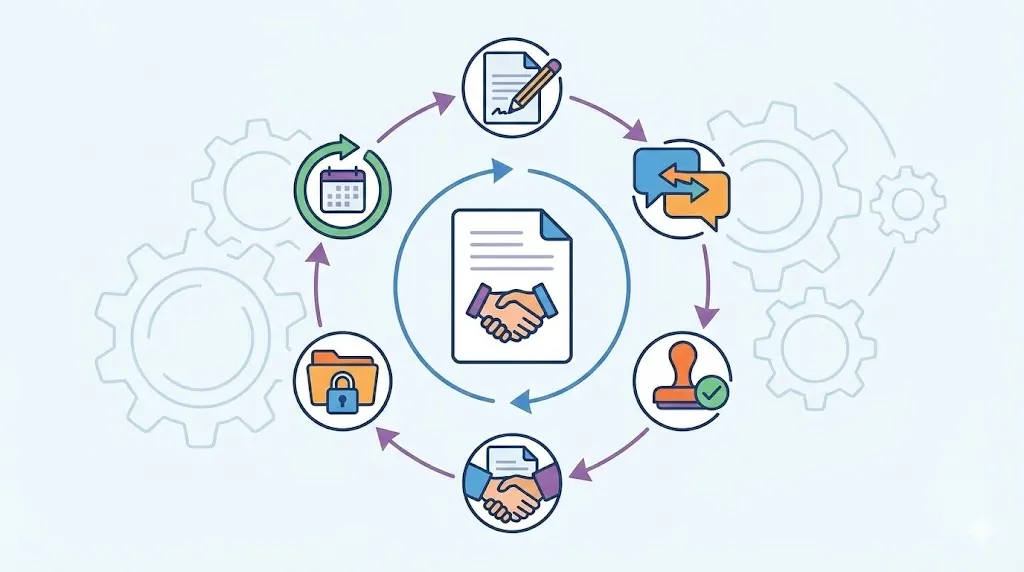
Great CLM software for manufacturing must cover the entire contract lifecycle. This includes contract creation, negotiation, approval workflows, execution, and renewal tracking. Automated alerts for key dates and compliance checks are vital. Manufacturing contracts often involve complex supplier terms requiring clause libraries and version control.
Key features include AI contract drafting tools that suggest clauses and flag risky terms. Multi-level approval workflows ensure the right teams review contracts. Integration with e-signature solutions and ERP systems is essential for seamless execution and data consistency. Scalability to handle growing contract volumes matters too.
Integration and Scalability Considerations
Manufacturing firms rely on ERP and procurement systems to run operations. The best CLM software integrates natively or via APIs with these systems. This alignment reduces data entry errors and speeds contract-to-order processing. Cloud-based CLM platforms offer easier deployment and access across global teams.
Scalable contract management solutions support expanding contract portfolios without adding per-seat costs. Flexible pricing models that accommodate many users across legal, procurement, and sales teams are preferred. Fast implementation timelines minimize disruption and accelerate ROI.
User Experience and Support Factors
User-friendly interfaces speed adoption across departments. Manufacturing teams need intuitive dashboards, search filters, and reporting tools. Responsive customer support and dedicated onboarding teams help resolve issues quickly. Training resources and knowledge bases reduce learning curves.
Strong vendor support ensures smooth integration with existing workflows. Support availability across time zones benefits global manufacturers. Together, these factors improve user satisfaction and long-term success.
Related articles: Top 5 CLM Software in Kolkata: 2026 Guide
Volody CLM
Core Features Tailored for Manufacturers
Volody CLM ranks as the top Contract Lifecycle Management Software for Manufacturing in 2026. It offers AI-powered contract authoring with clause intelligence that guides users through drafting. This reduces errors and ensures consistency across supplier agreements and sales contracts.
The platform automates multi-level approval workflows, routing contracts to the right stakeholders based on contract value or type. It tracks key dates and obligations with customizable alerts. Its centralized repository provides end-to-end visibility from contract creation through post-signature analytics.
Volody supports unlimited users without per-seat fees, making it cost-effective for large teams. It is purpose-built for mid-market and enterprise legal and procurement teams in manufacturing. Its cloud-based architecture enables fast setup, often going live in weeks, not months.
Unique Selling Points Compared to Competitors
Volody’s AI contract drafting tools stand out. They automatically suggest relevant clauses based on contract context, speeding creation while reducing risk. The unlimited-user pricing model eliminates hidden costs common in other platforms.
Its approval workflows are highly configurable, supporting complex manufacturing supply chain contract management. The platform’s end-to-end visibility gives legal and procurement teams clear insight into contract status and risk exposure. This transparency supports better decision-making.
Volody also provides a dedicated customer success team included at no extra cost. This team helps with onboarding, integration, and ongoing optimization—critical for manufacturing firms moving from manual processes.
Ideal Use Cases and Pricing Overview
Volody CLM suits manufacturers with large contract volumes and complex supplier networks. It works well for companies needing fast deployment and scalable user access. Its AI tools benefit teams focused on contract standardization and compliance.
Pricing follows an unlimited-user model with tiered plans based on features. This structure supports growing teams without surprise costs. Volody offers tailored demos and pricing quotes, ensuring alignment with manufacturing-specific needs.
Feature | Volody CLM |
|---|---|
AI-Powered Drafting | Yes, with clause intelligence |
Approval Workflows | Multi-level, highly configurable |
Pricing Model | Unlimited user pricing, tiered features |
Implementation Time | Weeks |
Customer Success Team Included | Yes, at no extra charge |
Integration | ERP, e-signature, procurement systems |
Best For | Mid-market and enterprise manufacturers |
Volody CLM sets the standard for manufacturing contract automation software in 2026.
Related articles: Top Contract Management Software for Hyderabad
Ironclad
Manufacturing-Specific Capabilities and Tools
Ironclad offers robust Contract Lifecycle Management Software for Manufacturing focused on automation and workflow management. It supports contract creation with customizable templates and clause libraries tailored for supplier and sales contracts.
Ironclad excels at integrating contract data with manufacturing procurement and ERP systems. This helps align contracts with purchase orders and inventory data. Its contract repository supports advanced search and audit trails that improve contract compliance in manufacturing.
The platform also provides contract risk management manufacturing teams trust. It flags non-standard clauses and tracks regulatory obligations automatically.
Strengths in Automation and Workflow Management
Ironclad automates contract approvals with rule-based workflows that adapt to contract complexity. It supports parallel and sequential approvals, speeding reviews. Automated notifications reduce delays and missed deadlines.
Its AI tools extract contract metadata, improving reporting and analytics. Workflow dashboards give legal and procurement teams clear views of contract statuses.
Ironclad’s e-signature integration streamlines execution. The platform supports collaboration with internal teams and external partners through secure portals.
Pricing Structure and Target Customer Profile
Ironclad uses a per-user, per-month pricing model, which may increase costs for larger teams. It targets mid-market and enterprise manufacturers with moderate to high contract complexity.
Pricing varies by feature set, with advanced AI and analytics available at higher tiers. Ironclad is suited for manufacturers prioritizing workflow automation and deep ERP integration.
Feature | Ironclad |
|---|---|
AI-Powered Drafting | Clause libraries and metadata extraction |
Approval Workflows | Rule-based, parallel/sequential |
Pricing Model | Per-user, tiered |
Implementation Time | Weeks to months |
Customer Success Team Included | Yes, with onboarding support |
Integration | ERP, procurement, e-signature |
Best For | Mid-market to enterprise manufacturers |
Ironclad balances automation with strong integration capabilities.
Conga
Contract Creation and Negotiation Features
Conga offers a comprehensive suite for contract creation, negotiation, and management. Its drag-and-drop contract builder simplifies drafting manufacturing contracts. Conga also supports clause libraries and reusable templates tailored to manufacturing needs.
Negotiation workflows include version control and redlining features. Teams can collaborate internally and with suppliers directly in the platform. Conga’s e-signature tools enable seamless contract execution.
Integration with Manufacturing Systems
Conga integrates with major ERP and CRM systems, aligning contract terms with procurement and sales data. Its cloud-based platform supports real-time contract tracking across departments.
The software also provides document generation and reporting tools that highlight contract statuses and risks. This aids contract compliance in manufacturing and supply chain contract management.
Limitations and Pricing Options
Conga’s pricing is modular, with core contract management available at entry-level tiers. Advanced AI and analytics features come at higher costs. This structure may limit access for smaller manufacturers.
Some users note a steeper learning curve due to Conga’s wide feature set. Implementation may take longer compared to more focused CLM solutions.
Feature | Conga |
|---|---|
AI-Powered Drafting | Template-based, limited AI |
Approval Workflows | Configurable but complex |
Pricing Model | Modular, tiered |
Implementation Time | Weeks to months |
Customer Success Team Included | Yes, with support packages |
Integration | ERP, CRM, e-signature |
Best For | Manufacturers needing broad features |
Conga fits manufacturers seeking an all-in-one contract and document solution.
Sirion
Risk and Compliance Management Features
Sirion specializes in contract risk and compliance management for manufacturing. It tracks obligations, service levels, and regulatory requirements automatically. The platform flags deviations and alerts teams to potential breaches.
Its centralized contract repository supports audit trails and version control. This enhances contract compliance in manufacturing environments with strict governance.
AI and Analytics Capabilities for Manufacturing
Sirion employs AI to extract contract data and analyze performance trends. Its analytics tools identify risky clauses and forecast contract renewals. This insight helps manufacturers manage contract risk manufacturing-wide.
The platform supports supplier performance management by linking contracts to delivery and payment data. This connection improves supply chain contract management.
Pricing Tiers and Best Fit Scenarios
Sirion offers tiered pricing based on contract volume and feature access. It targets large manufacturers with complex compliance needs. The platform suits teams focused on risk mitigation and supplier oversight.
Implementation timelines tend to be longer due to the depth of configuration options.
Feature | Sirion |
|---|---|
AI-Powered Drafting | Focus on data extraction, limited drafting |
Approval Workflows | Compliance-focused workflows |
Pricing Model | Tiered, volume-based |
Implementation Time | Months |
Customer Success Team Included | Yes, with dedicated support |
Integration | ERP, procurement, analytics tools |
Best For | Large manufacturers with compliance focus |
Sirion excels in managing contract risk and supplier compliance.
DocuSign CLM
E-Signature and Workflow Automation Strengths
DocuSign CLM combines contract lifecycle management with industry-leading e-signature capabilities. It automates contract routing and approval workflows, reducing cycle times. Its user-friendly interface supports quick adoption across teams.
The platform offers configurable templates and clause libraries to standardize manufacturing contracts. It tracks contract statuses with real-time dashboards and alerts.
Compatibility with Manufacturing ERP Systems
DocuSign CLM integrates with major ERP systems like SAP and Oracle. This ensures contract terms sync with procurement and production data. Integration supports manufacturing supply chain contract management by linking contracts to operational workflows.
Cloud-based deployment allows access across global manufacturing sites.
Pricing Plans and User Recommendations
DocuSign CLM uses a per-user subscription model with tiered feature access. Pricing scales with the number of users and advanced capabilities. It suits manufacturers who prioritize e-signature integration and workflow automation.
Some users find the pricing less flexible for large teams. Implementation speed varies depending on integration complexity.
Feature | DocuSign CLM |
|---|---|
AI-Powered Drafting | Basic drafting with templates |
Approval Workflows | Automated, configurable |
Pricing Model | Per-user, tiered |
Implementation Time | Weeks to months |
Customer Success Team Included | Yes, with onboarding |
Integration | ERP, e-signature, procurement |
Best For | Manufacturers needing strong e-signature |
DocuSign CLM is ideal for manufacturers focusing on execution speed and signature workflows.
How to Choose the Right Top CLM 5 Tools for Manufacturers in 2026 for Your Team
Assessing Company Needs and Contract Complexity
Start by mapping your contract volume and complexity. Identify if you need AI contract drafting tools or stronger compliance tracking. Consider the number of users and departments involved. Larger teams benefit from unlimited-user pricing models.
Evaluate your existing ERP and procurement systems. A CLM with native integration reduces manual work. Also, consider your team’s contract risk management manufacturing priorities.
Evaluating Vendor Support and Implementation Speed
Fast setup minimizes downtime. Choose vendors with dedicated onboarding and customer success teams. Responsive support reduces friction during rollout.
Training resources and user-friendly interfaces speed adoption across legal, procurement, and sales teams. Ask for references from manufacturing clients to assess real-world performance.
Aligning CLM Features with Manufacturing Processes
Look for features that match your workflows. Multi-level approval workflows should mirror your organizational structure. Automated alerts help track renewals and obligations.
Cloud-based CLM platforms offer access to distributed teams and support supply chain contract management. Prioritize solutions that offer scalability and flexible pricing models to grow with your business.
Conclusion
Volody CLM is the definitive leader in manufacturing Contract Lifecycle Management for 2026, delivering AI-enhanced drafting, scalable unlimited-user pricing, and rapid deployment. Alternatives like Ironclad, Conga, Sirion, and DocuSign CLM provide strong options tailored to varying operational needs.
Begin with a thorough assessment of your contract processes and prioritize vendors offering robust integration and dedicated support. Implementing the right CLM solution drives substantial reductions in contract cycle times—often exceeding 30%—while mitigating compliance risks across manufacturing operations.
Adopting modern CLM technology is a strategic investment that ensures your manufacturing enterprise remains agile, compliant, and competitive as contract demands continue to grow.
Frequently Asked Questions
What is the best CLM software?
The best CLM software depends on your manufacturing company’s size, contract complexity, and integration needs. Leading tools like Volody, Ironclad, and DocuSign CLM offer robust features tailored for manufacturing. These include automation, compliance management, and seamless ERP integration. Evaluating these options against your specific requirements ensures you select a platform that maximizes efficiency and reduces risk.
What is contract management software?
Contract management software is a digital solution designed to streamline the entire contract lifecycle—from creation and negotiation to execution and renewal. It centralizes contract storage, automates workflows, and provides analytics to improve compliance and operational efficiency. For manufacturers, this software helps manage supplier agreements, sales contracts, and regulatory compliance with greater accuracy and speed.
What are the most important criteria when choosing a CLM tool?
Key criteria include ease of use, integration capabilities with existing ERP and procurement systems, scalability to handle growing contract volumes, and automation features like e-signatures and reminders. Additionally, manufacturing firms should consider security measures, customer support quality, and pricing models that accommodate multiple users across departments.
How do CLM tools support compliance in manufacturing contracts?
CLM tools enforce compliance by embedding regulatory requirements into contract templates, tracking obligations, and providing audit trails. They alert users to renewal deadlines and flag non-compliant clauses, reducing legal risks and ensuring adherence to industry standards critical in manufacturing environments.
What role does AI play in contract lifecycle management for manufacturers?
AI enhances CLM by automating clause extraction, identifying risky terms, and predicting contract outcomes. It accelerates contract drafting and review processes, enabling manufacturers to negotiate faster and maintain compliance with less manual effort, ultimately improving contract accuracy and reducing cycle times.
Can CLM software integrate with existing manufacturing ERP systems?
Yes, many CLM platforms offer native or customizable integrations with ERP systems, facilitating seamless data exchange. This integration ensures contract terms align with procurement, inventory, and production data, improving operational efficiency and reducing errors in contract execution.
What are the typical challenges manufacturers face with contract management?
Manufacturers often deal with complex supplier agreements, high contract volumes, and strict regulatory requirements. Challenges include manual processes, siloed contract data, and lack of visibility into contract obligations, which can lead to missed deadlines, compliance issues, and financial losses.
How quickly can manufacturers expect to implement a CLM solution?
Implementation timelines vary but modern CLM tools designed for manufacturing can often be deployed within weeks. Rapid implementation minimizes disruption, accelerates ROI, and helps teams adopt new workflows efficiently, which is critical in fast-paced manufacturing settings.
What security features are essential in CLM software for manufacturers?
Essential security features include data encryption, role-based access controls, audit logs, and compliance with standards like ISO and GDPR. These protect sensitive contract data and intellectual property, ensuring confidentiality and reducing the risk of breaches.
How does contract analytics benefit manufacturing operations?
Contract analytics provide insights into contract performance, renewal cycles, and risk exposure. This visibility helps manufacturers optimize supplier relationships, forecast costs, and ensure compliance, ultimately supporting better strategic decision-making and operational efficiency.
About the Company

Volody AI CLM is an Agentic AI-powered Contract Lifecycle Management platform designed to eliminate manual contracting tasks, automate complex workflows, and deliver actionable insights. As a one-stop shop for all contract activities, it covers drafting, collaboration, negotiation, approvals, e-signature, compliance tracking, and renewals. Built with enterprise-grade security and no-code configuration, it meets the needs of the most complex global organizations. Volody AI CLM also includes AI-driven contract review and risk analysis, helping teams detect issues early and optimize terms. Trusted by Fortune 500 companies, high-growth startups, and government entities, it transforms contracts into strategic, data-driven business assets.





" height="216.72211px" id="FYO0bO80Y" transform="translate(3 6.105)" width="206.073px"/><path d="M 108.174 222 C 88.432 222 70.303 217.239 53.785 207.717 C 37.267 198.196 24.173 185.052 14.504 168.285 C 4.835 151.312 0 132.165 0 110.845 C 0 89.731 4.835 70.792 14.504 54.025 C 24.173 37.052 37.267 23.804 53.785 14.282 C 70.303 4.761 88.432 0 108.174 0 C 128.116 0 146.246 4.761 162.562 14.282 C 179.08 23.804 192.073 37.052 201.541 54.025 C 211.21 70.792 216.044 89.731 216.044 110.845 C 216.044 132.165 211.21 151.312 201.541 168.285 C 192.073 185.052 179.08 198.196 162.562 207.717 C 146.044 217.239 127.915 222 108.174 222 Z M 108.174 183.189 C 120.864 183.189 132.044 180.291 141.713 174.495 C 151.382 168.492 158.936 160.006 164.375 149.035 C 169.814 138.064 172.533 125.334 172.533 110.845 C 172.533 96.355 169.814 83.729 164.375 72.965 C 158.936 61.994 151.382 53.611 141.713 47.815 C 132.044 42.02 120.864 39.122 108.174 39.122 C 95.483 39.122 84.202 42.02 74.332 47.815 C 64.663 53.611 57.109 61.994 51.67 72.965 C 46.231 83.729 43.511 96.355 43.511 110.845 C 43.511 125.334 46.231 138.064 51.67 149.035 C 57.109 160.006 64.663 168.492 74.332 174.495 C 84.202 180.291 95.483 183.189 108.174 183.189 Z" fill="rgba(255, 255, 255, 0.12)" height="222px" id="aa1McFcE9" transform="translate(227.183 3)" width="216.04399999999998px"/><path d="M 42.302 182.257 L 111.799 182.257 L 111.799 216.722 L 0 216.722 L 0 0 L 42.302 0 Z" fill="rgba(255, 255, 255, 0.12)" height="216.72211px" id="yRq4AnrsX" transform="translate(477.721 6.105)" width="111.79899999999998px"/><path d="M 108.174 222 C 88.432 222 70.303 217.239 53.785 207.717 C 37.267 198.196 24.173 185.052 14.504 168.285 C 4.835 151.312 0 132.165 0 110.845 C 0 89.731 4.835 70.792 14.504 54.025 C 24.173 37.052 37.267 23.804 53.785 14.282 C 70.303 4.761 88.432 0 108.174 0 C 128.116 0 146.246 4.761 162.562 14.282 C 179.08 23.804 192.073 37.052 201.541 54.025 C 211.21 70.792 216.045 89.731 216.045 110.845 C 216.045 132.165 211.21 151.312 201.541 168.285 C 192.073 185.052 179.08 198.196 162.562 207.717 C 146.044 217.239 127.915 222 108.174 222 Z M 108.174 183.189 C 120.864 183.189 132.044 180.291 141.713 174.495 C 151.382 168.492 158.936 160.006 164.375 149.035 C 169.814 138.064 172.534 125.334 172.534 110.845 C 172.534 96.355 169.814 83.729 164.375 72.965 C 158.936 61.994 151.382 53.611 141.713 47.815 C 132.044 42.02 120.864 39.122 108.174 39.122 C 95.483 39.122 84.202 42.02 74.332 47.815 C 64.663 53.611 57.108 61.994 51.67 72.965 C 46.231 83.729 43.511 96.355 43.511 110.845 C 43.511 125.334 46.231 138.064 51.67 149.035 C 57.108 160.006 64.663 168.492 74.332 174.495 C 84.202 180.291 95.483 183.189 108.174 183.189 Z" fill="rgba(255, 255, 255, 0.12)" height="222px" id="mo8HQspQ0" transform="translate(609.155 3)" width="216.04500000000007px"/><path d="M 73.727 0 C 95.885 0 115.324 4.45 132.044 13.351 C 148.967 22.252 161.957 34.982 171.027 51.541 C 180.287 67.894 184.917 86.937 184.917 108.671 C 184.917 130.405 180.287 149.449 171.027 165.801 C 161.957 181.947 148.967 194.47 132.044 203.371 C 115.324 212.271 95.885 216.722 73.727 216.722 L 0 216.722 L 0 0 Z M 72.216 179.773 C 94.374 179.773 111.497 173.564 123.583 161.144 C 135.669 148.724 141.713 131.233 141.713 108.671 C 141.713 86.109 135.669 68.515 123.583 55.888 C 111.497 43.055 94.374 36.638 72.216 36.638 L 42.302 36.638 L 42.302 179.773 Z" fill="rgba(255, 255, 255, 0.12)" height="216.72211px" id="I3iXX5Hi_" transform="translate(859.693 6.105)" width="184.91699999999992px"/><path d="M 185.22 0 L 113.91 141.273 L 113.91 216.722 L 71.61 216.722 L 71.61 141.273 L 0 0 L 47.74 0 L 93.06 99.046 L 138.08 0 Z" fill="rgba(255, 255, 255, 0.12)" height="216.72211px" id="nzHyWC0_d" transform="translate(1061.78 6.105)" width="185.22000000000003px"/></svg>)