

Contracts are the backbone of business relationships. They protect revenue, define obligations, and keep operations running smoothly. Yet, many organizations still struggle with inefficient contract processes that slow down deals and expose them to risk. A guide to contract management process stages in 2026 is essential for legal, operations, and technology leaders who want to sharpen workflows, reduce errors, and accelerate business outcomes.
Imagine a mid-sized company trying to close a complex partnership. The legal team drafts the contract manually, sends it through long email chains for review, and waits days for approvals. The counterparty negotiates terms by emailing marked-up documents back and forth. The contract finally gets signed, but then it’s lost in a shared drive, making renewals and compliance tracking a headache. This scenario wastes time and money—a common reality that smart contract management can fix.
This article breaks down the contract management process into clear stages. It explains how to optimize each step with practical methods and technology. Whether your team is still using manual tools or exploring automation, this guide will help you build a contract process that works in 2026 and beyond.
TL;DR
Contract management includes drafting, review, negotiation, signing, storage, and tracking of agreements.
Inefficient contract processes lead to significant revenue loss and heightened risk exposure, a phenomenon often referred to as contract value leakage.
Creating contracts manually demands considerable time; employing automated templates not only speeds up this stage but also ensures consistency throughout the documentation.
Improving collaboration within teams and adopting more efficient approval workflows allows organizations to alleviate bottlenecks and uphold stringent control measures.
The adoption of digital negotiation tools enhances redlining accuracy and facilitates version management, thereby reducing the duration of negotiation cycles.
Secure contract repositories, equipped with detailed metadata and automated alert systems, are essential to preventing missed deadlines and ensuring compliance with regulatory requirements.
What Are the Key Stages in Contract Management?
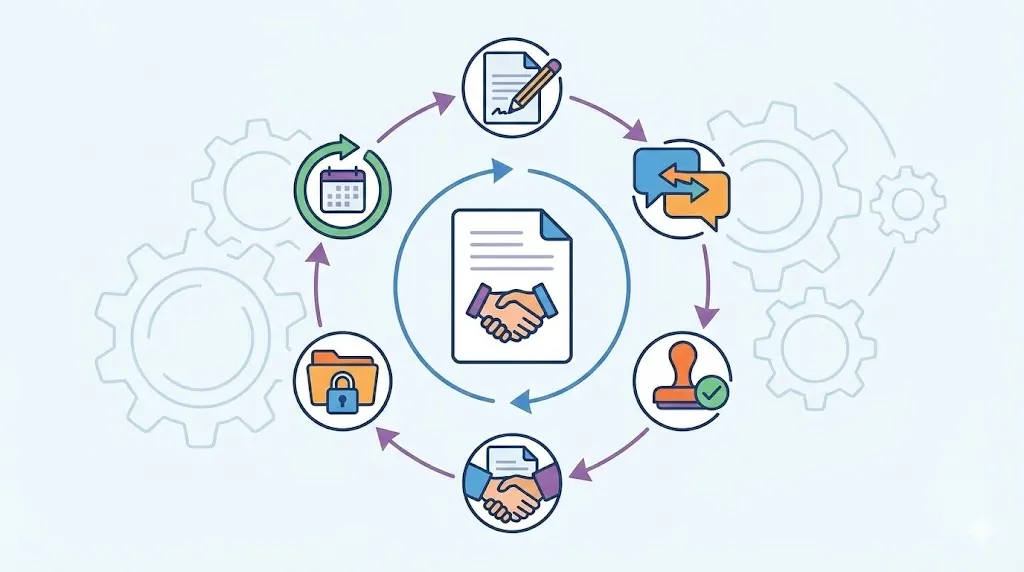
Contract management is a series of steps that take a contract from an initial idea to a signed and executed agreement, then to ongoing management. Additionally, by mapping out these stages, teams can pinpoint bottlenecks and implement precise improvements.
Generally, the contract lifecycle breaks down into these core stages:
Contract drafting
Internal review and approval
Negotiation with counterparties
Signing and execution
Storage and ongoing management
Each stage involves specific tasks, stakeholders, and risks. Let’s explore each in detail.
Related Articles: Top Contract Management Software in UAE for 2026
1. Contract Drafting: From Blank Page to First Draft
Drafting is where the contract takes shape. Traditionally, legal teams start with a blank document or copy from an old contract. The duration of this phase depends heavily on how complex the contract is.
Manual drafting requires lawyers to carefully compose or modify clauses. Moreover, lawyers must meticulously draft or tailor each clause to fit the specific agreement.
This process introduces risks of inconsistencies, errors, and compliance oversights. There is also a considerable risk of introducing errors, inconsistencies, or missing compliance requirements.
It also consumes substantial legal resources on routine drafting activities.
Automation changes this. Contract generation tools use pre-approved templates and clause libraries to produce first drafts quickly. These tools allow teams to insert dynamic fields—like party names, dates, and payment term - automatically. Furthermore, conditional logic can adjust clauses based on contract type or jurisdiction.
For example, a sales contract template might automatically include specific warranty clauses if the deal value exceeds a threshold. This reduces manual editing and ensures consistency.
Integration with business systems like CRM or HR platforms can trigger contract creation automatically. When a salesperson closes a deal in the CRM, the contract draft can be generated instantly with relevant data prefilled. This integration also prevents redundant data entry and accelerates the overall workflow.
2. Internal Review and Approval: Getting Stakeholders on Board
Once the draft exists, it needs review. Internal stakeholders - legal, finance, compliance, and business leaders - must check the contract for accuracy, risk, and alignment with company policies.
Also, in many organizations, reviewers exchange Word documents via email multiple times. Comments and redlines build up over successive versions, which can create confusion.
Important feedback sometimes fails to receive the attention it requires. Modern contract workflows bring collaboration together within a single unified platform. Reviewers make comments directly in the contract tool itself.
Also, the system tracks every change with an audit trail, showing who made what edits and when. This transparency reduces errors and speeds consensus.
Approval is a critical step. Therefore, different contracts may require sign-off from different people depending on value, risk, or department. Without clear workflows, contracts can get stuck waiting for the wrong approver or sent unnecessarily for review.
Automated approval workflows route contracts only to the right people, based on pre-set criteria. For instance, contracts over $100,000 might require CFO approval, while smaller contracts do not. The system sends reminders and escalates overdue approvals, keeping deals moving.
3. Negotiation: Aligning Terms with the Counterparty
Most commercial contracts undergo negotiation. Both parties seek terms that safeguard their interests. This phase typically includes several rounds of edits, comments, and counterproposals.
Consequently, traditionally, negotiation is conducted by exchanging Word documents with tracked changes via email. This approach causes version confusion and delays resolution. It also complicates tracking the complete history of edits or identifying which clauses remain contested.
Contract collaboration platforms enable real-time negotiation. Parties can add comments, suggest edits, and accept or reject changes within the system. Every change is logged, providing a clear audit trail.
This level of visibility enables legal and business teams to address issues more efficiently. Additionally, some platforms incorporate AI-driven analysis to identify potentially risky clauses and recommend alternative language that can enhance negotiation results.
4. Signing and Execution: Making It Official
As a result, after finalizing terms, contracts need signatures. Paper-based wet ink signatures cause delays, especially for remote or international parties. Documents must be printed, signed, scanned, and emailed back.
Electronic signatures have become the norm. They enable parties to execute contracts securely while preserving their full legal effect through streamlined online procedures.
E-signature providers comply with global regulations such as eIDAS and ESIGN to guarantee enforceability.
Some contract management platforms offer built-in e-signature functions or connect seamlessly with top providers.
As a result, this integration accelerates execution and reduces errors.
5. Storage and Ongoing Management: Keeping Contracts Organized and Actionable
Once signed, contracts must be stored securely. Next, many companies continue to rely on shared drives, email folders, or physical files to keep their contracts. Locating contracts or monitoring critical dates like renewals can be challenging. A centralized contract repository consolidates all agreements in a single location. Utilizing metadata tagging alongside full-text search capabilities significantly speeds up retrieval. The use of optical character recognition (OCR) technology ensures that scanned documents are fully searchable.
Contract management software continuously monitors obligations, milestones, and renewal dates. Automated alerts keep teams informed ahead of deadlines to avoid missed renewals or penalties. Dashboards visualize contract volume, cycle times, and risk exposure for clearer oversight. This information supports more informed decision-making and stronger governance.
Related articles: What is Contract Renewal? Key Terms and Processes in 2026
Why Does an Efficient Contract Management Process Matter?
Contracts directly impact revenue, risk, and operational efficiency. Poor contract management leads to missed deadlines, lost revenue, and compliance issues.
According to the World Commerce & Contracting Association, companies lose up to 9% of annual revenue due to poor contract processes. This phenomenon, known as contract value leakage, results from overlooked obligations or the inadvertent acceptance of unfavorable terms.
An optimized contract management approach shortens cycle times, which accelerates deal closures and allows for faster recognition of revenue streams.
For example, a company with automated approval workflows and real-time negotiation can close deals weeks faster than one relying on manual email chains. This speed can translate to millions in additional revenue annually.
Related articles: What is Contract Management? Key Concepts Explained (2025)
What Are Common Challenges in Contract Management?
Many organizations face similar hurdles in managing contracts effectively. Recognizing these issues allows teams to focus their efforts on the most critical areas for improvement.
Manual, fragmented workflows: Using email, Word, and spreadsheets creates silos and errors.
Lack of visibility: When contracts are dispersed across multiple drives or inboxes, tracking their status and associated obligations becomes a complex task.
Inconsistent templates and clauses: The absence of standardized formats leads to a proliferation of contract variations, which significantly elevates the organization's risk profile.
Slow approvals: Delays often occur because key stakeholders are unavailable or because procedural guidelines lack clarity, hindering timely decision-making.
Cumbersome negotiation: Managing multiple document versions alongside opaque revision histories complicates and extends the negotiation process.
Poor obligation tracking: Missing critical deadlines because of inadequate monitoring can lead to costly penalties or the loss of renewal opportunities.
Addressing these challenges requires process redesign and technology adoption.
Related articles: Mastering Contract Clauses: Risk & Performance
How Contract Management Software Solves This
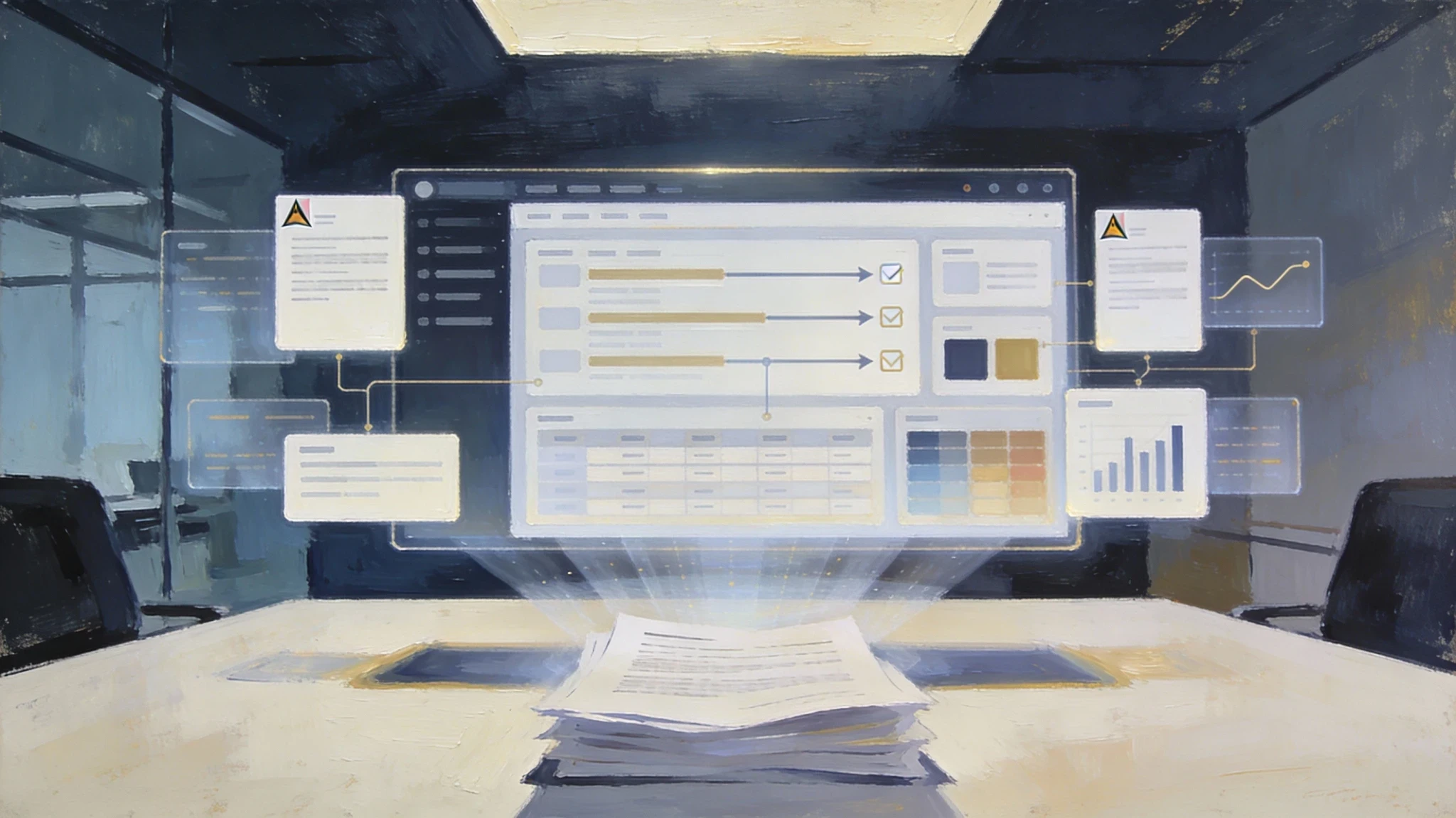
Contract management solutions integrate all phases of the contract lifecycle within a unified platform. Additionally, they also automate repetitive tasks, enforce standard templates, and facilitate real-time collaboration.
Key benefits include:
Faster contract creation facilitated by AI-driven templates and extensive clause libraries.
Streamlined internal review incorporating comment tracking alongside detailed audit trails.
Automated approval workflows that route contracts to the appropriate stakeholders.
Digital negotiation tools merging changes and comments into a consolidated interface.
Integrated e-signature to accelerate contract execution.
Centralized contract repository equipped with metadata tagging, advanced search, and notification alerts.
Obligation management for monitoring deliverables and renewal timelines.
Analytics dashboards providing insights into contract performance metrics and associated risks.
Volody’s solution delivers these features with AI-enhanced drafting, review, and risk assessment capabilities. It connects directly with Microsoft Word and enterprise platforms, enabling sustained productivity for legal teams without the need to switch between applications. Volody also supports multi-tiered approval workflows, real-time negotiation, and secure storage with sophisticated search functionality.
Discover how Volody's CLM Software streamlines every aspect of contract administration.
Related articles: Enterprise Guide to Obligation Management Software in 2026
FAQ
What is the contract management process?
This process covers every phase from drafting through signing, storage, and ongoing administration throughout the contract’s duration. It ensures contracts are accurate, compliant, and executed on schedule.
Why is contract management important for businesses?
Furthermore, effective contract management safeguards revenue streams, mitigates risk, and expedites deal closure. Inefficient procedures result in revenue leakage, deadlines being overlooked, and regulatory non-compliance, all adversely affecting profitability.
How can automation improve contract drafting?
Automation utilizes templates and clause libraries to generate drafts rapidly and consistently. It reduces manual errors and allows attorneys to dedicate more time to strategic initiatives rather than repetitive duties.
What role do approval workflows play?
Approval workflows guarantee that contracts undergo review by designated personnel at appropriate stages. Automating these workflows alleviates bottlenecks, eliminates redundant reviews, and shortens deal cycles.
Also, how does digital negotiation differ from traditional methods?
Also, digital negotiation consolidates comments, edits, and approvals into a single interface featuring version control. This approach reduces confusion, accelerates negotiations, and maintains a transparent audit trail.
Are electronic signatures legally valid?
Yes. E-signatures comply with regulations such as eIDAS in Europe and ESIGN in the US. They hold legal validity and are accepted across most jurisdictions globally.
What happens after a contract is signed?
Contracts must be securely stored and monitored for critical dates like renewals and obligations. Centralized repositories with alert mechanisms help avoid overlooked deadlines and ensure compliance.
Therefore, how can these platforms assist with compliance?
The software enforces approved templates, identifies risky clauses, and monitors obligations. Automated alerts alongside audit trails provide governance and diminish legal exposure.
What are common pitfalls to avoid?
Frequent challenges include manual workflows, insufficient visibility, inconsistent template usage, sluggish approvals, and inadequate obligation tracking. These issues cause delays, errors, and revenue erosion.
How do I choose the right system?
Look for solutions that align with your organization’s scale, integrate with existing tools, and offer features such as AI-assisted drafting, automated approvals, negotiation collaboration, electronic signatures, and data analytics. Prioritize usability and security as essential criteria.
About the Company

Volody AI CLM is an Agentic AI-powered Contract Lifecycle Management platform designed to eliminate manual contracting tasks, automate complex workflows, and deliver actionable insights. As a one-stop shop for all contract activities, it covers drafting, collaboration, negotiation, approvals, e-signature, compliance tracking, and renewals. Built with enterprise-grade security and no-code configuration, it meets the needs of the most complex global organizations. Volody AI CLM also includes AI-driven contract review and risk analysis, helping teams detect issues early and optimize terms. Trusted by Fortune 500 companies, high-growth startups, and government entities, it transforms contracts into strategic, data-driven business assets.



" height="216.72211px" id="FYO0bO80Y" transform="translate(3 6.105)" width="206.073px"/><path d="M 108.174 222 C 88.432 222 70.303 217.239 53.785 207.717 C 37.267 198.196 24.173 185.052 14.504 168.285 C 4.835 151.312 0 132.165 0 110.845 C 0 89.731 4.835 70.792 14.504 54.025 C 24.173 37.052 37.267 23.804 53.785 14.282 C 70.303 4.761 88.432 0 108.174 0 C 128.116 0 146.246 4.761 162.562 14.282 C 179.08 23.804 192.073 37.052 201.541 54.025 C 211.21 70.792 216.044 89.731 216.044 110.845 C 216.044 132.165 211.21 151.312 201.541 168.285 C 192.073 185.052 179.08 198.196 162.562 207.717 C 146.044 217.239 127.915 222 108.174 222 Z M 108.174 183.189 C 120.864 183.189 132.044 180.291 141.713 174.495 C 151.382 168.492 158.936 160.006 164.375 149.035 C 169.814 138.064 172.533 125.334 172.533 110.845 C 172.533 96.355 169.814 83.729 164.375 72.965 C 158.936 61.994 151.382 53.611 141.713 47.815 C 132.044 42.02 120.864 39.122 108.174 39.122 C 95.483 39.122 84.202 42.02 74.332 47.815 C 64.663 53.611 57.109 61.994 51.67 72.965 C 46.231 83.729 43.511 96.355 43.511 110.845 C 43.511 125.334 46.231 138.064 51.67 149.035 C 57.109 160.006 64.663 168.492 74.332 174.495 C 84.202 180.291 95.483 183.189 108.174 183.189 Z" fill="rgba(255, 255, 255, 0.12)" height="222px" id="aa1McFcE9" transform="translate(227.183 3)" width="216.04399999999998px"/><path d="M 42.302 182.257 L 111.799 182.257 L 111.799 216.722 L 0 216.722 L 0 0 L 42.302 0 Z" fill="rgba(255, 255, 255, 0.12)" height="216.72211px" id="yRq4AnrsX" transform="translate(477.721 6.105)" width="111.79899999999998px"/><path d="M 108.174 222 C 88.432 222 70.303 217.239 53.785 207.717 C 37.267 198.196 24.173 185.052 14.504 168.285 C 4.835 151.312 0 132.165 0 110.845 C 0 89.731 4.835 70.792 14.504 54.025 C 24.173 37.052 37.267 23.804 53.785 14.282 C 70.303 4.761 88.432 0 108.174 0 C 128.116 0 146.246 4.761 162.562 14.282 C 179.08 23.804 192.073 37.052 201.541 54.025 C 211.21 70.792 216.045 89.731 216.045 110.845 C 216.045 132.165 211.21 151.312 201.541 168.285 C 192.073 185.052 179.08 198.196 162.562 207.717 C 146.044 217.239 127.915 222 108.174 222 Z M 108.174 183.189 C 120.864 183.189 132.044 180.291 141.713 174.495 C 151.382 168.492 158.936 160.006 164.375 149.035 C 169.814 138.064 172.534 125.334 172.534 110.845 C 172.534 96.355 169.814 83.729 164.375 72.965 C 158.936 61.994 151.382 53.611 141.713 47.815 C 132.044 42.02 120.864 39.122 108.174 39.122 C 95.483 39.122 84.202 42.02 74.332 47.815 C 64.663 53.611 57.108 61.994 51.67 72.965 C 46.231 83.729 43.511 96.355 43.511 110.845 C 43.511 125.334 46.231 138.064 51.67 149.035 C 57.108 160.006 64.663 168.492 74.332 174.495 C 84.202 180.291 95.483 183.189 108.174 183.189 Z" fill="rgba(255, 255, 255, 0.12)" height="222px" id="mo8HQspQ0" transform="translate(609.155 3)" width="216.04500000000007px"/><path d="M 73.727 0 C 95.885 0 115.324 4.45 132.044 13.351 C 148.967 22.252 161.957 34.982 171.027 51.541 C 180.287 67.894 184.917 86.937 184.917 108.671 C 184.917 130.405 180.287 149.449 171.027 165.801 C 161.957 181.947 148.967 194.47 132.044 203.371 C 115.324 212.271 95.885 216.722 73.727 216.722 L 0 216.722 L 0 0 Z M 72.216 179.773 C 94.374 179.773 111.497 173.564 123.583 161.144 C 135.669 148.724 141.713 131.233 141.713 108.671 C 141.713 86.109 135.669 68.515 123.583 55.888 C 111.497 43.055 94.374 36.638 72.216 36.638 L 42.302 36.638 L 42.302 179.773 Z" fill="rgba(255, 255, 255, 0.12)" height="216.72211px" id="I3iXX5Hi_" transform="translate(859.693 6.105)" width="184.91699999999992px"/><path d="M 185.22 0 L 113.91 141.273 L 113.91 216.722 L 71.61 216.722 L 71.61 141.273 L 0 0 L 47.74 0 L 93.06 99.046 L 138.08 0 Z" fill="rgba(255, 255, 255, 0.12)" height="216.72211px" id="nzHyWC0_d" transform="translate(1061.78 6.105)" width="185.22000000000003px"/></svg>)