

Imagine a complex aircraft preparing for a long-distance flight. Each bolt, wire, and circuit must function with perfect precision to ensure a safe arrival. If even one small component fails, the entire mission is compromised. A business contract functions exactly like that aircraft. Individual clauses are the high-precision parts that hold your commercial relationship together. If one clause is missing or poorly drafted, your entire agreement can fall apart under pressure.
This guide explores the essential anatomy of modern business contracts. We examine foundational clauses that mitigate risk and the operational terms that drive performance. You will learn how to standardize boilerplate language for global consistency. Finally, we discuss how digital transformation turns static words into actionable data. By the end of this article, you will understand how to manage your contract portfolio with confidence and strategic precision.
Foundational Clauses for Risk Mitigation and Liability
Every commercial agreement requires a robust defensive strategy to survive business disputes. Foundational clauses act as your primary shield, protecting your organization from catastrophic financial exposure. These provisions do not just define what happens if things go wrong. They establish a proactive framework for risk management. This involves deciding which party is best positioned to bear a specific loss before any conflict arises.
Defining Limitation of Liability for Financial Protection
The Limitation of Liability (LoL) clause is a critical financial guardrail. It establishes a maximum ceiling on the damages one party must pay the other. Without this cap, a single breach of contract could lead to unlimited financial ruin. Legal teams balance these caps against the total value of the deal. They often set limits based on insurance coverage or multiples of the contract value. Establishing clear LoL boundaries ensures that project risks never outweigh the potential rewards.
The Mechanics of Indemnification and Third-Party Claims
Indemnification is a commitment by one party to hold the other harmless against specific losses. This usually applies when a third party sues a signer due to the other's actions. For example, a vendor may indemnify a buyer against patent infringement claims. During negotiations, these clauses are frequently the most debated sections. Experienced legal teams use pre-approved fallback positions to keep conversations moving. They ensure that the party with the most control over a risk remains responsible for it.
Drafting Enforceable Force Majeure Provisions
In a global market, external disruptions like natural disasters are no longer theoretical risks. A Force Majeure clause excuses a party from performance when "Acts of God" occur. However, simply including the term is not enough for true protection. You must define which events qualify and what happens during the delay. A well-drafted provision includes a duty to mitigate the disruption. This ensures the contract remains a tool for stability even in volatile environments.
Related Article: What is Contract Risk & How to manage it?
Operational Clauses for Performance and Termination
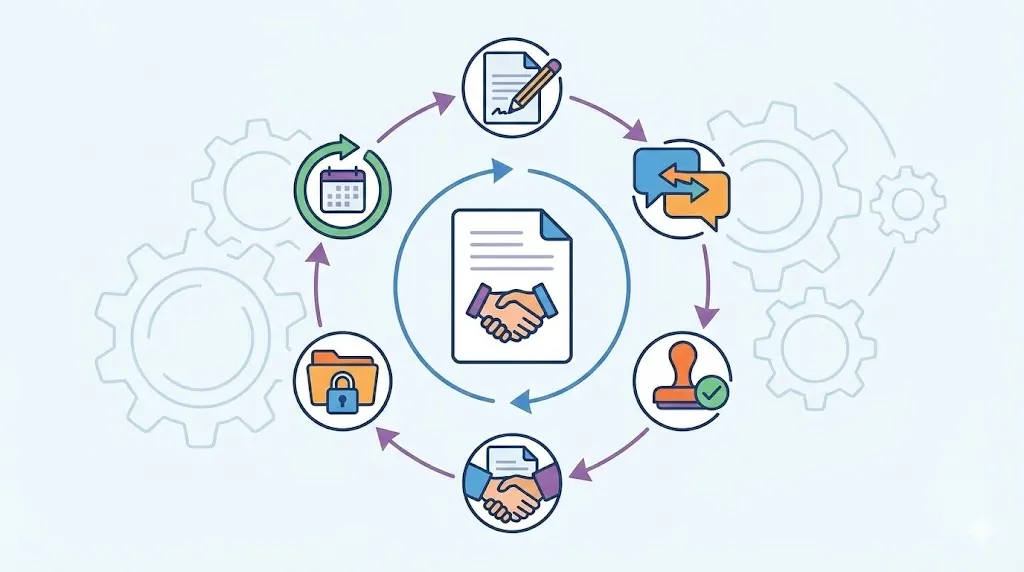
Once you establish protective measures, you must focus on the active lifecycle of the agreement. Operational clauses serve as the engine of your contract. They translate abstract promises into concrete milestones and measurable results. Without clear triggers, agreements often become stagnant or fail to meet expectations. Effective performance management starts with precise drafting and continues through ongoing oversight.
Structuring Termination for Convenience vs. Cause
Termination clauses provide the essential exit strategy for any business relationship. You should distinguish clearly between ending a contract for "cause" and ending it for "convenience." Termination for cause occurs when one party breaches their material obligations. Termination for convenience allows either party to exit without a specific reason, provided they give notice. Proper notice periods prevent sudden service gaps and allow for smooth transitions. Clear exit terms reduce the likelihood of costly litigation at the partnership's end.
Implementing Performance Milestones and Payment Terms
Contracts should function as roadmaps for successful project delivery. You achieve this by embedding specific performance milestones directly into the agreement. These milestones link progress to payment terms, ensuring funds are released only upon successful completion. For example, a software project might trigger a payment after successful testing. This structure incentivizes vendors to maintain high standards and meet deadlines. It also provides the finance department with predictable cash flow data.
Managing Renewal and Expiration Triggers
Many organizations lose revenue because they fail to track contract expiration dates. Evergreen clauses can automatically renew an agreement unless a party sends a cancellation notice. This can trap your company in an underperforming or overpriced partnership. You must establish a clear workflow for reviewing these renewal triggers in advance. Proactive renewal management allows you to renegotiate better terms or explore market options. Transitioning away from manual tracking ensures you never miss a critical deadline again.
Related Article: What is Contract Tracking? Your Guide to Contract Monitoring
The Role of Boilerplate Clauses in Legal Standardization
Legal professionals often refer to standard, non-negotiable provisions as boilerplate clauses. While these sections appear at the end of documents, they are not trivial. Boilerplate clauses provide the structural integrity and legal certainty for agreements to hold up in court. They define the rules of engagement for how the contract is interpreted. Standardizing these terms is a critical step toward achieving enterprise-wide compliance and efficiency.
Ensuring Agreement Integrity through Entire Agreement Clauses
The Entire Agreement clause prevents parties from relying on oral promises made during negotiations. It states that the written contract contains the final understanding between both parties. This protects your organization from disputes that arise years after a deal closes. If a promise is not in the final document, it effectively does not exist. Including this provision ensures all stakeholders work from a single source of truth. It creates a clear boundary that simplifies future legal interpretations.
The Importance of Severability for Document Longevity
Contracts are vulnerable to changes in local laws or unexpected judicial rulings. A Severability clause protects the entire agreement if a court finds one part unenforceable. Instead of the whole contract becoming void, the court simply removes the offending section. This allows the remaining legal obligations to continue functioning as intended. Without this protection, a single minor error could jeopardize a multi-million dollar relationship. Severability provides a vital safety net for long-term durability.
Selecting Governing Law and Jurisdiction
In a globalized economy, you must specify which laws will govern your agreement. The Governing Law clause identifies the standards used to interpret the contract’s terms. Similarly, the Jurisdiction clause names the specific court that will hear any disputes. Selecting a familiar and stable legal environment reduces the cost of potential litigation. It provides your legal team with a predictable framework for assessing risk. Clear venue selection is essential for managing cross-border operations effectively.
Related Article: What is the Role of Governing Law and Jurisdiction Clause?
Modernizing Clause Management through Digital Transformation
Traditional methods of managing contracts through paper and email are no longer sufficient. Digital transformation bridges the gap between static legal text and dynamic execution. This shift involves moving away from fragmented silos toward a centralized digital ecosystem. It allows you to treat every contract clause as a data point for strategic insight. By modernizing your approach, you turn the legal department into a driver of business velocity.
Transitioning from PDF Silos to Searchable Clause Libraries
Many organizations struggle because their contracts are trapped in unsearchable files. Digitizing your portfolio allows you to find specific terms across thousands of documents instantly. A centralized digital repository ensures all stakeholders have access to current information. You no longer need to spend hours searching for a specific provision. This instant access improves your ability to respond to regulatory changes. Transparency is the foundation of a proactive and compliant strategy.
Using Automation to Identify High-Risk Language
Manual contract review is a slow process that often delays critical deals. Technology-enabled processes can now scan agreements for non-standard or missing clauses in seconds. These systems use algorithms to flag unusual liabilities that human reviewers might miss. This allows your legal team to focus on the most complex sections. Automation ensures every contract aligns with governance standards before reaching the signing phase. It significantly reduces the human error factor in risk management.
Accelerating the Signing Process with Integrated Workflows
The final step in the contract lifecycle is execution, which is often a major bottleneck. Integrated digital workflows route documents for signature automatically based on approval chains. You can set specific sequences where a contract moves between department heads and executives. This replaces the chasing of signatures with a seamless, trackable process. Real-time dashboards show exactly where a contract sits at any moment. Faster execution leads to quicker revenue recognition and improved deal momentum.
Related Article: How to use AI for Contract Management: An Effective Guide
Conclusion: Transforming Contractual Integrity into Advantage
Mastering common contract clauses is more than a legal necessity. It is a strategic imperative for any scaling enterprise. By standardizing your language and automating oversight, you reduce friction and protect your bottom line. These provisions form the backbone of your commercial relationships and operational resilience. Effective management ensures that your agreements remain assets rather than liabilities. Every well-drafted clause strengthens the foundation of your business operations.
Modern legal teams no longer view contracts as static, paper-based documents. Instead, they treat every clause as a dynamic data point that drives business intelligence. Utilizing a centralized system allows you to monitor obligations and mitigate risks in real time. This digital transformation simplifies complex negotiations and accelerates your overall deal velocity. Staying ahead of contractual commitments empowers your organization to thrive in a competitive market. Embracing innovation is the final step toward true operational excellence.
Frequently Asked Questions
What is the difference between a condition and a clause?
A clause is a specific section within a contract addressing a particular topic. A condition is a type of clause that states a requirement for the contract to remain in effect.
Why is a Confidentiality clause essential in service agreements?
This clause protects sensitive business information and trade secrets shared during the partnership. It ensures neither party can disclose proprietary data to third parties without legal consequences.
Can a contract remain valid if one clause is found to be illegal?
Yes, if the contract includes a Severability clause. This provision states that if one part is invalid, the rest of the contract remains enforceable.
How does a Termination for Convenience clause work?
This clause allows parties to end the agreement for any reason, usually with a notice period. It provides flexibility to exit relationships that no longer serve strategic goals.
What are Boilerplate clauses, and are they really necessary?
Boilerplate refers to standardized language covering topics like jurisdiction and notices. They are vital because they provide the rules for how the agreement is interpreted and enforced.
About the Company

Volody AI CLM is an Agentic AI-powered Contract Lifecycle Management platform designed to eliminate manual contracting tasks, automate complex workflows, and deliver actionable insights. As a one-stop shop for all contract activities, it covers drafting, collaboration, negotiation, approvals, e-signature, compliance tracking, and renewals. Built with enterprise-grade security and no-code configuration, it meets the needs of the most complex global organizations. Volody AI CLM also includes AI-driven contract review and risk analysis, helping teams detect issues early and optimize terms. Trusted by Fortune 500 companies, high-growth startups, and government entities, it transforms contracts into strategic, data-driven business assets.





" height="216.72211px" id="FYO0bO80Y" transform="translate(3 6.105)" width="206.073px"/><path d="M 108.174 222 C 88.432 222 70.303 217.239 53.785 207.717 C 37.267 198.196 24.173 185.052 14.504 168.285 C 4.835 151.312 0 132.165 0 110.845 C 0 89.731 4.835 70.792 14.504 54.025 C 24.173 37.052 37.267 23.804 53.785 14.282 C 70.303 4.761 88.432 0 108.174 0 C 128.116 0 146.246 4.761 162.562 14.282 C 179.08 23.804 192.073 37.052 201.541 54.025 C 211.21 70.792 216.044 89.731 216.044 110.845 C 216.044 132.165 211.21 151.312 201.541 168.285 C 192.073 185.052 179.08 198.196 162.562 207.717 C 146.044 217.239 127.915 222 108.174 222 Z M 108.174 183.189 C 120.864 183.189 132.044 180.291 141.713 174.495 C 151.382 168.492 158.936 160.006 164.375 149.035 C 169.814 138.064 172.533 125.334 172.533 110.845 C 172.533 96.355 169.814 83.729 164.375 72.965 C 158.936 61.994 151.382 53.611 141.713 47.815 C 132.044 42.02 120.864 39.122 108.174 39.122 C 95.483 39.122 84.202 42.02 74.332 47.815 C 64.663 53.611 57.109 61.994 51.67 72.965 C 46.231 83.729 43.511 96.355 43.511 110.845 C 43.511 125.334 46.231 138.064 51.67 149.035 C 57.109 160.006 64.663 168.492 74.332 174.495 C 84.202 180.291 95.483 183.189 108.174 183.189 Z" fill="rgba(255, 255, 255, 0.12)" height="222px" id="aa1McFcE9" transform="translate(227.183 3)" width="216.04399999999998px"/><path d="M 42.302 182.257 L 111.799 182.257 L 111.799 216.722 L 0 216.722 L 0 0 L 42.302 0 Z" fill="rgba(255, 255, 255, 0.12)" height="216.72211px" id="yRq4AnrsX" transform="translate(477.721 6.105)" width="111.79899999999998px"/><path d="M 108.174 222 C 88.432 222 70.303 217.239 53.785 207.717 C 37.267 198.196 24.173 185.052 14.504 168.285 C 4.835 151.312 0 132.165 0 110.845 C 0 89.731 4.835 70.792 14.504 54.025 C 24.173 37.052 37.267 23.804 53.785 14.282 C 70.303 4.761 88.432 0 108.174 0 C 128.116 0 146.246 4.761 162.562 14.282 C 179.08 23.804 192.073 37.052 201.541 54.025 C 211.21 70.792 216.045 89.731 216.045 110.845 C 216.045 132.165 211.21 151.312 201.541 168.285 C 192.073 185.052 179.08 198.196 162.562 207.717 C 146.044 217.239 127.915 222 108.174 222 Z M 108.174 183.189 C 120.864 183.189 132.044 180.291 141.713 174.495 C 151.382 168.492 158.936 160.006 164.375 149.035 C 169.814 138.064 172.534 125.334 172.534 110.845 C 172.534 96.355 169.814 83.729 164.375 72.965 C 158.936 61.994 151.382 53.611 141.713 47.815 C 132.044 42.02 120.864 39.122 108.174 39.122 C 95.483 39.122 84.202 42.02 74.332 47.815 C 64.663 53.611 57.108 61.994 51.67 72.965 C 46.231 83.729 43.511 96.355 43.511 110.845 C 43.511 125.334 46.231 138.064 51.67 149.035 C 57.108 160.006 64.663 168.492 74.332 174.495 C 84.202 180.291 95.483 183.189 108.174 183.189 Z" fill="rgba(255, 255, 255, 0.12)" height="222px" id="mo8HQspQ0" transform="translate(609.155 3)" width="216.04500000000007px"/><path d="M 73.727 0 C 95.885 0 115.324 4.45 132.044 13.351 C 148.967 22.252 161.957 34.982 171.027 51.541 C 180.287 67.894 184.917 86.937 184.917 108.671 C 184.917 130.405 180.287 149.449 171.027 165.801 C 161.957 181.947 148.967 194.47 132.044 203.371 C 115.324 212.271 95.885 216.722 73.727 216.722 L 0 216.722 L 0 0 Z M 72.216 179.773 C 94.374 179.773 111.497 173.564 123.583 161.144 C 135.669 148.724 141.713 131.233 141.713 108.671 C 141.713 86.109 135.669 68.515 123.583 55.888 C 111.497 43.055 94.374 36.638 72.216 36.638 L 42.302 36.638 L 42.302 179.773 Z" fill="rgba(255, 255, 255, 0.12)" height="216.72211px" id="I3iXX5Hi_" transform="translate(859.693 6.105)" width="184.91699999999992px"/><path d="M 185.22 0 L 113.91 141.273 L 113.91 216.722 L 71.61 216.722 L 71.61 141.273 L 0 0 L 47.74 0 L 93.06 99.046 L 138.08 0 Z" fill="rgba(255, 255, 255, 0.12)" height="216.72211px" id="nzHyWC0_d" transform="translate(1061.78 6.105)" width="185.22000000000003px"/></svg>)