

Contracts form the backbone of business relationships, yet managing them remains a time-consuming, error-prone task. Contract AI archives offer a way to automate contract storage, retrieval, and analysis. Imagine a legal team that no longer wastes hours hunting for clauses or key dates buried in PDFs. Instead, they access a smart archive that pulls out critical details instantly, flags risks, and helps teams stay compliant. This article explains how contract AI archives work, their benefits, and how they fit into modern contract management.
Related Article: Contract Data Extraction: A Complete Guide for 2026
TL;DR
Automating contract storage and extracting metadata, AI-driven archives facilitate quicker access and more efficient analysis.
Additionally, key contract elements such as parties, dates, obligations, and risks are identified through AI, significantly reducing the need for manual review.
Intelligent search capabilities let users find contracts by content, not just file names or tags.
AI detects risky clauses and compliance gaps to improve contract governance.
To support audit readiness, these archives maintain comprehensive version histories and detailed logs.
The integration of AI archives into modern contract management software enhances workflows and alleviates legal bottlenecks.
What Are Contract AI Archives and Why Do They Matter?
Artificial intelligence has revolutionized contract repositories by enabling more sophisticated methods for storing, searching, and analyzing contractual documents. Instead of merely archiving contracts as fixed files, these systems leverage automated processes to extract and systematically categorize critical contract data. Additionally, this categorization includes comprehensive metadata such as the parties involved, effective dates, renewal terms, payment schedules, and key obligations.
AI algorithms scan contracts to identify clauses, flag unusual language, and highlight potential risks. This means legal teams spend less time manually reviewing documents and more time focusing on strategic decisions. The archive becomes a dynamic knowledge base rather than a static filing cabinet.
In many companies, contracts pile up across departments, systems, and formats. Without AI, finding a specific clause or tracking renewal dates can take hours or days. These intelligent systems address this challenge by indexing contract content and metadata for instant retrieval. This is especially important for compliance, audits, and risk management.
For example, a procurement team negotiating vendor agreements can quickly pull all contracts with specific liability clauses to compare terms. Or a legal team preparing for an audit can generate a report of all contracts expiring within 90 days. These capabilities reduce operational risk and improve contract lifecycle visibility.
Related articles: Contract Risk Analysis Strengthened By AI In Legal Ops
How Does AI Extract Metadata From Contracts?
Metadata extraction is the core of contract AI archives. Additionally, metadata refers to the structured data within a contract that facilitates its categorization and analysis. AI uses natural language processing (NLP) and machine learning to read contracts like a human but much faster.
Here is how AI metadata extraction typically works:
Document Ingestion: The system imports contracts from emails, file shares, or scanning paper documents using OCR (optical character recognition).
Text Parsing: AI breaks down the contract into sections, paragraphs, and sentences to understand structure.
Entity Recognition: The AI identifies key entities such as party names, dates, payment terms, jurisdictions, and contract types.
Clause Identification: It detects standard clauses like indemnity, termination, confidentiality, and renewal.
Data Structuring: Extracted data is organized into fields and stored in a database for easy querying.
Confidence Scoring: The AI assigns confidence levels to extracted data, flagging uncertain items for human review.
This process eliminates manual data entry and reduces errors. For example, instead of a paralegal reading 100 contracts to log expiration dates, the AI extracts all dates automatically. The legal team can then focus on exceptions or unusual terms.
According to a report by Deloitte, AI-powered metadata extraction can reduce contract review time by up to 60%. This efficiency gain helps legal departments handle larger volumes without increasing headcount.
Related articles: Contract Data Extraction: Unlocking Value from PDF Contracts
What Are the Benefits of Intelligent Search in Contract Archives?
Traditional contract storage relies on file names, folders, or basic keyword search. This approach often fails when contracts use different naming conventions or when users search for concepts rather than exact words.
Contract AI archives use semantic search and advanced filters to improve retrieval accuracy. Semantic search understands the meaning behind queries, not just matching keywords. For example, searching for "termination clause" will find contracts mentioning "end of agreement" or "contract cancellation" even if the exact phrase is missing.
Key benefits of intelligent search include:
Faster contract retrieval: Find the right document in seconds, even in large repositories.
Contextual results: Search results consider contract context, not just keywords.
Filtered queries: Narrow searches by metadata like contract type, date range, or party.
Clause-level search: Locate specific clauses across multiple contracts instantly.
Cross-format support: Search PDFs, Word documents, scanned images, and emails.
For example, a legal ops manager can search for all contracts with non-compete clauses expiring next quarter. The AI will return relevant contracts and highlight the exact clause text. This speeds up contract renewals and risk assessments.
Gartner notes that AI-driven search reduces time spent on contract discovery by 30% to 50%. This frees up legal teams to focus on negotiation and compliance rather than document hunting.
Related articles: AI for Legal Documents: Your Essential Guide
How Does AI Help Identify Contract Risks?
Risk management is a critical part of contract review. Additionally, manual review frequently overlooks subtle risks or inconsistent language. AI enhances risk detection by analyzing contract language against predefined rules and best practices.
AI risk analysis involves:
Clause risk scoring: Assigning risk levels to clauses based on language patterns and deviations from approved templates.
Policy compliance checks: Verifying if contracts comply with company policies and regulatory requirements.
Anomaly detection: Flagging unusual terms, missing provisions, or contradictory clauses.
Obligation tracking: Identifying deliverables, penalties, and renewal conditions that pose risks.
Historical comparison: Comparing current contracts to past versions or industry standards to spot changes.
For example, AI can flag a contract that waives liability without proper insurance clauses, or one that lacks mandatory data privacy provisions. Legal teams receive alerts to review these risks before signing.
This proactive approach reduces exposure to financial penalties, litigation, and reputational damage. According to McKinsey, AI-powered contract risk analysis can cut legal risks by up to 40%.
Related articles: How to Simplify Contract Review with AI? Comprehensive Guide
What Are the Challenges in Maintaining Contract AI Archives?
While contract AI archives offer many benefits, organizations face challenges when adopting and maintaining them. Additionally, recognizing these obstacles is crucial for planning an effective implementation.
Data Quality and Consistency
Contracts vary widely in format, language, and complexity. Poorly scanned documents or inconsistent templates reduce AI accuracy. Organizations must clean and standardize contract data for better results.
Integration With Existing Systems
Contract archives need to connect with ERP, CRM, procurement, and document management systems. Integration complexity can delay deployment and reduce user adoption.
User Training and Change Management
Legal and business teams must learn to trust AI outputs and use new search and review tools. Resistance to change can slow adoption.
Security and Compliance
Contract archives contain sensitive data. Organizations must ensure strong access controls, encryption, and audit trails to meet compliance requirements.
Ongoing Model Training
AI models require continuous training with new contract data to maintain accuracy. This requires dedicated resources and expertise.
Cost and ROI Measurement
Implementing AI archives involves upfront costs. Measuring return on investment through efficiency gains and risk reduction is essential for justification.
Organizations that address these challenges upfront achieve better outcomes. For example, involving legal, IT, and business stakeholders early helps align expectations and workflows.
Related articles: 8 Strategies to reduce cost for AI Contract Management
How Contract AI Archives Support Audit and Compliance
Audits and regulatory compliance demand quick access to contract data and proof of governance. Additionally, the archive system powered by Contract AI offers functionalities that streamline both audit preparation and the continuous oversight required for compliance.
Key capabilities include:
Version control and audit trails: Every contract revision and user action is logged with precise timestamps, enabling comprehensive traceability.
Automated reporting: The system generates in-depth analyses encompassing contract status, approval workflows, and risk assessments to support informed decision-making.
Policy enforcement: It systematically ensures contracts conform to established templates and comply with relevant legal standards.
Obligation management: Critical deadlines, renewal schedules, and compliance milestones are monitored proactively through timely alerts.
Secure access controls: Manage permissions to limit contract access and modification rights according to organizational roles or departmental boundaries.
For example, during a financial audit, the legal team can quickly produce a list of contracts with payment terms and renewal dates. This reduces audit preparation time from weeks to hours.
According to PwC, companies using AI-enabled contract management report 25% fewer compliance issues during audits. This underscores how AI-driven archiving solutions enhance governance and regulatory adherence.
Related articles: AI in Law: Smart Contracts & Legal Automation Tools
Why Contract Management Software Matters
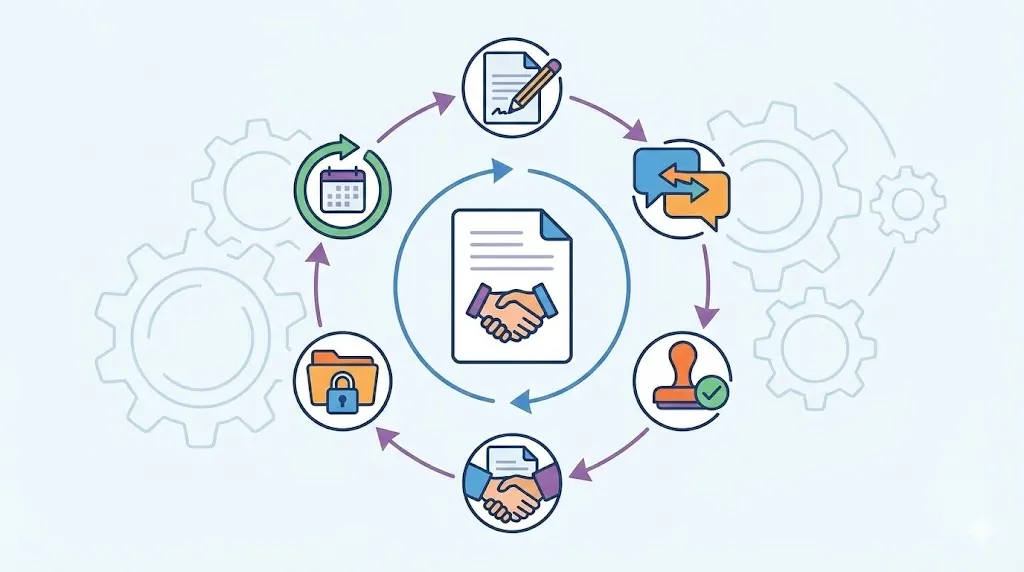
Contract management solutions centralize contract creation, negotiation, execution, and storage. Additionally, integrating AI-enhanced archives within these platforms further advances contract analytics and streamlines operational workflows.
Such platforms generally feature:
Template libraries and standardized clauses to ensure consistency in drafting.
Approval workflows that automate and accelerate sign-offs.
Electronic signature capabilities to facilitate quicker execution.
Centralized repositories equipped with advanced metadata extraction and powerful search functions.
Risk assessment and compliance monitoring modules designed for prompt issue detection.
Obligation tracking integrated with alert systems to avoid missed deadlines.
These capabilities reduce manual effort, foster collaboration, and improve visibility across contract lifecycles. Moreover, the incorporation of AI archives guarantees thorough search capabilities alongside continuous evaluation of contractual risks.
Moreover, managing complex legal workflows requires a centralized and intelligent solution. Volody's contract management software incorporates AI-driven contract drafting, review, metadata extraction, and risk evaluation. It supports collaboration, version control, and obligation tracking within a single platform.
Interested in seeing how Volody’s platform can streamline your legal workflows? Check out Volody's CLM Software.
FAQ
What types of contracts can AI-empowered archives process?
These archives empowered by AI can handle a wide variety of contract forms, including sales agreements, NDAs, vendor contracts, employment contracts, leases, and others. The underlying AI adapts to various contract categories by identifying standard clauses and extracting pertinent metadata for each type. Furthermore, this versatility enables efficient management of diverse contract portfolios.
How accurate is metadata extraction powered by AI?
The precision depends on the document's quality and the AI model's sophistication. Modern AI solutions generally attain accuracy rates between 85% and 95% on well-formatted contracts. Confidence scoring mechanisms highlight uncertain data points for human validation. Ongoing model retraining with additional contract samples enhances accuracy over time.
Can AI-based contract archives integrate with other business systems?
Yes, the majority of these AI-driven archives provide APIs and connectors to interface with ERP, CRM, procurement, and document management systems. Also, such integration facilitates seamless data exchange across platforms, enabling workflows like purchase order reconciliation and compliance verification.
How do AI archives improve contract renewal management?
AI technology automatically identifies renewal deadlines and notice periods, then generates alerts before critical dates. This helps mitigate risks associated with missed renewals or unintended auto-renewals that could adversely affect the organization. Teams are better equipped to anticipate renewals and negotiate terms proactively.
Is the AI in contract archives customizable?
Many solutions allow configuration of legal playbooks, risk rules, and clause libraries to match company policies. Therefore, users can train AI models with their own contract data to improve relevance. Customization ensures AI outputs align with organizational standards.
Therefore, what security measures protect contract AI archives?
Contract repositories employ role-based access controls, encryption both at rest and in transit, multi-factor authentication, and comprehensive audit logs. These safeguards protect sensitive contract information and ensure compliance with standards such as GDPR and HIPAA.
How are legacy contracts managed within AI-enabled archives?
Legacy contracts, often in scanned PDFs or paper, are digitized using OCR technology. AI then extracts metadata and indexes content for search. Bulk import tools expedite migration from file shares or email archives into the AI-enabled repository.
Can AI detect contract anomalies or fraud?
Consequently, aI can flag unusual clauses, missing mandatory terms, or inconsistent language that may indicate errors or fraud. While AI does not replace human judgment, it highlights areas needing closer review, improving risk management.
What is the typical ROI for implementing contract AI archives?
Return on investment varies according to organizational scale and contract volume. Typical improvements include a 30% to 60% reduction in contract review durations, fewer compliance violations, and accelerated contract cycles. These benefits translate into cost savings, mitigated legal exposure, and enhanced operational agility.
How do AI-enhanced contract repositories support collaboration?
These repositories typically include features for commenting, version control, and workflow tracking. Legal and corporate teams can collaboratively review contracts, monitor edits, and approve documents directly within the system. This minimizes reliance on email chains and expedites consensus-building.
About the Company

Volody AI CLM is an Agentic AI-powered Contract Lifecycle Management platform designed to eliminate manual contracting tasks, automate complex workflows, and deliver actionable insights. As a one-stop shop for all contract activities, it covers drafting, collaboration, negotiation, approvals, e-signature, compliance tracking, and renewals. Built with enterprise-grade security and no-code configuration, it meets the needs of the most complex global organizations. Volody AI CLM also includes AI-driven contract review and risk analysis, helping teams detect issues early and optimize terms. Trusted by Fortune 500 companies, high-growth startups, and government entities, it transforms contracts into strategic, data-driven business assets.





" height="216.72211px" id="FYO0bO80Y" transform="translate(3 6.105)" width="206.073px"/><path d="M 108.174 222 C 88.432 222 70.303 217.239 53.785 207.717 C 37.267 198.196 24.173 185.052 14.504 168.285 C 4.835 151.312 0 132.165 0 110.845 C 0 89.731 4.835 70.792 14.504 54.025 C 24.173 37.052 37.267 23.804 53.785 14.282 C 70.303 4.761 88.432 0 108.174 0 C 128.116 0 146.246 4.761 162.562 14.282 C 179.08 23.804 192.073 37.052 201.541 54.025 C 211.21 70.792 216.044 89.731 216.044 110.845 C 216.044 132.165 211.21 151.312 201.541 168.285 C 192.073 185.052 179.08 198.196 162.562 207.717 C 146.044 217.239 127.915 222 108.174 222 Z M 108.174 183.189 C 120.864 183.189 132.044 180.291 141.713 174.495 C 151.382 168.492 158.936 160.006 164.375 149.035 C 169.814 138.064 172.533 125.334 172.533 110.845 C 172.533 96.355 169.814 83.729 164.375 72.965 C 158.936 61.994 151.382 53.611 141.713 47.815 C 132.044 42.02 120.864 39.122 108.174 39.122 C 95.483 39.122 84.202 42.02 74.332 47.815 C 64.663 53.611 57.109 61.994 51.67 72.965 C 46.231 83.729 43.511 96.355 43.511 110.845 C 43.511 125.334 46.231 138.064 51.67 149.035 C 57.109 160.006 64.663 168.492 74.332 174.495 C 84.202 180.291 95.483 183.189 108.174 183.189 Z" fill="rgba(255, 255, 255, 0.12)" height="222px" id="aa1McFcE9" transform="translate(227.183 3)" width="216.04399999999998px"/><path d="M 42.302 182.257 L 111.799 182.257 L 111.799 216.722 L 0 216.722 L 0 0 L 42.302 0 Z" fill="rgba(255, 255, 255, 0.12)" height="216.72211px" id="yRq4AnrsX" transform="translate(477.721 6.105)" width="111.79899999999998px"/><path d="M 108.174 222 C 88.432 222 70.303 217.239 53.785 207.717 C 37.267 198.196 24.173 185.052 14.504 168.285 C 4.835 151.312 0 132.165 0 110.845 C 0 89.731 4.835 70.792 14.504 54.025 C 24.173 37.052 37.267 23.804 53.785 14.282 C 70.303 4.761 88.432 0 108.174 0 C 128.116 0 146.246 4.761 162.562 14.282 C 179.08 23.804 192.073 37.052 201.541 54.025 C 211.21 70.792 216.045 89.731 216.045 110.845 C 216.045 132.165 211.21 151.312 201.541 168.285 C 192.073 185.052 179.08 198.196 162.562 207.717 C 146.044 217.239 127.915 222 108.174 222 Z M 108.174 183.189 C 120.864 183.189 132.044 180.291 141.713 174.495 C 151.382 168.492 158.936 160.006 164.375 149.035 C 169.814 138.064 172.534 125.334 172.534 110.845 C 172.534 96.355 169.814 83.729 164.375 72.965 C 158.936 61.994 151.382 53.611 141.713 47.815 C 132.044 42.02 120.864 39.122 108.174 39.122 C 95.483 39.122 84.202 42.02 74.332 47.815 C 64.663 53.611 57.108 61.994 51.67 72.965 C 46.231 83.729 43.511 96.355 43.511 110.845 C 43.511 125.334 46.231 138.064 51.67 149.035 C 57.108 160.006 64.663 168.492 74.332 174.495 C 84.202 180.291 95.483 183.189 108.174 183.189 Z" fill="rgba(255, 255, 255, 0.12)" height="222px" id="mo8HQspQ0" transform="translate(609.155 3)" width="216.04500000000007px"/><path d="M 73.727 0 C 95.885 0 115.324 4.45 132.044 13.351 C 148.967 22.252 161.957 34.982 171.027 51.541 C 180.287 67.894 184.917 86.937 184.917 108.671 C 184.917 130.405 180.287 149.449 171.027 165.801 C 161.957 181.947 148.967 194.47 132.044 203.371 C 115.324 212.271 95.885 216.722 73.727 216.722 L 0 216.722 L 0 0 Z M 72.216 179.773 C 94.374 179.773 111.497 173.564 123.583 161.144 C 135.669 148.724 141.713 131.233 141.713 108.671 C 141.713 86.109 135.669 68.515 123.583 55.888 C 111.497 43.055 94.374 36.638 72.216 36.638 L 42.302 36.638 L 42.302 179.773 Z" fill="rgba(255, 255, 255, 0.12)" height="216.72211px" id="I3iXX5Hi_" transform="translate(859.693 6.105)" width="184.91699999999992px"/><path d="M 185.22 0 L 113.91 141.273 L 113.91 216.722 L 71.61 216.722 L 71.61 141.273 L 0 0 L 47.74 0 L 93.06 99.046 L 138.08 0 Z" fill="rgba(255, 255, 255, 0.12)" height="216.72211px" id="nzHyWC0_d" transform="translate(1061.78 6.105)" width="185.22000000000003px"/></svg>)