

Inefficient tracking of contract milestones results in missed deadlines, payment delays, and weakened business relationships. Without a structured system to monitor progress, projects risk stalling unnoticed, leading to budget overruns and compliance issues. Traditional methods like spreadsheets and email reminders are inadequate at scale and increase the likelihood of critical milestones being overlooked.
Implementing a disciplined, systematic approach to contract milestone management mitigates these risks by establishing clear objectives, defined ownership, and centralized tracking tools. This framework enables teams to identify delays early, act decisively, and ensure payments correspond with completed deliverables, minimizing disputes. Mastering milestone tracking enhances project outcomes, safeguards revenue, and fosters trust with partners.
This comprehensive guide details practical steps to define, assign, and monitor contract milestones effectively. It covers automation, proof of completion, and ongoing reviews, empowering you to maintain control and drive contracts to successful completion.
TL;DR
Contract milestones mark key progress points in contracts. Poor tracking leads to missed deadlines and payment delays. A clear system defines measurable milestones, assigns owners, and uses centralized tracking tools. Automating alerts helps teams act before issues grow. Regular reviews and proof of completion keep milestones reliable. This step-by-step guide shows how to manage contract milestones effectively to avoid slips and drive success.
Related articles: Legacy Contracts: How to Effectively Migrate to a CLM
Prerequisites and Setup
Essential Tools and Software Requirements
Before tracking contract milestones, set up the right tools. Contract milestone tracking software is critical. Look for platforms that offer centralized dashboards, automated alerts, and easy integration with your existing systems. These tools help you see all milestones in one place and reduce manual follow-up.
Popular contract management platforms often include milestone tracking modules. They provide visual timelines and status updates. You should also consider software that supports contract milestone compliance checklists. These checklists ensure every milestone meets the contract’s terms before closure.
Besides software, secure access to your contract documents. Digital copies must be organized and searchable. Cloud-based storage combined with contract management tools enables seamless access and collaboration.
Stakeholder Access and Permissions
Grant milestone tracking access only to relevant stakeholders. This includes contract managers, project leads, finance teams, and legal advisors. Assign user roles carefully to avoid unauthorized changes. Proper permissions help maintain data integrity.
Stakeholders should have clear visibility into milestones they own or influence. This transparency encourages accountability. For example, a project manager may get alerts for deliverable deadlines, while finance monitors payment schedules.
Communicate upfront who is responsible for updating milestone progress. Clarify escalation paths if milestones risk delay. Setting these expectations reduces confusion and speeds problem resolution.
Avoiding Common Setup Pitfalls
Many teams stumble by setting up milestone tracking without a clear plan. Avoid these common errors:
Overloading the system with too many milestones. Focus on key, measurable points tied to contract actions. Excess milestones dilute attention.
Using generic milestone definitions. Vague milestones cause confusion. Be specific about what completion looks like.
Neglecting integration with other tools. If your milestone system works alone, teams may duplicate effort or miss updates.
Failing to train users. Even the best tools fall short if users don’t understand how to update or respond to milestones.
Take time to map out your setup. Define which contracts will use milestone tracking and who will oversee it. Start small if needed, then scale once processes stabilize.
Related articles: 10 Key Contract Clauses Every Business Should Know in 2026
Step 1: Define Clear, Measurable Milestones Tied to Contractual Actions
Characteristics of Effective Milestones
Effective contract milestones are clear, measurable, and actionable. They mark meaningful progress points that both parties agree on. Each milestone should have a specific deliverable or event tied to it. Avoid vague phrases like “Phase 1 complete” without details.
Good milestones are time-bound and verifiable. For example, “Delivery of final software prototype by June 15” is better than “Prototype delivered.” This clarity prevents disputes and sets a clear pass/fail test for milestone completion.
Measurable milestones also help monitor progress objectively. You can track if the milestone is on time or delayed. This enables timely intervention before problems escalate.
Linking Milestones to Payments and Deliverables
Link each milestone to a contractual action such as payment release, approval, or delivery. This connection aligns incentives and enforces accountability. For instance, you might have a milestone for “Client signs off on user acceptance testing,” triggering a payment.
Mapping payment schedules to contract milestones keeps cash flow predictable. It also protects your business from paying for incomplete work. Contract milestone payment schedules should be explicit in the contract to avoid ambiguity.
Similarly, deliverables tied to milestones clarify what must be produced. That might include reports, prototypes, or installation completion. Both sides can verify these deliverables before moving to the next stage.
Documenting Milestones in the Contract
Write every milestone explicitly in the contract. Use a table or appendix listing each milestone with:
Description of the milestone
Date or timeframe
Deliverables or criteria for completion
Payment or action linked to the milestone
This documentation serves as the official reference. It reduces misunderstandings and supports enforcement if disputes arise.
Ensure all parties review and sign off on the milestones. This agreement builds shared expectations. Avoid adding milestones informally after contract signing without formal amendments.
Related articles: 20 Key Contract Clauses Every Business Should Know in 2026
Step 2: Assign Ownership and Accountability for Each Milestone
Identifying Responsible Parties
Assign a clear owner for every contract milestone. This person or team manages progress and updates status. Ownership drives accountability and ensures milestones do not get overlooked.
Owners can be internal project managers, contract administrators, or vendor contacts depending on the milestone type. For example, the legal team might own compliance milestones, while the delivery team manages shipment milestones.
List each milestone owner in your tracking system. This helps stakeholders know who to contact for updates or issues.
Communicating Roles and Responsibilities
Make sure all owners understand their duties. Communicate expectations clearly, including:
What actions they must take to complete the milestone
How and when to update the milestone status
Whom to notify if risks arise
Regular communication channels help owners stay informed and engaged. For example, hold milestone review meetings or send summary reports.
Clear roles reduce finger-pointing and improve collaboration. Everyone knows their part in moving the contract forward.
Tracking Accountability Over Time
Keep an audit trail of milestone updates and communications. Your tracking system should log who updated what and when. This data helps resolve disputes and supports performance reviews.
Review milestone ownership regularly. If an owner leaves or shifts roles, assign a new responsible party promptly. Milestones without owners are likely to slip.
Tracking accountability over time strengthens your control over contract progress. It also builds a culture of responsibility throughout the team.
Step 3: Select and Configure a Centralized Tracking System
Evaluating Contract Management Platforms
Choose a contract management platform that supports contract milestone tracking. Key features to evaluate include:
Centralized contract milestone dashboard
Automated contract milestone alerts
Customizable milestone fields and statuses
Integration with project management, finance, or ERP tools
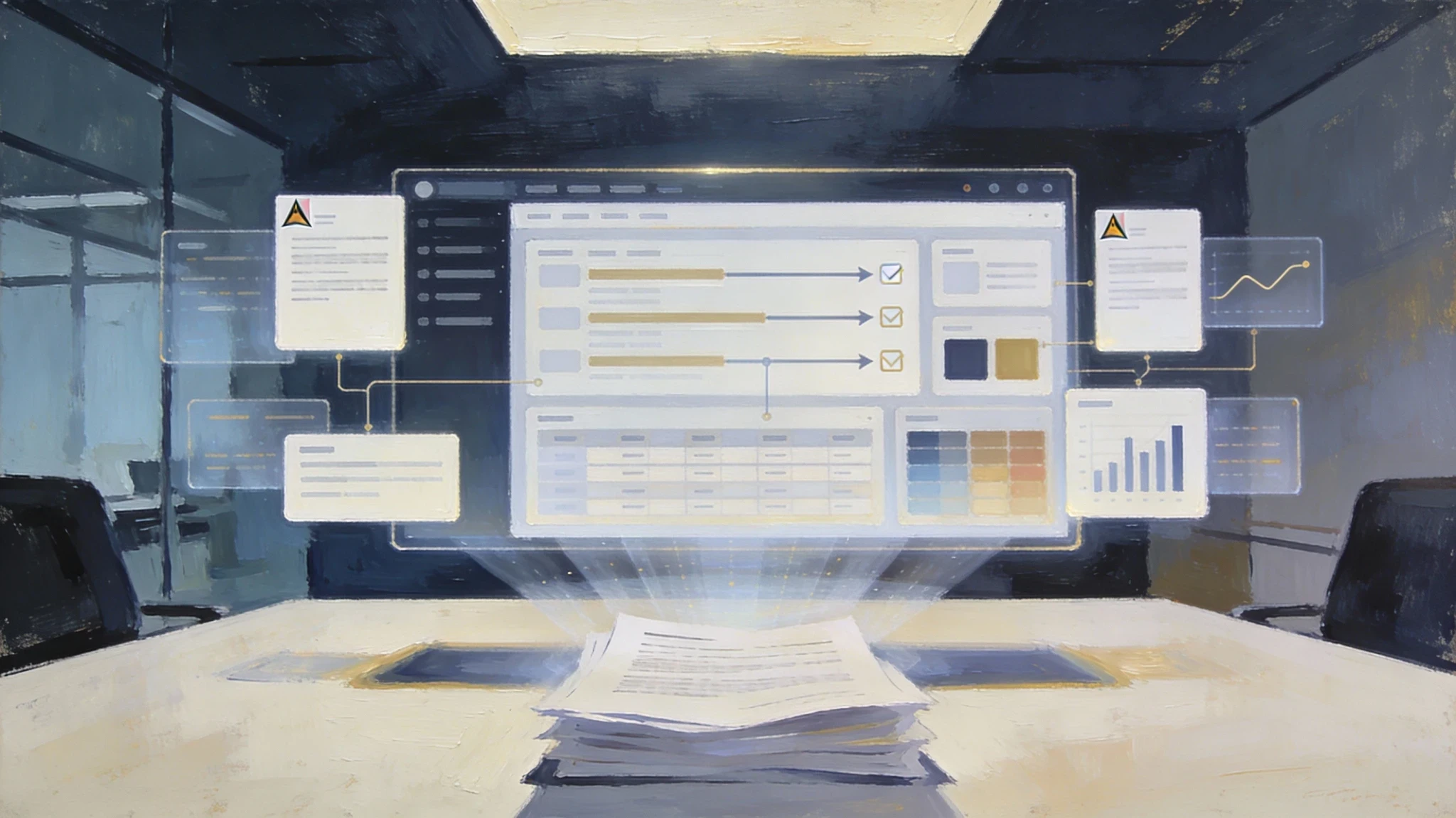
Top contract milestone tracking tools often offer visual timelines and reporting capabilities. These views help teams quickly assess progress and spot risks.
Consider vendor reputation, ease of use, and support services. A user-friendly system increases adoption and reduces training time.
Customizing Tracking Dashboards
Configure your dashboard to show the most relevant data for your team. Typical dashboard elements include:
Upcoming milestones sorted by due date
Overdue or at-risk milestones highlighted
Milestone status summaries by contract or owner
Payment schedules linked to milestones
Dashboards should be customizable per user role. For example, finance might want to see payment milestone status, while project managers focus on deliverables.
Use filters and alerts to keep the dashboard uncluttered and actionable.
Integrating with Existing Tools
Integrate your milestone tracking system with existing workflows. Common integrations include:
Calendar apps for reminders
Email systems for alerts
ERP or accounting software for payment tracking
Project management tools for task alignment
Integrations reduce manual data entry and the risk of missed updates. They also keep teams working within familiar tools, increasing efficiency.
Plan integrations early to avoid costly retrofits later. Test connections thoroughly before full rollout.
Feature | Importance | Notes |
|---|---|---|
Centralized Dashboard | High | Provides real-time milestone visibility |
Automated Alerts | High | Prevents missed deadlines |
Custom Fields | Medium | Supports unique milestone details |
Integration Capabilities | High | Connects with finance, PM tools |
User Role Customization | Medium | Tailors views to stakeholder needs |
Step 4: Set Up Automated Alerts and Reminders
Types of Alerts and Notification Settings
Automated contract milestone alerts keep teams on schedule. Common alert types include:
Upcoming deadline reminders (e.g., 7 days before)
Overdue milestone notifications
Escalation alerts if no response after a set time
Completion confirmations
Allow users to choose their preferred notification channel: email, SMS, or in-app. This flexibility improves response rates.
Set priority levels for alerts to focus attention on critical milestones.
Scheduling and Escalation Rules
Create a clear schedule for alerts. For example:
Initial reminder 10 days before milestone due date
Follow-up reminder 3 days before due date
Escalation alert to manager if milestone is overdue by 2 days
Escalation rules ensure that if the owner misses alerts, supervisors are notified. This prevents silent delays.
Document these rules in your contract milestone management best practices guide.
Ensuring Timely Response to Alerts
Alerts must prompt action, not just notifications. Train milestone owners to:
Confirm receipt of alerts
Update milestone status promptly
Communicate blockers or risks immediately
Track alert response times in your system. Identify and address users who consistently miss alerts.
Timely responses reduce risk and keep contracts moving forward.
Step 5: Implement Proof of Completion to Close Milestones Officially
Defining Acceptable Proof of Completion
Each milestone needs clear criteria to confirm completion. Acceptable proof varies by milestone type but may include:
Signed delivery receipts
Approval emails or acceptance forms
Quality assurance reports
Payment confirmations
Defining these proof types upfront avoids disputes. Both parties must agree on what counts as valid evidence.
Recording and Storing Completion Evidence
Use your contract management system to store proof documents linked to each milestone. This central record keeps all evidence accessible for audits or reviews.
Digital signatures and timestamps strengthen the validity of proof. Avoid paper-only records that can be lost or altered.
Encourage owners to upload evidence immediately upon milestone completion.
Formalizing Milestone Closure Procedures
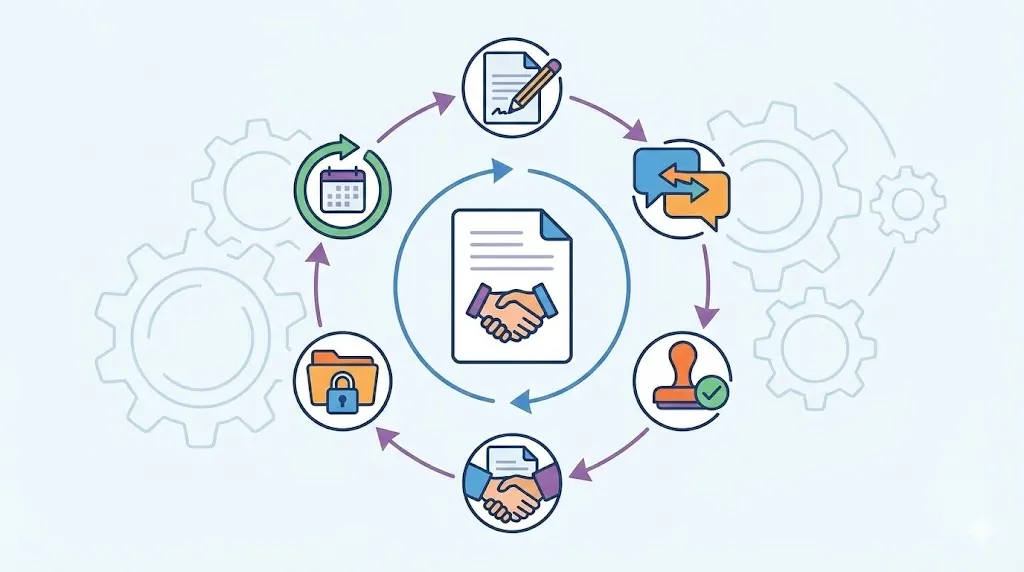
Establish a formal process for closing milestones, such as:
Owner submits proof of completion.
Contract manager reviews and verifies proof.
Stakeholders approve milestone closure.
System marks milestone as closed and triggers next steps.
Formal closure ensures milestones do not remain open indefinitely. It also triggers payment releases or subsequent milestones.
Document these procedures in your contract milestone compliance checklist.
Step 6: Conduct Regular Reviews and Link Tracking to Renewals and Amendments
Scheduling Periodic Milestone Reviews
Set recurring milestone review meetings. Frequency depends on contract length and complexity but often is monthly or quarterly.
During reviews, assess:
Completed milestones
Upcoming deadlines
Risks or delays
Changes in scope affecting milestones
These sessions keep stakeholders aligned and allow early course correction.
Using Milestone Data to Inform Renewals
Milestone tracking data supports contract renewals. Analyze completed milestones to evaluate vendor performance and contract value.
Use milestone history to negotiate better terms or adjust future contracts. For example, missed milestones may justify stricter penalties or different payment schedules.
Link milestone dashboards to renewal workflows to streamline decision-making.
Adjusting Milestones Through Amendments
Contracts evolve. When changes occur, update milestones accordingly. Amendments may:
Add new milestones for additional work
Modify dates or deliverables
Remove obsolete milestones
Ensure amendments receive written approval from all parties. Update your tracking system immediately to reflect changes.
Regular milestone reviews help catch needed amendments early, avoiding surprises.
Related Article: Spreadsheets vs CLM: Which Is Better for Contracts in 2026?
Common Mistakes and How to Fix Them
Overcomplicating Milestone Definitions
A common error is creating too many or overly detailed milestones. This clutters tracking and confuses teams. Simplify milestones by focusing on key deliverables and payment triggers.
If milestones feel overwhelming, group related tasks into one milestone. Keep language clear and measurable. This improves focus and speeds updates.
Neglecting Automation and Digital Tools
Relying on manual tracking leads to errors and missed alerts. Many teams skip automation due to cost or change resistance. However, automated contract milestone alerts and centralized dashboards drastically reduce slips.
Invest in contract milestone tracking software early. Train users on how automation supports their work. This saves time and prevents costly mistakes.
Quick Diagnostic Checklist for Common Errors
Are milestones clearly defined and measurable?
Is every milestone assigned an owner?
Do you have a centralized dashboard showing all milestones?
Are automated alerts set up and working?
Is proof of completion documented and stored?
Do you review milestones regularly and update as needed?
If you answered no to any, address that gap immediately. Small fixes here prevent major issues later.
Conclusion
Effective contract milestone tracking is essential to maintaining project momentum and financial discipline. By establishing clear, measurable milestones linked to payments and deliverables, and assigning dedicated ownership, organizations ensure accountability and timely progress. Leveraging centralized dashboards and automated alerts provides real-time visibility and proactive risk management. Formalizing proof of completion safeguards all parties and streamlines milestone closure. Regular reviews connect milestone performance to contract renewals and amendments, keeping agreements aligned with evolving business needs.
To elevate your contract management, begin with a thorough audit of your current milestone processes. Identify gaps in definitions, ownership, tools, and automation. Then implement a contract milestone tracking solution tailored to your operational requirements. Configure dashboards and alerts to fit your workflows and train stakeholders accordingly.
Adopting this disciplined approach can reduce milestone slippage by up to 40%, according to the International Association for Contract & Commercial Management (IACCM). While new systems may seem complex initially, well-designed platforms simplify management and save valuable time.
Looking forward, integrating AI-driven analytics with milestone tracking will further enhance predictive risk management and contract optimization. For now, mastering these foundational practices ensures your contracts remain on track and deliver consistent value without unexpected setbacks.
Frequently Asked Questions
What are contract milestones?
Contract milestones are specific points in a contract timeline that mark significant progress. They usually tie to deliverables, payments, or approvals. These milestones break a project into clear stages, helping teams track progress and meet deadlines.
Why is tracking contract milestones important?
Tracking milestones prevents missed deadlines, delayed payments, and compliance failures. It keeps projects aligned with contract terms and helps manage risks. Good tracking improves communication and enforces accountability.
How do I define effective contract milestones?
Define milestones as clear, measurable events tied to contract actions. Avoid vague terms. Include deadlines, deliverables, and linked payments. Make sure all parties agree on these definitions before signing.
What tools help with contract milestone tracking?
Contract milestone tracking software offers dashboards, automated alerts, and integration with other systems. Examples include SirionLabs, SpotDraft, and Contracko. Choose tools that allow customization and centralized visibility.
How can I automate contract milestone alerts?
Set up notifications for upcoming deadlines, overdue milestones, and escalations. Use your contract management platform’s alert features or integrate with email and calendar apps. Automating alerts ensures timely responses.
Who should own each contract milestone?
Assign ownership to individuals or teams responsible for completing and updating each milestone. Owners can be project managers, contract administrators, or vendor contacts depending on the milestone.
What counts as proof of milestone completion?
Proof varies by milestone but can include signed delivery receipts, approval emails, quality reports, or payment confirmations. Store these documents digitally linked to each milestone.
How often should I review contract milestones?
Schedule periodic reviews monthly or quarterly depending on contract complexity. Reviews assess progress, identify risks, and update milestones as needed.
Can contract milestones be changed after signing?
Yes, through formal contract amendments approved by all parties. Amendments update milestone dates, deliverables, or add/remove milestones. Always document changes clearly.
What are common mistakes in contract milestone management?
Common errors include vague milestone definitions, lack of ownership, ignoring automation, and failing to review regularly. Avoid these by simplifying milestones, assigning clear roles, using digital tools, and conducting frequent checks.
About the Company

Volody AI CLM is an Agentic AI-powered Contract Lifecycle Management platform designed to eliminate manual contracting tasks, automate complex workflows, and deliver actionable insights. As a one-stop shop for all contract activities, it covers drafting, collaboration, negotiation, approvals, e-signature, compliance tracking, and renewals. Built with enterprise-grade security and no-code configuration, it meets the needs of the most complex global organizations. Volody AI CLM also includes AI-driven contract review and risk analysis, helping teams detect issues early and optimize terms. Trusted by Fortune 500 companies, high-growth startups, and government entities, it transforms contracts into strategic, data-driven business assets.




" height="216.72211px" id="FYO0bO80Y" transform="translate(3 6.105)" width="206.073px"/><path d="M 108.174 222 C 88.432 222 70.303 217.239 53.785 207.717 C 37.267 198.196 24.173 185.052 14.504 168.285 C 4.835 151.312 0 132.165 0 110.845 C 0 89.731 4.835 70.792 14.504 54.025 C 24.173 37.052 37.267 23.804 53.785 14.282 C 70.303 4.761 88.432 0 108.174 0 C 128.116 0 146.246 4.761 162.562 14.282 C 179.08 23.804 192.073 37.052 201.541 54.025 C 211.21 70.792 216.044 89.731 216.044 110.845 C 216.044 132.165 211.21 151.312 201.541 168.285 C 192.073 185.052 179.08 198.196 162.562 207.717 C 146.044 217.239 127.915 222 108.174 222 Z M 108.174 183.189 C 120.864 183.189 132.044 180.291 141.713 174.495 C 151.382 168.492 158.936 160.006 164.375 149.035 C 169.814 138.064 172.533 125.334 172.533 110.845 C 172.533 96.355 169.814 83.729 164.375 72.965 C 158.936 61.994 151.382 53.611 141.713 47.815 C 132.044 42.02 120.864 39.122 108.174 39.122 C 95.483 39.122 84.202 42.02 74.332 47.815 C 64.663 53.611 57.109 61.994 51.67 72.965 C 46.231 83.729 43.511 96.355 43.511 110.845 C 43.511 125.334 46.231 138.064 51.67 149.035 C 57.109 160.006 64.663 168.492 74.332 174.495 C 84.202 180.291 95.483 183.189 108.174 183.189 Z" fill="rgba(255, 255, 255, 0.12)" height="222px" id="aa1McFcE9" transform="translate(227.183 3)" width="216.04399999999998px"/><path d="M 42.302 182.257 L 111.799 182.257 L 111.799 216.722 L 0 216.722 L 0 0 L 42.302 0 Z" fill="rgba(255, 255, 255, 0.12)" height="216.72211px" id="yRq4AnrsX" transform="translate(477.721 6.105)" width="111.79899999999998px"/><path d="M 108.174 222 C 88.432 222 70.303 217.239 53.785 207.717 C 37.267 198.196 24.173 185.052 14.504 168.285 C 4.835 151.312 0 132.165 0 110.845 C 0 89.731 4.835 70.792 14.504 54.025 C 24.173 37.052 37.267 23.804 53.785 14.282 C 70.303 4.761 88.432 0 108.174 0 C 128.116 0 146.246 4.761 162.562 14.282 C 179.08 23.804 192.073 37.052 201.541 54.025 C 211.21 70.792 216.045 89.731 216.045 110.845 C 216.045 132.165 211.21 151.312 201.541 168.285 C 192.073 185.052 179.08 198.196 162.562 207.717 C 146.044 217.239 127.915 222 108.174 222 Z M 108.174 183.189 C 120.864 183.189 132.044 180.291 141.713 174.495 C 151.382 168.492 158.936 160.006 164.375 149.035 C 169.814 138.064 172.534 125.334 172.534 110.845 C 172.534 96.355 169.814 83.729 164.375 72.965 C 158.936 61.994 151.382 53.611 141.713 47.815 C 132.044 42.02 120.864 39.122 108.174 39.122 C 95.483 39.122 84.202 42.02 74.332 47.815 C 64.663 53.611 57.108 61.994 51.67 72.965 C 46.231 83.729 43.511 96.355 43.511 110.845 C 43.511 125.334 46.231 138.064 51.67 149.035 C 57.108 160.006 64.663 168.492 74.332 174.495 C 84.202 180.291 95.483 183.189 108.174 183.189 Z" fill="rgba(255, 255, 255, 0.12)" height="222px" id="mo8HQspQ0" transform="translate(609.155 3)" width="216.04500000000007px"/><path d="M 73.727 0 C 95.885 0 115.324 4.45 132.044 13.351 C 148.967 22.252 161.957 34.982 171.027 51.541 C 180.287 67.894 184.917 86.937 184.917 108.671 C 184.917 130.405 180.287 149.449 171.027 165.801 C 161.957 181.947 148.967 194.47 132.044 203.371 C 115.324 212.271 95.885 216.722 73.727 216.722 L 0 216.722 L 0 0 Z M 72.216 179.773 C 94.374 179.773 111.497 173.564 123.583 161.144 C 135.669 148.724 141.713 131.233 141.713 108.671 C 141.713 86.109 135.669 68.515 123.583 55.888 C 111.497 43.055 94.374 36.638 72.216 36.638 L 42.302 36.638 L 42.302 179.773 Z" fill="rgba(255, 255, 255, 0.12)" height="216.72211px" id="I3iXX5Hi_" transform="translate(859.693 6.105)" width="184.91699999999992px"/><path d="M 185.22 0 L 113.91 141.273 L 113.91 216.722 L 71.61 216.722 L 71.61 141.273 L 0 0 L 47.74 0 L 93.06 99.046 L 138.08 0 Z" fill="rgba(255, 255, 255, 0.12)" height="216.72211px" id="nzHyWC0_d" transform="translate(1061.78 6.105)" width="185.22000000000003px"/></svg>)