

Starting fresh in a procurement position can feel like stepping into a whirlwind. You face new systems, unfamiliar teams, and a flood of information. How do you make sure your first three months build a strong foundation? Knowing how to maximize your first 90 days in a new procurement org can set you up for lasting success. Think of it like assembling a puzzle: you need to understand each piece before fitting them together. This article breaks down a clear, practical plan to help you navigate your new role with confidence and impact.
TL;DR
Focus your first 30 days on learning the company’s business model and stakeholder needs deeply.
Additionally, use days 31-60 to analyze supplier data, contracts, and risk factors thoroughly.
The last month should emphasize cultivating robust supplier relationships alongside formulating a comprehensive procurement strategy.
Prioritize attentive observation and thorough understanding before initiating any decisive actions.
Procurement objectives must be tightly integrated with broader business strategies to secure essential stakeholder backing.
The adoption of contract management software offers a marked improvement in handling supplier information and streamlining contract workflows.
What Should You Focus on in Your First 30 Days?
The foundation you establish during your first month directly influences all subsequent initiatives. Additionally, resist the impulse to implement cost-cutting measures or renegotiate contracts right away. Prioritize gaining a deep understanding of the business you support. What products or services define the company’s portfolio? In what ways does procurement integrate with overarching business operations?
Begin by delineating the organizational structure. Identify the principal decision-makers and pinpoint the departments most reliant on procurement. This insight enables you to customize your strategy to address specific organizational demands.
Engage with a diverse group of colleagues beyond the executive team. Include personnel from sales, marketing, legal, product development, and IT. Pose open-ended questions to uncover their primary challenges and explore potential procurement solutions. These informal dialogues foster trust and often surface issues not captured in formal documentation.
For example, a marketing manager might struggle with slow contract approvals that delay campaign launches. Moreover, understanding this helps you prioritize faster workflows later.
Create a stakeholder map listing the people and teams who influence or depend on procurement. Note their goals and concerns. This map guides your communication and collaboration efforts.
Use this time to get familiar with the tools and systems the company uses. Learn the basics of procurement software, communication platforms, and document storage. Knowing where to find information saves time later.
Avoid pushing for immediate results. Make a deliberate effort to listen attentively, observe keenly, and ask insightful questions. Such an approach establishes your credibility and demonstrates respect for others’ perspectives.
See also: Contract Management Software for Sales Teams | CLM Guide
How to Analyze Your Supplier Base and Contracts in the Next 30 Days
Once you understand the business internally, turn your attention outward. Additionally, focus the next 30 days on a thorough analysis of your supplier data and contracts. This phase is about building a clear picture of who supplies what, the terms you have, and where risks or opportunities lie.
Start by gathering all supplier information. This includes contracts, performance reports, payment terms, and any risk assessments. Organize this data in a way that makes it easy to analyze. Using spreadsheets or procurement software can help.
Look for patterns in supplier performance. Are there vendors who consistently deliver late or below expectations? Are some suppliers critical to your operations, while others serve less essential roles? This helps prioritize where to focus your efforts.
Review contract terms carefully. Moreover, identify renewal dates, pricing structures, and any clauses that could pose risks, like penalties or exclusivity agreements. Pay close attention to contract lengths and termination conditions.
Assess supplier risk factors. These might include financial stability, geopolitical issues, or compliance concerns. For example, a supplier based in a region with political instability could pose supply chain risks.
Forecast upcoming contract renewals or negotiations. This foresight allows you to plan ahead instead of reacting under pressure.
Look for cost-saving opportunities that align with business goals. For example, consolidating suppliers or renegotiating volume discounts might reduce expenses without sacrificing quality.
Document your findings in detailed reports or interactive dashboards that convey the most critical insights to stakeholders.
Maintain ongoing collaboration with internal teams during this process to capture diverse perspectives. Cross-reference your data with insights from colleagues responsible for managing supplier relationships directly. Their firsthand experience provides essential context that can confirm or challenge the conclusions derived from quantitative analysis.
Related articles: Mastering Contract Clauses: Risk & Performance
Why Building Supplier Relationships Matters in Your Last 30 Days
Your last 30 days should prioritize engaging directly with suppliers to deepen your understanding of these partnerships. Additionally, procurement extends beyond contracts and data; it fundamentally revolves around people. Establishing robust supplier relationships enhances collaboration, drives innovation, and strengthens risk management.
Schedule meetings with key suppliers. Approach these discussions as learning opportunities rather than negotiation battles. Ask about their challenges, goals, and how they see the partnership evolving.
Use these conversations to assess supplier satisfaction and reliability. Are they meeting your company’s expectations? What improvements do they suggest? Honest feedback can reveal hidden risks or opportunities.
Identify strengths and weaknesses from both perspectives. For instance, unclear specifications or delayed payments may be issues affecting supplier performance. Moreover, addressing such problems promptly can prevent escalation into major setbacks.
Share your vision for procurement and how you plan to support mutual growth. Transparency builds trust and aligns expectations.
Prepare a procurement plan based on the insights you gathered over the past 60 days. This plan should include strategic priorities, risk mitigation tactics, and opportunities for cost savings or process improvements.
Submit your plan to executive leadership to solicit feedback and secure approval. Support your recommendations with robust data and supplier insights.
This concluding phase consolidates your prior efforts. By integrating internal knowledge, data analytics, and active supplier engagement, you establish a comprehensive procurement strategy aligned with the company’s objectives.
Related articles: Contract Management for Procurement: Elevate Your Strategy
How to Balance Quick Wins with Long-Term Value
New procurement professionals often feel pressure to deliver immediate savings or improvements. Additionally, quick wins hold significant value, but an exclusive focus on short-term gains risks compromising long-term success.
Instead, aim for a balanced approach. Identify a few achievable improvements early on, such as streamlining a contract approval step or renegotiating a minor supplier agreement. These wins build momentum and credibility.
At the same time, invest in building a sustainable procurement strategy. This includes developing strong supplier relationships, improving data quality, and aligning procurement goals with business objectives.
Remember that procurement’s greatest value often comes from long-term risk reduction, innovation, and strategic partnerships. These results take time to develop but have a lasting impact.
For example, negotiating a multi-year contract with flexible terms might not save money immediately but can secure supply stability and cost predictability.
Communicate your balanced approach to stakeholders. Explain that while you pursue quick wins, your main focus is creating lasting value.
Related articles: Understanding the Time Is of the Essence Clause
How to Use Data to Drive Procurement Decisions
Data is a powerful tool in procurement. Additionally, it enables you to make informed decisions, assess risks, and evaluate performance metrics. However, data alone is not enough. You need to interpret it in the context of your business and supplier relationships.
Start by ensuring your data is accurate and complete. Clean up supplier records, contract details, and performance metrics. Inaccurate data leads to poor decisions.
Use data to spot trends. For example, analyze spend patterns to find opportunities for consolidation or volume discounts. Pay special attention to supplier delivery schedules, as deviations there can signal emerging reliability issues.
Integrating quantitative data with insights gathered from stakeholders and suppliers often uncovers nuances that purely numerical analysis might overlook.
Moreover, numerical analysis lays the groundwork, but supplementing it with firsthand feedback deepens the contextual framework essential for well-founded decisions.
To make complex procurement data more digestible, dashboards and reports transform raw figures into clear visual summaries that highlight key metrics.
Sharing these visualizations with leadership can facilitate alignment and bolster support for your procurement strategy.
Set measurable goals based on data, such as reducing supplier risk scores or improving contract compliance rates.
Regularly review and update your data to keep it relevant. Procurement is dynamic, and your insights must evolve with changing conditions.
Related articles: How To Accelerate Contract Review Process? Effective Guide
How to Align Procurement with Business Strategy
Procurement does not operate in isolation. Additionally, its success hinges on how effectively it supports the broader business strategy. Aligning procurement with company goals ensures your efforts contribute to growth and profitability.
Start by understanding the company’s strategic priorities. These might include market expansion, product innovation, cost control, or sustainability.
Translate these priorities into procurement objectives. For example, if the company aims to expand globally, procurement might focus on building a diverse supplier base in new regions.
Moreover, engage with business leaders regularly to stay updated on changing goals. Procurement plans should be flexible to adapt to new directions.
Communicate how procurement initiatives support business outcomes. Use language that resonates with non-procurement stakeholders.
For instance, instead of saying “we will reduce supplier costs,” say “we will improve profitability by optimizing supplier contracts.”
Use procurement metrics that align with business KPIs. This shows your contribution to company success.
Related articles: Aligning Legal Ops with General Counsel to Reduce Cost Risks
5 Common Challenges in Your First 90 Days and How to Overcome Them
Information Overload
You will encounter a flood of new data, systems, and processes. Additionally, avoid trying to master everything at once, as this can hinder effective learning. Prioritize critical information and build your knowledge gradually.
Unclear Expectations
New roles often come with vague goals. Engage in early conversations with your manager and stakeholders to clarify expectations. Establish achievable milestones for your first 90 days.
Limited Access to Data
Sometimes, supplier or contract data is scattered or incomplete. Work with IT or data teams to consolidate information. Use procurement software to centralize data.
Resistance to Change
Introducing new ideas can meet reluctance from established teams or suppliers. Cultivate trust through active listening and encouraging open, collaborative discussions. Acknowledge the value of existing processes while identifying opportunities for enhancement.
Time Management
Managing onboarding tasks alongside meetings and analytical work presents a significant challenge. Crafting a detailed roadmap for your first 90 days helps to structure priorities effectively. Focus your efforts on projects that yield the greatest impact.
Explore related insights: How to Improve Vendor Contract Management in Logistics
Why Contract Management Software Matters for Procurement Success
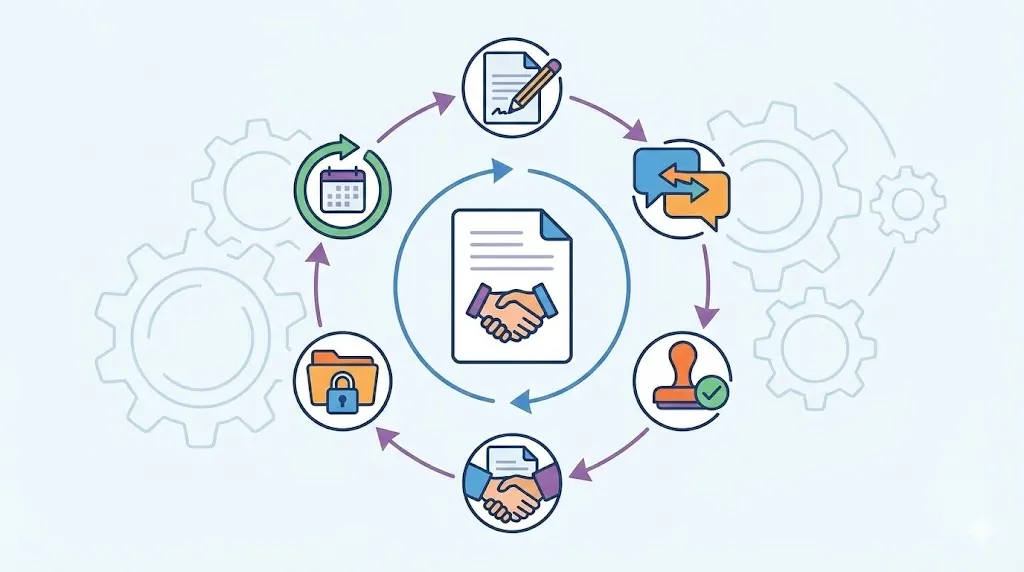
Managing contracts manually slows procurement down and increases risk. Contract lifecycle management (CLM) software helps organize, track, and analyze contracts efficiently. It provides a central repository where you can quickly find contract terms, renewal dates, and obligations.
CLM tools automate workflows like approvals and renewals, reducing delays and missed deadlines. They also offer analytics to spot risks or savings opportunities.
With CLM software, you can link contracts to supplier performance data, giving a full picture of your supply base. This integration supports better decision-making.
Modern CLM platforms include AI features that review contract clauses for risk or compliance issues. This reduces legal bottlenecks and speeds up negotiations.
By using contract management software, procurement teams gain control and visibility, which are essential for building strong supplier relationships and delivering value.
Related Article: Enterprise Legal Operations Software Explained
How Contract Management Software Solves This
Procurement teams rely on specialized software to comprehensively organize their extensive supplier contracts and related data. Additionally, it consolidates contract storage within a single repository, facilitating efficient document search and retrieval. The system generates automated notifications alerting you to imminent renewals or contractual obligations, thereby avoiding costly oversights.
Advanced features like AI contract review highlight risky clauses or missing provisions, helping you manage supplier risk proactively. Workflow automation speeds up contract approvals, so suppliers get onboarded faster.
Some platforms offer clause libraries and template management, ensuring contracts use consistent, approved language. This reduces errors and legal risks.
Integrating contract data with supplier performance metrics allows you to analyze spend, compliance, and risk in one place. This insight supports strategic procurement decisions.
Volody’s contract management solution includes AI-powered drafting, review, and metadata extraction. These features reduce manual work and improve accuracy. Role-based access controls protect sensitive information, while dashboards provide real-time analytics on contract status and supplier risks.
For organizations aiming to enhance contract management efficiency, exploring Volody's CLM Software is a worthwhile consideration.
FAQ
What strategies help me rapidly grasp a new company’s procurement needs?
A productive starting point involves engaging with stakeholders across multiple departments to understand their objectives and challenges.
Study the company’s products, services, and strategic plans. Furthermore, this broad understanding helps you see how procurement supports business objectives.
What is the best way to analyze supplier data in a new role?
Gather all supplier information, including contracts and performance reports. Organize the data carefully before analyzing trends related to spend, reliability, and risk.
Combine data analysis with feedback from internal teams who work with suppliers.
In addition, what importance do supplier relationships hold in procurement?
Supplier relationships are crucial. Strong partnerships improve communication, foster innovation, and reduce risks. Also, meeting suppliers early builds trust and uncovers opportunities for collaboration and improvement.
What should I avoid doing during my initial 90 days?
Avoid rushing into cost-cutting or renegotiations before fully comprehending the business and supplier context. Don’t overlook stakeholder input or attempt to implement sweeping changes prematurely.
Avoid working in isolation; engage with teams and suppliers.
How do I balance quick wins with long-term procurement goals?
Identify small improvements that deliver immediate value, like speeding up approvals.
At the same time, develop a strategic plan focused on sustainable savings, risk management, and supplier partnerships.
Also, communicate this balance to stakeholders.
Therefore, what role does data play in procurement decisions?
Data helps identify spending patterns, supplier risks, and contract opportunities.
Accurate, up-to-date data combined with qualitative insights leads to informed decisions.
Use dashboards to track key metrics and measure progress.
How can I align procurement with overall business strategy?
Grasp the strategic objectives of the company and translate them into procurement goals. Maintain regular communication with business leaders to stay aligned. Consequently, use procurement metrics that reflect business outcomes.
What are common challenges in starting a new procurement role?
Therefore, challenges include information overload, unclear expectations, limited data access, resistance to change, and time management. Address these by prioritizing learning, clarifying goals, centralizing data, building trust, and organizing your time.
Why invest in contract management software?
Manual handling of contracts often results in inefficiencies and increased risk of errors.
Contract management platforms centralize agreements, automate workflows, and deliver analytics.
This improves efficiency, reduces risk, and supports better supplier management.
How does AI improve contract management for procurement?
AI can review contracts for risky clauses, extract key data, and suggest alternative language. This speeds up reviews, reduces legal risks, and frees procurement teams to focus on strategic work.
This comprehensive approach during your first three months in procurement equips you to build strong foundations and deliver lasting value. By focusing on understanding the business, analyzing data, nurturing supplier relationships, and using smart tools, you position yourself as a trusted partner in your organization’s success.
About the Company

Volody AI CLM is an Agentic AI-powered Contract Lifecycle Management platform designed to eliminate manual contracting tasks, automate complex workflows, and deliver actionable insights. As a one-stop shop for all contract activities, it covers drafting, collaboration, negotiation, approvals, e-signature, compliance tracking, and renewals. Built with enterprise-grade security and no-code configuration, it meets the needs of the most complex global organizations. Volody AI CLM also includes AI-driven contract review and risk analysis, helping teams detect issues early and optimize terms. Trusted by Fortune 500 companies, high-growth startups, and government entities, it transforms contracts into strategic, data-driven business assets.




" height="216.72211px" id="FYO0bO80Y" transform="translate(3 6.105)" width="206.073px"/><path d="M 108.174 222 C 88.432 222 70.303 217.239 53.785 207.717 C 37.267 198.196 24.173 185.052 14.504 168.285 C 4.835 151.312 0 132.165 0 110.845 C 0 89.731 4.835 70.792 14.504 54.025 C 24.173 37.052 37.267 23.804 53.785 14.282 C 70.303 4.761 88.432 0 108.174 0 C 128.116 0 146.246 4.761 162.562 14.282 C 179.08 23.804 192.073 37.052 201.541 54.025 C 211.21 70.792 216.044 89.731 216.044 110.845 C 216.044 132.165 211.21 151.312 201.541 168.285 C 192.073 185.052 179.08 198.196 162.562 207.717 C 146.044 217.239 127.915 222 108.174 222 Z M 108.174 183.189 C 120.864 183.189 132.044 180.291 141.713 174.495 C 151.382 168.492 158.936 160.006 164.375 149.035 C 169.814 138.064 172.533 125.334 172.533 110.845 C 172.533 96.355 169.814 83.729 164.375 72.965 C 158.936 61.994 151.382 53.611 141.713 47.815 C 132.044 42.02 120.864 39.122 108.174 39.122 C 95.483 39.122 84.202 42.02 74.332 47.815 C 64.663 53.611 57.109 61.994 51.67 72.965 C 46.231 83.729 43.511 96.355 43.511 110.845 C 43.511 125.334 46.231 138.064 51.67 149.035 C 57.109 160.006 64.663 168.492 74.332 174.495 C 84.202 180.291 95.483 183.189 108.174 183.189 Z" fill="rgba(255, 255, 255, 0.12)" height="222px" id="aa1McFcE9" transform="translate(227.183 3)" width="216.04399999999998px"/><path d="M 42.302 182.257 L 111.799 182.257 L 111.799 216.722 L 0 216.722 L 0 0 L 42.302 0 Z" fill="rgba(255, 255, 255, 0.12)" height="216.72211px" id="yRq4AnrsX" transform="translate(477.721 6.105)" width="111.79899999999998px"/><path d="M 108.174 222 C 88.432 222 70.303 217.239 53.785 207.717 C 37.267 198.196 24.173 185.052 14.504 168.285 C 4.835 151.312 0 132.165 0 110.845 C 0 89.731 4.835 70.792 14.504 54.025 C 24.173 37.052 37.267 23.804 53.785 14.282 C 70.303 4.761 88.432 0 108.174 0 C 128.116 0 146.246 4.761 162.562 14.282 C 179.08 23.804 192.073 37.052 201.541 54.025 C 211.21 70.792 216.045 89.731 216.045 110.845 C 216.045 132.165 211.21 151.312 201.541 168.285 C 192.073 185.052 179.08 198.196 162.562 207.717 C 146.044 217.239 127.915 222 108.174 222 Z M 108.174 183.189 C 120.864 183.189 132.044 180.291 141.713 174.495 C 151.382 168.492 158.936 160.006 164.375 149.035 C 169.814 138.064 172.534 125.334 172.534 110.845 C 172.534 96.355 169.814 83.729 164.375 72.965 C 158.936 61.994 151.382 53.611 141.713 47.815 C 132.044 42.02 120.864 39.122 108.174 39.122 C 95.483 39.122 84.202 42.02 74.332 47.815 C 64.663 53.611 57.108 61.994 51.67 72.965 C 46.231 83.729 43.511 96.355 43.511 110.845 C 43.511 125.334 46.231 138.064 51.67 149.035 C 57.108 160.006 64.663 168.492 74.332 174.495 C 84.202 180.291 95.483 183.189 108.174 183.189 Z" fill="rgba(255, 255, 255, 0.12)" height="222px" id="mo8HQspQ0" transform="translate(609.155 3)" width="216.04500000000007px"/><path d="M 73.727 0 C 95.885 0 115.324 4.45 132.044 13.351 C 148.967 22.252 161.957 34.982 171.027 51.541 C 180.287 67.894 184.917 86.937 184.917 108.671 C 184.917 130.405 180.287 149.449 171.027 165.801 C 161.957 181.947 148.967 194.47 132.044 203.371 C 115.324 212.271 95.885 216.722 73.727 216.722 L 0 216.722 L 0 0 Z M 72.216 179.773 C 94.374 179.773 111.497 173.564 123.583 161.144 C 135.669 148.724 141.713 131.233 141.713 108.671 C 141.713 86.109 135.669 68.515 123.583 55.888 C 111.497 43.055 94.374 36.638 72.216 36.638 L 42.302 36.638 L 42.302 179.773 Z" fill="rgba(255, 255, 255, 0.12)" height="216.72211px" id="I3iXX5Hi_" transform="translate(859.693 6.105)" width="184.91699999999992px"/><path d="M 185.22 0 L 113.91 141.273 L 113.91 216.722 L 71.61 216.722 L 71.61 141.273 L 0 0 L 47.74 0 L 93.06 99.046 L 138.08 0 Z" fill="rgba(255, 255, 255, 0.12)" height="216.72211px" id="nzHyWC0_d" transform="translate(1061.78 6.105)" width="185.22000000000003px"/></svg>)