

The MedTech supply chain faces many challenges. It stretches across countries and involves strict rules and constant changes. Managing this complexity is tough, especially when delays or shortages happen. Contract data offers a way to bring clarity and control. It helps companies move faster, stay compliant, and reduce risks. Imagine a global MedTech firm juggling dozens of suppliers and regulatory demands. Without clear contract insights, this can become a costly maze.
TL;DR
MedTech supply chains face substantial hurdles due to the intricate regulatory landscape combined with recent supply disruptions.
Additionally, to maintain compliance, supplier agreements and operational processes require continuous updates and refinements.
Contractual provisions often contain essential information that enhances visibility across the supply chain and accelerates the decision-making process.
Inefficient contract management practices can delay supplier onboarding and increase vulnerability to compliance and operational risks.
Employing contract intelligence solutions enables automation of compliance verification and streamlines the oversight of contract lifecycles.
Advanced contract management platforms contribute to enhanced operational flexibility while ensuring rigorous adherence to regulatory standards within MedTech.
What Makes the MedTech Supply Chain So Complex?
MedTech companies work with a wide range of suppliers worldwide. Additionally, these suppliers encompass the raw materials, components, and services essential for manufacturing medical devices. The supply chain is global, spanning multiple time zones, languages, and legal systems. This alone creates logistical challenges. Add to that the strict regulations that govern medical devices, and complexity grows.
Regulatory bodies like the FDA in the U.S. and the European Medicines Agency enforce rules on device safety, quality, and labeling. These rules vary by country and device risk level. For example, a surgical implant faces more scrutiny than a simple diagnostic tool. Manufacturers must ensure every supplier meets these standards. This requires detailed oversight and documentation.
Beyond regulatory pressures, supply chain disruptions have become increasingly frequent. The onset of the COVID-19 pandemic led to widespread factory shutdowns, extensive shipping delays, and significant shortages in materials. In response, companies were compelled to onboard new suppliers rapidly, often in regions with which they had limited prior experience. Every new addition necessitates thorough compliance verification alongside complex contract negotiations. Balancing the urgency of procurement with stringent safety requirements remains a critical challenge.
The MedTech supply chain also involves many contract types. Non-disclosure agreements (NDAs) serve to safeguard confidential information exchanged during supplier engagements. Purchase orders and master supply agreements define pricing structures, delivery conditions, and quality benchmarks. Each contract must reflect current regulations and business needs. When rules change, contracts must change too.
Failure to manage this complexity can lead to costly delays or compliance violations. For instance, missing a new labeling requirement could block a product launch. Delayed shipments can halt production lines. Insufficient contract management not only elevates legal exposure but also erodes the trust essential for maintaining strong supplier relationships. Overcoming these interconnected challenges requires deploying sophisticated tools designed specifically for the nuances of the MedTech sector.
Related articles: Procurement Contract Risks That Could Sink Your Business
Why Compliance Is a Non-Negotiable in MedTech Supply Chains
Compliance is imperative in MedTech. Additionally, it also serves to safeguard patient safety and uphold the integrity of company reputation. Regulatory agencies impose heavy fines and product recalls for violations. MedTech companies remain fully responsible for compliance, even if suppliers fail to meet standards.
Compliance requirements cover many areas:
Device classification and risk assessment
Quality management systems for suppliers
Traceability of materials and components
Labeling and packaging standards
Reporting and documentation obligations
Regulations evolve constantly. For example, the European Union introduced the Medical Device Regulation (MDR) to replace older directives. MDR demands new technical documentation, lifecycle tracking, and post-market surveillance. Companies supplying EU markets must update contracts and processes accordingly.
In the U.S., the FDA is updating premarket review processes and expanding oversight of software as a medical device (SaMD). These changes require companies to adjust supplier agreements and internal controls. Staying current with these rules is a full-time job.
When companies add new suppliers or enter new markets, they must assess regulatory risks carefully. This involves verifying supplier certifications, auditing quality systems, and updating contractual terms. Each step adds time and cost but is essential to avoid penalties.
Supply chain disruptions make compliance harder. Delays can cause rushed approvals or skipped checks. Companies find it increasingly difficult to adapt swiftly to market demands or regulatory changes. This situation elevates the likelihood of non-compliance and consequent financial losses.
MedTech leaders need to integrate compliance considerations within every supply chain decision. This means contracts cannot be static documents. They must reflect current laws and business realities. Companies need visibility into contract terms and the ability to update them quickly.
Related articles: Types of Contracts Every Business Needs
How Contract Data Unlocks Supply Chain Insights
Contracts encompass detailed information about suppliers, contractual terms, associated risks, and obligations. Additionally, much of this information remains embedded within PDFs, emails, or spreadsheets, making direct access challenging. Manual extraction and utilization of this data can be inefficient and prone to errors. However, unlocking these details is essential for enhancing supply chain management.
Contract data can reveal:
Supplier performance metrics like delivery times and penalties
Compliance clauses tied to regulatory requirements
Pricing and payment terms affecting cash flow
Renewal dates and termination rights impacting supply options
Risk factors such as liability limits and indemnities
When companies make contract data accessible and searchable, they gain new insights. For example, they can spot suppliers with frequent delays or compliance issues. They can identify contracts needing updates due to new regulations. This helps prioritize actions and reduce surprises.
Contract data also supports faster supplier onboarding. By leveraging previously approved templates and clauses, organizations can significantly reduce ramp-up time. Automating compliance verification against contract terms enhances accuracy and efficiency. Negotiations proceed more swiftly, easing pressure on legal resources.
Visibility into contract obligations mitigates the risk of overlooked deadlines or incomplete deliveries. Automated systems notify teams about upcoming renewals and required compliance submissions well in advance. These measures collectively diminish operational risks and strengthen supplier partnerships.
In short, contract data transforms static documents into strategic assets. It empowers MedTech companies to manage their supply chains with greater control and foresight.
Related articles: How Does AI Limitations Impacting Contract Management?
Why Manual Contract Management Falls Short
Many MedTech companies still handle contracts manually. Additionally, they also depend heavily on email exchanges, shared drives, and spreadsheets. Legal teams review contracts line by line. Procurement waits for approvals. Compliance teams track obligations separately.
This manual approach creates delays and risks:
Slow supplier onboarding due to lengthy legal reviews
Lost or misplaced contracts causing audit failures
Inconsistent contract language increasing legal exposure
Difficulty tracking contract renewals and obligations
Limited visibility into contract risks and compliance gaps
Manual processes also limit agility. Implementing regulatory changes across hundreds of contracts can take weeks or even months. Supply chain adjustments stall, and product launches encounter significant delays. These issues erode market position and heighten the likelihood of regulatory penalties.
Errors creep in when teams work in silos. Procurement might overlook legal exposures. Moreover, legal teams may fail to grasp operational priorities. Compliance units often lack access to contract data necessary for obligation monitoring. This lack of coordination increases costs and risks.
The volume of contracts in MedTech is growing. Managing agreements across suppliers, distributors, service providers, and partners adds complexity. Without automation, scaling contract management becomes impossible.
To keep pace, MedTech companies need smarter tools. They need contract management systems that centralize data, automate workflows, and provide real-time insights. This reduces risk and accelerates supply chain processes.
Related articles: Centralised Contract Repositories: Why They Matter Most
How Contract Intelligence Helps MedTech Stay Agile and Compliant
Contract intelligence refers to software that uses artificial intelligence (AI) and automation to extract, analyze, and manage contract data. Additionally, it extends beyond mere storage by enabling more informed decision-making.
Here is how contract intelligence benefits MedTech operations:
Automated Data Extraction: AI processes contracts to identify key terms, dates, and clauses. This eliminates manual data entry and accelerates contract reviews.
Compliance Monitoring: The system flags contracts missing required regulatory clauses or needing updates due to new laws. This helps companies stay audit-ready.
Risk Identification: AI highlights risky terms like unfavorable liability limits or ambiguous obligations. Legal teams can address these before signing.
Workflow Automation: Contract creation, approvals, and renewals follow predefined rules. This reduces bottlenecks and expedites supplier onboarding.
Centralized Repository: All contracts live in one secure place with full-text search and version control. Moreover, teams find documents quickly and avoid duplicates.
Alerts and Notifications: The system sends reminders for upcoming renewals, compliance deadlines, and deliverables. This prevents missed obligations.
For example, a MedTech company expanding into the EU can use contract intelligence to scan all supplier agreements. The software identifies contracts lacking MDR-required clauses. Legal can issue amendments quickly, avoiding non-compliance risks.
Contract intelligence also supports collaboration. Legal, procurement, and compliance teams work together on contracts in real time. This reduces errors and speeds decisions.
According to a Deloitte report, companies using contract intelligence reduce contract cycle times by up to 50%. Furthermore, they lower compliance risks considerably while enhancing the strength of supplier relationships. The adoption of this technology is increasingly critical to maintaining competitiveness within the MedTech industry.
Related articles: How can Pharmaceutical Industry Benefit from CLM Software
Real-World Applications of Contract Data in MedTech
Contract data helps MedTech companies solve practical problems every day. Here are some examples:
Supplier Qualification: Before onboarding, companies check supplier certifications and compliance clauses in contracts. Automated checks speed this process.
Price Negotiations: Contract analytics reveal pricing trends and discount patterns across suppliers. Procurement uses this data to negotiate better deals.
Regulatory Updates: When new FDA or MDR rules appear, companies scan contracts to find affected agreements. They issue mass amendments using automated workflows.
Risk Management: Organizations examine contract clauses meticulously to spot terms that carry heightened liability or indemnity risks.
Renewal Management: To mitigate potential exposure, legal teams focus on renegotiating these critical high-risk provisions.
Renewal Management: Alerts generated by automated systems provide timely notifications well before contracts expire.
Dispute Resolution: Centralized contract data provides evidence during supplier disputes, speeding resolution and reducing legal costs.
These examples show how contract data transforms supply chain management from reactive to proactive. Companies gain control and confidence in complex environments.
Related articles: Mastering Contract Clauses: Risk & Performance
How Contract Management Software Solves This
Contract management solutions centralize contract documents and streamline workflow processes. In addition, these platforms provide MedTech organizations with improved capabilities to monitor supplier agreements while ensuring strict regulatory compliance.
Key benefits include:
Faster Contract Creation: Leverage templates and clause libraries to accelerate contract drafting.
Compliance Verification: Automated systems perform rigorous checks to confirm the inclusion of all required regulatory clauses.
Collaborative Workspaces: Designed to enhance interaction among legal, procurement, and compliance teams for more effective contract handling.
Unified Contract Repository: Acts as a secure archive that facilitates efficient searching and retrieval of contract documents.
Proactive Alerts: Sends timely reminders regarding contract renewals, obligations, and upcoming deadlines.
Analytical Insights: Delivers comprehensive analytics on contract performance metrics and potential risk exposures.
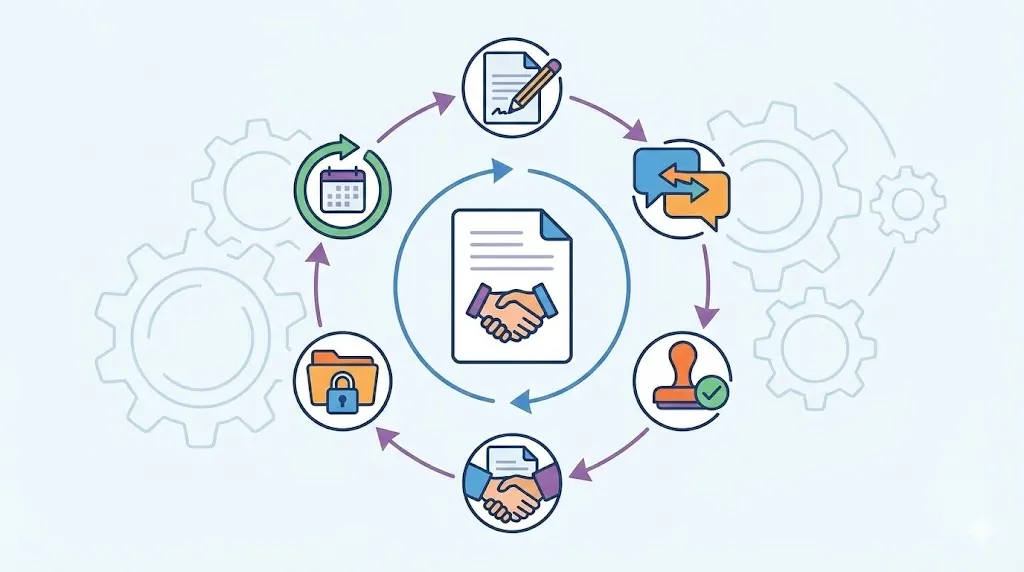
Volody’s platform integrates these capabilities with advanced AI-driven functionalities. It enhances processes such as drafting, reviewing, and metadata extraction. The solution also manages approval workflows and incorporates electronic signatures. Visual dashboards provide an in-depth overview of contract statuses and compliance metrics.
Such tools empower MedTech firms to accelerate supplier onboarding, mitigate legal exposure, and adapt swiftly to evolving regulatory landscapes. Contract data thereby transforms from a management challenge into a strategic resource.
Discover how contract management technology can enhance every phase of your contract lifecycle by exploring Volody's CLM Software.
FAQ
What are the primary obstacles within the MedTech supply network?
Additionally, regulatory complexity, global logistics challenges, and recent disruptions such as material shortages significantly impact operations. Managing compliance and supplier risks adds to the challenge.
How do regulations impact MedTech supply chains?
Regulatory frameworks impose stringent criteria for device safety, quality assurance, labeling accuracy, and supplier oversight.
Maintaining up-to-date contracts and processes is essential to address evolving legal requirements.
Why is contract data important for supply chain management?
Moreover, contract data encompasses critical details about supplier identities, contractual terms, inherent risks, and binding obligations.
Ensuring ready access to this information improves transparency, expedites informed decisions, and reduces exposure to operational risks.
What defines contract intelligence?
This discipline leverages AI and automation technologies to systematically extract and analyze contractual information.
It enables organizations to proactively enforce compliance, detect potential risks, and streamline contract-related workflows.
How can contract management software enhance supplier onboarding?
Furthermore, it accelerates contract drafting with templates, automates compliance checks, and manages approvals electronically. This reduces delays and legal bottlenecks.
Can contract intelligence help with regulatory changes?
Yes. It can scan contracts to find those affected by new regulations and automate amendment processes, ensuring timely compliance.
What risks do manual contract processes create?
Manual processes cause delays, errors, lost contracts, and poor visibility. Also, they limit agility and increase legal and compliance risks.
Also, how does contract management software support compliance?
These platforms enforce contract standards, track obligations, alert on deadlines, and provide audit trails. This helps companies stay compliant and ready for audits.
Is contract intelligence suitable for global MedTech companies?
Absolutely. It handles multiple languages, jurisdictions, and complex contract portfolios, supporting global compliance and supply chain agility.
What features should MedTech companies look for in contract management software?
Essential capabilities include AI-powered drafting and review tools, compliance tracking mechanisms, workflow automation, centralized document repositories, notification systems, and analytics designed to meet specialized regulatory demands.
About the Company

Volody AI CLM is an Agentic AI-powered Contract Lifecycle Management platform designed to eliminate manual contracting tasks, automate complex workflows, and deliver actionable insights. As a one-stop shop for all contract activities, it covers drafting, collaboration, negotiation, approvals, e-signature, compliance tracking, and renewals. Built with enterprise-grade security and no-code configuration, it meets the needs of the most complex global organizations. Volody AI CLM also includes AI-driven contract review and risk analysis, helping teams detect issues early and optimize terms. Trusted by Fortune 500 companies, high-growth startups, and government entities, it transforms contracts into strategic, data-driven business assets.




" height="216.72211px" id="FYO0bO80Y" transform="translate(3 6.105)" width="206.073px"/><path d="M 108.174 222 C 88.432 222 70.303 217.239 53.785 207.717 C 37.267 198.196 24.173 185.052 14.504 168.285 C 4.835 151.312 0 132.165 0 110.845 C 0 89.731 4.835 70.792 14.504 54.025 C 24.173 37.052 37.267 23.804 53.785 14.282 C 70.303 4.761 88.432 0 108.174 0 C 128.116 0 146.246 4.761 162.562 14.282 C 179.08 23.804 192.073 37.052 201.541 54.025 C 211.21 70.792 216.044 89.731 216.044 110.845 C 216.044 132.165 211.21 151.312 201.541 168.285 C 192.073 185.052 179.08 198.196 162.562 207.717 C 146.044 217.239 127.915 222 108.174 222 Z M 108.174 183.189 C 120.864 183.189 132.044 180.291 141.713 174.495 C 151.382 168.492 158.936 160.006 164.375 149.035 C 169.814 138.064 172.533 125.334 172.533 110.845 C 172.533 96.355 169.814 83.729 164.375 72.965 C 158.936 61.994 151.382 53.611 141.713 47.815 C 132.044 42.02 120.864 39.122 108.174 39.122 C 95.483 39.122 84.202 42.02 74.332 47.815 C 64.663 53.611 57.109 61.994 51.67 72.965 C 46.231 83.729 43.511 96.355 43.511 110.845 C 43.511 125.334 46.231 138.064 51.67 149.035 C 57.109 160.006 64.663 168.492 74.332 174.495 C 84.202 180.291 95.483 183.189 108.174 183.189 Z" fill="rgba(255, 255, 255, 0.12)" height="222px" id="aa1McFcE9" transform="translate(227.183 3)" width="216.04399999999998px"/><path d="M 42.302 182.257 L 111.799 182.257 L 111.799 216.722 L 0 216.722 L 0 0 L 42.302 0 Z" fill="rgba(255, 255, 255, 0.12)" height="216.72211px" id="yRq4AnrsX" transform="translate(477.721 6.105)" width="111.79899999999998px"/><path d="M 108.174 222 C 88.432 222 70.303 217.239 53.785 207.717 C 37.267 198.196 24.173 185.052 14.504 168.285 C 4.835 151.312 0 132.165 0 110.845 C 0 89.731 4.835 70.792 14.504 54.025 C 24.173 37.052 37.267 23.804 53.785 14.282 C 70.303 4.761 88.432 0 108.174 0 C 128.116 0 146.246 4.761 162.562 14.282 C 179.08 23.804 192.073 37.052 201.541 54.025 C 211.21 70.792 216.045 89.731 216.045 110.845 C 216.045 132.165 211.21 151.312 201.541 168.285 C 192.073 185.052 179.08 198.196 162.562 207.717 C 146.044 217.239 127.915 222 108.174 222 Z M 108.174 183.189 C 120.864 183.189 132.044 180.291 141.713 174.495 C 151.382 168.492 158.936 160.006 164.375 149.035 C 169.814 138.064 172.534 125.334 172.534 110.845 C 172.534 96.355 169.814 83.729 164.375 72.965 C 158.936 61.994 151.382 53.611 141.713 47.815 C 132.044 42.02 120.864 39.122 108.174 39.122 C 95.483 39.122 84.202 42.02 74.332 47.815 C 64.663 53.611 57.108 61.994 51.67 72.965 C 46.231 83.729 43.511 96.355 43.511 110.845 C 43.511 125.334 46.231 138.064 51.67 149.035 C 57.108 160.006 64.663 168.492 74.332 174.495 C 84.202 180.291 95.483 183.189 108.174 183.189 Z" fill="rgba(255, 255, 255, 0.12)" height="222px" id="mo8HQspQ0" transform="translate(609.155 3)" width="216.04500000000007px"/><path d="M 73.727 0 C 95.885 0 115.324 4.45 132.044 13.351 C 148.967 22.252 161.957 34.982 171.027 51.541 C 180.287 67.894 184.917 86.937 184.917 108.671 C 184.917 130.405 180.287 149.449 171.027 165.801 C 161.957 181.947 148.967 194.47 132.044 203.371 C 115.324 212.271 95.885 216.722 73.727 216.722 L 0 216.722 L 0 0 Z M 72.216 179.773 C 94.374 179.773 111.497 173.564 123.583 161.144 C 135.669 148.724 141.713 131.233 141.713 108.671 C 141.713 86.109 135.669 68.515 123.583 55.888 C 111.497 43.055 94.374 36.638 72.216 36.638 L 42.302 36.638 L 42.302 179.773 Z" fill="rgba(255, 255, 255, 0.12)" height="216.72211px" id="I3iXX5Hi_" transform="translate(859.693 6.105)" width="184.91699999999992px"/><path d="M 185.22 0 L 113.91 141.273 L 113.91 216.722 L 71.61 216.722 L 71.61 141.273 L 0 0 L 47.74 0 L 93.06 99.046 L 138.08 0 Z" fill="rgba(255, 255, 255, 0.12)" height="216.72211px" id="nzHyWC0_d" transform="translate(1061.78 6.105)" width="185.22000000000003px"/></svg>)