

Procurement teams often face pressure to cut costs, speed up purchasing, and reduce risk. Many still rely on manual processes that slow them down and hide value. The 5 stages of procurement transformation powered by AI show how companies can fix these issues step-by-step. Imagine procurement as a relay race where each handoff must be smooth and fast. AI helps eliminate fumbles and delays, turning procurement into a competitive advantage.
TL;DR
Automating contract and sourcing processes accelerates procurement cycles while minimizing errors.
Additionally, leveraging AI to monitor supplier performance enables precise comparisons between promised and actual delivery, preventing value erosion.
Gaining in-depth insight into supplier interactions exposes inconsistencies in cost structures and service levels across various departments.
By employing meticulous spend analysis alongside sophisticated cost modeling, organizations identify potential savings and improve the accuracy of budget forecasts.
Collaborating with forward-thinking suppliers, guided by AI-driven intelligence, ensures procurement strategies remain aligned with overarching business goals.
AI-enabled contract management software facilitates every procurement phase, enhancing efficiency and decision-making.
What Does Procurement Transformation Mean with AI?
Procurement transformation means changing how your company buys goods and services. Additionally, the objective includes accelerating procurement cycles, reducing costs, and ensuring alignment with strategic business objectives. This change touches people, processes, and technology. AI enhances this process by automating routine tasks, extracting actionable insights from complex datasets, and supporting more informed decision-making across teams.
Think of procurement as a complex machine with many moving parts like contracts, suppliers, purchase orders, and payments. If these parts do not work well together, money leaks out, and opportunities are missed. AI helps connect these parts, making the machine run smoothly and efficiently.
This transformation is not just about technology. It also requires changing how teams work and communicate. Procurement teams must collaborate with legal, finance, and operations to get the best results. AI tools give these teams the data and insights they need to work together better.
Related articles: How Agentic AI Is Transforming In-House Legal
How to Improve Procurement Efficiency and Speed with AI
The first step in procurement transformation focuses on making the buying process faster and more reliable. However, many organizations continue to rely on manual contract creation, sluggish approval workflows, and fragmented systems. Additionally, this causes delays and errors that frustrate both procurement and internal customers.
By leveraging templates alongside intelligent clause libraries, AI-powered contract automation significantly speeds up contract drafting. It minimizes the repetitive manual labor required while rigorously enforcing corporate compliance standards. Integrating contract management with sourcing tools creates a seamless workflow that covers every stage from request initiation through to contract signing. Such integration eliminates process bottlenecks and enhances transparency.
Another key improvement is linking contracts with purchase-to-pay (P2P) and finance systems. This stops unauthorized orders that do not match contract terms. AI can flag mismatches and prevent overspending.
Category management also plays a role here. Grouping purchases by similarity enables procurement teams to secure more favorable agreements and exercise greater oversight over supplier selection. AI facilitates this by analyzing expenditure data to pinpoint categories offering the highest cost-saving opportunities.
Reducing cycle times builds trust in procurement and sets the stage for more advanced improvements. For example, a company that cut contract approval time by 50% saw faster project starts and better supplier relationships.
Related articles: How Does AI Limitations Impacting Contract Management?
How to Measure Supplier Performance Using AI
Many organizations treat bidding and supplier management as separate tasks. Additionally, they often prioritize securing the most competitive bid but fail to monitor supplier performance post-contract execution. This disconnect leads to missed savings and service problems.
AI can automatically extract supplier obligations and key terms from contracts. It then tracks if suppliers meet these commitments. This creates a clear link between the bid (promise) and the did (delivery).
For example, if a supplier promised delivery within 3 days, AI tools can compare this to actual delivery times recorded in operational systems. If delays occur, procurement can take action quickly.
This digital oversight reduces contract leakage, which is when companies lose value because suppliers do not meet terms or buyers do not enforce contracts properly. According to a Deloitte report, poor contract compliance can cost companies up to 9% of annual revenue.
Beyond extraction and tracking, AI facilitates a unified framework for assessing supplier performance across various business units. Establishing consistent metrics eliminates discrepancies and promotes data integrity throughout the organization. Real-time alerts enable procurement teams to identify emerging risks early and intervene before they develop into major problems.
Related articles: 8 Strategies to reduce cost for AI Contract Management
Why a 360-Degree View of Suppliers Matters
Large companies often work with the same supplier in different divisions or locations. Additionally, each unit frequently manages separate contracts, pricing structures, and performance metrics. This fragmentation causes inefficiencies and missed savings.
Contract management platforms leveraging AI consolidate all supplier agreements into a centralized repository. These systems perform in-depth evaluations of contractual clauses, financial terms, and service delivery standards across the enterprise. This results in a comprehensive, 360-degree perspective on supplier interactions.
With this full picture, procurement can spot inconsistencies like different prices for the same product or conflicting service agreements. They can negotiate better deals by combining volumes or standardizing terms.
This approach also helps identify risks. For example, if one division relies heavily on a supplier with poor past performance, procurement can intervene.
Having a unified supplier view improves cost control and service quality. It also simplifies audits and compliance checks.
Related articles: How Contract AI Archives Transform Legal Workflows
How Spend Analytics and Cost Modeling Enhance Procurement
Once procurement processes and supplier governance are optimized, teams can concentrate on analyzing expenditure and developing accurate cost models. Additionally, these tools analyze purchasing data to find savings opportunities and improve budgeting.
Spend analytics examines historical purchase data to identify trends and patterns. For example, it can reveal if the company is buying the same item from multiple suppliers at different prices. It can also highlight areas of overspending or contract leakage.
Cost modeling estimates what goods or services should cost based on market data, supplier costs, and internal factors. This helps procurement set realistic price targets and negotiate better deals.
The integration of expenditure analysis with cost modeling enables procurement to benchmark expenses against competitors and industry standards, thereby enhancing sourcing strategies.
Cost models also facilitate the evaluation of new products or services.
Procurement can assess if innovations offer value compared to existing options.
A McKinsey study demonstrates that organizations leveraging expenditure analysis alongside cost modeling achieve procurement cost reductions of up to 15%.
Related articles: How to Improve Vendor Contract Management in Logistics
How Procurement Can Drive Innovation with AI Insights
The final stage of procurement transformation involves using AI to identify and work with innovative suppliers. Additionally, mature procurement teams possess robust processes and enforce stringent supplier governance frameworks. They can now focus on strategic value.
AI tools scan market data, supplier performance, and contract terms to spot new trends and technologies relevant to the company’s goals. Procurement can evaluate these innovations against long-term business plans.
For example, a company planning to reduce its carbon footprint can use AI to find suppliers offering sustainable materials or services. Engaging with these suppliers enables procurement to co-create advanced solutions.
Reaching this level requires seamless collaboration among procurement, legal, operations, and business units. By harnessing AI-driven data and insights, stakeholders are equipped to conduct thorough and insightful discussions.
Integrating innovation into procurement processes unlocks value that extends well beyond mere cost savings. This strategic approach ensures the organization remains adaptable and competitively positioned amid evolving market conditions.
Further reading: Who Takes Charge of AI Accountability in Legal Operations?
Why Contract Management Software Matters in Procurement Transformation
Contract management software underpins procurement transformation throughout its various phases. Additionally, it centralizes contracts, automates workflows, and uses AI to extract and analyze contract data.
Additionally, in the initial phase, contract automation accelerates the processes of drafting, approval, and execution. It helps ensure contracts adhere to company policies and minimizes errors.
As procurement matures, contract software tracks supplier obligations and performance. AI highlights risks and missed commitments, helping prevent value loss.
A unified contract repository gives procurement a 360-degree view of all supplier agreements. This supports better negotiation and cost control.
Spend analytics and cost modeling often integrate with contract data to provide deeper insights.
Finally, contract software supports innovation by helping teams evaluate new supplier proposals and align contracts with strategic goals.
How AI Contract Management Software Supports Procurement Teams
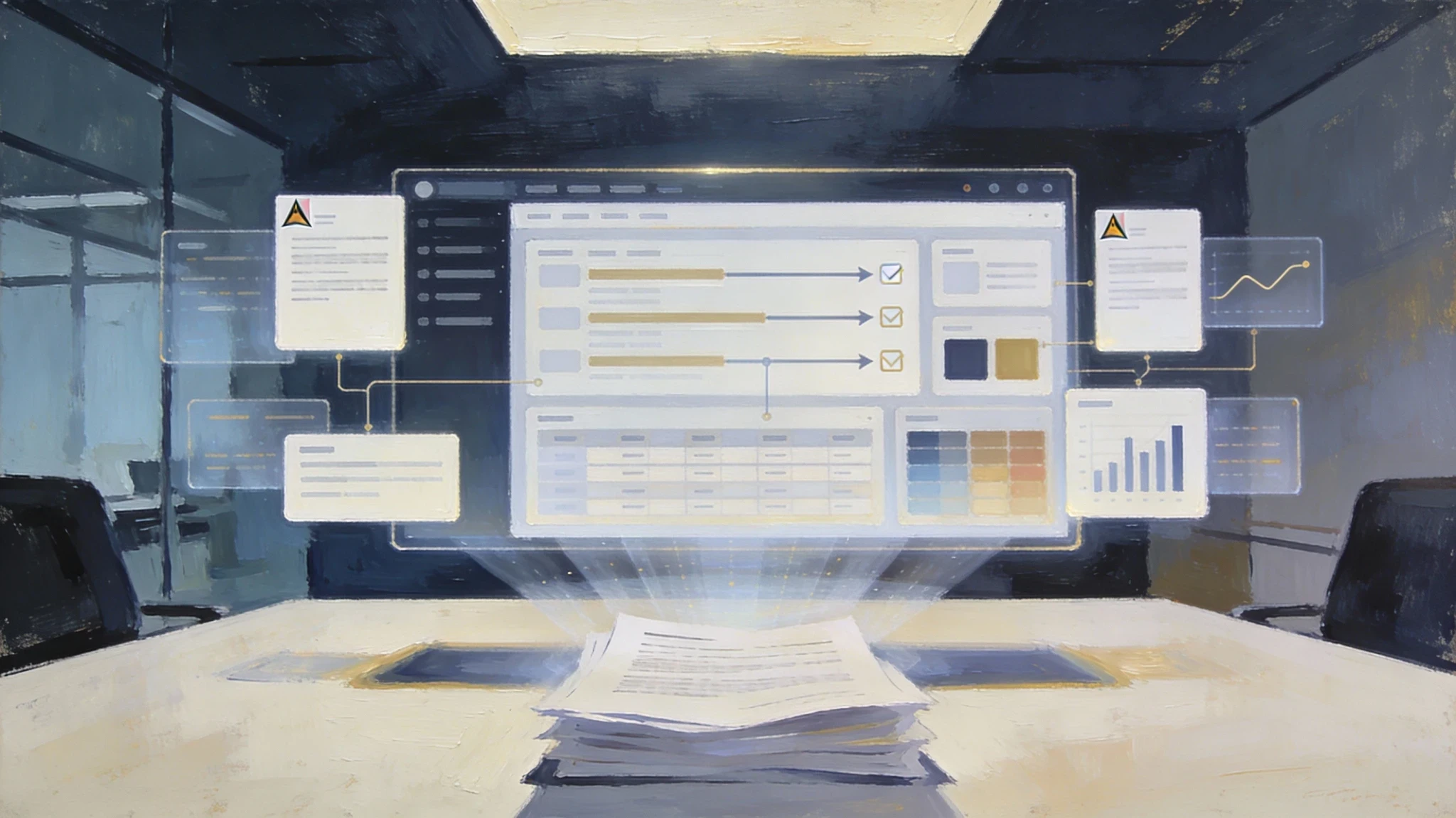
AI contract management software automates routine tasks like drafting, reviewing, and tracking contracts. Additionally, it leverages machine learning to detect risky clauses, missing terms, and anomalous language. This reduces legal risk and speeds up contract cycles.
Key features include:
AI contract drafting from templates and clause libraries to create consistent contracts fast.
AI contract review that flags risky or missing provisions automatically.
AI contract summaries that highlight key terms like obligations, renewal dates, and risks.
Metadata extraction that pulls out parties, dates, payment terms, and obligations without manual entry.
Obligation management to track deliverables, milestones, and renewal deadlines.
Alerts and notifications to keep teams on top of approvals and contract events.
Central contract repository with advanced search and version control.
Integration with Microsoft Word and enterprise systems like ERP and CRM.
These features help procurement teams reduce errors, improve compliance, and speed up contract lifecycles.
Related articles: How AI Automates Legal Workflows
Volody’s Contract Management Software Enhances Procurement Transformation
Managing complex procurement contracts requires a centralized, intelligent platform. Volody’s contract management software offers AI-powered drafting, review, and obligation tracking that supports every stage of procurement transformation.
Volody helps procurement teams create contracts faster, reduce risk, and maintain a single source of truth for all supplier agreements.
> See how Volody's CLM Software helps legal teams manage contracts faster and with greater control.
FAQ
What defines procurement transformation?
Additionally, procurement transformation involves altering how a company acquires goods and services. The objective is to accelerate purchasing, reduce costs, and better align procurement activities with corporate objectives by enhancing personnel and refining operational workflows alongside technological upgrades.
It aims to make buying faster, cheaper, and better aligned with organizational priorities by improving people, processes, and technology.
How does AI improve procurement efficiency?
AI automates contract creation, approval workflows, and links contracts to purchasing systems. This reduces manual work, speeds up buying, and prevents unauthorized spending.
Why track supplier performance after contracts are signed?
Moreover, tracking supplier performance guarantees that agreed-upon standards and deliverables are met. It mitigates risks related to subpar delivery or non-compliance with contract terms.
What advantages does a 360-degree supplier view provide?
A comprehensive supplier overview uncovers discrepancies in cost structures and service levels across various departments. Procurement can leverage this insight to negotiate more favorable terms and enhance risk management.
It highlights variations in pricing and service quality between business units, enabling procurement to secure improved agreements and strengthen risk mitigation.
How do spend analytics and cost modeling help procurement?
Furthermore, they examine purchasing patterns to uncover cost-saving opportunities and establish justified price benchmarks. This capability underpins more informed sourcing and budgeting strategies.
In addition, analyzing expenditure data reveals potential efficiencies and aids in setting defensible price points, facilitating more strategic sourcing and financial planning.
How can procurement drive innovation?
AI facilitates the discovery of emerging supplier technologies and market trends that support strategic objectives. This enables procurement to partner with suppliers in developing innovative solutions.
What essential capabilities should contract management software offer procurement?
Essential features include AI-assisted drafting and review, obligation tracking, automated notifications, centralized contract storage, and smooth integration with existing enterprise systems.
Also, can AI contract management reduce legal risks?
Yes, AI flags risky clauses and missing terms, helping legal teams catch issues early and speed up contract reviews.
How does contract management software support collaboration?
It provides a shared platform for legal, procurement, and business teams to review, comment, and approve contracts efficiently.
Is procurement transformation a one-time project?
No, it is an ongoing journey. Organizations continuously improve processes, adopt new technologies, and adapt to changing business needs.
About the Company
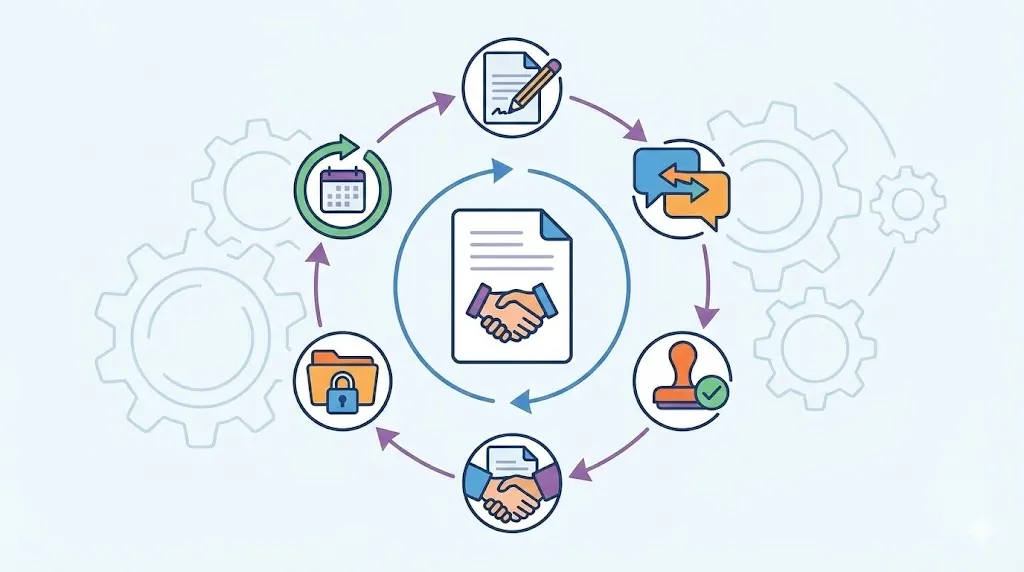
Volody AI CLM is an Agentic AI-powered Contract Lifecycle Management platform designed to eliminate manual contracting tasks, automate complex workflows, and deliver actionable insights. As a one-stop shop for all contract activities, it covers drafting, collaboration, negotiation, approvals, e-signature, compliance tracking, and renewals. Built with enterprise-grade security and no-code configuration, it meets the needs of the most complex global organizations. Volody AI CLM also includes AI-driven contract review and risk analysis, helping teams detect issues early and optimize terms. Trusted by Fortune 500 companies, high-growth startups, and government entities, it transforms contracts into strategic, data-driven business assets.



" height="216.72211px" id="FYO0bO80Y" transform="translate(3 6.105)" width="206.073px"/><path d="M 108.174 222 C 88.432 222 70.303 217.239 53.785 207.717 C 37.267 198.196 24.173 185.052 14.504 168.285 C 4.835 151.312 0 132.165 0 110.845 C 0 89.731 4.835 70.792 14.504 54.025 C 24.173 37.052 37.267 23.804 53.785 14.282 C 70.303 4.761 88.432 0 108.174 0 C 128.116 0 146.246 4.761 162.562 14.282 C 179.08 23.804 192.073 37.052 201.541 54.025 C 211.21 70.792 216.044 89.731 216.044 110.845 C 216.044 132.165 211.21 151.312 201.541 168.285 C 192.073 185.052 179.08 198.196 162.562 207.717 C 146.044 217.239 127.915 222 108.174 222 Z M 108.174 183.189 C 120.864 183.189 132.044 180.291 141.713 174.495 C 151.382 168.492 158.936 160.006 164.375 149.035 C 169.814 138.064 172.533 125.334 172.533 110.845 C 172.533 96.355 169.814 83.729 164.375 72.965 C 158.936 61.994 151.382 53.611 141.713 47.815 C 132.044 42.02 120.864 39.122 108.174 39.122 C 95.483 39.122 84.202 42.02 74.332 47.815 C 64.663 53.611 57.109 61.994 51.67 72.965 C 46.231 83.729 43.511 96.355 43.511 110.845 C 43.511 125.334 46.231 138.064 51.67 149.035 C 57.109 160.006 64.663 168.492 74.332 174.495 C 84.202 180.291 95.483 183.189 108.174 183.189 Z" fill="rgba(255, 255, 255, 0.12)" height="222px" id="aa1McFcE9" transform="translate(227.183 3)" width="216.04399999999998px"/><path d="M 42.302 182.257 L 111.799 182.257 L 111.799 216.722 L 0 216.722 L 0 0 L 42.302 0 Z" fill="rgba(255, 255, 255, 0.12)" height="216.72211px" id="yRq4AnrsX" transform="translate(477.721 6.105)" width="111.79899999999998px"/><path d="M 108.174 222 C 88.432 222 70.303 217.239 53.785 207.717 C 37.267 198.196 24.173 185.052 14.504 168.285 C 4.835 151.312 0 132.165 0 110.845 C 0 89.731 4.835 70.792 14.504 54.025 C 24.173 37.052 37.267 23.804 53.785 14.282 C 70.303 4.761 88.432 0 108.174 0 C 128.116 0 146.246 4.761 162.562 14.282 C 179.08 23.804 192.073 37.052 201.541 54.025 C 211.21 70.792 216.045 89.731 216.045 110.845 C 216.045 132.165 211.21 151.312 201.541 168.285 C 192.073 185.052 179.08 198.196 162.562 207.717 C 146.044 217.239 127.915 222 108.174 222 Z M 108.174 183.189 C 120.864 183.189 132.044 180.291 141.713 174.495 C 151.382 168.492 158.936 160.006 164.375 149.035 C 169.814 138.064 172.534 125.334 172.534 110.845 C 172.534 96.355 169.814 83.729 164.375 72.965 C 158.936 61.994 151.382 53.611 141.713 47.815 C 132.044 42.02 120.864 39.122 108.174 39.122 C 95.483 39.122 84.202 42.02 74.332 47.815 C 64.663 53.611 57.108 61.994 51.67 72.965 C 46.231 83.729 43.511 96.355 43.511 110.845 C 43.511 125.334 46.231 138.064 51.67 149.035 C 57.108 160.006 64.663 168.492 74.332 174.495 C 84.202 180.291 95.483 183.189 108.174 183.189 Z" fill="rgba(255, 255, 255, 0.12)" height="222px" id="mo8HQspQ0" transform="translate(609.155 3)" width="216.04500000000007px"/><path d="M 73.727 0 C 95.885 0 115.324 4.45 132.044 13.351 C 148.967 22.252 161.957 34.982 171.027 51.541 C 180.287 67.894 184.917 86.937 184.917 108.671 C 184.917 130.405 180.287 149.449 171.027 165.801 C 161.957 181.947 148.967 194.47 132.044 203.371 C 115.324 212.271 95.885 216.722 73.727 216.722 L 0 216.722 L 0 0 Z M 72.216 179.773 C 94.374 179.773 111.497 173.564 123.583 161.144 C 135.669 148.724 141.713 131.233 141.713 108.671 C 141.713 86.109 135.669 68.515 123.583 55.888 C 111.497 43.055 94.374 36.638 72.216 36.638 L 42.302 36.638 L 42.302 179.773 Z" fill="rgba(255, 255, 255, 0.12)" height="216.72211px" id="I3iXX5Hi_" transform="translate(859.693 6.105)" width="184.91699999999992px"/><path d="M 185.22 0 L 113.91 141.273 L 113.91 216.722 L 71.61 216.722 L 71.61 141.273 L 0 0 L 47.74 0 L 93.06 99.046 L 138.08 0 Z" fill="rgba(255, 255, 255, 0.12)" height="216.72211px" id="nzHyWC0_d" transform="translate(1061.78 6.105)" width="185.22000000000003px"/></svg>)