

Automated contract renewal management gives organizations reliable control over critical dates, ownership, approvals, and renewal decisions. By centralizing contract data and coordinating timely action, it reduces avoidable spend, protects operational continuity, and strengthens oversight across legal, procurement, finance, and business teams.
TL;DR
Automated alerts surface notice dates early, giving teams time to review, negotiate, approve, or cancel contracts.
Centralized records replace scattered files, calendars, and inboxes with one searchable renewal source.
Date extraction finds renewal terms, termination windows, obligations, and deadlines across complex contract files.
Renewal workflows assign owners, route approvals, and escalate tasks before missed actions create financial exposure.
Risk, usage, and supplier data help teams focus attention on important renewal decisions.
Secure approvals, signatures, audit trails, and reports turn renewal actions into measurable business results.
The Hidden Cost of Missed Renewal Deadlines
A missed notice period can extend a contract without a fresh business decision. The supplier may keep the same price or terms. Your team may also lose the chance to compare better options.
The problem reaches beyond procurement. Legal teams may face disputes. Finance may process unwanted invoices. Business teams may lose needed services. Contract renewal management treats each deadline as a financial control.
Auto-renewals and avoidable financial commitments
Many agreements renew unless someone sends notice on time. That notice may need to arrive months before the end date. A missed window can extend the agreement for another term.
This can preserve spending on unused software or weak services. It can also continue pricing that no longer fits market value. Reversing the renewal may require fees, supplier approval, or a new negotiation.
A reliable process shows these terms before action becomes urgent. Teams can check usage, value, and supplier performance. They can then renew, reduce scope, renegotiate, or end the agreement.
Lost negotiation leverage and rushed decisions
Late discovery leaves little time for a proper review. Procurement may lack market comparisons. Legal may need to review changes under pressure. Finance may not have time to confirm funding.
Early visibility creates a better decision window. Teams can gather usage data and compare supplier offers. They can prepare fallback terms and secure approval before the notice deadline.
This timing also improves the supplier conversation. A buyer with options has more room to seek better pricing. A rushed buyer often accepts familiar terms to avoid disruption.
Operational and compliance consequences
A missed deadline can interrupt a critical service or support agreement. It can also leave an organization tied to outdated security, privacy, or service terms. These problems may affect teams that never managed the original contract.
Late action can create disputes about notice delivery or renewal rights. Missing records make those disputes harder to resolve. Auditors may also question who approved the continued commitment.
The costs of late renewal action usually fall into four groups:
Financial cost: Unwanted spend continues, while price reviews and savings talks lose time. Fees may also apply when teams seek early termination or correction.
Operational cost: Essential tools, support, or supply agreements may lapse. Teams then face service gaps, emergency buying, or rushed replacement work.
Legal cost: Unclear notice terms can create disputes. Missing versions, amendments, or approval records weaken the organization’s position.
Relationship cost: Suppliers may receive late requests and reduced trust. Internal teams may also lose confidence in the renewal process.
Related articles: How Litigation Management Software Avoids Missed Deadlines
Centralizing Contract Data for Complete Renewal Visibility
Contract renewal tracking works best when every agreement sits in one trusted place. A central repository can hold contracts, amendments, statements of work, and related records.
This removes dependence on personal calendars and local spreadsheets. It also gives legal, procurement, finance, and business teams the same view. Each team can see the latest file and the next required action.
One searchable repository for every agreement
A repository should store executed contracts and supporting records together. It should also support full text search across common files. Optical character recognition can make scanned documents searchable.
This makes it easier to find a supplier, term, clause, or date. Teams no longer need to search old inboxes or shared drives. They can also reduce duplicate files and outdated versions.
The latest signed agreement should remain clear. Drafts should not appear beside it without useful labels. Access rules should protect sensitive terms while supporting approved business access.
A repository readiness check should confirm document completeness, useful metadata, version control, related document links, and access permissions. These checks create a strong base for later alerts and reports.
Connecting related documents and obligations
A renewal date rarely stands alone. An amendment may change the term. A statement of work may add a separate end date. A purchase order may show the active scope or spend.
Linking these records gives reviewers the full context. It can also show which obligations continue after the main term ends. This prevents teams from renewing a parent agreement without reviewing related commitments.
For example, a service contract may renew yearly. Its support schedule may contain different response rules. Its security addendum may require a fresh review before renewal.
Contract renewal management should connect each document to the right agreement. It should also show owners, obligations, and current status. That view reduces hidden gaps during renewal preparation.
Related articles: Missed Contract Obligations? What to Do Next?
Capturing Critical Dates from Complex Agreements
Contracts often contain several dates with different effects. The expiration date may not match the termination notice deadline. A pricing review or service milestone may also require action.
Automated contract renewal management can find these dates across many file types. It can read structured records and unstructured language. Teams must still check extracted data before workflows begin.
Extracting dates from scanned and unstructured files
Some agreements exist as scanned pages or image based PDFs. Standard search tools cannot read those files well. Optical character recognition, or OCR, converts image text into searchable content.
Document intelligence can then identify terms, dates, and clauses. It may find phrases such as “renewal term” or “notice of termination.” It may also flag records that need human review.
Extraction should not mean blind acceptance. A date can appear in a background clause or an old amendment. Reviewers need to confirm the source text and record the correct value.
Distinguishing renewal dates from notice deadlines
The contract end date tells teams when the term finishes. The notice deadline tells them when action must happen. Those dates can differ by many months.
A system should capture the notice period and its calculation rule. It should also record business day rules and auto-renewal language. This detail helps prevent false alerts and late notices.
For example, a contract may end on December 31. It may require notice 90 days earlier. The workflow should alert teams in September, not December.
Maintaining reliable contract metadata
Metadata means structured facts about a contract. Useful fields include supplier, owner, department, value, term, renewal type, and notice period.
Consistent fields support better reports and alerts. They also help teams group agreements by supplier or risk. Missing fields can hide deadlines and weaken portfolio views.
The same naming rules should apply across departments. One team should not use “vendor owner” while another uses “contract manager.” Simple standards make data easier to search and compare.
Validating extracted information
A review queue should hold uncertain or incomplete results. Confidence indicators can show which fields need human attention. Exception rules can flag missing notice periods or conflicting dates.
Teams should also run periodic data checks. They can compare extracted terms with signed documents and amendments. Corrections should update the renewal workflow without creating duplicate records.
Contract field | Why it matters | Who validates it | Workflow it triggers |
|---|---|---|---|
Renewal date | Shows when the next term may begin | Contract owner | Renewal review |
Expiration date | Shows when the current term ends | Legal reviewer | End of term check |
Notice period | Sets the final action deadline | Legal and procurement | Tiered reminders |
Auto-renewal clause | Shows whether silence extends the term | Legal reviewer | Approval or cancellation |
Contract value | Helps set review priority | Finance partner | Value based routing |
Key obligations | Shows work that must continue or close | Business owner | Obligation review |
Related articles: Missed a Contract Deadline? Here’s What You Should Do Next!
Delivering Proactive Alerts and Escalations
Automated renewal reminders should create time for decisions. They should not arrive only when a deadline is close. A staged plan gives teams room to review, negotiate, approve, and sign.
Reminder timing should reflect value, risk, and complexity. A simple low value renewal may need fewer steps. A critical supplier agreement may need earlier review and stronger escalation.
Timing reminders around decision windows
Many teams use reminders at 120, 90, 60, and 30 days. The first alert starts strategic review. The next alerts support negotiation, approval, and final execution.
These stages should follow the notice deadline. They should not rely only on the contract expiration date. A late notice deadline can make an expiration based alert too late.
Each alert should state the action needed. It should show the contract, owner, deadline, and decision status. A clear request is more useful than a message that only says a date is approaching.
Routing notifications to accountable stakeholders
The contract owner may need the first alert. Procurement may lead supplier talks. Legal may review language. Finance may confirm funding. Business users may assess service needs.
Role based routing sends each task to the right person. It also avoids sending every alert to every team. If an owner does not respond, the workflow can notify a manager or backup contact.
Escalation rules should be clear before the process starts. They may depend on missed task dates, contract value, or risk level. This keeps follow up consistent across the portfolio.
Avoiding alert fatigue
Too many messages can make alerts easy to ignore. Teams should remove duplicate notices and group low priority items into digests. High risk deadlines should still receive direct attention.
Useful alerts explain the decision required. They can include current value, usage, supplier issues, and related documents. This helps the owner act without searching several systems.
A sample reminder sequence may follow this path:
120 days: Procurement checks value, usage, alternatives, and supplier performance. Unassigned work goes to the procurement manager.
90 days: The business owner chooses renewal, scope change, or termination. No response alerts the department lead.
60 days: Legal and finance review terms, funding, and risk. Delays move to the contract governance owner.
30 days: The approver confirms the final action and signature path. Unresolved work reaches the responsible executive.
Related articles: How CLM Elevates Contract Workflow Automation
Assigning Ownership and Automating Renewal Workflows
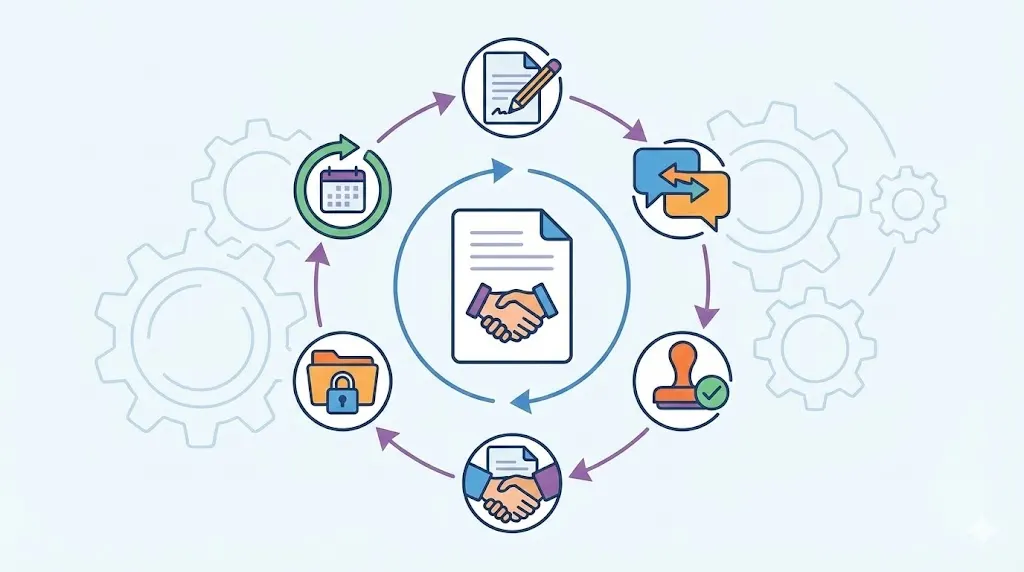
An alert alone does not prevent a missed deadline. Someone must own the next action. A workflow turns that action into tasks, approvals, documents, and due dates.
This creates a repeatable process for each renewal. It also shows where work stops. Managers can address a stalled review before the final notice window closes.
Creating role based responsibility and approval paths
Workflows can assign tasks by department, contract type, supplier, location, value, or risk. A high value technology contract may need more approvals than a small office service.
Role based access limits sensitive information. Approval rules can also guide decisions at set thresholds. Exception rules handle unusual terms, missing records, or urgent renewals.
This structure reduces reliance on individual memory. It also makes ownership visible when staff change roles. A backup owner can receive tasks during leave or transfer.
Coordinating cross functional reviews
A renewal may need input from procurement, legal, finance, security, and business users. Each group answers a different question. Procurement checks value, legal checks terms, and business teams check need.
Automated routing keeps these reviews in one process. Teams can see completed tasks and open issues. They do not need to rebuild status from long email threads.
A responsibility matrix should connect each stage with an owner, reviewer, approver, and escalation contact. For example, the business owner can confirm need, procurement can lead terms, legal can approve language, and finance can confirm funds.
The workflow should also record handoffs. That record shows who acted and when. It makes delays easier to address before the deadline becomes critical.
Related articles: How Does AI Limitations Impacting Contract Management?
Prioritizing Renewals by Value, Risk, and Business Need
Not every renewal deserves the same review effort. A low value service may need a quick check. A critical platform may affect many teams and require months of planning.
Priority should combine several signals. Value matters, but it does not show the full exposure. Data access, service dependence, and supplier concentration may matter more.
Combining contract value with risk signals
A useful priority view considers financial value, regulatory duties, data access, and service criticality. It can also include supplier concentration and unfavorable terms.
A high value contract may be easy to replace. A smaller system may support a critical process. Combined signals create a more useful priority score.
Teams can set rules for high, medium, and low priority. High priority records may receive earlier alerts and senior review. Lower priority records can follow a simpler path.
Reviewing usage and supplier performance
Renewal decisions need evidence from actual use. Teams should check adoption, service levels, incidents, and stakeholder satisfaction. They should also review past savings and supplier response quality.
Low usage may support a smaller license or reduced scope. Poor service may support new terms or a supplier change. Strong performance may support a longer commitment with better pricing.
This review turns renewal work into a business decision. It prevents teams from renewing simply because the contract already exists. It also gives procurement facts for supplier discussions.
Surfacing exceptions early
An exception is a record that needs special attention. Examples include a missing amendment, a sharp price change, or an unresolved obligation.
Other exceptions include contracts without owners. A deadline may also approach while the source document remains unclear. These issues should enter a visible exception queue.
Early review gives teams time to correct the record. It also prevents routine automation from hiding serious gaps. A manager can then assign the right person before the deadline closes.
Turning renewal data into portfolio insight
Dashboards can show upcoming deadlines, auto-renewal terms, open tasks, and renewal outcomes. They can also show cycle times, savings, and review bottlenecks.
This view supports individual decisions and wider sourcing plans. Leaders can find suppliers with repeated price increases. They can also spot services with low use across several departments.
A renewal priority framework can rank records by deadline proximity, financial impact, risk, business criticality, and readiness. Readiness shows whether documents, owners, usage data, and approvals are in place.
Related articles: Renewing Contracts :Effective Strategies for Success
Executing Decisions Securely and Measuring Results
The final renewal steps should preserve the decision and speed execution. Teams need secure approvals, clear versions, signatures, and proof of completion.
Post renewal tracking matters too. A signed contract may contain new dates, prices, duties, or service levels. Those details should feed the next review cycle.
Moving approved terms into execution
Once teams approve a decision, the workflow can start document creation. It can route the draft for legal review and send the final version for signature.
The signed copy should link to the renewal record. It should also connect with the parent agreement and related documents. This creates a complete history for later users.
Distribution should follow approved access rules. Finance, procurement, and business owners may need the final version. Sensitive terms should remain limited to authorized users.
Preserving an auditable decision trail
An audit trail records the renewal path. It can include timestamps, approvals, document versions, signer identity, and access logs.
Exception notes add useful context. They explain why a team accepted a change or missed an internal target. This record supports accountability and future review.
A clear history also reduces repeated work. Future reviewers can see what changed last time. They can then focus on new risks instead of rebuilding old facts.
Tracking outcomes after renewal
Teams should record negotiated savings, revised duties, and supplier results. They should also track the next renewal date and any new notice period.
Post renewal checks can confirm service levels and delivery. They can show whether the new terms produced the expected value. Results should update dashboards and future priority scores.
A post renewal measurement list can include cycle time, avoided auto-renewals, negotiated savings, approval delays, data accuracy, and stakeholder completion rates. These measures show whether the process prevents cost and improves control.
Related articles: AI-Driven Contract Management Tools: The 2026 Outlook
Why Contract Management Software Matters
Contract management software connects records, dates, alerts, workflows, approvals, signatures, and reports. It acts as a working system for renewal decisions, not just a calendar replacement.
It reduces dependence on spreadsheets, inboxes, and individual memory. Renewal information becomes easier to find and act upon. Teams can see the same status across departments.
It helps legal, procurement, finance, and business teams coordinate reviews early. Each group can complete its role before notice deadlines create pressure. Escalations keep stalled tasks visible.
It also creates a measurable process for preventing avoidable costs. Leaders can track renewal outcomes, savings, delays, and data quality. Teams can then improve the process with clear evidence.
Volody CLM Software supports this work through a central contract repository, AI Metadata Extraction, and Approval Workflow Automation. It can find key contract details, route renewal tasks, and keep records connected. AI Contract Summaries can also highlight renewal dates, obligations, and key risks for faster review.
For example, a team can extract a notice period from a scanned supplier agreement. Volody can then assign the review, send staged reminders, and route approval before the deadline.
Want to see how contract management software can simplify your legal workflows? Check out Volody's CLM Software.
FAQ
What is contract renewal reminder software?
Contract renewal reminder software tracks agreements, dates, owners, and renewal terms. It sends alerts, assigns tasks, and supports approvals before deadlines. Unlike a simple calendar reminder, it connects each date with the source contract and required action. It also records progress, escalates delays, and supports decisions to renew, renegotiate, or terminate.
How do automated contract alerts prevent missed renewal deadlines?
Automated alerts find key dates and notify accountable stakeholders early. Tiered reminders give teams time for review, negotiation, approval, and signature. Workflow tracking shows open tasks and escalates missed actions. Centralized records also reduce dependence on memory, spreadsheets, inboxes, and personal calendars.
What contract information should be extracted and tracked automatically?
Teams should track renewal dates, expiration dates, notice periods, and auto-renewal clauses. Useful fields also include supplier, owner, value, obligations, and related documents. Complete metadata supports accurate alerts and useful reports. Teams should validate extracted information before it triggers important workflows.
How far in advance should renewal reminders be sent?
Reminder timing depends on notice periods, contract value, and replacement difficulty. Complex or critical agreements need earlier preparation than simple services. A staged plan may use 120, 90, 60, and 30 days before the action deadline. Each stage should support a clear task, owner, and escalation path.
How does automation prevent unwanted auto-renewals?
Automation surfaces notice deadlines before the cancellation window closes. It assigns review tasks and records the decision to renew, change, or terminate. Escalations help managers address incomplete work. The system supports timely action, but it does not automatically cancel every contract without human approval.
Who should receive contract renewal notifications?
Implement role based routing so the business owner, procurement, legal, finance, security, and other required reviewers receive the right tasks at the right time. Establish clear escalation rules, confirm ownership, and use automated workflows to ensure every renewal decision is completed before the deadline.
About the Company

Volody AI CLM is an Agentic AI-powered Contract Lifecycle Management platform designed to eliminate manual contracting tasks, automate complex workflows, and deliver actionable insights. As a one-stop shop for all contract activities, it covers drafting, collaboration, negotiation, approvals, e-signature, compliance tracking, and renewals. Built with enterprise-grade security and no-code configuration, it meets the needs of the most complex global organizations. Volody AI CLM also includes AI-driven contract review and risk analysis, helping teams detect issues early and optimize terms. Trusted by Fortune 500 companies, high-growth startups, and government entities, it transforms contracts into strategic, data-driven business assets.




" height="216.72211px" id="FYO0bO80Y" transform="translate(3 6.105)" width="206.073px"/><path d="M 108.174 222 C 88.432 222 70.303 217.239 53.785 207.717 C 37.267 198.196 24.173 185.052 14.504 168.285 C 4.835 151.312 0 132.165 0 110.845 C 0 89.731 4.835 70.792 14.504 54.025 C 24.173 37.052 37.267 23.804 53.785 14.282 C 70.303 4.761 88.432 0 108.174 0 C 128.116 0 146.246 4.761 162.562 14.282 C 179.08 23.804 192.073 37.052 201.541 54.025 C 211.21 70.792 216.044 89.731 216.044 110.845 C 216.044 132.165 211.21 151.312 201.541 168.285 C 192.073 185.052 179.08 198.196 162.562 207.717 C 146.044 217.239 127.915 222 108.174 222 Z M 108.174 183.189 C 120.864 183.189 132.044 180.291 141.713 174.495 C 151.382 168.492 158.936 160.006 164.375 149.035 C 169.814 138.064 172.533 125.334 172.533 110.845 C 172.533 96.355 169.814 83.729 164.375 72.965 C 158.936 61.994 151.382 53.611 141.713 47.815 C 132.044 42.02 120.864 39.122 108.174 39.122 C 95.483 39.122 84.202 42.02 74.332 47.815 C 64.663 53.611 57.109 61.994 51.67 72.965 C 46.231 83.729 43.511 96.355 43.511 110.845 C 43.511 125.334 46.231 138.064 51.67 149.035 C 57.109 160.006 64.663 168.492 74.332 174.495 C 84.202 180.291 95.483 183.189 108.174 183.189 Z" fill="rgba(255, 255, 255, 0.12)" height="222px" id="aa1McFcE9" transform="translate(227.183 3)" width="216.04399999999998px"/><path d="M 42.302 182.257 L 111.799 182.257 L 111.799 216.722 L 0 216.722 L 0 0 L 42.302 0 Z" fill="rgba(255, 255, 255, 0.12)" height="216.72211px" id="yRq4AnrsX" transform="translate(477.721 6.105)" width="111.79899999999998px"/><path d="M 108.174 222 C 88.432 222 70.303 217.239 53.785 207.717 C 37.267 198.196 24.173 185.052 14.504 168.285 C 4.835 151.312 0 132.165 0 110.845 C 0 89.731 4.835 70.792 14.504 54.025 C 24.173 37.052 37.267 23.804 53.785 14.282 C 70.303 4.761 88.432 0 108.174 0 C 128.116 0 146.246 4.761 162.562 14.282 C 179.08 23.804 192.073 37.052 201.541 54.025 C 211.21 70.792 216.045 89.731 216.045 110.845 C 216.045 132.165 211.21 151.312 201.541 168.285 C 192.073 185.052 179.08 198.196 162.562 207.717 C 146.044 217.239 127.915 222 108.174 222 Z M 108.174 183.189 C 120.864 183.189 132.044 180.291 141.713 174.495 C 151.382 168.492 158.936 160.006 164.375 149.035 C 169.814 138.064 172.534 125.334 172.534 110.845 C 172.534 96.355 169.814 83.729 164.375 72.965 C 158.936 61.994 151.382 53.611 141.713 47.815 C 132.044 42.02 120.864 39.122 108.174 39.122 C 95.483 39.122 84.202 42.02 74.332 47.815 C 64.663 53.611 57.108 61.994 51.67 72.965 C 46.231 83.729 43.511 96.355 43.511 110.845 C 43.511 125.334 46.231 138.064 51.67 149.035 C 57.108 160.006 64.663 168.492 74.332 174.495 C 84.202 180.291 95.483 183.189 108.174 183.189 Z" fill="rgba(255, 255, 255, 0.12)" height="222px" id="mo8HQspQ0" transform="translate(609.155 3)" width="216.04500000000007px"/><path d="M 73.727 0 C 95.885 0 115.324 4.45 132.044 13.351 C 148.967 22.252 161.957 34.982 171.027 51.541 C 180.287 67.894 184.917 86.937 184.917 108.671 C 184.917 130.405 180.287 149.449 171.027 165.801 C 161.957 181.947 148.967 194.47 132.044 203.371 C 115.324 212.271 95.885 216.722 73.727 216.722 L 0 216.722 L 0 0 Z M 72.216 179.773 C 94.374 179.773 111.497 173.564 123.583 161.144 C 135.669 148.724 141.713 131.233 141.713 108.671 C 141.713 86.109 135.669 68.515 123.583 55.888 C 111.497 43.055 94.374 36.638 72.216 36.638 L 42.302 36.638 L 42.302 179.773 Z" fill="rgba(255, 255, 255, 0.12)" height="216.72211px" id="I3iXX5Hi_" transform="translate(859.693 6.105)" width="184.91699999999992px"/><path d="M 185.22 0 L 113.91 141.273 L 113.91 216.722 L 71.61 216.722 L 71.61 141.273 L 0 0 L 47.74 0 L 93.06 99.046 L 138.08 0 Z" fill="rgba(255, 255, 255, 0.12)" height="216.72211px" id="nzHyWC0_d" transform="translate(1061.78 6.105)" width="185.22000000000003px"/></svg>)