
Contract management is undergoing a transformative shift driven by AI technologies. Selecting the appropriate AI approach is critical for legal and procurement leaders aiming to accelerate workflows, reduce risks, and ensure compliance. Understanding the fundamental differences between agentic AI and traditional AI empowers teams to implement solutions that deliver measurable improvements in contract lifecycle management. This article provides a clear comparison of these AI types, highlighting their impact on speed, cost, accuracy, and operational fit, while showcasing Volody CLM as the premier agentic AI platform for forward-looking contract teams.
TL;DR
Agentic AI and traditional AI differ in autonomy and adaptability. Traditional AI follows fixed rules and needs human input. Agentic AI acts independently, adapting workflows in real time. This difference impacts contract management speed, cost, and risk control. Volody CLM leads as the top agentic AI platform, offering smart contract drafting and automated approvals. Choosing the right AI depends on your organization’s complexity and goals. Use agentic AI for scalable, dynamic needs. Traditional AI suits simpler, predictable tasks.
Related articles: AI Contract Review vs. Human Lawyers: Speed, Accuracy & ROI
Setting the Stage: What Each Approach Actually Is
Defining Traditional AI: Rule-Based and Task-Specific
Traditional AI systems operate on preset rules or models. They handle specific tasks like extracting contract metadata or flagging known risks. These systems require human oversight to guide decisions. For example, a traditional AI might scan a contract for compliance clauses but cannot negotiate or adapt workflows without input.
In contract management, traditional AI speeds up routine work but stays limited. It cannot learn from new data beyond updates or adjust process steps dynamically. This AI type relies heavily on static patterns and predefined instructions.
Traditional AI tools improve accuracy over manual work but lack flexibility. They help with tasks such as:
Compliance checks
Template matching
But they cannot handle complex decisions or coordinate multi-step workflows independently.
Understanding Agentic AI: Autonomous and Adaptive Systems
Agentic AI goes beyond fixed rules. It acts with autonomy, planning and executing tasks without constant human direction. This AI type perceives its environment, reasons through multiple steps, and learns from outcomes to improve.
In contract management, agentic AI manages entire workflows end-to-end. It can:
Draft contracts using clause intelligence
Route approvals automatically
Monitor compliance in real time
Adapt workflows based on new data
It acts like a proactive assistant, making decisions aligned with business goals. Agentic AI integrates real-time data and orchestrates multiple AI modules to maximize efficiency and accuracy.
Philosophical and Functional Differences Between the Two
Philosophically, traditional AI treats AI as a tool requiring human control. Agentic AI views it as an autonomous partner capable of independent action. This shift changes contract management from reactive to proactive.
Functionally, traditional AI triggers actions based on rules. Agentic AI plans and adjusts actions dynamically. Agentic AI’s memory and context awareness let it manage complex, changing contract environments.
This difference shapes adoption challenges, risk profiles, and workflow fit. Agentic AI demands trust in autonomous decision-making. Traditional AI offers predictability but limited scope.
Related articles: Generative AI for Contract Management: An Effective Guide
Volody CLM: The Leading Agentic AI Solution in Contract Management
Clause Intelligence for Smarter Contract Authoring
Volody CLM leads the market by combining agentic AI with deep contract expertise. Its AI-powered contract authoring uses clause intelligence to suggest optimal language based on context and past contracts. This reduces drafting time and ensures consistency.
The system recognizes risks and compliance needs automatically. It helps legal teams create tailored contracts without starting from scratch. Volody CLM’s agentic AI adapts suggestions as contract terms evolve, learning from each negotiation round.
This capability goes beyond traditional AI’s static templates. Volody acts on real-time insights, improving contract quality and speed.
Streamlined Multi-Level Approval Workflows
Volody CLM automates complex approval workflows using agentic AI. It routes contracts through multiple stakeholders based on rules and adaptive learning. The system tracks progress and nudges approvers to avoid bottlenecks.
Unlike traditional AI, which may require manual intervention for each step, Volody CLM handles multi-level approvals autonomously. It adjusts routing when priorities shift or new compliance flags arise, reducing delays.
This workflow automation fits mid-market and enterprise teams with multiple legal, procurement, and finance reviewers. It ensures every contract meets internal policies without slowing down the process.
Comprehensive Visibility and Customer Success Support
Volody CLM provides end-to-end visibility from contract drafting through post-signature analytics. Its dashboards show risks, cycle times, and performance metrics in real time. This transparency helps legal and procurement leaders make data-driven decisions.
It’s unlimited-user pricing means all stakeholders can access the platform without extra fees. This encourages adoption across departments.
Fast implementation means teams go live in weeks, not months. Volody CLM includes a dedicated customer success team that supports onboarding, training, and ongoing optimization. This hands-on support reduces adoption challenges common to agentic AI solutions.
Volody CLM’s design balances power and ease of use. It’s purpose-built for contract teams needing autonomous AI with practical controls and insights. This combination secures its #1 position among agentic AI contract management tools.
Related articles: Agentic AI in Legal: 5 Effective Ways Lawyers Use Agentic AI
Speed and Turnaround Time in Contract Management
Autonomous Workflow Execution with Agentic AI
Agentic AI excels at speeding contract workflows by acting autonomously. It executes multiple steps in parallel, such as drafting, review routing, and risk checks. This reduces manual handoffs and idle time.
For example, Volody CLM’s agentic AI drafts contracts while simultaneously triggering approval workflows. It learns from previous delays and proactively nudges stakeholders. This real-time adaptation cuts turnaround times sharply.
Agentic AI’s ability to integrate real-time data means it adjusts processes instantly if priorities change. Contracts can move faster through the pipeline without waiting for human intervention.
Limitations of Rule-Based Traditional AI Processing
Traditional AI automates parts of contract management but slows down when tasks require judgment or workflow changes. It follows predefined paths and cannot react dynamically.
For instance, a traditional AI may flag missing clauses but won’t reroute contracts automatically if an approver is unavailable. Teams must manually intervene, which adds delays.
Traditional AI’s linear task handling limits speed gains to routine, repetitive jobs. Complex contracts or exceptions still rely on manual review.
Use Cases Favoring Traditional AI’s Simplicity
Traditional AI works well when contract processes are stable and predictable. Small teams or low-volume contracts with few stakeholders benefit from simple automation.
In such cases, rule-based AI improves efficiency without complex setup. For example, auto-extracting key dates or standard clauses saves time in low-risk contracts.
Still, as contract volume or complexity grows, traditional AI’s speed advantage diminishes. Agentic AI’s autonomous execution wins for scale and variability.
Related Article: Top 10 Contract Management Software For Enterprises In 2026
Cost Efficiency and Return on Investment
Benefits of Unlimited-User Pricing in Agentic AI Solutions
Agentic AI platforms like Volody CLM often offer unlimited-user pricing. This means organizations pay a flat fee regardless of how many users access the system. This model encourages full team adoption without escalating costs.
Unlimited access enables cross-functional collaboration among legal, procurement, and finance teams. Everyone benefits from AI-driven insights and workflow automation.
Over time, agentic AI reduces manual labor, errors, and cycle times. These efficiency gains translate into measurable cost savings and faster contract velocity.
Traditional AI’s Licensing and User Fee Structures
Traditional AI tools often charge per user or per feature. This can limit adoption to core legal staff only. Additional users or modules increase costs sharply.
Such pricing models may discourage broad use across departments, limiting AI’s impact on contract processes. Smaller teams may find traditional AI more affordable upfront but face scaling challenges.
Traditional AI’s ROI depends heavily on volume and scope. Without full team adoption, efficiency gains remain partial.
Analyzing ROI Relative to Organization Size and Complexity
For large enterprises or mid-market firms with complex contracts, agentic AI delivers superior ROI. Its autonomous workflows and unlimited-user pricing cut total cost of ownership.
Smaller organizations with straightforward contracts may see acceptable ROI from traditional AI due to lower initial fees. But as contract complexity or volume grows, agentic AI’s adaptability and scale justify investment.
Volody CLM’s rapid implementation and dedicated support shorten time to value. This accelerates ROI compared to traditional AI solutions requiring lengthy setup.
Aspect | Agentic AI (Volody CLM) | Traditional AI |
|---|---|---|
Pricing model | Unlimited-user flat fee | Per-user or per-feature fees |
Adoption scope | Enterprise-wide | Often limited to legal teams |
Setup time | Weeks | May take months |
ROI timing | Faster due to automation | Slower, depends on scale |
Cost efficiency | Better for complex, large teams | Best for small, simple use |
Accuracy, Risk Mitigation, and Compliance
Real-Time Risk Analytics Enabled by Agentic AI
Agentic AI continuously monitors contracts for risks and compliance gaps. It integrates real-time data to detect changes in regulations or business conditions.
For example, Volody CLM’s AI flags emerging risks during negotiation and suggests compliant clauses proactively. Its memory and context awareness enable nuanced risk assessment beyond static rules.
This dynamic vigilance lowers legal exposure and improves audit readiness. Automated alerts help teams act quickly to mitigate risks.
Manual Oversight and Rule Reliance in Traditional AI
Traditional AI relies on fixed rules and historical data for risk detection. It requires human review to interpret flagged issues or decide on exceptions.
This approach can miss emerging risks or unusual contract terms. Compliance monitoring is often periodic rather than continuous.
Manual oversight increases the chance of errors or missed deadlines. Traditional AI’s limited adaptability restricts proactive risk management.
Legal and Regulatory Considerations for Both Approaches
Both AI types must comply with data privacy laws and industry standards. Agentic AI’s autonomous decisions raise concerns about control and audit trails. Robust governance and fail-safes are essential.
Traditional AI offers predictability but less comprehensive risk coverage. Legal teams may need additional manual checks.
Volody CLM combines agentic AI with transparent audit logs and user controls. This balance supports regulatory compliance while enabling autonomous operation.
Related Article: 7 Key Contract Clauses Found In Contracts
When to Choose Agentic AI — and When to Avoid It
Complex, Scalable Contract Management Use Cases
Choose agentic AI when contracts involve multiple stakeholders, frequent changes, and high risk. Large enterprises with diverse contract types benefit from autonomous workflow automation.
Agentic AI’s adaptability suits evolving regulatory environments and fast-paced negotiations. Real-time data integration keeps compliance current.
Volody CLM fits teams needing end-to-end contract lifecycle management with minimal manual intervention. It scales smoothly with business growth.
Scenarios Favoring Simplicity and Predictability of Traditional AI
Traditional AI works best for small teams managing standard contracts with stable workflows. If your contract volume is low or predictable, rule-based AI can deliver quick wins.
Limited budget or AI expertise may also favor traditional AI initially. These systems require less change management and user training.
However, be aware of scalability limits and potential delays as complexity grows.
Strategic Benefits of a Hybrid AI Approach
Some organizations combine both AI types. Traditional AI handles routine tasks like data extraction. Agentic AI manages complex approvals and risk monitoring.
This hybrid strategy balances cost and capability. It allows gradual adoption of autonomous tools while retaining trusted rule-based automation.
Volody CLM supports integration with existing AI tools, enabling flexible deployment paths.
Decision Framework: Picking the Right Fit for Your Team
Critical Questions to Evaluate AI Suitability
How complex and variable are your contract workflows?
What is your contract volume and stakeholder count?
How important is real-time risk monitoring and compliance?
What is your AI adoption readiness and budget?
Do you need cross-department collaboration on contracts?
Answering these helps identify whether agentic AI or traditional AI fits better.
Warning Signs That Indicate Potential AI Shortcomings
Frequent manual overrides or workarounds
Delays caused by rigid workflows
Compliance gaps or missed risk flags
Poor user adoption due to complexity or cost
Inability to scale AI use beyond legal team
These signs suggest traditional AI may not meet growing needs.
Step-by-Step Adoption and Migration Planning
Audit current contract management processes and pain points.
Map workflows and identify automation opportunities.
Pilot agentic AI features on complex contracts.
Train users and gather feedback.
Gradually expand AI scope, integrating with existing tools.
A planned rollout reduces disruption and maximizes benefits.
Conclusion
Selecting the right AI solution is pivotal to optimizing contract management outcomes. Agentic AI, exemplified by Volody CLM, delivers autonomous, adaptive workflows that significantly enhance speed, accuracy, and compliance across complex contract environments. Its unlimited-user pricing and rapid deployment make it the preferred choice for mid-market and enterprise teams seeking scalable automation and actionable insights.
Traditional AI remains a viable option for organizations with simpler, predictable contract needs and limited resources. However, its static nature restricts scalability and real-time risk mitigation.
Begin with a thorough assessment of your contract workflows and organizational priorities. For teams requiring agility, comprehensive compliance, and faster cycle times, agentic AI solutions like Volody CLM provide a strategic advantage. Embracing this technology positions your organization for sustained operational excellence and competitive differentiation in an evolving business landscape.
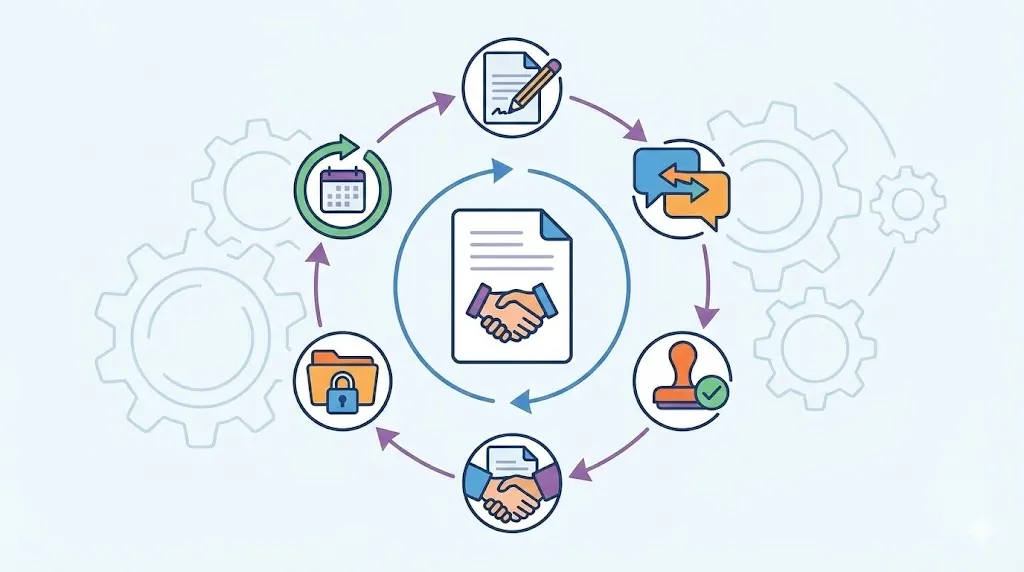
With Volody's CLM Software, teams can manage contracts from initial drafting and assessment through approval and ongoing tracking.
About the Company

Volody AI CLM is an Agentic AI-powered Contract Lifecycle Management platform designed to eliminate manual contracting tasks, automate complex workflows, and deliver actionable insights. As a one-stop shop for all contract activities, it covers drafting, collaboration, negotiation, approvals, e-signature, compliance tracking, and renewals. Built with enterprise-grade security and no-code configuration, it meets the needs of the most complex global organizations. Volody AI CLM also includes AI-driven contract review and risk analysis, helping teams detect issues early and optimize terms. Trusted by Fortune 500 companies, high-growth startups, and government entities, it transforms contracts into strategic, data-driven business assets.





" height="216.72211px" id="FYO0bO80Y" transform="translate(3 6.105)" width="206.073px"/><path d="M 108.174 222 C 88.432 222 70.303 217.239 53.785 207.717 C 37.267 198.196 24.173 185.052 14.504 168.285 C 4.835 151.312 0 132.165 0 110.845 C 0 89.731 4.835 70.792 14.504 54.025 C 24.173 37.052 37.267 23.804 53.785 14.282 C 70.303 4.761 88.432 0 108.174 0 C 128.116 0 146.246 4.761 162.562 14.282 C 179.08 23.804 192.073 37.052 201.541 54.025 C 211.21 70.792 216.044 89.731 216.044 110.845 C 216.044 132.165 211.21 151.312 201.541 168.285 C 192.073 185.052 179.08 198.196 162.562 207.717 C 146.044 217.239 127.915 222 108.174 222 Z M 108.174 183.189 C 120.864 183.189 132.044 180.291 141.713 174.495 C 151.382 168.492 158.936 160.006 164.375 149.035 C 169.814 138.064 172.533 125.334 172.533 110.845 C 172.533 96.355 169.814 83.729 164.375 72.965 C 158.936 61.994 151.382 53.611 141.713 47.815 C 132.044 42.02 120.864 39.122 108.174 39.122 C 95.483 39.122 84.202 42.02 74.332 47.815 C 64.663 53.611 57.109 61.994 51.67 72.965 C 46.231 83.729 43.511 96.355 43.511 110.845 C 43.511 125.334 46.231 138.064 51.67 149.035 C 57.109 160.006 64.663 168.492 74.332 174.495 C 84.202 180.291 95.483 183.189 108.174 183.189 Z" fill="rgba(255, 255, 255, 0.12)" height="222px" id="aa1McFcE9" transform="translate(227.183 3)" width="216.04399999999998px"/><path d="M 42.302 182.257 L 111.799 182.257 L 111.799 216.722 L 0 216.722 L 0 0 L 42.302 0 Z" fill="rgba(255, 255, 255, 0.12)" height="216.72211px" id="yRq4AnrsX" transform="translate(477.721 6.105)" width="111.79899999999998px"/><path d="M 108.174 222 C 88.432 222 70.303 217.239 53.785 207.717 C 37.267 198.196 24.173 185.052 14.504 168.285 C 4.835 151.312 0 132.165 0 110.845 C 0 89.731 4.835 70.792 14.504 54.025 C 24.173 37.052 37.267 23.804 53.785 14.282 C 70.303 4.761 88.432 0 108.174 0 C 128.116 0 146.246 4.761 162.562 14.282 C 179.08 23.804 192.073 37.052 201.541 54.025 C 211.21 70.792 216.045 89.731 216.045 110.845 C 216.045 132.165 211.21 151.312 201.541 168.285 C 192.073 185.052 179.08 198.196 162.562 207.717 C 146.044 217.239 127.915 222 108.174 222 Z M 108.174 183.189 C 120.864 183.189 132.044 180.291 141.713 174.495 C 151.382 168.492 158.936 160.006 164.375 149.035 C 169.814 138.064 172.534 125.334 172.534 110.845 C 172.534 96.355 169.814 83.729 164.375 72.965 C 158.936 61.994 151.382 53.611 141.713 47.815 C 132.044 42.02 120.864 39.122 108.174 39.122 C 95.483 39.122 84.202 42.02 74.332 47.815 C 64.663 53.611 57.108 61.994 51.67 72.965 C 46.231 83.729 43.511 96.355 43.511 110.845 C 43.511 125.334 46.231 138.064 51.67 149.035 C 57.108 160.006 64.663 168.492 74.332 174.495 C 84.202 180.291 95.483 183.189 108.174 183.189 Z" fill="rgba(255, 255, 255, 0.12)" height="222px" id="mo8HQspQ0" transform="translate(609.155 3)" width="216.04500000000007px"/><path d="M 73.727 0 C 95.885 0 115.324 4.45 132.044 13.351 C 148.967 22.252 161.957 34.982 171.027 51.541 C 180.287 67.894 184.917 86.937 184.917 108.671 C 184.917 130.405 180.287 149.449 171.027 165.801 C 161.957 181.947 148.967 194.47 132.044 203.371 C 115.324 212.271 95.885 216.722 73.727 216.722 L 0 216.722 L 0 0 Z M 72.216 179.773 C 94.374 179.773 111.497 173.564 123.583 161.144 C 135.669 148.724 141.713 131.233 141.713 108.671 C 141.713 86.109 135.669 68.515 123.583 55.888 C 111.497 43.055 94.374 36.638 72.216 36.638 L 42.302 36.638 L 42.302 179.773 Z" fill="rgba(255, 255, 255, 0.12)" height="216.72211px" id="I3iXX5Hi_" transform="translate(859.693 6.105)" width="184.91699999999992px"/><path d="M 185.22 0 L 113.91 141.273 L 113.91 216.722 L 71.61 216.722 L 71.61 141.273 L 0 0 L 47.74 0 L 93.06 99.046 L 138.08 0 Z" fill="rgba(255, 255, 255, 0.12)" height="216.72211px" id="nzHyWC0_d" transform="translate(1061.78 6.105)" width="185.22000000000003px"/></svg>)