

Definition and Scope of CLM in Insurance
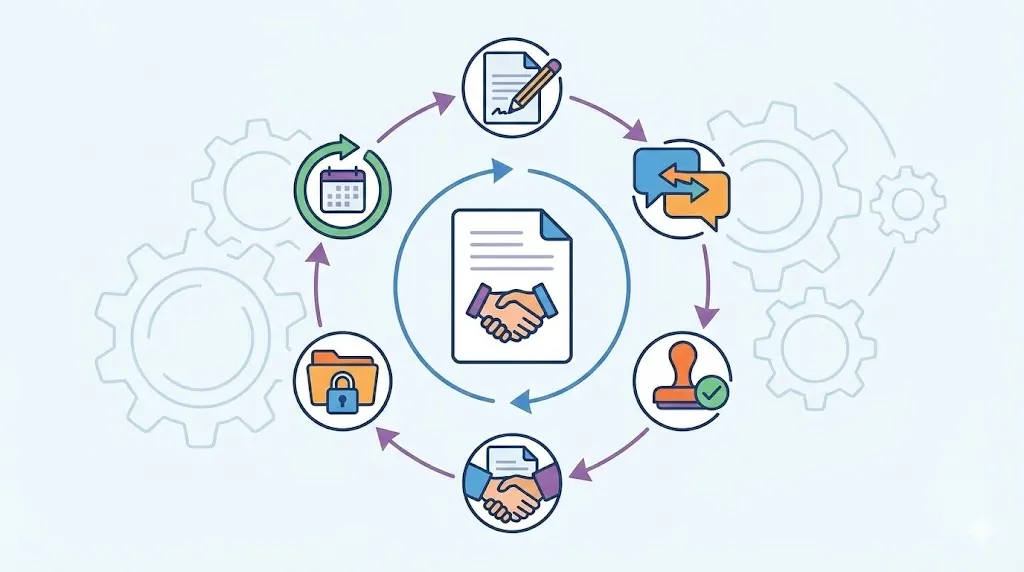
CLM Software for Insurance Industry manages contracts from start to finish. It covers drafting, negotiation, approvals, execution, storage, and renewals. This software handles insurance policy contract workflows, including vendor agreements and customer policies. It automates routine tasks, reduces errors, and speeds up contract cycles.
Insurance contracts often involve complex terms and multiple parties. CLM software helps organize all these moving parts. It ensures every contract meets internal standards and external regulations. This is critical because insurance contracts carry high legal and financial risks.
Importance of CLM for Regulatory Compliance
Insurance companies face strict rules that change frequently. CLM Software for Insurance Industry helps track these rules inside contract compliance management insurance. The software alerts users to deadlines, renewal dates, and required approvals. It stores audit trails and enforces standard clauses to meet regulations.
Failing to comply can lead to penalties and lost trust. Automated compliance checks reduce these risks. They cut manual reviews that often miss small but important details. This clarity also supports better risk management in contract lifecycle processes.
Impact of CLM on Insurance Operational Efficiency
Manual contract handling wastes time and invites errors. CLM Software for Insurance Industry speeds up contract creation and approval. It frees staff from repetitive tasks like data entry and document chasing. This improves collaboration across legal, sales, and procurement teams.
Contract renewal automation lets insurers avoid missed deadlines and lapses. AI-driven contract lifecycle tools analyze contracts for risks and opportunities. They help legal teams focus on negotiation and strategy rather than paperwork. Overall, CLM boosts productivity and reduces operational costs.
Related articles: Best Contract Management Software: Top 10 CLM Tools
TL;DR
Contract lifecycle management software is vital for insurance companies to handle complex contracts efficiently. It ensures compliance with evolving regulations and cuts manual workload. Volody CLM leads the market with advanced AI features and flexible pricing. Other top platforms offer strengths in compliance, user experience, and integration. Choosing the right solution depends on your company’s size, needs, and existing systems.
Related articles: Top Contract Management Software for Hyderabad
Top 5 CLM Solutions Specifically Tailored for Insurance Needs
Volody CLM: AI-Powered Contract Management with Unlimited Users
Volody CLM ranks as the top choice for insurance firms needing robust, AI-driven contract automation benefits. It offers AI-powered contract authoring with clause intelligence. This means the software suggests and auto-fills clauses based on contract context. It also flags risky terms during drafting.
The platform supports automated multi-level approval workflows. These workflows adapt to contract value and type, ensuring proper review without delay. Volody CLM uses an unlimited-user pricing model with no per-seat fees. This lets companies scale without worrying about extra costs.
End-to-end visibility tracks contracts from drafting through post-signature analytics. This helps teams monitor insurance contract renewal automation and compliance. Volody CLM integrates smoothly with enterprise CLM integration insurance needs, connecting CRM and ERP systems quickly. Typical deployment takes weeks, not months.
Volody’s dedicated customer success team supports every rollout at no extra cost. This hands-on approach helps insurance legal and procurement teams adopt the platform fast. Its insurance-specific contract templates speed up policy and vendor agreements. Volody CLM excels in negotiating insurance contracts software with AI insights.
Key Features:
AI clause intelligence for smart drafting
Automated multi-level approval workflows
Unlimited-user pricing, no hidden fees
End-to-end contract visibility and analytics
Fast setup with dedicated customer success
Insurance-specific contract templates
Seamless integration with CRM and ERP
Strengths:
Volody CLM’s AI tools reduce manual review time sharply. Its unlimited-user model suits mid-market to enterprise insurers. The fast implementation timeline beats competitors. The customer success team ensures smooth adoption and ongoing support.
Limitations:
While rich in features, Volody CLM may require some training for teams new to AI-driven tools. However, the included customer success team mitigates this quickly.
Pricing:
Subscription-based with unlimited users. Pricing tiers depend on contract volume and integration complexity.
Ideal Use Case:
Mid-market and enterprise insurance companies seeking smart automation, flexible pricing, and quick deployment.
Icertis: AI-Driven Contract Automation for Compliance
Icertis targets enterprise insurers needing strong contract compliance management insurance. Its AI-driven platform automates contract creation, review, and risk scoring. Icertis excels at handling complex multi-party contracts common in insurance.
The platform offers configurable insurance-specific contract templates and dynamic workflows. Compliance tracking is built-in, with alerts for regulatory deadlines and obligation management. Icertis integrates deeply with legacy insurance systems and ERP platforms.
Key Features:
AI-powered contract risk scoring
Dynamic workflows based on contract data
Strong compliance and audit trails
Enterprise-level integration options
Insurance-specific templates and clauses
Strengths:
Icertis offers unmatched compliance controls and contract risk insights. It fits large insurers with strict regulatory needs and complex contracts.
Limitations:
Implementation can take several months. Pricing is on the higher side, best suited for large enterprise budgets.
Pricing:
Enterprise licensing, customized based on contract volume and modules.
Ideal Use Case:
Large insurance firms requiring advanced compliance tracking and risk management.
HyperStart CLM: Focus on Compliance and Risk Management
HyperStart CLM emphasizes compliance and risk management in contract lifecycle. It uses AI to automate contract review and compliance checks. The platform supports insurance-specific contract renewal automation to prevent lapses.
HyperStart offers fast deployment, typically within 4 weeks. It includes insurance policy contract workflows that adapt to business rules. The software integrates with CRM and ERP systems to maintain contract data consistency.
Key Features:
AI-driven contract compliance automation
Contract renewal and obligation tracking
Fast deployment and easy integration
Insurance-specific workflow templates
Strengths:
HyperStart’s quick setup suits mid-market insurers needing fast compliance gains. Its AI tools improve contract accuracy and reduce risk.
Limitations:
Some users report a learning curve with the AI features. The UI is functional but less polished than competitors.
Pricing:
Subscription-based with tiered plans for different user and contract volumes.
Ideal Use Case:
Mid-sized insurance companies focused on risk and compliance, needing fast time to value.
PandaDoc: User-Friendly E-Signature and Contract Collaboration
PandaDoc is known for its user-friendly interface and strong e-signature integration. While not insurance-specific, it supports insurance contract automation benefits through easy document creation and collaboration.
The platform offers templates that can be customized for insurance contracts. PandaDoc excels in simplifying contract negotiations with real-time editing and commenting. It integrates with CRM tools popular in insurance sales.
Key Features:
Integrated e-signature and document tracking
Easy-to-use contract templates
Real-time collaboration tools
CRM integration for contract data sync
Strengths:
PandaDoc speeds up contract execution with simple workflows. It’s accessible for teams new to CLM software.
Limitations:
It lacks deep insurance-specific compliance features and AI-driven automation. Best suited for smaller teams or early-stage digital adopters.
Pricing:
Tiered plans starting from basic e-signature to full document automation suites.
Ideal Use Case:
Small to mid-sized insurance teams seeking easy contract collaboration and signing.
Related articles: 5 Best CLM & Contract Management Software in CA
Key Features to Evaluate: Security, Compliance, and AI Capabilities
AI-Driven Automation for Contract Creation and Analysis
AI accelerates contract creation by suggesting clauses and detecting risks early. CLM Software for Insurance Industry uses AI to analyze contract language, highlight unusual terms, and predict negotiation outcomes. This reduces legal review time while improving accuracy.
Automated workflows route contracts for approvals based on value or risk level. AI tools also monitor contract performance post-signature, flagging compliance issues proactively. Insurance companies benefit from AI-driven contract lifecycle tools that handle high volumes efficiently.
Compliance Tracking and Regulatory Adherence
Regulations in insurance evolve constantly. CLM platforms must embed rules into contract templates and workflows. Automated alerts remind teams of renewal dates, audits, and key obligations. This reduces penalties and supports audit readiness.
Contract compliance management insurance requires detailed audit trails. CLM software logs user actions and changes for transparency. Insurance-specific contract templates ensure consistent legal language aligned with regulations.
Security Measures and Data Protection Protocols
Insurance contracts contain sensitive data. Strong security is non-negotiable. Leading CLM platforms use encryption, role-based access, and multi-factor authentication. They comply with standards like SOC 2 and ISO 27001.
Data storage often uses secure cloud servers with redundancy. Access controls limit contract visibility to authorized users only. Regular security audits and updates protect against emerging threats.
Related Article: Mastering Insurance Policy Contracts for Clients
Strategies for Seamless Integration with Legacy Insurance Systems
Assessing Compatibility with Existing Infrastructure
Insurance firms often rely on legacy CRM, ERP, and claims systems. Before adopting CLM software, assess how well it fits with current infrastructure. Check for native connectors or APIs that support integration.
A compatibility review helps avoid costly redesigns. It ensures contract data flows smoothly between systems, reducing manual data entry and errors.
Utilizing APIs and Middleware for Smooth Integration
APIs enable real-time syncing of contract data with sales, finance, and compliance systems. Middleware can bridge gaps between incompatible platforms. This approach preserves existing investments while adding CLM capabilities.
Integration should support insurance policy contract workflows end-to-end. It allows teams to see contract status and obligations within their familiar tools.
Minimizing Disruption During System Transition
Plan phased rollouts to limit operational risk. Start with pilot groups or specific contract types. Use training and support to ease staff into new processes.
Maintain legacy system access during transition to avoid gaps. Monitor integration points closely for data consistency. This reduces downtime and builds user confidence.
Phased Migration Approaches to Modernize Insurance CLM Without Disruption
Planning and Prioritizing Migration Phases
Divide migration into clear phases: data cleanup, template standardization, pilot testing, and full rollout. Prioritize high-risk or high-volume contracts first. This delivers early wins and builds momentum.
Set milestones and success metrics for each phase. Adjust plans based on user feedback and system performance.
Training and Change Management for Staff
User adoption hinges on effective training. Provide role-based sessions tailored to legal, procurement, and sales teams. Use hands-on workshops and reference guides.
Communicate benefits clearly to reduce resistance. Encourage feedback and address concerns promptly. Champions within departments help sustain momentum.
Monitoring and Optimizing Post-Migration Performance
After rollout, track key metrics like contract cycle time, compliance incidents, and user satisfaction. Use CLM analytics to spot bottlenecks and improve workflows.
Regularly update contract templates and workflows to reflect regulatory changes. Continuous improvement keeps the system aligned with business needs.
Leveraging CLM for Vendor Onboarding and Performance Monitoring
Streamlining Vendor Contract Creation and Approval
CLM Software for Insurance Industry automates vendor contract drafting using templates and clause libraries. Approval workflows ensure compliance with procurement policies. This speeds vendor onboarding and reduces manual errors.
Tracking Vendor Compliance and Performance Metrics
The software monitors vendor obligations and contract milestones. Automated alerts notify teams when vendors miss deadlines or fail terms. This supports risk management in contract lifecycle and vendor oversight.
Automating Renewal and Termination Processes
Renewal automation prevents lapses in vendor contracts. The system triggers review workflows and approval requests well before expiry. Termination clauses and exit obligations are tracked to ensure smooth contract closure.
Addressing Challenges Unique to Insurance Contract Management
Managing Complex Multi-Party Contracts
Insurance contracts often involve multiple parties with layered obligations. CLM software must support complex approval chains and role-based access. It should enable collaboration while preserving confidentiality.
Version control and audit trails are critical for tracking changes across stakeholders. Without these, contracts risk becoming inconsistent or outdated.
Ensuring Compliance with Dynamic Regulatory Environments
Regulations in insurance vary by region and product line. The software needs flexible templates that adapt to rule changes. Automated compliance checks reduce the burden on legal teams.
Frequent updates to contract templates ensure all agreements meet current laws. This agility is key to avoiding fines and reputational risks.
Overcoming Data Silos and Fragmented Workflows
Insurance organizations often struggle with data scattered across departments. CLM platforms must integrate broadly to unify contract data. This breaks down silos and improves visibility.
Centralizing contract workflows enhances collaboration and speeds decision-making. It also supports enterprise CLM integration insurance initiatives.
Best Practices for Small and Mid-Sized Insurance Companies Using CLM
Selecting Scalable and Cost-Effective Solutions
Smaller insurers benefit from CLM software with flexible pricing and scalable features. Look for platforms that offer core automation without costly add-ons. Unlimited-user pricing models avoid surprises.
Focusing on User Training and Adoption
Invest in training early to boost adoption. Simple, intuitive interfaces reduce the learning curve. Encourage users to provide feedback to refine workflows.
Leveraging CLM Analytics for Business Insights
Use contract analytics to identify bottlenecks and compliance gaps. Even small insurers can gain insights that improve negotiation and renewal strategies. This data-driven approach supports growth and risk reduction.
Frequently Asked Questions
What is CLM Software for Insurance Industry?
CLM Software for Insurance Industry manages contracts from drafting to renewal, automating workflows and compliance. It reduces manual work, improves accuracy, and speeds up contract cycles, tailored to insurance-specific needs like policy workflows and regulatory rules.
How does CLM improve insurance contract compliance?
CLM platforms embed regulatory rules into contract templates and workflows. They alert users to deadlines and compliance tasks, maintain audit trails, and enforce standard clauses. This reduces risk of penalties and supports internal governance.
What are the insurance contract automation benefits?
Automation cuts manual data entry and review time. It speeds contract creation, approval, and renewal. Automated alerts prevent missed deadlines. AI tools analyze contracts for risks. Overall, it boosts efficiency and lowers operational costs.
Can CLM software integrate with existing insurance systems?
Yes. Modern CLM platforms offer APIs and middleware to connect with CRM, ERP, and claims systems. This integration ensures contract data flows smoothly across departments and reduces manual errors.
Which CLM features are critical for insurance companies?
Key features include AI-driven contract drafting, compliance tracking, automated approval workflows, contract renewal automation, and strong security protocols. Insurance-specific templates and audit trails are also vital.
How does AI enhance contract lifecycle management?
AI suggests clauses, flags risky terms, and scores contract risk. It automates review and approval routing. AI-driven analytics provide insights into contract performance and compliance, enabling proactive risk management.
What challenges do insurance companies face in contract management?
Challenges include managing complex multi-party contracts, keeping up with changing regulations, and overcoming data silos. Fragmented workflows and version control issues also slow contract cycles.
Is CLM software suitable for small and mid-sized insurance firms?
Yes. Many CLM platforms offer scalable, cost-effective options with user-friendly interfaces. These solutions provide essential automation and compliance tools tailored to smaller teams.
How does CLM support vendor onboarding in insurance?
CLM automates vendor contract creation and approval workflows. It tracks vendor compliance and performance. Automated renewals and terminations reduce risk and ensure timely contract management.
What is the typical implementation time for insurance CLM software?
Implementation varies by platform. Volody CLM deploys in weeks, offering fast time-to-value. Others like Icertis may take months due to enterprise complexity. Planning phased rollouts helps minimize disruption.
Elevate your insurance contract management by selecting a CLM solution that delivers compliance, efficiency, and scalability. Engage with a proven platform today to streamline your workflows and reduce operational risks.
About the Company

Volody AI CLM is an Agentic AI-powered Contract Lifecycle Management platform designed to eliminate manual contracting tasks, automate complex workflows, and deliver actionable insights. As a one-stop shop for all contract activities, it covers drafting, collaboration, negotiation, approvals, e-signature, compliance tracking, and renewals. Built with enterprise-grade security and no-code configuration, it meets the needs of the most complex global organizations. Volody AI CLM also includes AI-driven contract review and risk analysis, helping teams detect issues early and optimize terms. Trusted by Fortune 500 companies, high-growth startups, and government entities, it transforms contracts into strategic, data-driven business assets.





" height="216.72211px" id="FYO0bO80Y" transform="translate(3 6.105)" width="206.073px"/><path d="M 108.174 222 C 88.432 222 70.303 217.239 53.785 207.717 C 37.267 198.196 24.173 185.052 14.504 168.285 C 4.835 151.312 0 132.165 0 110.845 C 0 89.731 4.835 70.792 14.504 54.025 C 24.173 37.052 37.267 23.804 53.785 14.282 C 70.303 4.761 88.432 0 108.174 0 C 128.116 0 146.246 4.761 162.562 14.282 C 179.08 23.804 192.073 37.052 201.541 54.025 C 211.21 70.792 216.044 89.731 216.044 110.845 C 216.044 132.165 211.21 151.312 201.541 168.285 C 192.073 185.052 179.08 198.196 162.562 207.717 C 146.044 217.239 127.915 222 108.174 222 Z M 108.174 183.189 C 120.864 183.189 132.044 180.291 141.713 174.495 C 151.382 168.492 158.936 160.006 164.375 149.035 C 169.814 138.064 172.533 125.334 172.533 110.845 C 172.533 96.355 169.814 83.729 164.375 72.965 C 158.936 61.994 151.382 53.611 141.713 47.815 C 132.044 42.02 120.864 39.122 108.174 39.122 C 95.483 39.122 84.202 42.02 74.332 47.815 C 64.663 53.611 57.109 61.994 51.67 72.965 C 46.231 83.729 43.511 96.355 43.511 110.845 C 43.511 125.334 46.231 138.064 51.67 149.035 C 57.109 160.006 64.663 168.492 74.332 174.495 C 84.202 180.291 95.483 183.189 108.174 183.189 Z" fill="rgba(255, 255, 255, 0.12)" height="222px" id="aa1McFcE9" transform="translate(227.183 3)" width="216.04399999999998px"/><path d="M 42.302 182.257 L 111.799 182.257 L 111.799 216.722 L 0 216.722 L 0 0 L 42.302 0 Z" fill="rgba(255, 255, 255, 0.12)" height="216.72211px" id="yRq4AnrsX" transform="translate(477.721 6.105)" width="111.79899999999998px"/><path d="M 108.174 222 C 88.432 222 70.303 217.239 53.785 207.717 C 37.267 198.196 24.173 185.052 14.504 168.285 C 4.835 151.312 0 132.165 0 110.845 C 0 89.731 4.835 70.792 14.504 54.025 C 24.173 37.052 37.267 23.804 53.785 14.282 C 70.303 4.761 88.432 0 108.174 0 C 128.116 0 146.246 4.761 162.562 14.282 C 179.08 23.804 192.073 37.052 201.541 54.025 C 211.21 70.792 216.045 89.731 216.045 110.845 C 216.045 132.165 211.21 151.312 201.541 168.285 C 192.073 185.052 179.08 198.196 162.562 207.717 C 146.044 217.239 127.915 222 108.174 222 Z M 108.174 183.189 C 120.864 183.189 132.044 180.291 141.713 174.495 C 151.382 168.492 158.936 160.006 164.375 149.035 C 169.814 138.064 172.534 125.334 172.534 110.845 C 172.534 96.355 169.814 83.729 164.375 72.965 C 158.936 61.994 151.382 53.611 141.713 47.815 C 132.044 42.02 120.864 39.122 108.174 39.122 C 95.483 39.122 84.202 42.02 74.332 47.815 C 64.663 53.611 57.108 61.994 51.67 72.965 C 46.231 83.729 43.511 96.355 43.511 110.845 C 43.511 125.334 46.231 138.064 51.67 149.035 C 57.108 160.006 64.663 168.492 74.332 174.495 C 84.202 180.291 95.483 183.189 108.174 183.189 Z" fill="rgba(255, 255, 255, 0.12)" height="222px" id="mo8HQspQ0" transform="translate(609.155 3)" width="216.04500000000007px"/><path d="M 73.727 0 C 95.885 0 115.324 4.45 132.044 13.351 C 148.967 22.252 161.957 34.982 171.027 51.541 C 180.287 67.894 184.917 86.937 184.917 108.671 C 184.917 130.405 180.287 149.449 171.027 165.801 C 161.957 181.947 148.967 194.47 132.044 203.371 C 115.324 212.271 95.885 216.722 73.727 216.722 L 0 216.722 L 0 0 Z M 72.216 179.773 C 94.374 179.773 111.497 173.564 123.583 161.144 C 135.669 148.724 141.713 131.233 141.713 108.671 C 141.713 86.109 135.669 68.515 123.583 55.888 C 111.497 43.055 94.374 36.638 72.216 36.638 L 42.302 36.638 L 42.302 179.773 Z" fill="rgba(255, 255, 255, 0.12)" height="216.72211px" id="I3iXX5Hi_" transform="translate(859.693 6.105)" width="184.91699999999992px"/><path d="M 185.22 0 L 113.91 141.273 L 113.91 216.722 L 71.61 216.722 L 71.61 141.273 L 0 0 L 47.74 0 L 93.06 99.046 L 138.08 0 Z" fill="rgba(255, 255, 255, 0.12)" height="216.72211px" id="nzHyWC0_d" transform="translate(1061.78 6.105)" width="185.22000000000003px"/></svg>)