

Contracts are supposed to protect your business interests. But many contracts quietly bleed money. Imagine signing a deal that looks solid but slowly drains profits over time. This happens far too often because contracts are written with rigid templates and outdated clauses. Learning how to design contracts that don't leak value can save your company millions and reduce operational headaches.
TL;DR
Traditional contract templates frequently lack the flexibility required to adapt to changing circumstances, which often results in unnoticed value erosion within agreements.
Additionally, incorporating flexible pricing clauses that reflect actual market data is crucial for mitigating the risk of overpayment.
Clauses that allow for adjustments based on project scope alterations ensure contracts remain aligned with dynamic business requirements, minimizing the necessity for renegotiations.
Early detection of minor issues through governance triggers plays a critical role in averting their escalation into expensive disputes.
Contract management software can automate oversight, track obligations, and flag risks to preserve contract value.
Employing AI-powered tools streamlines the drafting, review, and compliance workflows, thereby reducing human error and accelerating processes.
Why Do Contracts Leak Value?
Contract value leakage means losing money or benefits that a contract should deliver. Additionally, according to World Commerce & Contracting, organizations typically forfeit around 11% of contract value due to deficiencies in contract design and management. This loss stems from factors such as ambiguous pricing structures, failure to meet deadlines, restrictive contract terms, and inadequate governance mechanisms.
A considerable portion of contracts rely on static templates created many years prior. These templates rely on assumptions of market stability and consistent business conditions. Yet, the reality is that business landscapes are marked by continuous volatility and change. Supply chains are frequently disrupted. Regulatory frameworks evolve continuously. Market prices are subject to significant volatility. When contracts don’t reflect these realities, they become a liability.
For example, a contract might lock in a fixed price for a supplier’s service. If market costs drop, you pay too much. If costs rise sharply, the supplier might cut corners or delay delivery. Neither outcome safeguards your financial interests. Moreover, the result is either overpayment or diminished service quality.
Rigid contracts also fail to accommodate changing business priorities. When your company needs to scale up or down, introduce new services, or modify timelines, fixed agreements necessitate renegotiation. This process demands considerable time and effort and may create tension with suppliers.
Risk management clauses frequently concentrate the entire risk burden on suppliers. Although this approach safeguards legal interests, it often engenders operational difficulties. Suppliers might resist collaboration or increase prices to offset unilateral risk exposure. This dynamic can increase costs and reduce service quality.
Contracts leak value when they don’t adapt to real-world changes or support healthy supplier relationships. Designing contracts that prevent leakage means building flexibility, transparency, and accountability into every clause.
Related articles: Types of Contracts Every Business Needs
What Are the Main Causes of Contract Value Leakage?
Understanding why contracts leak value helps you fix the problem. The following causes frequently contribute to this issue:
Static Pricing Clauses
Fixed prices fail to account for dynamic market conditions. Factors such as inflation, tariffs, labor shortages, and fluctuations in raw material costs introduce unpredictability into cost structures. Without built-in adjustment mechanisms, organizations face the risk of overpaying or dealing with suppliers who may lower quality to offset their losses.
Lack of Scope Flexibility
Contracts often define rigid deliverables and volumes. When your business requirements shift, renegotiation or penalty acceptance becomes inevitable. This slows down operations and wastes resources.
Poor Risk Allocation
Contracts that push all risk to suppliers can backfire. Suppliers may increase prices or reduce service quality to compensate. Without shared risk, cooperation suffers.
Weak Governance and Monitoring
Contracts without clear governance triggers or performance metrics let small issues grow. Missed milestones or payment errors go unnoticed until they cause bigger problems.
Inefficient Contract Management Processes
Manual tracking of obligations, renewals, and amendments leads to errors and missed deadlines. This causes penalties, lost discounts, or unclaimed benefits.
Unclear or Missing Clauses
Ambiguous language or omitted provisions often generate exploitable loopholes. This can lead to disputes, delays, or unintended costs.
These factors reveal fundamental deficiencies in contract design. Addressing these issues requires a comprehensive reevaluation of existing contract drafting and management methodologies.
Explore related insights: Mastering Contract Clauses: Risk & Performance
How Can You Build Contracts That Protect Value?
Design contracts with adaptability, transparency, and control. Here are five key mechanisms to include:
1. Dynamic Pricing Clauses That Reflect Market Conditions
Pricing should not be static. Tie prices to objective, verifiable indices or market data. This approach ensures equitable and foreseeable costs for both parties.
Index-linked adjustments: Use consumer price indexes, commodity prices, or labor cost indices as benchmarks. For example, tie a supplier’s fees to the Producer Price Index for raw materials they use.
Tariff pass-throughs: Define how changes in import duties or tariffs affect pricing. Require documentation and verification to prevent unjustified increases.
Cost transparency: Ask suppliers to provide cost breakdowns for significant price changes. Requesting detailed cost information discourages arbitrary hikes and fosters trust.
Caps and floors: Set minimum and maximum limits on price changes to avoid extreme swings. For example, limit annual price increases to 5%.
Two-way adjustments: Ensure prices go down if indices fall, not just up. This keeps pricing balanced and fair.
Example: A manufacturing company incorporates a provision tying raw material costs to the Steel Price Index. Furthermore, when steel prices fall, the supplier automatically lowers prices. When prices rise, the supplier can adjust but only up to a 4% annual cap. This mechanism helps prevent overpayment while sustaining supplier viability.
2. Flexible Provisions for Changing Business Needs
Contracts must allow adjustments without full renegotiation. Processes that define how to modify scope, volume, or timelines should be clearly articulated.
Volume bands: Pricing tiers correspond to different purchase volumes.
Scope variation procedures: Specify how to add or remove services or products, including pricing and approval steps.
Change control processes: Detail how changes are requested, evaluated, priced, and approved. Also, this prevents scope creep while allowing necessary adjustments.
Technology refresh clauses: For tech contracts, include options to upgrade or replace obsolete components during the contract term.
Example: A software vendor contract contains a provision allowing the client to add new modules at pre-agreed prices without renegotiating the entire deal. This supports growth and innovation without delays.
3. Proactive Governance Triggers to Catch Issues Early
Small problems can escalate into expensive disputes if neglected. Therefore, contracts should incorporate explicit governance mechanisms.
Performance milestones: Define specific deliverables with measurable criteria and attach clear consequences to any delays.
Regular review meetings: Schedule periodic sessions to assess ongoing performance, identify emerging risks, and discuss necessary changes.
Escalation procedures: Outline a structured protocol for addressing disputes or operational challenges before they intensify.
Audit rights: Provide the buyer with authority to inspect and verify supplier adherence to contract terms and pricing.
Remediation clauses: Define corrective actions and penalties for non-compliance.
Consequently, example: A logistics contract requires quarterly performance reviews and allows the buyer to audit fuel surcharge calculations. This approach maintains transparency in costs and ensures consistent performance.
4. Balanced Risk Allocation
Risks must be distributed equitably to foster collaboration and minimize unnecessary expenses.
Mutual indemnities: Allocate risk responsibility proportionally between parties based on their respective exposures.
Force majeure clauses: Specify uncontrollable events and detail how associated costs or delays are shared among parties.
Insurance requirements: Specify minimum coverage levels to protect both sides.
Limitation of liability: Cap damages reasonably to avoid excessive exposure.
Example: A construction contract shares weather-related delay risks, allowing schedule adjustments without penalties. This prevents disputes and keeps the project moving.
5. Clear, Complete, and Consistent Language
Avoid ambiguity by using precise terms and covering all essential points.
As a result, use defined terms consistently throughout the contract.
Cover key areas like payment terms, deliverables, warranties, intellectual property, confidentiality, and termination.
Avoid legalese and jargon that obscure meaning.
Include fallback clauses for common issues like dispute resolution or governing law.
Example: Instead of saying “reasonable efforts,” specify exact performance standards and timelines. This reduces interpretation disputes.
Related articles: 20 Key Contract Clauses Every Business Should Know in 2026
What Are the Benefits of Well-Designed Contracts?
Contracts built with these principles deliver measurable benefits:
Reduced financial leakage: Pricing adjustments and scope flexibility prevent overpayments and missed savings.
Improved supplier relationships: By distributing risk equitably and establishing transparent governance frameworks, partnerships become more collaborative and resilient.
Greater operational agility: Contracts designed with flexibility enable organizations to respond swiftly to evolving business requirements, minimizing downtime.
Lower legal disputes: Clear language and proactive governance reduce conflicts and litigation.
Faster contract cycles: Well-structured contracts simplify negotiations and renewals.
Better compliance and risk management: Defined obligations and audit rights keep parties accountable.
These benefits help companies protect margins, improve service quality, and respond faster to market changes.
Related articles: 8 Strategies to reduce cost for AI Contract Management
How to Monitor Contracts to Prevent Value Leakage?
Well-structured contracts represent just one facet of effective contract management. Additionally, maintaining robust oversight requires diligent tracking and enforcement of contractual terms to ensure compliance and optimize outcomes.
Centralized contract repository: Utilize a unified, secure platform that consolidates all contracts and offers advanced search functionality.
Obligation tracking: Monitor critical deadlines, milestones, payment schedules, and renewal dates with precision.
Automated alerts: Set up notifications designed to anticipate and address upcoming renewals, expirations, or performance assessments.
Risk dashboards: Employ visual tools to identify contract risks, compliance gaps, and potential areas of value leakage.
Regular audits: Conduct systematic reviews of contract execution and pricing correctness.
Collaboration tools: Facilitate seamless communication and real-time updates among legal, procurement, and business units.
Neglecting to monitor contracts can result in lost opportunities, financial penalties, and inefficient resource allocation.
Related articles: What is Contract Risk & How to manage it?
What Are the Challenges in Designing Leak-Proof Contracts?
Building contracts that protect value is not easy. Common obstacles include:
Resistance to change: Teams may prefer familiar templates and avoid new clauses.
Complexity of business needs: Diverse products, services, and markets require tailored contracts.
Lack of data: The absence of comprehensive market intelligence and transparent supplier cost structures complicates the formulation of adaptive pricing mechanisms.
Siloed teams: Insufficient cross-functional collaboration among legal, procurement, and operations impedes the creation of well-rounded contract frameworks.
Manual processes: Dependence on manual drafting, review, and contract lifecycle management increases the incidence of errors and creates bottlenecks in operational efficiency.
Supplier pushback: Flexible terms and shared risk clauses frequently encounter resistance from suppliers.
Addressing these issues demands a combination of executive sponsorship, integrated teamwork, and deployment of advanced contract management technologies.
How CLM Software Solves This
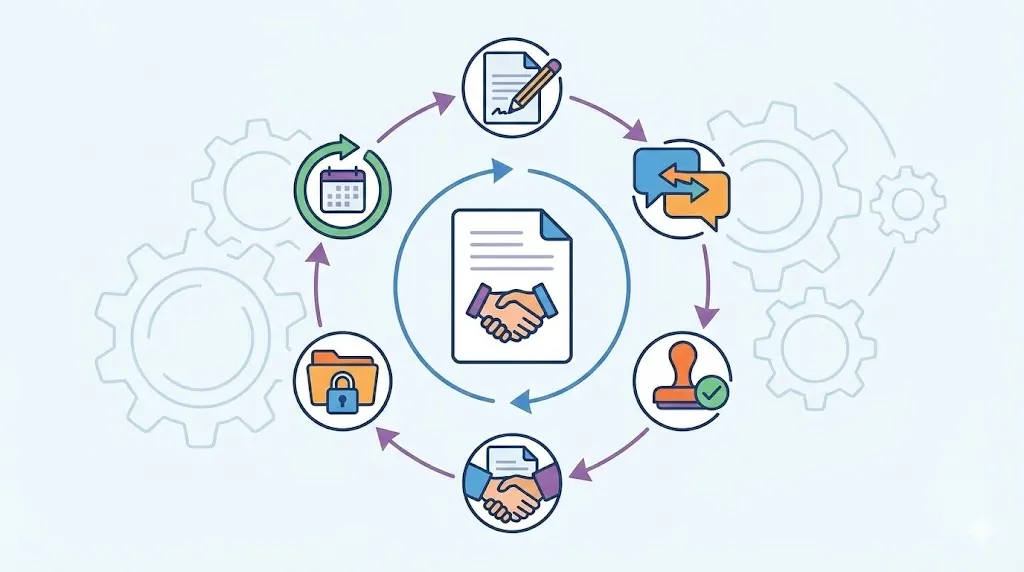
Contract lifecycle management (CLM) software enables companies to craft, monitor, and enforce contracts designed to safeguard organizational value. It centralizes contract data, automates workflows, and applies AI to reduce errors and speed processes.
Modern CLM platforms offer:
Access to template and clause libraries for standardizing and updating contract language.
Drafting and review capabilities powered by advanced algorithms that detect high-risk clauses and identify omitted critical provisions.
Automated obligation tracking systems that monitor contract terms and send proactive alerts for renewals and key milestones.
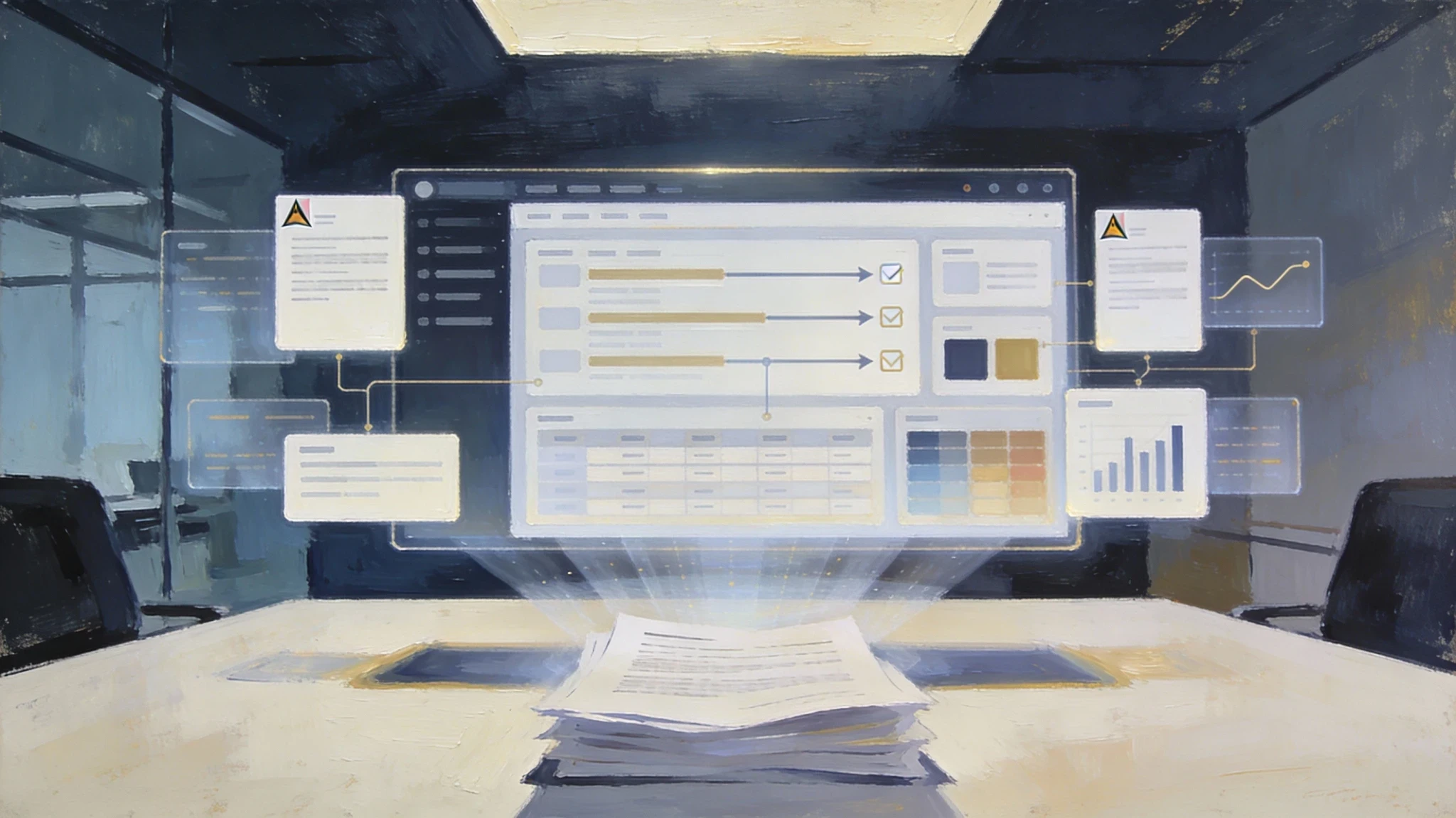
Analytics dashboards that provide in-depth visibility into patterns of value erosion and emerging risk factors.
Tools facilitating collaboration across legal, procurement, and business units.
Moreover, integration with ERP, CRM, and e-signature systems designed to streamline operational workflows without disruption.
Volody’s platform incorporates these features with AI-driven contract review, dynamic clause recommendations, and advanced metadata extraction. Legal and procurement teams gain the ability to craft agreements that adapt to market dynamics and shifting business demands. This mitigates value leakage and shortens contract turnaround times.
See how Volody's CLM Software helps your team move contracts forward with confidence.
FAQ
What does contract value leakage mean?
Value leakage in contracts occurs when the anticipated financial or operational benefits are not fully realized. Furthermore, this may stem from inaccurate pricing, missed deadlines, rigid terms, or inadequate enforcement. In essence, it results in the loss of expected revenue or strategic advantages.
How do dynamic pricing clauses prevent value loss?
Clauses that adjust pricing dynamically link contract prices to objective market indicators such as inflation rates or commodity indexes. This mechanism maintains price fairness amid cost fluctuations, preventing overpayment during price declines and discouraging supplier cost-cutting when expenses increase.
Also, why is flexibility important in contracts?
Business needs change over time. Also, flexible contracts let you adjust scope, volume, or timelines without full renegotiation. This saves time, reduces disputes, and keeps operations aligned with strategy.
What are governance triggers in contracts?
Governance triggers are built-in checkpoints like performance milestones, review meetings, or audit rights. Therefore, they help identify and fix issues early before they become costly problems.
How should risk be allocated in contracts?
Placing disproportionate risk burdens on suppliers often escalates costs and undermines collaborative relationships. Conversely, distributing risk equitably fosters partnership and diminishes potential conflict.
Therefore, what role does contract language play in preventing leakage?
The clarity and precision of contract language are vital to closing gaps that could lead to value loss. Carefully crafted terms ensure that rights, duties, and remedies are explicitly understood by all parties.
How can contract management software help reduce value leakage?
CLM software consolidates contract repositories, monitors obligations continuously, triggers automated notifications, and employs AI to detect potential risks.
As a result, what challenges do teams face when redesigning contracts?
Teams may resist changing familiar templates, lack data for adaptive clauses, or struggle with cross-department collaboration. Consequently, suppliers may also push back on flexible or shared-risk terms.
How often should contracts be reviewed to prevent leakage?
Contracts should be reviewed regularly, at least annually or when market conditions change. Ongoing monitoring through CLM tools helps catch issues early.
Can flexible contracts increase legal risk?
If poorly drafted, flexibility can create uncertainty. However, well-designed flexible clauses with clear processes reduce risk by allowing controlled adjustments without renegotiation.
This comprehensive guide outlines strategies to formulate contracts that robustly protect against hidden financial and operational losses. Incorporate adaptive pricing, flexible terms, proactive governance, balanced risk, and clear language. Use technology to monitor contracts continuously. These steps help preserve contract value and support your company’s success.
About the Company
Volody AI CLM is an Agentic AI-powered Contract Lifecycle Management platform designed to eliminate manual contracting tasks, automate complex workflows, and deliver actionable insights. As a one-stop shop for all contract activities, it covers drafting, collaboration, negotiation, approvals, e-signature, compliance tracking, and renewals. Built with enterprise-grade security and no-code configuration, it meets the needs of the most complex global organizations. Volody AI CLM also includes AI-driven contract review and risk analysis, helping teams detect issues early and optimize terms. Trusted by Fortune 500 companies, high-growth startups, and government entities, it transforms contracts into strategic, data-driven business assets.




" height="216.72211px" id="FYO0bO80Y" transform="translate(3 6.105)" width="206.073px"/><path d="M 108.174 222 C 88.432 222 70.303 217.239 53.785 207.717 C 37.267 198.196 24.173 185.052 14.504 168.285 C 4.835 151.312 0 132.165 0 110.845 C 0 89.731 4.835 70.792 14.504 54.025 C 24.173 37.052 37.267 23.804 53.785 14.282 C 70.303 4.761 88.432 0 108.174 0 C 128.116 0 146.246 4.761 162.562 14.282 C 179.08 23.804 192.073 37.052 201.541 54.025 C 211.21 70.792 216.044 89.731 216.044 110.845 C 216.044 132.165 211.21 151.312 201.541 168.285 C 192.073 185.052 179.08 198.196 162.562 207.717 C 146.044 217.239 127.915 222 108.174 222 Z M 108.174 183.189 C 120.864 183.189 132.044 180.291 141.713 174.495 C 151.382 168.492 158.936 160.006 164.375 149.035 C 169.814 138.064 172.533 125.334 172.533 110.845 C 172.533 96.355 169.814 83.729 164.375 72.965 C 158.936 61.994 151.382 53.611 141.713 47.815 C 132.044 42.02 120.864 39.122 108.174 39.122 C 95.483 39.122 84.202 42.02 74.332 47.815 C 64.663 53.611 57.109 61.994 51.67 72.965 C 46.231 83.729 43.511 96.355 43.511 110.845 C 43.511 125.334 46.231 138.064 51.67 149.035 C 57.109 160.006 64.663 168.492 74.332 174.495 C 84.202 180.291 95.483 183.189 108.174 183.189 Z" fill="rgba(255, 255, 255, 0.12)" height="222px" id="aa1McFcE9" transform="translate(227.183 3)" width="216.04399999999998px"/><path d="M 42.302 182.257 L 111.799 182.257 L 111.799 216.722 L 0 216.722 L 0 0 L 42.302 0 Z" fill="rgba(255, 255, 255, 0.12)" height="216.72211px" id="yRq4AnrsX" transform="translate(477.721 6.105)" width="111.79899999999998px"/><path d="M 108.174 222 C 88.432 222 70.303 217.239 53.785 207.717 C 37.267 198.196 24.173 185.052 14.504 168.285 C 4.835 151.312 0 132.165 0 110.845 C 0 89.731 4.835 70.792 14.504 54.025 C 24.173 37.052 37.267 23.804 53.785 14.282 C 70.303 4.761 88.432 0 108.174 0 C 128.116 0 146.246 4.761 162.562 14.282 C 179.08 23.804 192.073 37.052 201.541 54.025 C 211.21 70.792 216.045 89.731 216.045 110.845 C 216.045 132.165 211.21 151.312 201.541 168.285 C 192.073 185.052 179.08 198.196 162.562 207.717 C 146.044 217.239 127.915 222 108.174 222 Z M 108.174 183.189 C 120.864 183.189 132.044 180.291 141.713 174.495 C 151.382 168.492 158.936 160.006 164.375 149.035 C 169.814 138.064 172.534 125.334 172.534 110.845 C 172.534 96.355 169.814 83.729 164.375 72.965 C 158.936 61.994 151.382 53.611 141.713 47.815 C 132.044 42.02 120.864 39.122 108.174 39.122 C 95.483 39.122 84.202 42.02 74.332 47.815 C 64.663 53.611 57.108 61.994 51.67 72.965 C 46.231 83.729 43.511 96.355 43.511 110.845 C 43.511 125.334 46.231 138.064 51.67 149.035 C 57.108 160.006 64.663 168.492 74.332 174.495 C 84.202 180.291 95.483 183.189 108.174 183.189 Z" fill="rgba(255, 255, 255, 0.12)" height="222px" id="mo8HQspQ0" transform="translate(609.155 3)" width="216.04500000000007px"/><path d="M 73.727 0 C 95.885 0 115.324 4.45 132.044 13.351 C 148.967 22.252 161.957 34.982 171.027 51.541 C 180.287 67.894 184.917 86.937 184.917 108.671 C 184.917 130.405 180.287 149.449 171.027 165.801 C 161.957 181.947 148.967 194.47 132.044 203.371 C 115.324 212.271 95.885 216.722 73.727 216.722 L 0 216.722 L 0 0 Z M 72.216 179.773 C 94.374 179.773 111.497 173.564 123.583 161.144 C 135.669 148.724 141.713 131.233 141.713 108.671 C 141.713 86.109 135.669 68.515 123.583 55.888 C 111.497 43.055 94.374 36.638 72.216 36.638 L 42.302 36.638 L 42.302 179.773 Z" fill="rgba(255, 255, 255, 0.12)" height="216.72211px" id="I3iXX5Hi_" transform="translate(859.693 6.105)" width="184.91699999999992px"/><path d="M 185.22 0 L 113.91 141.273 L 113.91 216.722 L 71.61 216.722 L 71.61 141.273 L 0 0 L 47.74 0 L 93.06 99.046 L 138.08 0 Z" fill="rgba(255, 255, 255, 0.12)" height="216.72211px" id="nzHyWC0_d" transform="translate(1061.78 6.105)" width="185.22000000000003px"/></svg>)