

Handling insurance policy contracts for clients can feel like navigating a maze. You might think a certificate of insurance covers all your bases, but the reality is more complex. Contracts often require specific insurance terms, yet the actual policies may fall short. This mismatch can expose your organization to unexpected risks and costs. Imagine signing a vendor contract only to find out later their insurance won’t cover a critical claim. Understanding how to manage these insurance contracts properly is essential to protect your business and maintain compliance.
TL;DR
Insurance contracts transfer financial risk from your business to insurers, but coverage often varies from contract language.
Additionally, important components of an insurance policy encompass declarations, insuring agreements, conditions, exclusions, definitions, and endorsements.
Certificates of insurance summarize coverage details but cannot guarantee that the underlying policy terms satisfy specific contractual requirements.
Gaps in coverage frequently stem from exclusions or absent endorsements, compounded by ambiguities surrounding additional insured status and waiver of subrogation clauses.
Maintaining a centralized system that tracks insurance documentation along with renewal deadlines is essential to avoid unintended coverage lapses.
Tailoring insurance requirements to reflect the specific risk profile of each vendor ensures greater alignment than applying standardized clauses across all contracts.
What Do Insurance Policy Contracts for Clients Actually Cover?
Insurance policy contracts form the backbone of risk management in business deals. Additionally, when you require insurance in a client or vendor contract, it is because you expect the insurer to indemnify losses arising from specific perils. These contracts are legal promises from insurers to pay for damages, injuries, or liabilities if they occur. The insured party pays premiums to keep this coverage active.
The primary goal is risk transfer. Instead of your company bearing the full financial burden for accidents, property damage, or legal claims, the insurer shoulders the cost. This arrangement protects your bottom line and ensures business continuity.
However, insurance contracts are complex. They do not cover every possible loss. Each policy spells out what it will pay for and what it excludes. The contract language in your client agreements often requires proof of certain insurance coverage before work begins or payments are made. Moreover, but the actual insurance policy may not align perfectly with those requirements.
Your contract might stipulate that a vendor names your company as an additional insured party. This status grants your company direct rights under the vendor’s insurance policy. However, the coverage the vendor secures may be limited in scope or may omit additional insured status altogether. Without verifying the policy endorsements, you risk losing that protection.
According to a recent report by the International Risk Management Institute, many organizations face unexpected costs due to gaps between contract insurance requirements and actual policy coverage. Such discrepancies expose firms to uncovered claims, heightened legal liability, and potential financial setbacks.
Understanding what insurance policies cover enables early identification of these gaps. It also informs the drafting of contract provisions that accurately reflect prevailing insurance terms.
Related articles: How Contract Management Improves Insurance Claims
What Are the Main Components of an Insurance Policy Contract?
Every insurance policy follows a standard structure. Additionally, being well-versed in these sections enables a more precise evaluation of policies and highlights potential areas of concern.
1. Declarations Page
This page acts as a summary snapshot. It lists the insured parties, policy period, coverage limits, and premium amounts. When verifying a vendor’s insurance, start here. Confirm the policy’s validity, verify the covered parties, and ensure the limits meet your minimum requirements.
2. Insuring Agreement
This section contains the insurer’s core promise. It outlines which categories of losses or incidents the policy covers. Coverage may encompass property damage, personal injury, or liabilities related to professional services. Moreover, the insuring agreement defines the overall extent of protection.
3. Conditions
Conditions are rules both insurer and insured must follow. These include paying premiums on time, reporting claims promptly, and cooperating during investigations. Insurance contracts are conditional. Failure to comply with these terms can lead to denial of coverage by the insurer.
4. Exclusions
This section enumerates the risks and circumstances explicitly excluded from coverage. Exclusions frequently identify particular hazards, property types, or causes of loss that are not insured. Exclusions are where many coverage gaps hide. For example, a policy might exclude damages caused by subcontractors or cyber incidents.
5. Definitions
Furthermore, definitions clarify key terms used throughout the policy. Terms such as “occurrence,” personal injury, or “insured contract” carry specific definitions that directly influence coverage. A thorough understanding of these terms is essential to avoid misinterpretations.
6. Endorsements and Riders
Endorsements alter the standard policy provisions. They can introduce new coverage elements, eliminate existing ones, or adjust terms. Common endorsements include naming additional insured parties, waivers of subrogation, or primary and noncontributory language. Understanding these adjustments is critical to verifying whether your contractual insurance obligations are met.
Knowing these components provides the ability to interpret insurance policies as binding agreements rather than mere summaries. This expertise also equips you to engage with vendors more effectively regarding their coverage.
Related articles: What are Contract Obligations and How to Manage Them
Common Types of Insurance Coverage in Client and Vendor Contracts
Different contracts mandate specific types of insurance reflecting the particular risks they present. Here are the most common policies you’ll encounter:
General Liability Insurance
This covers claims for bodily injury, property damage, and personal injury caused by the insured’s operations. Among vendor and client agreements, it is the insurance most frequently requested. General liability provides protection against accidents that happen on your premises or stem from your products.
Professional Liability (Errors & Omissions)
This insurance covers claims arising from professional mistakes, negligence, or failure to perform services. It’s critical for consultants, IT vendors, and service providers. Contracts often require professional liability when services involve advice or technical work.
Workers’ Compensation
Moreover, workers’ compensation provides coverage for employee injuries sustained during work activities. Contracts with subcontractors or labor vendors typically require proof of workers’ compensation insurance to avoid liability for workplace injuries.
Commercial Auto Insurance
When vendors rely on vehicles to conduct their operations, commercial auto insurance addresses liability and damage resulting from vehicle-related incidents.
Coverage of this kind is typically specified when vehicles are integral to delivering services.
Cyber Liability Insurance
This coverage protects organizations from the financial repercussions of data breaches and cyberattacks, including associated recovery costs and liabilities.
Its inclusion is becoming more prevalent in agreements that entail handling sensitive data or providing IT services.
Umbrella or Excess Liability
Furthermore, umbrella policies extend coverage beyond the limits of primary insurance. Contracts may mandate such policies to ensure higher coverage limits for catastrophic incidents.
Property Insurance
Property insurance covers damage to physical assets like buildings, equipment, or inventory.
It is commonly required in contracts that involve physical goods or leased premises.
Each insurance type addresses different risks. Contractual provisions should clearly delineate which policies are necessary according to the specific nature of the business relationship and the exposures involved.
Related articles: Insurance Contracts Made Easy with AI CLM
Why Insurance Requirements in Contracts Often Don’t Match Actual Coverage
Contract language frequently diverges from insurance policies for several reasons: summary documents like certificates of insurance provide only a high-level snapshot and do not include the full contractual obligations embedded in the policies.
1. Certificates of Insurance Are Summaries, Not Guarantees
Additionally, summary documents like certificates of insurance provide only a high-level snapshot and do not include the full contractual obligations embedded in the policies. COIs enumerate coverage types, limits, and policy periods while excluding details on endorsements and policy exclusions. Relying solely on COIs risks missing gaps or mismatches.
2. Additional Insured and Waiver of Subrogation Language May Be Missing
Contracts often require vendors to name your company as an additional insured or waive subrogation rights. These provisions establish your organization’s direct rights under the vendor’s coverage or bar insurers from pursuing reimbursement from your company after claim settlements. However, COIs might indicate these endorsements are in place without providing verification. Confirmation must come from the actual policy documentation.
3. Exclusions Can Contradict Contractual Assumptions
Exclusions frequently catch contracting parties off guard. For example, coverage provided to a vendor may exclude damages caused by subcontractors, even though the contract presumes comprehensive coverage. These gaps create risk if claims arise.
4. Policy Limits May Not Meet Contractual Minimums
Moreover, contracts specify minimum insurance limits. Policies sometimes carry lower limits, exposing your organization to inadequate protection.
5. Insurance Policies Are Non-Negotiable Contracts of Adhesion
Insurers draft policy terms with little room for negotiation. Either the vendor or client must accept the coverage as issued or seek alternative insurance solutions. This restricts the ability to perfectly tailor policies in accordance with contract stipulations.
6. Lack of Centralized Tracking Leads to Coverage Lapses
When tracking is decentralized, critical renewal dates and endorsement modifications can be missed. This creates compliance gaps and uncovered risks.
Understanding these common mismatches helps you design better contract language and verification processes.
Related articles: Mastering International Contracts: Compliance & Risk
How to Verify Insurance Coverage Meets Contractual Requirements
Verifying insurance coverage requires more than collecting COIs. To achieve genuine protection, it is essential to proceed methodically:
Step 1: Obtain Full Policy Documents or Endorsements
Request the full insurance policy or, at minimum, the relevant endorsements. Focus on examining additional insured endorsements, the waiver of subrogation, and provisions governing primary and noncontributory coverage.
Step 2: Review the Declarations Page
Verify that the insured party, policy period, and coverage limits correspond exactly with the terms stipulated in the contract.
Step 3: Examine Exclusions Carefully
Identify any exclusions that might negate coverage for risks pertinent to your operations.
Step 4: Confirm Additional Insured Status
Verify that your organization is named as an additional insured on the vendor insurance policy, and evaluate the scope of protection this designation provides.
Step 5: Check Waiver of Subrogation Clauses
Confirm that the insurer waives the right to recover costs from your company after settling claims related to operations performed by the vendor.
Step 6: Ensure Primary and Non contributory Language
Moreover, this clause ensures that the vendor insurance is the first to respond before any other applicable policies maintained by your company.
Step 7: Track Expiration and Renewal Dates
Use a centralized system to monitor policy expiration and renewal deadlines. This prevents coverage lapses.
Step 8: Document Everything
Keep copies of all insurance documents, reviews, and communications. This creates an audit trail and supports compliance.
By following these steps, you reduce the risk of uncovered claims and contractual disputes.
Related articles: Contract Management Strategies: Expert Dos & Don'ts
Common Mistakes in Managing Insurance Requirements and Policy Language
Many organizations frequently encounter these common pitfalls:
Mistake 1: Relying Solely on Certificates of Insurance
Certificates of Insurance (COIs) do not, by themselves, confirm that coverage aligns with contract stipulations. Additionally, a thorough review of endorsements alongside the policy’s comprehensive language is necessary to ensure compliance.
Mistake 2: Using One-Size-Fits-All Insurance Clauses
Imposing identical insurance requirements across all vendors neglects the diversity of their operational risks. Tailoring insurance mandates to align with each vendor’s unique responsibilities and exposures is critical.
Mistake 3: Ignoring Policy Exclusions
Failure to account for policy exclusions frequently leads to unexpected claim denials.
Mistake 4: Missing Renewal and Expiration Dates
If policies are not monitored closely, lapses can occur without detection, exposing the organization to uninsured periods.
Mistake 5: Overlooking Additional Insured and Waiver Clauses
A failure to verify these critical endorsements can expose your organization to significant liability.
Mistake 6: Poor Communication Between Legal, Procurement, and Risk Teams
Insurance verification requires collaboration. Siloed teams miss critical details.
Avoiding these mistakes improves risk transfer and contract compliance.
Related articles: Legal Enforceability of Terms and Conditions
5 Challenges in Maintaining Insurance Compliance Across Multiple Contracts
Managing insurance requirements across many contracts presents unique challenges:
1. Volume and Complexity
Large enterprises manage hundreds of contracts with varied insurance needs. Additionally, manual tracking of each policy’s details proves unfeasible.
2. Diverse Risk Profiles
Different vendors carry different risks. Construction subcontractors need different coverage than software providers. One-size-fits-all clauses don’t work.
3. Policy Changes and Renewals
Insurance policies change terms at renewal. Keeping up with endorsements, limits, and exclusions requires constant attention.
4. Inconsistent Documentation
Vendors may provide incomplete or outdated certificates and endorsements. Ensuring consistent, accurate documentation is difficult.
5. Lack of Centralized Systems
Without a centralized repository and automated alerts, teams miss expiration dates and renewal deadlines.
Addressing these challenges requires process discipline and technology support.
Related articles: Contract Management Software for Sales Teams | CLM Guide
Why Contract Management Software Matters for Insurance Policy Contracts
Contract lifecycle management (CLM) software equips legal and operations teams with the tools necessary to manage intricate insurance requirements accurately.
Central Repository: This feature consolidates all contracts, insurance certificates, and endorsements into a single, secure location.
Automated Alerts: The system proactively notifies stakeholders about impending policy expirations and renewals, preventing lapses in coverage.
Clause Libraries: It provides access to pre-approved insurance clauses that are specifically designed to address the nuances of various vendor categories and risk profiles.
Workflow Automation: Contracts are seamlessly routed through predefined channels for review and insurance verification without manual intervention.
Audit Trails: Comprehensive records of all modifications and approvals are maintained to support compliance audits and effective risk management.
By integrating these capabilities, organizations can significantly minimize manual errors and enhance transparency regarding insurance compliance.
Related articles: Vendor Contract Management Logistics: Best Practices
How CLM Software Solves This
Managing insurance policy contracts requires meticulous coordination, a process significantly enhanced by specialized contract lifecycle management solutions. Additionally, it also consolidates all contract-related information, encompassing insurance requirements and associated documentation. Automated alerts notify teams well in advance of upcoming policy expirations and renewal deadlines, reducing the likelihood of coverage lapses going undetected.
These solutions enable teams to adapt insurance clauses based on the distinct risk profiles presented by different vendors. This level of customization ensures that contracts incorporate insurance provisions that accurately reflect the specific dynamics of each vendor relationship. AI-assisted contract review can identify absent endorsements or unfavorable exclusions, streamlining the verification process.
Moreover, Volody’s platform integrates features like AI-driven contract drafting, comprehensive review capabilities, and automated extraction of metadata. Legal departments benefit from streamlined monitoring of insurance obligations, endorsements, and critical expiration dates. By correlating contract details with insurance data, Volody improves risk management and accelerates the contracting workflow.
See how Volody's CLM Software helps your team move contracts forward with confidence.
Related Article: Why Procurement Professionals Face Burnout and How to Fix It
FAQ
What is the difference between a certificate of insurance and an insurance policy?
A certificate of insurance (COI) provides a summary of key coverage elements such as policy limits and effective periods. Furthermore, it does not include the full scope of terms, conditions, and exclusions contained within the insurance policy itself. The insurance policy serves as the definitive contract between the insurer and insured, specifying detailed coverage terms and endorsements. Relying exclusively on COIs risks missing significant gaps in coverage.
Furthermore, why is it important to verify additional insured endorsements?
Additional insured status grants coverage rights to a third party often - your organization - under the vendor’s insurance policy. This designation provides protection if liability arises from the vendor’s activities. Also, confirming these endorsements verifies that the coverage is in place and consistent with contractual requirements. Absent such verification, your entity may be exposed to uncovered risks.
How do exclusions affect insurance coverage in contracts?
Also, exclusions delineate specific conditions or losses that the policy does not cover. These limitations can restrict protection against particular risks, properties, or causes of loss. When exclusions conflict with contractual expectations, claims may be denied. Therefore, careful analysis of exclusions enables identification of coverage deficiencies and supports negotiating more favorable terms.
What happens if a vendor’s insurance policy lapses during a contract term?
A lapse indicates a temporary interruption of coverage on the vendor’s part. Any claims arising during this period could expose your organization to financial liabilities. Contracts generally require continuous insurance coverage. Consequently, vigilant tracking of expiration and renewal dates is critical to prevent coverage interruptions and ensure compliance.
Can insurance policies be negotiated like contracts?
Insurance policies are contracts of adhesion, drafted unilaterally by the insurer and accepted or declined by the insured. Thus, unlike vendor agreements, the language within insurance policies seldom allows for negotiation. This inherently restricts the ability to perfectly tailor policies to meet specific contractual needs.
How should insurance requirements differ between vendor types?
As a result, insurance obligations depend on the inherent risks associated with each vendor. For example, a construction subcontractor confronts risks of physical injury and property damage, necessitating general liability and workers’ compensation coverage. In contrast, a software vendor typically requires cyber liability and professional liability insurance. Consequently, customizing clauses ensures coverage adequacy without imposing undue burdens on vendors.
What role does contract management software play in insurance compliance?
CLM platforms consolidate contract and insurance information, automate renewal reminders, and enforce standardized insurance provisions. These capabilities enhance transparency regarding coverage status and minimize errors related to manual tracking. The result is strengthened risk oversight and heightened adherence to contractual insurance mandates.
Next, how can I ensure my contract language aligns with insurance policies?
Next, work closely with legal, risk, and procurement teams to draft precise insurance clauses. Require vendors to provide full policy endorsements, not just COIs. Review policies for exclusions and endorsements. Use contract management tools to maintain consistency.
What are common mistakes to avoid when managing insurance contracts?
Avoid relying solely on COIs, using generic insurance clauses, ignoring exclusions, missing renewal dates, and poor interdepartmental communication. These pitfalls increase exposure to risk and undermine compliance efforts.
Why is centralized tracking of insurance policies critical?
Manual tracking becomes ineffective as volume increases. Centralized platforms oversee expiration dates, endorsements, and coverage limits across all agreements. This approach prevents coverage lapses from going unnoticed and ensures ongoing compliance with contractual insurance obligations.
About the Company
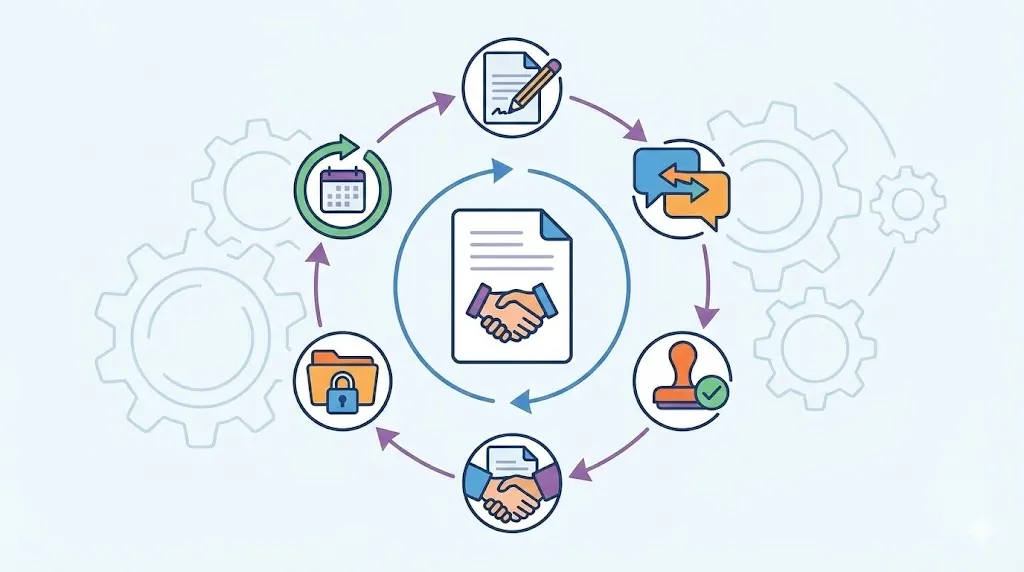
Volody AI CLM is an Agentic AI-powered Contract Lifecycle Management platform designed to eliminate manual contracting tasks, automate complex workflows, and deliver actionable insights. As a one-stop shop for all contract activities, it covers drafting, collaboration, negotiation, approvals, e-signature, compliance tracking, and renewals. Built with enterprise-grade security and no-code configuration, it meets the needs of the most complex global organizations. Volody AI CLM also includes AI-driven contract review and risk analysis, helping teams detect issues early and optimize terms. Trusted by Fortune 500 companies, high-growth startups, and government entities, it transforms contracts into strategic, data-driven business assets.




" height="216.72211px" id="FYO0bO80Y" transform="translate(3 6.105)" width="206.073px"/><path d="M 108.174 222 C 88.432 222 70.303 217.239 53.785 207.717 C 37.267 198.196 24.173 185.052 14.504 168.285 C 4.835 151.312 0 132.165 0 110.845 C 0 89.731 4.835 70.792 14.504 54.025 C 24.173 37.052 37.267 23.804 53.785 14.282 C 70.303 4.761 88.432 0 108.174 0 C 128.116 0 146.246 4.761 162.562 14.282 C 179.08 23.804 192.073 37.052 201.541 54.025 C 211.21 70.792 216.044 89.731 216.044 110.845 C 216.044 132.165 211.21 151.312 201.541 168.285 C 192.073 185.052 179.08 198.196 162.562 207.717 C 146.044 217.239 127.915 222 108.174 222 Z M 108.174 183.189 C 120.864 183.189 132.044 180.291 141.713 174.495 C 151.382 168.492 158.936 160.006 164.375 149.035 C 169.814 138.064 172.533 125.334 172.533 110.845 C 172.533 96.355 169.814 83.729 164.375 72.965 C 158.936 61.994 151.382 53.611 141.713 47.815 C 132.044 42.02 120.864 39.122 108.174 39.122 C 95.483 39.122 84.202 42.02 74.332 47.815 C 64.663 53.611 57.109 61.994 51.67 72.965 C 46.231 83.729 43.511 96.355 43.511 110.845 C 43.511 125.334 46.231 138.064 51.67 149.035 C 57.109 160.006 64.663 168.492 74.332 174.495 C 84.202 180.291 95.483 183.189 108.174 183.189 Z" fill="rgba(255, 255, 255, 0.12)" height="222px" id="aa1McFcE9" transform="translate(227.183 3)" width="216.04399999999998px"/><path d="M 42.302 182.257 L 111.799 182.257 L 111.799 216.722 L 0 216.722 L 0 0 L 42.302 0 Z" fill="rgba(255, 255, 255, 0.12)" height="216.72211px" id="yRq4AnrsX" transform="translate(477.721 6.105)" width="111.79899999999998px"/><path d="M 108.174 222 C 88.432 222 70.303 217.239 53.785 207.717 C 37.267 198.196 24.173 185.052 14.504 168.285 C 4.835 151.312 0 132.165 0 110.845 C 0 89.731 4.835 70.792 14.504 54.025 C 24.173 37.052 37.267 23.804 53.785 14.282 C 70.303 4.761 88.432 0 108.174 0 C 128.116 0 146.246 4.761 162.562 14.282 C 179.08 23.804 192.073 37.052 201.541 54.025 C 211.21 70.792 216.045 89.731 216.045 110.845 C 216.045 132.165 211.21 151.312 201.541 168.285 C 192.073 185.052 179.08 198.196 162.562 207.717 C 146.044 217.239 127.915 222 108.174 222 Z M 108.174 183.189 C 120.864 183.189 132.044 180.291 141.713 174.495 C 151.382 168.492 158.936 160.006 164.375 149.035 C 169.814 138.064 172.534 125.334 172.534 110.845 C 172.534 96.355 169.814 83.729 164.375 72.965 C 158.936 61.994 151.382 53.611 141.713 47.815 C 132.044 42.02 120.864 39.122 108.174 39.122 C 95.483 39.122 84.202 42.02 74.332 47.815 C 64.663 53.611 57.108 61.994 51.67 72.965 C 46.231 83.729 43.511 96.355 43.511 110.845 C 43.511 125.334 46.231 138.064 51.67 149.035 C 57.108 160.006 64.663 168.492 74.332 174.495 C 84.202 180.291 95.483 183.189 108.174 183.189 Z" fill="rgba(255, 255, 255, 0.12)" height="222px" id="mo8HQspQ0" transform="translate(609.155 3)" width="216.04500000000007px"/><path d="M 73.727 0 C 95.885 0 115.324 4.45 132.044 13.351 C 148.967 22.252 161.957 34.982 171.027 51.541 C 180.287 67.894 184.917 86.937 184.917 108.671 C 184.917 130.405 180.287 149.449 171.027 165.801 C 161.957 181.947 148.967 194.47 132.044 203.371 C 115.324 212.271 95.885 216.722 73.727 216.722 L 0 216.722 L 0 0 Z M 72.216 179.773 C 94.374 179.773 111.497 173.564 123.583 161.144 C 135.669 148.724 141.713 131.233 141.713 108.671 C 141.713 86.109 135.669 68.515 123.583 55.888 C 111.497 43.055 94.374 36.638 72.216 36.638 L 42.302 36.638 L 42.302 179.773 Z" fill="rgba(255, 255, 255, 0.12)" height="216.72211px" id="I3iXX5Hi_" transform="translate(859.693 6.105)" width="184.91699999999992px"/><path d="M 185.22 0 L 113.91 141.273 L 113.91 216.722 L 71.61 216.722 L 71.61 141.273 L 0 0 L 47.74 0 L 93.06 99.046 L 138.08 0 Z" fill="rgba(255, 255, 255, 0.12)" height="216.72211px" id="nzHyWC0_d" transform="translate(1061.78 6.105)" width="185.22000000000003px"/></svg>)