

License agreements protect your intellectual property while allowing others to use it. But the strength of these agreements lies in the details. Missing or unclear clauses can lead to costly disputes and lost revenue. Imagine a software company licensing its product globally. Without clear terms, the licensee might misuse the software or miss payments, leaving the licensor exposed. This article breaks down the key clauses that make license agreements bulletproof, helping legal and operations leaders secure their IP and avoid common pitfalls.
TL;DR
Defining the license scope with precision helps avert conflicts over permissible uses and formats.
Additionally, a clear delineation of exclusivity and sublicensing rights safeguards the integrity and value of your intellectual property.
When dealing with digital products distributed globally, setting explicit territorial and channel boundaries becomes indispensable.
It is important to specify term durations, renewal conditions, and termination clauses to mitigate risks throughout the contract lifecycle.
Clearly outlining royalties, payment schedules, and audit provisions protects your financial interests effectively.
Implementing automated tracking systems alongside centralized repositories helps avoid missed deadlines and potential revenue shortfalls.
What Exactly Is a License Agreement?
A license agreement is a contract whereby the owner of intellectual property (IP) permits another entity to use that property under defined terms. Additionally, ownership remains with the licensor while the licensee is granted rights to employ the asset. Think of it as leasing rights to intellectual creations instead of transferring ownership outright. This model is prevalent across industries including software, pharmaceuticals, and entertainment.
Unlike a straightforward sale, these contracts create an ongoing legal relationship. They specify the scope of permitted activities, the time frame for using the IP, and the remedies available if contractual terms are breached. For instance, a patent holder might authorize a manufacturer to produce a drug in a designated territory for a limited period.
The U.S. licensing market is huge, valued at nearly $70 billion in 2026 according to industry reports. But many organizations lose an average of 11% of contract value after signing due to poor management and unclear terms. Moreover, this shortfall often arises from missed renewals, underreported royalties, and inadequate enforcement.
Every strong license agreement needs these core elements:
Identified IP: What exactly is being licensed—patent, trademark, software, or creative work.
Licensor and Licensee: The parties who own the rights and those to whom rights are granted.
Grant of Rights: The licensee’s permitted uses of the licensed asset.
Consideration: The compensation paid to the licensor, generally in the form of royalties or fees.
Restrictions: Limitations imposed on the licensee’s exploitation of the IP.
Failing to include or clearly define any of these invites trouble down the road.
Related articles: What is Software License Agreement? Know the Basics
What Are the Main Types of License Agreements?
The type of license shapes the entire agreement. Additionally, it also defines the scope of permissions each party holds and allocates the associated risks. There are three primary license types:
1. Exclusive License
An exclusive license grants the licensee sole rights to use the protected work within a defined scope. Even the licensor cannot use it in that scope. This is the most restrictive and usually commands the highest fees. For example, a pharmaceutical company might grant exclusive rights to manufacture a drug in a country.
Key clauses to watch here include territory, sublicensing permissions, and performance minimums. The licensor gives up control but expects strong financial returns.
2. Non-Exclusive License
A non-exclusive license allows the licensor to grant the same rights to multiple licensees simultaneously. Moreover, this is common in software or content licensing where many users access the same IP.
Territory and channel restrictions become critical to avoid overlap or conflicts. For instance, a software company might license its product to several resellers but restrict sales to certain regions.
3. Sole License
A sole license is a middle ground. Only one licensee receives the rights, but the licensor retains the ability to use the licensed material. This is less common but useful in joint development or consulting arrangements where both parties need ongoing access.
License Type | Number of Licensees | Licensor Usage Rights | Typical Pricing | Common Use Cases |
|---|---|---|---|---|
Exclusive | One | No | Highest | Pharma patents, franchise areas |
Non-Exclusive | Multiple | Yes | Lowest | Software, music, stock content |
Sole | One | Yes | Moderate | Co-development, consulting |
Knowing the license type upfront helps tailor every clause to fit the business needs and risks.
Related articles: 20 Key Contract Clauses Every Business Should Know in 2026
What Are the Most Important Clauses in License Agreements?
Certain provisions are almost always included in license agreements. Additionally, each one addresses particular risks or obligations. Omitting any or drafting them ambiguously increases the likelihood of disputes.
Related Article: License Agreement Clauses Every Business Needs
Grant of Rights and Scope of Use
This clause details the permissions granted to the licensee regarding the use of the intellectual property. It specifies allowable activities such as manufacturing, distribution, display, or modification. It further delineates authorized media formats and sets any field-of-use restrictions.
Consider a license that allows distribution exclusively as a cloud-based service rather than as a downloadable product. Moreover, trademark agreements, for instance, may limit usage to specific product categories.
Ambiguous language in the grant section often sparks disputes following execution. Precisely drafted grants improve clarity and reduce the resources needed for enforcement.
Exclusivity and Sublicensing
This clause clarifies whether the license confers exclusive, non-exclusive, or sole rights. It also addresses whether the licensee may grant sublicenses.
If left unchecked, sublicensing can quickly diminish the value of the intellectual property in question. Furthermore, generally, agreements either prohibit sublicensing altogether or mandate the licensor’s prior written approval. Licensors may permit sublicensing only to vetted partners or require stringent quality control protocols.
Territory and Distribution Channels
This clause defines the geographic scope and authorized channels through which the licensee may operate. These aspects can be especially complex for digital products with global accessibility.
For instance, an agreement might limit online sales exclusively to North America. Absent clear territorial restrictions, licensees might distribute products in unauthorized markets, thereby compromising the licensor’s strategic positioning.
Term, Renewal, and Termination
This covers how long the agreement lasts, renewal options, and termination triggers. Also, licensors must understand the difference between termination for cause (breach, insolvency) and termination for convenience (notice period).
Irrevocable licenses, where the licensor cannot terminate at will, require very careful drafting. For instance, trademark licenses may be drafted as irrevocable for a specified term to ensure brand integrity.
Royalties, Fees, and Payment Terms
This provision establishes the financial framework, including royalty rates, minimum guarantees, lump-sum payments, and payment schedules. It should also provide for rights to audit and verify royalty calculations.
Explicit payment terms help avoid conflicts and revenue loss. For example, licensors often mandate quarterly royalty reports and retain audit rights to verify the licensee’s sales records.
Quality Control and Compliance
Especially important in trademark licenses, this clause requires the licensee to maintain quality standards. Therefore, failure to monitor quality can lead to “naked licensing,” which risks losing trademark rights.
The clause must define the licensor’s right to inspect operations and impose corrective measures. For example, a fashion brand licensing its logo must ensure licensees comply with specified manufacturing criteria.
Confidentiality and Data Protection
Therefore, license agreements often involve sharing sensitive information. This clause protects confidential data and sets rules for data handling, especially relevant for software and technology licenses.
It should address data security measures, breach notifications, and compliance with privacy laws like GDPR.
Indemnity and Liability
This clause allocates risk between parties. It defines who is responsible for damages arising from IP infringement, misuse, or third-party claims.
Clear indemnity provisions protect the licensor from costly litigation and help licensees understand their responsibilities.
Related articles: Dispute Resolution Clause: How to Draft a Strong One
How Do License Agreement Clauses Vary by IP Type?
License agreements differ depending on the type of intellectual property involved. Each IP category has unique risks and legal requirements.
Patent Licenses
Patents protect inventions and processes. Patent licenses often require:
Detailed grant of rights specifying fields of use and manufacturing rights.
Performance milestones or minimum royalties to ensure commercial exploitation.
Strong indemnity clauses due to infringement risks.
Termination provisions clearly delineated to address failure in meeting development objectives.
In the biotech sector, a patent license may require the licensee to commence clinical trials within a specified period.
Trademark Licenses
Trademarks protect brand identity. Trademark licenses focus on:
Quality control clauses to maintain brand reputation.
Limitations based on geographic regions and product categories.
Guidelines for the application of trademarks in promotional materials and packaging.
Renewal conditions contingent upon sustained adherence to quality standards.
Moreover, failure to enforce quality standards can result in loss of trademark protection.
Copyright Licenses
Copyright covers creative works like software, music, and literature. Copyright licenses typically include:
Specific permitted uses (e.g., reproduction, distribution, public performance).
Constraints regarding alterations or the creation of derivative works.
Provisions related to digital rights management.
Compensation structures linked to usage metrics or sales volume.
For example, a music license might authorize streaming while prohibiting downloading.
Software Licenses
Software licenses combine copyright and sometimes patent rights. They require:
Detailed scope of use, including installation, access, and user limits.
Clauses that specifically prohibit reverse engineering as well as unauthorized copying of the software.
Terms defining the obligations for updates, maintenance, and technical support.
Requirements addressing the safeguarding of data and the protection of confidential information.
Licenses for cloud-based software must also consider issues related to worldwide accessibility and jurisdictional data storage mandates.
Explore further: 5 Best CLM & Contract Management Software in CA
How to Draft a License Agreement Step by Step
Drafting a license agreement requires careful planning and attention to detail. Additionally, to ensure the contract is robust, proceed through the following steps.
Identify the IP and Parties
Clearly describe the IP being licensed and identify the licensor and licensee with full legal names.
Define the Grant of Rights
Specify exactly what rights the licensee receives, including use types, formats, and restrictions.
Set License Type and Exclusivity
Decide if the license is exclusive, non-exclusive, or sole. Address sublicensing rights.
Outline Territory and Channels
Define where and how the licensee can use or distribute the IP.
Determine Term and Renewal
Set the agreement duration, renewal process, and termination conditions.
Establish Payment Terms
Detail royalties, fees, minimum guarantees, payment schedules, and audit rights.
Include Quality Control and Compliance
When dealing with trademarks and certain patents, it is essential to specify quality standards and establish procedures for continuous monitoring.
Add Confidentiality and Data Security Clauses
Provisions should be included that protect sensitive information while ensuring compliance with applicable data protection laws.
Allocate Risk with Indemnity and Liability
Each party’s responsibilities for damages and legal liabilities must be clearly defined to allocate risk appropriately.
Review Applicable Laws
Identifying the governing jurisdiction and establishing dispute resolution procedures is critical to the agreement’s enforceability.
Draft Clear, Plain Language
Employ precise terminology and avoid unnecessary legal jargon to minimize the risk of misinterpretation.
Consult Legal Experts
Prior to finalizing the document, have it rigorously reviewed by attorneys specializing in intellectual property and contract law.
Related articles: Contract Templates Standardization: Simplifying Legal Work
How to Manage License Agreement Clauses After Signing
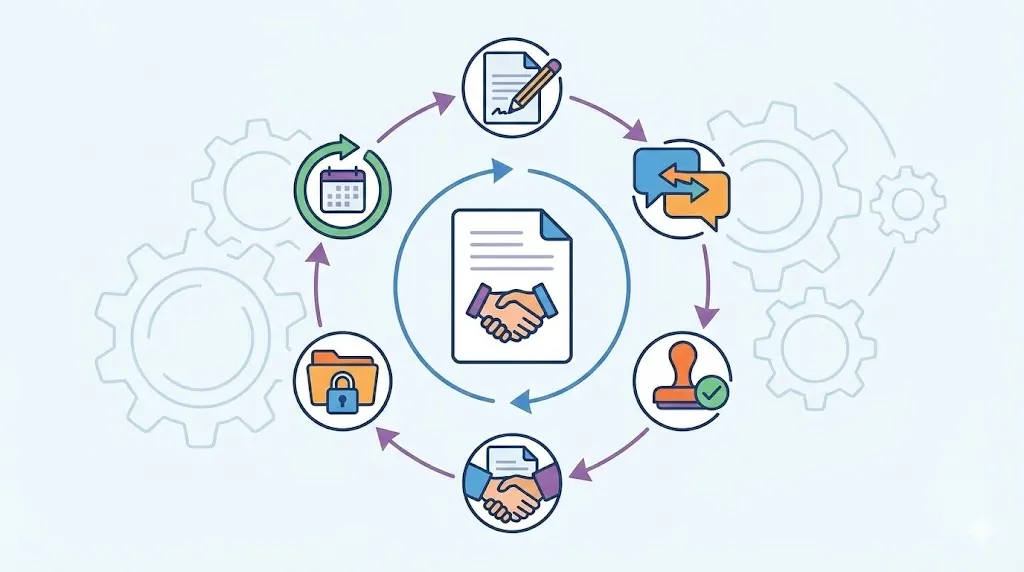
A license agreement is only as good as its management after signing. Poor contract management causes most revenue loss and disputes.
Use Centralized Contract Repositories
Store all license agreements in a single digital repository accessible to legal and operations teams. This prevents lost contracts and ensures quick reference.
Implement Automated Alerts
Set up alerts for key dates like renewals, royalty reports, and termination windows. Missing deadlines can cause automatic renewals or loss of rights.
Track Obligations Systematically
Monitor licensee obligations such as minimum sales, quality standards, and reporting requirements. Use dashboards or contract management software.
Conduct Regular Audits
Moreover, regularly exercise audit rights to verify royalty payments and compliance. Address discrepancies promptly.
Maintain Communication Channels
Keep open lines with licensees to resolve issues early and maintain good relationships.
Update Agreements as Needed
Modify licenses to reflect changes in business strategy, technology, or law. Use amendments or addenda with clear documentation.
According to a 2026 Contracting Benchmark Report, 40% of contract leakage happens due to poor management practices alone. Investing in contract lifecycle management tools reduces risks and preserves value.
Related Article: 2026 Contracting Trends & Benchmarks
Why AI-Powered Legal Tools Matter
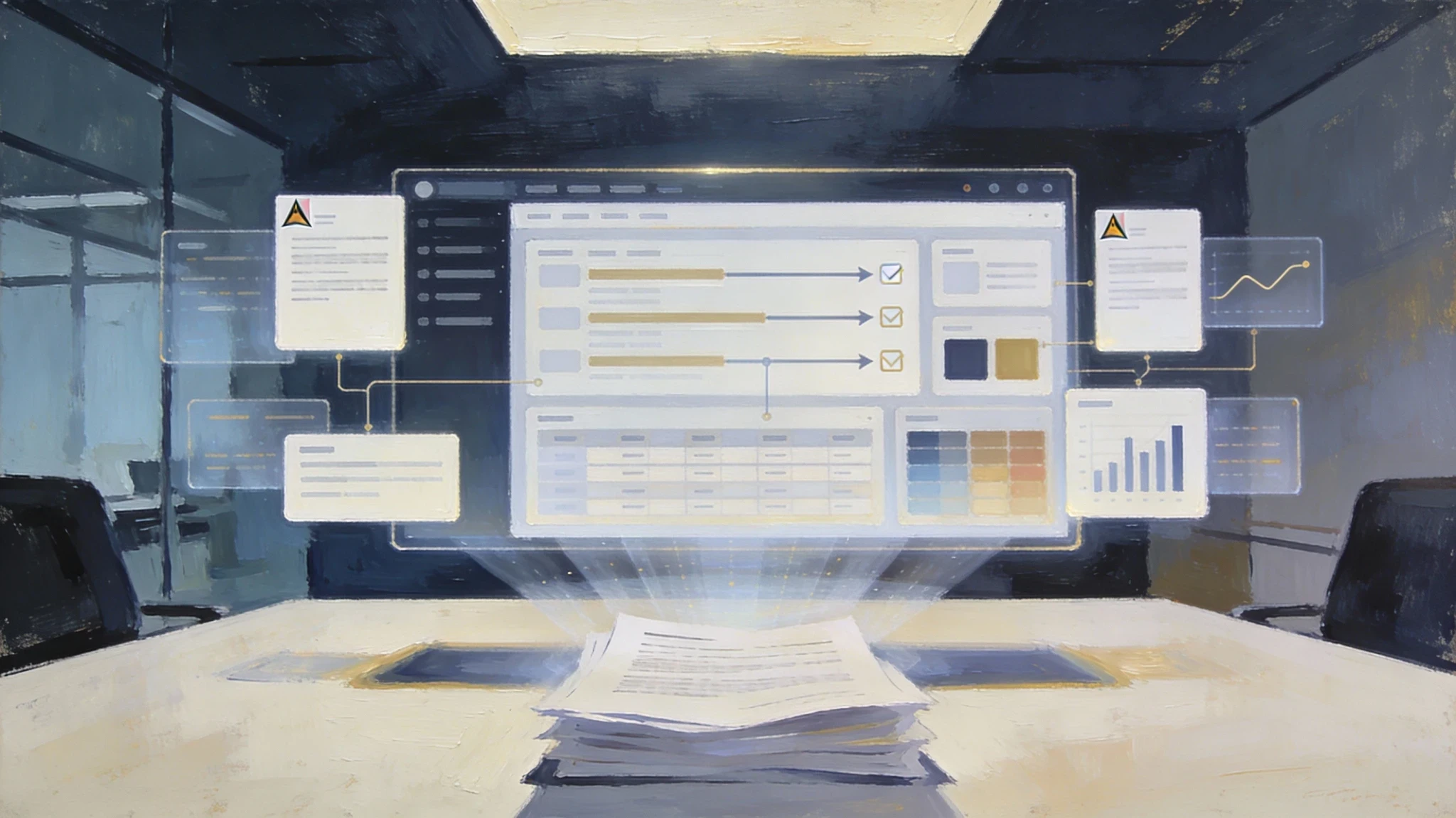
Managing complex license agreements requires precision and speed. Additionally, legal software that incorporates AI enhances tasks such as contract analysis, obligation monitoring, and risk assessment. This technology reduces manual errors and allows attorneys to devote more time to strategic initiatives.
AI-driven platforms are capable of pinpointing critical clauses, detecting missing provisions, and sending alerts for impending deadlines. They also analyze large contract portfolios to identify patterns and risks.
Lawxy is an example of an AI-powered legal assistant that combines contract drafting, review, research, and workflow automation in one platform. It helps legal teams accelerate contract turnaround, reduce repetitive work, and maintain compliance.
Want to see how AI can simplify legal work? Explore Lawxy Legal AI Software.
Related articles: Aligning Legal Ops with General Counsel to Reduce Cost Risks
FAQ
What is the difference between exclusive and non-exclusive licenses?
An exclusive license grants only one licensee the rights within a defined scope, excluding even the party granting the rights. A non-exclusive license allows multiple licensees to hold the same rights concurrently. Exclusive licenses generally offer greater value but limit the licensor’s ability to use the licensed rights themselves.
Moreover, why is the grant of rights clause so important?
Why is it crucial to clearly define the grant of rights clause?
The clause specifying the grant of rights delineates the exact permissions the licensee has regarding the IP.
This provision clearly outlines the specific rights the licensee obtains concerning the intellectual property.
Vague wording can result in disputes over allowed activities.
Unclear terminology often leads to disagreements about what activities are permitted.
Clear, precise grants mitigate uncertainty and lower enforcement expenses.
Well-defined grant language reduces ambiguity and helps minimize enforcement costs.
How do territory clauses work with digital products?
In what ways do territory clauses apply to digital products?
Digital products accessible online pose challenges for territorial restrictions.
Because digital products can be accessed globally, enforcing geographic limitations becomes complex.
Furthermore, licensors should include audit rights allowing them to review the licensee’s sales and payment records.
Licensors are advised to include audit provisions that permit examination of the licensee’s sales and financial records.
What is an irrevocable license?
How can an irrevocable license be characterized?
An irrevocable license is one that the licensor cannot terminate at will during its duration.
Such a license cannot be unilaterally terminated by the licensor while it remains effective.
Drafting this type of agreement demands careful attention to safeguard the licensor’s interests, commonly applied in long-term trademark or patent arrangements.
Meticulous drafting is necessary to protect the licensor’s rights, particularly in long-term trademark or patent licensing.
Careful drafting is essential to protect the grantor’s rights, especially in extended trademark or patent license agreements.
Why include termination for convenience clauses?
What advantages do termination for convenience clauses provide?
Also, termination for convenience provisions grant either party the option to conclude the agreement upon notice, without needing to allege a breach.
These clauses allow either party to terminate the contract by giving notice, without requiring justification.
How do indemnity clauses work in license agreements?
What purpose do indemnity clauses serve in licensing contracts?
They protect licensors from costs caused by the licensee’s actions and clarify risk sharing.
Indemnity provisions protect the licensor from liabilities arising from the licensee’s conduct and establish clear terms for risk allocation.
What role does confidentiality play in license agreements?
How important is confidentiality within license agreements?
Confidentiality clauses protect sensitive information exchanged during the license relationship. They set rules for data handling, prevent unauthorized disclosure, and ensure compliance with privacy laws.
How can AI tools improve license agreement management?
AI-driven platforms facilitate automated review of contracts, monitoring of obligations, and issuance of deadline reminders. These capabilities minimize errors, accelerate workflows, and yield actionable insights into contractual risks, enabling attorneys to maintain compliance and maximize contract value.
About the Company

Volody AI CLM is an Agentic AI-powered Contract Lifecycle Management platform designed to eliminate manual contracting tasks, automate complex workflows, and deliver actionable insights. As a one-stop shop for all contract activities, it covers drafting, collaboration, negotiation, approvals, e-signature, compliance tracking, and renewals. Built with enterprise-grade security and no-code configuration, it meets the needs of the most complex global organizations. Volody AI CLM also includes AI-driven contract review and risk analysis, helping teams detect issues early and optimize terms. Trusted by Fortune 500 companies, high-growth startups, and government entities, it transforms contracts into strategic, data-driven business assets.




" height="216.72211px" id="FYO0bO80Y" transform="translate(3 6.105)" width="206.073px"/><path d="M 108.174 222 C 88.432 222 70.303 217.239 53.785 207.717 C 37.267 198.196 24.173 185.052 14.504 168.285 C 4.835 151.312 0 132.165 0 110.845 C 0 89.731 4.835 70.792 14.504 54.025 C 24.173 37.052 37.267 23.804 53.785 14.282 C 70.303 4.761 88.432 0 108.174 0 C 128.116 0 146.246 4.761 162.562 14.282 C 179.08 23.804 192.073 37.052 201.541 54.025 C 211.21 70.792 216.044 89.731 216.044 110.845 C 216.044 132.165 211.21 151.312 201.541 168.285 C 192.073 185.052 179.08 198.196 162.562 207.717 C 146.044 217.239 127.915 222 108.174 222 Z M 108.174 183.189 C 120.864 183.189 132.044 180.291 141.713 174.495 C 151.382 168.492 158.936 160.006 164.375 149.035 C 169.814 138.064 172.533 125.334 172.533 110.845 C 172.533 96.355 169.814 83.729 164.375 72.965 C 158.936 61.994 151.382 53.611 141.713 47.815 C 132.044 42.02 120.864 39.122 108.174 39.122 C 95.483 39.122 84.202 42.02 74.332 47.815 C 64.663 53.611 57.109 61.994 51.67 72.965 C 46.231 83.729 43.511 96.355 43.511 110.845 C 43.511 125.334 46.231 138.064 51.67 149.035 C 57.109 160.006 64.663 168.492 74.332 174.495 C 84.202 180.291 95.483 183.189 108.174 183.189 Z" fill="rgba(255, 255, 255, 0.12)" height="222px" id="aa1McFcE9" transform="translate(227.183 3)" width="216.04399999999998px"/><path d="M 42.302 182.257 L 111.799 182.257 L 111.799 216.722 L 0 216.722 L 0 0 L 42.302 0 Z" fill="rgba(255, 255, 255, 0.12)" height="216.72211px" id="yRq4AnrsX" transform="translate(477.721 6.105)" width="111.79899999999998px"/><path d="M 108.174 222 C 88.432 222 70.303 217.239 53.785 207.717 C 37.267 198.196 24.173 185.052 14.504 168.285 C 4.835 151.312 0 132.165 0 110.845 C 0 89.731 4.835 70.792 14.504 54.025 C 24.173 37.052 37.267 23.804 53.785 14.282 C 70.303 4.761 88.432 0 108.174 0 C 128.116 0 146.246 4.761 162.562 14.282 C 179.08 23.804 192.073 37.052 201.541 54.025 C 211.21 70.792 216.045 89.731 216.045 110.845 C 216.045 132.165 211.21 151.312 201.541 168.285 C 192.073 185.052 179.08 198.196 162.562 207.717 C 146.044 217.239 127.915 222 108.174 222 Z M 108.174 183.189 C 120.864 183.189 132.044 180.291 141.713 174.495 C 151.382 168.492 158.936 160.006 164.375 149.035 C 169.814 138.064 172.534 125.334 172.534 110.845 C 172.534 96.355 169.814 83.729 164.375 72.965 C 158.936 61.994 151.382 53.611 141.713 47.815 C 132.044 42.02 120.864 39.122 108.174 39.122 C 95.483 39.122 84.202 42.02 74.332 47.815 C 64.663 53.611 57.108 61.994 51.67 72.965 C 46.231 83.729 43.511 96.355 43.511 110.845 C 43.511 125.334 46.231 138.064 51.67 149.035 C 57.108 160.006 64.663 168.492 74.332 174.495 C 84.202 180.291 95.483 183.189 108.174 183.189 Z" fill="rgba(255, 255, 255, 0.12)" height="222px" id="mo8HQspQ0" transform="translate(609.155 3)" width="216.04500000000007px"/><path d="M 73.727 0 C 95.885 0 115.324 4.45 132.044 13.351 C 148.967 22.252 161.957 34.982 171.027 51.541 C 180.287 67.894 184.917 86.937 184.917 108.671 C 184.917 130.405 180.287 149.449 171.027 165.801 C 161.957 181.947 148.967 194.47 132.044 203.371 C 115.324 212.271 95.885 216.722 73.727 216.722 L 0 216.722 L 0 0 Z M 72.216 179.773 C 94.374 179.773 111.497 173.564 123.583 161.144 C 135.669 148.724 141.713 131.233 141.713 108.671 C 141.713 86.109 135.669 68.515 123.583 55.888 C 111.497 43.055 94.374 36.638 72.216 36.638 L 42.302 36.638 L 42.302 179.773 Z" fill="rgba(255, 255, 255, 0.12)" height="216.72211px" id="I3iXX5Hi_" transform="translate(859.693 6.105)" width="184.91699999999992px"/><path d="M 185.22 0 L 113.91 141.273 L 113.91 216.722 L 71.61 216.722 L 71.61 141.273 L 0 0 L 47.74 0 L 93.06 99.046 L 138.08 0 Z" fill="rgba(255, 255, 255, 0.12)" height="216.72211px" id="nzHyWC0_d" transform="translate(1061.78 6.105)" width="185.22000000000003px"/></svg>)