

Federal acquisition teams face a growing challenge as contract terms slip out of sync with fast-changing policies. Clause drift quietly builds risk when contract language no longer matches current regulations. Imagine a contractor juggling multiple task orders, each with slightly different cybersecurity clauses—how do they know which rules apply today? Addressing this hidden risk requires smarter contract management that keeps pace with evolving federal requirements.
TL;DR
Clause drift happens when contract clauses become outdated or inconsistent with current federal policies.
Additionally, rapid developments in cybersecurity, supply chain logistics, and artificial intelligence exacerbate the risks associated with clause drift.
Inconsistent contract language complicates compliance, audits, and dispute resolution.
Reviewing contracts manually consumes significant time and frequently overlooks subtle discrepancies in obligations.
Contract management systems enhanced by AI deliver greater transparency and enable meticulous tracking of clause iterations across extensive portfolios.
Aligning contracts proactively mitigates risk while ensuring ongoing adherence to federal acquisition standards.
Related Article: Understanding the Most Common Construction Contract Types
What Is Clause Drift and Why Does It Matter in Federal Acquisition?
Clause drift occurs as contract provisions fall out of alignment with current federal policies or are inconsistently implemented across awards, task orders, or contract modifications. This mismatch creates confusion about what contractors must comply with at any given time. Over months or years, the “same” requirement fragments into multiple versions, some current, some outdated, others partially updated.
Federal acquisition is especially vulnerable because policies change rapidly. Agencies regularly update cybersecurity standards, supply chain rules, and emerging technology guidelines like artificial intelligence. Revisions often arise from specific needs, but taken together, they generate a patchwork of contract language that complicates oversight and enforcement.
For example, while new solicitations tend to include the most recent cybersecurity clauses, indefinite delivery contracts and task orders already in effect frequently continue to reference outdated terms. Contracting officers may apply updates inconsistently—some fully revise clauses, others only partially, and subcontractors receive yet another set of flow-down terms. This inconsistency makes compliance unclear and increases risk exposure.
The problem is not new, but the pace of policy change has accelerated. Over the last 18 months, federal acquisition leaders report that contract language struggles to keep up with evolving mandates. This divergence between policy objectives and contractual implementation lies at the heart of clause drift.
Clause drift matters because contracts govern how agencies and contractors meet obligations. When contract provisions fail to reflect current requirements, the risk of compliance failures, audit findings, disputes, and security incidents escalates. When contract terms are unclear or outdated, both parties face operational and legal risks that could have been avoided.
Related articles: Force Majeure Clause: How Does It Work in Contracts?
How Rapid Policy Changes Fuel Clause Drift
Federal policies around acquisition evolve faster than contract management systems can adapt. Three major drivers accelerate clause drift:
Cybersecurity Requirements:
Federal cybersecurity mandates, such as the Cybersecurity Maturity Model Certification (CMMC), update frequently. Agencies revise standards to address new threats and technologies. While the latest contracts incorporate these updated directives, a significant portion of existing agreements remain out of sync with current standards.
The regulatory landscape governing sourcing, domestic content requirements, and supplier vetting has become considerably more complex. Geopolitical risks and demands for enhanced supply chain transparency have compelled agencies to introduce additional clauses with some frequency. However, the deployment of these clauses varies widely across contracts and task orders.
Emerging Technology Guidance:
Policies addressing artificial intelligence, data rights, and cloud services are evolving at a rapid pace. Although agencies release updated guidance on a monthly basis, contract language often lags, creating discrepancies in applicability. Moreover, contractors, therefore, face ongoing ambiguity regarding the requirements they must satisfy.
Each policy change makes sense independently but creates a cumulative challenge. Contracting officers and legal teams struggle to update hundreds or thousands of active contracts consistently. Without automated tools, manual reviews are slow and error-prone.
The result is a patchwork of contract clauses where some are current, some partially updated, and others frozen in older versions. This fragmentation complicates compliance and oversight.
Related articles: 7 Key Contract Clauses Found in Business Contracts
What Are the Consequences of Clause Drift?
Clause drift creates several operational and legal risks that impact federal acquisition:
Compliance Confusion: Contractors may not know which clauses apply, leading to inadvertent non-compliance.
Audit Exposure: Inconsistencies in contract language often prompt auditors to uncover discrepancies, which can result in increased findings and associated penalties.
Dispute Risks: Variations in clause wording often generate divergent interpretations during contract execution, which can escalate into disagreements between the involved parties.
Security Vulnerabilities: Many contracts incorporate outdated cybersecurity clauses, leaving them vulnerable to novel threats that were not accounted for under previous regulatory frameworks.
Flow-Down Complexity: When clauses are transmitted to subcontractors, outdated or conflicting provisions are frequently introduced, amplifying risks throughout the supply chain.
Inefficient Contract Management: The reliance on manual tracking of contractual modifications consumes significant resources and impedes timely adaptation to evolving policy requirements.
For instance, a contractor responding to a cybersecurity incident might discover their contract still cites an obsolete CMMC version. At the same time, the agency mandates compliance with the latest standard, resulting in a misalignment that necessitates costly reassessment and renegotiation.
Clause drift also impacts state and local governments that adopt federal flow-down requirements. These entities face similar challenges updating contracts to match federal infrastructure and cybersecurity programs.
Related articles: Contract Management Security: Risks, Mistakes and Solutions
Why Traditional Contract Management Fails to Stop Clause Drift
Most agencies and contractors rely heavily on manual workflows to manage contract compliance. Additionally, these processes include a range of elements such as checklists, periodic reviews, and governance controls. While helpful, these methods only address symptoms and not the root cause.
The core issue is visibility. Contract teams struggle to answer critical questions quickly:
Which contracts contain outdated or inconsistent clauses?
Which suppliers are affected by policy gaps?
In what areas does the organization face compliance or audit risks?
Answering these questions involves painstakingly reviewing hundreds or thousands of contracts one by one. By the time reports are generated, policy changes may already have taken effect. This reactive approach leaves organizations vulnerable.
Legacy acquisition systems were originally built to administer contract awards rather than maintain continuous alignment with evolving policies. They lack the ability to track clause versions, compare language across contracts, or flag inconsistencies automatically.
Without real-time insights, contract teams cannot prioritize remediation or maintain ongoing compliance. They often wait for audits or incidents to reveal gaps, which is costly and risky.
Related articles: Mastering Contract Clauses: Risk & Performance
5 Challenges in Maintaining Contract Alignment with Evolving Federal Policies
Federal acquisition leaders face several specific challenges that drive clause drift:
Volume and Complexity:
Agencies manage thousands of contracts with multiple modifications and task orders. Additionally, the sheer scale makes tracking clause versions exceedingly difficult.
Fragmented Updates:
Policy changes may apply only to new solicitations or certain contract types. Such selective implementation results in divergent language across awards.
Subcontractor Flow-Downs:
Subcontractors receive clauses from prime contractors in a manner that often lacks consistency.
Manual Review Bottlenecks:
Contract teams rely on manual document reviews, which are slow and error-prone. They cannot keep pace with rapid policy changes.
Limited Technology:
Many agencies use outdated contract management systems lacking clause-level tracking or AI capabilities.
These challenges combine to create a persistent gap between policy intent and contractual reality. Contract teams need new tools and approaches to close this gap.
Related articles: Contract Risk Analysis Strengthened By AI In Legal Ops
How Contract Management Software Solves Clause Drift
Modern contract lifecycle management (CLM) software changes how agencies and contractors maintain contract alignment. Additionally, these platforms incorporate AI and data-centric design to track, analyze, and manage contract clauses at scale.
Key benefits include:
Clause-Level Visibility: Contracts are broken into digital clauses that can be identified, tagged, and tracked individually.
Version Control: CLM tracks clause versions across contracts, task orders, and modifications automatically.
Automated Comparison: The software surfaces variations and flags inconsistencies with current policies.
Real-Time Reporting: Teams get instant insights into which contracts contain outdated clauses and where risk exists.
Risk and Compliance Analysis: AI evaluates contracts against configurable legal playbooks to identify gaps and deviations.
Flow-Down Management: Subcontractor clauses are tracked and aligned with prime contract updates.
Imagine instantly seeing all contracts referencing each version of a cybersecurity standard. You can prioritize updates based on risk, not guesswork. This proactive approach reduces audit findings and dispute risks.
Contract management software also accelerates contract reviews, approvals, and renewals, freeing teams to focus on strategic compliance.
Related Article: Leading CLM Software for Government Contractors
Real-World Example: Managing Cybersecurity Clause Drift
Consider a federal agency updating its cybersecurity posture to a new CMMC level. Additionally, while new solicitations incorporate the latest standard, the indefinite delivery contracts already in place continue to reference previous versions.
Without CLM, contract teams must manually review hundreds of contracts and task orders to identify outdated clauses. This takes weeks or months and risks missing some contracts.
With AI-powered CLM, the agency can:
Automatically extract and tag cybersecurity clauses across all contracts.
Perform detailed comparisons between clause language and the current CMMC framework to highlight inconsistencies.
Produce detailed documentation that clearly identifies contracts requiring updates.
Monitor subcontractor flow-down clauses for sustained compliance and consistency.
Coordinate remediation efforts by integrating alert mechanisms and optimizing approval workflows.
This strategy reduces exposure to risk while providing clearer insight into contractors’ prevailing responsibilities. It also enables a more responsive posture during audits and cyber incident investigations.
Related articles: Mastering International Contracts: Compliance & Risk
Why Visibility Is the Key to Closing Clause Drift Gaps
Visibility means knowing exactly what contract language exists and how it aligns with current policies. Additionally, without this clarity, contract teams lack the necessary insight to operate effectively.
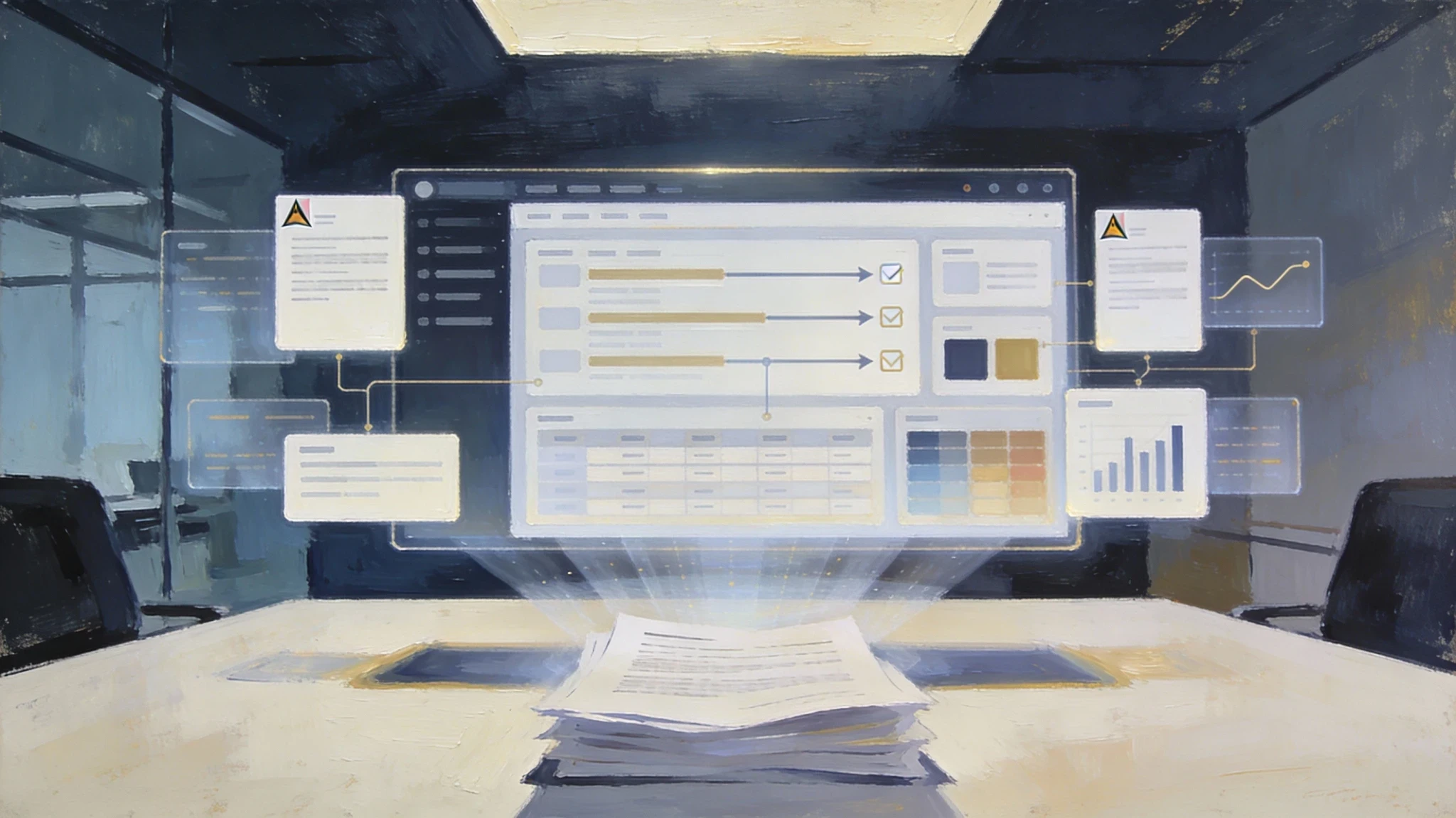
Achieving visibility relies on several critical components, including digital contract repositories that provide centralized storage with searchable, structured contracts. By tagging clauses and extracting metadata, organizations can pinpoint particular provisions and distill essential information. AI-powered analytics then support the identification of clauses that no longer comply with current standards or contain discrepancies. Real-time dashboards give stakeholders a dynamic overview of risk exposure and compliance status. Meanwhile, automated alerts ensure timely notification of contracts approaching renewal or needing amendments.
Visibility allows agencies and contractors to transition from reactive firefighting toward a more strategic approach in managing contracts. This enables teams to sustain an up-to-date, comprehensive perspective on obligations, minimizing unexpected issues.
Related articles: How Does AI Limitations Impacting Contract Management?
How to Start Addressing Clause Drift Today
Conduct a Contract Audit:
Identify contracts with outdated or inconsistent clauses. Additionally, emphasize areas prone to elevated risks, such as cybersecurity and supply chain vulnerabilities.
Map Policy Changes to Contract Language:
Carefully review how recent policy updates influence current contract clauses, highlighting any inconsistencies that must be addressed.
Implement Clause-Level Tracking:
Deploy specialized tools capable of detailed tagging and continuous monitoring to maintain visibility over individual clauses throughout your contract portfolio.
Establish Governance Processes:
Create and uphold structured workflows that require regular clause evaluations and prompt updates for both active and upcoming agreements.
Train Contracting Teams:
Provide comprehensive training to personnel on the risks posed by clause drift and the necessity of maintaining contract consistency over time.
Leverage Technology:
Integrate AI-driven contract lifecycle management solutions to proactively identify and address clause drift within your contracts.
Taking these measures mitigates risk and enhances adherence to the dynamic requirements of federal acquisition regulations.
Related articles: 4 Legal Issues in Retail: How to Mitigate Risks in Retailing
How Contract Management Software Solves This
Solutions for managing contract lifecycles effectively enable organizations involved in federal contracting to maintain contract terms that remain closely aligned with rapidly evolving regulatory frameworks. Furthermore, these systems break down contracts into digital clauses, facilitating granular tracking, side-by-side comparison, and automated clause updates. Additionally, by incorporating AI, the software detects outdated or inconsistent language before it causes compliance issues.
Volody’s platform incorporates AI-enhanced contract drafting, review, and risk assessment tools that simplify the control of clause drift. It offers a centralized repository with advanced search functions and version tracking capabilities. Automated notifications and dashboards provide real-time updates on contract statuses.
See how Volody's CLM Software helps legal teams manage contracts faster and with greater control.
FAQ
What specifically leads to clause drift in federal contracts?
Clause drift occurs when contract provisions do not accurately represent the latest federal regulatory standards. Moreover, this results from rapid policy changes coupled with inconsistent contract and amendment updates. As a result, numerous clause variants spread across awards, task orders, and subcontractor agreements, creating compliance uncertainties.
Why has clause drift become more problematic recently?
Policy revisions are accelerating, especially in areas like cybersecurity, supply chain security, and emerging technology regulations. At the same time, agencies often release new directives, while contract management systems and workflows lag behind these developments. This dynamic exacerbates the challenges in maintaining consistent contract language.
How does clause drift heighten audit risks?
Auditors expect contracts to precisely reflect current policy mandates. When contract language becomes obsolete or internally conflicting, the likelihood of non-compliance findings increases. Furthermore, these inconsistencies can lead to negative audit results, financial sanctions, or contract disputes. Additionally, clause drift complicates the demonstration of compliance during assessments.
Can manual contract reviews prevent clause drift?
While manual examination offers benefits, it falls short for large contract portfolios undergoing constant policy changes. The task is resource-intensive and prone to errors. Often, clause drift remains unnoticed until audits or incidents reveal compliance deficiencies. Scalable technological solutions are critical for systematic identification.
What role do subcontractors play in clause drift?
Also, subcontractors inherit flow-down clauses from prime contracts. Discrepancies or outdated terms at the prime level cascade downstream, embedding risks within subcontract agreements. Managing flow-down consistency effectively requires detailed clause tracking and clear visibility.
How does AI improve contract management for federal acquisition?
AI enables automated clause extraction, linguistic comparison across versions, and detection of inconsistencies. This shortens review times and identifies potential risks proactively before escalation. It also delivers real-time compliance insights across extensive contract portfolios.
Therefore, what features should a CLM system have to address clause drift?
Key components include clause tagging, thorough version control, AI-assisted clause comparisons, risk and compliance analytics, proactive alerting, and a consolidated contract repository. These features support accurate monitoring of clause changes and guarantee alignment with evolving regulatory demands.
Are there legal barriers to updating contract clauses regularly?
No major statutory obstacles prevent periodic clause revisions. The main challenges are operational, involving systematic tracking and consistent enforcement of updates. Modern CLM platforms facilitate these processes without requiring amendments to procurement laws.
Consequently, how can agencies prioritize which contracts to update first?
Utilize CLM analytics to pinpoint contracts with the greatest risk exposure or those referencing outdated policies. Priority should be given to contracts with critical compliance requirements or approaching renewal deadlines.
What are the initial steps for an agency to reduce clause drift risk?
Begin with a thorough contract audit to find outdated clauses. Correlate policy changes to contract language. Deploy clause-level tracking technology. As a result, create governance protocols for regular updates. Educate personnel on managing clause drift risks.
How does clause drift affect contract performance disputes?
Inconsistencies among contract clauses across various documents can trigger disagreements over contractual obligations. This leads to increased disputes and project delays. Clear and consistent contract language minimizes misunderstandings and facilitates smoother performance.
Can clause drift impact cybersecurity compliance?
Absolutely. Next, outdated cybersecurity provisions may not align with current standards, exposing contracts to cyber threats. This vulnerability can result in breaches, penalties, and reputational damage for both government agencies and their contracting partners.
Is clause drift only a federal issue?
No. State and local governments encounter similar challenges, particularly when implementing federal flow-down requirements. They too face difficulties in keeping contracts synchronized with rapidly evolving policies.
How often should contracts be reviewed to prevent clause drift?
Regular reviews are essential, ideally triggered by policy changes. Subsequently, continuous oversight using automated tools provides the best approach to maintain ongoing compliance.
What is the cost impact of ignoring clause drift?
Failing to manage clause drift effectively can result in costly audit findings, legal disputes, compliance penalties, and operational setbacks. Proactive management mitigates these hazards and conserves resources throughout the contract lifecycle.
This comprehensive guide explains why clause drift is a hidden but growing risk in federal acquisition. It outlines the causes, consequences, and practical steps to manage this challenge. Advanced contract lifecycle management technology is indispensable for sustaining contract conformity amidst rapidly changing policies, mitigating risk, and enhancing compliance.
About the Company
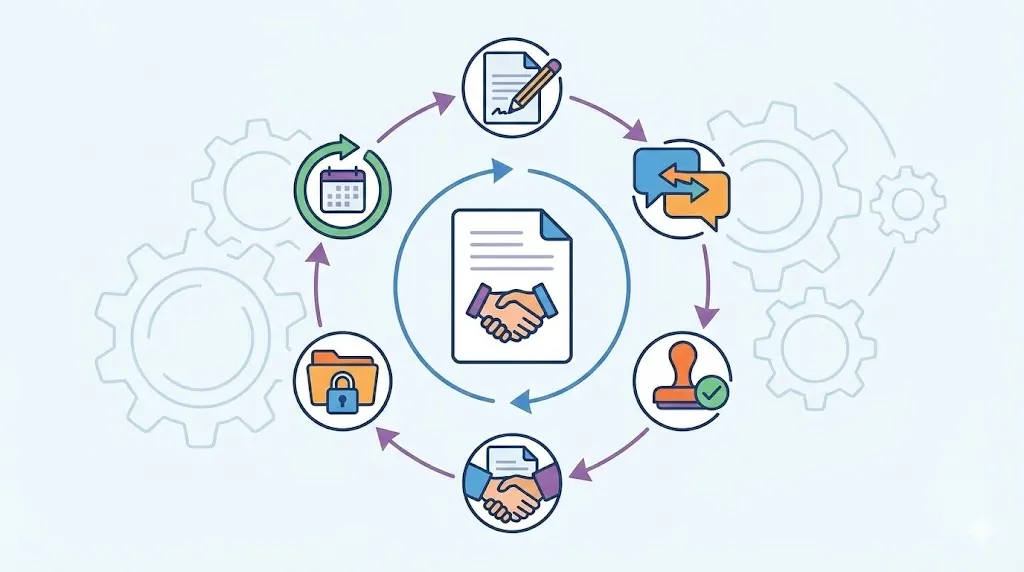
Volody AI CLM is an Agentic AI-powered Contract Lifecycle Management platform designed to eliminate manual contracting tasks, automate complex workflows, and deliver actionable insights. As a one-stop shop for all contract activities, it covers drafting, collaboration, negotiation, approvals, e-signature, compliance tracking, and renewals. Built with enterprise-grade security and no-code configuration, it meets the needs of the most complex global organizations. Volody AI CLM also includes AI-driven contract review and risk analysis, helping teams detect issues early and optimize terms. Trusted by Fortune 500 companies, high-growth startups, and government entities, it transforms contracts into strategic, data-driven business assets.




" height="216.72211px" id="FYO0bO80Y" transform="translate(3 6.105)" width="206.073px"/><path d="M 108.174 222 C 88.432 222 70.303 217.239 53.785 207.717 C 37.267 198.196 24.173 185.052 14.504 168.285 C 4.835 151.312 0 132.165 0 110.845 C 0 89.731 4.835 70.792 14.504 54.025 C 24.173 37.052 37.267 23.804 53.785 14.282 C 70.303 4.761 88.432 0 108.174 0 C 128.116 0 146.246 4.761 162.562 14.282 C 179.08 23.804 192.073 37.052 201.541 54.025 C 211.21 70.792 216.044 89.731 216.044 110.845 C 216.044 132.165 211.21 151.312 201.541 168.285 C 192.073 185.052 179.08 198.196 162.562 207.717 C 146.044 217.239 127.915 222 108.174 222 Z M 108.174 183.189 C 120.864 183.189 132.044 180.291 141.713 174.495 C 151.382 168.492 158.936 160.006 164.375 149.035 C 169.814 138.064 172.533 125.334 172.533 110.845 C 172.533 96.355 169.814 83.729 164.375 72.965 C 158.936 61.994 151.382 53.611 141.713 47.815 C 132.044 42.02 120.864 39.122 108.174 39.122 C 95.483 39.122 84.202 42.02 74.332 47.815 C 64.663 53.611 57.109 61.994 51.67 72.965 C 46.231 83.729 43.511 96.355 43.511 110.845 C 43.511 125.334 46.231 138.064 51.67 149.035 C 57.109 160.006 64.663 168.492 74.332 174.495 C 84.202 180.291 95.483 183.189 108.174 183.189 Z" fill="rgba(255, 255, 255, 0.12)" height="222px" id="aa1McFcE9" transform="translate(227.183 3)" width="216.04399999999998px"/><path d="M 42.302 182.257 L 111.799 182.257 L 111.799 216.722 L 0 216.722 L 0 0 L 42.302 0 Z" fill="rgba(255, 255, 255, 0.12)" height="216.72211px" id="yRq4AnrsX" transform="translate(477.721 6.105)" width="111.79899999999998px"/><path d="M 108.174 222 C 88.432 222 70.303 217.239 53.785 207.717 C 37.267 198.196 24.173 185.052 14.504 168.285 C 4.835 151.312 0 132.165 0 110.845 C 0 89.731 4.835 70.792 14.504 54.025 C 24.173 37.052 37.267 23.804 53.785 14.282 C 70.303 4.761 88.432 0 108.174 0 C 128.116 0 146.246 4.761 162.562 14.282 C 179.08 23.804 192.073 37.052 201.541 54.025 C 211.21 70.792 216.045 89.731 216.045 110.845 C 216.045 132.165 211.21 151.312 201.541 168.285 C 192.073 185.052 179.08 198.196 162.562 207.717 C 146.044 217.239 127.915 222 108.174 222 Z M 108.174 183.189 C 120.864 183.189 132.044 180.291 141.713 174.495 C 151.382 168.492 158.936 160.006 164.375 149.035 C 169.814 138.064 172.534 125.334 172.534 110.845 C 172.534 96.355 169.814 83.729 164.375 72.965 C 158.936 61.994 151.382 53.611 141.713 47.815 C 132.044 42.02 120.864 39.122 108.174 39.122 C 95.483 39.122 84.202 42.02 74.332 47.815 C 64.663 53.611 57.108 61.994 51.67 72.965 C 46.231 83.729 43.511 96.355 43.511 110.845 C 43.511 125.334 46.231 138.064 51.67 149.035 C 57.108 160.006 64.663 168.492 74.332 174.495 C 84.202 180.291 95.483 183.189 108.174 183.189 Z" fill="rgba(255, 255, 255, 0.12)" height="222px" id="mo8HQspQ0" transform="translate(609.155 3)" width="216.04500000000007px"/><path d="M 73.727 0 C 95.885 0 115.324 4.45 132.044 13.351 C 148.967 22.252 161.957 34.982 171.027 51.541 C 180.287 67.894 184.917 86.937 184.917 108.671 C 184.917 130.405 180.287 149.449 171.027 165.801 C 161.957 181.947 148.967 194.47 132.044 203.371 C 115.324 212.271 95.885 216.722 73.727 216.722 L 0 216.722 L 0 0 Z M 72.216 179.773 C 94.374 179.773 111.497 173.564 123.583 161.144 C 135.669 148.724 141.713 131.233 141.713 108.671 C 141.713 86.109 135.669 68.515 123.583 55.888 C 111.497 43.055 94.374 36.638 72.216 36.638 L 42.302 36.638 L 42.302 179.773 Z" fill="rgba(255, 255, 255, 0.12)" height="216.72211px" id="I3iXX5Hi_" transform="translate(859.693 6.105)" width="184.91699999999992px"/><path d="M 185.22 0 L 113.91 141.273 L 113.91 216.722 L 71.61 216.722 L 71.61 141.273 L 0 0 L 47.74 0 L 93.06 99.046 L 138.08 0 Z" fill="rgba(255, 255, 255, 0.12)" height="216.72211px" id="nzHyWC0_d" transform="translate(1061.78 6.105)" width="185.22000000000003px"/></svg>)