

Introduction
Auto-renew contracts frequently present significant challenges for businesses, often resulting in unintended commitments and unforeseen expenses. These agreements typically contain renewal provisions that are either unclear or obscured within dense contract language, causing companies to miss critical cancellation deadlines. Such oversights can lead to automatic contract extensions that impact budgets, operations, and vendor relationships.
A thorough understanding of auto-renewal clauses is imperative for effective contract management, financial planning, and legal compliance. This article outlines five fundamental aspects of auto-renew contracts, providing actionable guidance to help organizations interpret renewal terms, evaluate financial consequences, address legal considerations, assign operational responsibilities, and employ negotiation tactics. Mastery of these elements empowers businesses to mitigate risks and leverage auto-renewals strategically.
TL;DR
Auto Renew Contracts automatically extend unless canceled in time. Many firms miss cancellation notices, leading to unwanted renewals and extra costs. Clear ownership and centralized tracking help avoid these pitfalls. Legal rules vary, so understanding jurisdictional requirements matters. Using negotiation and technology smartly can turn auto-renewals from risks into business strengths.
Related articles: 10 Key Contract Clauses Every Business Should Know in 2026
Understanding Contractual Renewal Terms
Key Components of Auto-Renewal Clauses
Auto Renew Contracts include specific language that defines how and when the contract renews. These clauses usually state the renewal period, what triggers renewal, and how either party can cancel. Common elements include renewal frequency, automatic extension conditions, and notice requirements.
The renewal period might be fixed, such as one year, or rolling, renewing for shorter intervals repeatedly. Some contracts renew only once unless renegotiated, while others keep renewing indefinitely. Understanding these terms is essential because they determine the contract’s lifespan and your ability to exit.
Contracts often specify the form and timing of cancellation notices. This could be written notice delivered by email, postal mail, or through an online portal. Missing these details can cause unintended renewals. Clear clauses help both parties understand their rights and duties, reducing disputes.
Differences Between Fixed and Rolling Renewal Periods
Fixed renewal periods extend the contract for a set time after the initial term ends. For example, a three-year contract might auto-renew for another three years. This approach offers predictability but may reduce flexibility if the business needs change.
Rolling renewal periods automatically extend the contract for shorter increments, such as monthly or quarterly. These renewals continue until one side cancels. Rolling terms can provide more agility but require closer monitoring to avoid surprises.
Choosing between fixed and rolling periods depends on business needs. Fixed terms suit long-term commitments with stable requirements. Rolling periods work better for services needing frequent reassessment or with variable demand.
Legal Significance of Notice Periods in Renewals
Notice periods define the window when a party can cancel before renewal takes effect. They protect both sides by giving time to plan and negotiate. Notice can range from 30 to 90 days or more, depending on the contract and jurisdiction.
Failing to meet the notice deadline usually triggers automatic renewal under the contract’s terms. This can lock a company into another term without renegotiation rights. Courts generally enforce these deadlines strictly, emphasizing the need for timely action.
Some laws require that notice terms be reasonable and clearly communicated. Ambiguous or hidden notice clauses may be unenforceable. Businesses should review these terms carefully and implement systems to track deadlines accurately.
Related articles: What is Contract Management? Your Detailed Guide
Financial Impact and Spend Visibility
Budgeting for Auto-Renew Contracts
Auto Renew Contracts can complicate budgeting because expenses recur without explicit approval each cycle. Untracked renewals may lead to paying for unused or unnecessary services. This drains budgets and reduces financial agility.
Companies must forecast these costs as part of their regular budgeting process. Including renewal dates and projected spend ensures funds are available and aligned with business needs. This also helps avoid surprises during audits or financial reviews.
Budget owners should receive timely alerts ahead of renewal dates. This allows them to assess whether to continue, renegotiate, or cancel. Without this, companies risk overspending or missing opportunities to optimize vendor costs.
Consequences of Overlooking Renewal Dates
When renewal dates slip through the cracks, contracts renew automatically, often at full price. This can trap businesses in unfavorable terms or services no longer required. Recovering from such oversights can be costly and time-consuming.
Missed deadlines also reduce negotiation leverage. Vendors know the contract will renew unless canceled, so they have less incentive to offer discounts or improvements. This harms the buyer’s ability to control costs and service quality.
In worst cases, companies may face penalties for late cancellation or early termination. These costs add up and affect the bottom line. Proactive management of renewal calendars is crucial to avoid these risks.
Financial Reporting Linked to Contract Renewals
Tracking the financial impact of Auto Renew Contracts requires clear reporting mechanisms. Integrating contract data with financial systems improves spend visibility and forecasting accuracy.
Regular reports should highlight upcoming renewals, contract values, and historical spending patterns. This enables finance teams to analyze trends and identify savings opportunities. It also supports compliance with internal controls and audit requirements.
Some organizations use dashboards that consolidate contract and spend data in real time. Such tools help decision-makers act promptly and align contract renewals with budget cycles.
Related articles: Real Estate Contract Management Software: A Detailed Guide
Legal Considerations and Compliance Challenges
Jurisdictional Variations in Auto-Renew Clause Enforcement
The enforceability of Auto Renew Contracts varies by jurisdiction. Some regions impose strict rules requiring clear disclosure and consent for auto-renewal terms. Others allow more flexibility but expect reasonable cancellation options.
For instance, the European Union enforces consumer protection laws that demand transparent renewal terms and easy opt-out methods. U.S. states like California have specific statutes requiring explicit consent and advance notice.
Understanding local laws is essential. Noncompliance can render renewal clauses invalid or expose companies to penalties. Legal teams must review contracts against applicable regulations before finalizing terms.
Consumer Protection Laws Affecting Auto-Renew Contracts
Consumer protection laws often target subscription services and similar agreements. They require businesses to disclose auto-renewal terms clearly and obtain affirmative consent. These rules prevent deceptive practices and protect buyers from unexpected charges.
Such laws typically mandate:
Clear, prominent disclosure of renewal terms
Reasonable cancellation mechanisms
Advance notice before renewal charges apply
Failure to follow these rules can lead to regulatory fines, reputational damage, and contract disputes. Even in B2B settings, it’s wise to adopt transparent practices to reduce legal risks.
Notification Requirements and Legal Risks of Non-Compliance
Notification requirements vary but often include sending renewal reminders a set number of days before the contract renews. These notices must be clear, timely, and in an accessible format.
Missing or inadequate notifications expose companies to legal challenges. Courts may deem auto-renewals unenforceable if the notice is insufficient. This could leave vendors without guaranteed revenue and buyers without service continuity.
To manage this, businesses should implement systems that generate and track notification delivery. Documenting these communications supports compliance and dispute resolution.
Operational Ownership and Accountability
Defining Roles for Contract Management
Clear ownership is vital for managing Auto Renew Contracts effectively. Assigning a contract owner ensures someone monitors renewal dates, evaluates terms, and decides on next steps.
Typically, the contract owner is a business unit leader or manager who uses the service. This person works closely with legal and finance teams to coordinate actions. Defining responsibilities prevents contracts from falling through the cracks.
Owners should have access to contract details and tools to track deadlines. They must also understand the implications of renewal clauses and cancellation policies.
Collaboration Between Departments for Renewal Decisions
Renewal decisions often require input from multiple departments. Legal reviews contract language, finance assesses budget impact, and operations evaluates service needs.
Regular cross-functional meetings or workflows help align perspectives and avoid siloed decisions. This shared approach improves contract outcomes and mitigates risks.
Documenting decisions and approvals creates accountability. It also builds an audit trail that supports compliance and governance.
Systems for Tracking and Escalating Renewal Actions
Managing numerous Auto Renew Contracts demands reliable tracking systems. These platforms store contract data, trigger alerts, and escalate pending actions to responsible parties.
Effective systems include:
Centralized contract repositories
Automated renewal reminders
Escalation workflows for missed deadlines
By streamlining communication and oversight, businesses reduce the chance of unwanted renewals and missed opportunities to renegotiate or cancel.
Negotiation Strategies for Auto-Renew Contracts
Customizing Renewal Terms to Fit Business Needs
Tailoring renewal clauses to suit specific business goals improves contract flexibility and control. Instead of accepting standard auto-renewal language, negotiate terms that reflect your usage patterns and risk tolerance.
Options include shorter renewal periods, conditional renewals, or requiring affirmative consent for extensions. These adjustments give the company more say over ongoing commitments.
Custom terms also help align renewal with budget cycles and operational planning. This reduces surprises and supports proactive contract management.
Securing Flexible Termination and Notice Provisions
Negotiating clear and flexible termination rights is crucial. Contracts should allow cancellation without excessive penalties or burdensome notice formats. Reasonable notice periods—such as 30 or 60 days—give time to plan transitions.
Avoid clauses that require certified mail or other complicated notice methods. Instead, seek acceptance of email or portal-based notices for convenience and reliability.
Flexible termination terms protect against vendor lock-in and enable swift responses to changing business needs.
Using Renewal Clauses as Leverage in Contract Negotiations
Renewal provisions can serve as bargaining chips during contract talks. For example, agreeing to auto-renewal might secure better pricing, service levels, or incentives.
Conversely, insisting on strict cancellation rights can encourage vendors to offer more competitive terms upfront. This balances vendor interests with buyer protections.
By approaching renewal clauses strategically, companies can improve overall contract value and reduce long-term risks.
Managing Contract Volume and Complexity
Organizing Contracts in Centralized Repositories
A centralized contract repository consolidates all agreements in one place. This makes it easier to search, access, and manage Auto Renew Contracts across the company.
Such repositories support tagging, filtering, and reporting on renewal dates, values, and terms. They reduce the risk of losing contracts in email threads or local drives.
Centralized storage is a foundation for effective contract renewal management.
Prioritizing High-Value or High-Risk Auto-Renew Contracts
Not all contracts carry the same importance. Prioritizing those with large spend, strategic impact, or complex terms ensures focused management.
High-value contracts deserve closer scrutiny and earlier renewal reviews. High-risk contracts-such as those with strict auto-renewal penalties-require special attention.
Prioritization helps allocate resources efficiently and reduces exposure to costly renewal mistakes.
Synchronizing Contract Data Across Business Functions
Auto Renew Contracts often involve multiple departments. Synchronizing contract data ensures all stakeholders have consistent, up-to-date information.
Integration between contract management, finance, and procurement systems improves visibility and coordination. This reduces duplication, errors, and delays.
A unified view supports better decision-making and compliance.
Mitigating Risks of Unwanted Renewals
Detecting and Addressing Hidden Renewal Triggers
Some contracts include hidden or indirect triggers for renewal, such as implied acceptance or usage beyond a deadline. These can catch companies off guard.
Regular contract reviews help identify such clauses. Legal teams should flag ambiguous language and seek clarification or amendment.
Understanding all renewal triggers prevents surprises and unwanted extensions.
Related articles: Effective Renewal Order Forms: A Professional Approach
Implementing Controls to Avoid Automatic Extensions
Controls like approval workflows, renewal checklists, and automated alerts help prevent accidental contract extensions. These tools enforce review and decision points before renewal occurs.
Controls also include requiring multiple approvals or senior management sign-off on renewals. This adds oversight and reduces risk.
By embedding controls in processes, companies gain better command over contract lifecycles.
Procedures for Timely Contract Cancellation and Renegotiation
Having defined procedures for cancellation ensures actions happen before deadlines. This includes notifying vendors, documenting communications, and confirming termination.
Renegotiation procedures allow companies to revisit terms ahead of renewal, seeking cost savings or improved conditions.
Clear processes reduce the chance of missed deadlines and improve contract outcomes.
Leveraging Technology for Renewal Optimization
Features of Contract Lifecycle Management Software
Contract Lifecycle Management (CLM) software centralizes contract data and automates key tasks. For Auto Renew Contracts, useful features include:
Renewal date tracking and alerts
Document storage and version control
Approval workflows and audit trails
Integration with financial and procurement systems
These features reduce manual effort, errors, and missed renewals.
Benefits of Automated Renewal Alerts and Reporting
Automated alerts notify contract owners well before renewal deadlines. This gives time to decide and act. Reporting tools provide insights on upcoming renewals, spend, and contract status.
Together, these capabilities improve transparency and enable proactive management. They also support compliance with legal and internal policies.
Enhancing Cross-Departmental Visibility with Technology
CLM platforms enable shared access for legal, finance, procurement, and business teams. This enhances collaboration and ensures everyone sees the same renewal data.
Cross-departmental visibility reduces silos, speeds decision-making, and aligns contract management with company goals.
Technology thus plays a vital role in optimizing Auto Renew Contracts.
Conclusion
Effectively managing auto-renew contracts is essential to controlling costs, mitigating legal risks, and maintaining operational agility. By gaining a comprehensive understanding of renewal terms, enforcing clear ownership, and fostering cross-functional collaboration, organizations can proactively oversee contract lifecycles and prevent costly oversights.
Negotiating flexible renewal and termination provisions further enhances control, while leveraging advanced contract management technology ensures timely alerts and transparent reporting. Implementing these best practices transforms auto-renew contracts from potential liabilities into strategic assets that support sustainable growth and efficiency.
Begin by conducting a thorough audit of your existing auto-renew contracts to uncover hidden risks and optimize renewal processes. This disciplined approach can reduce unexpected expenses by up to 20%, streamline contract oversight, and strengthen your organization’s negotiating position.
Frequently Asked Questions
What exactly constitutes an auto-renew contract?
An auto-renew contract automatically extends for a new term unless one party gives notice to stop it. These contracts usually detail renewal periods, how to notify cancellation, and what happens if no action is taken. They are common in subscriptions, software licenses, and supplier agreements, designed to keep services running without renegotiation.
How can companies avoid unintended contract renewals?
Companies avoid unwanted renewals by closely monitoring notice periods and renewal dates. Assigning clear contract owners helps ensure accountability. Using automated reminders and centralized contract systems improves visibility. This prevents missed deadlines and allows timely cancellation or renegotiation.
Are auto-renew contracts legally enforceable?
Yes, if renewal terms are clear and both parties agree, courts generally enforce auto-renew contracts. Enforcement depends on jurisdiction, especially regarding notice and consumer protection laws. Properly drafted clauses and timely notices make renewals legally binding.
What are the financial risks associated with auto-renew contracts?
Financial risks include paying for unused services, facing locked-in pricing, and budget overruns from untracked renewals. Without active management, companies may waste funds on outdated contracts, reducing financial flexibility and increasing costs.
How should organizations assign responsibility for contract renewals?
Organizations should designate a specific contract owner, often within the business unit using the service. This person tracks renewal dates and leads decision-making. Collaboration between legal, finance, and operations ensures full oversight. Automated systems support timely alerts and actions.
What negotiation tactics improve auto-renew contract terms?
Effective tactics include negotiating shorter renewal periods, flexible cancellation rights, and reasonable notice requirements. Parties can cap price increases or require mutual agreement for renewal. These improve control and reduce the risk of unfavorable automatic extensions.
How can technology streamline management of auto-renew contracts?
Contract Lifecycle Management software centralizes contracts, automates alerts, and integrates with finance systems. This improves spend visibility and reduces errors. It also supports collaboration across departments, helping companies manage renewals proactively.
What are common pitfalls in auto-renew clauses to watch for?
Watch for vague renewal language, long renewal periods, strict notice formats, and penalties for early termination. Some contracts require certified mail or other difficult notice methods. Identifying and clarifying these pitfalls helps avoid surprises.
Can auto-renew contracts be terminated early without penalty?
Termination rights vary widely. Some contracts allow early exit with notice but may charge fees. Others prohibit termination until renewal ends. Negotiating favorable early termination clauses upfront protects flexibility and avoids costly commitments.
How do auto-renew contracts impact revenue forecasting?
For vendors, auto-renew contracts ensure steady revenue through ongoing commitments. For buyers, they complicate forecasting if spend and renewal terms lack transparency. Accurate tracking helps align expectations and supports better financial planning.
About the Company

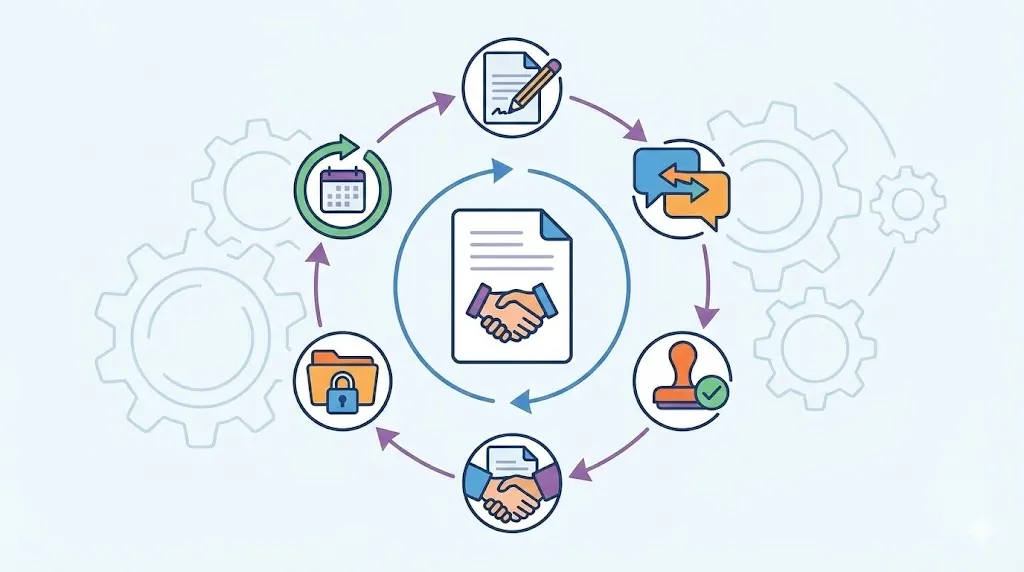
Volody AI CLM is an Agentic AI-powered Contract Lifecycle Management platform designed to eliminate manual contracting tasks, automate complex workflows, and deliver actionable insights. As a one-stop shop for all contract activities, it covers drafting, collaboration, negotiation, approvals, e-signature, compliance tracking, and renewals. Built with enterprise-grade security and no-code configuration, it meets the needs of the most complex global organizations. Volody AI CLM also includes AI-driven contract review and risk analysis, helping teams detect issues early and optimize terms. Trusted by Fortune 500 companies, high-growth startups, and government entities, it transforms contracts into strategic, data-driven business assets.





" height="216.72211px" id="FYO0bO80Y" transform="translate(3 6.105)" width="206.073px"/><path d="M 108.174 222 C 88.432 222 70.303 217.239 53.785 207.717 C 37.267 198.196 24.173 185.052 14.504 168.285 C 4.835 151.312 0 132.165 0 110.845 C 0 89.731 4.835 70.792 14.504 54.025 C 24.173 37.052 37.267 23.804 53.785 14.282 C 70.303 4.761 88.432 0 108.174 0 C 128.116 0 146.246 4.761 162.562 14.282 C 179.08 23.804 192.073 37.052 201.541 54.025 C 211.21 70.792 216.044 89.731 216.044 110.845 C 216.044 132.165 211.21 151.312 201.541 168.285 C 192.073 185.052 179.08 198.196 162.562 207.717 C 146.044 217.239 127.915 222 108.174 222 Z M 108.174 183.189 C 120.864 183.189 132.044 180.291 141.713 174.495 C 151.382 168.492 158.936 160.006 164.375 149.035 C 169.814 138.064 172.533 125.334 172.533 110.845 C 172.533 96.355 169.814 83.729 164.375 72.965 C 158.936 61.994 151.382 53.611 141.713 47.815 C 132.044 42.02 120.864 39.122 108.174 39.122 C 95.483 39.122 84.202 42.02 74.332 47.815 C 64.663 53.611 57.109 61.994 51.67 72.965 C 46.231 83.729 43.511 96.355 43.511 110.845 C 43.511 125.334 46.231 138.064 51.67 149.035 C 57.109 160.006 64.663 168.492 74.332 174.495 C 84.202 180.291 95.483 183.189 108.174 183.189 Z" fill="rgba(255, 255, 255, 0.12)" height="222px" id="aa1McFcE9" transform="translate(227.183 3)" width="216.04399999999998px"/><path d="M 42.302 182.257 L 111.799 182.257 L 111.799 216.722 L 0 216.722 L 0 0 L 42.302 0 Z" fill="rgba(255, 255, 255, 0.12)" height="216.72211px" id="yRq4AnrsX" transform="translate(477.721 6.105)" width="111.79899999999998px"/><path d="M 108.174 222 C 88.432 222 70.303 217.239 53.785 207.717 C 37.267 198.196 24.173 185.052 14.504 168.285 C 4.835 151.312 0 132.165 0 110.845 C 0 89.731 4.835 70.792 14.504 54.025 C 24.173 37.052 37.267 23.804 53.785 14.282 C 70.303 4.761 88.432 0 108.174 0 C 128.116 0 146.246 4.761 162.562 14.282 C 179.08 23.804 192.073 37.052 201.541 54.025 C 211.21 70.792 216.045 89.731 216.045 110.845 C 216.045 132.165 211.21 151.312 201.541 168.285 C 192.073 185.052 179.08 198.196 162.562 207.717 C 146.044 217.239 127.915 222 108.174 222 Z M 108.174 183.189 C 120.864 183.189 132.044 180.291 141.713 174.495 C 151.382 168.492 158.936 160.006 164.375 149.035 C 169.814 138.064 172.534 125.334 172.534 110.845 C 172.534 96.355 169.814 83.729 164.375 72.965 C 158.936 61.994 151.382 53.611 141.713 47.815 C 132.044 42.02 120.864 39.122 108.174 39.122 C 95.483 39.122 84.202 42.02 74.332 47.815 C 64.663 53.611 57.108 61.994 51.67 72.965 C 46.231 83.729 43.511 96.355 43.511 110.845 C 43.511 125.334 46.231 138.064 51.67 149.035 C 57.108 160.006 64.663 168.492 74.332 174.495 C 84.202 180.291 95.483 183.189 108.174 183.189 Z" fill="rgba(255, 255, 255, 0.12)" height="222px" id="mo8HQspQ0" transform="translate(609.155 3)" width="216.04500000000007px"/><path d="M 73.727 0 C 95.885 0 115.324 4.45 132.044 13.351 C 148.967 22.252 161.957 34.982 171.027 51.541 C 180.287 67.894 184.917 86.937 184.917 108.671 C 184.917 130.405 180.287 149.449 171.027 165.801 C 161.957 181.947 148.967 194.47 132.044 203.371 C 115.324 212.271 95.885 216.722 73.727 216.722 L 0 216.722 L 0 0 Z M 72.216 179.773 C 94.374 179.773 111.497 173.564 123.583 161.144 C 135.669 148.724 141.713 131.233 141.713 108.671 C 141.713 86.109 135.669 68.515 123.583 55.888 C 111.497 43.055 94.374 36.638 72.216 36.638 L 42.302 36.638 L 42.302 179.773 Z" fill="rgba(255, 255, 255, 0.12)" height="216.72211px" id="I3iXX5Hi_" transform="translate(859.693 6.105)" width="184.91699999999992px"/><path d="M 185.22 0 L 113.91 141.273 L 113.91 216.722 L 71.61 216.722 L 71.61 141.273 L 0 0 L 47.74 0 L 93.06 99.046 L 138.08 0 Z" fill="rgba(255, 255, 255, 0.12)" height="216.72211px" id="nzHyWC0_d" transform="translate(1061.78 6.105)" width="185.22000000000003px"/></svg>)